The best cycling routes around Hermigua
4.6
(141)
900
riders
29
rides
Touring cycling routes around Hermigua are situated on La Gomera, an island characterized by its steep volcanic terrain and deep ravines. The landscape features dense laurisilva forests, particularly within Garajonay National Park, and dramatic coastal cliffs. Elevation changes are significant throughout the region, with routes often involving sustained climbs and descents.
Best touring cycling routes around Hermigua
- The most popular touring cycling route is San Sebastian de La Gomera loop from Montaña Ismael, a 24.4 miles (39.2 km) trail…
Last updated: July 1, 2026
5.0
(4)
19
riders
Hard bike ride. Very good fitness required. Mostly paved surfaces. Suitable for all skill levels.
5.0
(1)
12
riders
50.2km
04:14
1,710m
1,720m
Hard bike ride. Very good fitness required. Mostly paved surfaces. Suitable for all skill levels.

Sign up for free
3.0
(1)
13
riders
Hard bike ride. Very good fitness required. Mostly paved surfaces. Suitable for all skill levels.
5.0
(1)
13
riders
58.9km
04:59
2,030m
2,040m
Hard bike ride. Very good fitness required. Mostly paved surfaces. Suitable for all skill levels.
4.8
(12)
62
riders
Hard bike ride. Very good fitness required. You may need to push your bike for some segments of this route.
Get access to more routes and recommendations from other explorers.
Sign up for free
Already have an account?
Our route recommendations are based on thousands of hikes, rides, and runs completed by other people on komoot.
Start today with a free account
Your next adventure awaits.
Login or Signup
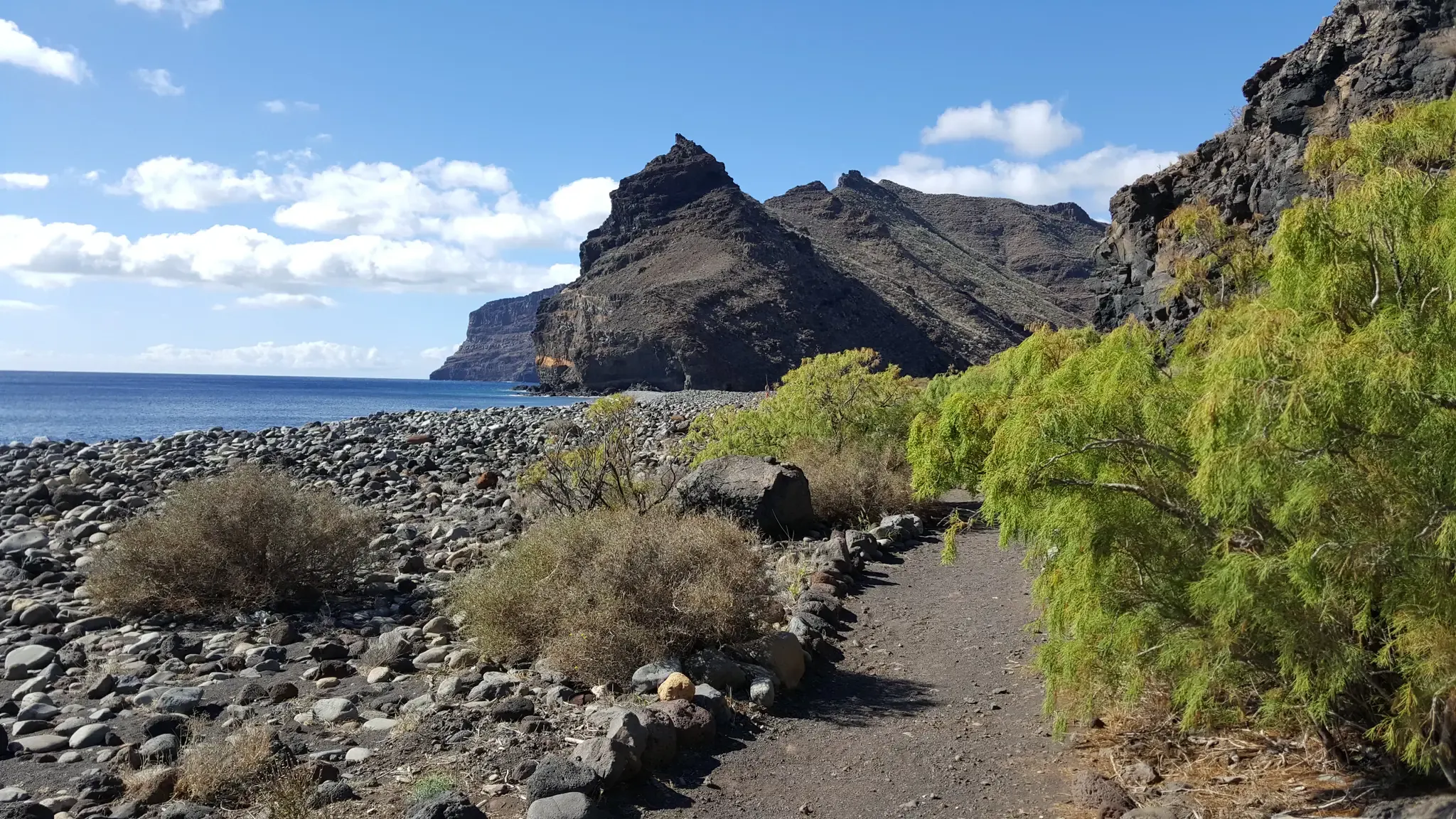
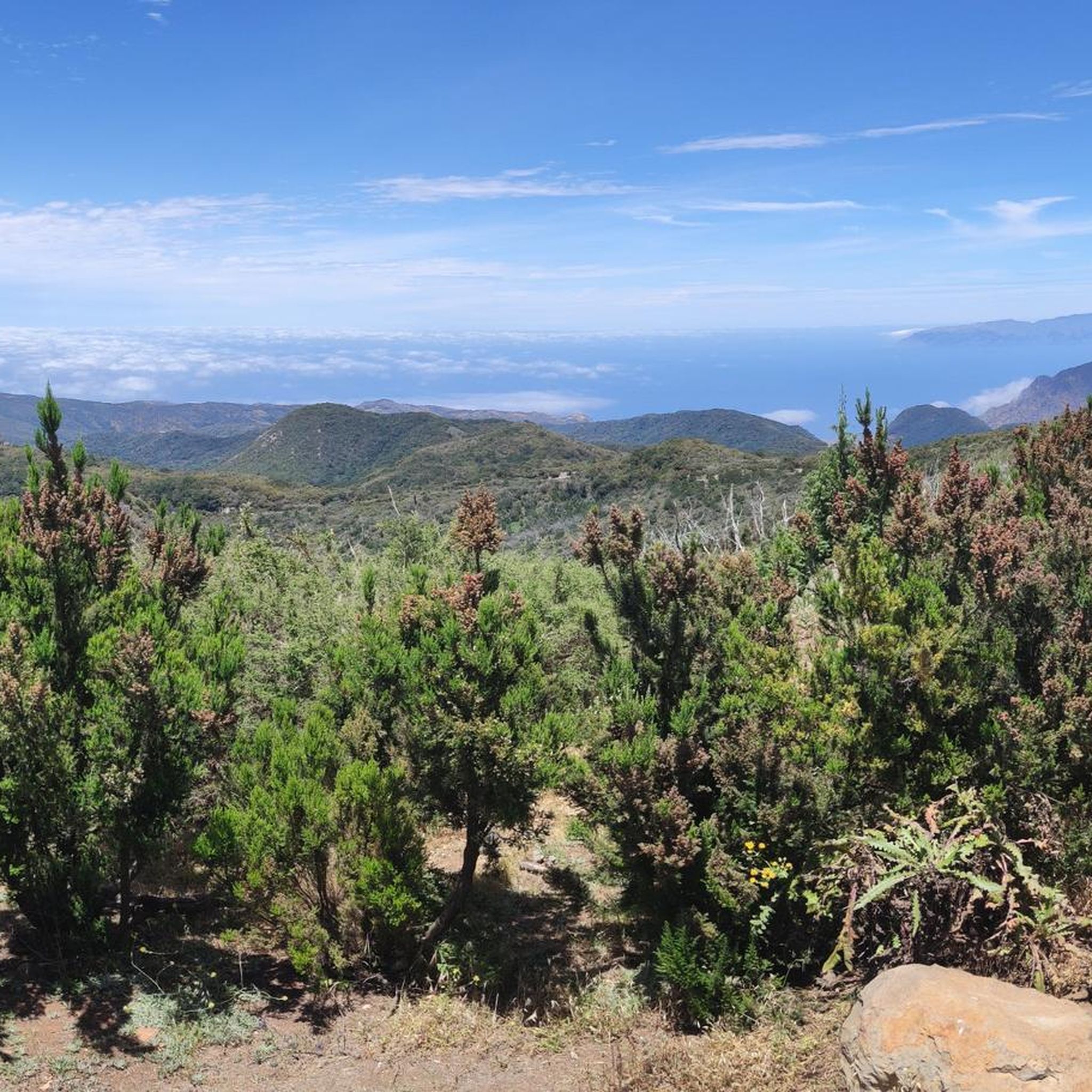
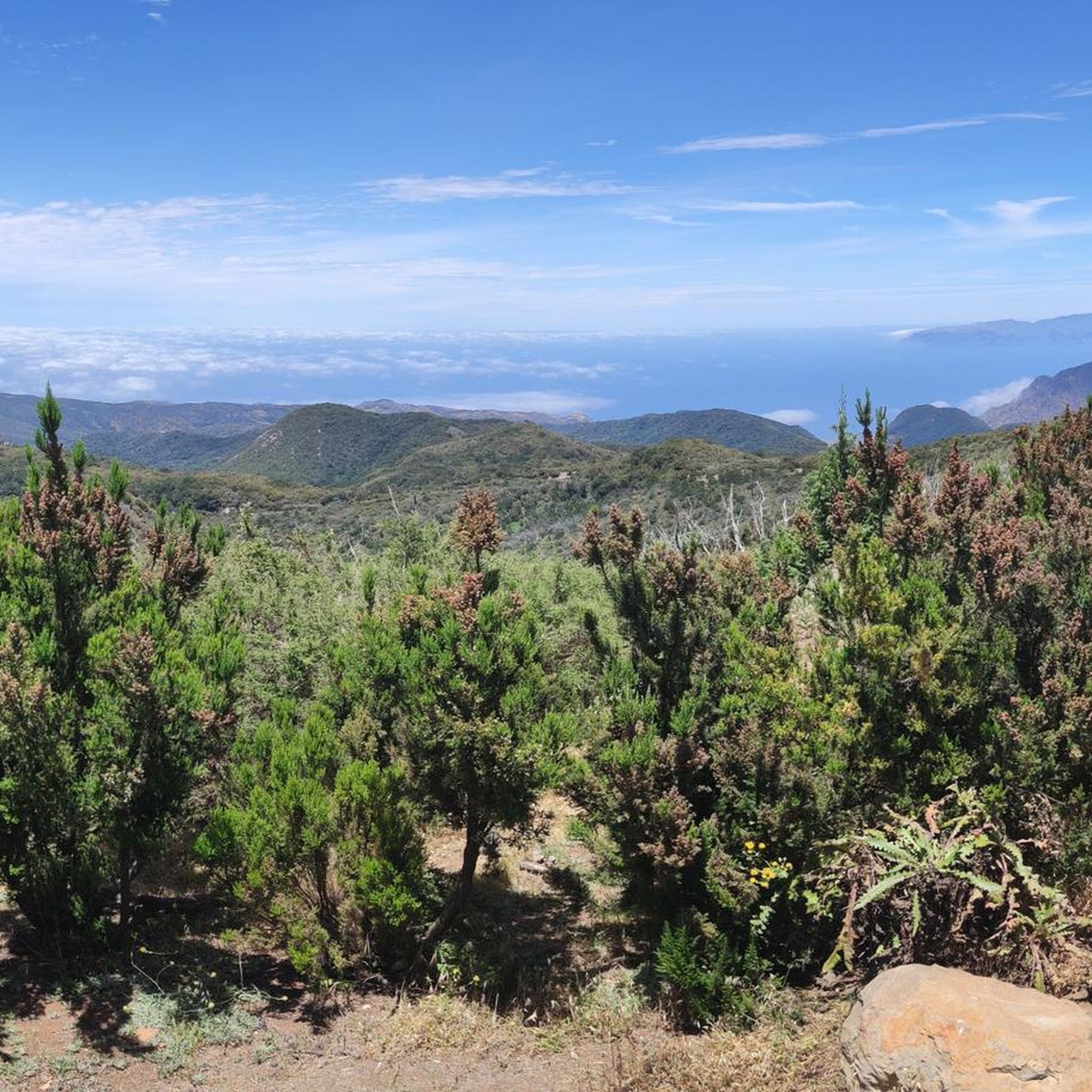
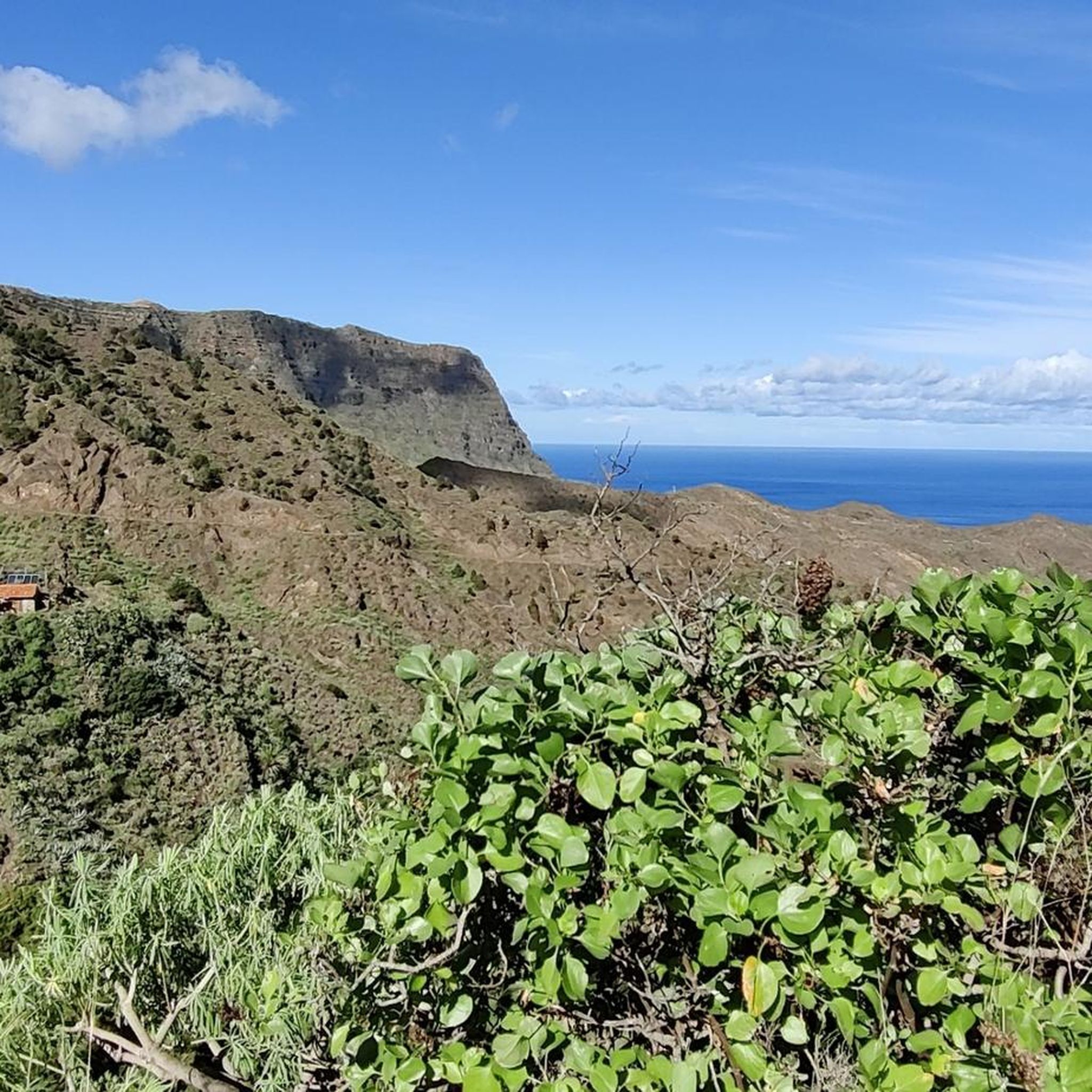
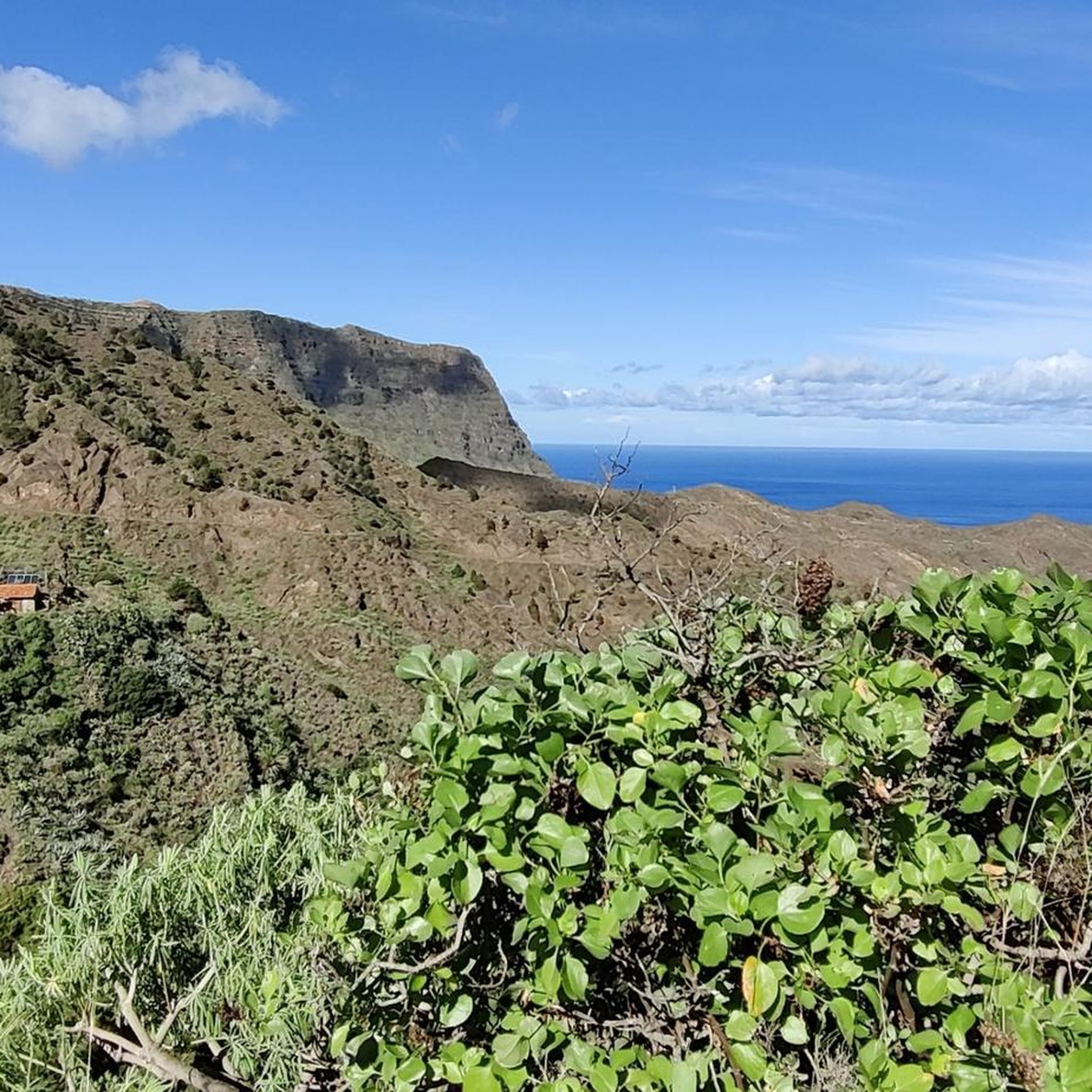
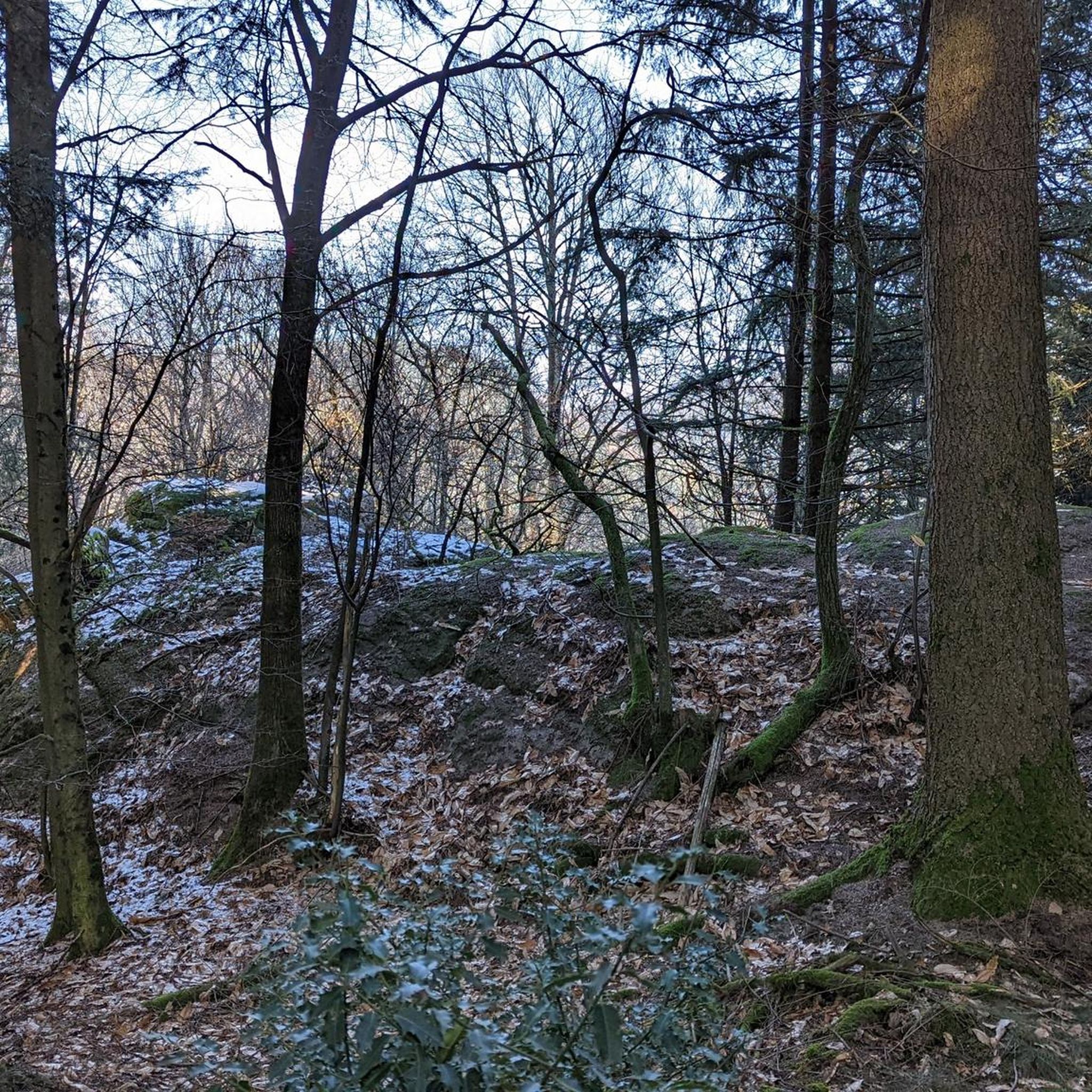
Other adventures around Hermigua

Tips from the Community

This viewpoint belongs to the old route of the GM-1, next to the Aguajilva Tunnels. If you come down from above, you will find a metal gate: the old section was closed after the construction of the modern road and can no longer be fully traversed. The only way to get there today is from below, via a small track that leads to the viewpoint and the old rest area. And precisely therein lies the charm of the place: it seems like a forgotten fragment of the old Gomera. Here, the curves carved into the rock, the silence of the old road, and the brutal views towards the inland ravines and the Chejelipes area are still preserved. While cars pass through the mountain via the modern tunnels, this corner remains frozen in another era. It is one of those hidden places that almost no one visits by chance... and for that very reason, it retains so much personality.
0
0
Vallehermoso was for decades one of the most important and richest municipalities in La Gomera thanks to agriculture, especially bananas, tomatoes, and the cultivation terraces that still cover a large part of its ravines and slopes today. It exceeded 10,000 inhabitants during the 20th century, although emigration to Tenerife, Venezuela, and Cuba greatly reduced the population, leaving a quiet and almost timeless atmosphere today. The village was born linked to water and the fertile ravines of the north of the island, something very unusual in the Canary Islands, where drier landscapes normally predominate. Precisely for this reason, the valley received the name “Vallehermoso”. The area retains a very rural and authentic identity, with isolated farmhouses, ancient royal roads, and one of the most spectacular agricultural landscapes in the Canary Islands. Furthermore, this entire north coast is full of maritime stories and shipwrecks, such as the famous sinking of the French corsair La Mosca in 1801 off the village beach. Above all this rises the impressive Roque Cano, an enormous volcanic plug that has become the absolute symbol of the municipality, visible practically from any point in the valley like a gigantic stone head watching over the Atlantic.
0
0
Laguna Grande is probably one of the best starting points on all of La Gomera to explore the upper part of the island by bike. Many people arrive here by van or car precisely to start their routes from this point and avoid some of the toughest climbs from the coast. From the recreational area, you can easily link up with routes towards San Sebastián, Valle Gran Rey, Alajeró, or the entire central ridge across the humid forest. The advantage is enormous: you start already at over 1,200 meters altitude, within the laurisilva, surrounded by practically traffic-free tracks and roads. This allows you to enjoy the long, scenic descents and high mountain routes much more without draining all the battery or your legs on endless ascents from sea level. Of course, the climate here changes radically compared to the coast. Fog is very common almost all year round and humidity is constantly present, even when it's sunny down below. It is essential to bring a good rain jacket, a serious windbreaker, and some light thermal clothing, because the feeling of cold increases considerably when you enter the more humid areas of the forest. It is also advisable to bring lights or reflective elements if you are going to ride for many hours in fog and shade. For e-bike tours, Laguna Grande is simply a spectacular base.
0
0
The Laguna Grande Recreational Area is one of the most important and visited points in the interior of La Gomera. It is located in the high zone of the island, within the Garajonay National Park, at an altitude of over 1,200 meters and surrounded by the famous laurisilva forest, considered a UNESCO World Heritage site. More than just a picnic area, Laguna Grande functions as a meeting point for hikers, cyclists, and visitors exploring the island's humid heart. Several well-known routes begin here, and it is also one of the best places to stop to rest, eat, or simply contemplate the forest amidst the fog. The climatic difference compared to the coast is enormous: while it can be hot and sunny below, here it is common to find humidity, cold, fine rain, and fog even in summer. The place also has a significant symbolic and popular charge in La Gomera. There are ancient legends related to witches and nocturnal gatherings in the central clearing of the forest, stories that are still part of the local imagination and fit perfectly with the mysterious atmosphere of the place when the fog rolls in among the trees. Today, it is one of the great nerve centers of Garajonay and a practically essential stop to understand the landscape, climate, and the more humid and green personality of La Gomera.
0
0
This trail runs through one of the high areas above San Sebastián and offers a very different perspective of the Gomera capital. From here you can perfectly understand how the village became wedged between volcanic ravines that descend directly towards the port and the Atlantic. The altitude and the open orientation towards the east allow you to enjoy enormous views over San Sebastián, the sea and, on clear days, even Teide in the background. The trail usually combines open sections, constant wind and summit vegetation, with that very typical La Gomera feeling where in a few minutes you can go from humid forest to dry, volcanic landscapes looking towards the coast.
1
0

anyone looking for quite comfortable and joint-friendly paths - amidst all the steep trails of La Gomera - will find them here - and "incidentally" there is also the island's "roof"... an area for relaxation...
0
0


Great view over San Sebastian
0
0
Frequently Asked Questions
How many touring cycling routes are available around Hermigua?
There are over 20 touring cycling routes around Hermigua, offering a variety of experiences across the region's unique volcanic landscape. The majority of these routes are classified as difficult, reflecting the challenging terrain of La Gomera.
What kind of challenge can I expect on touring cycling routes in Hermigua?
The touring cycling routes in Hermigua are predominantly challenging, with 20 out of 23 routes classified as difficult. This is due to the island's steep volcanic terrain and significant elevation changes. For example, the San Sebastian de La Gomera loop from Montaña Ismael involves over 1300 meters of ascent.
Are there any touring cycling routes suitable for beginners or families in Hermigua?
Hermigua's terrain is generally challenging, with no routes classified as easy for touring cycling. However, there are three moderate routes available. For families or beginners, it's important to be prepared for sustained climbs and descents, even on these moderate options.
Are there circular touring cycling routes around Hermigua?
Yes, many touring cycling routes around Hermigua are circular, allowing you to start and end at the same point. Examples include the Garajonay National Park – Laurisilva Forest of La Gomera loop from Garajonay National Park and the CV-14 Track – Garajonay National Park loop from Hermigua, both offering immersive experiences through the region's unique landscapes.
What is the best time of year for touring cycling in Hermigua?
La Gomera enjoys a mild climate year-round, making touring cycling possible in most seasons. However, the best time is typically from autumn to spring (October to May) when temperatures are cooler and more comfortable for sustained physical activity. Summers can be hot, especially at lower elevations.
What are some notable natural attractions I can see along the touring cycling routes?
Hermigua's touring cycling routes often pass through or near significant natural attractions. You can explore the ancient Laurisilva Forest within Garajonay National Park. Additionally, some routes offer views of dramatic coastal cliffs and deep ravines. For those interested in waterfalls, highlights like Arure Waterfall and Waterfall in Barranco de Arure are accessible in the wider region.
Are there any viewpoints or scenic spots on the touring cycling routes?
Given the steep volcanic terrain, many touring cycling routes in Hermigua offer breathtaking panoramic views. Routes traversing Garajonay National Park provide vistas of the dense laurisilva forests, while others offer glimpses of the dramatic coastline and deep barrancos. The Roque de Agando – Garajonay National Park loop from Hermigua, for instance, passes by iconic rock formations and offers expansive views.
What do other touring cyclists enjoy most about cycling in Hermigua?
The touring cycling experience in Hermigua is highly rated by the komoot community, with an average score of 4.6 stars from over 160 reviews. Cyclists frequently praise the unique natural beauty, particularly the ancient laurisilva forests and the challenging yet rewarding mountainous terrain. The sense of adventure and the stunning vistas are often highlighted.
Is parking available near the touring cycling routes in Hermigua?
Parking availability varies depending on the specific starting point of your chosen route. In Hermigua itself, you can often find street parking or small public parking areas. For routes starting within Garajonay National Park, designated parking lots are usually available at visitor centers or trailheads. It's advisable to check the route details on komoot for specific parking recommendations.
How long do touring cycling routes in Hermigua typically take to complete?
The duration of touring cycling routes in Hermigua varies significantly based on distance, elevation gain, and your fitness level. For example, the San Sebastian de La Gomera loop from Montaña Ismael, a 39.2 km route with substantial climbing, typically takes around 3 hours 22 minutes. Longer routes, such as the Laurisilva Forest of La Gomera loop from Garajonay National Park (49.7 km), can take over 4 hours.
Are there cafes or places to refuel along the touring cycling routes?
While some routes pass through or near small villages where you might find local cafes or shops, many of Hermigua's touring cycling routes traverse remote natural areas, especially within Garajonay National Park. It's highly recommended to carry sufficient water and snacks, particularly on longer rides, as amenities can be sparse.
Most popular attractions around Hermigua

Get inspired with the komoot mobile app


Explore more
Browse the best Cycling routes in other regions.
