The best road cycling routes around Hermigua
4.2
(50)
1,466
riders
31
rides
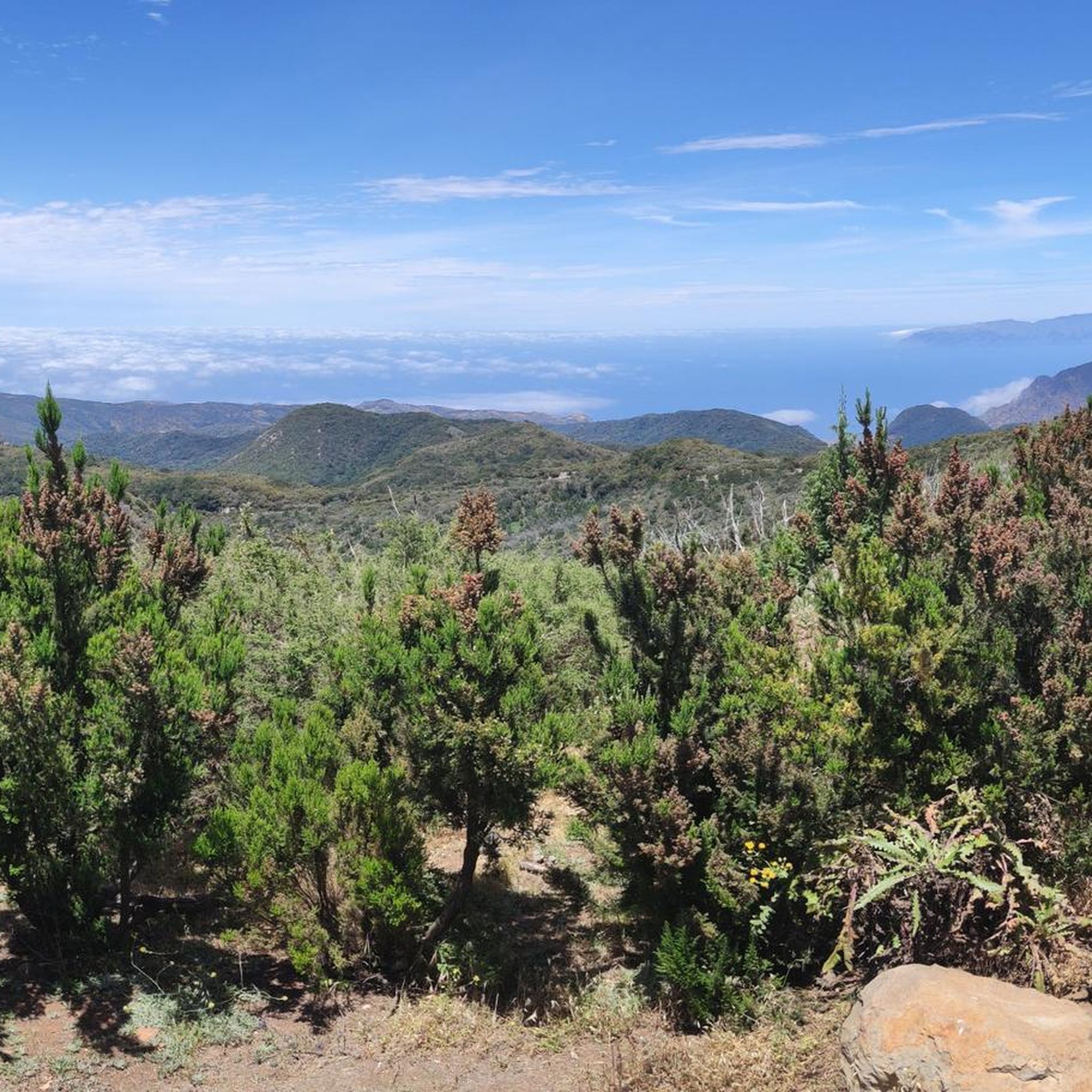
Road cycling routes around Hermigua are situated within a lush valley on La Gomera, characterized by dramatic landscapes and significant elevation changes. The region features high mountain ranges, ancient laurel forests, and terraced fields. Cyclists can expect demanding climbs and exhilarating descents on mostly well-paved surfaces, with routes often presenting panoramic views of the valley and coast.
Best road cycling routes around Hermigua
- The most popular road cycling route is From Agulo through the Garajonay Natural Park – circular route…
Last updated: August 25, 2026
5.0
(2)
23
riders
41.9km
02:56
1,490m
1,480m
Hard road ride. Very good fitness required. Mostly well-paved surfaces and easy to ride.
5.0
(8)
125
riders
54.0km
03:16
1,440m
1,440m
Hard road ride. Very good fitness required. Mostly well-paved surfaces and easy to ride.

Sign up for free
72
riders
55.3km
03:49
1,810m
1,820m
Hard road ride. Very good fitness required. Mostly well-paved surfaces and easy to ride.
19
riders
48.7km
03:16
1,590m
1,590m
Hard road ride. Very good fitness required. Mostly well-paved surfaces and easy to ride.
5.0
(1)
12
riders
Moderate road ride. Good fitness required. Mostly well-paved surfaces and easy to ride.
Get access to more routes and recommendations from other explorers.
Sign up for free
Already have an account?
Our route recommendations are based on thousands of hikes, rides, and runs completed by other people on komoot.
Start today with a free account
Your next adventure awaits.
Login or Signup
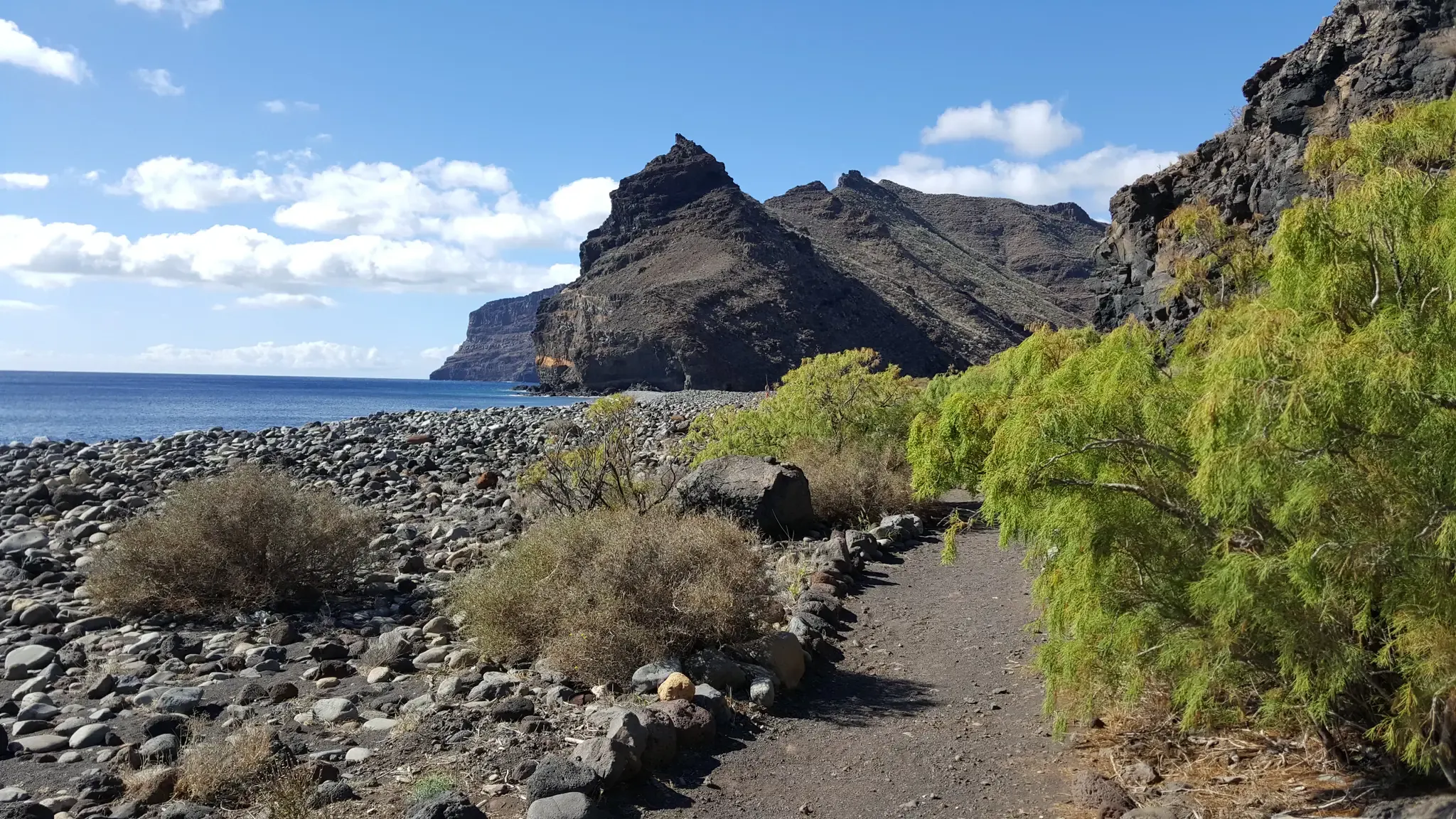
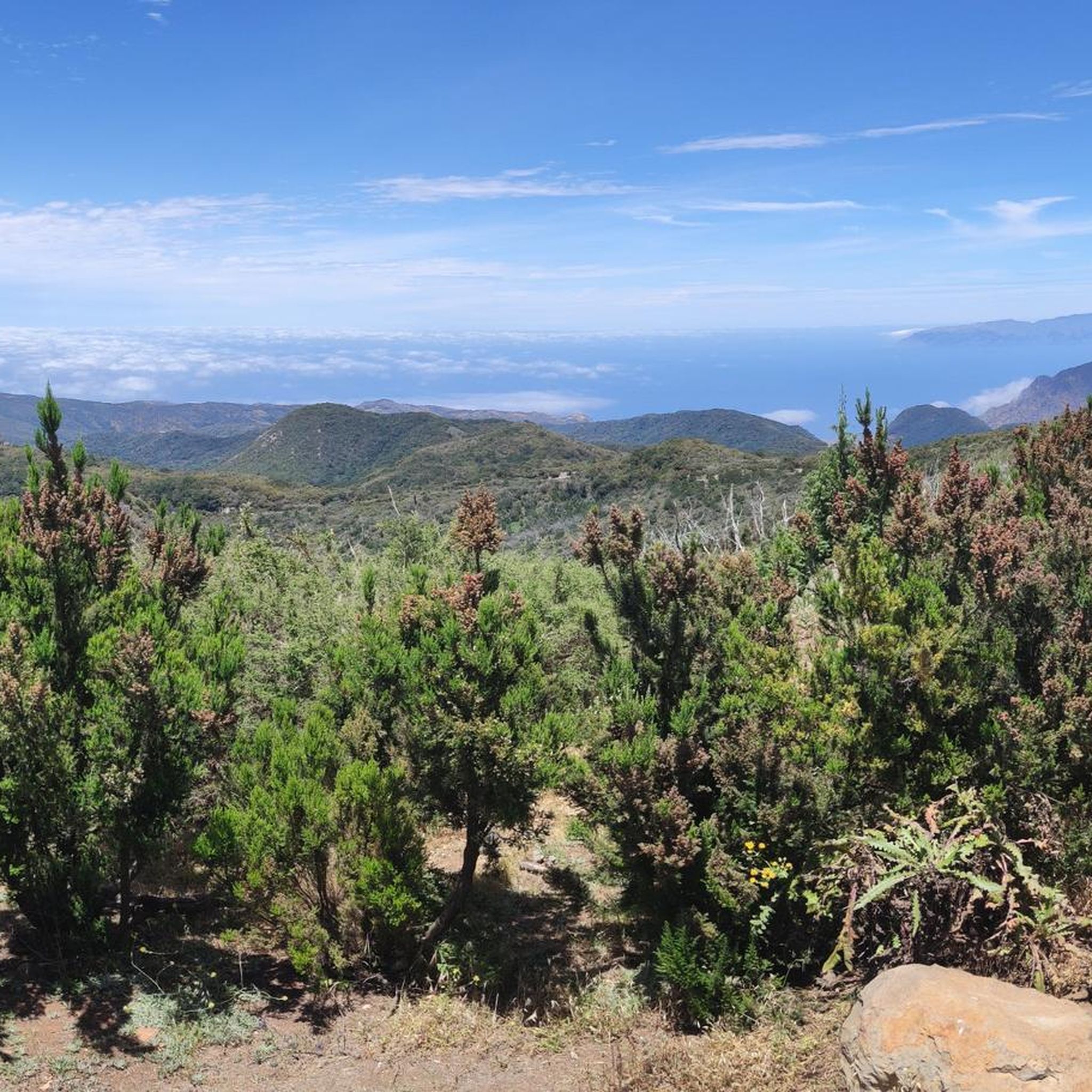
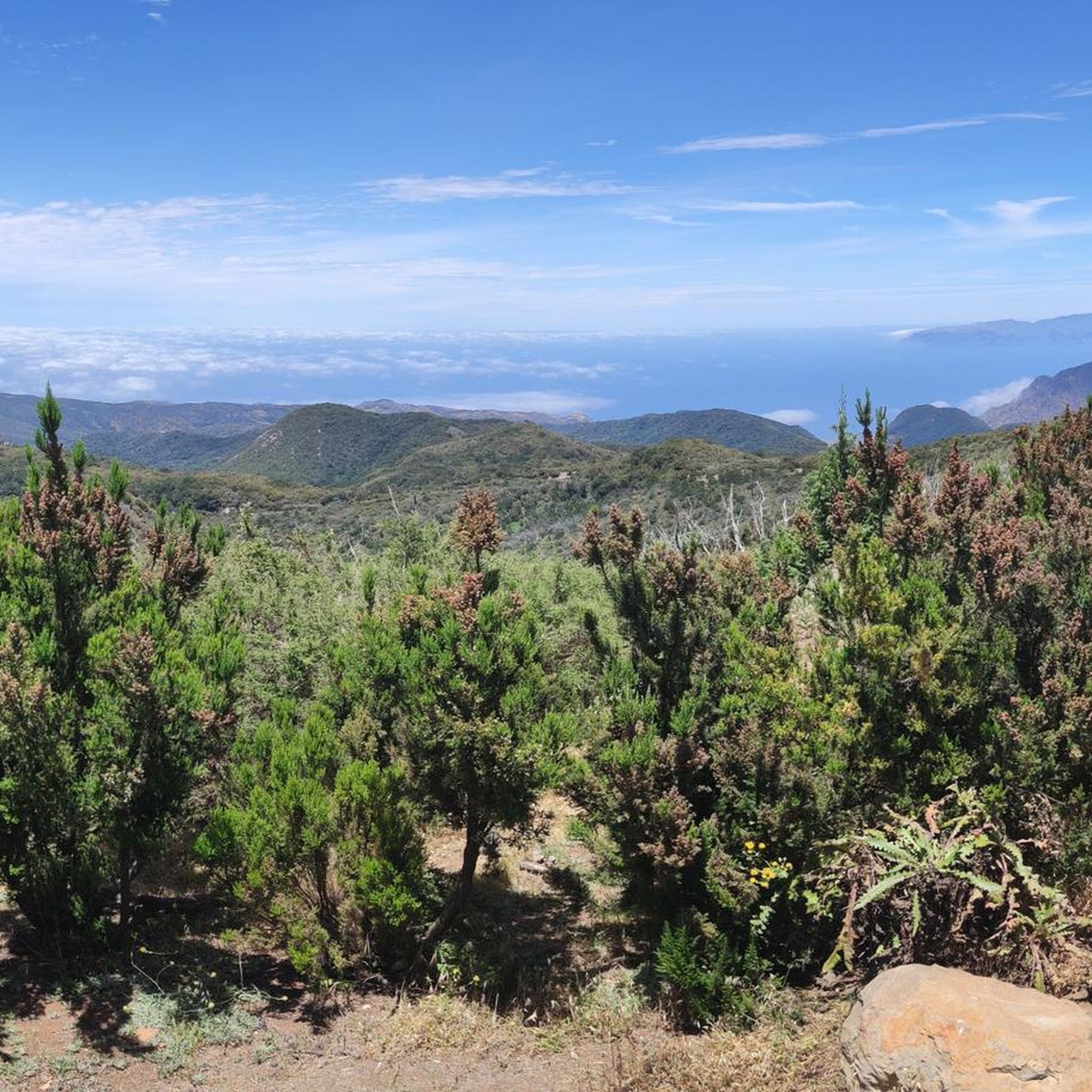
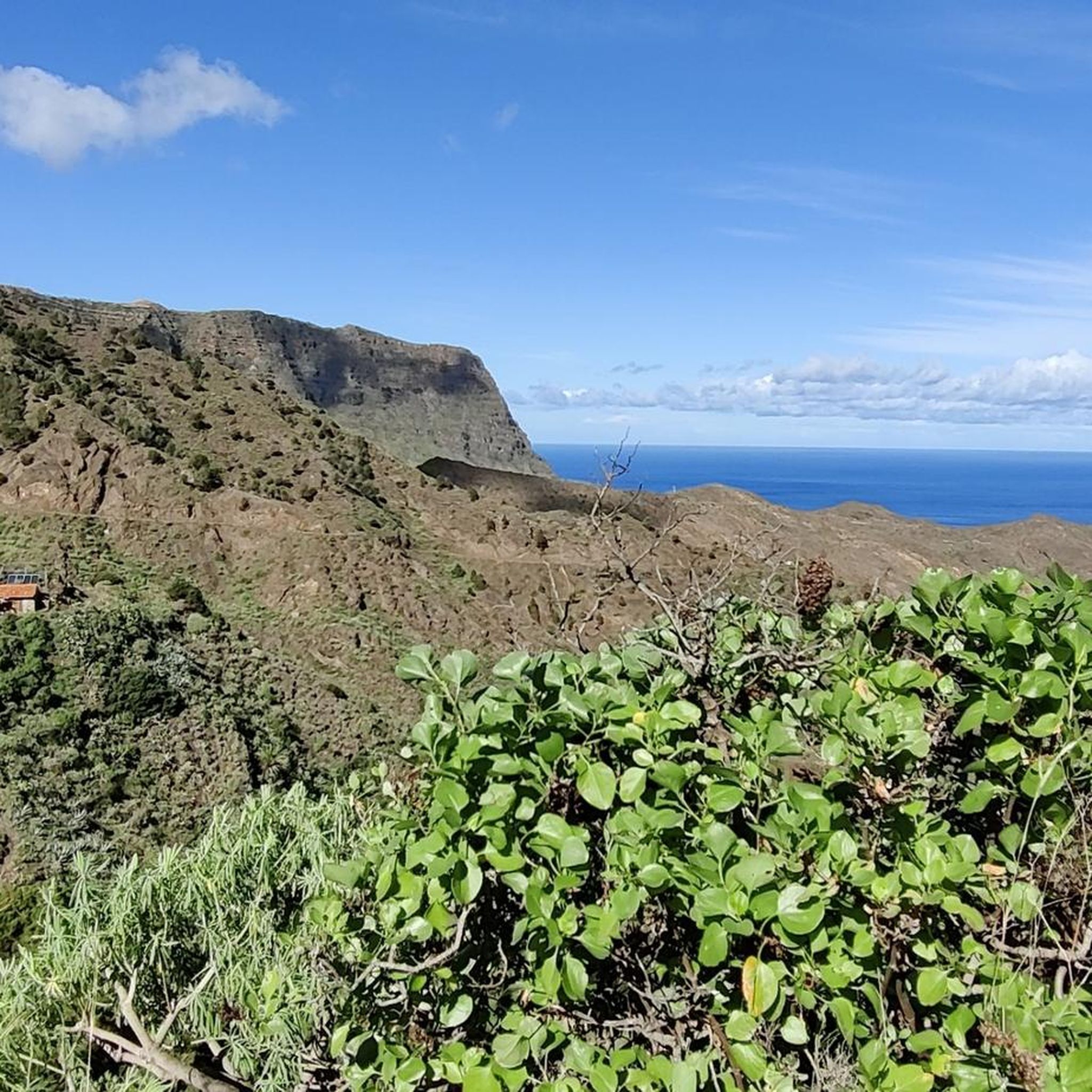
Other adventures around Hermigua

Tips from the Community

La Mosca, or La Mouche, was a French privateer sunk off Vallehermoso in 1801, during the naval conflicts between France and England. According to local history, the ship arrived pursued by three English warships, and its captain, finding himself cornered, decided to run the corvette aground on the beach rather than surrender it intact to the enemy. Anglo-French sources cite the pursuit by HMS Diamond and link the episode to March 6, 1801. For years, the shipwreck left real traces in the area: cannons, bullets, metal fragments, and wooden remains documented on Vallehermoso beach; in 1969, two large bronze cannons, each weighing about a thousand kilos, were even recovered. Between history and legend, La Mosca remains one of the most powerful tales of this northern coast: a pursued ship, a captain with no way out, and a sea that still today seems capable of swallowing everything.
1
0
Small volcanic beach located below the northern cliffs of La Gomera, in a much wilder and more authentic setting than a tourist one. Here the Atlantic enters with force and the coast combines black sand with large pebbles polished by the sea, creating that characteristic landscape of the island. Even so, the area is very well equipped, with umbrellas, a beach bar, restrooms, and a quiet atmosphere perfect for stopping after a hike. Very close to here, ancient storms and shipwrecks caused by the harshness of this northern coast are remembered, where the ocean and the wind have always marked the life of Vallehermoso.
1
0
The so-called Castillo del Mar is not a historical or defensive castle, but a large structure built on the coast of Vallehermoso as part of an old recreational and maritime project. For years it functioned as a leisure area linked to the sea and the natural pools in the area, becoming one of the most recognizable places on the northern coast of La Gomera. The most striking thing is its location: built practically over the Atlantic and constantly battered by the sea and storms. Strong waves damaged the structure greatly over the years, and it ended up becoming almost a kind of "modern ruin" facing the ocean, much photographed for the contrast between concrete, waves, and volcanic cliffs.
1
0
This black sand and pebble beach hides one of La Gomera's most curious stories: the shipwreck of the ship “La Mosca” at the beginning of the 19th century. According to documents and oral tradition, the French vessel ended up running aground on this coast while fleeing or seeking refuge from English ships and Atlantic storms. For years, cannons and wreckage appeared on the seabed and some were even seen embedded in the old walls of the breakwater. Today the area is much quieter: sunshades, a relaxed atmosphere, and a wild beach surrounded by enormous volcanic cliffs. And right next door, it is highly recommended to stop at Bar Pirata for a bite to eat after the route. Simple cuisine, local produce, and that kind of place where a cold beer and any dish taste even better facing the Atlantic.
1
0

anyone looking for quite comfortable and joint-friendly paths - amidst all the steep trails of La Gomera - will find them here - and "incidentally" there is also the island's "roof"... an area for relaxation...
0
0

Strassendorf, which houses several small restaurants. We went to "Casa Conchita" after our tour.
0
0
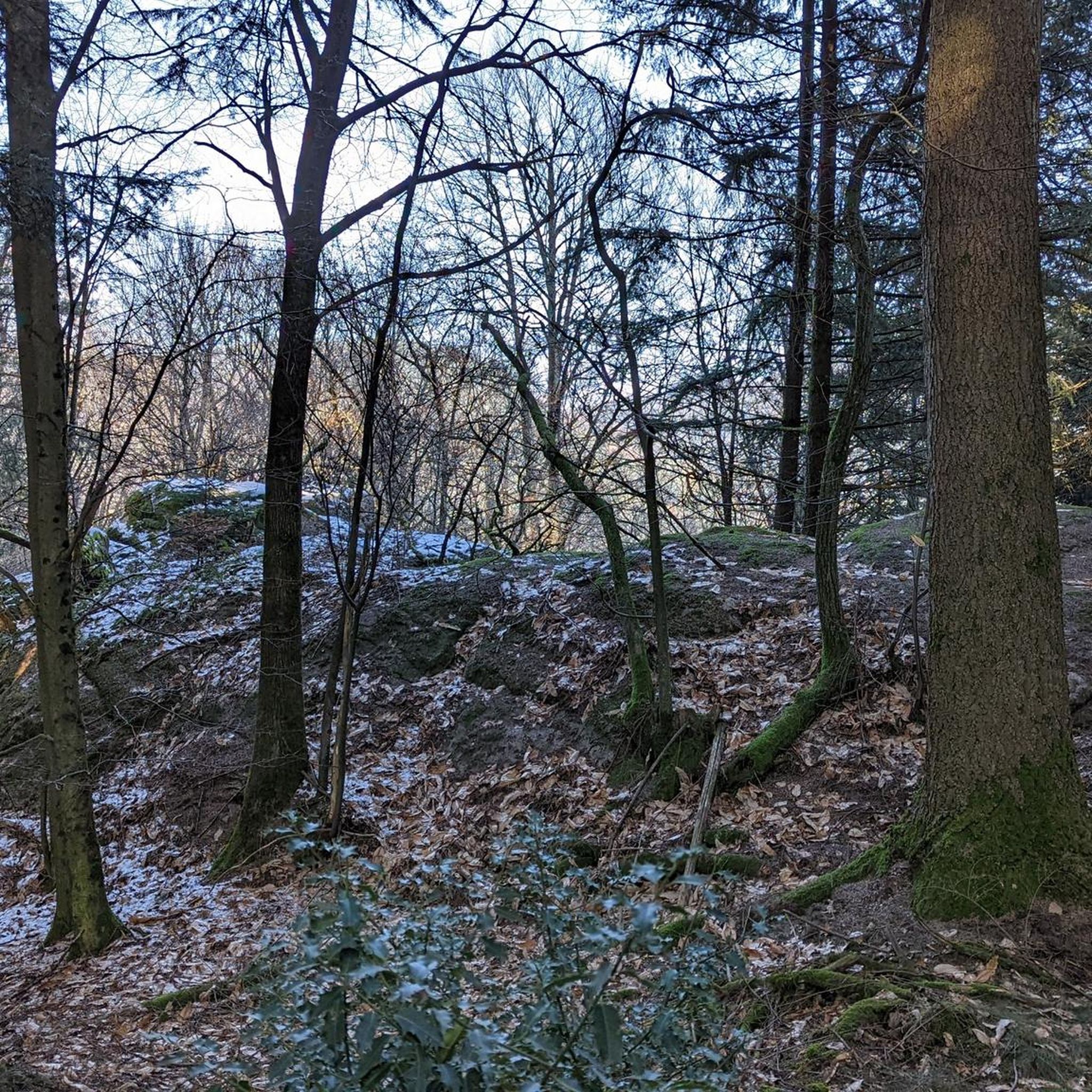
The forest is already mystical and beautiful on the approach road. While hiking, the scent of the forest adds to the experience.
0
0

Very good surface class
1
0
Frequently Asked Questions
How many road cycling routes are available around Hermigua?
Hermigua offers a diverse network of over 20 road cycling routes. These routes cater to various skill levels, including 1 easy, 8 moderate, and 12 difficult options, ensuring there's a suitable challenge for every cyclist.
What is the best time of year for road cycling in Hermigua?
The climate in Hermigua, La Gomera, is generally mild, making road cycling enjoyable year-round. However, for optimal conditions, consider visiting during the spring (March to May) or autumn (September to November) when temperatures are pleasant and the weather is typically stable. Always check local forecasts for seasonal considerations.
What natural attractions can I see along road cycling routes in Hermigua?
Many routes in Hermigua pass by stunning natural attractions. You can encounter the ancient laurel forests of Laurisilva Forest, Garajonay National Park, or challenge yourself to reach the island's highest point, Alto de Garajonay. Some routes also offer glimpses of impressive rock formations like Roque de Agando or the serene Arure Waterfall.
Are there any specific viewpoints offering panoramic views on the routes?
Absolutely. Hermigua's mountainous terrain provides numerous opportunities for breathtaking views. The Agulo Road – Best view of Teide loop from Hermigua is renowned for its expansive vistas, including distant views of Teide. Higher elevations, particularly around the Convento de Santo Domingo, also offer sweeping views of the valley, especially beautiful at sunset.
Is it possible to rent bikes in Hermigua?
Yes, bike rental services are available in Hermigua. Given the challenging terrain with significant elevation changes, many local rental services offer electric bikes, which can greatly assist with the steep climbs and make the routes more accessible for a wider range of cyclists.
Are there options for parking near the road cycling trails?
Parking is generally available in and around Hermigua, particularly near popular starting points for routes. It's advisable to check specific route descriptions or local maps for designated parking areas, especially when planning to cycle in or near Garajonay National Park.
Can I use public transport to access road cycling routes in Hermigua?
Public transport on La Gomera, including buses, can connect you to various parts of the island. While some buses may accommodate bikes, it's recommended to check with the local transport provider for their specific policies regarding bicycles, especially during peak times, to plan your access to routes effectively.
Are there cafes or restaurants suitable for cyclists in Hermigua?
Hermigua offers a selection of cafes and restaurants where cyclists can refuel and relax. You'll find establishments serving local Canarian cuisine, perfect for a post-ride meal or a coffee break. Many are located within the town center or along main roads, making them easily accessible from various routes.
Are there family-friendly road cycling routes in Hermigua?
While Hermigua is known for its challenging terrain, there is 1 easy route and 8 moderate routes that might be suitable for families with older children or those accustomed to some elevation. For younger families, consider routes with less significant climbs or explore the option of electric bikes to assist with the gradients.
Are dogs allowed on road cycling trails in Hermigua?
Regulations regarding dogs on trails can vary, especially within protected areas like Garajonay National Park. Generally, dogs should be kept on a leash. It's best to check specific local guidelines or park rules before bringing your dog on a road cycling adventure in Hermigua to ensure compliance and safety for all.
What do other road cyclists say about the routes in Hermigua?
The road cycling routes in Hermigua are highly rated by the komoot community, with an average score of 4.0 stars from over 30 reviews. Cyclists often praise the dramatic landscapes, challenging climbs, and the unique experience of riding through the ancient laurel forests and along coastal roads with stunning views.
What makes road cycling in Hermigua challenging?
Road cycling in Hermigua is characterized by significant elevation changes, demanding climbs, and exhilarating descents. The island's mountainous topography means there are very few flat sections, offering a true test for cyclists seeking a robust workout amidst stunning scenery. The From Agulo through the Garajonay Natural Park route, for example, features over 1400 meters of elevation gain.
Are there any circular road cycling routes in Hermigua?
Yes, Hermigua offers several excellent circular road cycling routes. A popular choice is the From Agulo through the Garajonay Natural Park – circular route through La Gomera, which takes you through the verdant national park. Another great option is the Laurel Forest – Arure loop from Garajonay National Park, offering a journey through unique forest environments.
Most popular attractions around Hermigua

Get inspired with the komoot mobile app


Explore more
Browse the best Road cycling routes in other regions.
