Attractions and Places To See around El Cerro De Andévalo - Top 12
Best attractions and places to see around El Cerro De Andévalo, a municipality in Huelva, Spain, offers a blend of historical, cultural, and natural sites. The region is characterized by its preserved folklore and traditional white-washed houses. Visitors can explore a variety of interesting sites, from ancient hermitages to former mining landscapes. Natural features include hiking routes along old flour mills and a striking water-filled quarry.
Best attractions and places to see around El Cerro De Andévalo
- The most popular attractions is Hermitage of La Peña of Puebla de Guzmán, a religious building that is one of the most emblematic sanctuaries in the Andévalo region. Situated on Cerro del Águila, this site's origins likely trace back to the 16th century.
- Another must-see spot is La Zarza Mine, a historical site. This town is closely related to mining, with operations dating back to Roman times.
- Visitors also love Church of Santa María de Gracia, a religious building with a history dating back to the 16th century. Some original parts, like the ribbed vaults and doorway, date to the time of the Catholic Monarchs.
- El Cerro De Andévalo is known for its historical sites, religious buildings, and unique natural features. The region offers a variety of attractions to see and explore, reflecting its rich past and diverse landscape.
- The attractions around El Cerro De Andévalo are appreciated by the komoot community, with 5 upvotes and 3 photos.
Last updated: May 17, 2026
Hermitage of La Peña of Puebla de Guzmán
Highlight • Religious Site
Location: On Cerro del Águila (Eagle Hill), about 4 km from the town center.
Origin: Probably built in the 16th century, with significant renovations in the 17th century, 1960, and 1992.
Founding legend: According to tradition, the Virgin Mary appeared to the shepherd Alonso Gómez in the 15th century, who was instructed to build a hermitage on that site.
Translated by Google •
Tip by

Valdelamusa Water-Filled Quarry
Highlight • Structure
Translated by Google •
Tip by
Sign up now to discover places like this
Get recommendations on the best single tracks, peaks, & plenty of other exciting outdoor places.
Sign up for free
Church of Santa María de Gracia
Highlight • Religious Site
Translated by Google •
Tip by
La Zarza Mine
Highlight • Historical Site
Translated by Google •
Tip by

Calañas
Highlight • Settlement
Ancient Origins: It was a mining enclave from the Tartessian and Roman periods, with finds at "El Morante" including amphorae, tombstones, and coins.
Middle Ages: Under Muslim, then Christian, rule, it passed to the Guzmán family. Livestock farming was the main activity.
19th Century: Mining revived (pyrite, copper, iron, manganese), and the railway arrived in 1886. Calañas reached 12,000 inhabitants in 1910.
20th Century: The closure of mines and subsistence farming led to depopulation. Today, it seeks to revitalize itself through tourism and culture.
Translated by Google •
Tip by
Sign up for free to discover even more attractions around El Cerro De Andévalo.
Sign up for free
Already have an account?
Start today with a free account
Your next adventure awaits.
Login or Signup
Popular around El Cerro De Andévalo


Tips from the Community

It is an open-pit mine that reached approximately 200 meters in diameter and 180 meters in depth. After mining operations ceased, the quarry filled with water, forming a kind of artificial lagoon that is now one of the most unique landscapes in the area. The mine is called Confesionarios (Confessionals) because of the gossan geological formations that resemble confessionals in churches.
1
0
The flooded Valdelamusa quarry, also known as the Corta de los Confesionarios, is one of the most striking elements of the mining heritage of this district of Cortegana, in the province of Huelva.
1
0
Places of Interest Church of Santa María de Gracia: Late Gothic with Renaissance elements (16th–17th centuries). Hermitage of Nuestra Señora de la Coronada: Built on a Roman necropolis, a center of local devotion. El Morante: A natural viewpoint with Roman remains. Odiel Mills Route: Hiking trails among old flour mills and riverside landscapes. Paseo El Real: A green area along the Odiel River, ideal for relaxing. Fuente García and La Torerera: Charming and refreshing spots.
1
0
Calañas, in the province of Huelva, is a town with a rich mining history, a privileged natural environment, and a deeply rooted culture. Ancient Origins: It was a mining enclave from the Tartessian and Roman periods, with finds at "El Morante" including amphorae, tombstones, and coins. Middle Ages: Under Muslim, then Christian, rule, it passed to the Guzmán family. Livestock farming was the main activity. 19th Century: Mining revived (pyrite, copper, iron, manganese), and the railway arrived in 1886. Calañas reached 12,000 inhabitants in 1910. 20th Century: The closure of mines and subsistence farming led to depopulation. Today, it seeks to revitalize itself through tourism and culture.
1
0
The Hermitage of Our Lady of La Peña in Puebla de Guzmán (Huelva) is one of the most emblematic sanctuaries in the Andévalo region of Huelva province, with a deep spiritual, artistic, and cultural tradition. Location: On Cerro del Águila (Eagle Hill), about 4 km from the town center. Origin: Probably built in the 16th century, with significant renovations in the 17th century, 1960, and 1992. Founding legend: According to tradition, the Virgin Mary appeared to the shepherd Alonso Gómez in the 15th century, who was instructed to build a hermitage on that site.
4
0

It is not a border town, since the urban centre is 20 km from the border line, although the municipal area is a border town.
0
1
Its history dates back to the 16th century, and some original parts, such as the ribbed vaults and the doorway at the foot, date back to the time of the Catholic Monarchs. Over the years, extensions and modifications were made, including the replacement of the roof in the 19th century. During the Civil War, the church suffered damage to its artistic heritage. I hope you enjoy exploring this beautiful place of worship! 🙏⛪
7
0

Spanish town in the municipality of La Zarza-Perrunal. This town is closely related to mining since the Romans began to work these mountains.
2
0
Frequently Asked Questions
What historical religious sites can I visit in El Cerro de Andévalo?
El Cerro de Andévalo is rich in religious history. You can explore the 16th-century Church of Santa María de Gracia, which features ribbed vaults and a doorway from the time of the Catholic Monarchs. Another significant site is the Hermitage of La Peña of Puebla de Guzmán, an emblematic sanctuary on Cerro del Águila with origins in the 16th century. Don't miss the Hermitage of Nuestra Señora de la Coronada, built upon a Roman necropolis, or the historic Hermitage of San Benito, a former Benedictine monastic center.
Are there any natural viewpoints or scenic spots in the area?
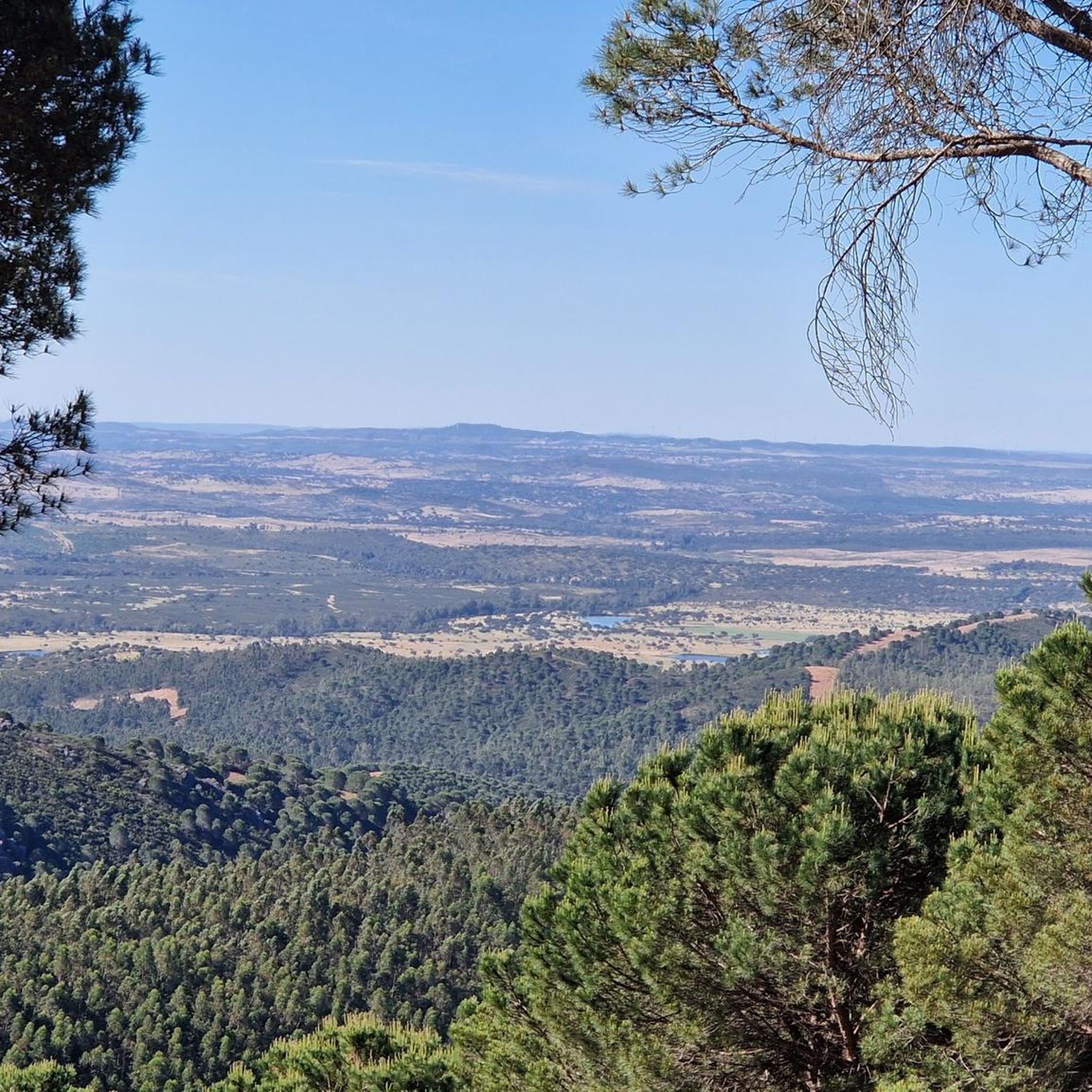
Yes, El Cerro de Andévalo offers several natural viewpoints. El Morante is a natural viewpoint that also contains Roman remains, providing a blend of history and scenic beauty. For more expansive views, consider climbing to the summit of Cabeza de La Lancha, where you might spot black and griffon vultures amidst dehesas, cork oaks, and pine forests.
What is the mining history of El Cerro de Andévalo?
The region has a deep mining history, with operations dating back to Roman times. You can visit La Zarza Mine, a historical site closely related to this heritage. Another striking example is the Valdelamusa Water-Filled Quarry, also known as Corta de los Confesionarios, which is a unique artificial lagoon formed after mining operations ceased.
What cultural experiences can I find in El Cerro de Andévalo?
El Cerro de Andévalo is known for its preserved folklore and traditions. The Romería de San Benito Abad, an ancient pilgrimage declared a National Tourist Interest, takes place on the first Sunday of May and features vibrant folklore like 'jamugueras' and 'lanzaores'. You can also learn about the region's past at the El Cerro de Andévalo Ethnographic Museum, housed in a 16th-century granary, which focuses on the San Benito Abad pilgrimage and traditional economy.
Are there any family-friendly attractions or activities?
Many of the historical sites, such as the Church of Santa María de Gracia, are considered family-friendly for exploration. The town of Calañas also offers a rich history and natural environment suitable for families. For outdoor activities, the Odiel Mills Route provides pleasant hiking trails along picturesque riverside landscapes that can be enjoyed by families.
What kind of outdoor activities are available near El Cerro de Andévalo?
The area around El Cerro de Andévalo is excellent for outdoor enthusiasts. You can find numerous routes for mountain biking, road cycling, and touring. For example, there are moderate MTB trails like the 'Tharsis, Ermita de la Virgen de la Peña, Puebla de Guzmán – circular route' and road cycling options such as the 'Valdelamusa, Cerro de Andévalo, Calañas – circular route'. Explore more options on the MTB Trails around El Cerro De Andévalo, Road Cycling Routes around El Cerro De Andévalo, and Cycling around El Cerro De Andévalo guide pages.
Where can I experience the traditional architecture of the region?
To experience the traditional architecture, wander through the narrow, steep streets of El Cerro de Andévalo itself. The town is known for its white-washed houses with red tiled roofs. Plaza de España, home to the Church of Santa María de Gracia, and Plaza del Cristo, dating back to the early 18th century, are excellent starting points to see these traditional Andévalo-style houses.
Are there any specific hiking trails or routes I should explore?
The Odiel Mills Route is a notable hiking trail that winds among old flour mills and offers picturesque riverside landscapes. While specific details on length and duration for all trails are not provided here, this route is a great option for experiencing the natural beauty and historical elements of the area. For more detailed hiking information, you can check local resources.
What local delicacies or cuisine should I try in El Cerro de Andévalo?
When visiting El Cerro de Andévalo, be sure to sample the local gastronomy. Specialties include migas, pestiños, and roscos de Andévalo. The region is also known for its delicious sheep cheeses and fresh 'quesá' cheese.
What is the significance of the Hermitage of Nuestra Señora de la Coronada?
The Hermitage of Nuestra Señora de la Coronada holds significant local devotion. It is particularly interesting because it was built upon a Roman necropolis, highlighting the deep historical layers of the region and the continuity of sacred sites over centuries.
What is the Paseo El Real?
The Paseo El Real is a pleasant green space located along the Odiel River. It offers an ideal spot for relaxation and enjoying the natural surroundings, perfect for a leisurely stroll or a quiet moment by the water.
Can I find Roman remains in El Cerro de Andévalo?
Yes, Roman remains can be found in the area. El Morante, a natural viewpoint, contains Roman artifacts. Additionally, the Hermitage of Nuestra Señora de la Coronada was built upon a Roman necropolis, indicating a significant Roman presence in the region's past.
Most popular attractions around El Cerro De Andévalo

Get inspired with the komoot mobile app


Explore more
Still not found the Highlight you’re looking for? See guides of the top attractions in other regions:
