Attractions and Places To See around Saint-Jean-De-Tholome - Top 20
Best attractions and places to see around Saint-Jean-De-Tholome are primarily centered around its natural environment in the Haute-Savoie region of France. The village offers extensive views of the surrounding area, including the iconic Le Môle. This location provides numerous opportunities for outdoor activities, particularly hiking, with trails leading to various natural landmarks.
Best attractions and places to see around Saint-Jean-De-Tholome
- The most popular attractions is Col de Réray, a mountain pass that links the Arve valley with the Risse…
Last updated: June 22, 2026
Pointe des Brasses
Highlight • Summit
Les Brasses …
Translated by Google •
Tip by

La Gouille aux Morts
Highlight • Lake
Gouille aux Morts: What an ugly name for this charming little pond. Beavers, mallards, herons, and especially frogs …
Translated by Google •
Tip by
Sign up now to discover places like this
Get recommendations on the best single tracks, peaks, & plenty of other exciting outdoor places.
Sign up for free
Lac Bénit
Highlight • Lake
Translated by Google •
Tip by
Col de Réray
Highlight • Mountain Pass
Translated by Google •
Tip by
Europe Bridge
Highlight • Bridge
Translated by Google •
Tip by

Sign up for free to discover even more attractions around Saint-Jean-De-Tholome.
Sign up for free
Already have an account?
Start today with a free account
Your next adventure awaits.
Login or Signup
Popular around Saint-Jean-De-Tholome
Tips from the Community

Intersection Point: La Gouille aux Morts (Pond of the Dead) Altitude 650m Gouille aux Morts: What an ugly name for this charming little pond. Beavers, mallards, herons, and especially frogs take shelter in its tall grass and breed there. The place is calm and peaceful, far from the road to the Vallée Verte (Green Valley), although you can still hear the sounds of traffic. Above it, the Molière à Vachat stream is mirrored in its waters. Its reflection blends with the water lilies scattered there, creating perfect harmony. A delight for the eye of the walker. It's impossible not to think of Monet's "Water Lilies." It is said that, long ago, two stonemasons working at the "Molière," located about fifty meters above, fell to their deaths there on a Sunday (yes, a Sunday...the Lord's Day). See: H. Savoie: Les Molières du Mont Vouan. Or perhaps the pond got its name because a peasant was swallowed up there with his cart...
1
0


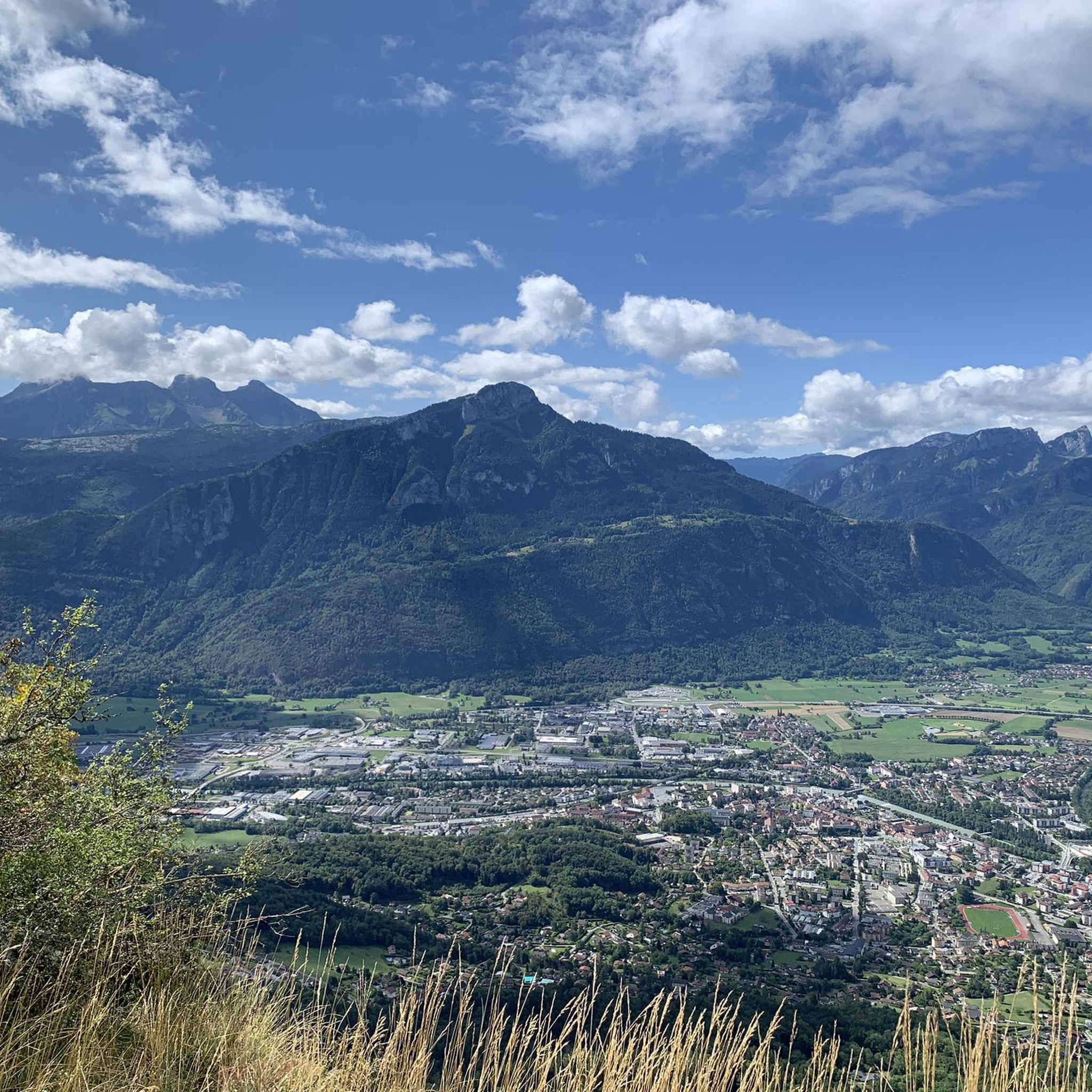
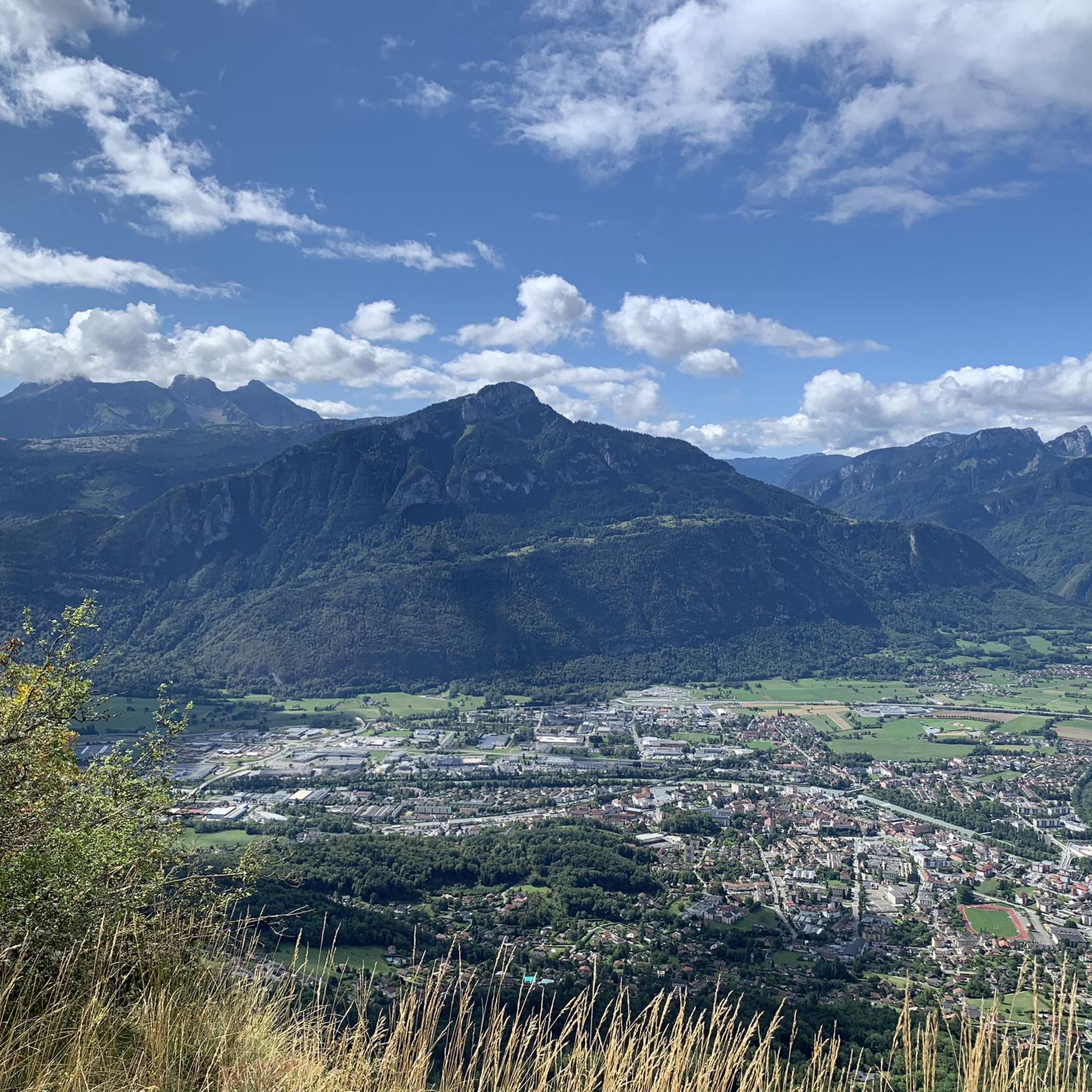
The bridge is an element of the birth of the city, built from 1225. It was initially made of wood resting on the islands of the Arve to connect the two banks. In 1661, the Regent Marie-Jeanne-Baptiste of Savoy-Nemours had a stone bridge with five arches built. Between 1862 and 1866, it was replaced by the current bridge, built by the engineers Deglin and Vivenot. It was named "Pont de l'Europe" when Valérie Giscard d'Estaing passed through Bonneville in 1989, during the campaign for the European elections. Downstream, it was doubled in 2010 by a second asymmetrical cable-stayed bridge whose elegant silhouette is already part of Bonneville's architectural heritage.
1
0

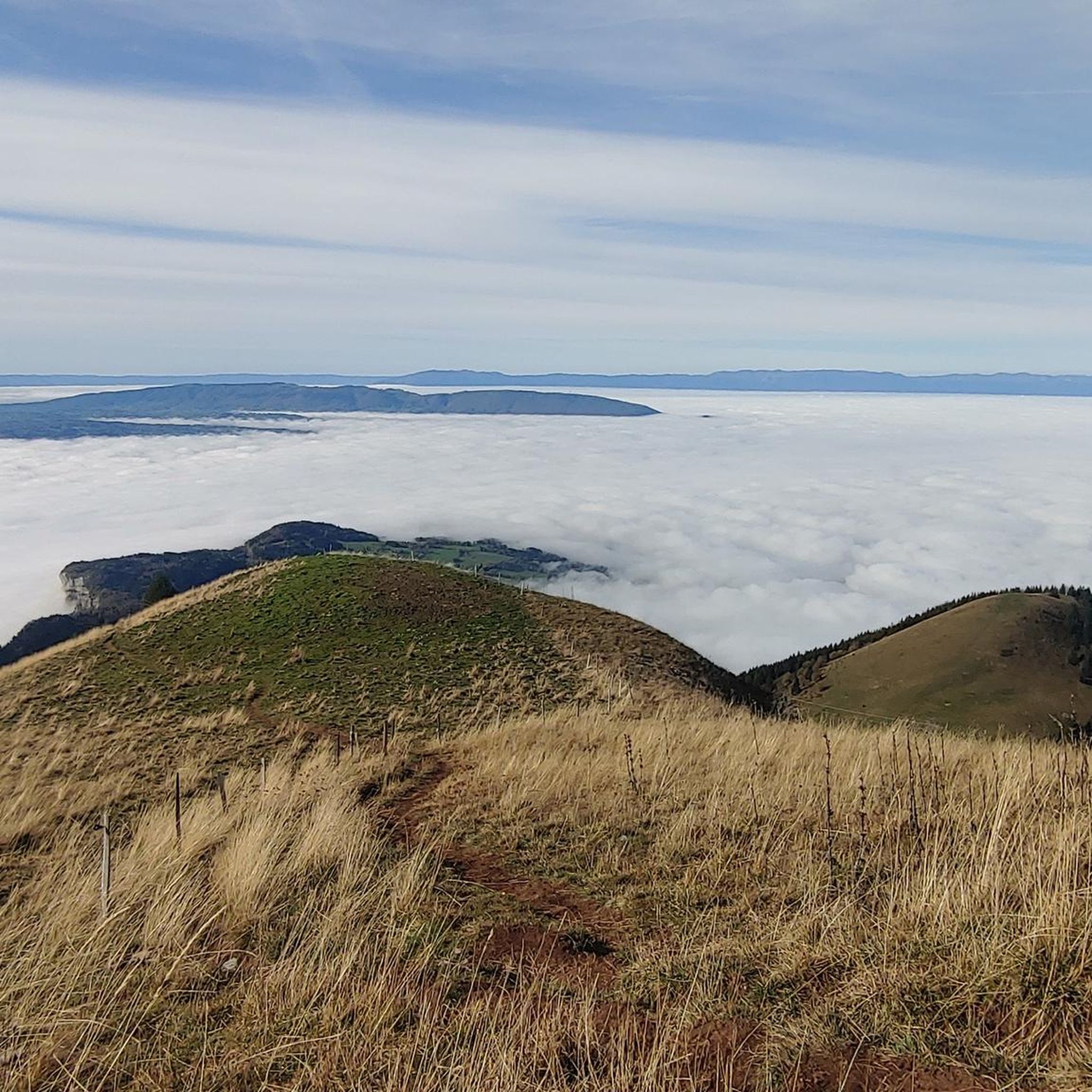
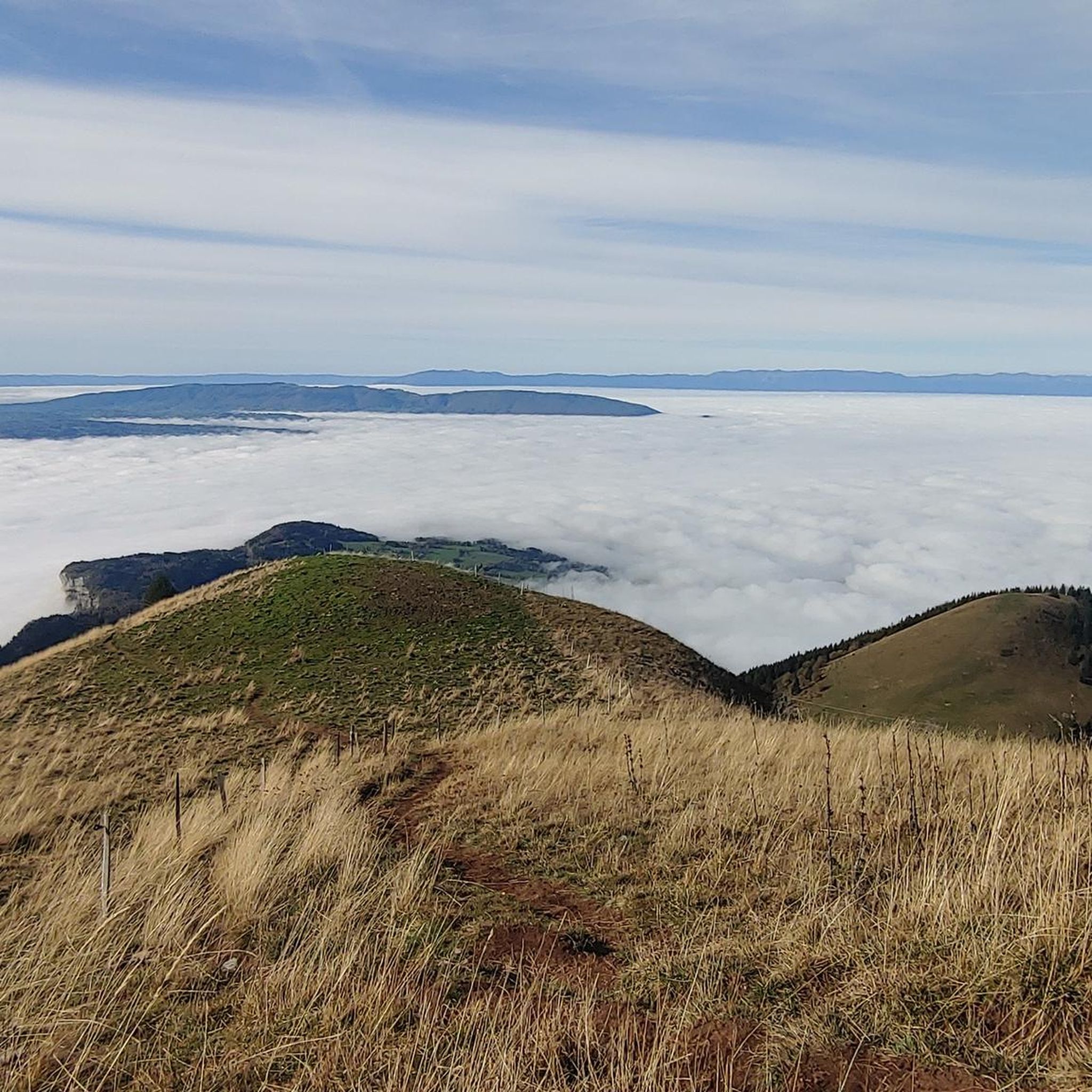
The tour certainly includes portions of pushing, particularly when it comes to reaching the Ecutieux chalets, but the landscapes are magnificent (view of Lake Geneva, wild mountain pastures) Once you arrive at the summit it is almost 8km descent, technical and varied to go back down to Bonneville
0
0

Nice pass on a “ridge” path (even if you don’t really realize it). Bel AR to the Môle (and the head of the ecutieux) for the brave
0
0
It can blow hard up there! I recommend the path that goes down to La Tour from the east
0
1

The cross means summit of the Brasse mountain
1
0
Frequently Asked Questions
What natural features can I explore around Saint-Jean-de-Tholome?
The region is rich in natural beauty. You can visit the iconic La Gouille aux Morts, a peaceful pond known for its wildlife. Another stunning natural landmark is Lac Bénit, nestled at 1,452 meters on the northern slope of the Bargy chain. Don't miss the dramatic Gorges du Pont du Diable, where the river has carved out an aesthetic canyon.
Are there any historical sites or man-made monuments to visit?
Yes, you can explore the Europe Bridge in Bonneville, a significant man-made monument with a rich history dating back to 1225. Originally made of wood, it was replaced by a stone bridge in 1661 and then the current structure between 1862 and 1866. The Millstones of Mont Vouan also offer an interesting natural and historical feature nearby.
What hiking opportunities are available near Saint-Jean-de-Tholome?
Saint-Jean-de-Tholome is an excellent base for hiking. The most prominent destination is Le Môle, standing at 1869 meters, offering challenging trails and breathtaking panoramic views of the Mont Blanc range and the Jura mountains. The Grands Prés Trail also provides scenic walks through woods and alpine pastures, particularly towards the Geneva area.
Are there family-friendly attractions in the area?
Absolutely. La Gouille aux Morts is categorized as family-friendly, offering a calm and peaceful environment where children can observe beavers, mallards, and frogs. The extensive natural landscape around the village also provides numerous easy walks suitable for families.
What kind of cycling routes can I find around Saint-Jean-de-Tholome?
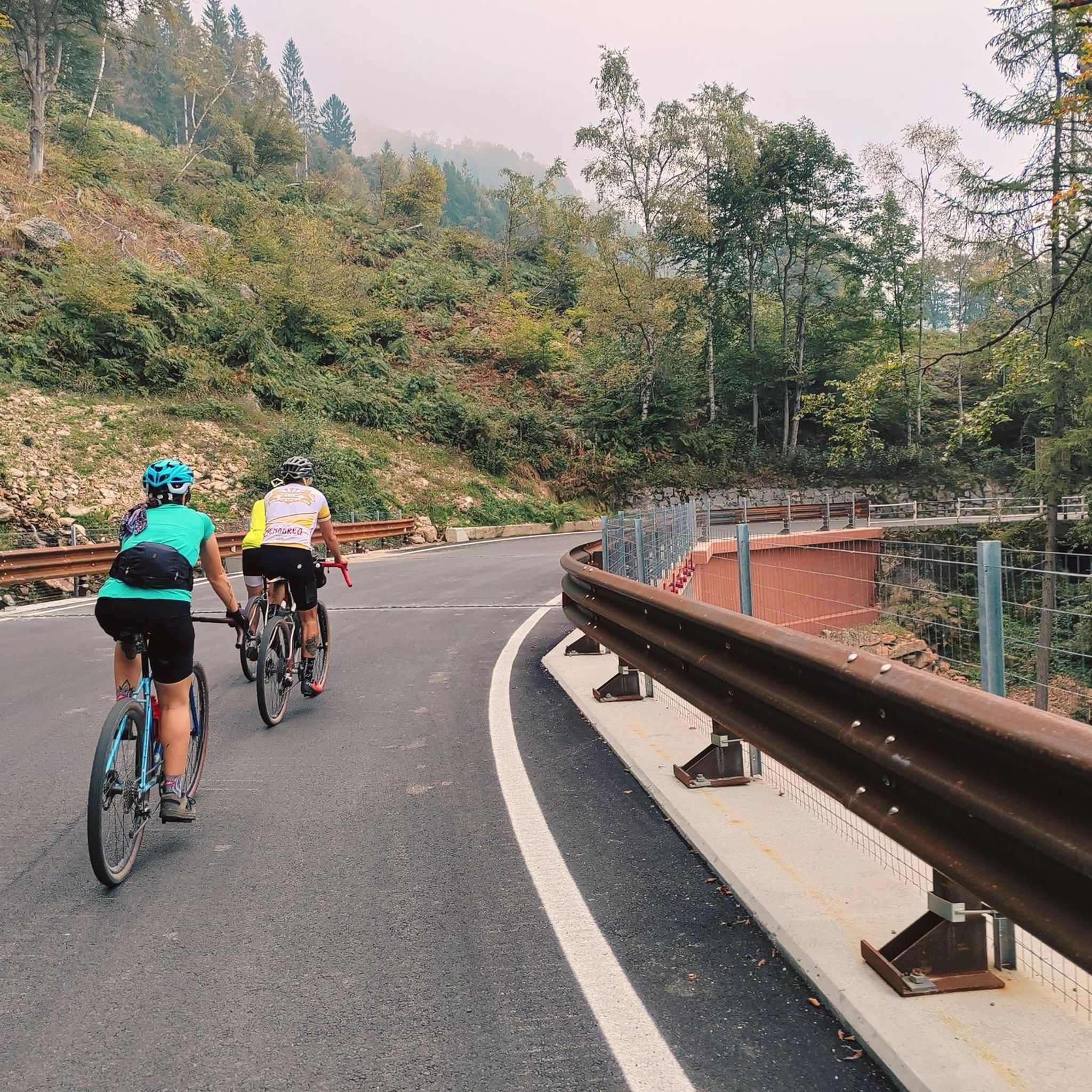
The region offers diverse cycling experiences. For road cycling, you can find routes like the 'Bogève – Col du Perret loop' or the 'Lake Môle loop'. If you prefer gravel biking, consider the 'Col de Réray – Ponds on the banks of the Arve loop'. For general cycling, there are challenging routes such as the 'Terramont Pass – Jambaz Pass loop'. You can find more details on these and other routes in the Road Cycling Routes, Gravel Biking, and Cycling guides for the area.
What is the best time of year to visit Saint-Jean-de-Tholome for outdoor activities?
The best time to visit for outdoor activities like hiking and cycling is generally from late spring to early autumn (May to October), when the weather is mild and trails are clear. Summer offers the warmest temperatures, while spring and autumn provide beautiful scenery with fewer crowds. Winter can be suitable for snow-related activities, but many trails may be inaccessible.
Can I find accessible attractions for visitors with mobility needs?
Yes, the Europe Bridge in Bonneville is noted as wheelchair accessible, offering an opportunity to enjoy a historical landmark. While many natural trails can be challenging, some paths around the village and along valley floors may offer easier access.
Where can I enjoy panoramic views of the Alps and Mont Blanc?
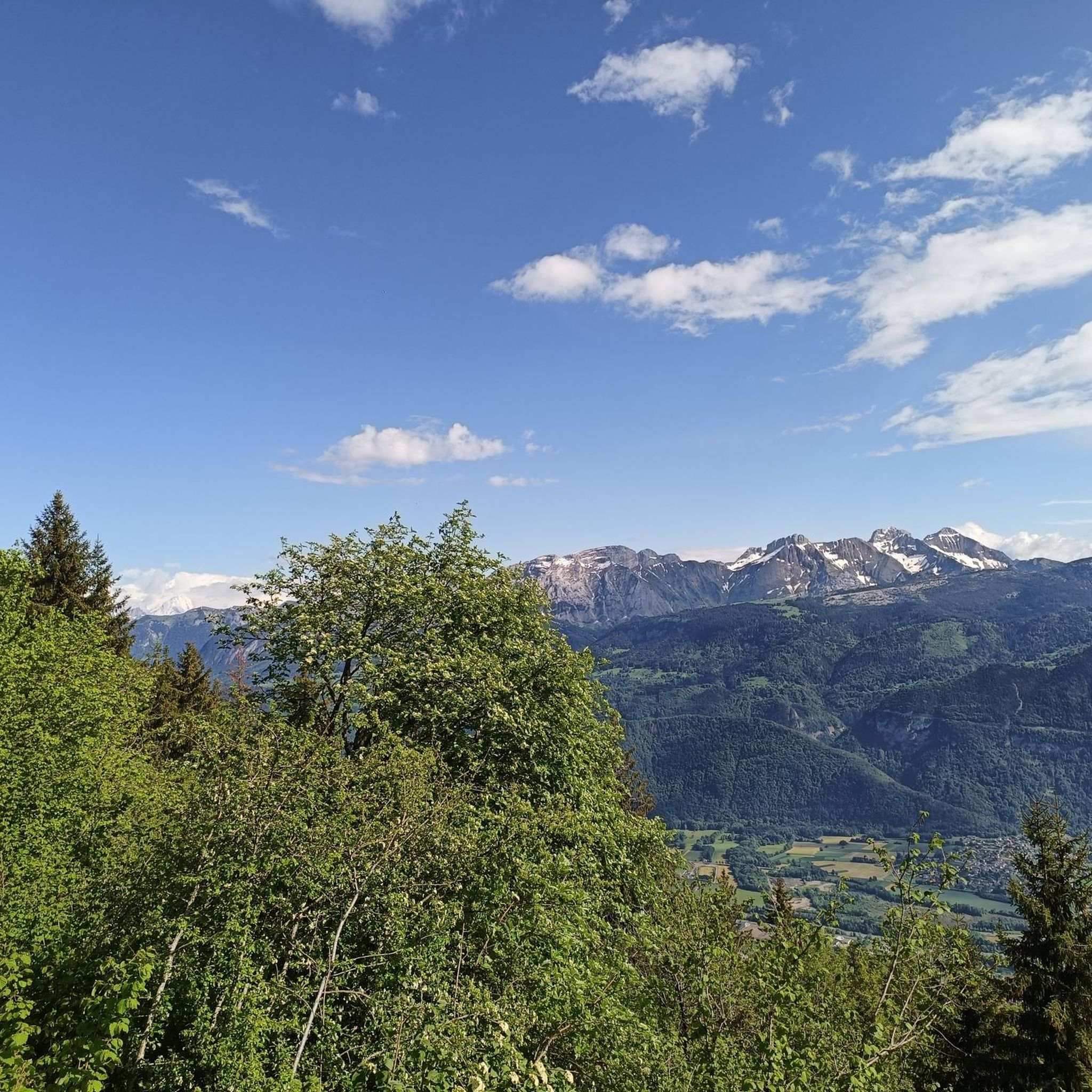
For truly expansive panoramic views, ascend Le Môle. From its summit, you can enjoy a splendid 360° panorama stretching from the Mont Blanc mountain range to the Jura mountains. The village itself, leaning against the slopes of Le Môle, also provides natural assets and scenic overlooks.
What are some tranquil spots for nature observation?
The peaceful La Gouille aux Morts is an ideal spot for nature observation. This charming pond is home to beavers, mallards, and frogs, offering a calm environment away from traffic sounds. Its waters reflect the surrounding nature, creating a serene setting.
Are there any specific mountain passes worth visiting?
Yes, the Col de Réray is a notable mountain pass located at an altitude of 930m. It serves as a link between the Arve valley and the Risse and Giffre valleys. While the pass itself offers a nice discovery, continuing your hike to nearby higher points will reward you with even better views.
What do visitors particularly enjoy about the attractions here?
Visitors appreciate the incredible nature and the aesthetic natural formations, particularly at places like the Gorges du Pont du Diable. The calm and peaceful atmosphere of spots like La Gouille aux Morts, with its abundant wildlife, is also highly valued. The region's diverse trails and stunning viewpoints, especially towards Le Môle, are frequently praised.
Are there any unique natural phenomena or geological formations to see?
The Gorges du Pont du Diable are a prime example of unique geological formations, where the river has carved out a spectacular canyon. The folds of the limestone layers and the 'pots' dug by water and pebbles create a very aesthetic and dramatic landscape, especially when illuminated by the sun.
Most popular routes around Saint-Jean-De-Tholome
Most popular attractions around Saint-Jean-De-Tholome

Get inspired with the komoot mobile app


Explore more
Still not found the Highlight you’re looking for? See guides of the top attractions in other regions:
