Top 10 Castles around Haute-Goulaine
Best castles around Haute-Goulaine are situated in the Loire Valley, a region known for its historical estates and vineyards. The area features a blend of architectural styles, from medieval fortifications to Renaissance elegance, often set amidst scenic landscapes like the Goulaine marshes. These historical sites offer insights into centuries of French heritage and regional development. The proximity to Nantes also provides a cultural anchor for visitors exploring the local history.
Best castles around Haute-Goulaine
- The most popular castles is Castle…
Last updated: July 7, 2026
Castle of the Dukes of Brittany
Highlight • Castle
Translated by Google •
Tip by

Picture frame by Emmanuel Ritz
Highlight • Viewpoint
Translated by Google •
Tip by

Sign up now to discover places like this
Get recommendations on the best single tracks, peaks, & plenty of other exciting outdoor places.
Sign up for free
La Berrière Castle
Highlight • Castle
Translated by Google •
Tip by

La Desnerie Castle
Highlight • Castle
Translated by Google •
Tip by

Nantes: City Highlights
Highlight (Segment) • Settlement
Today we start our "Castles of the Loire Tour" ( Loire Valley Tour ) in the birthplace of Jules Verne in Nantes. In 1828 the writer …
Translated by Google •
Tip by

Sign up for free to discover even more castles around Haute-Goulaine.
Sign up for free
Already have an account?
Start today with a free account
Your next adventure awaits.
Login or Signup
Tips from the Community

Listed as a Historic Monument, the **Château de la Desnerie** in La Chapelle-sur-Erdre is one of those superb residences that make the Erdre riverbanks famous. Built in the 14th century by a comrade-in-arms of Du Guesclin, then remodeled in the 18th century with a west wing designed by the famous Nantes architect Jean-Baptiste Ceineray, this elegant private estate is not open to visitors. However, it can be discreetly glimpsed through the trees by taking the coastal path or strolling through the **bois de la Desnerie**, a 15-hectare sensitive natural area ideal for a bucolic walk.
0
0

The castle is open during daytime and the inner yard and ramparts can be visited for free.
3
0

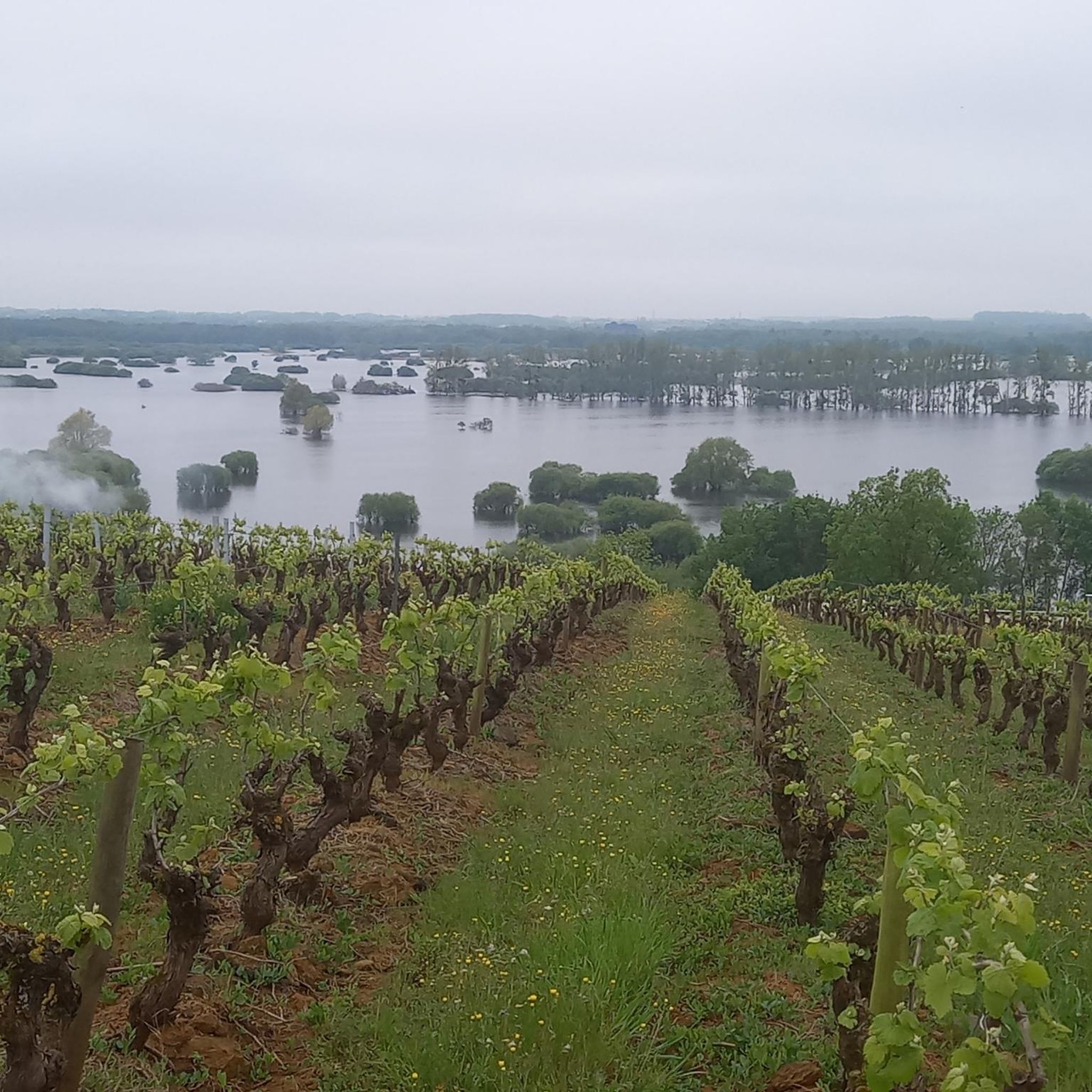
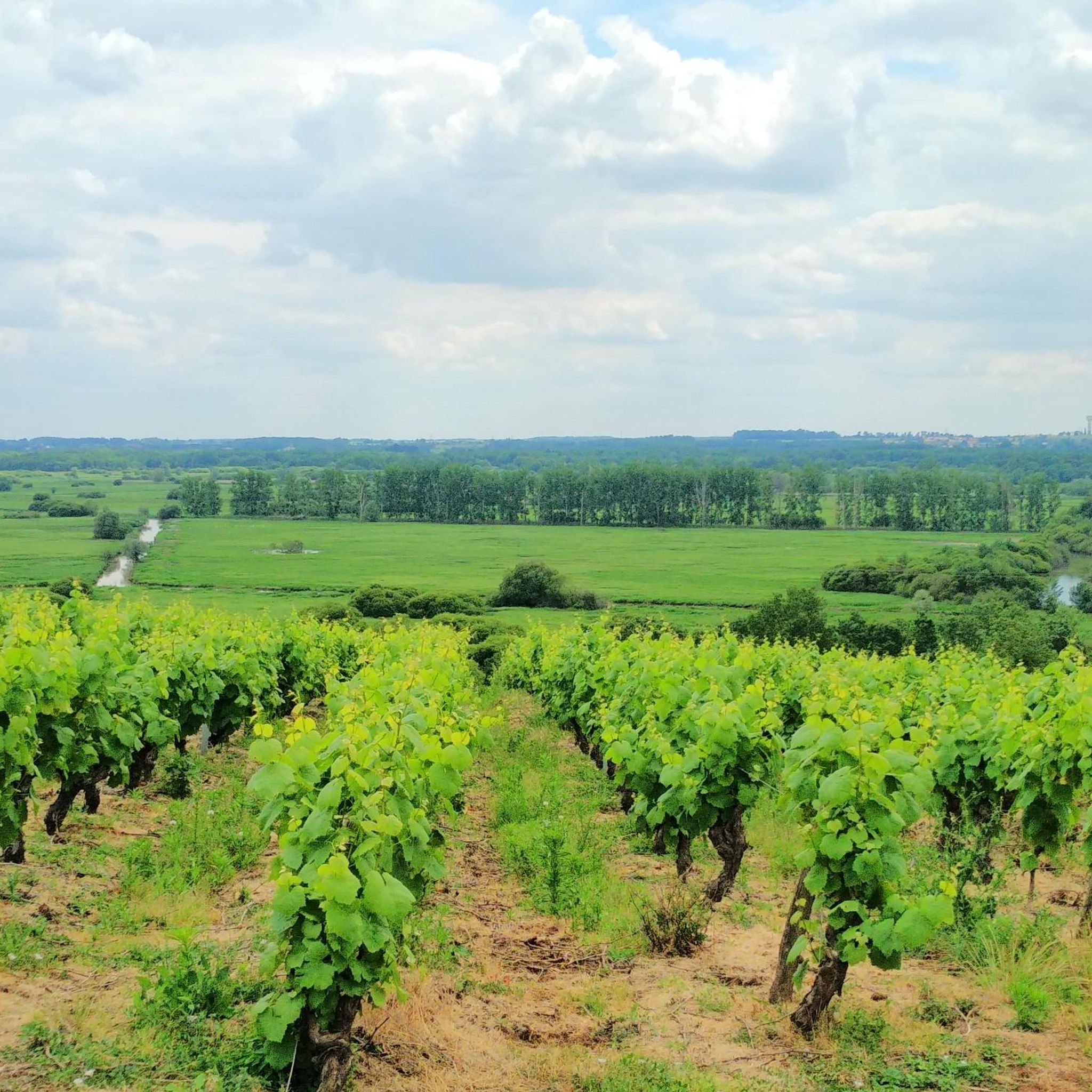
A viewpoint as astonishing as it is impressive stands out from the cliff 30 meters above the Pont Caffino leisure center. Put your feet on the ground to discover the magnificent panorama of the vineyards and the Maine valley.
1
0
After admiring the multicultural site of Pont Caffino, go back to the village of Château-Thébaud to contemplate the aerial view of this site from the magnificent belvedere
1
0

The Château de La Desnerie is a magnificent 18th century building. Built in 1743 by the architect Jean-Baptiste Ceineray, it is surrounded by French gardens designed by André Le Nôtre. This historic estate, with its freestone facade and baroque details, offers guided tours and hosts cultural events.
0
0

The view is worth it, you still need to have a little leg to get there
0
0

The castle is an 18th century construction, partially rebuilt around 1800 with high quality interior decorations, in particular a set of woodwork with ornamental decorations in neo-classical style in the large living room and the library. It is a very complete state-owned complex made up of common wings, a farmyard with outbuildings, a barn (17th or 18th century), a woodshed, a bakery oven and a dovecote. The park, redeveloped at the beginning of the 19th century, includes land to the north of the castle with a fishpond. It is delimited by partly preserved portals and a wall. We also note the presence of a masonry pediluvre. A 15th century stately chapel preserves reused 16th century stained glass windows. https://fr.wikipedia.org/wiki/Ch%C3%A2teau_de_la_Berri%C3%A8re
2
0

Great castle/castle. You can walk around the castle walls for free - all the way around - and get a great overview of the new and old town. Great facility.
4
0
Frequently Asked Questions
What are some of the most historically significant castles in the Haute-Goulaine area?
The region boasts several castles with rich histories. The most prominent is the Château de Goulaine, with foundations dating back over a thousand years and a continuous family legacy. Other notable sites include the Castle of the Dukes of Brittany in Nantes, which evolved from a defensive fortress to a pleasure castle and now houses the Nantes History Museum. You can also explore La Desnerie Castle, a 15th-century estate mainly from the 18th century, and La Frémoire Castle, a former seigneury from the 16th century now involved in the wine industry.
Are there family-friendly castles to visit near Haute-Goulaine?
Yes, several castles in the area offer experiences suitable for families. The Castle of the Dukes of Brittany provides guided tours and houses the Nantes History Museum, which can be engaging for various ages. The Château de Goulaine is also very family-friendly, featuring a tropical butterfly aviary and special activities like fun trails and digital challenges for younger visitors. La Desnerie Castle and La Frémoire Castle are also categorized as family-friendly.
What unique attractions does Château de Goulaine offer?
The Château de Goulaine is unique for its blend of attractions. Beyond its historical architecture and enduring family legacy as one of the last wine-producing châteaux of the Loire, it features a tropical butterfly aviary with hundreds of free-flying butterflies. It also houses a permanent exhibition dedicated to the history of the famous Nantes biscuit factory, LU, displaying over 500 artworks.
What outdoor activities can I do near these castles?
The area around Haute-Goulaine offers various outdoor activities. You can find numerous hiking, mountain biking, and running trails. For hiking, consider routes like the 'Ouen Bridge – Le Pont de l'Ouen loop from Château de Goulaine' (8.1 km, moderate) or the 'Butte de la Roche – Le Pont de l'Ouen loop from Château de Goulaine' (5 km, easy). Mountain biking options include 'La Sanguèze Wall – Clisson loop' (41.2 km, moderate). You can explore more options on the Hiking around Haute-Goulaine or MTB Trails around Haute-Goulaine guide pages.
Are there viewpoints or scenic spots near the castles?
Yes, the region offers scenic views. The Château de Goulaine itself is situated just outside Nantes, offering picturesque views over the Goulaine marshes and vineyards. Additionally, the Picture frame by Emmanuel Ritz, located near Château-Thébaud, provides an exhilarating experience with a thirty-meter footbridge, twenty of which are above the void, highlighting an exceptional panorama of the magnificent valley of Pont Caffino.
What is the best time of year to visit castles in the Haute-Goulaine region?
The Loire Valley, where Haute-Goulaine is located, is generally pleasant from spring to early autumn (April to October). During these months, the weather is typically mild, and the gardens surrounding many châteaux are in full bloom. Summer (July-August) offers the warmest weather but can also be the busiest. Visiting in spring or early autumn allows for comfortable exploration with fewer crowds.
Can I visit the vineyards associated with the castles?
Yes, the Château de Goulaine is notable for being one of the last wine-producing châteaux of the Loire, with its vineyards overlooking the extensive Goulaine wetlands. It is home to one of the world's oldest known wine businesses, producing estate-bottled wines. La Frémoire Castle also houses professional premises for the wine industry and offers activities related to Loire wines, making it another excellent spot to explore the region's viticulture.
How long should I plan for a visit to a castle like Château de Goulaine?
For a comprehensive visit to a major castle like Château de Goulaine, including exploring the historical architecture, the butterfly aviary, the LU Museum, and the gardens, you should plan for at least 2 to 3 hours. If you wish to participate in guided tours or special events, allocate more time. For smaller castles or just exterior views, an hour might suffice.
Is public transport available to reach castles near Haute-Goulaine?
While specific public transport routes directly to every castle can vary, the Castle of the Dukes of Brittany is located in the center of Nantes, which is well-served by public transport. For castles outside the city center, such as Château de Goulaine, public transport options might be limited, and driving or using a taxi/ride-share service is often more convenient. It's advisable to check local transport schedules for specific routes.
Are there cafes or restaurants near Château de Goulaine?
The Château de Goulaine is located just outside Nantes, and while the château itself might have limited on-site dining, you will find various cafes, pubs, and restaurants in the nearby towns and villages, including Haute-Goulaine itself and the greater Nantes area. These establishments offer a range of local and traditional French cuisine.
What architectural styles can be seen in the castles around Haute-Goulaine?
The castles in the Haute-Goulaine area showcase a diverse range of architectural styles, reflecting centuries of French history. You can find medieval fortifications, Renaissance elegance, and 18th-century designs. For instance, the Château de Goulaine exemplifies the transition between high Gothic and early Renaissance styles, featuring both medieval defensive elements and Italianate Renaissance details. La Desnerie Castle is a magnificent 18th-century building with a freestone facade and baroque details.
What is the significance of the Goulaine family to the Château de Goulaine?
The Goulaine family has an extraordinary and enduring legacy with the Château de Goulaine. With only two brief interruptions, the château has been continuously owned by the Goulaine family for over a millennium. This makes it one of the last wine-producing châteaux of the Loire still in the hands of its original family, and it has been officially recognized as a Loire château since 2011.
Most popular routes around Haute-Goulaine
Most popular attractions around Haute-Goulaine

Get inspired with the komoot mobile app


Explore more
Looking for the best castles somewhere else? Discover other guides around Haute-Goulaine:
