Attractions and Places To See around Le Boullay-Mivoye - Top 20
Best attractions and places to see around Le Boullay-Mivoye include historical landmarks and rural points of interest. This commune in the Eure-et-Loir department of France is a small village with a history dating back to its Gaulish name, suggesting a landscape once rich in birch trees. Its location on a former Roman road also indicates its historical significance. The area offers a glimpse into local heritage through its churches, megaliths, and traditional architecture.
Best attractions and places to see around…
Last updated: May 26, 2026
Château de Mormoulins
Highlight • Castle
Translated by Google •
Tip by

Saint-Sulpice Church of Châteaudun
Highlight • Religious Site
Translated by Google •
Tip by
Sign up now to discover places like this
Get recommendations on the best single tracks, peaks, & plenty of other exciting outdoor places.
Sign up for free
the beautiful church of Prouais
Highlight • Other
Translated by Google •
Tip by

Half-timbered house
Highlight • Other
Some of them hide their age under a protective coating. The others, …
Translated by Google •
Tip by
Nogent-le-Roi Castle
Highlight • Castle
Translated by Google •
Tip by
Sign up for free to discover even more attractions around Le Boullay-Mivoye.
Sign up for free
Already have an account?
Start today with a free account
Your next adventure awaits.
Login or Signup

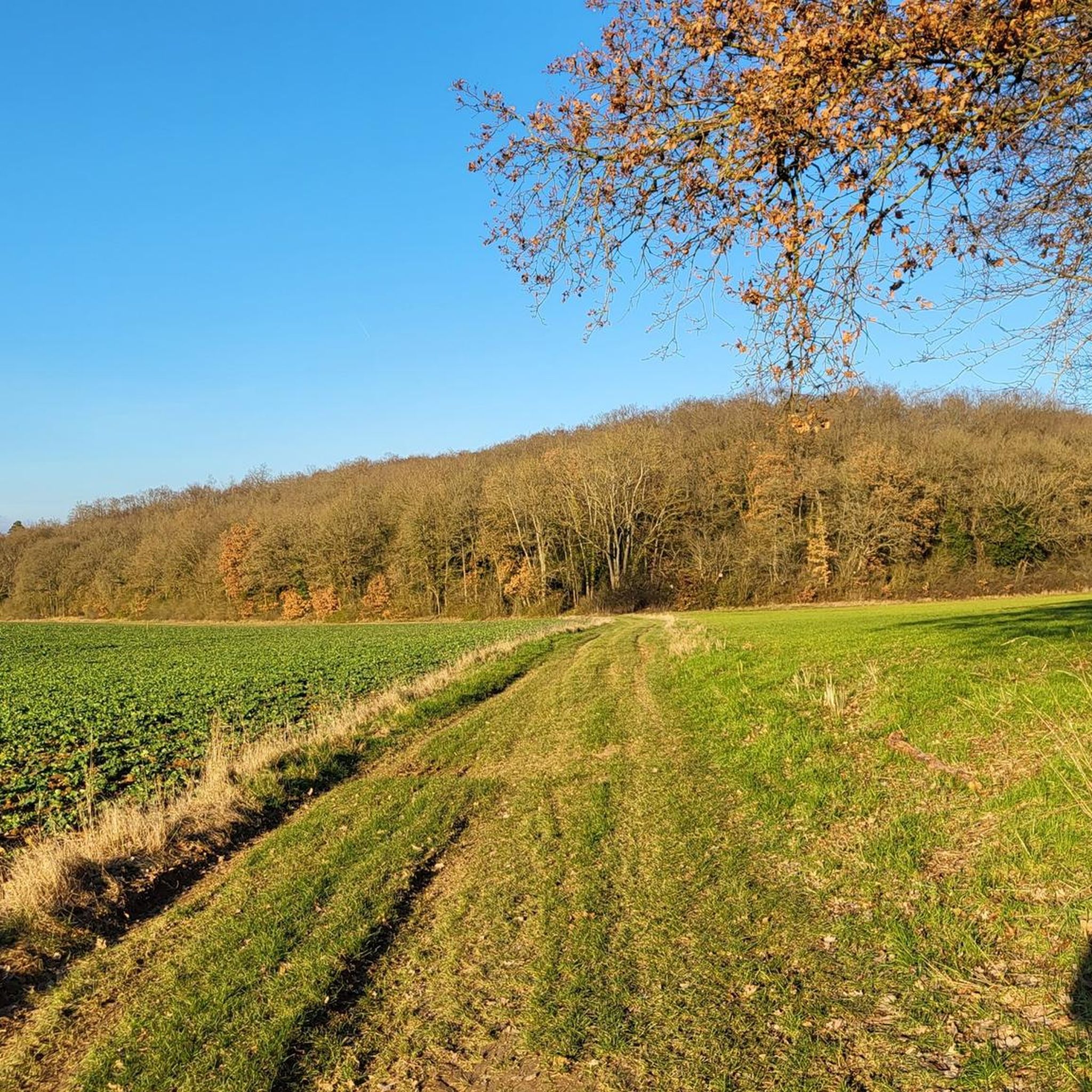


Tips from the Community


The Moulin de Mormoulins is a watermill located on the Eure River in the hamlet of Mormoulins. This mill dates back to the 18th and 19th centuries and is a listed historical monument. You can admire the old stone building, the wooden wheel, and the canal that diverts water from the river as you pass in front of the mill. The mill is surrounded by green fields and trees, creating a peaceful and relaxing atmosphere.
0
0

Church of Saint Peter and Saint Paul The construction of the church is said to have been initiated by Don Roger, abbot of the very powerful Benedictine abbey of Coulombs from 1115 to 1174. At that time, the abbey stood near Nogent-le-Roi, a former fortified town located twelve kilometers away on the banks of the Eure. Spread over more than 80 parishes, it had a considerable influence in the region until the Revolution, whether from a religious, economic or social point of view. The Romanesque style that it had adopted since its original construction was reworked in the 16th century by the opening of tall Gothic windows around the choir. Finally, in the following century, during the Wars of Religion, the church suffered serious damage. When peace returned, the entrance porch was finally rebuilt in the elegant Renaissance style. In 1950, a fire destroyed the church and all its furniture; it was restored at the end of the 20th century.
0
0


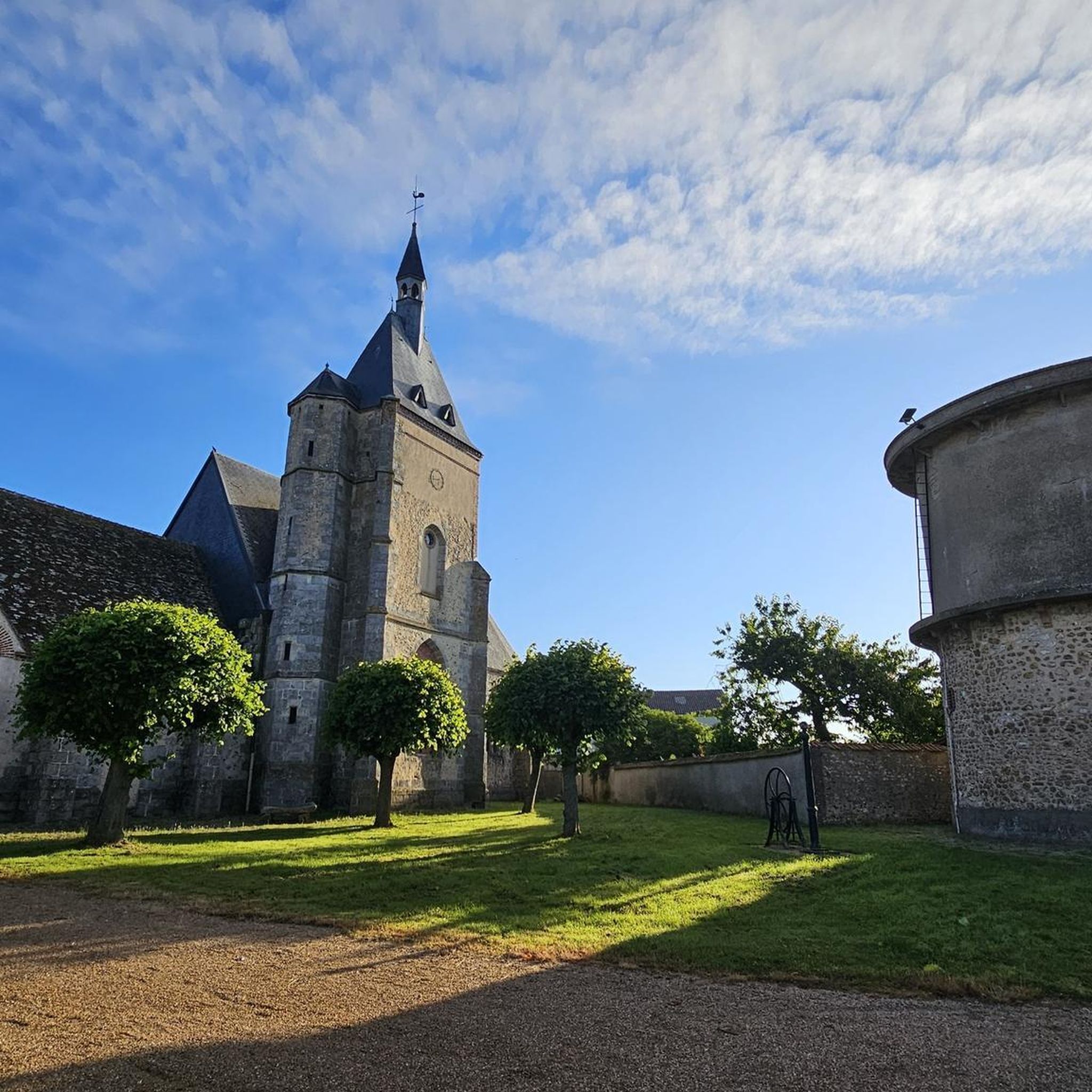
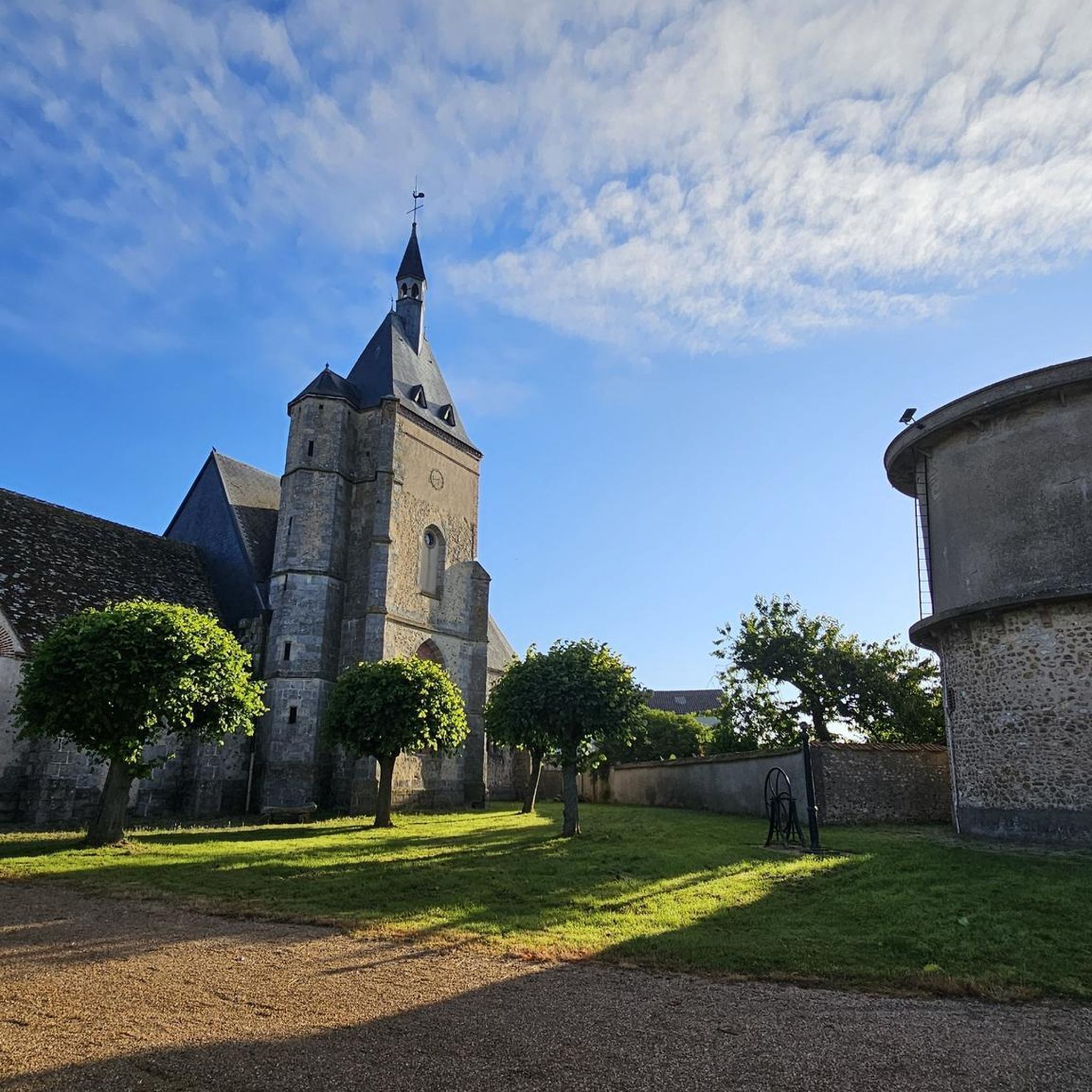
With its curiously crowned square tower, this charming church boasts a flamboyant Gothic style. Built between the 15th and 17th centuries, it preserves a remarkable collection of 16th-century stained-glass windows dedicated to Eucharistic miracles.
0
0
Town with many half-timbered houses, much more pleasing to the eye than those of our time...
0
0
The Saint-Sulpice church in Nogent-Le-Roi is an impressive church built in the 15th century and which was part of the defensive wall which protected the entrance to the town. You can admire its beautiful stained glass windows and its wrought iron choir inside, as well as its original tower outside. The church is located in the heart of Nogent-Le-Roi, a charming town with old half-timbered houses and a castle.
2
0
The castle of Nogent-le-Roi dates from the 15th century and was built by Pierre de Brézé, close advisor to King Charles VII1. You will be able to admire the neo-Louis XIII style of the current building, built in 1863 by Alfred Chapelain, and discover the remains of the medieval fortress, such as the surrounding wall and the two square towers. You can also run in the magnificent park surrounding the castle, where there is an old windmill which was used to pump water during the Second Empire. The park is open to the public every day from 8 a.m. to 8 p.m. and hosts various exhibitions and events throughout the year. The Château de Nogent-le-Roi is an ideal destination for a refreshing and cultural run.
2
0
Frequently Asked Questions
What historical landmarks can I explore around Le Boullay-Mivoye?
The region offers several historical landmarks. You can visit the Château de Mormoulins, a castle with origins dating back to the 10th century, featuring canals dug in the 18th century. Another significant site is the Nogent-le-Roi Castle, which dates from the 15th century and includes a magnificent park. Within Le Boullay-Mivoye itself, the Église Saint-Rémi, with parts from the 15th and 16th centuries, is a central historical feature.
Are there any notable churches to visit in the Le Boullay-Mivoye area?
Yes, there are several historically rich churches. The Église Saint-Rémi in Le Boullay-Mivoye dates back to the 8th century, with current construction from the 15th and 16th centuries, and features beautiful stained glass windows. You can also visit the Saint-Sulpice Church of Châteaudun, known for its flamboyant Gothic style and 16th-century stained-glass windows. Another option is the beautiful church of Prouais, which has Romanesque origins and a Renaissance-style entrance porch.
Where can I see examples of traditional architecture near Le Boullay-Mivoye?
The area is known for its traditional architecture, particularly Half-timbered houses. These structures, some dating from the 15th and 16th centuries, showcase an architectural style with exposed woods and asymmetry. The town of Nogent-le-Roi, for instance, presents a surprising set of these beautiful houses.
What kind of outdoor activities are available around Le Boullay-Mivoye?
The rural setting of Le Boullay-Mivoye is ideal for various outdoor activities. You can explore the region through cycling, gravel biking, and road cycling. There are numerous routes available, such as those found in the Cycling around Le Boullay-Mivoye guide, which includes easy loops like the 'Pond of Boullay-Thierry' route, or more challenging ones like the 'Eure Valley Greenway' loop.
Are there cycling routes suitable for different skill levels?
Yes, the area offers cycling routes for various skill levels. For easy rides, consider routes like the 'Plan d'eau d'Ecluzelles loop' or the 'Pond of Boullay-Thierry' loop, both found in the Cycling around Le Boullay-Mivoye guide. For more experienced cyclists, the Road Cycling Routes around Le Boullay-Mivoye guide features moderate to difficult options, such as the 'Cocherelle Dolmen – Avre Aqueduct loop'.
Can I find gravel biking trails in the vicinity of Le Boullay-Mivoye?
Absolutely. Gravel biking is a popular activity in the region. You can find several trails, including challenging routes like 'The finish line in Chartres – Château de Maintenon loop' or 'Walk in the Dreux Forest – Sorel Castle loop'. Moderate options like the 'Moulin de la Bellassière – Fontaine les Ribouts loop' are also available. Explore these and more in the Gravel biking around Le Boullay-Mivoye guide.
What are some family-friendly attractions in the region?
For families, the Saint-Sulpice Church of Châteaudun is a historical site that can be enjoyed by all ages. Additionally, the Nogent-le-Roi Castle, with its extensive park, offers a great space for families to explore and enjoy the outdoors.
Are there any ancient or prehistoric sites near Le Boullay-Mivoye?
Yes, the area has evidence of early human presence. The prehistoric megalith known as La Pierre-Fixte or Pierre-Frite, indicating Neolithic activity, is located near the road to Villemeux, though it is now buried.
What is the significance of the Château de Mormoulins?
The Château de Mormoulins has a rich history, with origins around the 10th century when it stood amidst marshes. The current building was constructed after 1817, replacing earlier ruins. Notably, canals still visible today were dug in the 18th century by a former owner. The site is also associated with local legends.
What unique local features can I discover in Le Boullay-Mivoye itself?
Beyond the Église Saint-Rémi, Le Boullay-Mivoye offers several local points of interest. You can see the Château d'eau (Water Tower) built in 1902, the Monument aux Morts (War Memorial) in the cemetery, and La Mare, a pond on Rue de la Mairie. The village also features a Fortified Farm and the historic Fonville Hamlet, which once housed a chapel.
What do visitors particularly appreciate about the attractions around Le Boullay-Mivoye?
Visitors appreciate the diverse experiences offered by the region's attractions, which have garnered more than 30 upvotes and 9 photos from the komoot community. The historical depth of sites like the Château de Mormoulins and the architectural charm of Half-timbered houses are frequently highlighted. The blend of historical exploration and the peaceful, rural atmosphere for outdoor activities is a major draw.
Is there a good time of year to visit Le Boullay-Mivoye for outdoor activities?
Le Boullay-Mivoye, being a rural area, is generally pleasant for outdoor activities from spring through early autumn. During these seasons, the weather is typically mild, making it ideal for cycling, gravel biking, and exploring historical sites. The natural landscapes are also at their most vibrant during these months.
Most popular routes around Le Boullay-Mivoye

Get inspired with the komoot mobile app


Explore more
Still not found the Highlight you’re looking for? See guides of the top attractions in other regions:
