Attractions and Places To See around Bonnevent-Velloreille - Top 20
Best attractions and places to see around Bonnevent-Velloreille include historical sites, unique architecture, and natural landscapes. This commune in Haute-Saône, France, features a blend of historical charm and natural beauty, characterized by its hilly and wooded environment. Visitors can explore ancient structures, distinctive churches, and numerous historical washhouses and fountains. The area also offers pedestrian paths through communal woods for exploring the natural surroundings.
Best attractions and places to see around Bonnevent-Velloreille
- The most popular attractions is Fountain and Washhouses,…
Last updated: July 8, 2026
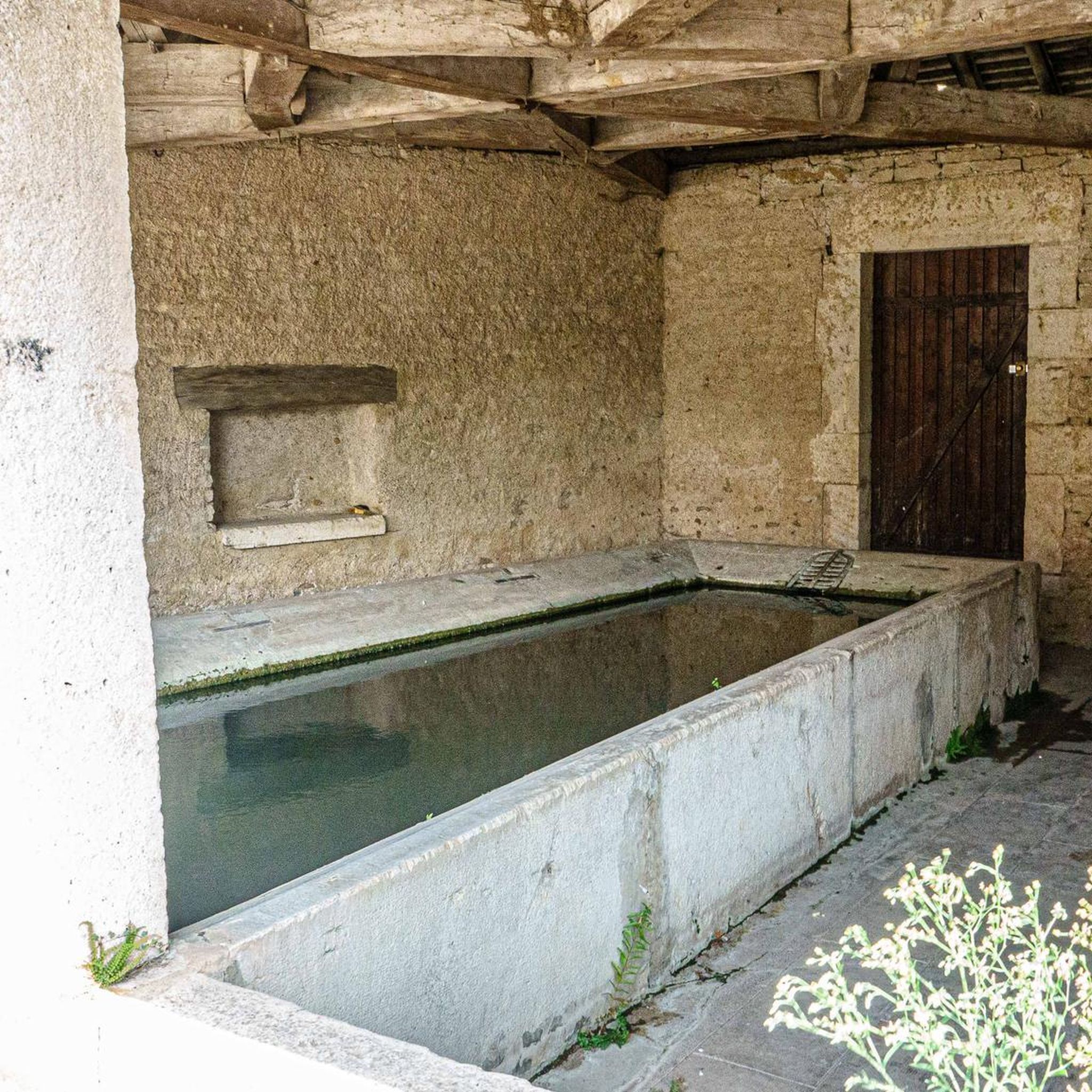
The large washhouse-trough.
Highlight • Historical Site
Translated by Google •
Tip by

Fortified manor of Sorans-lès-Breurey
Highlight • Other
This fortified house has now been transformed into a …
Translated by Google •
Tip by

Sign up now to discover places like this
Get recommendations on the best single tracks, peaks, & plenty of other exciting outdoor places.
Sign up for free
Etuz
Highlight • Settlement
Translated by Google •
Tip by
Oiselay-et-Grachaux Village Highlights
Highlight • Settlement
Translated by Google •
Tip by
Fountain and Washhouses, Etuz
Highlight • Monument
Translated by Google •
Tip by
Sign up for free to discover even more attractions around Bonnevent-Velloreille.
Sign up for free
Already have an account?
Start today with a free account
Your next adventure awaits.
Login or Signup



Tips from the Community

Destroyed in 1477 by the troops of Louis XI, the fortified house was rebuilt in the 16th century by Étienne de Labrey. The building is now occupied by a farm. The building was listed as a historical monument in 1977. WIKIPEDIA
0
0

The grand lavoir-abreuvoir in Geneuille is a historical monument dating from the 19th century. It was built in 1829 and restored in 1876 by the architect Ducat. This lavoir-abreuvoir, located on the rue de l’Abreuvoir, is a covered washhouse with a large abreuvoir running along the facade. It has a large esplanade for easy access. The complex consists of a fountain, a washhouse and a abreuvoir, and is an important vestige of the social life and work of our ancestors. The water enters via a canal and is collected in a large space with a beautiful vaulted structure.
8
0
A double, neo-antique temple and wash house (1845), with very beautiful Ionic columns, containing a water reservoir.
10
4
Fountain by the architect Pierre Marnotte, built in 1845-1846 and representing two small forts. This monument (listed as a historic monument) is lit up at dusk.
11
4
Etuz is a commune in the Haute-Saône department. Etuz is located on the Ognon River, which forms the border with the Doubs department. Etuz is part of the urban unit of Cussey-sur-l’Ognon and the attraction of Besançon. Etuz has a fountain and two wash houses dating from the 19th century. It also has a church dedicated to Saint-Martin, which was built in the 18th century on the site of an older church. Etuz is a rural commune, where agriculture and forestry are mainly practiced.
10
4
Parish Church of the Beheading of Saint-Jean-Baptiste (rebuilt at the beginning of the eighteenth century on medieval foundations of the thirteenth century): Latin cross plan; three naves; cross vault; numerous paintings, sculptures.
10
4
The site of Oiselay-et-Grachaux, the "bird hill", has been inhabited since prehistoric times, as evidenced by the discovery of a Neolithic station. In ancient times, Oiselay was located on the Roman road linking Besançon to Langres. Until the eighteenth century, the Lord of Oiselay ruled the area. Stephen II of Oiselay, head of the younger branch of the House of Burgundy, had a fortified castle built in 1227 AD. * Fontaine-lavoir (xixe siècle) : basin ; borne fontaine ; stone of the waist ; columns. * Chapelle du cimetière recouverte de lierre. * Numbers of old houses and farms. * Croix de chemin du 19th century. * Mairie-school, du 19th century. * Ruins du château-fort were renovated during the twentieth century, dating from the seventh century during the armies of Louis XI and dismantled during Louis
10
4

Built in the 16th century, the fortified house is made up of buildings defended by loopholes which form a closed courtyard. This fortified house has now been transformed into a farm. It has retained its keep and its chapel, as well as a mill from the beginning of the 18th century. Very well preserved, it is listed as a Historic Monument.
2
0
Frequently Asked Questions
What historical sites can I explore around Bonnevent-Velloreille?
The region is rich in history. You can visit the large washhouse-trough in Geneuille, a 19th-century covered washhouse that is a significant historical monument. Another notable site is the Fortified manor of Sorans-lès-Breurey, a 16th-century fortified house with a keep and chapel. The village of Oiselay-et-Grachaux also has historical significance, including a 19th-century Fontaine-lavoir and ancient houses.
Are there any unique architectural landmarks in the area?
Yes, the village of Bonnevent-Velloreille features a distinctive neo-Gothic church with two bell towers. Inside, you can find an ancient statue of Saint-Blaise and three altarpieces. Additionally, the oldest house in the commune, known as "Maison de la Tour," dates back to the 15th and 16th centuries, offering a glimpse into the past.
Where can I find historical washhouses and fountains near Bonnevent-Velloreille?
The area is known for its historical water structures. In Etuz, you'll find the Fountain and Washhouses, Etuz, a double, neo-antique temple and wash house with beautiful Ionic columns, which is illuminated at dusk. Geneuille hosts the grand large washhouse-trough, built in 1829. Oiselay-et-Grachaux also boasts a 19th-century Fontaine-lavoir.
What kind of natural landscapes can I expect to see?
Bonnevent-Velloreille is characterized by a picturesque hilly and wooded environment. The communal woods surrounding the village are crisscrossed with pedestrian paths, offering opportunities to explore the natural surroundings and enjoy the serene landscape.
Are there opportunities for hiking around Bonnevent-Velloreille?
Yes, the communal woods around Bonnevent-Velloreille are ideal for hiking, with several pedestrian paths available. For more structured routes, you can explore various running trails in the vicinity, such as the 'Running loop from Étuz' or the 'Pelouses Trail loop from Villers-Chemin-et-Mont-lès-Étrelles'. Find more options on the Running Trails around Bonnevent-Velloreille guide.
What other outdoor activities are available near Bonnevent-Velloreille?
Beyond hiking, the region offers excellent opportunities for cycling and mountain biking. You can find various cycling routes, including the 'Château de Boult loop from Chaux-la-Lotière', or explore mountain bike trails like the 'Forest Path – Pretty little fountain loop from Cussey-sur-l'Ognon'. Check out the Cycling around Bonnevent-Velloreille guide and the MTB Trails around Bonnevent-Velloreille guide for detailed routes.
Are there family-friendly attractions in Bonnevent-Velloreille?
Many of the historical sites, such as the Fountain and Washhouses, Etuz and the large washhouse-trough, are listed as family-friendly. Exploring the pedestrian paths in the wooded areas also offers a pleasant outdoor activity for families.
What do visitors particularly enjoy about the attractions in this region?
Visitors appreciate the blend of historical charm and natural beauty. The historical monuments, like the illuminated fountain in Etuz, and the well-preserved fortified manor, are highly regarded. The peaceful, hilly, and wooded environment also provides a relaxing backdrop for exploration and outdoor activities.
Are there any ancient Roman remnants to discover?
Historically, Bonnevent-Velloreille was situated on an ancient Roman road connecting Besançon to Langres. While not extensively highlighted, some remnants of ancient constructions have been discovered within the commune, hinting at its Roman past.
Can I find any fortified structures or old houses?
Absolutely. The Fortified manor of Sorans-lès-Breurey is a prime example, a 16th-century structure that retains its keep and chapel. The "Maison de la Tour" in Bonnevent-Velloreille is also a significant old house dating back to the 15th and 16th centuries. The village of Oiselay-et-Grachaux also features numerous old houses and farms.
How can I explore the natural wooded areas around Bonnevent-Velloreille?
The communal woods encircling Bonnevent-Velloreille are crisscrossed with several pedestrian paths. These trails are perfect for walking, jogging, or simply enjoying the tranquil forest environment. You can find more detailed running routes in the Running Trails around Bonnevent-Velloreille guide.
What is the best time to visit Bonnevent-Velloreille attractions?
The region's hilly and wooded landscape, along with its historical sites, can be enjoyed across various seasons. Spring and autumn offer pleasant temperatures for outdoor activities like hiking and cycling, while the illuminated fountain in Etuz can be appreciated at dusk year-round.
Most popular routes around Bonnevent-Velloreille

Get inspired with the komoot mobile app


Explore more
Still not found the Highlight you’re looking for? See guides of the top attractions in other regions:
