Attractions and Places To See around Sant'Andréa-Di-Cotone - Top 20
Best attractions and places to see around Sant'Andréa-Di-Cotone include a mix of historical sites and natural features. This village, nestled in the wooded hills of Haute-Corse, offers panoramic views of the eastern plain. The area provides insights into traditional Corsican life, with notable cultural sites and natural beauty within its boundaries and immediate surroundings. Visitors can explore historic structures, waterfalls, and enjoy hiking opportunities in the nearby mountains.
Best attractions and places to see around Sant'Andréa-Di-Cotone
- The most popular attractions…
Last updated: July 2, 2026
Genoese bridge
Highlight • Historical Site
Translated by Google •
Tip by

Bucatoggio Waterfall
Highlight • Waterfall
Translated by Google •
Tip by
Sign up now to discover places like this
Get recommendations on the best single tracks, peaks, & plenty of other exciting outdoor places.
Sign up for free
Ucelluline Waterfall
Highlight • Waterfall
Translated by Google •
Tip by

Cervione
Highlight • Settlement
The …
Translated by Google •
Tip by

San Nicolao Church
Highlight • Other
Translated by Google •
Tip by

Sign up for free to discover even more attractions around Sant'Andréa-Di-Cotone.
Sign up for free
Already have an account?
Start today with a free account
Your next adventure awaits.
Login or Signup
Tips from the Community

This church is one of the Baroque buildings found in Corsica. It is recognizable from afar with its distinctive bell tower, visible amidst the natural forest setting of the Costa Verde massif.
0
0

The church was begun at the beginning of the seventeenth century and completed in 1717. In 1740, embellishment works were carried out. The wall paintings were painted by Luigi Pollero in 1810. The main façade consists of two levels delimited by cornices and surmounted by a triangular pediment with three acroteria. On the first level, on either side of the portal, there are two niches that house the statues of Saint Nicholas and Saint Peter. The church ends in a semicircular apse. The bell tower rises at the junction of the apse and the right side façade. It has five floors that end in a dome surmounted by a cross. The interior consists of a nave and five richly decorated side chapels. On either side of the altar there are caryatid angels. Building dating from the first quarter of the 17th century (?), mentioned in the report of the pastoral visit of Msgr. Marliani, Bishop of Mariana and Accia, in 1646. It was restored in 1686 with the collaboration of master masons Lorenzo Chiglione and Giovanni Filippi. Rebuilt in 1717 and 1740. Main door dating from 1766. Painted decoration (investigated in the Palissy database) carried out by the painter Luigi Polleri in 1810, as shown by the date on the inside of the building. Restored in 1896.
1
0

This church has a special location. Every time I cycled past it I just had to stop for a moment. Very beautiful. 👍🏻
0
0

The suggested route is basically manageable even for inexperienced hikers. In my opinion, you should definitely wear sturdy (ankle-high) shoes if you want to go further than the bathing area. The bridge is a fun way to start, the waterfall is of course (in August) completely crowded, the rest area at the chapel is pleasant and the view and landscape in general is great. The way back on the road is relatively risky with the Corsican traffic.
0
0
Beautiful old stone bridge. You can swim underneath. Next to it is a small ruin.
0
0
You can either go up next to the bridge or go down diagonally opposite and swim if you want. There is a tunnel on the other side of the bridge.
2
1

Frequently Asked Questions
What historical and cultural sites can I explore in Sant'Andréa-Di-Cotone?
The village is rich in history. You can visit the 17th-century Parish Church of Saint-André, which is inscribed in the General Inventory of Cultural Heritage and offers views towards the sea. Additionally, each of the three hamlets—Cotone, Chigliacci, and Ciglio—features its own chapel: Saint-Antoine, Saint-Sébastien, and Saint-Roch, respectively. Don't miss the Genoese bridge, a historical site noted for its beauty and adjacent forest.
Are there any natural attractions or scenic viewpoints in the area?
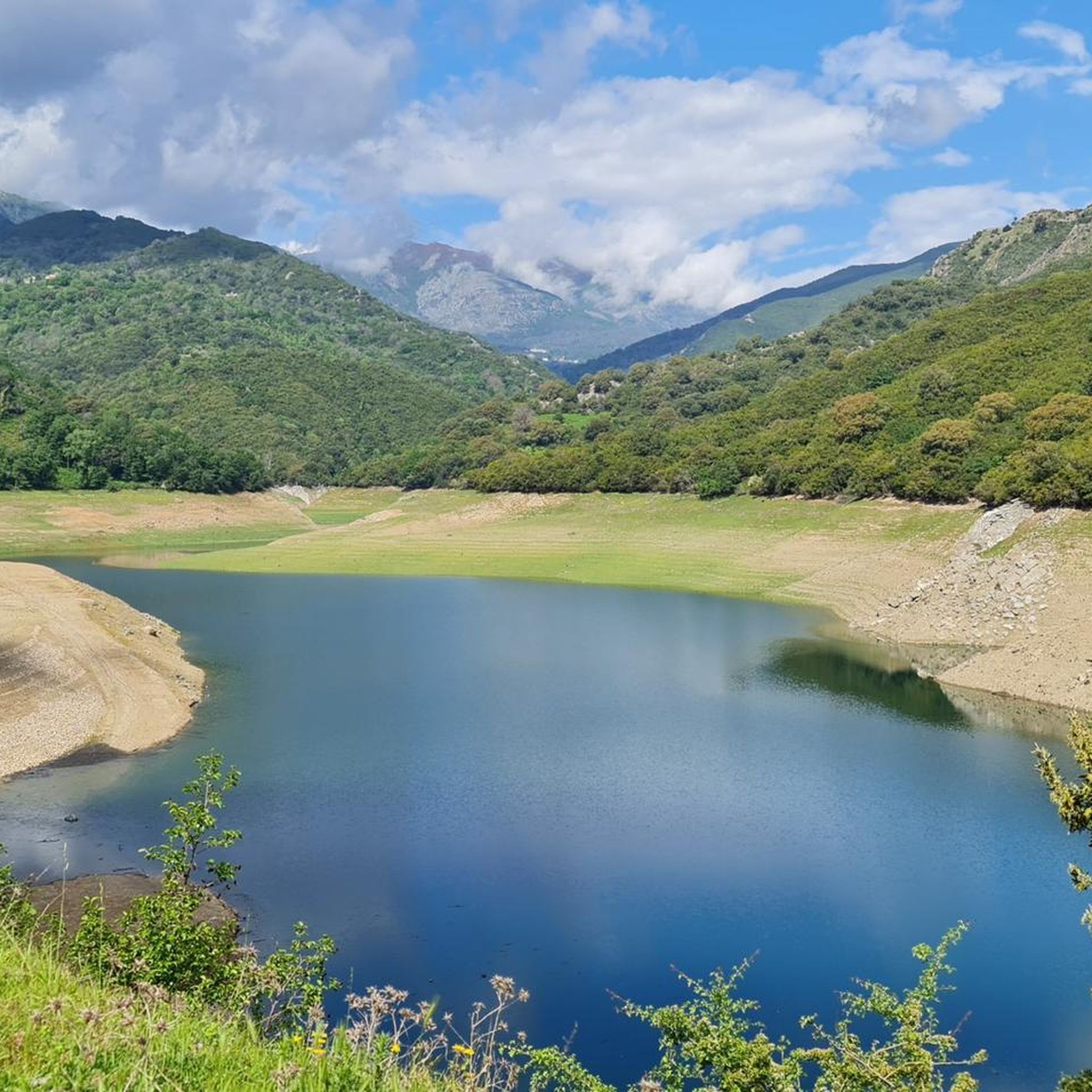
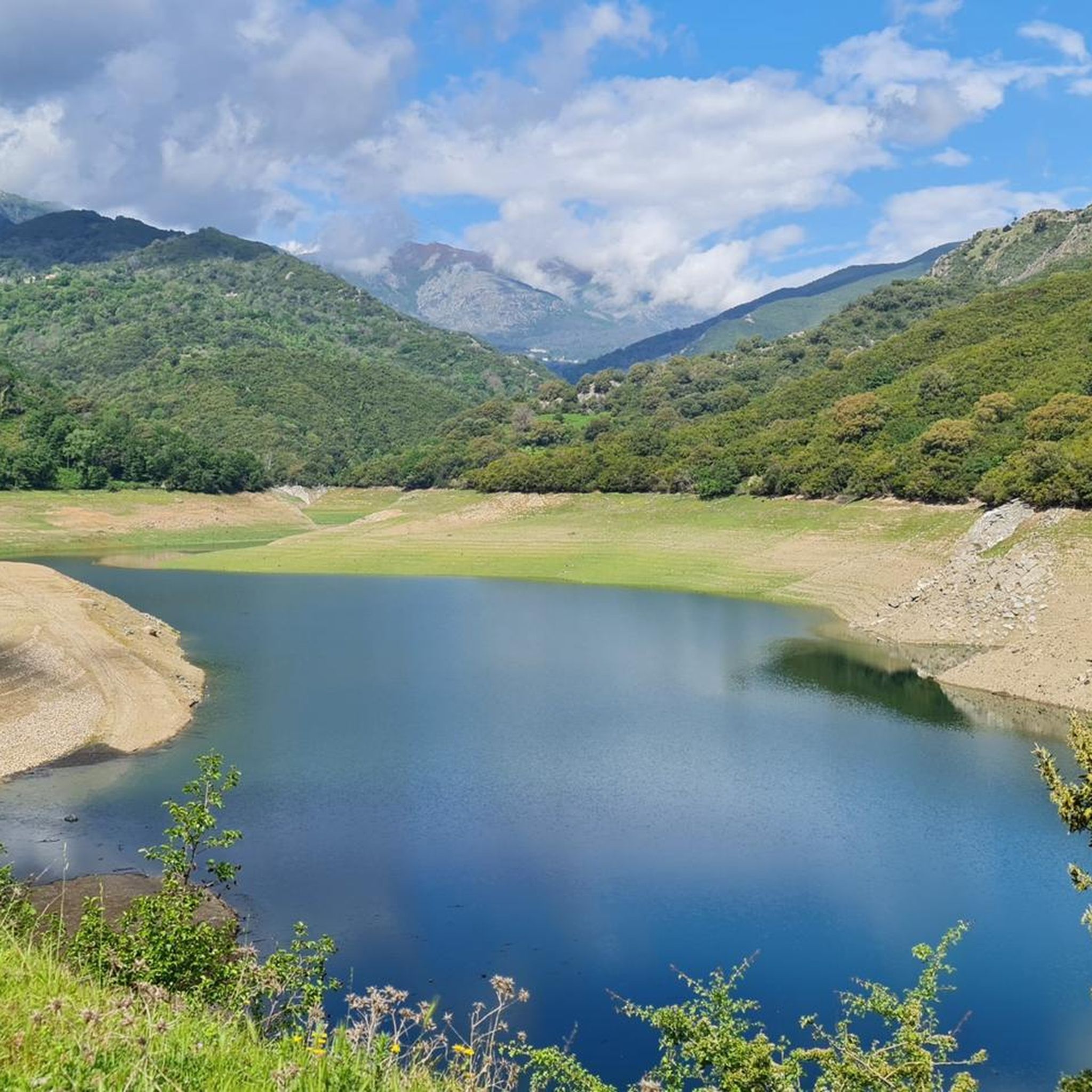
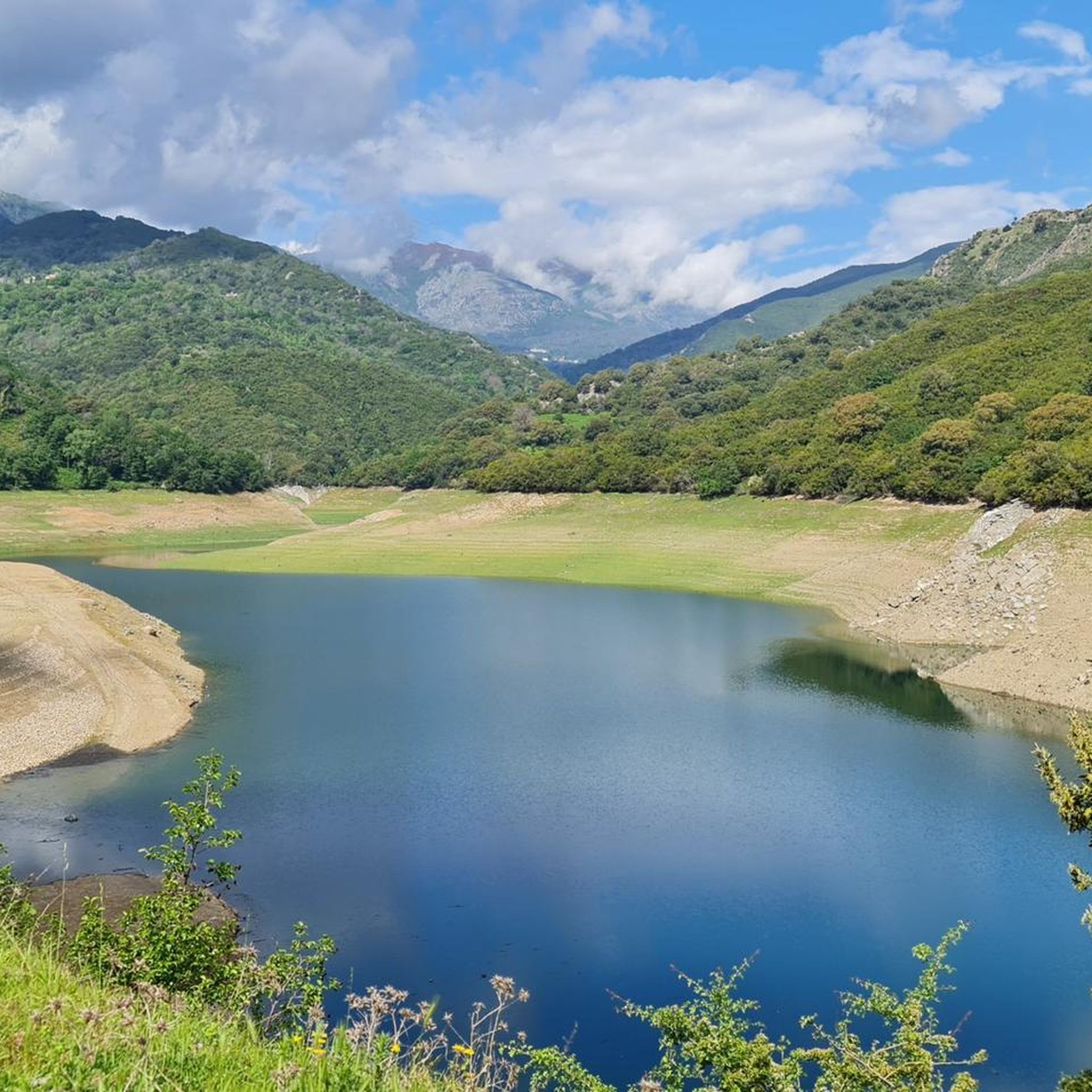
Absolutely. Sant'Andréa-Di-Cotone offers expansive panoramic views of the eastern plain, stretching from Moriani to Aléria, and on clear days, you might even see the Tuscan archipelago. For natural beauty, explore the Ucelluline Waterfall, a natural monument with multiple cascades visible from a stone bridge. Another refreshing spot is the Bucatoggio Waterfall, featuring a beautiful waterfall and a small lake.
What kind of outdoor activities can I do near Sant'Andréa-Di-Cotone?
The region is ideal for outdoor enthusiasts. You can enjoy hiking in the nearby mountains, including Punta di Travu (876 meters) and Mont Cime Tonde (1013 meters). For more structured routes, consider exploring the hiking trails around Sant'Andréa-Di-Cotone, such as the 'View of Cervione and the Coast – Way of the Cross of Cervione loop'. There are also numerous road cycling routes and gravel biking opportunities.
Are there any unique natural features besides waterfalls?
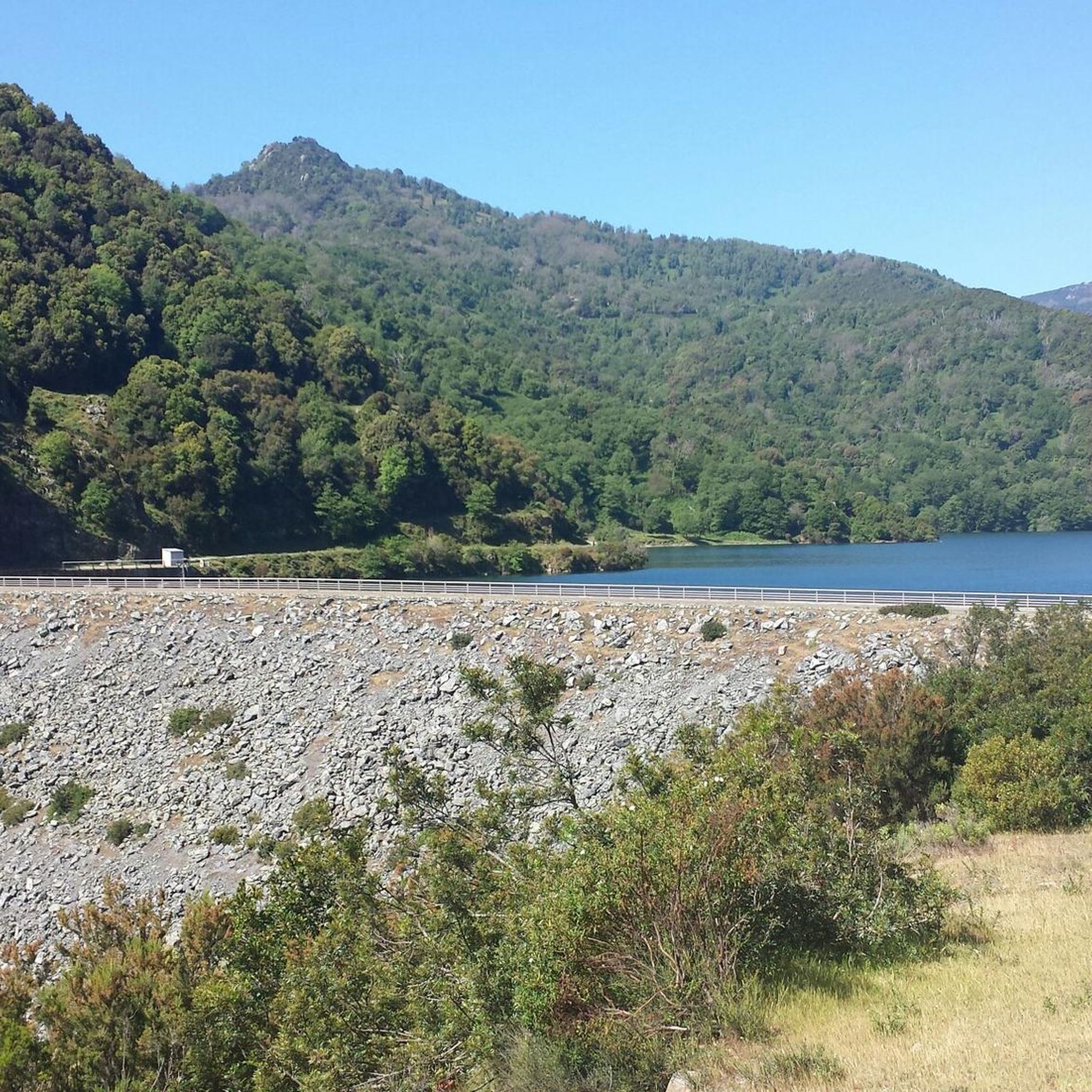
Yes, at the edge of the village, you'll find the Alesani Dam, which creates a two-kilometer-long body of water, offering a different kind of natural landscape to explore. The area also provides stunning views of the eastern plain and, on clear days, even the Tuscan archipelago.
What do visitors enjoy most about the waterfalls in the area?
Visitors particularly enjoy the scenic drive to the Ucelluline Waterfall, which offers magnificent views over the coastal plain. Many appreciate the opportunity to take a refreshing dip in the pools above the falls. For the Bucatoggio Waterfall, the beautiful waterfall with its small lake is a highlight, though hiking boots are recommended for the approach.
Can I find any ancient or archaeological sites in Sant'Andréa-Di-Cotone?
Yes, the site of Santa Maria A Vecchia is a lesser-known but intriguing location. It contains a Romanesque chapel amidst ruins and is considered worthy of archaeological research, possibly hinting at prehistoric origins.
What are some notable nearby towns or cultural centers worth visiting from Sant'Andréa-Di-Cotone?
Several significant towns are within a short drive. Corte, about 27 km away, is considered the heart of central Corsica and a hiking hub. Bastia (43 km) offers a bustling harbor, while Saint-Florent (43 km) is a popular seaside resort with a 15th-century citadel. For charming medieval streets, visit Sant'Antonino (56 km), recognized as one of France's most beautiful villages.
Are there any specific hamlets within Sant'Andréa-Di-Cotone that offer unique experiences?
The village is composed of three distinct hamlets: Cotone, Chigliacci, and Ciglio. The hamlet of Ciglio, perched high, provides splendid views over the Campoloro region and was historically a key crossroads. Chigliacci is notable for its tall bourgeois houses, which hint at a prosperous past.
What kind of views can I expect from the village?
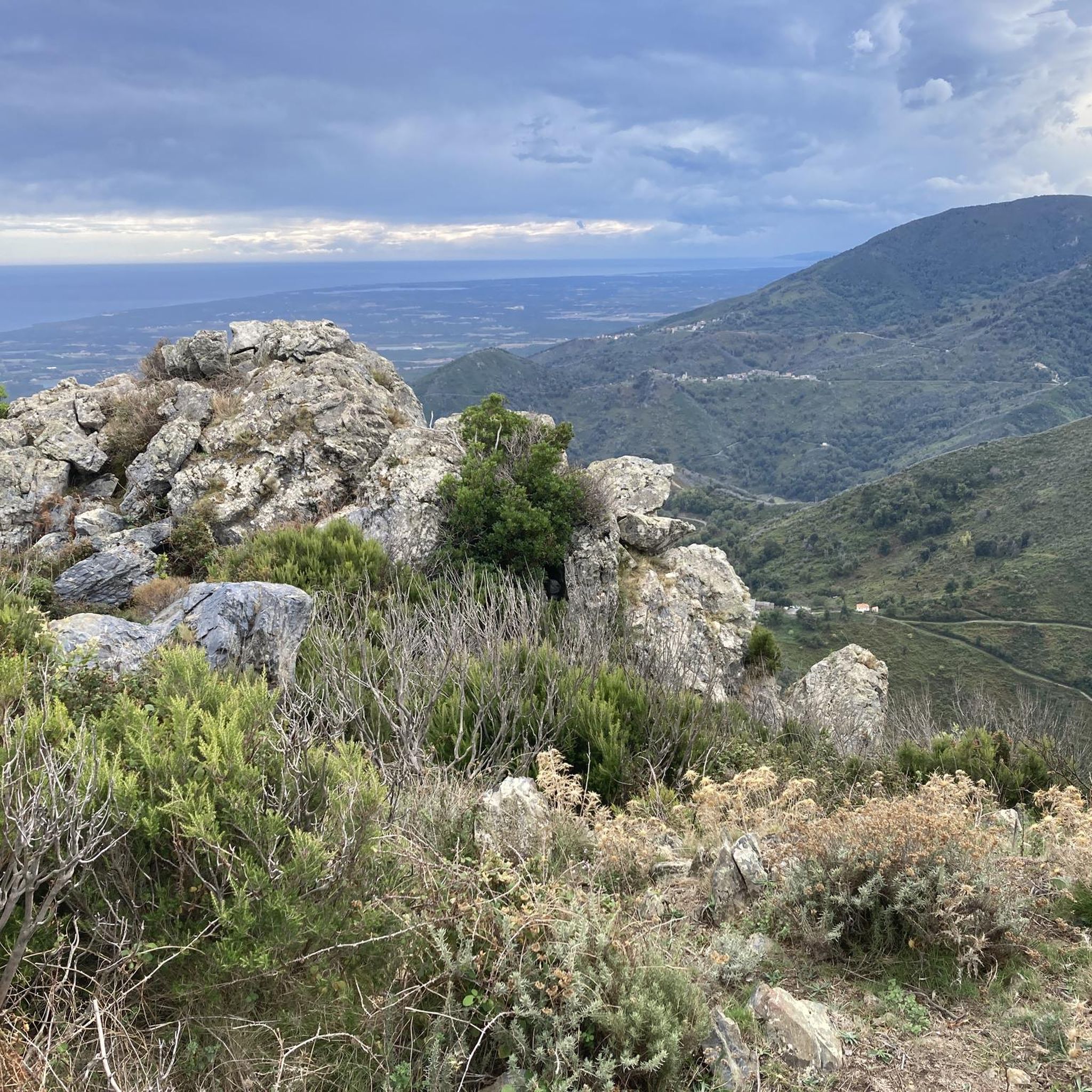
From various points in Sant'Andréa-Di-Cotone, you can enjoy expansive panoramic views. These include sweeping vistas of the eastern plain, stretching from Moriani to Aléria. On exceptionally clear days, it's even possible to catch a glimpse of the Tuscan archipelago and the Italian coast.
Are there any other historical churches or chapels in the immediate vicinity?
Beyond the Parish Church of Saint-André and the chapels within the hamlets, the Chapel de Santa Cristina is located closer, about 3 km away in Valle-di-Campoloro, offering another local cultural site to visit.
What is the best way to experience the natural beauty of the area?
To truly immerse yourself in the natural beauty, consider exploring the various hiking and cycling routes. The winding mountain roads leading to places like the Ucelluline Waterfall offer magnificent views. The nearby Alesani Dam also provides a serene natural setting for a leisurely visit.
Most popular routes around Sant'Andréa-Di-Cotone
Most popular attractions around Sant'Andréa-Di-Cotone

Get inspired with the komoot mobile app


Explore more
Still not found the Highlight you’re looking for? See guides of the top attractions in other regions:
