Attractions and Places To See around Saint-Privé - Top 20
Attractions and places to see around Saint-Privé, a commune in the Yonne department of Bourgogne-Franche-Comté, France, include historical landmarks, cultural sites, and natural features. Situated on the Loing River, the area is characterized by a verdant landscape of woods, ponds, and shaded paths. Visitors can explore significant historical monuments and enjoy the natural beauty of the region.
Best attractions and places to see around Saint-Privé
- The most popular attractions is Mount Avril, a summit that offers a 360° panorama…
Last updated: June 23, 2026
Crainseny Viaduct
Highlight • Bridge
Translated by Google •
Tip by

Accessible Drinking Water Fountain
Highlight • Rest Area
Translated by Google •
Tip by

Sign up now to discover places like this
Get recommendations on the best single tracks, peaks, & plenty of other exciting outdoor places.
Sign up for free
Statue of Mary
Highlight • Other
Translated by Google •
Tip by

Memorial stone for the fallen with rooster
Highlight • Other
Translated by Google •
Tip by

Church in Moroges
Highlight • Historical Site
Translated by Google •
Tip by
Sign up for free to discover even more attractions around Saint-Privé.
Sign up for free
Already have an account?
Start today with a free account
Your next adventure awaits.
Login or Signup
Tips from the Community

The Crainseny Viaduct (French: Viaduc de Crainseny) is a historic railway bridge in the south of the Côte Chalonnaise region. The viaduct was built in 1882. It has a total length of 246 meters, spans the valley at a height of around 23 meters, and features a distinctive curve with a radius of 400 meters. The masonry bridge consists of 16 elegant round arches, each with a span of 12 meters. Originally, the railway ran here on the Étiveau-Montchanin line, connecting the towns of Saint-Gengoux-le-National and Montchanin. Train services were discontinued in 1969.
0
0

Superb view, pleasant place for a break. Presence of a fitness trail.
1
0

A very beautiful piece of work, a testament to the local railway era.
1
0


The rooster is a French national symbol. The association of the rooster and France was born from a play on words: the Latin word gallus means both “Gallic” and “rooster”. After an eclipse in the Middle Ages, the symbol of the French rooster was reborn in the 14th century. From the Renaissance, the animal interfered in representations of the King of France. If the contemporary political field prefers Marianne, the rooster remains the emblem of France in the eyes of the world.
4
0
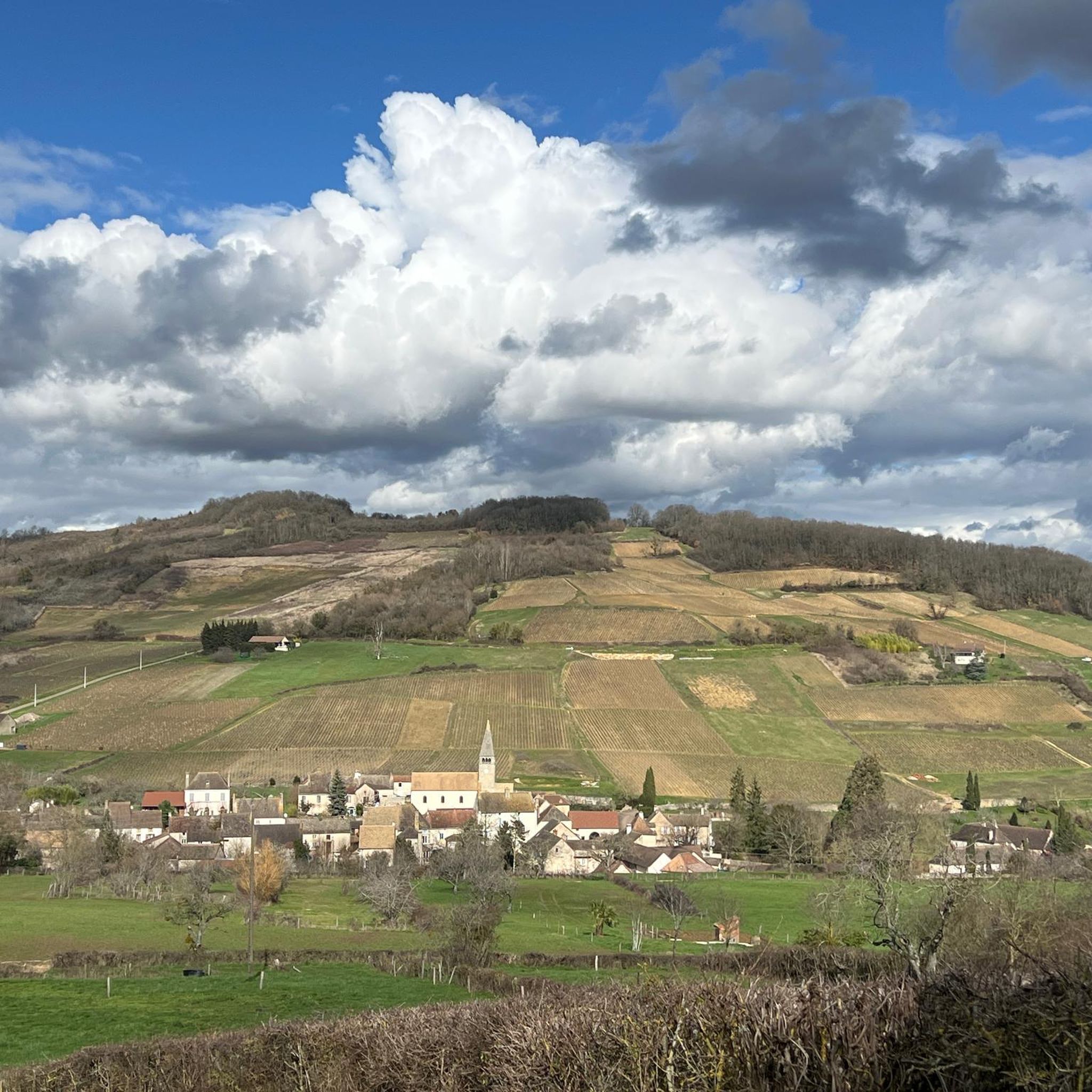
The Saint Vincent de Moroges church, originally the Romanesque church of Saint-Martin, is a pretty 19th century church, located a little away from the town, but clearly visible with its bell tower decorated with polychrome tiles.
4
0

The Crainseny viaduct, 246 m long, with a curve radius of 400 m, 16 arches and an opening of 12 m, is undoubtedly the most imposing structure on the South Chalonnaise Coast. The old railway line crossed it and the viaduct linked St-Gengoux to Montchanin crossing the Crainseny valley until 1969. Built in 1882, its height is approximately 23 m.
2
0

Located on the direct route to Satiago de Compostela
5
0
Frequently Asked Questions
What historical and cultural sites can I explore around Saint-Privé?
Saint-Privé and its surroundings offer a rich history. You can visit the elegant 16th-century Église de Saint-Privé, a classified historical monument. Nearby, discover the impressive Rogny – The Seven Locks, a monumental 16th-century engineering feat on the Briare Canal. Other notable sites include the Château de la Trémellerie, once home to painter Henri-Harpignies, and the Château de Saint-Fargeau, a historic castle with origins tracing back to the tenth century. The 19th-century Château du Muguet is also significant for its architecture and historical meetings. Don't miss the Church in Moroges, a 19th-century church on the Way of Saint James, and the unique Memorial stone for the fallen with rooster.
Are there any natural viewpoints or scenic spots in the area?
Yes, the region boasts several beautiful natural features and viewpoints. The most popular is Mount Avril, an isolated summit offering a breathtaking 360° panorama of forests, farmland, and the Côte Chalonnaise. Another spot with great views is the Statue of Mary, which provides a fantastic vista of the Saône valley and includes a picnic bench for rest. The village of Saint-Privé itself is situated on the Loing River and features a picturesque communal pond, contributing to the verdant landscape of woods and shaded paths.
What outdoor activities can I do near Saint-Privé?
The verdant landscape around Saint-Privé, characterized by woods, ponds, and bocage, is ideal for outdoor enthusiasts. You can enjoy cycling, running, and hiking. For cycling, explore routes like the 'Fley Church – Fley loop from Saint-Privé' or 'Church of Buxy – Medieval town of Buxy loop from Savianges' which can be found in the Cycling around Saint-Privé guide. Runners can find trails such as the 'Running loop from Écuisses' or 'Roselet loop from Écuisses' in the Running Trails around Saint-Privé guide. Road cyclists also have options like the 'Saint-Christophe Priory – View from Mont Saint-Cyr loop' in the Road Cycling Routes around Saint-Privé guide.
Are there any family-friendly attractions or activities?
While specific family-focused attractions are not detailed, the natural environment of Saint-Privé offers plenty for families to enjoy. The communal pond provides a picturesque setting for a stroll, and the surrounding woods and shaded paths are perfect for easy walks and exploring nature. The impressive Rogny – The Seven Locks can be an educational and fascinating visit for children interested in engineering and history. Many of the outdoor routes mentioned, especially easier walking trails, can be suitable for families.
What do visitors enjoy most about the attractions around Saint-Privé?
Visitors particularly appreciate the stunning panoramic views offered by spots like Mount Avril and the Statue of Mary, often noting the opportunity for a peaceful rest with a great vista. The historical significance of sites like the Church in Moroges and the unique Memorial stone for the fallen with rooster also captivate visitors. The availability of amenities like the Accessible Drinking Water Fountain is also highly valued by those on longer routes, ensuring comfort during their explorations.
Is there accessible drinking water available on trails or near attractions?
Yes, for those exploring the area, especially along routes like the Way of Saint James, there is an Accessible Drinking Water Fountain. This water point is noted for providing cold, good-tasting water and is conveniently located next to a shady bus shelter, making it a perfect spot for a rest, especially where other supply options are limited.
What is the significance of the Rogny – The Seven Locks?
Rogny – The Seven Locks is a remarkable historical engineering achievement. Initiated by Henry IV around 1597 as part of the Briare Canal project, its purpose was to connect the Loire and Seine rivers, thereby linking the English Channel to the Mediterranean Sea. The construction, led by engineer Hugues Cosnier, took 38 years and involved 6,000 workers to overcome a 24-meter altitude drop, making it a significant landmark in French canal history.
What is the best time to visit Saint-Privé for outdoor activities and sightseeing?
The region around Saint-Privé, with its verdant landscapes and outdoor opportunities, is generally pleasant during the spring, summer, and early autumn months. These seasons offer favorable weather for hiking, cycling, and exploring historical sites. Spring brings blooming nature, while summer allows for longer days and warmer temperatures. Early autumn provides comfortable temperatures and beautiful foliage, making it an ideal time for scenic walks and enjoying the countryside.
Are there any castles or châteaux to visit near Saint-Privé?
Yes, besides the historical sites within Saint-Privé, there are notable castles in the surrounding area. The Château de la Trémellerie, overlooking the village, was once the residence of landscape painter Henri-Harpignies. Further afield, the impressive Château de Saint-Fargeau has a history dating back to the tenth century and was owned by Jacques Coeur, a financier to King Charles VII. The 19th-century Château du Muguet is also worth seeing for its neo-Louis XIII style architecture and historical significance, with its stables classified as historic monuments.
What is the Loing River's role in the Saint-Privé area?
Saint-Privé is beautifully situated on the Loing River, which is central to the area's natural charm. The river contributes significantly to the verdant landscape, characterized by woods, ponds, and shaded paths, making it a picturesque setting for outdoor activities. Furthermore, the 'rigole' (a small canal or ditch) that feeds the Briare Canal, a major historical waterway, actually begins on the Loing near Saint-Privé, highlighting its importance to the region's historical infrastructure.
What is unique about the Church in Moroges?
The Church in Moroges is a pretty 19th-century church, originally the Romanesque church of Saint-Martin. It is particularly notable for its bell tower, which is decorated with distinctive polychrome tiles. It holds historical significance as it is located on the direct route of the Way of Saint James to Compostela, making it a point of interest for pilgrims and history enthusiasts alike.
Can I find places for a picnic with a view?
Absolutely! The Statue of Mary is an excellent spot for a picnic. It offers a fantastic view of the Saône valley, and there's a picnic bench right next to the statue, specifically placed for visitors to rest and enjoy the scenery. Additionally, the general verdant landscape around Saint-Privé, with its communal pond and shaded paths, provides numerous idyllic spots for an outdoor meal.

Get inspired with the komoot mobile app


Explore more
Still not found the Highlight you’re looking for? See guides of the top attractions in other regions:
