The best road cycling routes around Barbas
4.7
(12)
236
riders
69
rides
Road cycling routes around Barbas traverse a landscape characterized by rolling hills and scenic rural roads. The region features a mix of open countryside, small villages, and occasional forested sections. Elevations typically involve moderate climbs, making for varied road cycling experiences. The terrain is suitable for cyclists seeking routes with consistent gradients and picturesque surroundings.
Best road cycling routes around Barbas
- The most popular road cycling route is Village Church and Scenic Road – Ruins of Blâmont Castle loop from…
Last updated: May 25, 2026
3.0
(1)
17
riders
50.5km
02:18
540m
540m
Moderate road ride. Good fitness required. Mostly well-paved surfaces and easy to ride.
5.0
(2)
27
riders
49.3km
02:33
570m
570m
Moderate road ride. Good fitness required. Some segments of this route may be unpaved and difficult to ride.

Sign up for free
5.0
(1)
7
riders
52.5km
02:24
520m
520m
Moderate road ride. Good fitness required. Mostly well-paved surfaces and easy to ride.
6
riders
43.9km
02:02
370m
370m
Moderate road ride. Good fitness required. Mostly well-paved surfaces and easy to ride.
5.0
(1)
4
riders
26.2km
01:51
280m
280m
Easy road ride. Great for any fitness level. Mostly well-paved surfaces and easy to ride.
Get access to more routes and recommendations from other explorers.
Sign up for free
Already have an account?
Our route recommendations are based on thousands of hikes, rides, and runs completed by other people on komoot.
Start today with a free account
Your next adventure awaits.
Login or Signup
Tips from the Community

Church of Saint Therese of Lisieux. Architect Litzenburger 1967
0
0

The imposing neoclassical-style town hall was built to the plans of the architect Antoine-Alexandre Jandel at the end of the Restoration (1830).
8
0
On a limestone spur above the Vezouze lies the Château de Blâmont, built around 1200. Once the seat of the Counts of Blâmont, later a romantic castle and even a weaving mill. In 1944 it was badly damaged by American bombing. Today the ruins – with five towers – are a silent witness to centuries of history.
6
0
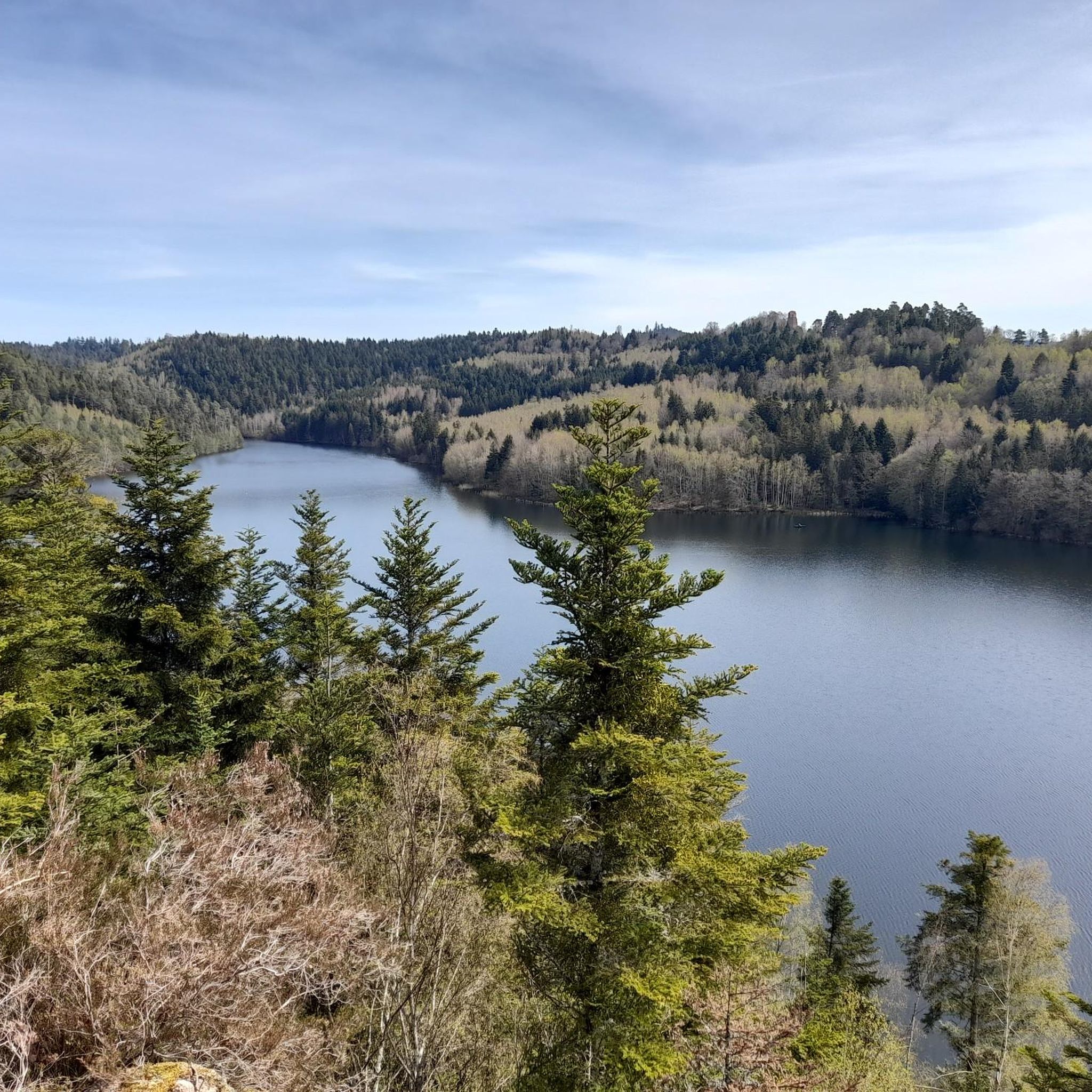
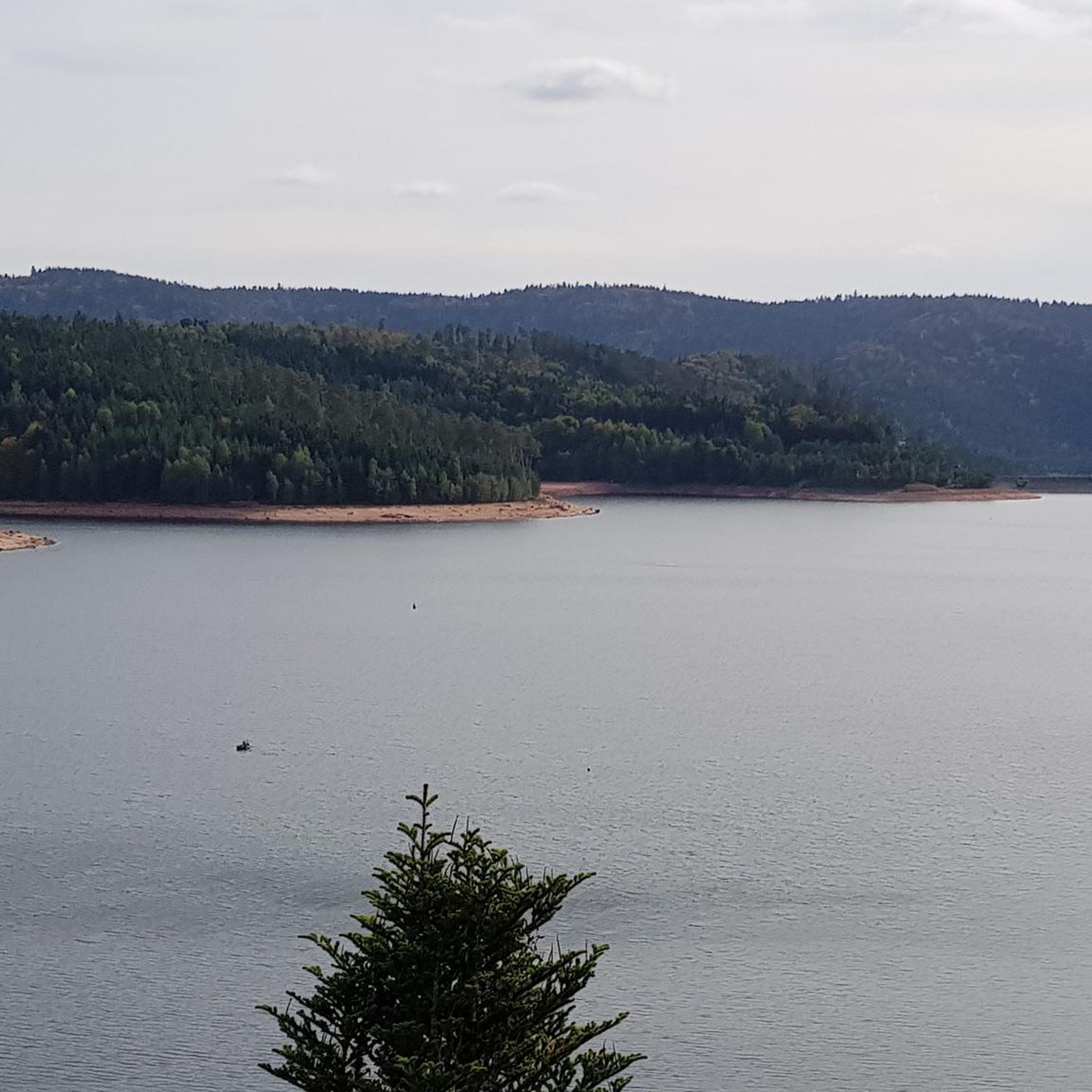
This impressive dam, located in the Vosges, forms an artificial water reservoir together with the Lac de Pierre-Percée. The dam is 69 metres high and 330 metres long, built with a clay core and lined with volcanic rock. It plays an important role in water management and energy production via an underground water connection with the Lac de la Plaine. The surrounding area offers beautiful views and is ideal for hiking along rocky paths, forests and viewpoints over the lake.
7
0
Pierre-Percée is a small mountain village in the east of the Meurthe-et-Moselle department, on the edge of the Vosges Mountains. With fewer than 100 inhabitants, it is one of the smallest communes in the region. Situated on the edge of the Plaine Valley, the village is built at the foot of the ruins of the medieval Château de Pierre-Percée, which once belonged to the Counts of Salm. The village's name refers to a 33-meter-deep well carved into the rock beneath the castle. During the Thirty Years' War, the village, like the castle, was largely destroyed. In the 20th century, Pierre-Percée regained significance with the construction of the EDF reservoir and the creation of a recreation area, which today attracts tourists for hiking, water sports, and nature experiences.
9
0

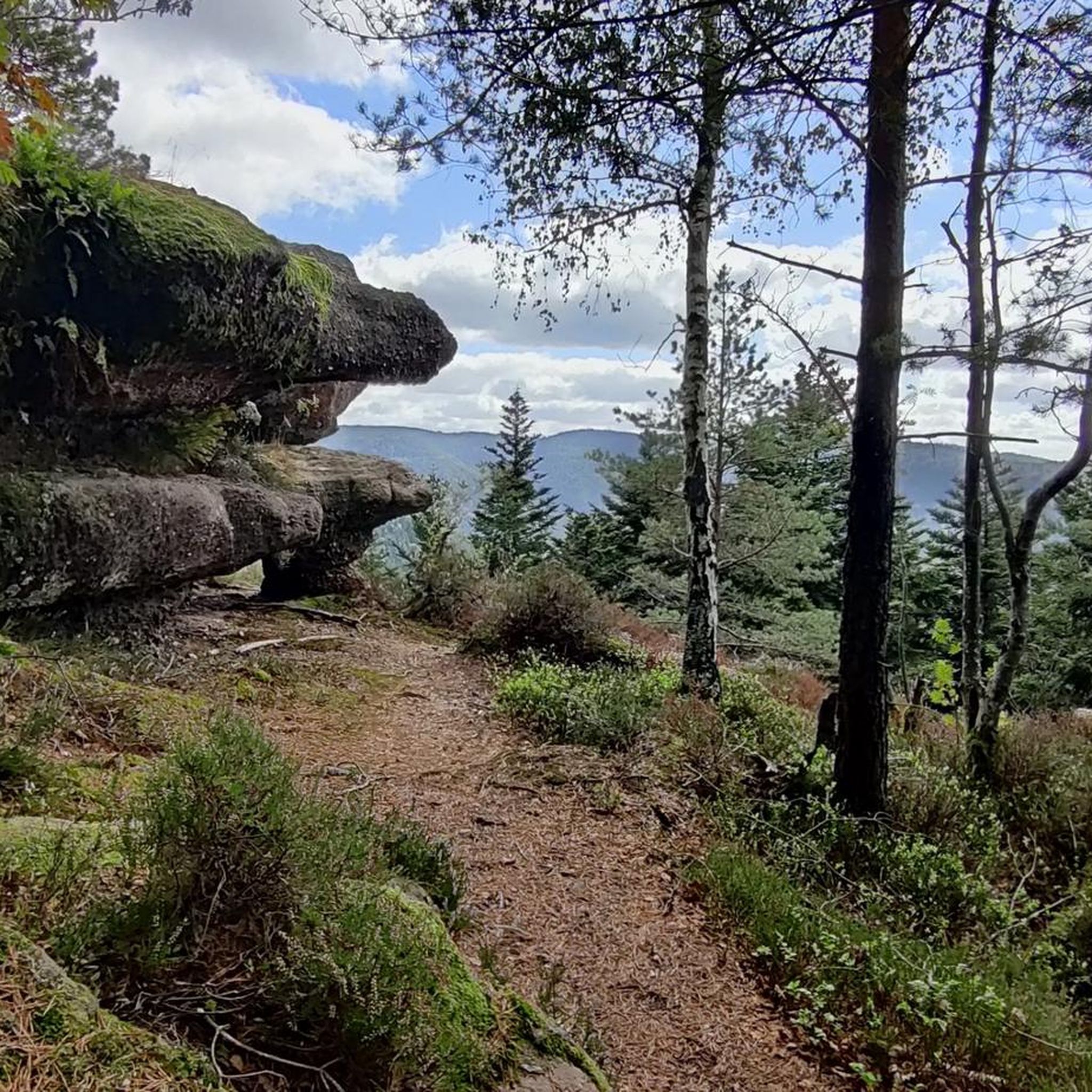
Pictures do not do justice to this lake and nearby hikes. Free parking serves as a good start to different hiking routes.
0
0

This memorial commemorates the dead of the First World War as well as the citizens of Pierre-Percée who died in other wars.
1
0

Walk in the footsteps of the fighters of the 14-18 war by walking through their trenches
0
0
Frequently Asked Questions
How many road cycling routes are available around Barbas?
There are over 70 road cycling routes in the Barbas region, offering a wide range of options for different skill levels and preferences.
What kind of terrain can I expect on road cycling routes in Barbas?
The Barbas region is characterized by rolling hills and scenic rural roads. You'll encounter a mix of open countryside, charming small villages, and occasional forested sections. Elevations typically involve moderate climbs, providing varied and engaging cycling experiences.
Are there easy road cycling routes suitable for beginners in Barbas?
Yes, Barbas offers several easy road cycling routes perfect for beginners or those looking for a more relaxed ride. There are 16 routes classified as easy. A good option is the Amenoncourt loop from Autrepierre, which is 16.3 miles (26.2 km) long and features gentle gradients.
Where can I find more challenging road cycling routes in Barbas?
For experienced cyclists seeking a challenge, Barbas has 7 routes classified as difficult. These routes typically feature more significant climbs and longer distances. The region's rolling hills provide ample opportunity for demanding ascents and descents.
What are some scenic highlights or landmarks I might see along the routes?
While cycling around Barbas, you can encounter various points of interest. For example, the Village Church and Scenic Road – Ruins of Blâmont Castle loop from Blâmont passes by historical ruins. Other notable attractions in the wider area include the Réchicourt Castle and the Saint Martin Church of Badonviller.
What is the best time of year for road cycling in Barbas?
The most pleasant time for road cycling in Barbas is typically from late spring through early autumn (May to October). During these months, the weather is generally mild, and the countryside is at its most vibrant, offering ideal conditions for exploring the rural roads.
Are there any circular road cycling routes in Barbas?
Many of the road cycling routes in Barbas are designed as loops, allowing you to start and finish in the same location without retracing your path. Examples include the popular Chapelotte Pass – Lake La Plaine loop from Ancerviller and the Bridge in the center of Baccarat loop from Herbéviller.
What do other road cyclists enjoy most about cycling in Barbas?
The Barbas region is highly rated by the komoot community, with an average score of 4.7 stars from over 15 reviews. Cyclists often praise the picturesque rural roads, the varied terrain with moderate climbs, and the opportunity to explore charming small villages.
Are there routes that offer opportunities for cafe stops or refreshments?
Given the presence of small villages along many routes, you'll often find opportunities for cafe stops or places to grab refreshments. Planning your route to pass through these villages can enhance your cycling experience with convenient breaks.
Is it possible to find less crowded road cycling routes in Barbas?
Yes, the rural nature of Barbas means that many of its road cycling routes, especially those away from main thoroughfares, tend to be less crowded. Exploring routes that connect smaller villages or traverse open countryside will often provide a peaceful cycling experience.
How accessible is Barbas for cyclists using public transport?
While specific public transport options for cyclists can vary, the Barbas region is primarily rural. It's advisable to check local bus or train services for their bicycle carriage policies if you plan to combine cycling with public transport, as options might be limited compared to larger urban areas.
What are the typical weather conditions for road cycling in Barbas?
Barbas generally experiences a temperate climate. Summers are usually warm and pleasant, ideal for cycling, while spring and autumn offer cooler temperatures and beautiful scenery. Winters can be cold, and some roads might be affected by frost or occasional snow, so checking forecasts is always recommended.
Most popular attractions around Barbas

Get inspired with the komoot mobile app


Explore more
Browse the best Road cycling routes in other regions.
