The best walks and hikes around Aholfing
4.5
(1246)
7,463
hikers
741
hikes
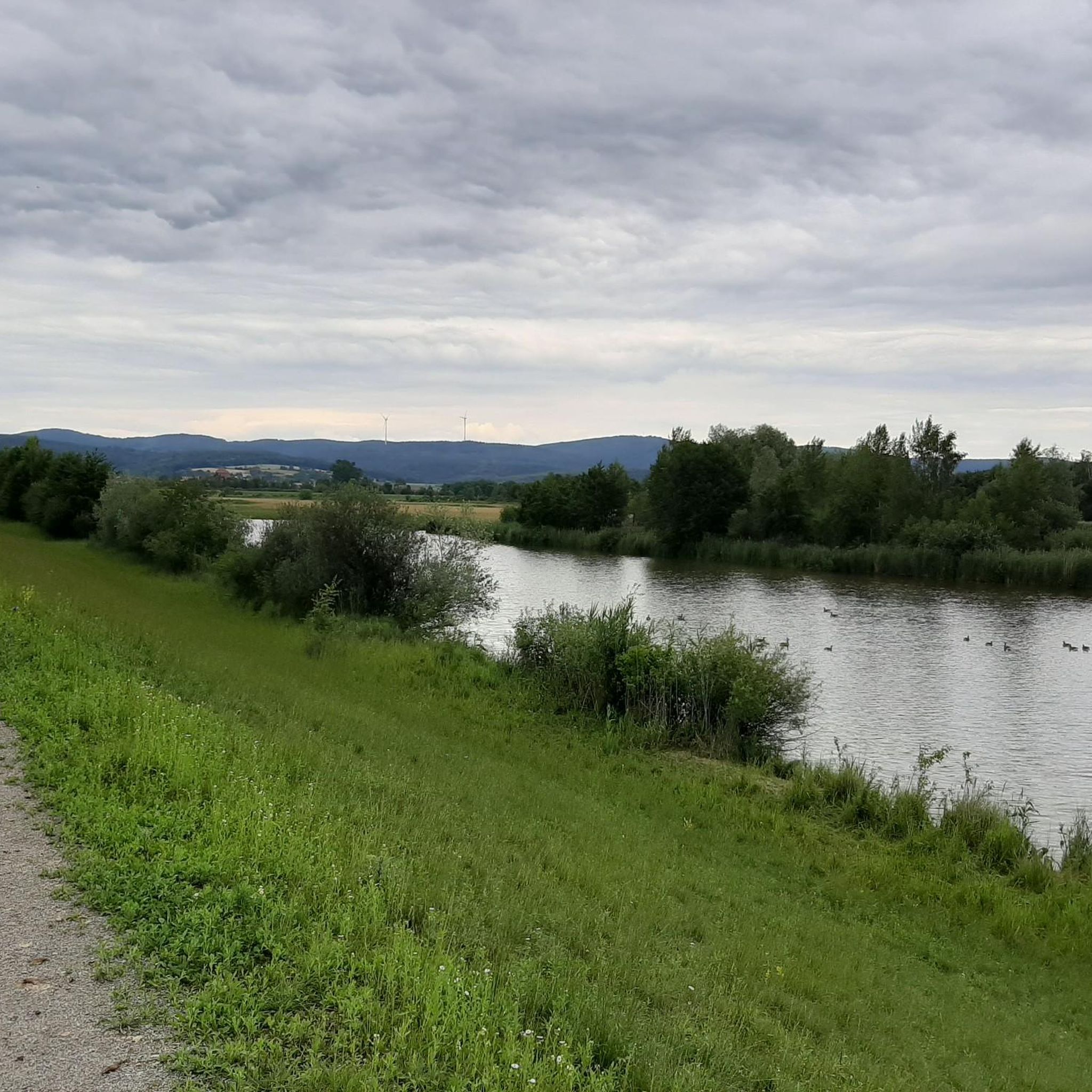
Hiking around Aholfing offers routes through the Danube Floodplains, characterized by flat terrain and views of the Danube River. The landscape includes wetlands and riverine forests, providing diverse natural environments for exploration. Trails often follow the course of rivers like the Große Laber, with minimal elevation changes. The region is situated on the edge of the Bavarian Forest, featuring lush forests, scenic river valleys, and rolling hills.
Best hiking trails around Aholfing
- The most popular hiking route is Danube Floodplains…
Last updated: May 7, 2026
4.7
(7)
18
hikers
9.62km
02:26
10m
10m
Moderate hike. Good fitness required. Easily-accessible paths. Suitable for all skill levels.
3
hikers
8.24km
02:05
20m
20m
Moderate hike. Good fitness required. Easily-accessible paths. Suitable for all skill levels.

Sign up for free
11
hikers
6.88km
01:44
10m
10m
Easy hike. Great for any fitness level. Easily-accessible paths. Suitable for all skill levels.
1.0
(1)
6
hikers
6.97km
01:46
10m
10m
Easy hike. Great for any fitness level. Easily-accessible paths. Suitable for all skill levels.
10
hikers
7.27km
01:50
10m
10m
Easy hike. Great for any fitness level. Easily-accessible paths. Suitable for all skill levels.
Get access to more routes and recommendations from other explorers.
Sign up for free
Already have an account?
Our route recommendations are based on thousands of hikes, rides, and runs completed by other people on komoot.
Start today with a free account
Your next adventure awaits.
Login or Signup
Tips from the Community

The Bavarian Forest Nature Park encompasses an area north of the Danube River, extending to the border ridge with the Czech Republic. The managing organization is the Bavarian Forest Nature Park Association (Naturpark Bayerischer Wald e. V.), based in Zwiesel. Established in 1967, it is one of the oldest nature parks in Bavaria. It should not be confused with the Bavarian Forest National Park. The Bavarian Forest Nature Park lies in southeastern Germany, between the Danube River and the higher elevations of the Bavarian Forest along the Bavarian-Bohemian border. To the east, it borders the Bavarian Forest National Park, and to the north, the Upper Bavarian Forest Nature Park. On the Czech side, it borders the Šumava Landscape Conservation Area and the Šumava National Park. In the southeast, the nature park borders the Mühlviertel region of Austria. The landscape of the Bavarian Forest Nature Park begins at the Danube River at approximately 320 meters above sea level. There, remnants of floodplain forests and structurally diverse oxbow lakes can still be found. The Lallinger Winkel region is known for its orchards. On the foothills of the Bavarian Forest, the so-called Danube Mountains, the last remaining specimens of the endangered capercaillie have survived, just as they do in the higher elevations of the Inner Bavarian Forest. The Pfahl is an ecologically rich rock formation. It stretches for approximately 140 km in a southeasterly direction from the neighboring Upper Palatinate to Upper Austria. The more weather-resistant quartz rock rises several meters above the adjacent gneiss and provides habitat for numerous warmth-loving animal and plant species. In the Inner Bavarian Forest, structurally diverse mixed mountain forests and the typical high-elevation spruce forests with raised bogs and clearings—the last remnants of forest grazing—still exist. The Bavarian Forest is one of the largest contiguous forest areas in Central Europe and, together with the neighboring Bohemian Forest, is of paramount importance for nature and landscape conservation. The partially natural forests in the border region and the attractive, historically developed cultural landscape make the Bavarian Forest Nature Park an important component of the conservation concept for large landscapes. Source: https://de.wikipedia.org/wiki/Naturpark_Bayerischer_Wald
1
0


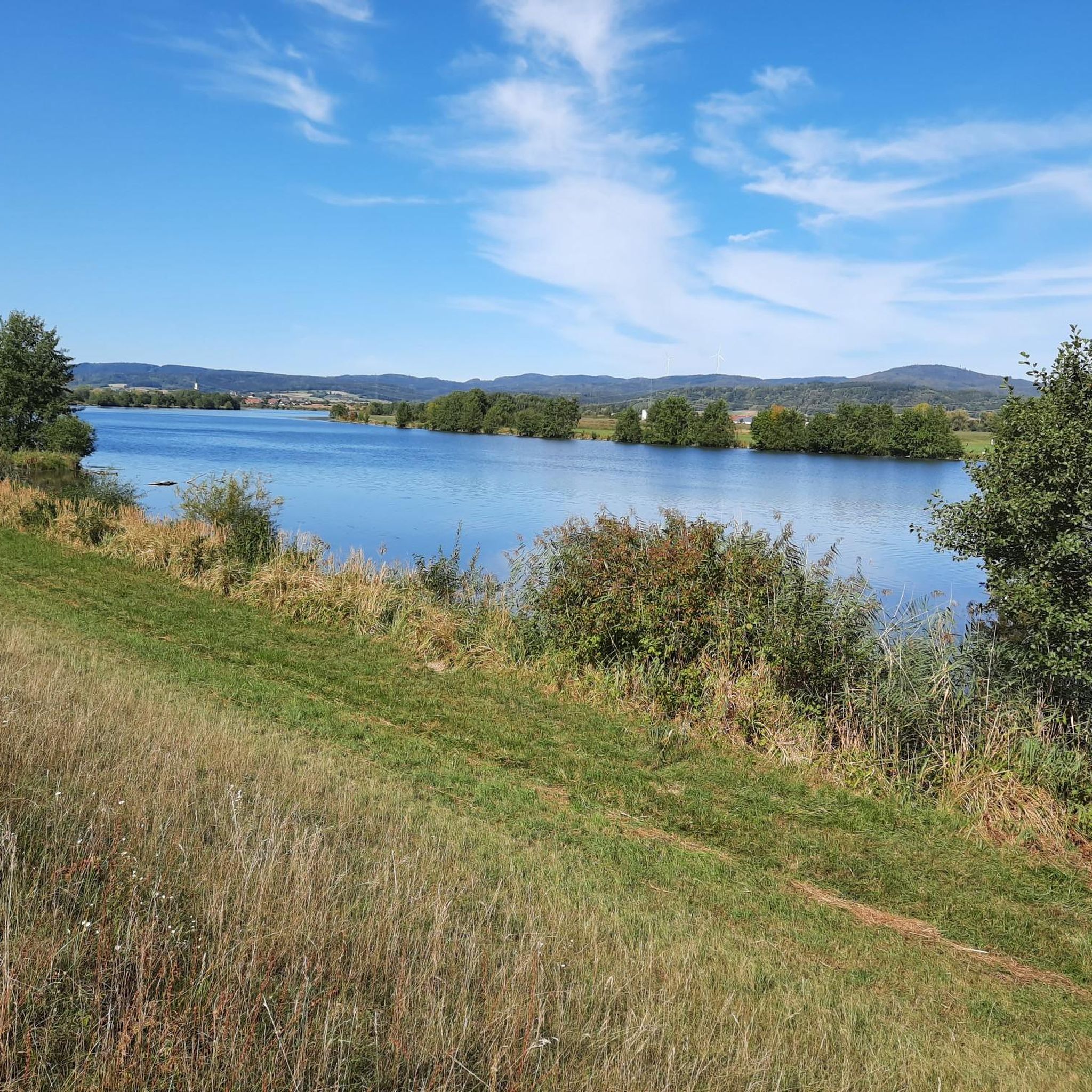
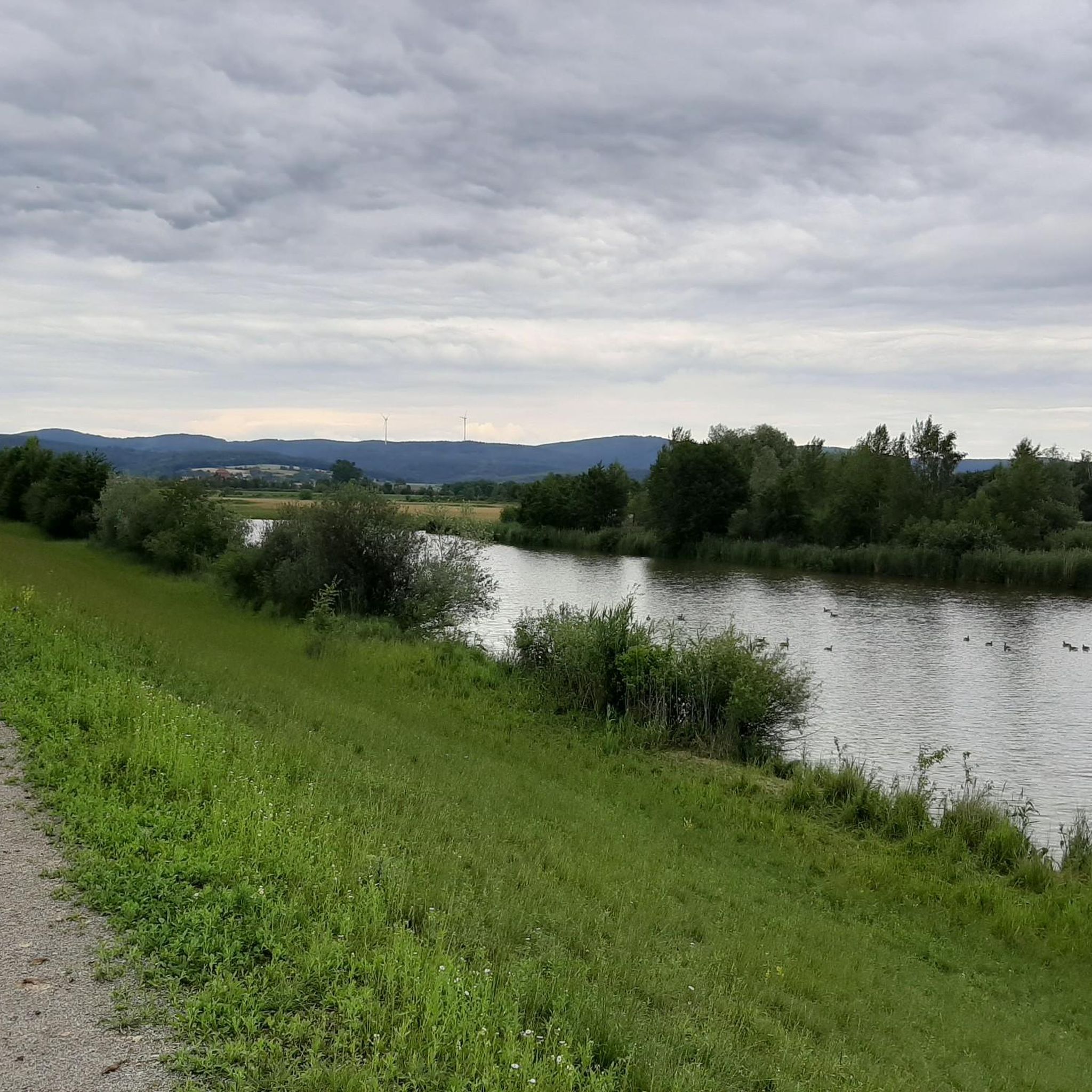
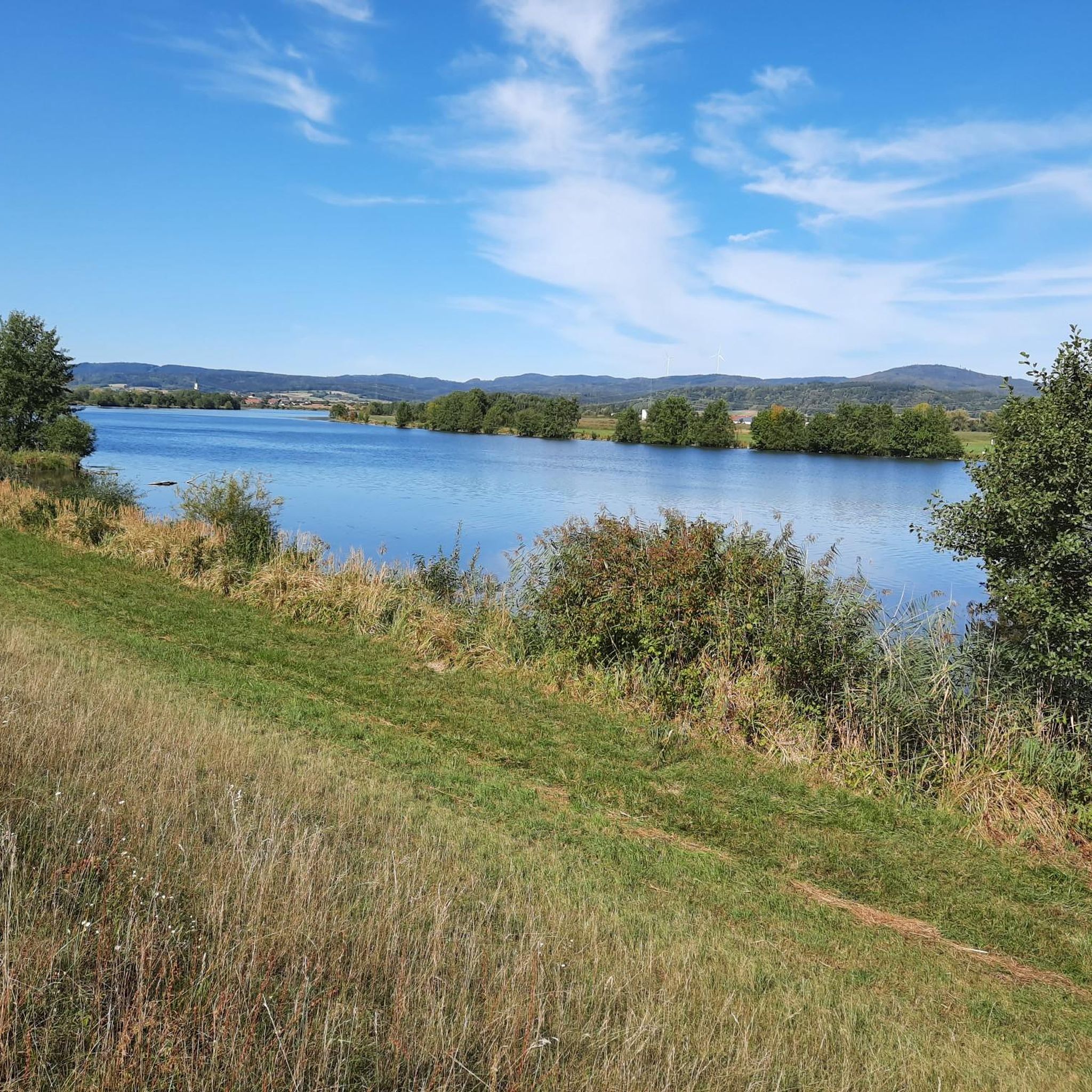
Here, too, there are beautiful floodplain landscapes along the Danube Cycle Path.
2
0

Small possibility for shelter
0
0

Very beautiful Danube floodplains along the cycle path.
3
0
Beautiful Danube meadows on the cycle path.
3
0

Here you can cross the Große Labber over a bridge and have a great view.
0
0

A very beautiful, natural river landscape.
7
0
Frequently Asked Questions
How many hiking trails are there in Aholfing?
Aholfing offers a wide selection of hiking trails, with over 700 routes available for exploration. These include a significant number of easy and moderate options suitable for various fitness levels.
Are there easy hikes suitable for beginners in Aholfing?
Yes, Aholfing is very beginner-friendly, with over 460 easy routes. An excellent option is the Danube Floodplains near Stadldorf – View of the Wetlands loop from Donauauen bei Stadldorf, an easy 2.4-mile (3.9 km) path that showcases the local wetlands scenery.
What kind of landscape can I expect on hikes around Aholfing?
Hiking around Aholfing primarily features the unique landscape of the Danube Floodplains. You'll encounter flat terrain, wetlands, and riverine forests, often with views of the Danube River and trails following waterways like the Große Laber River. The region is known for its water-influenced ecosystems.
Are there any circular hiking routes in Aholfing?
Yes, many routes in Aholfing are designed as loops. For example, the Danube Floodplains – View of the Danube loop from Oberzeitldorn is a popular 6.0-mile (9.6 km) circular trail offering scenic views of the Danube loop.
Can I bring my dog on the hiking trails in Aholfing?
Most hiking trails in the Aholfing region are dog-friendly, allowing you to enjoy the natural surroundings with your canine companion. It's always recommended to keep dogs on a leash, especially in nature reserve areas or near wildlife, and to check local regulations for specific trails.
Are there family-friendly hiking options in Aholfing?
Absolutely. The generally flat terrain and numerous easy routes make Aholfing ideal for family hikes. Trails through the Danube Floodplains and wetlands offer accessible paths for all ages. Consider shorter, well-maintained loops for a pleasant family outing.
What are some interesting places or landmarks to see near the trails?
While hiking, you can explore several interesting landmarks. Nearby attractions include the historic Straubing Market Square and the impressive Ducal Castle Straubing. For natural sights, the Gmünder Au 🐸 Danube Wetland is a notable natural monument.
What do other hikers say about the trails in Aholfing?
The trails in Aholfing are highly regarded by the komoot community, with an average rating of 4.5 stars from over 1200 reviews. Hikers often praise the peaceful atmosphere, the unique wetland scenery, and the well-maintained paths that make exploring the Danube Floodplains enjoyable.
Are there any challenging hikes in the Aholfing area?
While Aholfing is known for its flat terrain, there are a few routes that offer a bit more distance, which can be challenging for some. There are 15 routes classified as difficult, often involving longer distances through the floodplains. However, significant elevation changes are rare in this region.
What is the best time of year to go hiking in Aholfing?
The best time to hike in Aholfing is generally from spring to autumn (April to October) when the weather is mild and the natural landscape is vibrant. Spring brings blooming flora, while autumn offers beautiful colors. Summer is also pleasant, but be prepared for potential heat and insects in wetland areas.
Is there public transport access to the hiking trails in Aholfing?
Public transport options to reach trailheads in Aholfing and the surrounding areas may be limited. It is advisable to check local bus schedules or regional train connections to nearby towns like Straubing and plan your route accordingly, as some trail starts might require a short walk or taxi ride from the nearest stop.
Where can I park when hiking in Aholfing?
Parking is generally available at or near many popular trailheads and villages in the Aholfing region. Look for designated parking areas in towns like Rain (VGem) or near access points to the Danube Floodplains. Always check for local signage regarding parking regulations.
Are there any viewpoints along the hiking trails in Aholfing?
Yes, many trails offer scenic viewpoints, particularly those that follow the Danube River. For instance, the View of the Danube – Danube Floodplains loop from Oberzeitldorn provides excellent vistas of the river and its surrounding floodplains.
Can I hike in Aholfing during winter?
Winter hiking in Aholfing is possible, especially on days with clear weather. The flat terrain means trails are generally accessible, though they can be muddy or icy after snow or rain. Dress warmly and wear appropriate footwear. The quiet, frosty landscapes of the floodplains can offer a unique experience.
Most popular attractions around Aholfing

Get inspired with the komoot mobile app


Explore more
Browse the best Hikes in other regions.
