The best running trails around Gau-Bischofsheim
4.3
(1520)
25,790
runners
631
runs
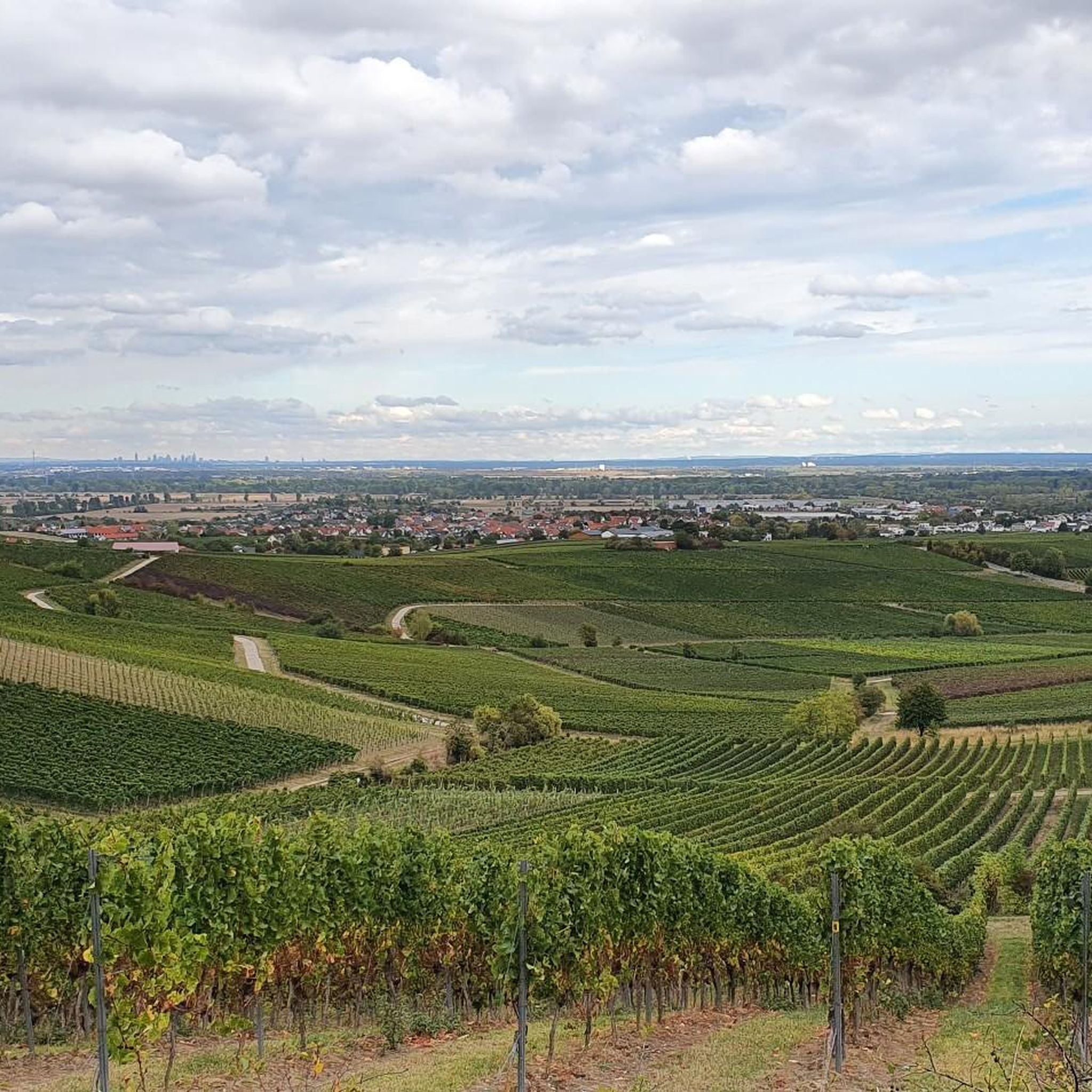
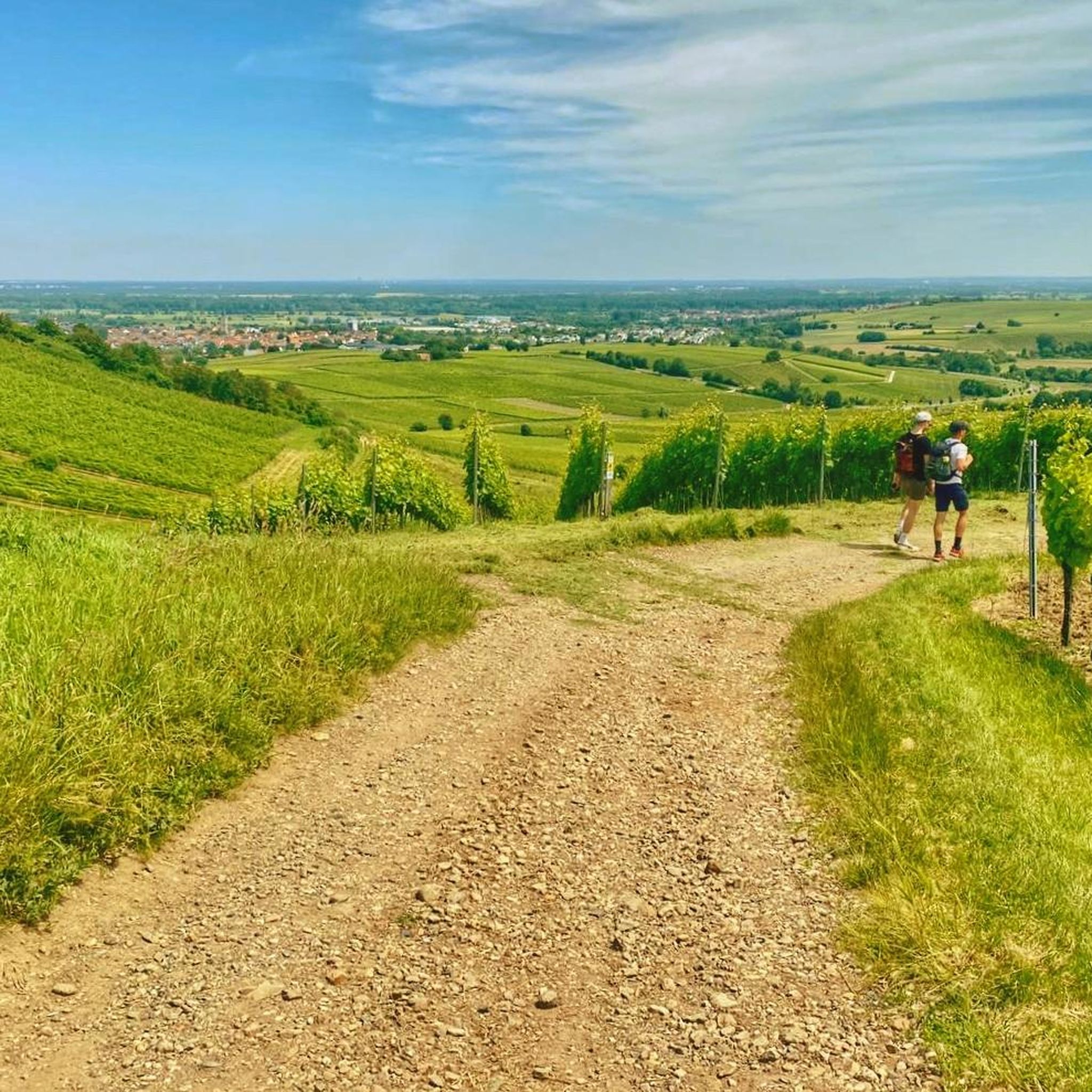
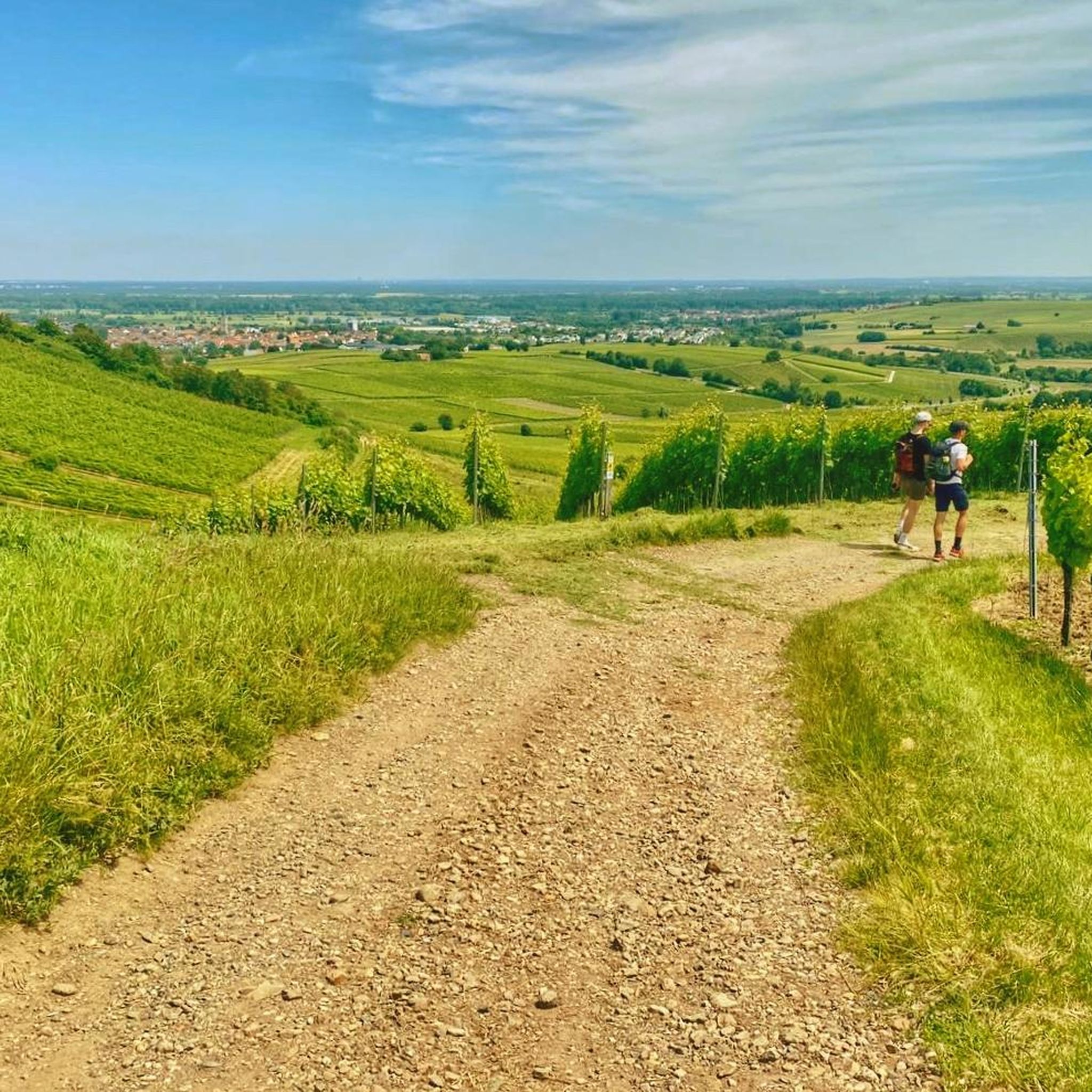
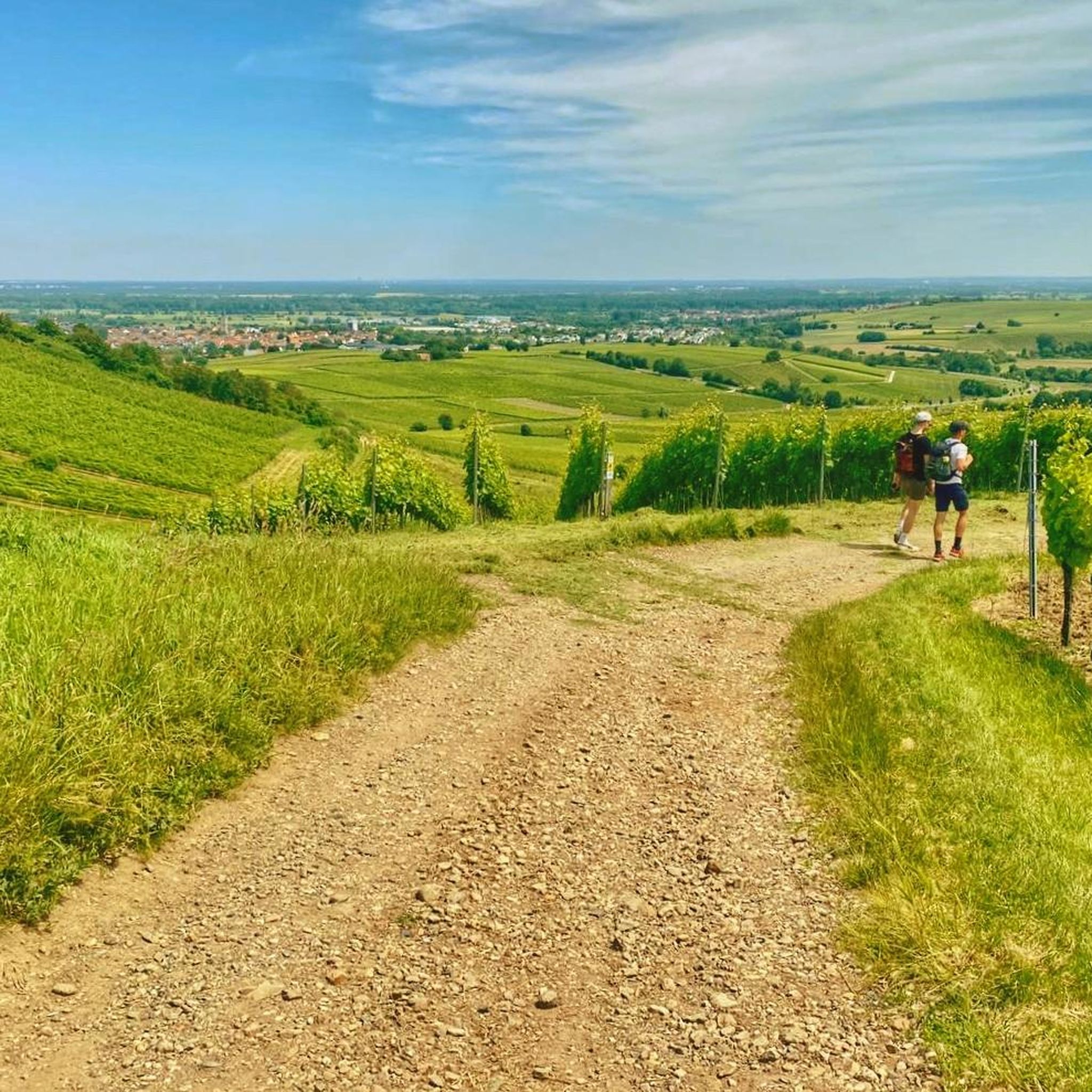
Jogging around Gau-Bischofsheim offers routes through rolling hills and extensive vineyards, characteristic of the Rheinhessen region. The area features well-maintained paths that wind through cultivated land, providing varied terrain for runners. An extensive network of trails caters to different fitness levels, with options ranging from shorter loops to longer routes connecting wine villages. The nearby Lennebergwald also provides wide, forested trails with a comfortable sandy subsoil for jogging.
Best jogging routes around Gau-Bischofsheim
- The most popular jogging route is Amiche…
Last updated: October 4, 2026
3.3
(7)
62
runners
6.50km
00:41
40m
40m
Moderate run. Good fitness required. Mostly paved surfaces. Suitable for all skill levels.
3.4
(5)
31
runners
7.35km
00:46
40m
40m
Moderate run. Good fitness required. Mostly paved surfaces. Suitable for all skill levels.

5.0
(1)
49
runners
Moderate run. Good fitness required. Mostly paved surfaces. Suitable for all skill levels.
5.0
(5)
37
runners
7.70km
00:48
70m
70m
Moderate run. Good fitness required. Mostly paved surfaces. Suitable for all skill levels.
5.0
(2)
29
runners
9.33km
00:58
80m
80m
Moderate run. Good fitness required. Mostly paved surfaces. Suitable for all skill levels.
Get access to more routes and recommendations from other explorers.
Already have an account?
Our route recommendations are based on thousands of hikes, rides, and runs completed by other people on komoot.
Start today with a free account
Your next adventure awaits.

Tips from the Community

ViaNatura is the name of a 9.9 km long hiking trail through the heart of Rheinhessen. It crosses the Hahnheim district and, in sections, follows the course of the Selz River. The Selz is a tributary of the Rhine and meanders for 61 km through Rheinhessen before finally flowing into the Rhine near Ingelheim. The hiking trail is particularly distinguished by its wild and romantic views, such as the diverse biotopes (nature reserves) with their countless, and in some cases very rare and protected, animal and plant species.
1
0
A piece of street art, which had been hanging in the "Zum Selzer Frosch" inn since the 1960s, can be found on a wall in Selzen. The image, in the historical context of the Thirty Years' War, depicts the town of Selzen along with seven of its neighboring communities. Selzen appears here as a frog, since the town's inhabitants are jokingly called frogs. The neighbors are portrayed with corresponding attributes, alluding to their nicknames: the Mommenheimers are called "Bollkuche" (a type of cake), the Köngernheimers "Staaklobber" (a type of squatter), the Hahnheimers "Bloomäuler" (a type of flower), the Schwabsburgers "Rotärsch" (a type of red-assed), the Friesenheimers "Kuckucke" (cuckoos) (although they are often also associated with the nicknames "Loko" and "Krakauer"), the Undenheimers "Windbeidel" (a type of windbag), and the Zornheimers "Knorrköbb" (a type of squatter).
1
0

Information panel for the ViaNatura circular hiking trail
0
0
In Selzen stands a replica of a Roman gravestone. The work by Nackenheim sculptor Rainer Knußmann is located in a square at the corner of Gaustraße and Kirschgartenstraße and was donated by three Selzen residents: Volker, his wife Annemarie, and his sister Helga Schätzel, who collected donations for it. The replica was unveiled on September 11, 2005.[1] The original gravestone is now in the State Museum of Mainz. It was discovered in 1935 during the regulation of the Selz River, west of the bridge at the Hahnheim-Selzen train station, along with other gravestones. Wagon marks on some of the stones suggest that they were reused to create a ford across the river. The stones are dated to the 1st and 2nd centuries AD. Source: https://www.roemer-in-rheinhessen.de/selzen/
1
0
A street art piece is being created on a wall in Selzen, reviving a mural that had hung in the "Zum Selzer Frosch" pub since the 1960s. After a year of planning and organization: The iconic and culturally significant mural from the "Zum Selzer Frosch" pub was recreated as street art on June 9, 2020, on Bürgermeister-Siegel-Straße. The year of preparation involved obtaining a suitable color photograph, researching the historical background, securing necessary permits, gaining supporters for the project, and finding an artist to execute the work. http://www.selzen.de/wandbild-2020.html
0
0

Castle Remains (side wing of the Renaissance building, marked 1604; quarry stone barn, 19th century; cellar with Prussian vaulted ceiling, probably around 1900;) - Simple Renaissance building with a freely reconstructed stair tower. Can only be viewed from the outside. The modest castle in Lörzweiler, altered by structural interventions, is one of the few remaining aristocratic residences in Rhenish Hesse. Description of the Building There is currently no reliable information about the castle's floor plan, and the few structural remains of the castle do not allow for an exact reconstruction of the property. Only a small side wing of the manor house, dating back to 1604, was spared from demolition in the 19th century. A freely reconstructed tower was built on the foundations of a stair tower that was demolished in the 19th century. A coat of arms stone bearing the date 1767 is now kept in the town hall, while a replica is located on the side wall of the town hall. History A noble family named after the place, Lörzweiler (Lorcewilre), has been documented as early as the 13th century. From the 15th century onward, the Hundt von Saulheim family also held property and rights in the village of Lörzweiler. Whether they were the builders of the castle cannot be definitively determined. The date of the castle's construction is also unknown. In 1762, Carolina Candida Theresia of the Hundt von Saulheim family bequeathed her property in Lörzweiler to her nephew, Philipp Adolf Freiherr von Hettersdorf. From 1772 to 1777, the castle's dining hall served the community for church services, as the parish church was in disrepair. The von Hettersdorf family, who were in the service of the Electorate of Mainz and lived primarily in Mainz, only occasionally used Lörzweiler Castle as a residence. In 1798, Philipp Adolf von Hettersdorf sold his property in Lörzweiler to the Mainz merchant Josef Kopps (d. 1823). Under his daughters, the castle grounds were divided into parcels and partially sold. In 1850, the municipality of Lörzweiler acquired part of the castle grounds to use as a cemetery. In the 19th century, the manor house was partially demolished, and the remains were converted to a new use as a barn. In 1907, the remains of the castle grounds, along with some buildings, were transferred to the municipality. The house at Schloss-Straße 30 serves as the town hall.
1
0

The Amiche cycle path is now well developed everywhere, car-free and is one of the largest cycle paths in the network in the east of Rheinhessen.
0
1

Frequently Asked Questions
How many running routes are available in Gau-Bischofsheim?
Gau-Bischofsheim offers a wide selection of running routes, with over 590 trails available. These range from easy strolls to more challenging runs, catering to various fitness levels.
What makes running in Gau-Bischofsheim unique?
The region is characterized by its picturesque vineyard landscapes and rolling hills, providing a stunning backdrop for your run. Additionally, the nearby Lennebergwald offers wide, forested trails with a unique sandy subsoil that is particularly comfortable for jogging, providing a softer impact surface.
What do other runners say about the trails in Gau-Bischofsheim?
The running routes in Gau-Bischofsheim are highly rated by the komoot community, with an average score of 4.3 stars from over 1100 reviews. More than 23,000 runners have used komoot to explore the varied terrain, often praising the scenic vineyard paths and well-maintained trails.
Are there easy jogging routes suitable for beginners?
Yes, Gau-Bischofsheim has plenty of options for beginners. There are over 80 easy running routes available. A good starting point could be the Amiche Green Tunnel loop from Harxheim, which is a moderate 3.9-mile (6.3 km) trail offering a scenic path.
Can I find longer or more challenging running routes?
Absolutely. For those seeking a longer challenge, there are over 50 difficult routes and more than 450 moderate routes. Consider the Selzer Frosch Historical Mural – Amiche Green Tunnel loop from Harxheim, an 8.8-mile (14.2 km) path that combines historical elements with natural beauty.
Are there circular running routes in the area?
Yes, many of the running trails around Gau-Bischofsheim are circular, allowing you to start and finish at the same point. An example is the Running loop from Gau-Bischofsheim, an 8.2 km (5.1 miles) trail that takes you through the local landscape.
What kind of scenery can I expect on a run around Gau-Bischofsheim?
You can expect breathtaking landscapes of rolling hills and extensive vineyards, which are characteristic of the Rheinhessen region. Many trails wind through cultivated land, offering panoramic views. The nearby Lennebergwald also provides serene forest scenery.
Are there any interesting landmarks or sights along the running routes?
While jogging, you might encounter various points of interest. The region offers views of the Rhine and its surroundings. For specific landmarks, consider exploring highlights like the View of Mainz Cathedral and skyline or the Rhine Cycle Path at the Roter Hang vineyards, which are accessible from some routes.
What is the best time of year to go jogging in Gau-Bischofsheim?
Gau-Bischofsheim is beautiful year-round, but spring and autumn offer particularly pleasant temperatures for running, with the vineyards showcasing vibrant colors. Summer mornings and evenings are also ideal to avoid the midday heat. The sandy subsoil of the Lennebergwald trails can be comfortable even in slightly wetter conditions.
Are the running trails suitable for families?
Many of the trails, especially the easier and moderate loops, are suitable for families. The well-maintained paths through vineyards and forests provide a safe and enjoyable environment. For a route that includes a point of interest for children, consider the Bahnhof Playground loop from Harxheim.
Can I bring my dog on the running trails?
Generally, dogs are welcome on many of the outdoor trails in the Gau-Bischofsheim region, especially those through vineyards and forests. It's always advisable to keep your dog on a leash, particularly in cultivated areas or near wildlife, and to check local regulations for specific paths.
Are there routes that avoid muddy conditions, especially after rain?
While many natural trails can get muddy after heavy rain, the Lennebergwald, with its unique sandy subsoil, offers a more forgiving surface that tends to drain better and remain less muddy than typical forest paths. Vineyard paths can also be less prone to deep mud compared to some dirt trails.
How can I get to the starting points of these running routes?
Many routes are accessible from Gau-Bischofsheim itself or nearby villages like Harxheim and Lörzweiler. Public transport options connect these areas, and there are often parking facilities available near popular trailheads, especially in the villages or at designated recreational spots.
Most popular routes around Gau-Bischofsheim
Most popular attractions around Gau-Bischofsheim

Get inspired with the komoot mobile app


Explore more
Browse the best Running Trails & Routes in other regions.
