Attractions and Places To See around Blanot - Top 20
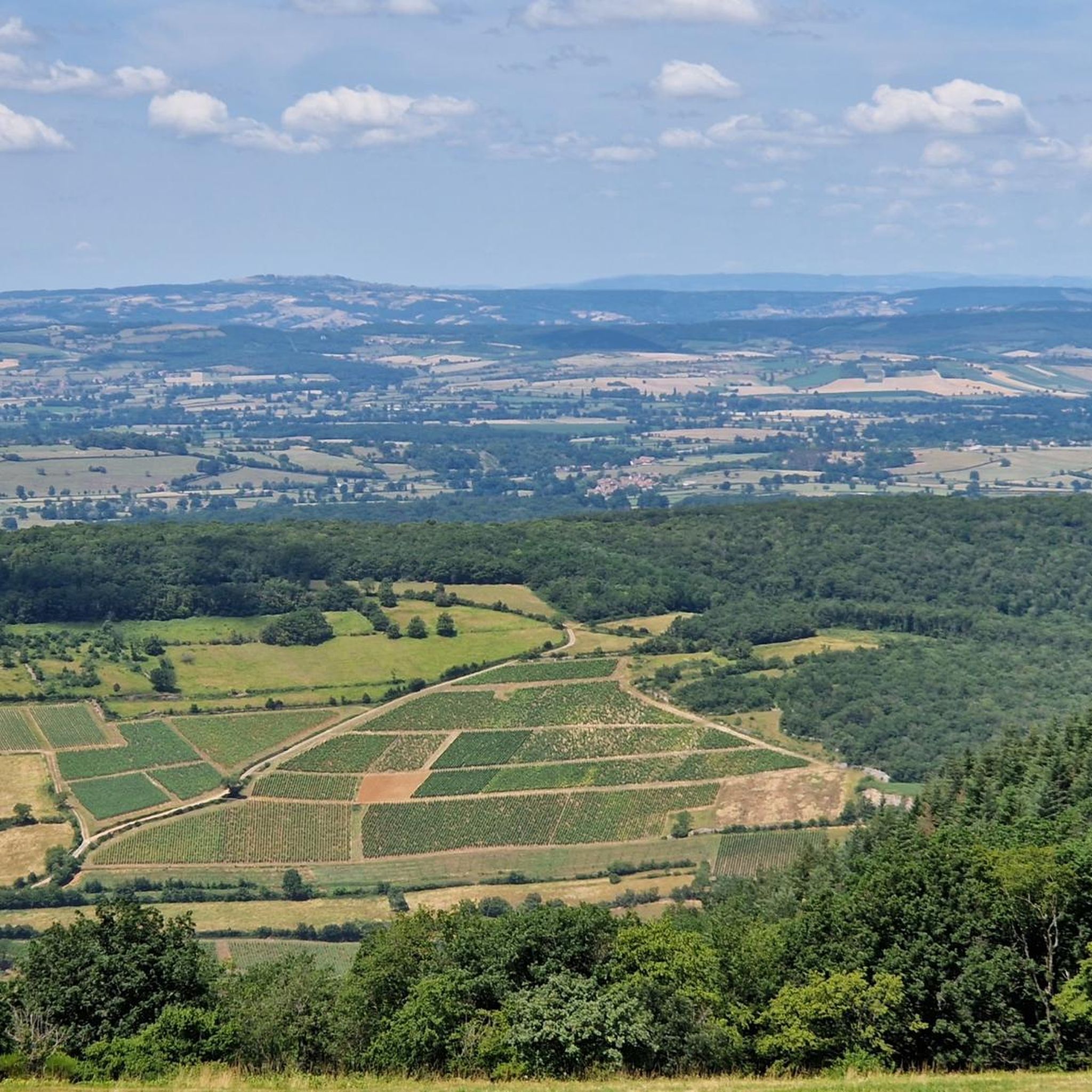
Attractions and places to see around Blanot are situated in the Monts du Mâconnais in Southern Burgundy, France. This region features a blend of historical landmarks, natural beauty, and cultural points of interest. The landscape is characterized by limestone karst formations, extensive forests, and vineyards, with Mont Saint-Romain offering panoramic views. Blanot's heritage includes well-preserved village architecture and significant historical sites.
Best attractions and places to see around Blanot
- The most popular attractions is Cormatin Castle, a castle that…
Last updated: July 2, 2026
Cluny
Highlight • Settlement
Translated by Google •
Tip by

Cormatin Castle
Highlight • Castle
Translated by Google •
Tip by

Sign up now to discover places like this
Get recommendations on the best single tracks, peaks, & plenty of other exciting outdoor places.
Sign up for free
Tunnel du bois clair
Highlight • Other
Translated by Google •
Tip by

Sainte-Marie-Madeleine Church
Highlight • Other
Translated by Google •
Tip by

Medieval fortress of Berzé-le-Châtel
Highlight • Castle
Translated by Google •
Tip by
Sign up for free to discover even more attractions around Blanot.
Sign up for free
Already have an account?
Start today with a free account
Your next adventure awaits.
Login or Signup

Tips from the Community

The Château de Berzé-le-Châtel (also known as Forteresse de Berzé) is the largest and best-preserved medieval castle in southern Burgundy. The site dates back to a 10th-century castrum and was strategically built on a rocky outcrop to protect the nearby powerful Abbey of Cluny. The fortress consists of three concentric walls and features 13 towers (including two keeps/donjons) as well as an imposing gatehouse. The heart inside is a remarkable Carolingian chapel.
1
0
This is a simple, Romanesque village church from the 12th century. It was already mentioned in the documents of the famous Cluny Abbey in the year 1156. The building has been a listed "monument historique" since 1913. In the small cemetery directly in front of the church is, among other things, the grave of Frère Roger, the founder of the well-known ecumenical community of Taizé. The church is used by many young people and pilgrims as a place of silence and personal prayer.
2
0

Very beautiful castle. Feel free to visit the monks' chapel of Berzé la ville, with very beautiful paintings from the abbey of Cluny
1
0
In the Middle Ages, the abbey was one of the most influential spiritual and cultural centers in Europe. Cluny was the mother house of the Cluniac Reform and headed a federation of over 1,200 monasteries. The third abbey church (Cluny was the largest church in the Christian world until the construction of St. Peter's Basilica in Rome). Of the once-mighty complex, only parts of the southern transept remain today, as the abbey was largely used as a quarry and demolished after the French Revolution.
1
0

very beautiful hike Very shaded and very pleasant
2
0

Superb Renaissance-era castle with magnificent gardens.
1
0

The town of Cluny was based on the Benedictine monastery (Cluniac Abbey), founded in 910. The abbey was the starting point and center of the Cluniac reform at the beginning of the 10th century. Cluny reached its peak membership at the beginning of the 12th century with approximately 400 monks. The last abbey church (Cluniac 3) was the world's largest Romanesque basilica and, until the construction of today's St. Peter's Basilica in Rome, the largest church in Christendom. The church had seven towers. Although large parts of the building were destroyed, the remaining relics are absolutely remarkable and make a visit to Cluny an unforgettable experience!
2
0

The Tunnel du Bois Clair is a former railway tunnel and at 1.6 km the longest tunnel in France now open to a greenway. It takes 4 to 6 minutes to cross by bike, 6 to 10 minutes on rollerblades and 15 to 20 minutes on foot, horse riders are not allowed to pass. The temperature is around 11 °C. There is a lighting system, but it is best to bring extra lighting on your bike... As this tunnel is home to protected species of bats, it is closed during hibernation (from October to April). In this case, a route is offered to bypass the tunnel, taking the circular trail n°14 (4 km, level: expert). A picnic area is located above the tunnel if you are coming via Cluny.
0
1
Frequently Asked Questions
What historical sites can I visit within Blanot village?
Within Blanot, you can explore the 12th-century Cluniac Priory with its defensive towers, the Romanesque Saint-Martin Church dating from the 11th and 12th centuries, and discover ancient Merovingian tombs. The village also features well-preserved historic architecture, including lava roofs, gallery houses, and a restored stone-tiled bread oven. A 'bat trail' guides visitors through these heritage points.
Are there any significant religious sites near Blanot?
Yes, several significant religious sites are nearby. The historic Abbaye de Cluny, once the center of the Cluniac reform and home to the world's largest Romanesque basilica, is about 7 km away. The Sainte-Marie-Madeleine Church in Taizé, where the founder of the Taizé community, Frere Roger, established his brotherhood, is also close by. Additionally, the impressive Romanesque Chapaize Church, known for its Lombard influences, is worth a visit.
What castles or châteaux are worth visiting near Blanot?
The beautifully restored 17th-century Cormatin Castle, located about 8.5 km from Blanot, is a must-see for its architecture, well-preserved Louis XIII apartments, and magnificent gardens, including a large boxwood labyrinth. Another historic landmark is Brancion Castle, approximately 9.3 km away, which was an important regional center in the 15th century and features a 13th-century fortress overlooking the Mâconnais valley.
Where can I find panoramic views around Blanot?
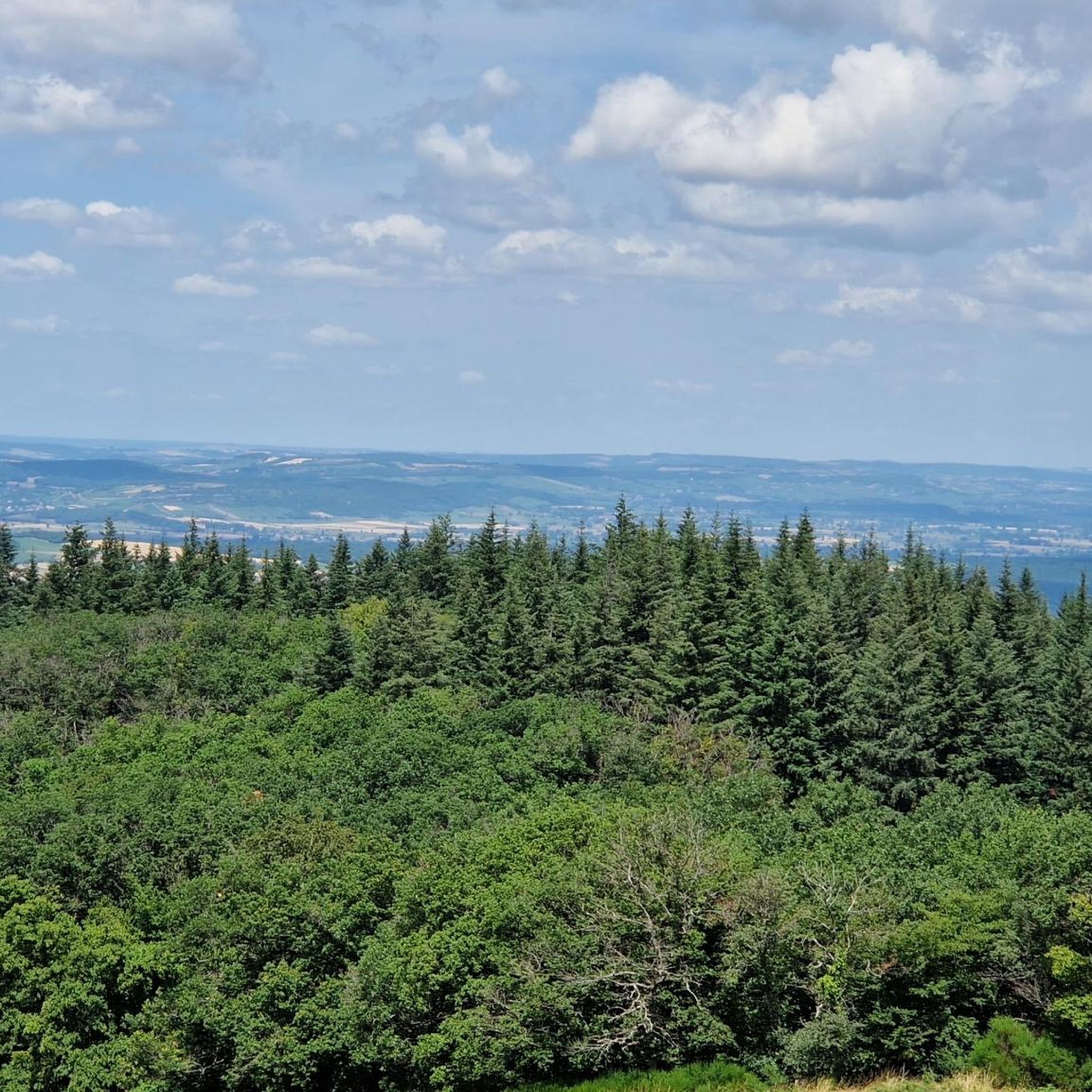
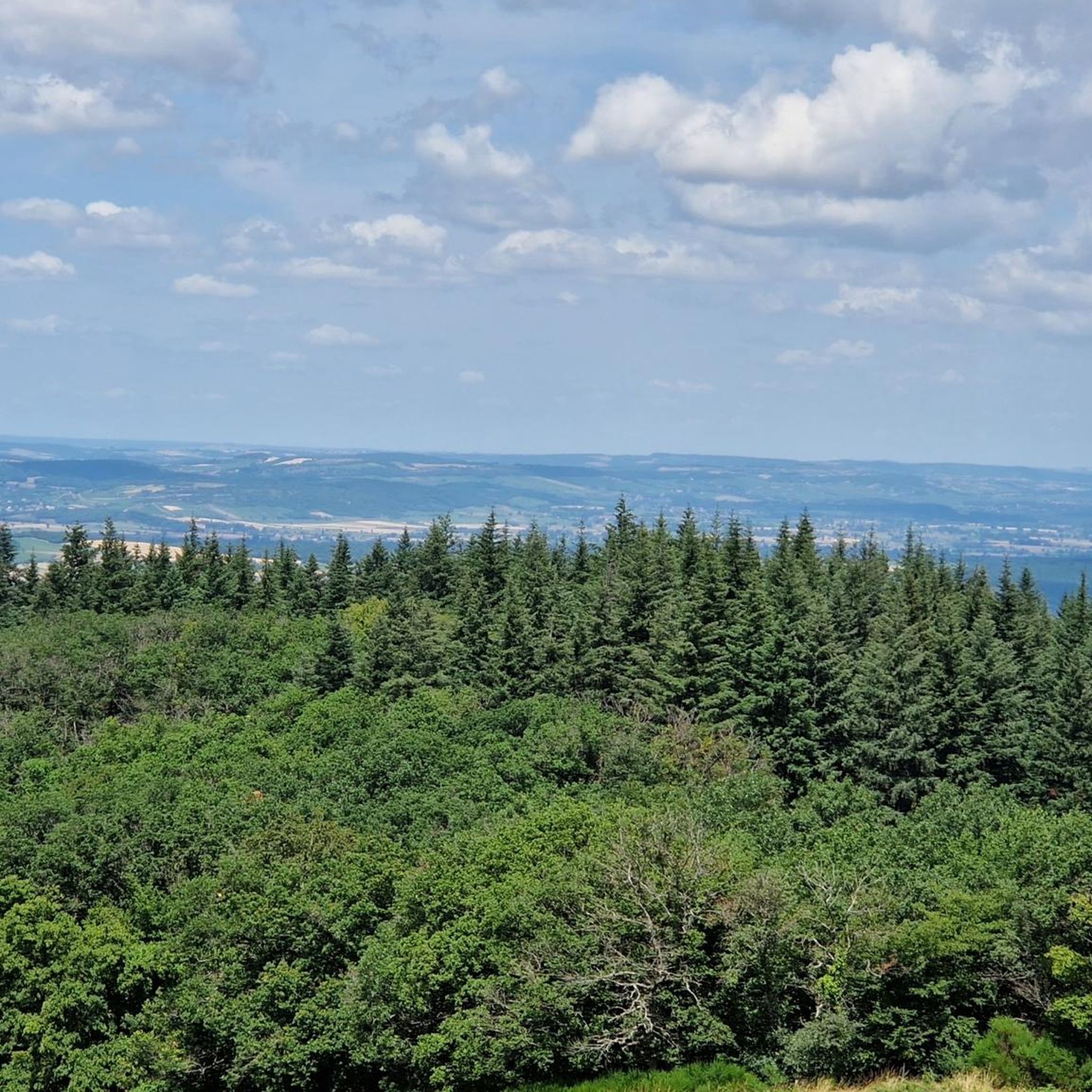
For remarkable panoramic views, head to Mont Saint-Romain, the highest point in the Mâconnais at 579 meters. From here, you can see the valleys of the Saône and Grosne, the Charolais mountains, and on clear days, even the Alps and the Jura mountains.
Are there any unique natural features to explore in Blanot?
Blanot is known for its limestone karst landscape, which has led to numerous cavities. The most prominent are the Grottes de Blanot (Blanot Caves), offering guided tours over 80 meters deep into the earth to reveal stunning underground formations. The nearby Azé Caves also provide insights into prehistory, geology, and speleology.
What outdoor activities are popular around Blanot?
The landscapes around Blanot are ideal for various outdoor activities. You can enjoy hiking, horseback riding, cycling, mountain biking, and even paragliding. The region features extensive forests like the Goulaine and Grison national forests, as well as vineyards, providing diverse terrain for exploration.
Are there hiking trails near Blanot?
Yes, Blanot offers several hiking opportunities. You can find routes like the 'Blanot – Mount Saint-Romain loop from Blanot' (9.7 km, moderate) or the 'Blanot – Blanot Caves loop from Blanot' (6.3 km, easy). For more options, explore the Hiking around Blanot guide, which includes trails of varying difficulties.
What cycling routes are available around Blanot?
Cyclists can enjoy a variety of routes, including the 'Greenway of Southern Burgundy – Cluny loop from Péronne' (66.7 km, difficult) or the 'Voie verte of Southern Burgundy – View of Cluny loop from Azé' (34 km, difficult). For more detailed cycling and gravel biking routes, refer to the Cycling around Blanot guide and the Gravel biking around Blanot guide.
Are there family-friendly attractions in the Blanot area?
Absolutely. Cormatin Castle is highly recommended for families, with its beautiful gardens, a large boxwood labyrinth, and a green theater that delights both children and adults. The Grottes de Blanot also offer an engaging and educational experience for families exploring the underground world.
What is the best time to visit Blanot?
Blanot is particularly pleasant for outdoor activities and exploring its natural and historical sites from spring through autumn. The warmer months are ideal for hiking, cycling, and enjoying the panoramic views. However, the region's charm, including its forests and vineyards, can be appreciated in different seasons.
What do visitors enjoy most about the attractions around Blanot?
Visitors frequently praise the blend of historical richness and natural beauty. Highlights like Cormatin Castle are appreciated for their well-maintained gardens and impressive interiors. The historical significance of Cluny and the peaceful atmosphere of Taizé also leave a lasting impression. The region's diverse landscapes, from karst formations to forests and vineyards, are highly valued for outdoor exploration.
Are there any unique architectural features in Blanot village?
Yes, Blanot boasts well-preserved historic village architecture. You'll find typical Mâconnaise rural buildings with lava roofs, gallery houses, and dry stone walls. The village also features old wash houses and a restored stone-tiled bread oven that is still used by inhabitants during festivals, showcasing its living heritage.
Can I explore caves near Blanot?
Yes, the Grottes de Blanot are a major natural attraction, offering guided tours into their depths to see stunning underground landscapes and formations. Additionally, the Azé Caves, located about 4.5 km from Blanot, provide further opportunities to explore prehistoric and geological insights.
Most popular attractions around Blanot

Get inspired with the komoot mobile app


Explore more
Still not found the Highlight you’re looking for? See guides of the top attractions in other regions:
