The best gravel rides around Blanot
4.5
(9)
64
riders
15
rides
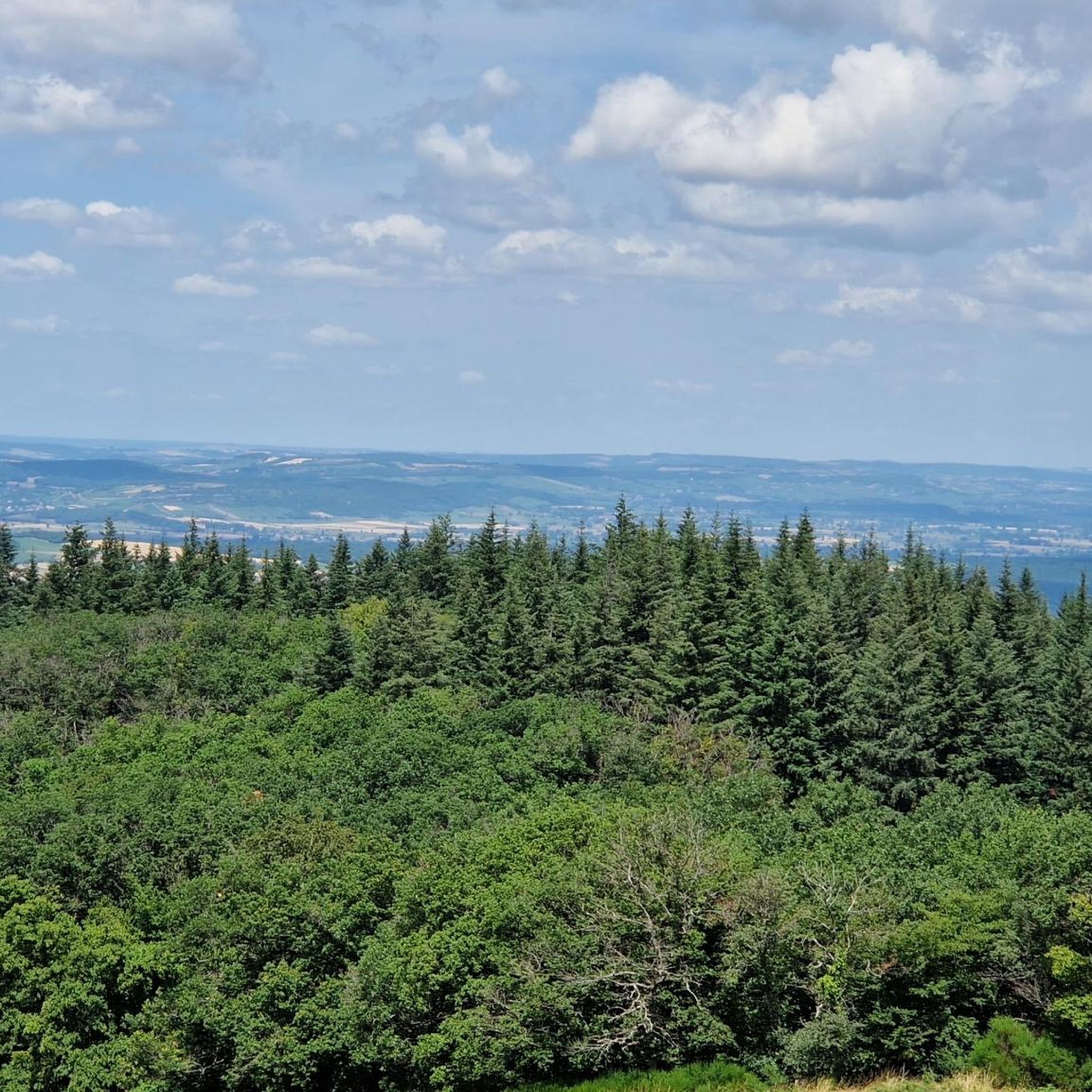
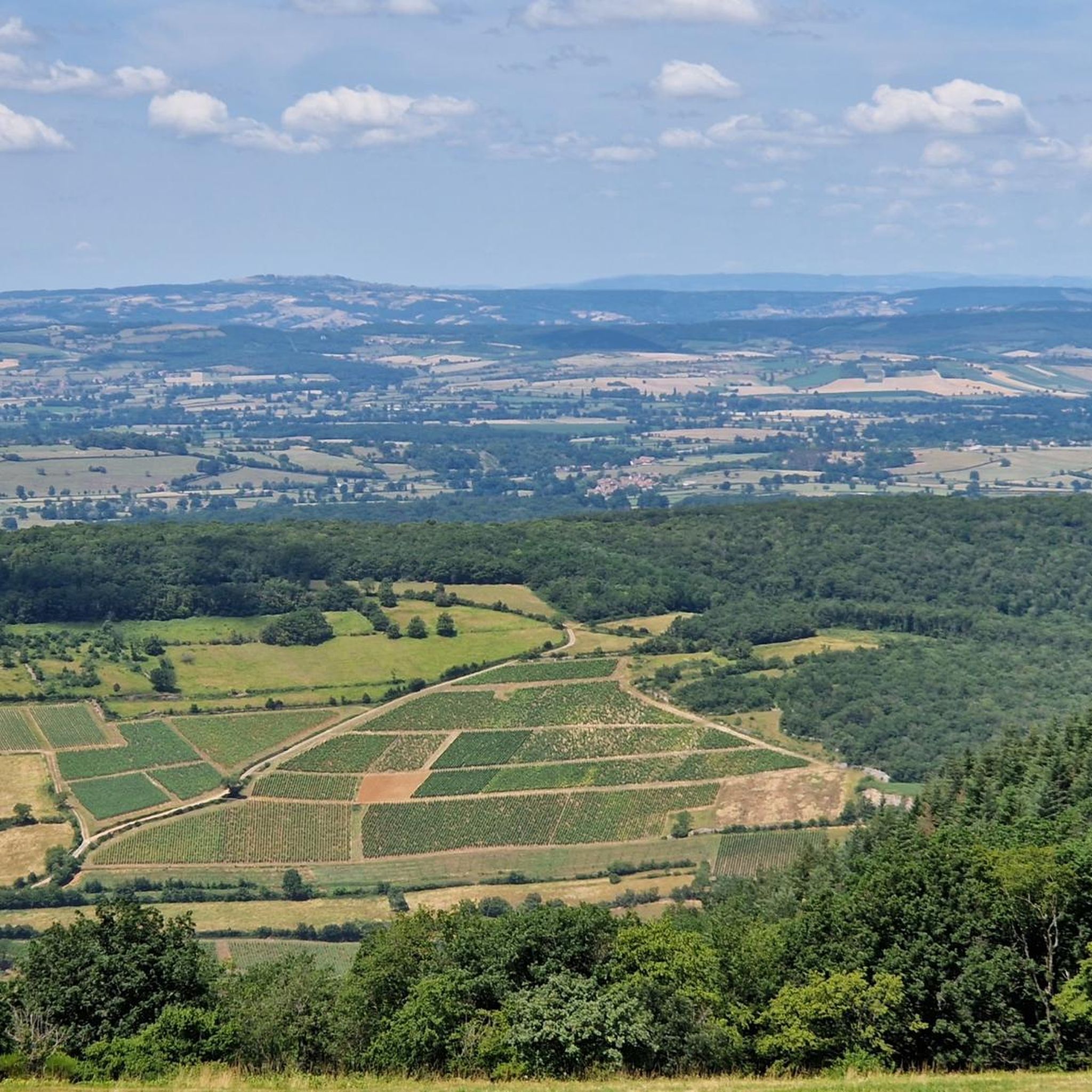
Gravel biking around Blanot offers diverse terrain in the Mâconnais region of Burgundy, France. The area features narrow reliefs, including a heavily wooded ridge culminating at Mont Saint-Romain, which reaches 579 meters. Limestone flanks with karst erosion, a partitioned 'bocage' landscape, and vineyards characterize the Blanot valley. Routes often traverse forest tracks, stony causses, and vast plains, providing varied surfaces for gravel cyclists.
Best gravel bike trails around Blanot
- The most popular gravel bike trail is Chapelle Saint-Criat – Mount…
Last updated: May 22, 2026
5.0
(2)
28
riders
94.1km
05:28
910m
900m
Hard gravel ride. Very good fitness required. Mostly paved surfaces. Suitable for all skill levels.
4.5
(2)
7
riders
Hard gravel ride. Very good fitness required. Mostly paved surfaces. Suitable for all skill levels.

Sign up for free
5.0
(1)
8
riders
49.7km
03:56
880m
880m
Hard gravel ride. Very good fitness required. You may need to push your bike for some segments of this route.
3
riders
15.9km
01:21
360m
360m
Moderate gravel ride. Good fitness required. Mostly paved surfaces. Suitable for all skill levels.
3.0
(2)
8
riders
47.1km
03:57
880m
880m
Hard gravel ride. Very good fitness required. Mostly paved surfaces. Suitable for all skill levels.
Get access to more routes and recommendations from other explorers.
Sign up for free
Already have an account?
Our route recommendations are based on thousands of hikes, rides, and runs completed by other people on komoot.
Start today with a free account
Your next adventure awaits.
Login or Signup
Tips from the Community

The Château de Berzé-le-Châtel (also known as Forteresse de Berzé) is the largest and best-preserved medieval castle in southern Burgundy. The site dates back to a 10th-century castrum and was strategically built on a rocky outcrop to protect the nearby powerful Abbey of Cluny. The fortress consists of three concentric walls and features 13 towers (including two keeps/donjons) as well as an imposing gatehouse. The heart inside is a remarkable Carolingian chapel.
0
0
The Château de Berzé-le-Châtel (also Forteresse de Berzé) is the largest and best-preserved medieval castle in Southern Burgundy. The complex dates back to a 10th-century castrum and was strategically built on a rocky outcrop to protect the nearby powerful Abbey of Cluny. The fortress consists of three ring walls and has 13 towers (including two keeps/donjons) as well as an imposing gatehouse. The centerpiece inside is a remarkable Carolingian chapel.
0
0
The Castle of Berzé-le-Châtel (also known as Forteresse de Berzé) is the largest and best-preserved medieval castle in Southern Burgundy. The complex dates back to a 10th-century castrum and was strategically built on a rocky outcrop to protect the nearby powerful Abbey of Cluny. The fortress consists of three ring walls and features 13 towers (including two keeps/donjons) as well as an imposing gatehouse. The heart of the interior is a remarkable Carolingian chapel.
0
0

Very beautiful castle. Feel free to visit the monks' chapel of Berzé la ville, with very beautiful paintings from the abbey of Cluny
0
0
In the Middle Ages, the abbey was one of the most influential spiritual and cultural centers in Europe. Cluny was the mother house of the Cluniac Reform and headed a federation of over 1,200 monasteries. The third abbey church (Cluny was the largest church in the Christian world until the construction of St. Peter's Basilica in Rome). Of the once-mighty complex, only parts of the southern transept remain today, as the abbey was largely used as a quarry and demolished after the French Revolution.
0
0

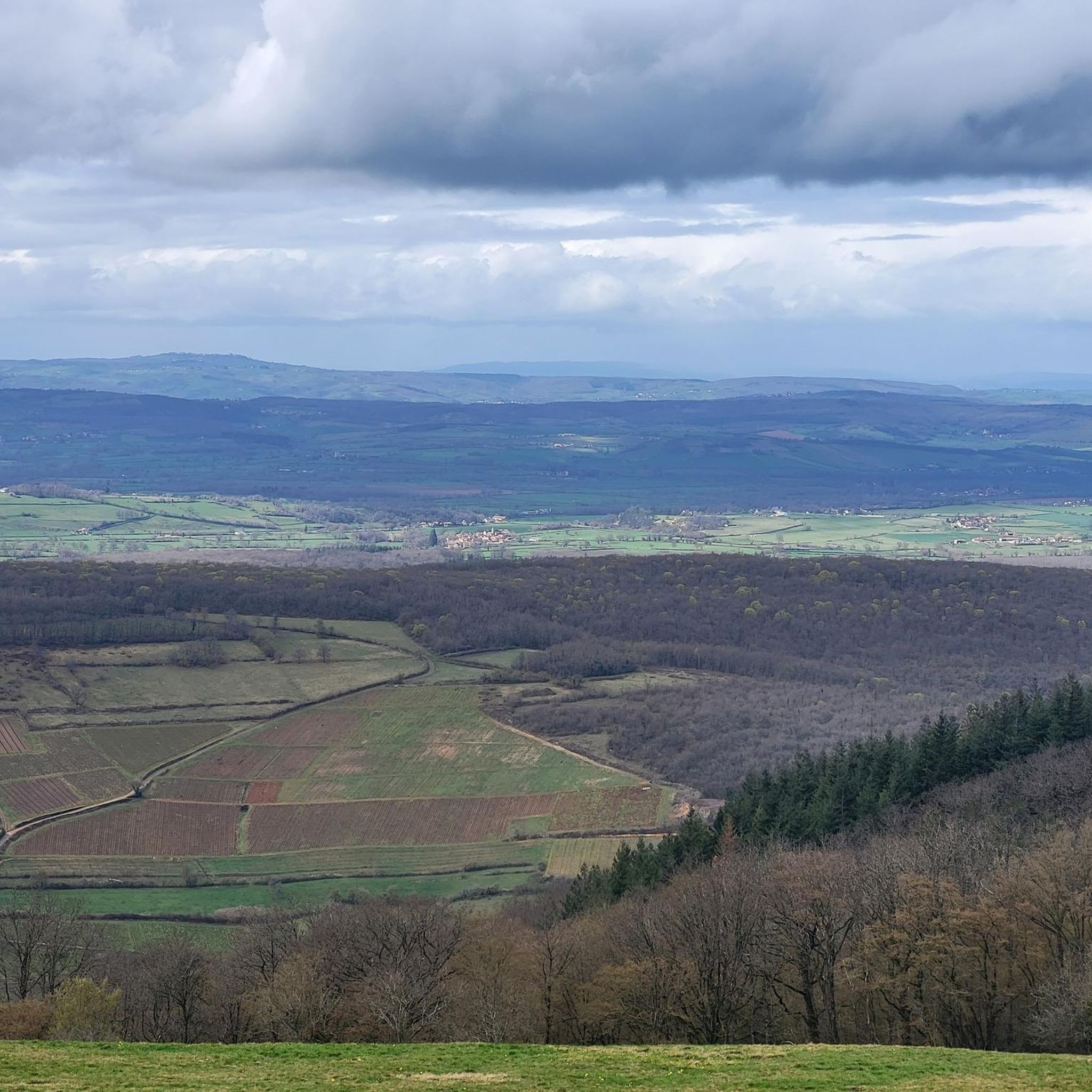
Beautiful view of the Mâconnais vineyards
0
0

The town of Cluny was based on the Benedictine monastery (Cluniac Abbey), founded in 910. The abbey was the starting point and center of the Cluniac reform at the beginning of the 10th century. Cluny reached its peak membership at the beginning of the 12th century with approximately 400 monks. The last abbey church (Cluniac 3) was the world's largest Romanesque basilica and, until the construction of today's St. Peter's Basilica in Rome, the largest church in Christendom. The church had seven towers. Although large parts of the building were destroyed, the remaining relics are absolutely remarkable and make a visit to Cluny an unforgettable experience!
1
0

very beautiful old town with life on the streets
0
0
Frequently Asked Questions
What kind of terrain can I expect on gravel bike trails around Blanot?
The terrain around Blanot is quite varied, offering a diverse experience for gravel bikers. You'll encounter narrow reliefs, a heavily wooded ridge leading up to Mont Saint-Romain, and limestone flanks shaped by karst erosion. Routes often traverse a mix of forest tracks, stony causses, and vast plains, alongside picturesque vineyards and a 'bocage' landscape with hedges and meadows. This variety ensures a dynamic and engaging ride.
Are there gravel routes suitable for beginners or families in Blanot?
While many routes around Blanot are rated as difficult, there are options for less experienced riders. The guide features 1 easy and 2 moderate routes among its 13 listed trails. These routes offer a gentler introduction to gravel biking in the region, often traversing less challenging forest paths or flatter sections. For example, the Cluny – Cluny Abbey loop from Cluny is a moderate option that explores the area around the historic town.
How many gravel bike trails are available in the Blanot area?
There are over a dozen gravel bike trails available in the Blanot area, with 13 routes detailed in this guide. These routes cater to various skill levels, from easy to difficult, ensuring there's something for every gravel biking enthusiast.
Are there any challenging gravel bike routes for experienced riders?
Absolutely. Blanot is well-suited for experienced gravel bikers looking for a challenge. The majority of routes in the area, specifically 10 out of 13, are rated as difficult. These often include significant elevation gains, such as the climb towards Mont Saint-Romain. A prime example is the Chapelle Saint-Criat – Mount Saint-Romain loop from Azé, which features over 1100 meters of elevation gain over 57 km.
What natural features or landmarks can I see while gravel biking near Blanot?
Gravel biking near Blanot offers access to several remarkable natural features and landmarks. You can enjoy panoramic views from Mont Saint-Romain, which can stretch to the Alps on clear days. The region is also known for its limestone flanks and karst erosion, leading to fascinating geological formations. For a unique experience, consider visiting the Tunnel du bois clair, noted as the longest bicycle tunnel in Europe, which is accessible from some routes.
Are there any historical sites or cultural attractions accessible by gravel bike?
Yes, the Blanot area is rich in history and culture. You can cycle to or near several notable sites. The historic town of Cluny, with its famous abbey, is a significant cultural attraction. Additionally, the stunning Cormatin Castle, a 17th-century marvel with extensive gardens, is a short distance from Blanot and makes for an excellent cultural detour. The Brancion Castle is another historical gem in the vicinity.
Is parking available for gravel bikers in Blanot?
While specific parking information for every trailhead isn't detailed in the guide, Blanot is a village that supports green tourism, suggesting general accessibility. For routes starting from nearby towns like Azé, Péronne, or Saint-Maurice-de-Satonnay, you can typically find public parking facilities. It's advisable to check local parking options for your chosen starting point before your ride.
Can I reach Blanot's gravel trails using public transport?
Public transport options directly to Blanot might be limited, as it is a smaller village. However, larger nearby towns like Cluny or Mâcon, which serve as starting points for some routes, are generally better connected by regional buses or trains. From these hubs, you might be able to cycle to the trailheads or find local transport options. For detailed public transport information, it's best to consult regional transport websites.
What is the best time of year for gravel biking in Blanot?
The Mâconnais region, including Blanot, generally offers pleasant conditions for gravel biking from spring through autumn. Spring brings blooming vineyards and mild temperatures, while autumn provides beautiful foliage. Summers are typically warm and sunny, ideal for long rides, though it's always wise to carry enough water. Winter can bring colder temperatures and potentially wet or icy conditions on forest tracks, so check local weather forecasts if planning a winter ride.
Are there any circular gravel bike routes around Blanot?
Yes, many of the gravel bike routes around Blanot are designed as loops, allowing you to start and finish at the same point. For instance, the Mont Rouge – Forest Path Around Chevagny loop from Saint-Maurice-de-Satonnay is a popular circular route. This design makes planning your ride and return journey much more convenient.
What do other gravel bikers enjoy the most about gravel biking in Blanot?
The gravel biking experience in Blanot is highly rated by the komoot community, with an average score of 4.3 stars from 8 reviews. Riders often praise the diverse landscapes, which include wooded ridges, vineyards, and varied path surfaces like forest tracks and stony causses. The challenging climbs and rewarding panoramic views, especially from Mont Saint-Romain, are frequently highlighted as favorite aspects of the region's trails.
Are there any amenities like cafes or accommodation near the gravel trails?
Blanot and its surrounding villages offer local amenities that cater to visitors. While specific cafes directly on every trail might be scarce, you can find cafes, restaurants, and accommodation options within Blanot itself or in nearby towns like Cluny, Azé, or Péronne. These places provide opportunities to refuel and relax before or after your ride. For more general information about the region, you can visit burgundy-tourism.com.
Most popular attractions around Blanot

Get inspired with the komoot mobile app


Explore more
Browse the best Gravel rides in other regions.
