The best cycling routes around Campo Maior
4.6
(120)
1,971
riders
138
rides
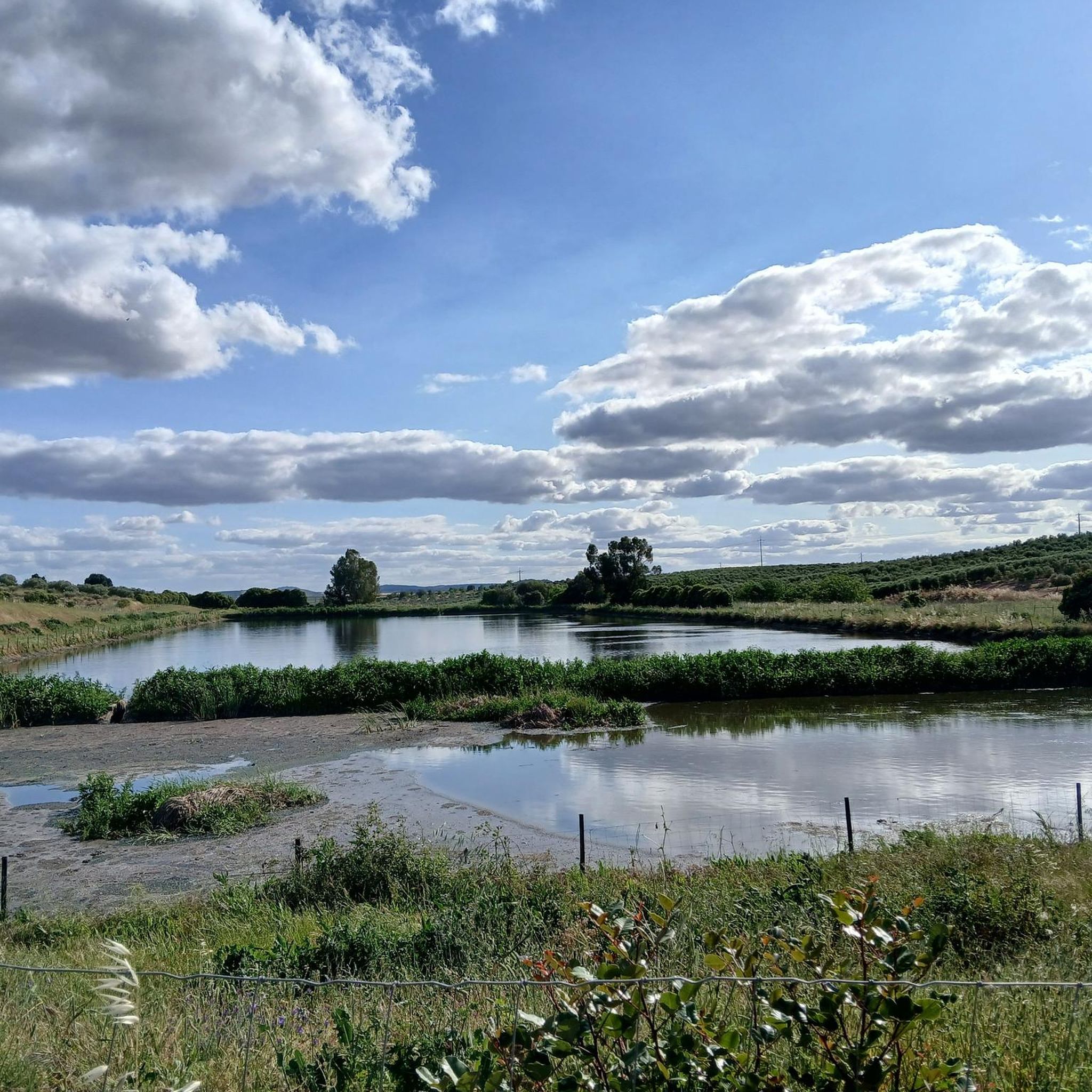
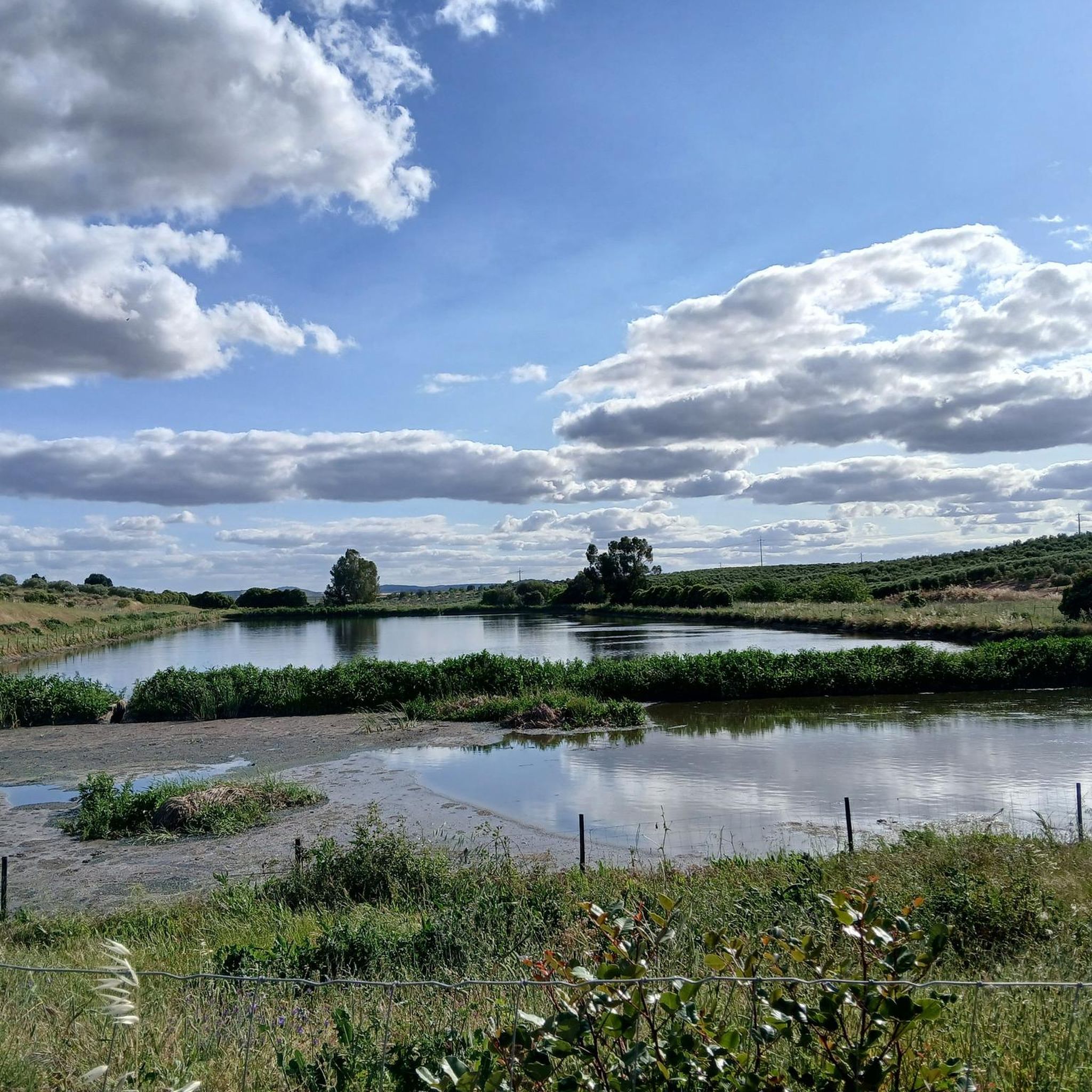
Touring cycling routes around Campo Maior traverse a landscape characterized by rolling natural plains and gentle hills, offering varied terrain for cyclists. The region features significant natural features such as the Caia and Abrilongo Dams, providing scenic views along the routes. Cyclists can also explore areas with cork forests and vineyards, adding to the picturesque scenery. Its proximity to the Spanish border allows for potential cross-border cycling experiences on quiet, tree-lined roads.
Best touring cycling routes around Campo Maior
- The…
Last updated: October 28, 2026
4.3
(12)
85
riders
Easy bike ride. Mostly paved surfaces.
5.0
(1)
55
riders
47.4km
03:58
150m
150m
Moderate bike ride. Good fitness required. Mostly paved surfaces.

4.7
(7)
41
riders
50.2km
03:09
430m
430m
Moderate bike ride. Good fitness required. Mostly paved surfaces.
4.8
(5)
50
riders
46.2km
03:15
120m
120m
Moderate bike ride. Good fitness required. Mostly paved surfaces.
5.0
(3)
36
riders
28.9km
02:13
100m
100m
Hard bike ride. Good fitness required. You may need to push your bike for some segments of this route.
Get access to more routes and recommendations from other explorers.
Already have an account?
Our route recommendations are based on thousands of hikes, rides, and runs completed by other people on komoot.
Start today with a free account
Your next adventure awaits.


Tips from the Community

Inaugurated on December 23, 1994, the Puente Real is the fourth bridge over the Guadiana River as it passes through the city of Badajoz. A modern bridge, with bike lanes, that connects the Valdepasillas area with the Avenida de Elvas that leads to Portugal.
2
0

Hello 👋 Spain 🇪🇸
7
0

One of the key things to know is that the current building stands on the site of a much older hermitage dedicated to Saint Joseph. That earlier structure was heavily damaged during the Napoleonic Peninsular War and was later replaced by the present convent, constructed between about 1915 and 1919.
0
0
The Statue of King Alfonso IX in Badajoz honors Alfonso IX of León, the monarch who captured Badajoz from Muslim rule in 1230 and incorporated it into the Kingdom of León. For this reason, he is often called the founder of Christian Badajoz.
0
0
The Puerta de Palmas is the most iconic monument in Badajoz and served as the main entrance to the fortified city for centuries.
1
0
A beautiful square of medieval origin, renovated between the 17th and 18th centuries.
1
1
Frequently Asked Questions
What kind of landscapes can I expect to see while touring cycling around Campo Maior?
Campo Maior is characterized by its rolling natural plains and gentle hills, offering diverse and scenic cycling experiences. You'll encounter picturesque cork forests, vineyards, and significant natural features like the Caia and Abrilongo Dams, which provide stunning views. The region's proximity to the Spanish border also allows for unique cross-border cycling on quiet, tree-lined roads.
How many touring cycling routes are available around Campo Maior?
There are over 130 touring cycling routes in and around Campo Maior listed on komoot, catering to various skill levels. These routes are highly rated by the komoot community, with an average score of 4.7 stars.
Are there easy touring cycling routes suitable for beginners in Campo Maior?
Yes, Campo Maior offers a good selection of routes suitable for beginners. There are 34 easy routes available. An example is the Puente Real, Badajoz – Bridge over the Guadiana River loop from Badajoz, which is 14.4 miles (23.2 km) long and takes about 1 hour 49 minutes to complete, offering pleasant views of the Guadiana River.
Can I explore historical sites and castles while touring cycling in Campo Maior?
Absolutely. The region is rich in history. You can cycle past and visit several historical sites and castles. Notable attractions include the Castle of Campo Maior, the medieval Ouguela Castle, and the impressive Castle of Elvas. Other points of interest include the Alcazaba of Badajoz and the Fort of Graça.
Are there any challenging touring cycling routes for experienced cyclists?
Yes, for more experienced cyclists seeking a challenge, Campo Maior offers 44 difficult routes. An example is the Bridge over the Gévora River – Puente de Palmas loop from Parcela, a 43.1 km (26.8 miles) route with significant elevation gain, typically completed in about 3 hours 20 minutes.
What are some popular moderate touring cycling routes in the area?
Many touring cyclists enjoy the moderate routes around Campo Maior. A popular choice is the Puerta de Palmas – Bridge over the Gévora River loop from Badajoz, which is 28.4 miles (45.7 km) long and winds through the regional landscape near the Gévora River. Another option is the Bridge over the Guadiana River – Amoreira Aqueduct loop from Badajoz, a 31.3 miles (50.3 km) trail leading through varied terrain.
Are there family-friendly touring cycling options in Campo Maior?
While specific 'family-friendly' designations are not always available, the region's many easy routes, characterized by rolling plains and quiet roads, are generally suitable for families. Look for routes with lower elevation gain and shorter distances, such as the easy routes mentioned earlier, to ensure a pleasant experience for all ages.
What is the best time of year to go touring cycling in Campo Maior?
The Alentejo region, where Campo Maior is located, generally experiences hot summers. Therefore, the best times for touring cycling are typically during the spring (March to May) and autumn (September to November). During these seasons, the weather is milder and more comfortable for longer rides, and the landscapes are particularly vibrant.
Can I find circular touring cycling routes around Campo Maior?
Yes, many of the touring cycling routes in Campo Maior are designed as loops, allowing you to start and end your ride in the same location. Examples include the Bridge over the Gévora River – Arroyo de la Trampa loop from Badajoz, a moderate 45.3 km (28.1 miles) route, and the other loop routes mentioned in this guide.
What are some other interesting places to visit near the cycling routes?
Beyond the castles, you can explore other cultural and historical points of interest. Consider visiting the Puente de Palmas, the historic Plaza Alta, or the unique Capela dos Ossos de Campo Maior. The Delta Coffee Museum and the Adega Mayor winery also offer interesting stops for those exploring the region by bike.
Is it possible to combine touring cycling with exploring the local culture and gastronomy?
Absolutely. Campo Maior is part of the 'TransAlentejo Alto Alentejo' route, which encourages exploration of historical spaces and local culture. You can integrate stops at local wineries like Adega Mayor, visit the Delta Coffee Museum, or enjoy traditional Alentejo cuisine in the towns and villages along your chosen routes. The region's quiet roads make it easy to pause and immerse yourself in the local charm.
Most popular routes around Campo Maior
Most popular attractions around Campo Maior

Get inspired with the komoot mobile app


Explore more
Browse the best Cycling routes in other regions.
