The best road cycling routes around Campo Maior
3.8
(22)
1,476
riders
41
rides
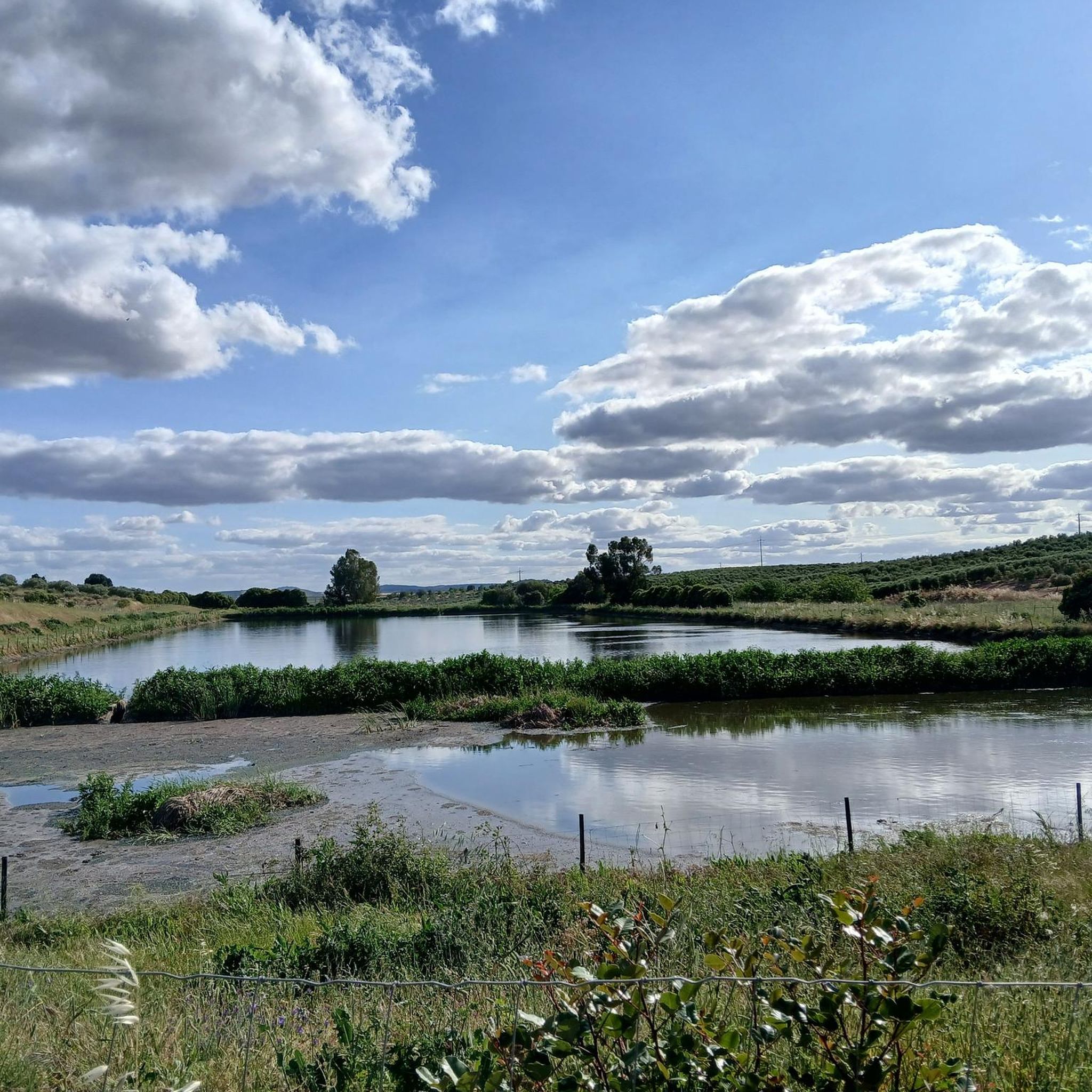
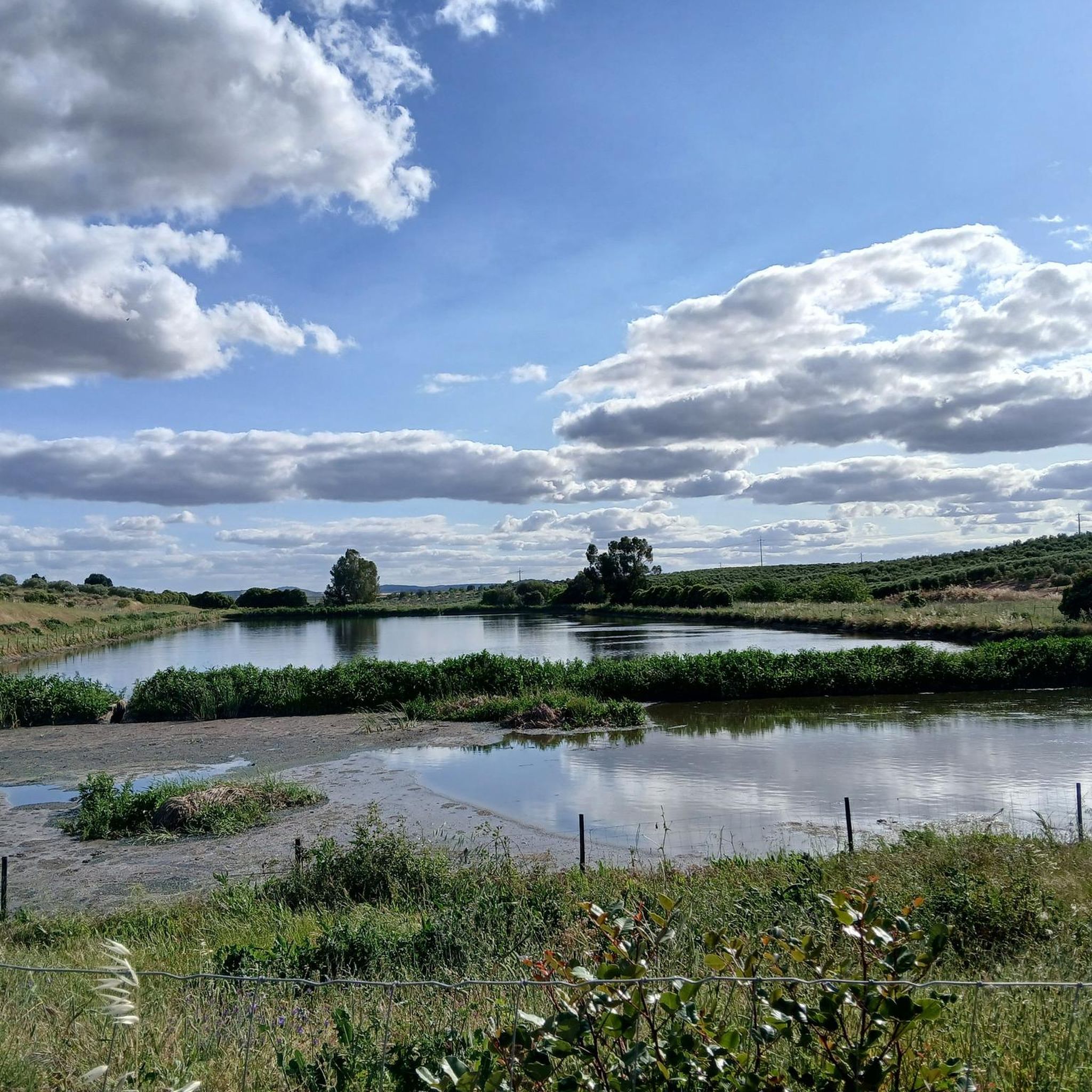
Road cycling around Campo Maior, Portugal, features rolling natural plains and gentle hills, providing varied terrain for cyclists. The region is characterized by quiet, smooth tarmac roads that traverse cork forests, expansive vineyards, and open agricultural plains. Proximity to the Spanish border allows for cross-border cycling experiences. The landscape also includes scenic views of the Caia and Abrilongo Dams.
Best road cycling routes around Campo Maior
- The most popular road cycling route is Vegas Bajas del Guadiana Loop, a…
Last updated: October 27, 2026
55
riders
88.1km
04:30
310m
310m
4.0
(3)
136
riders
44.7km
02:06
290m
290m
Moderate road ride. Good fitness required. Mostly well-paved surfaces and easy to ride.

4.0
(2)
96
riders
41.9km
02:00
290m
290m
Easy road ride. Mostly well-paved surfaces and easy to ride.
79
riders
66.3km
03:54
270m
270m
Moderate road ride. Good fitness required. Mostly well-paved surfaces and easy to ride.
65
riders
60.5km
02:40
290m
290m
Moderate road ride. Good fitness required. Mostly well-paved surfaces and easy to ride.
Get access to more routes and recommendations from other explorers.
Already have an account?
Our route recommendations are based on thousands of hikes, rides, and runs completed by other people on komoot.
Start today with a free account
Your next adventure awaits.


Tips from the Community

THE UNIVERSITY OF EXTREMADURA was created in 1973 (Decree 991/1973, of May 10, 1973, BOE of May 18, 1973). Its history is closely linked to the Extremadura community. Initially, it was composed of the Faculty of Sciences of Badajoz, the University College of Cáceres, the University Schools of Elementary Teaching of Cáceres and Badajoz, and the School of Agricultural Engineering of Badajoz. Since then, the UEx has increased the number of students, degrees, and centers, to now have four spaces composed of the Badajoz campus, the Cáceres campus, the University Center of Mérida, and the University Center of Plasencia.
0
0

The university is distinguished by its multi-campus structure distributed throughout the region, which allows it to cover the main cities of Extremadura: • Badajoz Campus: Focused mainly on scientific, technological, engineering, and health disciplines (medicine and nursing). • Cáceres Campus: Hosts faculties dedicated to humanities, arts, law, veterinary medicine, and teacher training. • University Centers of Mérida and Plasencia: Offer targeted degree programs linked to the socio-economic needs of the local area.
1
0

Megalithic Route of Valverde de Leganés is one of the most important archaeological routes in Extremadura, combining prehistoric history with the natural landscape of the Spanish dehesas. The municipality has several mapped trails where you can explore the megalithic heritage on foot or by bicycle.
8
0
It is an exact reproduction of the original megalithic monument El Rebellao I, located to highlight the rich historical heritage and dolmens of the Extremadura region.
11
0
Although the UEx is divided among four campuses in the region (Badajoz, Cáceres, Mérida, and Plasencia), the Badajoz Campus is one of the largest and concentrates faculties of great scientific and technical importance: Faculty of Medicine and Health Sciences: Highly sought after by Portuguese students due to the reputation of the Medicine course in Badajoz. School of Industrial Engineering: Focused on technological and scientific development. Faculty of Sciences: Offers degrees in Biology, Biochemistry, and Biotechnology. Faculty of Economic and Business Sciences: Focused on the areas of economics and management. Faculty of Education and Psychology: Also located in the city. Faculty of Documentation and Communication Sciences: Located in a unique historical space within the Alcazaba of Badajoz.
8
0
The University of Extremadura (Universidad de Extremadura - UEx) is the main higher education institution in Badajoz, Spain. Founded in 1973, it is a leading regional public university that attracts many international students, especially Portuguese, due to its close proximity to the border (it is located a few kilometers from Elvas). Although the UEx is divided into four campuses in the region (Badajoz, Cáceres, Mérida, and Plasencia), the Badajoz Campus is one of the largest and houses faculties of great scientific and technical importance: Faculty of Medicine and Health Sciences: Highly sought after by Portuguese students due to the reputation of the Medicine course in Badajoz. School of Industrial Engineering: Focused on technological and scientific development. Faculty of Sciences: Offers degrees in Biology, Biochemistry, and Biotechnology. Faculty of Economic and Business Sciences: Focused on the areas of economics and management. Faculty of Education and Psychology: Located tam
12
0
Hello 👋 Spain 🇪🇸
9
0
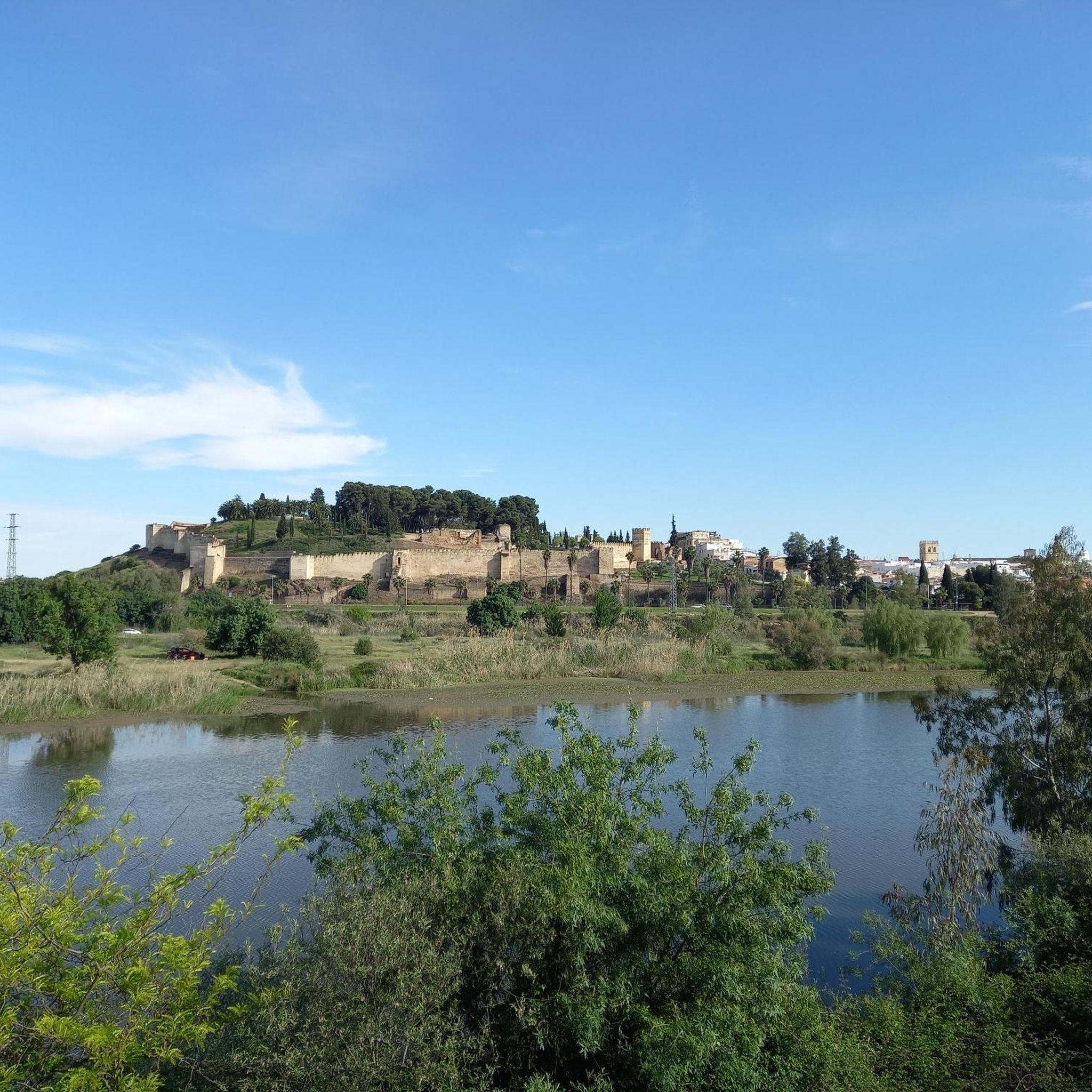
Very beautiful landscapes
10
0
Frequently Asked Questions
What is the general terrain like for road cycling around Campo Maior?
The region around Campo Maior features rolling landscapes and a vast plain, offering diverse terrain. You'll find routes ranging from relatively flat, easy rides to those with gentle, undulating hills. The area is known for its quiet, smooth tarmac roads and low traffic, providing a comfortable and peaceful cycling experience.
How many road cycling routes are available in Campo Maior, and for what skill levels?
There are over 35 road cycling routes around Campo Maior. These routes cater to various skill levels, with 10 easy routes, 22 moderate routes, and 4 more challenging options, ensuring there's something for every cyclist.
What are some notable landmarks or attractions I can see while road cycling in Campo Maior?
Many routes offer scenic vistas of cork-oak forests, expansive vineyards, and agricultural plains. You can also encounter historical sites such as the Castle of Campo Maior, the Ouguela Castle, and the distinctive Capela dos Ossos de Campo Maior. The Caia Reservoir, located about 5 kilometers from town, is another significant natural feature you might pass.
Are there any circular road cycling routes around Campo Maior?
Yes, many of the road cycling routes around Campo Maior are designed as loops. For example, the Vegas Bajas del Guadiana Loop is a popular moderate route that takes you through rolling landscapes on quiet roads.
What do other road cyclists say about the routes in Campo Maior?
The road cycling routes in Campo Maior are highly rated by the komoot community, with an average score of 4.2 stars from over 18 reviews. Cyclists often praise the varied terrain, quiet roads, and scenic views of the Alentejo landscape.
What is the best time of year to go road cycling in Campo Maior?
The Alentejo region generally offers pleasant cycling conditions for much of the year. Spring and autumn are often ideal, with milder temperatures. While summer can be hot, the low traffic and smooth roads remain consistent. It's advisable to check local weather forecasts closer to your visit.
Are there family-friendly road cycling routes in Campo Maior?
Yes, with 10 easy routes available, there are options suitable for families looking for less strenuous rides. These routes typically feature gentler terrain and quiet roads, making them enjoyable for various ages and skill levels.
Can I find places to eat or drink near the cycling routes in Campo Maior?
Campo Maior and its surrounding villages offer various cafes and restaurants where you can refuel. The rural nature of the area means you might find charming local establishments, especially within the town itself and along some of the more populated routes.
What cultural attractions can I visit in Campo Maior when not cycling?
Beyond cycling, Campo Maior offers a rich cultural experience. You can visit the Coffee Science Centre, explore the Lagar Museum for olive oil production history, or admire the 16th-17th century Igreja Matriz. If your visit coincides, the UNESCO-recognized 'Festas do Povo ou das Flores' is a unique spectacle.
Are there any routes that offer views of historical sites like aqueducts or forts?
Yes, routes like the Amoreira Aqueduct – Forte da Graça loop from Badajoz specifically highlight historic sites and rural scenery, providing a blend of cycling and cultural exploration.
Is it possible to combine road cycling with visiting reservoirs or water features?
Absolutely. The Caia Reservoir is a prominent natural feature near Campo Maior, and some routes may offer views or pass close to it. The lakes formed by the Caia and Abrilongo Dams are noted for outdoor adventures, making them scenic points during your ride.
What is a popular moderate road cycling route in the area?
A popular moderate route is the Puente de Palmas – Cathedral of Saint John the Baptist loop from Badajoz. This 74.5 km trail leads through varied terrain and is often completed in about 4 hours and 16 minutes.
Most popular routes around Campo Maior
Most popular attractions around Campo Maior

Get inspired with the komoot mobile app


Explore more
Browse the best Road cycling routes in other regions.
