Attractions and Places To See around Celorico De Basto - Top 20
Best attractions and places to see around Celorico De Basto include a blend of historical, cultural, and natural sites within northern Portugal's Tâmega Valley. The region is characterized by its picturesque landscapes, Romanesque heritage, and numerous stately manor houses. It offers diverse points of interest, from medieval castles to accessible natural trails built on former railway lines.
Best attractions and places to see around Celorico De Basto
- The most popular attractions is St. Gonçalo Bridge, a bridge that is said to have had a Roman predecessor. Rebuilt in 1790 after a flood, its central archway forms a perfect semicircle with its reflection in calm water.
- Another must-see spot is Ermelo Village, a settlement offering views and walks. This historical village provides opportunities for walks through oak trees and offers challenging climbs with scenic views.
- Visitors also love Arco de Baúlhe Railway Station, a man-made monument that now hosts a museum. This old train station serves as a point along the Ecopista do Tâmega, offering a peaceful route with views over the Tâmega River.
- Celorico De Basto is known for its historical sites, Romanesque architecture, and natural trails. Visitors can explore medieval castles, ancient churches, and former railway lines converted into walking and cycling routes.
- The attractions around Celorico De Basto are appreciated by the komoot community, with 30 upvotes and 56 photos shared across 4 highlights.
Last updated: July 2, 2026
St. Gonçalo Bridge
Highlight • Bridge
Translated by Google •
Tip by

Arco de Baúlhe Railway Station
Highlight • Monument
Tip by

Sign up now to discover places like this
Get recommendations on the best single tracks, peaks, & plenty of other exciting outdoor places.
Sign up for free
Church and Bridge of São Gonçalo in Amarante
Highlight • Religious Site
Translated by Google •
Tip by

Monastery of Santa Maria de Pombeiro
Highlight • Religious Site
Translated by Google •
Tip by

Ermelo Village
Highlight • Settlement
Translated by Google •
Tip by

Sign up for free to discover even more attractions around Celorico De Basto.
Sign up for free
Already have an account?
Start today with a free account
Your next adventure awaits.
Login or Signup
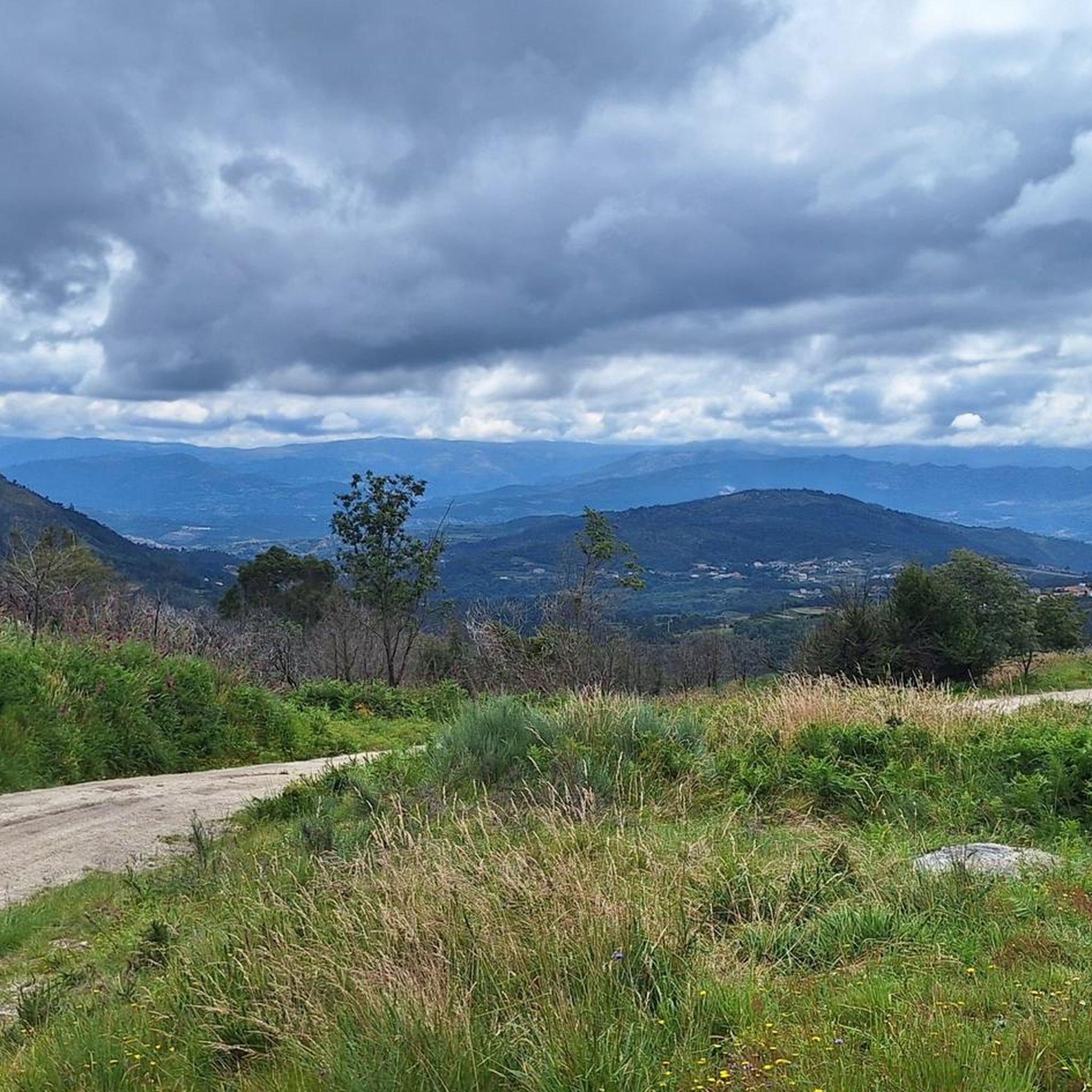
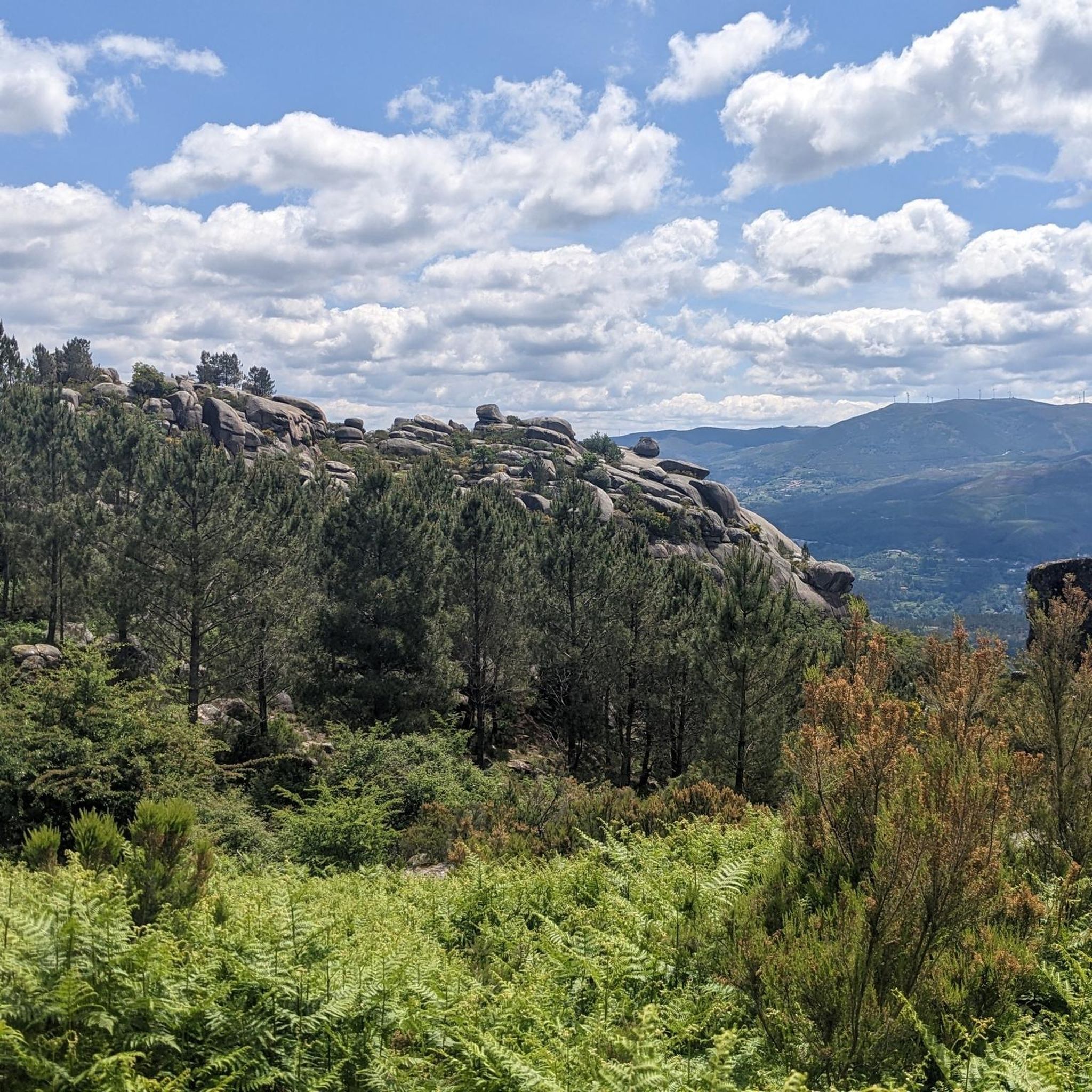
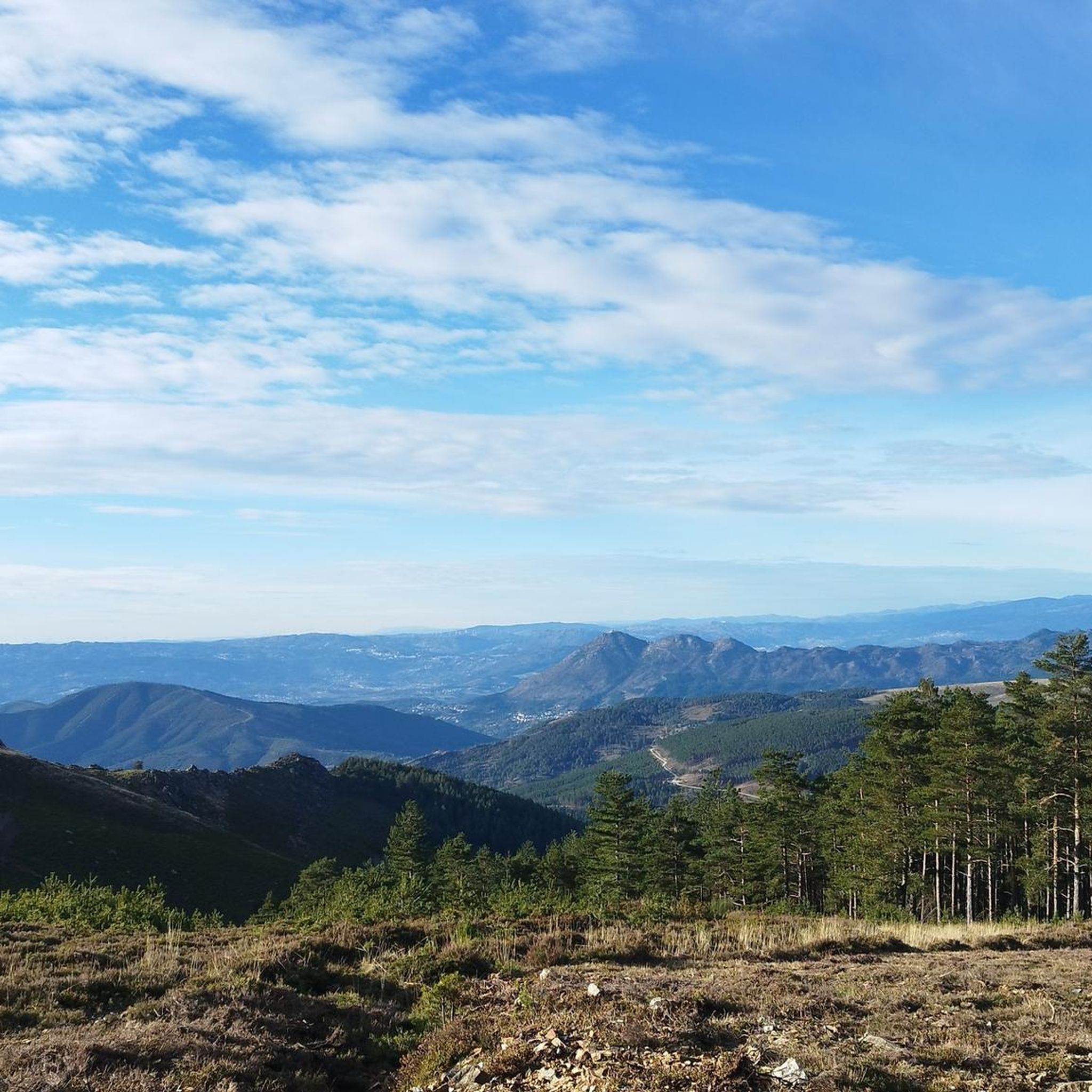
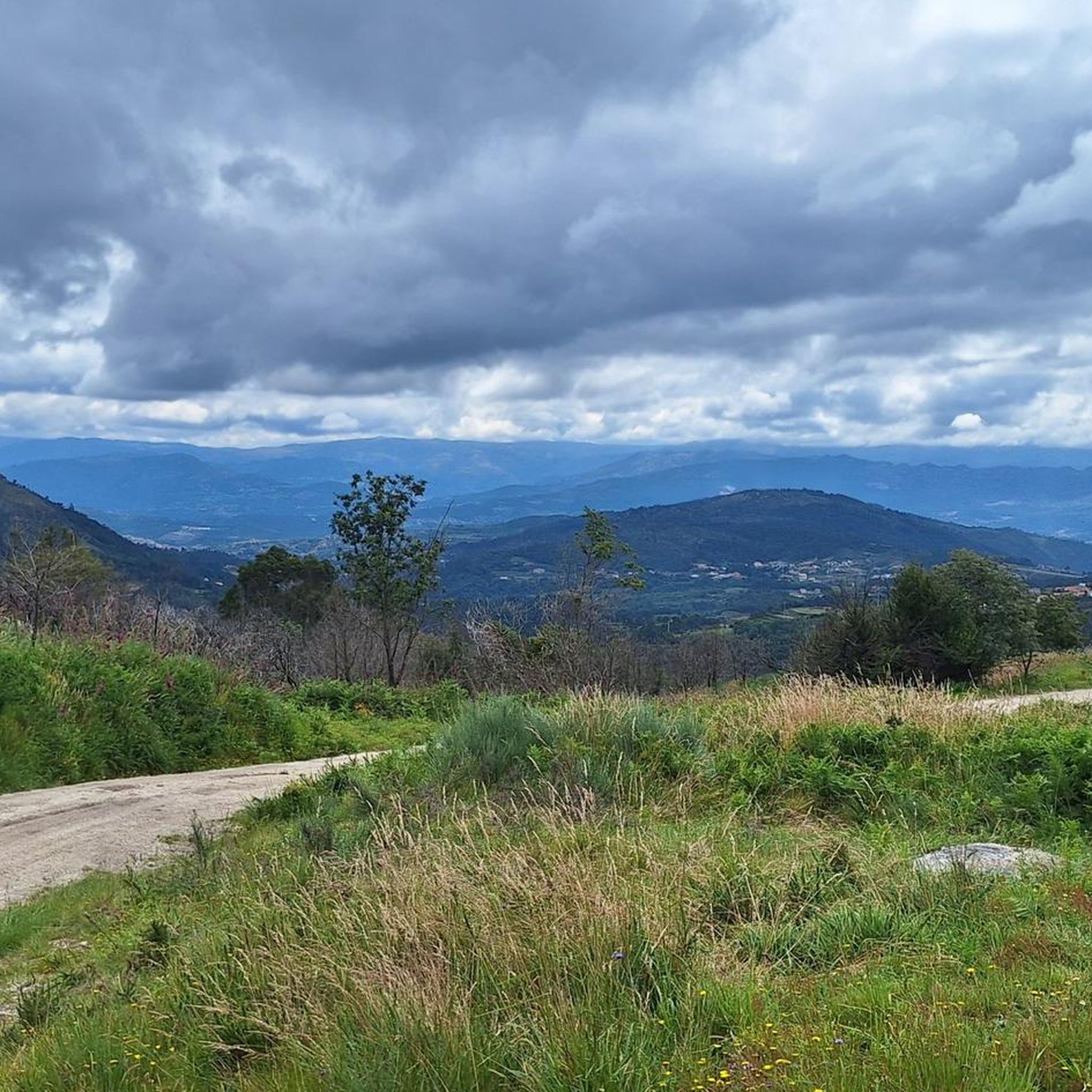
Tips from the Community

A peaceful route with stunning views over the Tâmega River; in autumn, enjoy the falling leaves and their variety of colors. A safe place to cycle – be careful when crossing local roads, which are usually marked. At a sporting level, sufficiently challenging – 80 kilometers and 800 meters of elevation gain (round trip between Amarante and Arco de Baulhe). Restaurants and/or bars are available at the Gatão, Celorico, and Mondim de Basto train stations.
0
0

A bridge with a horizontal deck over three unequal round arches, the central one being the largest. The pillars have triangular buttresses upstream and downstream. The parapet protecting the bridge deck rests on a carved tubular cornice. Crowning the buttresses, four semicircular balconies with stone benches open onto the deck. At each end, the bridge boasts two pairs of faceted Baroque spires resting on small spheres.
2
0


Small narrow streets to discover in the not so small village
2
2

The path is well signposted throughout.
2
0

Beautiful old town and great old bridge.
5
2

It's a lovely old train station which now hosts a museum, open in the morning until 12 and in the afternoon from 2 pm.
1
0

Thoroughly impressive complex run by the Benedictine monks from 1041 to 1834, when all the religious orders in Portugal were dissolved. From the original Romanesque church only the front portal survives, the rest was reconstructed and expanded many times during the Gothic, Baroque and Neoclassical periods. Perhaps the most surprising element is the incomplete cloister accessible by stepping through the door to the right of the church. https://www.rotadoromanico.com/en/Monuments/monastery-of-saint-mary-of-pombeiro/
0
0
Frequently Asked Questions
What historical sites can I explore in Celorico de Basto?
Celorico de Basto is rich in history. You can visit the medieval St. Gonçalo Bridge, which has Roman origins, or the Ermelo Village, a historical settlement offering scenic walks. Other significant sites include Arnóia Castle, a prominent medieval landmark, and the Monastery of São Bento de Arnoia. The Arco de Baúlhe Railway Station also hosts a museum detailing the region's railway history.
Are there any notable Romanesque sites in the area?
Yes, Celorico de Basto is part of the Romanesque Route. Key Romanesque sites include Arnóia Castle, the only castle on the route in the region, and several Romanesque churches such as the Church of the Savior of Fervença, the Church of Salvador de Ribas, and the Church of Santa Maria de Veade. The Monastery of Santa Maria de Pombeiro also features Romanesque elements from its original construction.
Where can I see traditional Portuguese manor houses and gardens?
The municipality is known for its numerous stately homes and noble manor houses, many dating from the 17th to 19th centuries. Notable examples include Casa do Campo, Solar da Boa Vista, Solar do Outeiro, Casa da Portela, Casa da Gandarela, Casa do Prado, and Casa da Igreja. These properties often feature exquisite gardens, particularly known for their camellias, with Casa do Campo boasting Portugal's oldest camellia tree.
What are the best options for walking or cycling in Celorico de Basto?
The Ecopista do Tâmega (Tâmega Natural Trail) is an excellent option for both walking and cycling. Built on a deactivated railway line, it offers gentle slopes and scenic views along the Tâmega River. The Celorico de Basto Station serves as a central point for this accessible route. For more challenging options, the Serra da Cabreira mountain range offers rugged terrain and breathtaking views.
Where can I find panoramic views of the region?
For stunning panoramic views, head to Alto do Viso or Arnóia Castle. These viewpoints offer expansive vistas extending from the Tâmega Valley to the mountainous massifs of Alvão and Marão. The Ermelo Village also provides opportunities for walks with scenic views, especially from its challenging climbs.
Are there any unique natural features or trails to discover?
Beyond the Ecopista do Tâmega, you can explore the Moinhos de Argontim (Argontim Mills) Circuit, which features a collection of ten restored watermills along the Bugio River. The riparian zone along the Freixieiro River, a tributary of the Tâmega, is also noted for its scenic beauty with abundant trees like plane trees and alders.
What kind of outdoor activities are available near Celorico de Basto?
Celorico de Basto offers a variety of outdoor activities. You can enjoy hiking, running, and cycling on numerous trails. The region's natural beauty, including the River Tâmega and Serra da Cabreira, provides excellent settings for exploration. For detailed routes, you can explore hiking around Celorico de Basto, running trails, and cycling routes.
Are there family-friendly attractions in Celorico de Basto?
Many attractions in Celorico de Basto are family-friendly. The Ecopista do Tâmega is ideal for family walks or bike rides due to its gentle slopes. Historical sites like the St. Gonçalo Bridge and the Arco de Baúlhe Railway Station (which hosts a museum) offer engaging experiences for all ages. Additionally, the Freixieiro Ludic Park provides recreational spaces for families.
Are there any accessible routes for walking or cycling?
Yes, the Ecopista do Tâmega is an accessible route built on a former railway line, making it suitable for walking and cycling with gentle gradients. It offers a peaceful experience with views over the Tâmega River and is a safe place to cycle, though care should be taken when crossing local roads.
When is the best time of year to visit Celorico de Basto for outdoor activities?
The region offers beauty year-round. Spring and autumn are particularly pleasant for outdoor activities like hiking and cycling, with milder temperatures and vibrant natural colors. Summer can be warm, ideal for enjoying the river areas, while winter offers a different, often tranquil, landscape for those prepared for cooler weather.
What do visitors particularly enjoy about the attractions in Celorico de Basto?
Visitors appreciate the blend of historical charm and natural beauty. The St. Gonçalo Bridge is admired for its picturesque reflection in calm waters, while the Ermelo Village is loved for its adventure, endurance, and beautiful views. The Ecopista do Tâmega is praised for its peaceful atmosphere and stunning river views, especially in autumn.
Where can I find hiking trails around Celorico de Basto?
Celorico de Basto and its surroundings offer a variety of hiking trails. You can find routes like the Ôlo River – Fisgas de Ermelo Waterfalls loop or shorter, easy hikes from Ermelo. The Serra da Cabreira mountain range also provides more challenging trails. For a comprehensive list, refer to the hiking guide for Celorico de Basto.
Are there cycling routes suitable for different skill levels?
Yes, cycling routes cater to various skill levels. The Ecopista do Tâmega offers an accessible and relatively flat option. For more experienced cyclists, there are challenging routes like the Circular Route 13 of Mondim de Basto — Alvão Natural Park, or the Celorico de Basto Ecotrail – Tâmega Line Greenway loop. You can find more details in the cycling guide for Celorico de Basto.
Is there a cultural center or library in Celorico de Basto?
Yes, the Centro Cultural Marcelo Rebelo de Sousa serves as a significant cultural institution in the region. It houses the Municipal Library, offering resources and insights into the local culture and heritage.
What is the significance of Arnóia Castle?
Arnóia Castle is a historically significant medieval castle, dating back to the 10th century. It was strategically important for the region's defense during medieval times and is notable as the only castle on the Romanesque Route in the area. An interpretive center is also available for visitors to learn more about its history.
Most popular routes around Celorico De Basto

Get inspired with the komoot mobile app


Explore more
Still not found the Highlight you’re looking for? See guides of the top attractions in other regions:
