The best road cycling routes around Grândola
4.6
(99)
2,223
riders
12
rides
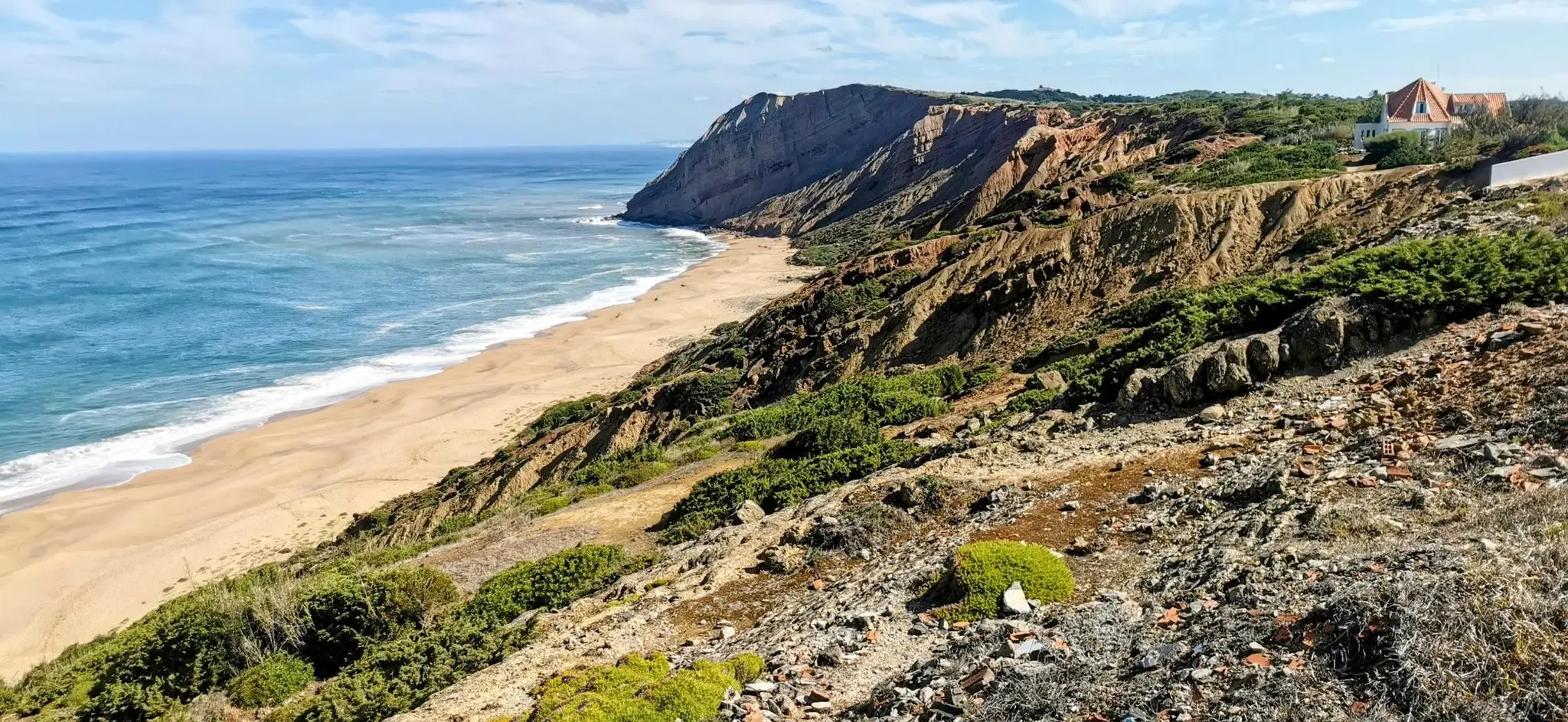
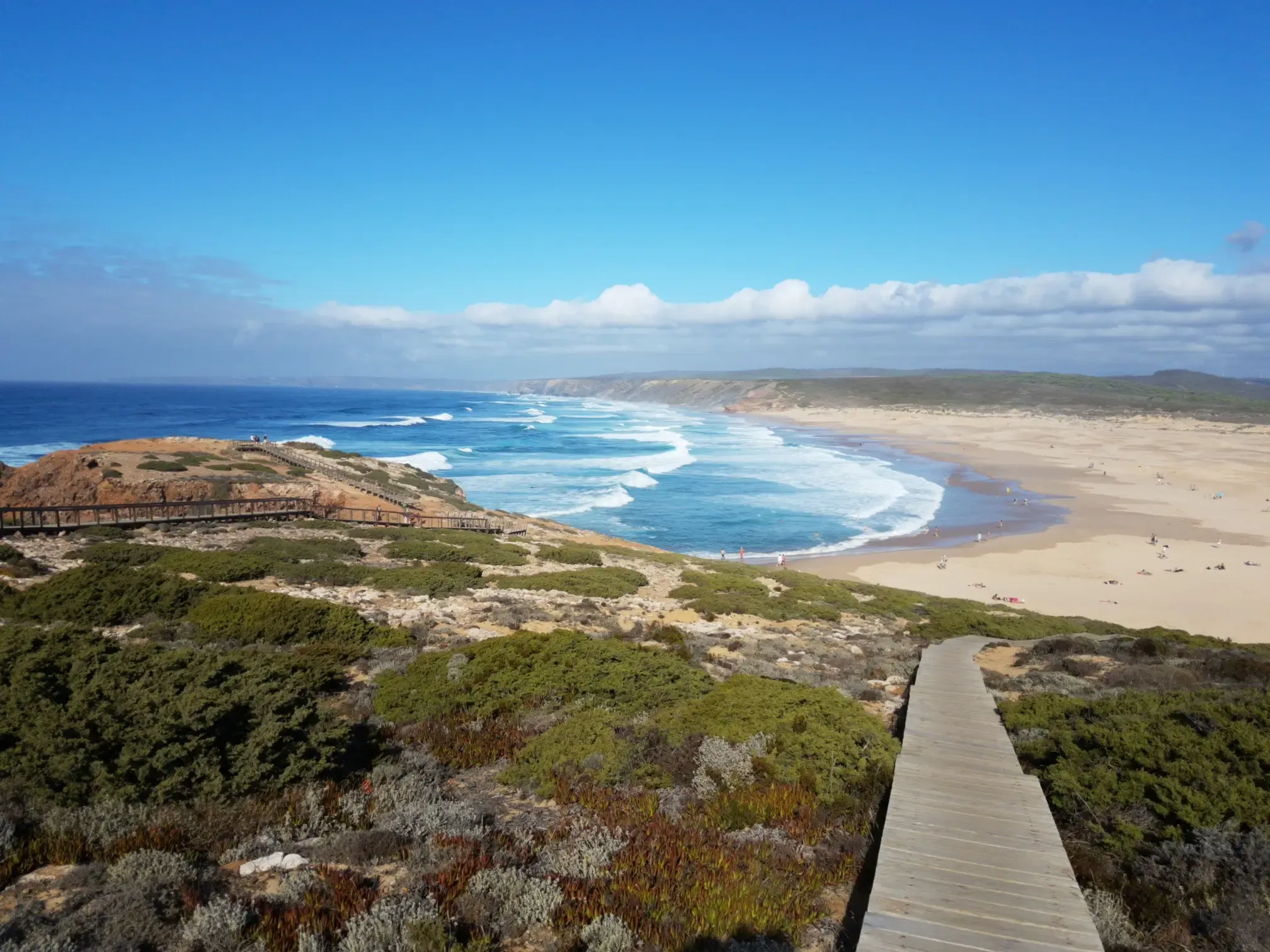
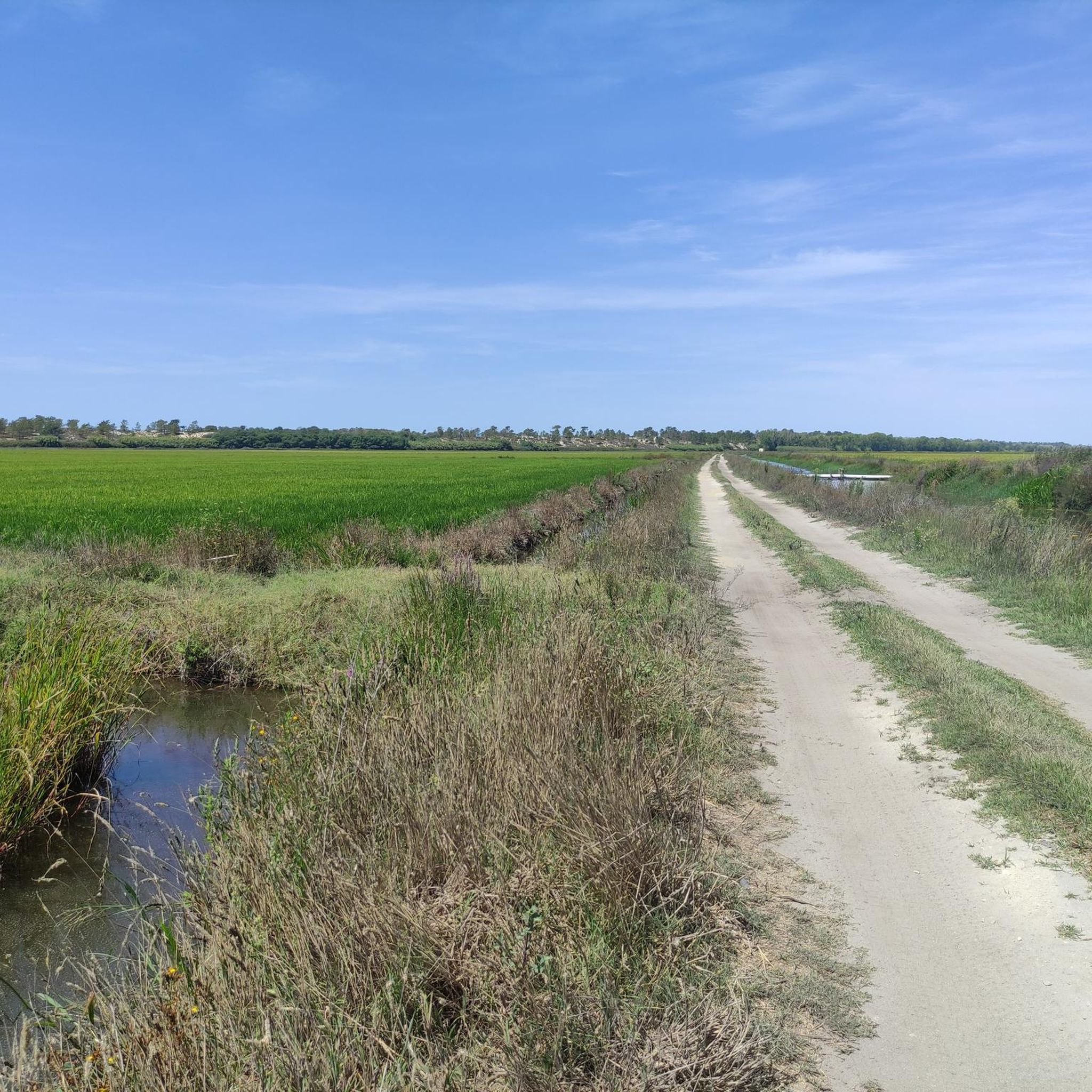
Road cycling routes around Grândola, located in Portugal's Alentejo region, traverse diverse landscapes. The terrain features rolling hills and coastal plains, providing varied cycling experiences. The Serra de Grândola, characterized by extensive cork oak forests, offers hilly sections with significant ascents. The region also benefits from an extensive coastline and proximity to scenic beaches.
Best road cycling routes around Grândola
- The most popular road cycling route is Melides Fair loop from Grândola, a 31.4 miles (50.5 km) trail that…
Last updated: June 27, 2026
5.0
(5)
32
riders
51.6km
02:19
500m
500m
Moderate road ride. Good fitness required. Some segments of this route may be unpaved and difficult to ride.
19
riders
71.4km
03:16
730m
730m
Moderate road ride. Good fitness required. Some segments of this route may be unpaved and difficult to ride.

Sign up for free
18
riders
42.4km
01:51
220m
220m
Easy road ride. Great for any fitness level. Mostly well-paved surfaces and easy to ride.
5.0
(4)
14
riders
33.5km
01:34
360m
360m
Moderate road ride. Good fitness required. Some segments of this route may be unpaved and difficult to ride.
4.8
(5)
13
riders
38.4km
01:46
380m
380m
Moderate road ride. Good fitness required. Some segments of this route may be unpaved and difficult to ride.
Get access to more routes and recommendations from other explorers.
Sign up for free
Already have an account?
Our route recommendations are based on thousands of hikes, rides, and runs completed by other people on komoot.
Start today with a free account
Your next adventure awaits.
Login or Signup



Tips from the Community

Grândola, Vila Morena is a famous Portuguese protest song composed in 1971 by singer-songwriter José Afonso. It became internationally famous when it was broadcast on the radio as a secret signal for the start of the Carnation Revolution of April 25, 1974, which ended Salazar's dictatorship. The song owes its strength to a strong message of brotherhood, equality, and power to the people. You can delve deeper into its history and social impact by consulting the article by Cultweek, or discover the lyrics, chords, and translation on IlDeposito.org.
1
0

The link to Zeca Afonso's song, "Grândola, Vila Morena", is as follows: https://youtu.be/gaLWqy4e7ls?is=IVnBFCPiYAqt0hJk
9
0
Grândola, Vila Morena is a poem and song composed and sung by José Afonso, chosen by the Armed Forces Movement (MFA) as the second signal to set the rebellious military in motion, initiating the Revolution of April 25, 1974. The song, revolutionary from the start, became the anthem of the Revolution. It was written and recorded in October 1971, after a visit to the Sociedade Musical Fraternidade Operária Grandolense in Grândola, in Alentejo. The song was released on the album Cantigas do Maio with the direction of José Mário Branco, recorded in Hérouville, France, which came out in December of that year. Although not initially conceived as a protest song, the changes made at the time of recording gave it a highly political message in the context of the Estado Novo dictatorship. Grândola, Vila Morena became a symbol of the popular struggle and a national heritage, known by Portuguese society at large. (Source: Wikipedia) https://youtu.be/gaLWqy4e7ls?is=74KdykCGenB6jR6R
12
0

The castle has a roughly rectangular floor plan and its walls still show traces of a Muslim fortress. The castle of Santiago do Cacém has been classified as a national monument since 1910. What is actually unusual is the cemetery within the castle walls.
4
2

Cemetery within the castle walls
2
1

Erected on a round hill overlooking the picturesque village of Santiago do Cacém, the castle has watched over the surroundings since the 12th century, when the country was occupied by the Moors. Today considered a national monument, its square keeps and loopholes that encircle the walls are a reminder of its major role in history.
3
0

Wonderful views of the Alentejo coast The Castel is worth a visit. Unfortunately the church was closed.
13
0

The (pilgrim) apostle James the Greater ("Santiago Major"), whose tomb has been venerated for many centuries in Santiago de Compostela (Galicia, Spain), experienced a golden age during the so-called Reconquista (reconquest) of the Iberian Peninsula. Legends circulated that he rode ahead of the Christian army on a white horse in important battles. The knights and soldiers apparently dedicated a church to him here, and even the town of "Santiago do Cacem" bears his name.
4
1
Frequently Asked Questions
How many road cycling routes are available in Grândola?
Grândola offers a diverse network of over 90 distinct road cycling routes, catering to various skill levels. Our guide features 12 top-rated routes to inspire your rides.
What is the best time of year for road cycling in Grândola?
The mild climate of Grândola makes it suitable for cycling for much of the year, but April and October are particularly popular months due to pleasant temperatures and ideal riding conditions.
What kind of terrain can I expect on road cycling routes in Grândola?
Road cycling in Grândola features diverse terrain, ranging from rolling hills and quiet backroads to coastal plains. The Serra de Grândola offers more challenging hilly sections with significant ascents, while routes along the coast provide flatter, scenic rides.
Are there any easy road cycling routes suitable for beginners in Grândola?
Yes, Grândola has routes suitable for beginners. For instance, the Bikeshop loop from Grândola is an easy 23.4-mile (37.6 km) route with moderate elevation changes, perfect for those starting out or looking for a relaxed ride.
Can I find circular road cycling routes in Grândola?
Many of Grândola's road cycling routes are designed as loops, allowing you to start and finish in the same location. Examples include the popular Melides Fair loop from Grândola and the Roadbike loop from Colibri Grândola N/S.
What natural features or viewpoints can I see along road cycling routes in Grândola?
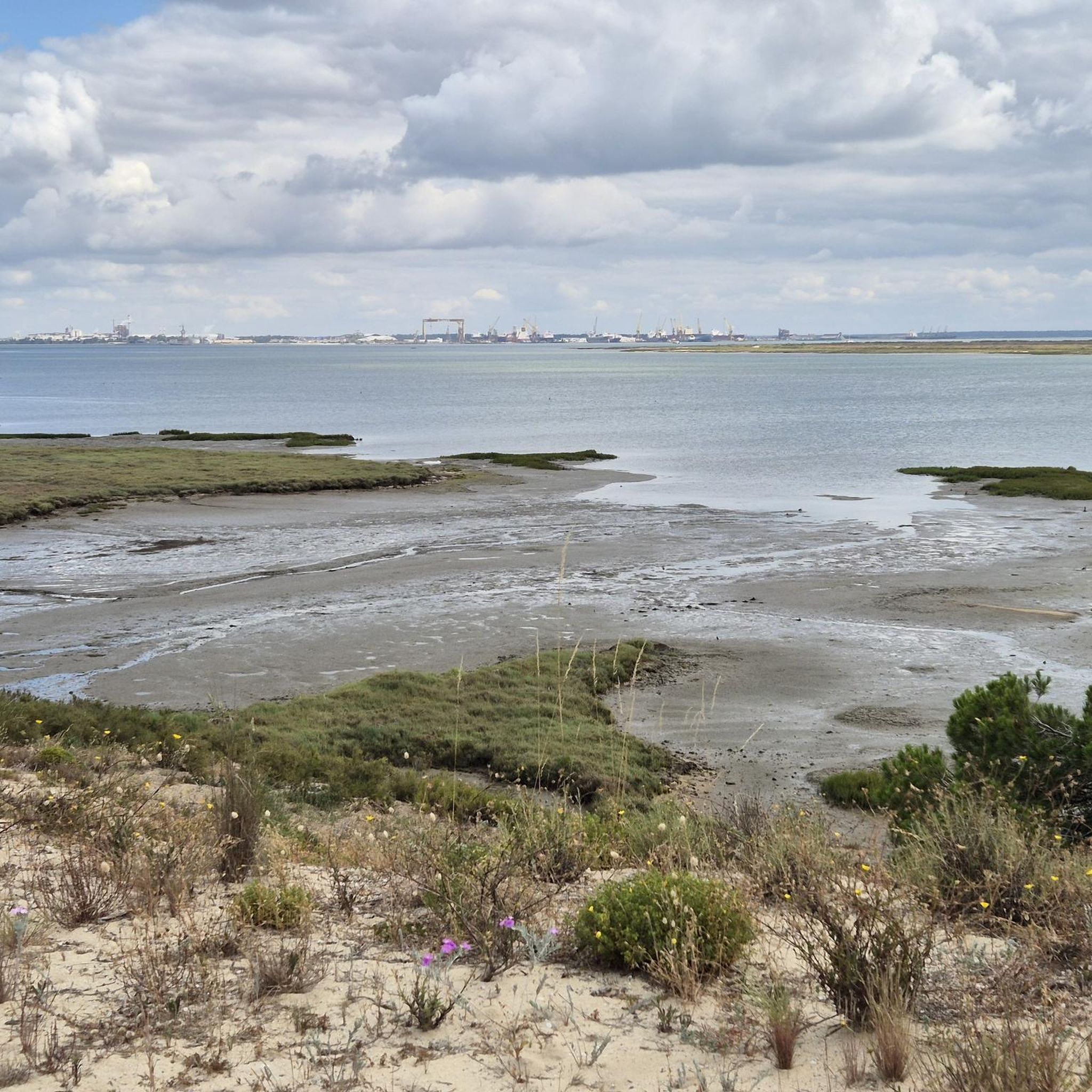
The region is rich in natural beauty. You can cycle through extensive cork oak forests in the Serra de Grândola, offering unique landscapes. Routes also provide access to stunning coastal views near beaches like Melides and Santo André. For panoramic vistas, consider visiting Formosinho Peak or the Panoramic View over the Arrábida.
Are there any historical or cultural landmarks to explore while road cycling in Grândola?
Yes, Grândola's routes often pass by or near significant historical and cultural sites. You can explore the historic town center, see the Antigos Paços do Concelho, or visit the Igreja Matriz de Grândola. The Lousal Mines, a fascinating site of industrial archaeology, are also accessible along some routes. Additionally, the Serra de Grândola is dotted with traditional 'Montes Alentejanos' hamlets, offering a glimpse into rural life.
What do other road cyclists enjoy most about road cycling in Grândola?
The road cycling routes in Grândola are highly rated by the komoot community, with an average score of 4.95 stars from over 20 reviews. Cyclists frequently praise the diverse landscapes, from rolling hills and cork oak forests to scenic coastal stretches, and the well-maintained paths that cater to various ability levels.
Are there family-friendly road cycling routes in Grândola?
While many routes in Grândola involve some elevation, there are options suitable for families looking for a more relaxed ride. Look for routes described as 'easy' or those that stick to flatter coastal sections or quiet backroads away from heavy traffic.
What are some scenic coastal road cycling routes near Grândola?
For scenic coastal rides, explore routes that pass through picturesque towns like Melides and Santo André. These routes often offer beautiful views of the Atlantic and access to stunning beaches. The Melides Fair loop from Grândola is a popular choice that includes coastal elements.
Where can I find information about the region's unique cork oak forests?
The Serra de Grândola is home to vast cork oak forests, which are a defining feature of the Alentejo landscape. These forests are recognized for their high ecological value and rich biodiversity. You can find more general information about the Alentejo region's natural heritage, including its cork forests, on the Visit Alentejo website.
Are there options for long-distance road cycling in Grândola?
Grândola's network of routes can be combined or extended for longer rides. While individual routes like the Melides Fair loop from Grândola offer a good distance at 31.4 miles (50.5 km), experienced cyclists can link multiple paths to create extended tours through the region's diverse landscapes.
Most popular attractions around Grândola

Get inspired with the komoot mobile app


Explore more
Browse the best Road cycling routes in other regions.
