The best road cycling routes around Salvaterra De Magos
4.5
(18)
984
riders
64
rides
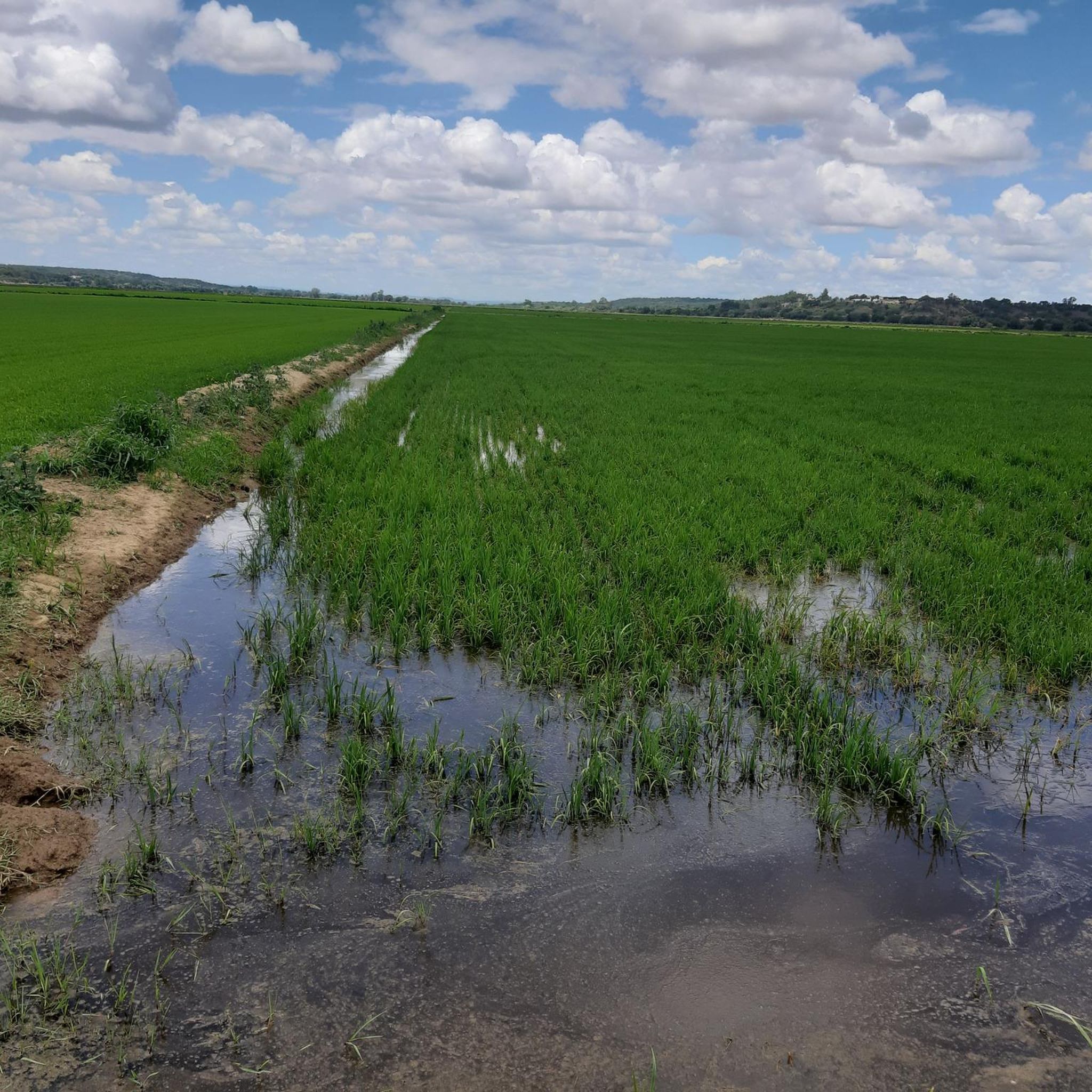
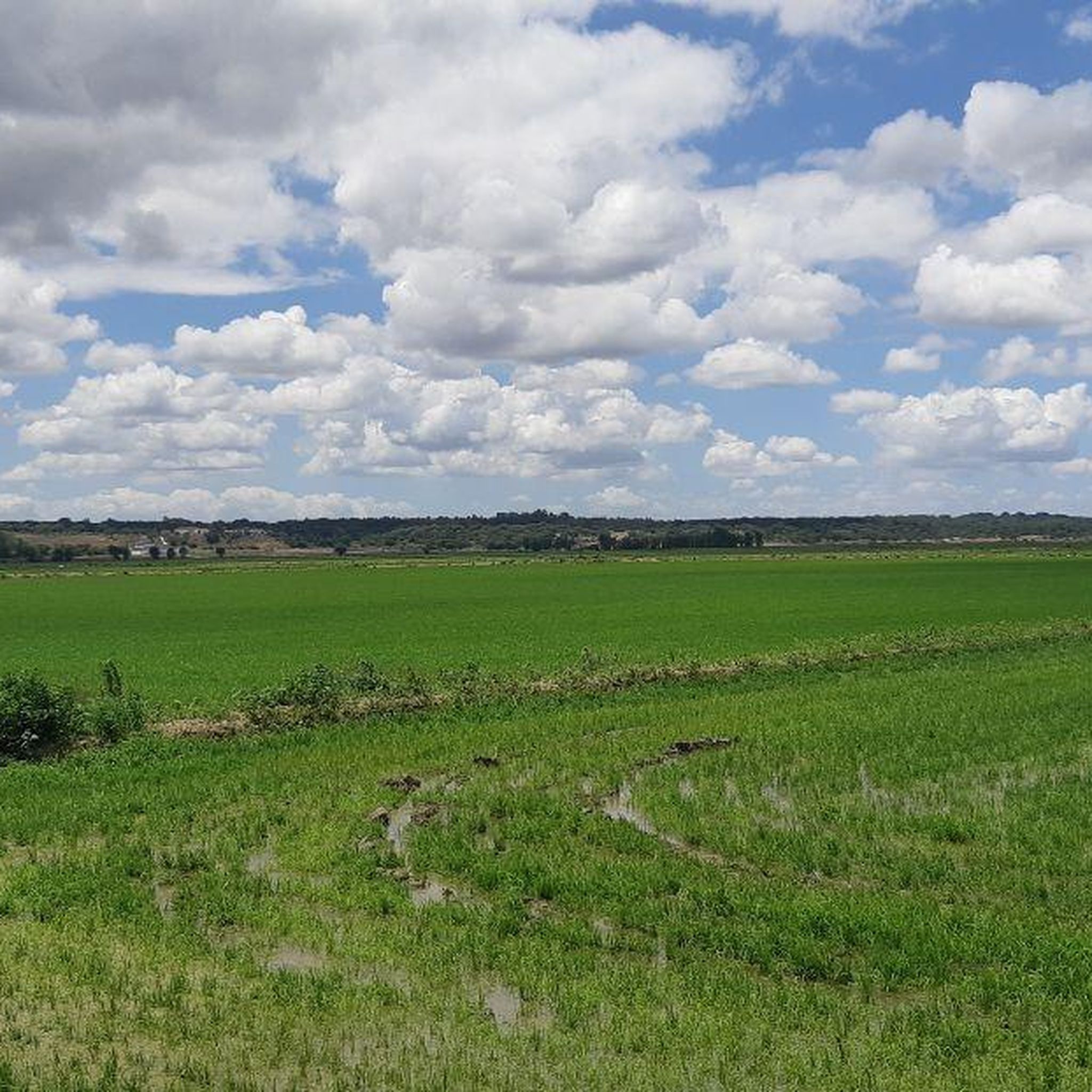
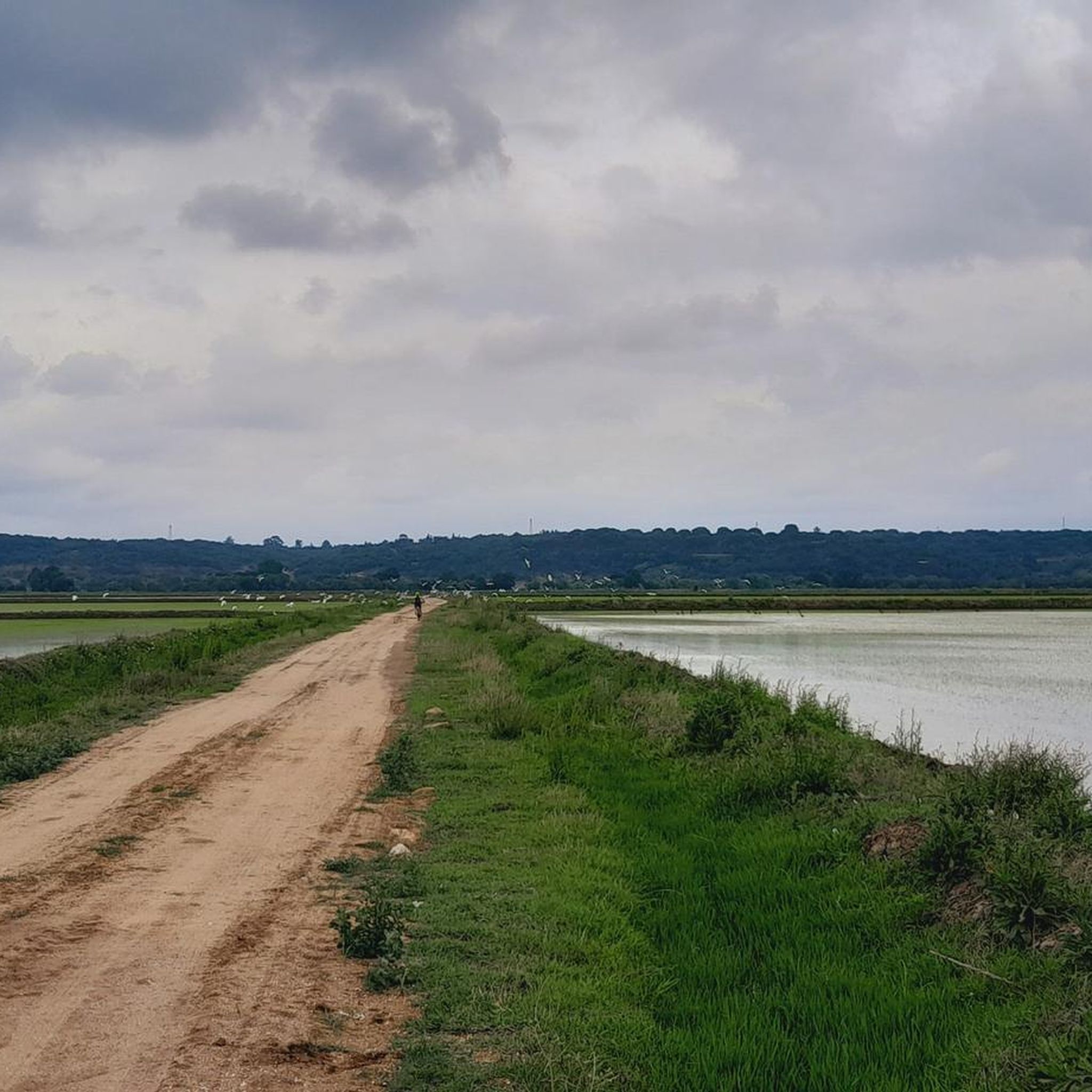
Road cycling around Salvaterra De Magos is characterized by its connection to the Tagus River, fertile floodplains, and a mix of pine woods and open plains. The terrain offers a dynamic cycling experience, with flat stretches along the river and areas with varied inclines. The region's landscape includes the significant ecological zone of the Tagus River estuary and the Magos Reservoir.
Best road cycling routes around Salvaterra De Magos
- The most popular road cycling route is Café in Portugal –…
Last updated: July 12, 2026
30
riders
48.4km
02:07
180m
180m
Moderate road ride. Good fitness required. Mostly well-paved surfaces and easy to ride.
28
riders
45.9km
01:51
180m
180m
Easy road ride. Great for any fitness level. Mostly well-paved surfaces and easy to ride.

Sign up for free
23
riders
54.2km
02:12
190m
190m
Moderate road ride. Good fitness required. Mostly well-paved surfaces and easy to ride.
5.0
(2)
19
riders
32.5km
01:22
100m
100m
Easy road ride. Great for any fitness level. Mostly well-paved surfaces and easy to ride.
21
riders
88.0km
03:39
420m
420m
Moderate road ride. Good fitness required. Mostly well-paved surfaces and easy to ride.
Get access to more routes and recommendations from other explorers.
Sign up for free
Already have an account?
Our route recommendations are based on thousands of hikes, rides, and runs completed by other people on komoot.
Start today with a free account
Your next adventure awaits.
Login or Signup


Tips from the Community

Salvaterra de Magos, a town in the Portuguese region of Ribatejo, is known as the capital of falconry in Portugal thanks to its historic Falcoaria Real. The Falcoaria Real: Built in the 18th century, it is the only intact building remaining in the country dedicated to this royal practice. It has been declared an Intangible Cultural Heritage of Humanity by UNESCO. At the center, it is possible to participate in guided tours, admire dedicated exhibitions, and witness spectacular demonstrations of birds of prey in flight.
0
0
The monument Homenagem ao Trabalhador Rural (Homage to the Rural Worker) is located in Foros de Salvaterra, Portugal, in the area known as Estanqueiro. Symbolically inaugurated on May 1, 2022, on the occasion of Labour Day, the work was created by artist Leonel dos Santos on the initiative of the Union of Freguesias of Salvaterra de Magos and Foros. The chosen location, the Estanqueiro square (formerly "Praça da Jorna"), was the point where historically rural labourers gathered to be hired by the day by the foremen of the large local agricultural estates. The sculpture depicts two rural workers engaged in the daily toil of the countryside. The monument aims to honour the memory and sacrifice of the "foreiros" (the inhabitants of Foros) who for generations have worked the land from dawn till dusk.
3
0

In Foros de Salvaterra, a Monument in Homage to Rural Workers was inaugurated on Labor Day, May 1st, 2022, during the 24th Gastronomic Fair. This act recognizes the value and work of the region's rural workers, a joint effort by the Parish Council to honor the traditions and the local people, highlighting the rural character of the Ribatejo region.
21
0
Portuguese falconry was recognized in December as Intangible Cultural Heritage by UNESCO, following an application process led by the Municipality of Salvaterra de Magos. (Source: www.falcoarial.pt)
19
0

The Sanctuary of Our Lady of the Castle is located in the town of Coruche, Portugal. The church was built on the ruins of an ancient castle destroyed by the Moors. From there, visitors enjoy a panoramic view of Coruche and the Sorraia River. The entrance and parking are wheelchair accessible.
5
0
Built during the Roman period, it is an important vestige of that people's presence in the municipality. The Roman presence in the parish of Muge is clearly evident in the area of Porto de Sabugueiro. The most striking vestiges of this historical period are found here. Porto de Sabugueiro, due to its proximity to the Tagus River, was an important river port during the Roman period. Excavations and published studies define this location as an important Roman village, with ceramic production, due to the existence of a ceramic kiln found here in the 1960s. Approximately 400 meters from this location is the Roman Bridge, which crosses the Muge stream. The construction techniques used, especially in the larger arch, undoubtedly indicate a Roman origin; however, the two smaller arches, due to their typology, are attributable to the Middle Ages. This bridge was one of the main crossing points connecting Muge to the interior of the country (Alentejo) and to the city of Santarém. It possesses undeniable historical value, forming part of the memory and heritage identity of the municipality of Salvaterra de Magos. (Source: www.salvaterrademagos.pt)
16
0

Very quiet place, good for a day out in the countryside
1
0
Frequently Asked Questions
How many road cycling routes are available in Salvaterra de Magos?
There are over 65 road cycling routes around Salvaterra de Magos listed on komoot, offering a wide range of options for different preferences and skill levels.
What kind of terrain can I expect on road cycling routes in Salvaterra de Magos?
The region offers a dynamic cycling experience, characterized by its connection to the Tagus River, fertile floodplains, and a mix of pine woods and open plains. You'll find flat stretches along the river, as well as areas with varied, gentle inclines.
Are there routes suitable for beginners or less experienced cyclists?
Yes, Salvaterra de Magos has several easy road cycling routes. For example, the Barragem de Magos – Glória loop from Granho is an easy 28.5-mile path offering views of the Magos Reservoir and surrounding countryside. There are 18 easy routes in total.
What are some scenic highlights or landmarks I can see along the road cycling routes?
Many routes offer views of the Tagus River and its estuary, as well as the Magos Reservoir. You might also pass by historical sites like the Roman Bridge of Muge or traditional fishing villages such as Valada. The Roman Bridge of Muge – Quinta da Alorna loop from Marinhais is a moderate route that includes this historic landmark.
Are there any circular road cycling routes in the area?
Yes, many of the road cycling routes in Salvaterra de Magos are loops. Examples include the popular Café in Portugal – Glória loop from Grupo Sugal and the Glória loop from Granho, both offering varied terrain and scenic views.
When is the best time of year for road cycling in Salvaterra de Magos?
The region's mild climate generally makes it suitable for cycling for much of the year. Spring and autumn typically offer pleasant temperatures, while summer can be warm, especially in the open plains. Winter rides are also possible, though cooler.
Can I find amenities like cafes or places to rest along the cycling routes?
Yes, many routes pass through or near villages and towns where you can find cafes and other amenities. The region is known for its traditional villages, offering opportunities for refreshment stops. Some routes, like the Café in Portugal – Glória loop from Grupo Sugal, even suggest a cafe stop in their name.
Are there options for more advanced road cyclists seeking a challenge?
While much of the terrain features gentle hills, there are routes with more varied inclines and longer distances for advanced cyclists. The region's capacity for demanding cycling adventures is highlighted by events like rally starts from Salvaterra de Magos. There are 8 difficult routes available for those seeking a greater challenge.
What do other cyclists say about road cycling in Salvaterra de Magos?
The road cycling routes in Salvaterra de Magos are highly rated by the komoot community, with an average score of 4.4 stars from over 17 reviews. Cyclists often praise the varied terrain, riverside scenery, and the tranquil setting of the pine woods and open plains.
Is public transport available to reach the starting points of routes?
Salvaterra de Magos is accessible by public transport, though specific connections to individual route starting points may vary. It's advisable to check local bus schedules or train services to nearby towns for the most up-to-date information on reaching your desired starting location.
Where can I park my car when starting a road cycling tour?
Parking is generally available in the main town of Salvaterra de Magos and in the larger villages along the routes. Look for designated parking areas or public spaces in these locations to begin your ride.
Are there family-friendly road cycling routes in Salvaterra de Magos?
Many of the easier and flatter routes, particularly those along the river or through less trafficked rural landscapes, can be suitable for families. The 18 easy routes provide good options for a more relaxed family cycling experience.
What natural features define the cycling experience in this region?
The cycling experience is largely defined by the majestic Tagus River and its estuary, offering unique riverside views. You'll also encounter fertile floodplains, serene pine woods, and open pasture lands, providing a diverse and picturesque backdrop for your rides.
Can I combine cycling with other activities like birdwatching?
Absolutely. The Tagus River estuary and the Marateca Marsh are significant ecological zones, making them prime spots for birdwatching. You can easily incorporate stops for nature observation into your cycling tours, especially along routes that hug the riverbanks.
Most popular routes around Salvaterra De Magos
Most popular attractions around Salvaterra De Magos

Get inspired with the komoot mobile app


Explore more
Browse the best Road cycling routes in other regions.
