Top 20 Natural Monuments around Baarle-Nassau
Best natural monuments around Baarle-Nassau feature a diverse landscape, including ancient forests, heathlands, and unique border areas. This region offers opportunities to explore cultivated woodlands, tranquil fens, and historical sites. The natural areas provide varied terrain for outdoor activities and observing local flora and fauna. These sites are ideal for those seeking natural beauty and historical context.
Best natural monuments around Baarle-Nassau
- The most popular natural monuments is Bronze Age Burial Mounds with Wooden Post Circle, Regte Heide, a…
Last updated: April 28, 2026
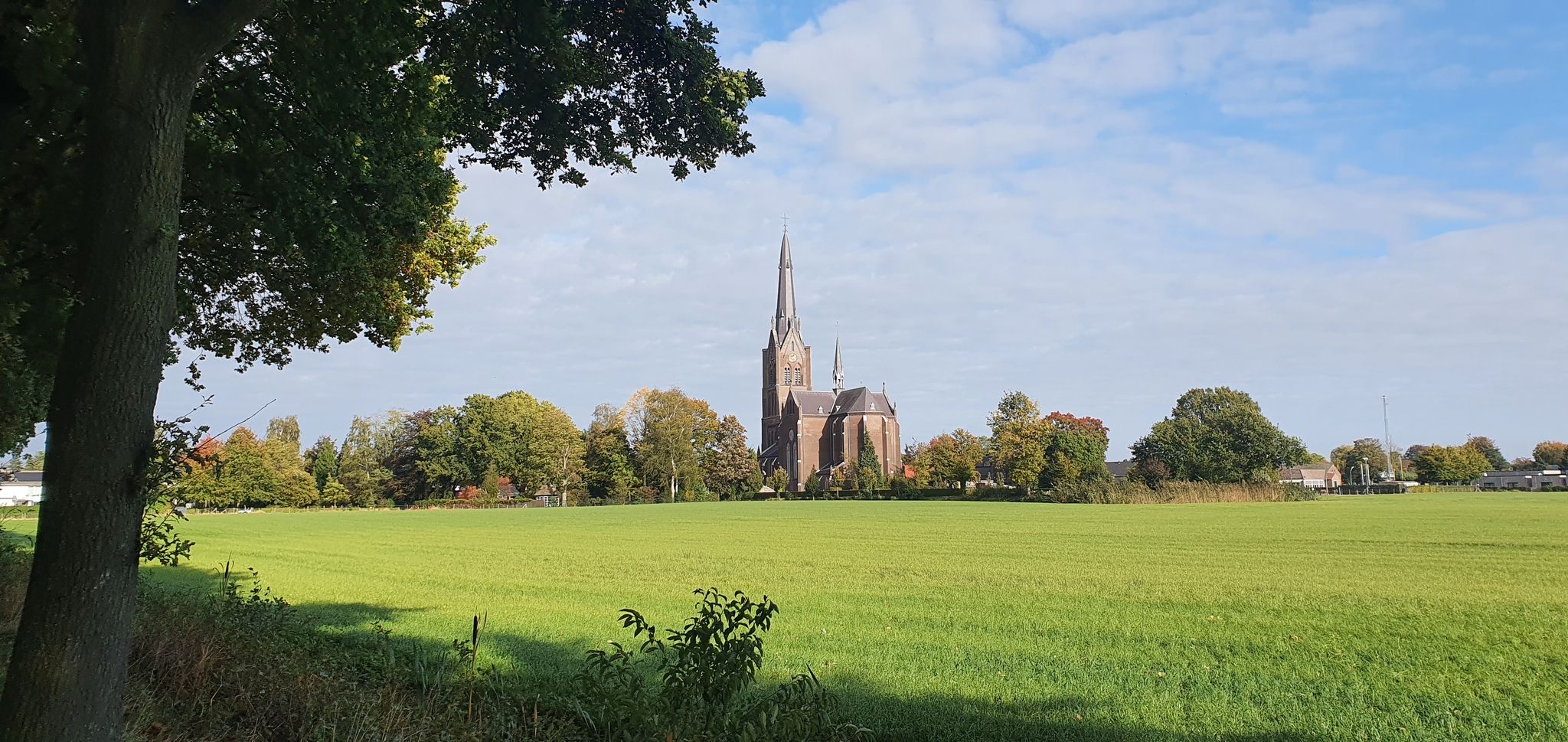
Bronze Age Burial Mounds with Wooden Post Circle, Regte Heide
Highlight • Historical Site
Translated by Google •
Tip by

Wortel-Kolonie
Highlight • Historical Site
Translated by Google •
Tip by

Sign up now to discover places like this
Get recommendations on the best single tracks, peaks, & plenty of other exciting outdoor places.
Sign up for free
Bootjesven
Highlight • Lake
Translated by Google •
Tip by
Along Erica near Zwart Goor
Highlight (Segment) • Natural
Translated by Google •
Tip by

View of Kesseven
Highlight • Lake
Translated by Google •
Tip by

Sign up for free to discover even more natural monuments around Baarle-Nassau.
Sign up for free
Already have an account?
Start today with a free account
Your next adventure awaits.
Login or Signup
Other adventures around Baarle-Nassau

Tips from the Community

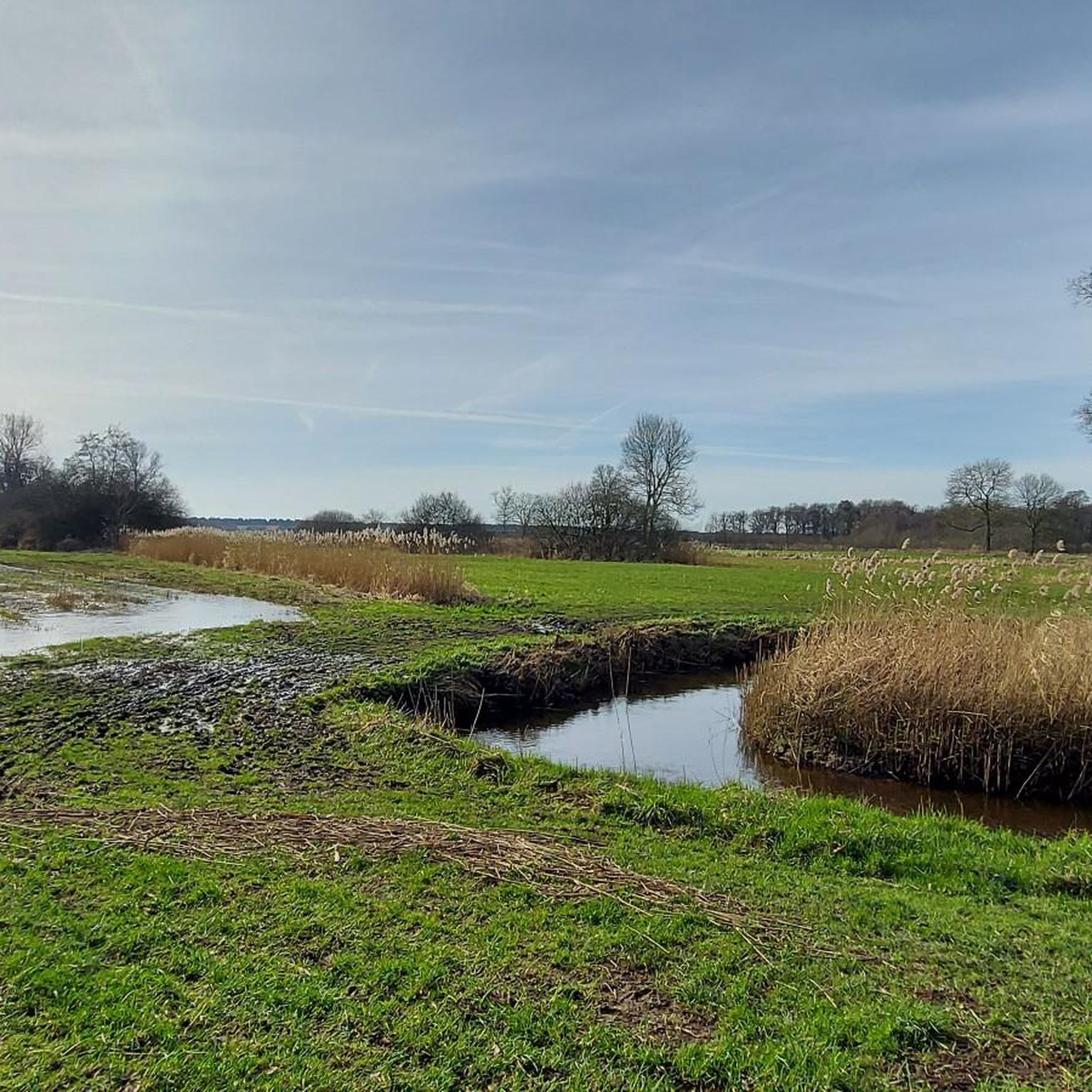
The Bootjesven is one of the most famous and beautiful spots in Wortel-Kolonie 🌿. 📍What is the Bootjesven? • It is a natural fen, surrounded by pine forests and heathland, in the heart of the tranquility of the Colony. • The name refers to the "boats" of peat moss that float on the water, giving the surface a fairytale-like appearance. • The fen is a vulnerable nature reserve: special plants such as cotton grass and sundew grow there, and you often find dragonflies and waterfowl there. • It is part of the Merkske Valley, a European Natura 2000 protected area. 🌿 Experience for hikers and cyclists • The Bootjesven is located along several beautiful hiking trails that start from the De Klapekster Visitor Center. • It is an ideal place to take a break and enjoy the peace and quiet and nature. • Because it is a sensitive area, walking on designated paths and not allowing dogs off the leash is important for the preservation of this unique natural environment.
9
1

The Bootjesven is a fen that was created by extracting peat. Peat was extracted on a large scale in the entire Noorderkempen region between the middle of the 13th and the 18th century. Peat is dried peat that was dug from the marshy peat areas. The extracted peat was laid out to dry and then used as a raw material. This location is now a large body of water where it is wonderful to stay. You can cool off up to your knees and no further. Swimming is prohibited.
12
0

The Ravels forest is known for its fens. From the Middle Ages onwards, these elements dominated the open landscape. In 1903 the forest was created and some fens were planted or converted into pasture. A number of fens have been preserved. The most important fen is the Kesseven. It is located in the southern part of the Regional Forest and with an area of approximately 3 hectares it can be called quite large.
6
0

Picturesque pictures are made here...
7
0

Nice little cafe with very nice people and start for a great hike through the Wortel colony.
5
0
A beautiful location with picturesque views, especially in winter with frost
8
0

parking and departure walking and cycling routes
10
2

Beautiful area with varying landscapes. You can really enjoy here.
6
0
Frequently Asked Questions
What unique natural features can I explore around Baarle-Nassau?
The region offers a diverse landscape. You can discover ancient cultivated forests like the Mastbos, with its majestic beech avenues and serene fens. The Merkske Valley features an authentic winding brook rich in biodiversity, while De Pannenhoef Nature Reserve showcases mixed forests, restored fens, and flower-rich meadows. You can also find unique fens like Bootjesven, a natural bog created by peat extraction, now home to dragonflies and water beetles.
Are there historical natural monuments to visit near Baarle-Nassau?
Yes, the area is rich in historical natural monuments. You can visit the Bronze Age Burial Mounds with Wooden Post Circle, Regte Heide, which features reconstructed burial mounds from approximately 1750 BC. Another significant site is Wortel-Kolonie, a former agricultural colony that is now a protected landscape and UNESCO World Heritage Site, known for its forests and potential wildlife sightings.
What kind of wildlife can I expect to see in the natural areas around Baarle-Nassau?
The natural monuments around Baarle-Nassau are home to a variety of wildlife. In the Mastbos, you might spot squirrels, pine martens, roe deer, and various bird species like great egrets and spoonbills. The Merkske Valley boasts rare plant species, unique birds such as the golden oriole and bluethroat, and ten native amphibian species. De Pannenhoef Nature Reserve is known for pine martens, roe deer, goshawks, and black woodpeckers. Keep an eye out for deer in the Chaamse Bossen, and dragonflies and water beetles at Bootjesven.
Are there family-friendly natural monuments or trails suitable for children?
Many natural monuments in the region are family-friendly. The Bronze Age Burial Mounds with Wooden Post Circle, Regte Heide offers long walks that combine cultural history with nature. Wortel-Kolonie is also suitable for families, offering forests and opportunities to spot wildlife. The Mastbos has well-maintained paths, and the Vlonderpad Galderse Heide boardwalk provides an accessible and engaging experience for all ages. The Chaamse Bossen also offers extensive opportunities for walks.
What are the best natural areas for hiking and cycling near Baarle-Nassau?
For hiking and cycling, the Mastbos offers extensive trails through diverse landscapes. The Merkske Valley provides beautiful and varied routes for both activities, allowing you to witness rich flora and fauna. The Chaamse Bossen is excellent for walks and cycling, including a car-free 'Fietsallee'. Additionally, the Smokkelroute offers a unique cross-border experience through woodlands and farmlands. You can find more cycling routes in the area on the Cycling around Baarle-Nassau guide, and running trails on the Running Trails around Baarle-Nassau guide.
Where can I find scenic viewpoints within the natural monuments?
Several natural monuments offer picturesque views. The View of Kesseven provides a beautiful longitudinal view of the largest heathland in Gewestbos Zuid. The Vlonderpad Galderse Heide boardwalk within the Mastbos offers stunning views as it winds through delicate wetlands. You can also find beautiful locations with picturesque views, especially in winter with frost, Along Erica near Zwart Goor, which is part of the Goudberg Reserve.
What is the best time of year to visit the natural monuments around Baarle-Nassau?
The natural monuments around Baarle-Nassau offer beauty throughout the year. In spring, the rhododendrons bloom in the forests of the Merkske Valley, and the Ulvenhoutse Bos (part of Chaamse Bossen) is known for carpets of white wood anemones. Late summer and autumn see the heathlands blossom, exuding a serene calm. Winter can also be picturesque, especially with frost, as described for the area Along Erica near Zwart Goor.
Are there any specific regulations for dog owners in the natural areas?
While many natural areas are dog-friendly, specific regulations regarding leashing may apply. For instance, in De Pannenhoef Nature Reserve and Chaamse Bossen, it's advisable to check local signage or official websites for current dog policies, as rules can vary to protect wildlife and ensure visitor safety. Generally, keeping dogs on a leash in nature reserves is recommended.
Are there facilities like parking or cafes near these natural monuments?
Parking facilities are often available near the entrances to larger natural areas like the Mastbos, De Pannenhoef Nature Reserve, and Chaamse Bossen. For instance, Wortel-Kolonie is noted as a parking and departure point for walking and cycling routes. While specific cafes might not be directly within every natural monument, Baarle-Nassau and surrounding towns offer various cafes, pubs, and accommodation options within a short distance.
Can I find mountain biking trails near the natural monuments?
Yes, there are mountain biking opportunities in the vicinity of Baarle-Nassau's natural monuments. The region offers several MTB trails that traverse varied landscapes. You can explore routes like the 'Regte Heide Burial Mounds – View of Riel loop' which passes near the historical burial mounds. For a comprehensive list of trails, refer to the MTB Trails around Baarle-Nassau guide.
What makes the Mastbos forest a significant natural monument?
The Mastbos, located near Baarle-Nassau, is one of the Netherlands' oldest cultivated forests, dating back over 500 years. Its significance lies in its diverse landscape, featuring majestic beech avenues, vast heathlands, dark coniferous woods, and serene fens like Turfven. It's not only a haven for wildlife but also holds historical importance as a royal forest, making it a rich natural and cultural experience for visitors.
What is the 'Smokkelroute' and what does it offer?
The Smokkelroute, or Smuggling Route, is a unique cross-border trail that combines natural beauty with historical intrigue. It traverses varied landscapes, including woodlands, expansive farmlands, and the Merkske brook valley, following historical smuggling paths. Information boards along the route transport visitors back to the smuggling era, offering a fascinating blend of outdoor recreation and local history.
Most popular routes around Baarle-Nassau
Most popular attractions around Baarle-Nassau

Get inspired with the komoot mobile app


Explore more
Extend your search for the best caves by checking out these guides of the top ones around Baarle-Nassau:
