The best gravel rides around Baarle-Nassau
4.4
(182)
4,153
riders
110
rides
Gravel biking around Baarle-Nassau offers a diverse landscape characterized by intertwined Dutch and Belgian enclaves, agricultural lands, lush forests, and extended heathlands. The terrain features well-maintained gravel paths, shaded forest tracks, and some technical wooded sections. Routes frequently cross borders and wind past water features like canals, providing varied riding experiences.
Best gravel bike trails around Baarle-Nassau
- The most popular gravel bike trail is Recreational Park 't Zand – Recreational Lake 't Zand loop from Baarle-Hertog, a 21.4 miles…
Last updated: July 8, 2026
5.0
(1)
60
riders
94.8km
05:25
140m
140m
Hard gravel ride. Very good fitness required. Mostly paved surfaces. Suitable for all skill levels.
5.0
(1)
78
riders
113km
06:25
160m
160m
Hard gravel ride. Very good fitness required. You may need to push your bike for some segments of this route.

Sign up for free
3.5
(2)
33
riders
Moderate gravel ride. Good fitness required. Mostly paved surfaces. Suitable for all skill levels.
21
riders
96.8km
05:44
120m
120m
Hard gravel ride. Very good fitness required. Mostly paved surfaces. Suitable for all skill levels.
4.2
(6)
84
riders
61.2km
03:33
80m
80m
Moderate gravel ride. Good fitness required. Mostly paved surfaces. Suitable for all skill levels.
Get access to more routes and recommendations from other explorers.
Sign up for free
Already have an account?
Our route recommendations are based on thousands of hikes, rides, and runs completed by other people on komoot.
Start today with a free account
Your next adventure awaits.
Login or Signup
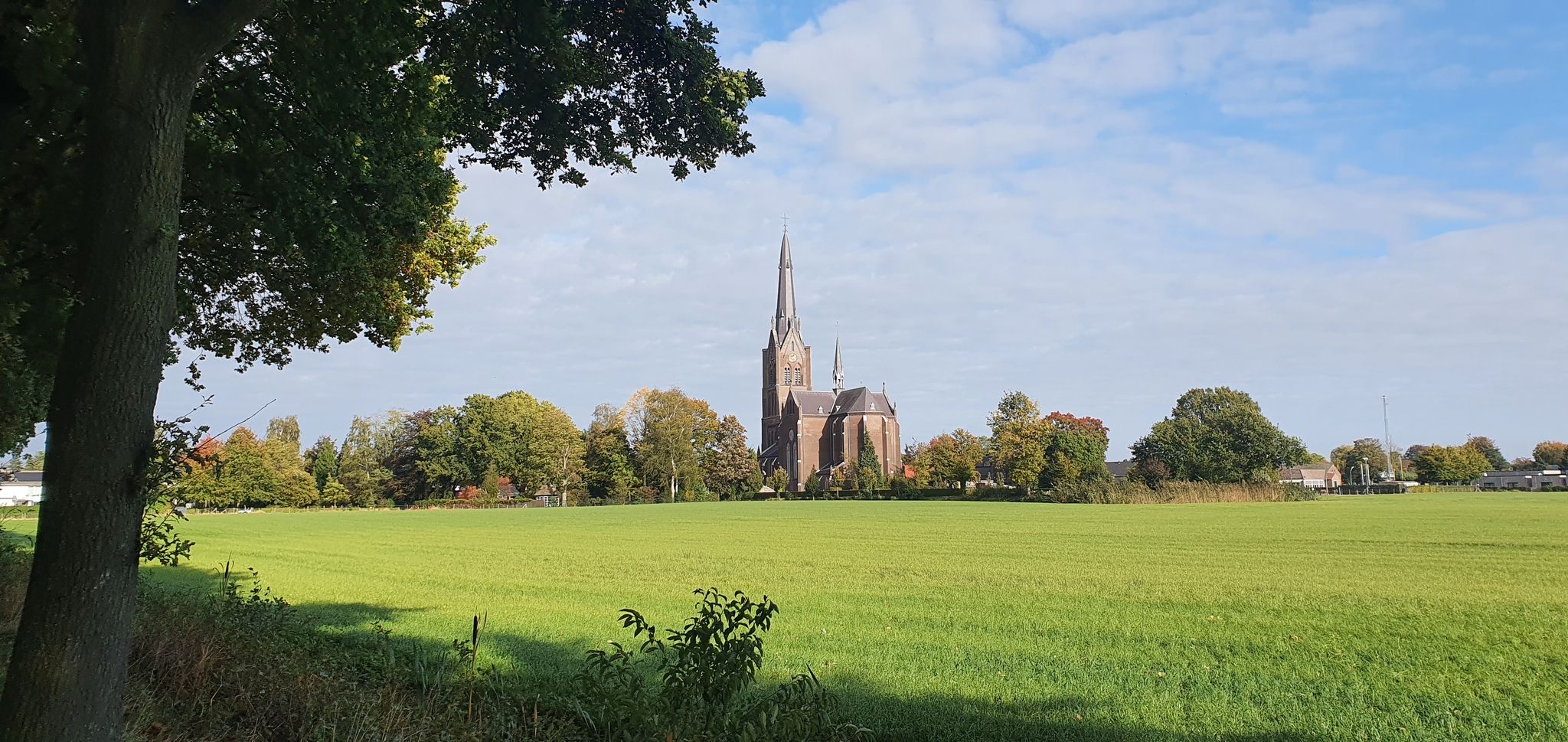
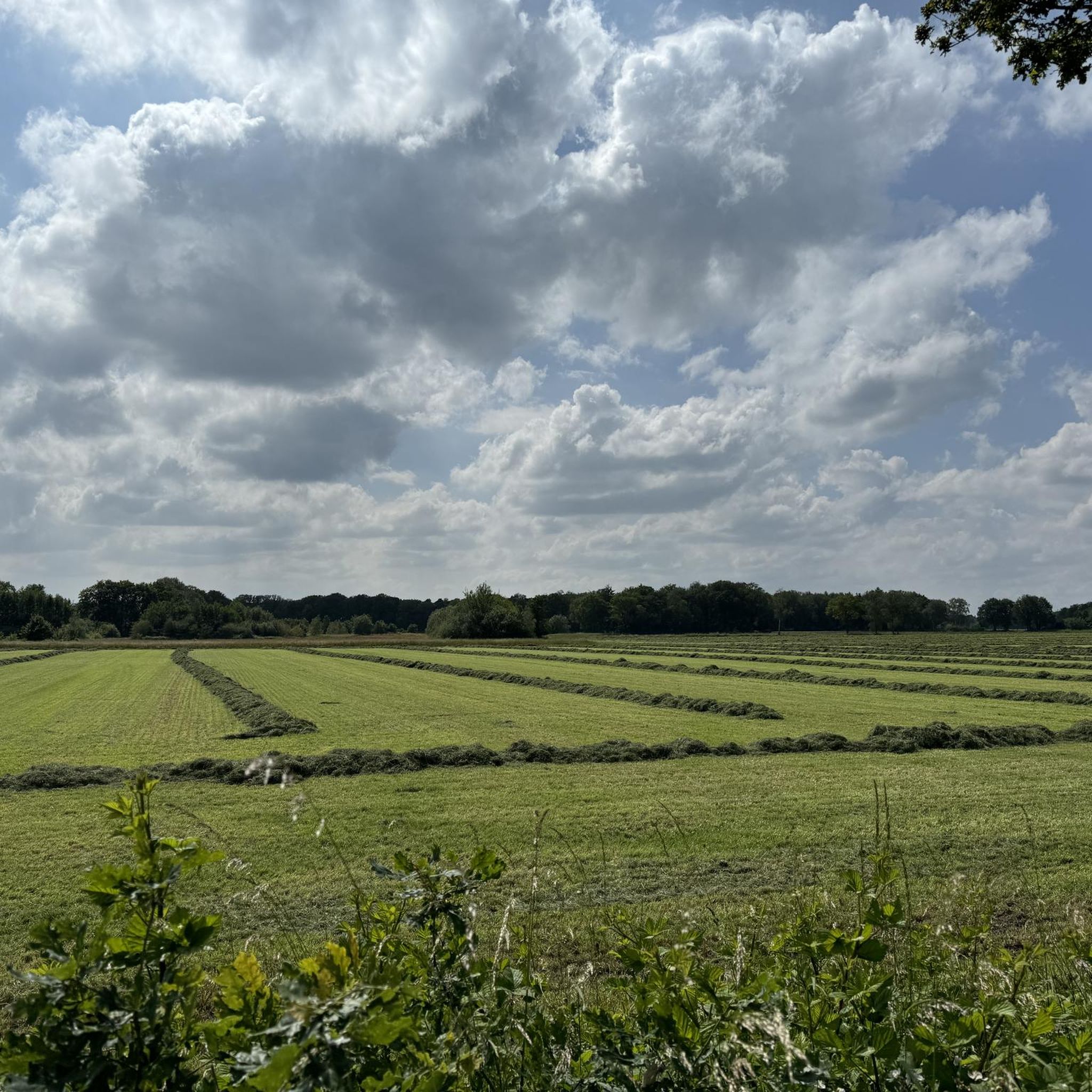
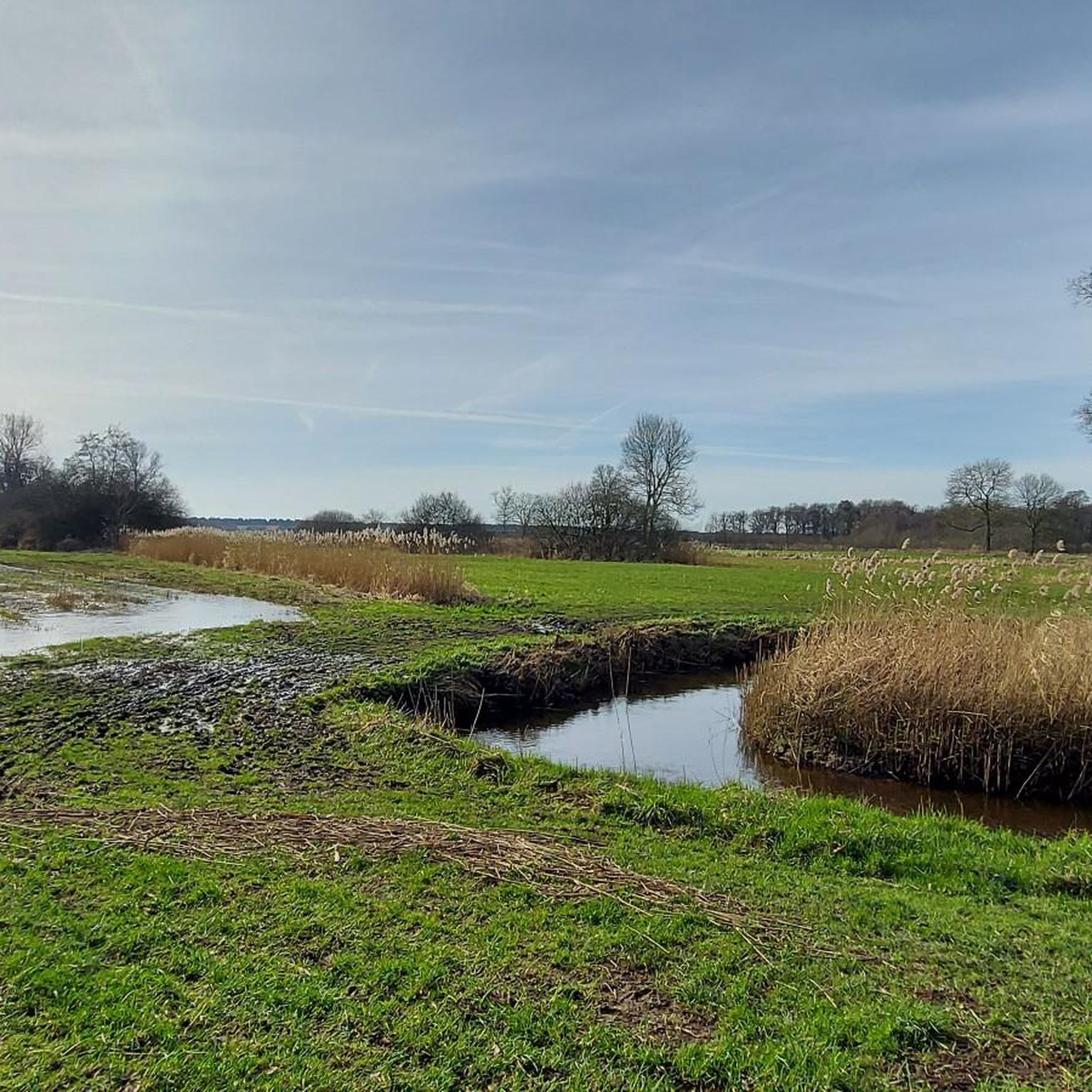
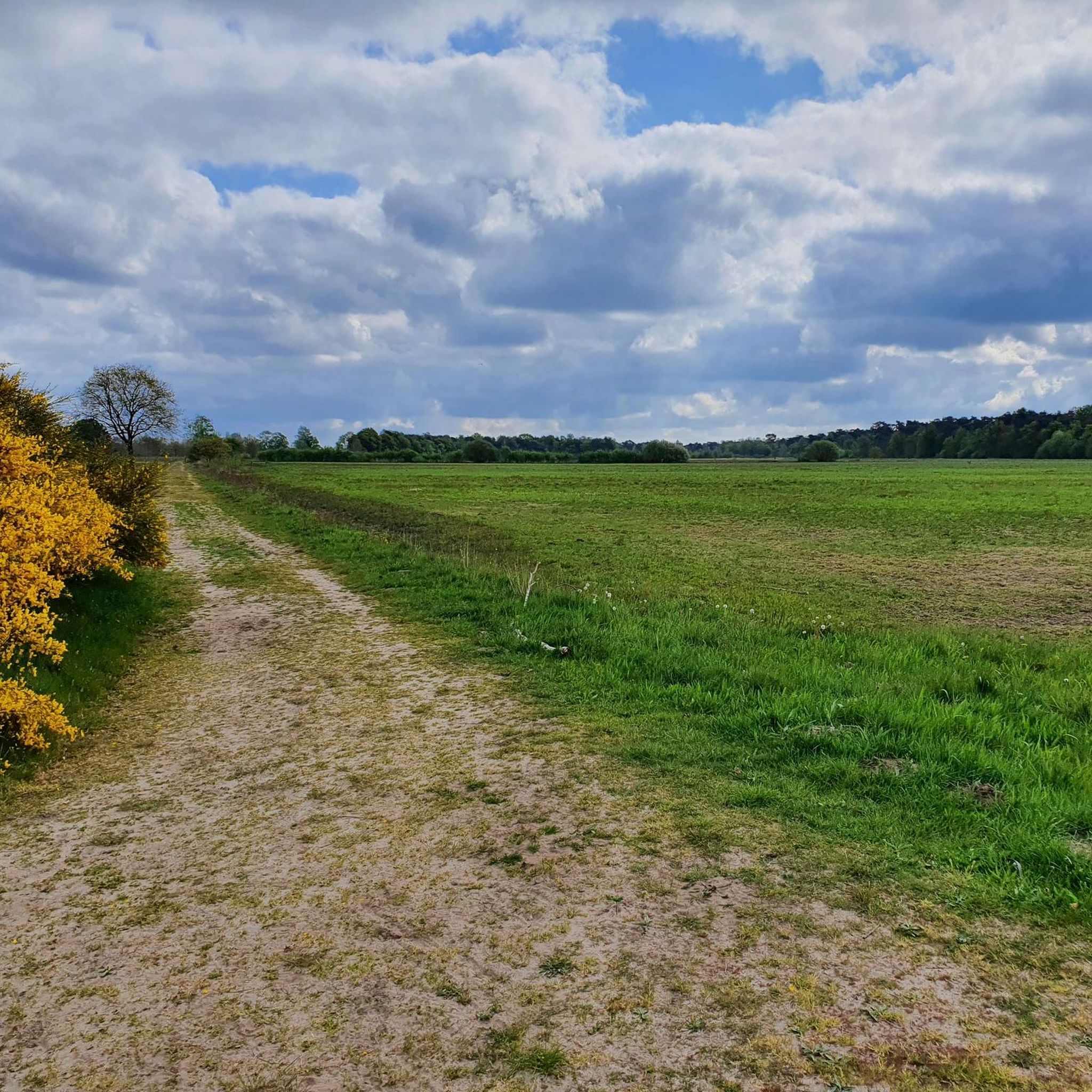
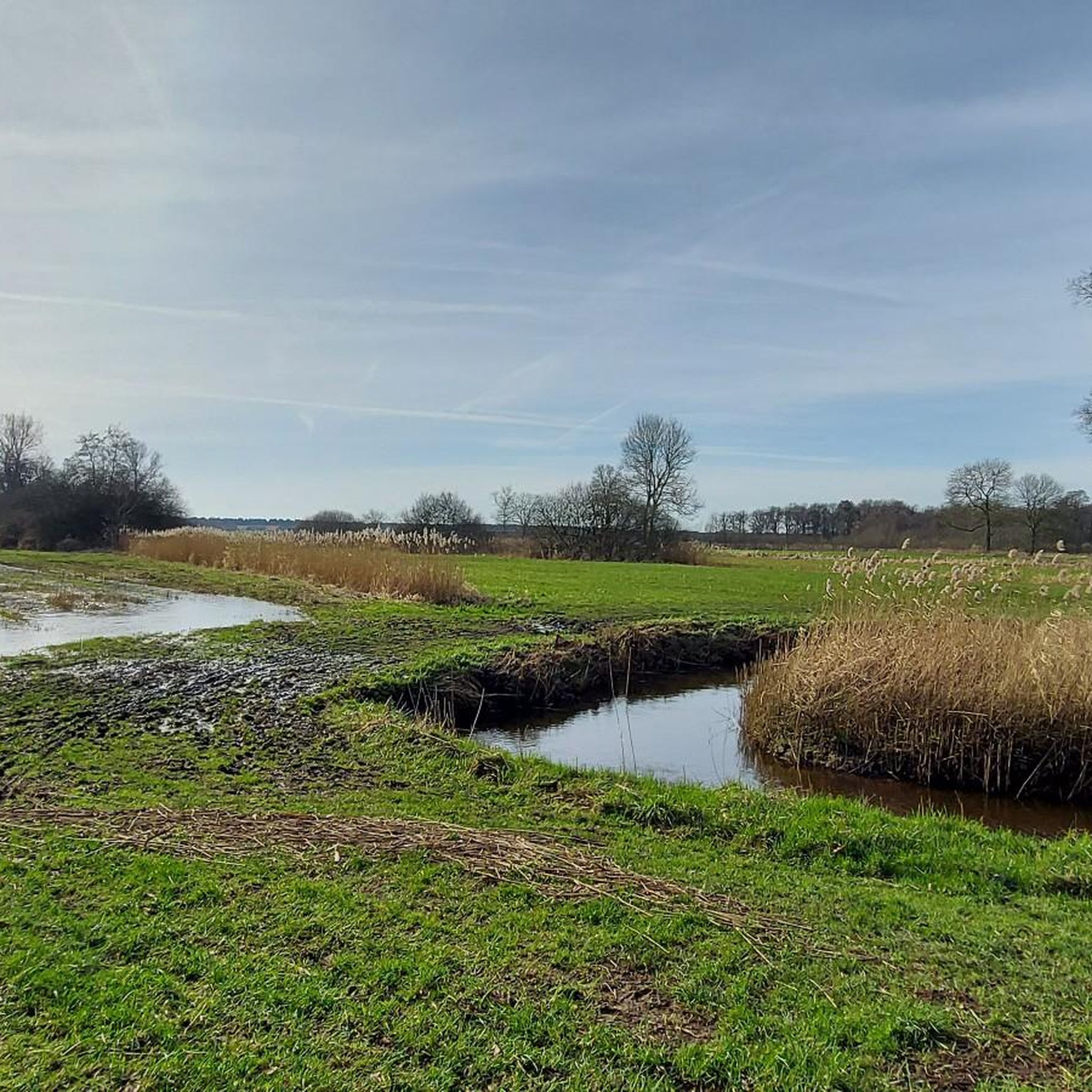
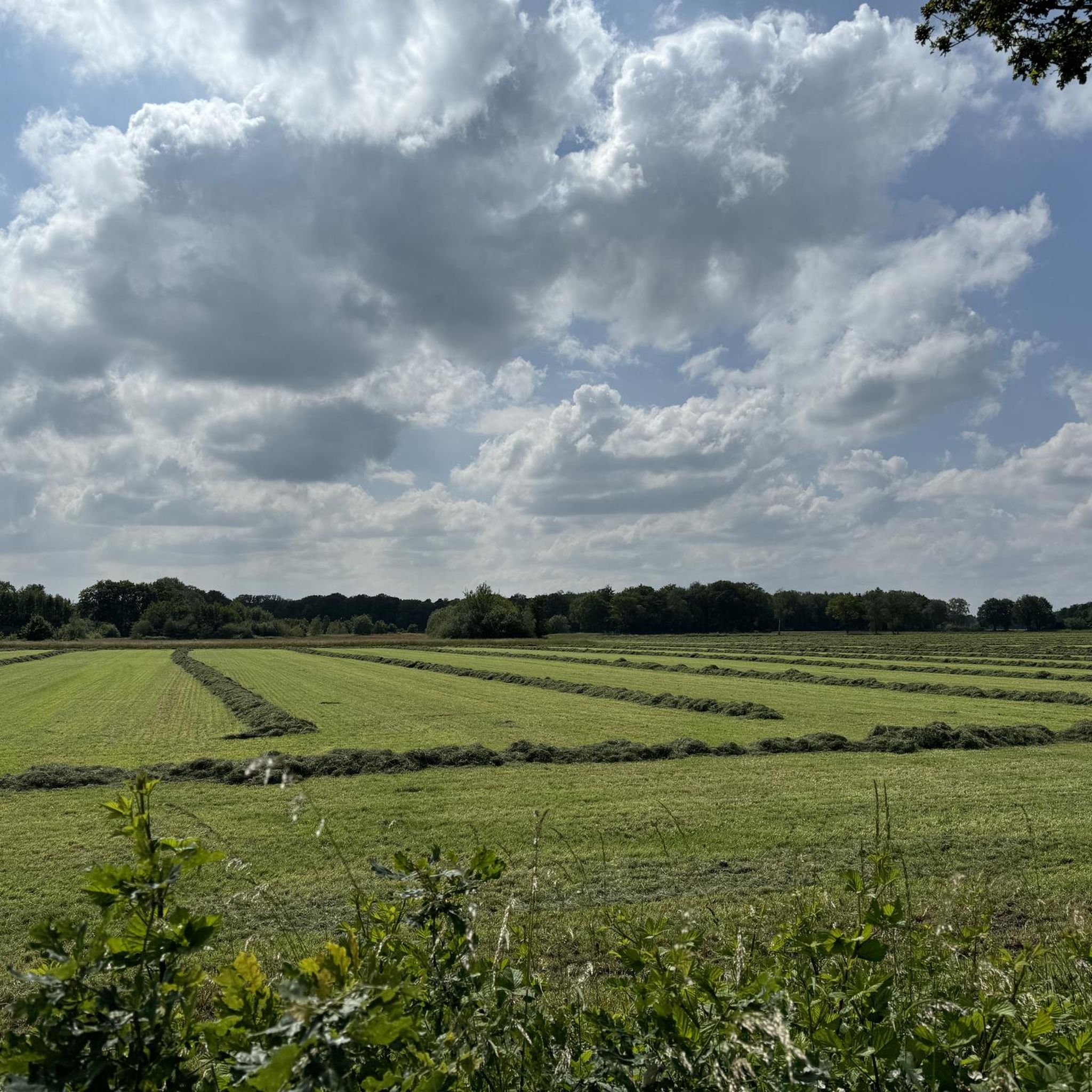
Other adventures around Baarle-Nassau

Tips from the Community

Nice flow in the long black, has some technical parts and along the way you can also take the extra technical red route.
0
0

Generations of castle lords and the village community have cared for the magnificent heritage we have today. We must cherish this legacy with care. Everyone has a responsibility in this regard: the government, the owners, and certainly also the visitors. We all want to safeguard this for future generations. VORSELAAR: Proposal to protect the castle "de Borrekens", the rectory, the immediate surroundings of the castle, and the linden avenue as a village landmark. The castle was built in the thirteenth century as a military fortification for the Duke of Brabant, granted as a fief to the Lord Van Rotselaer. The latter gave the fortification, which had the character of a moated castle, the ground plan that can still largely be seen today. Little is known about its evolution since the thirteenth century. The castle is depicted in a print by Ertinger in the second half of the seventeenth century and published by Jacques Le Roy. This shows that the current castle's core still largely reflects this condition. The building's military character was lost in the eighteenth century, and it was converted into a "house of pleasure." This involved the demolition of several surrounding walls and defensive towers, and the moat separating the forecourt from the castle was filled in. Simultaneously or shortly before, several embellishments were carried out on the castle, with J.P. van Baurscheit as the architect. The buildings in the forecourt were constructed during the same period. In the 1850s and 1860s, restoration work was carried out in keeping with the fashion of the time. Several dormers, stepped gables, fireplaces, turrets, and battlements were added in the Neo-Gothic style. The interior was also altered during this period and in the same style. Although this renovation significantly altered the castle's appearance, the renovation itself is remarkable as a testament to the Neo-Gothic style that emerged in our region around 1850.
0
0

A silent witness to the history of the Wortel Colony. This former prison recalls the strictly regulated living and working conditions of the colony, where the poor and vagrants were housed and forced into labor. Stroll past this historic building and experience the special atmosphere of a place that once shaped the daily lives of many.
3
0

Former vagrant colony, a beautiful large domain with many avenues.
4
0

Seeing this amazing moated castle on site was one of the highlights of the day. We were lucky that the sun was shining on the castle at just the right moment, so it looked really picturesque. The castle is far enough away from the forest, and the moat is wide enough, that it is not unlikely that you will be able to enjoy this. You can also drive behind the castle, but the prettier side is the front and left side.
2
0

Recreation Park 't Zand has varied mountain bike trails that meander through the landscape and take you past some of the most beautiful spots in the area. The trails are well marked and suitable for different levels. For the more adventurous mountain bikers there are challenging sections with hills, muddy trails, and winding sections that require technical skills. The trails offer a perfect combination of flow and technical challenges.
0
0

Tilburg - Turnhout railway line, popularly known as the Bels Line, was a railway line between Tilburg and Turnhout. North of Baarle-Nassau Grens station, this formed the Dutch part of Railway Line 29. Since 1990, a cycle path has been constructed on the Bels Line route. Stations The railway line between Tilburg and Turnhout had seven stations: Tilburg (km 31) Riel (km 25) Alphen (km 18) Baarle-Nassau (km 13) Baarle-Nassau Grens (km 9) Weelde (km 8) Turnhout (km 0) There was also a branch to Goirle for freight trains. History Until 1865, the entire area between Turnhout and Baarle-Nassau was characterised by vast heathlands. In that year, construction of the railway line between Turnhout and Tilburg was started and the Weelde-Merksplas station (south of the Steenweg op Zondereigen) was built. The railway line was built and operated by the "Grand Central Belge (GCB)", which is why the railway line was popularly called the "Bels lijntje" in the (North Brabant) vernacular.
2
0
Tilburg - Turnhout railway line, popularly known as the Bels Line, was a railway line between Tilburg and Turnhout. North of Baarle-Nassau Grens station, this formed the Dutch part of Railway Line 29. Since 1990, a cycle path has been constructed on the Bels Line route. Stations The railway line between Tilburg and Turnhout had seven stations: Tilburg (km 31) Riel (km 25) Alphen (km 18) Baarle-Nassau (km 13) Baarle-Nassau Grens (km 9) Weelde (km 8) Turnhout (km 0) There was also a branch to Goirle for freight trains. History Until 1865, the entire area between Turnhout and Baarle-Nassau was characterised by vast heathlands. In that year, construction of the railway line between Turnhout and Tilburg was started and the Weelde-Merksplas station (south of the Steenweg op Zondereigen) was built. The railway line was built and operated by the "Grand Central Belge (GCB)", which is why the railway line was popularly called the "Bels lijntje" in the (North Brabant) vernacular.
0
0
Frequently Asked Questions
What kind of terrain can I expect on gravel bike trails around Baarle-Nassau?
Gravel biking around Baarle-Nassau offers a diverse landscape. You'll encounter a mix of well-maintained gravel paths, shaded forest tracks, and some more technical wooded sections. Routes often traverse agricultural lands, lush forests, and extended heathlands, with some winding past canals and rivers. The unique border situation means you'll frequently cross between Dutch and Belgian enclaves, adding to the varied experience.
How many gravel bike trails are available in Baarle-Nassau?
There are over 100 gravel bike trails available around Baarle-Nassau on komoot, catering to various skill levels. This includes 20 easy routes, 72 moderate routes, and 27 difficult routes, ensuring options for everyone from beginners to experienced riders.
Are there routes suitable for beginners or those looking for an easy ride?
Yes, Baarle-Nassau offers several easy gravel biking options. For instance, the Alpe d'Baol (N639) – Gate of Baarle loop from Baarle-Hertog is an easy 14.9-mile (23.9 km) route that provides a pleasant ride with minimal elevation gain.
What makes gravel biking in Baarle-Nassau unique?
The most unique aspect is the intricate border situation between Baarle-Nassau (Netherlands) and Baarle-Hertog (Belgium). Many routes frequently cross between the two countries, sometimes multiple times on a single ride, offering a fascinating cultural and historical dimension. This allows for discoveries of different architectural styles and local nuances within a short distance, alongside diverse natural environments.
Are there any specific natural features or viewpoints to look out for on the trails?
Yes, routes often wind past meandering rivers and along canals like the Antitankgracht, which is now a significant nature connection area. You can also explore areas like Recreational Park 't Zand. For birdwatching, consider visiting the Tapsmoer Bird Hide or the Het Blak bird hide, which are accessible from some routes.
Can I bring my dog on gravel bike trails in Baarle-Nassau?
While many outdoor areas in the Netherlands and Belgium are dog-friendly, specific rules can vary by nature reserve or park. It's generally advisable to keep dogs on a leash, especially in areas with wildlife or livestock. Always check local signage for specific regulations along your chosen route.
Are there family-friendly gravel biking options in Baarle-Nassau?
Yes, with 20 easy routes available, there are plenty of family-friendly options. The varied terrain, including well-maintained gravel paths through forests and agricultural lands, makes it enjoyable for different ages and skill levels. Shorter, flatter loops are ideal for families with younger riders.
What are the parking options for gravel biking in Baarle-Nassau?
Baarle-Nassau, being a popular cycling destination, offers various parking options, especially near village centers and trailheads. Many routes start from easily accessible points in Baarle-Nassau or Baarle-Hertog, where public parking is typically available. Always look for designated parking areas to ensure convenience and compliance with local regulations.
Is public transport available to reach the gravel biking areas?
Baarle-Nassau is accessible by public transport, primarily buses connecting to larger train stations in the region, such as Tilburg or Breda in the Netherlands, or Turnhout in Belgium. From these hubs, you can take a bus directly to Baarle-Nassau. Check local bus schedules for the most up-to-date information on routes and timings.
Are there any circular gravel bike routes?
Yes, many of the gravel bike routes in Baarle-Nassau are designed as loops, allowing you to start and end at the same point. For example, the Recreational Park 't Zand – Recreational Lake 't Zand loop from Baarle-Hertog is a popular circular route that explores a recreational park and lake area.
When is the best time of year to go gravel biking in Baarle-Nassau?
The best time for gravel biking in Baarle-Nassau is generally from spring through autumn (April to October). During these months, the weather is typically mild and pleasant, with less rain and comfortable temperatures. Spring offers blooming landscapes, while autumn provides beautiful foliage. Winter riding is possible, but trails can be muddier and temperatures colder.
What do other gravel bikers enjoy most about the trails in Baarle-Nassau?
The gravel biking routes in Baarle-Nassau are highly rated by the komoot community, with an average score of 4.4 stars from over 140 reviews. Reviewers often praise the diverse terrain, the unique experience of crossing international borders, and the well-maintained gravel paths that lead through forests, heathlands, and agricultural areas.
Are there any challenging long-distance gravel routes in the area?
Yes, for experienced riders seeking a challenge, there are several difficult long-distance routes. The Bels Lijntje – Double track along the forest loop from Ulicoten is a demanding 60.0-mile (96.6 km) path that follows a former railway line through extensive forest sections. Another challenging option is the Anti-tank canal – Zoerselbos Gravel Trail loop from Hoogstraten, which covers over 100 km.
Most popular routes around Baarle-Nassau
Most popular attractions around Baarle-Nassau

Get inspired with the komoot mobile app


Explore more
Browse the best Gravel rides in other regions.
