Top 20 Lakes around Roosendaal
Best lakes around Roosendaal are found in the nearby Grenspark Kalmthoutse Heide, a cross-border nature reserve. While Roosendaal itself does not feature large natural lakes, the surrounding region offers significant natural water bodies. These areas provide opportunities for nature appreciation, hiking, and birdwatching within a diverse landscape of heathlands, fens, and forests. The region is recognized for its ecological value, protecting various plant and animal species.
Best lakes around Roosendaal
- The most popular lakes is Putse Moer, a lake that is a marshy area with multiple ponds located partly on Dutch and Belgian territory. It is known for its natural beauty and accessible paths for paddling from a walk-in beach.
- Another must-see spot is Swallow Lake, a large fen within the Kalmthoutse Heide Border Park. This lake provides a habitat for various plant and animal species, making it an attractive location for waterfowl and birdwatchers.
- Visitors also love Stappersven Observation Platform, a viewpoint offering panoramic views of the Stappersven, a large heathland fen. This platform allows for better observation of water birds and the surrounding open and semi-open landscapes.
- Roosendaal is known for fens, marshlands, and heathland lakes. These areas offer a variety of natural landscapes to explore, from open fens to forested shores.
- The lakes around Roosendaal are appreciated by the komoot community, with more than 400 upvotes and over 200 photos shared by visitors.
Last updated: May 19, 2026
Putse Moer
Highlight (Segment) • Lake
Translated by Google •
Tip by

Pannenhoef Nature Reserve
Highlight • Forest
Translated by Google •
Tip by

Sign up now to discover places like this
Get recommendations on the best single tracks, peaks, & plenty of other exciting outdoor places.
Sign up for free
Stappersven Observation Platform
Highlight • Viewpoint
Translated by Google •
Tip by
Swallow Lake
Highlight • Lake
Translated by Google •
Tip by

Stappersven
Highlight • Lake
Translated by Google •
Tip by

Sign up for free to discover even more lakes around Roosendaal.
Sign up for free
Already have an account?
Start today with a free account
Your next adventure awaits.
Login or Signup
Popular around Roosendaal
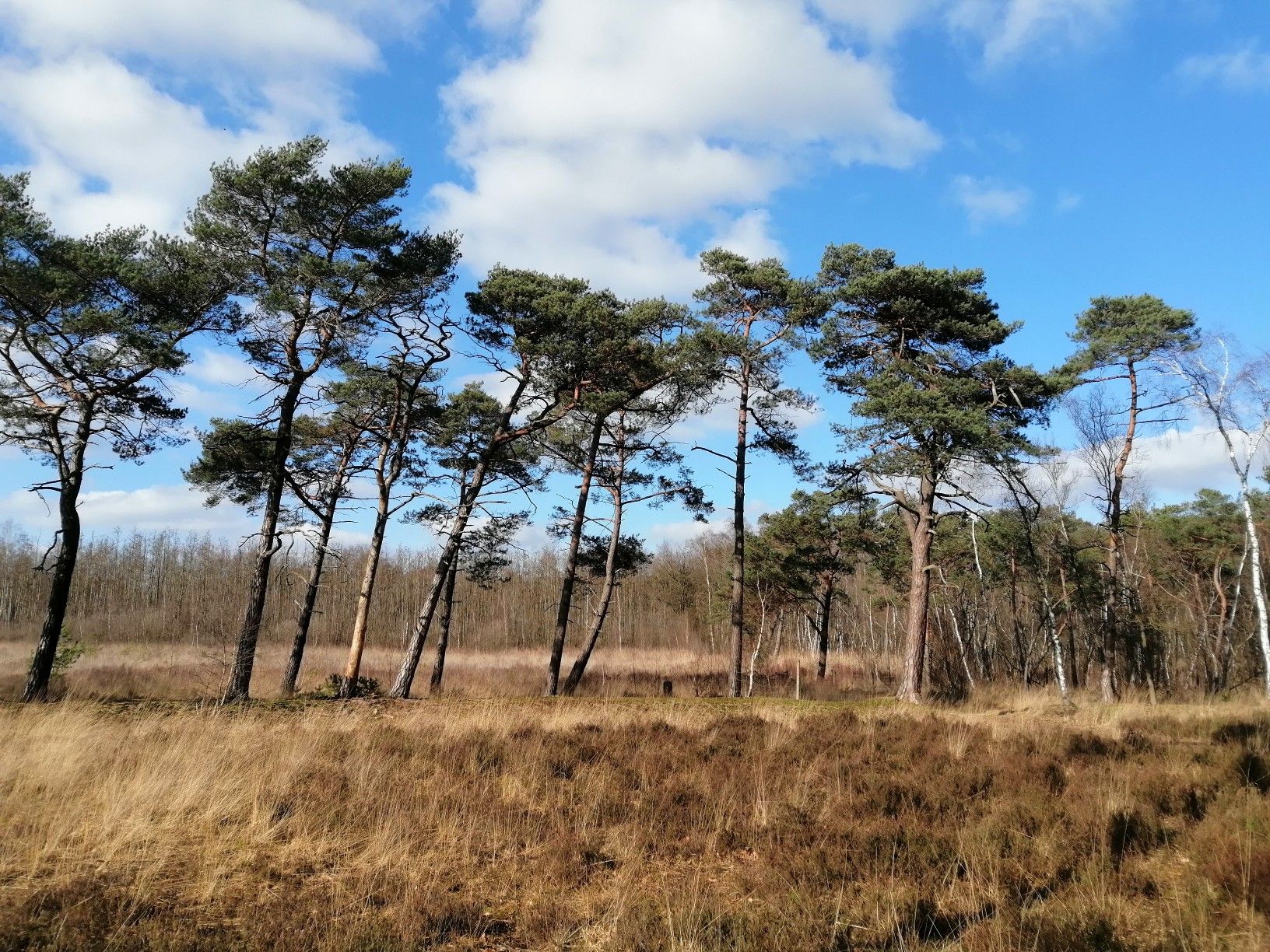
From Flanders to the Ardennes — GR 5 in Belgium
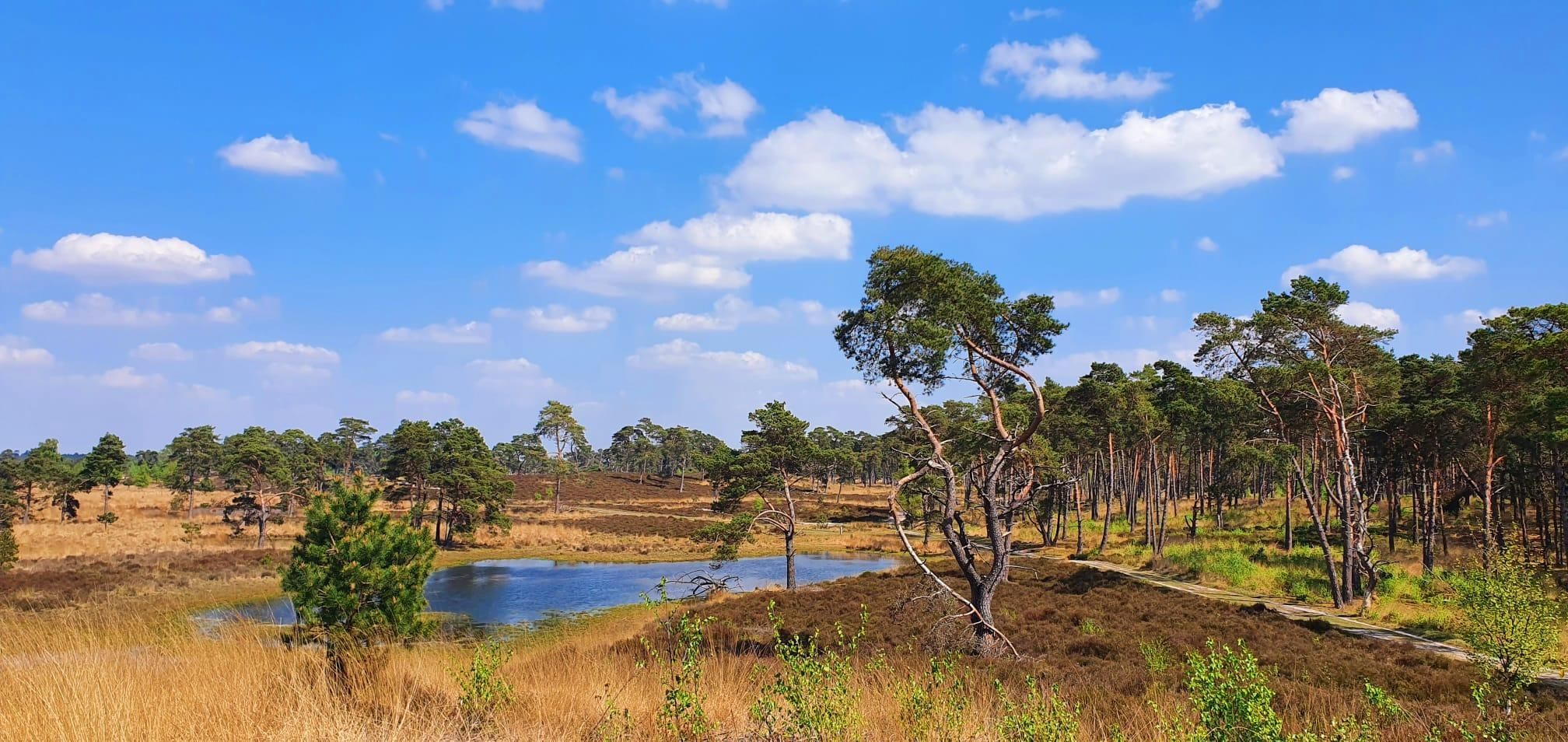
Crossing provincial borders - The Brabantse Walpad
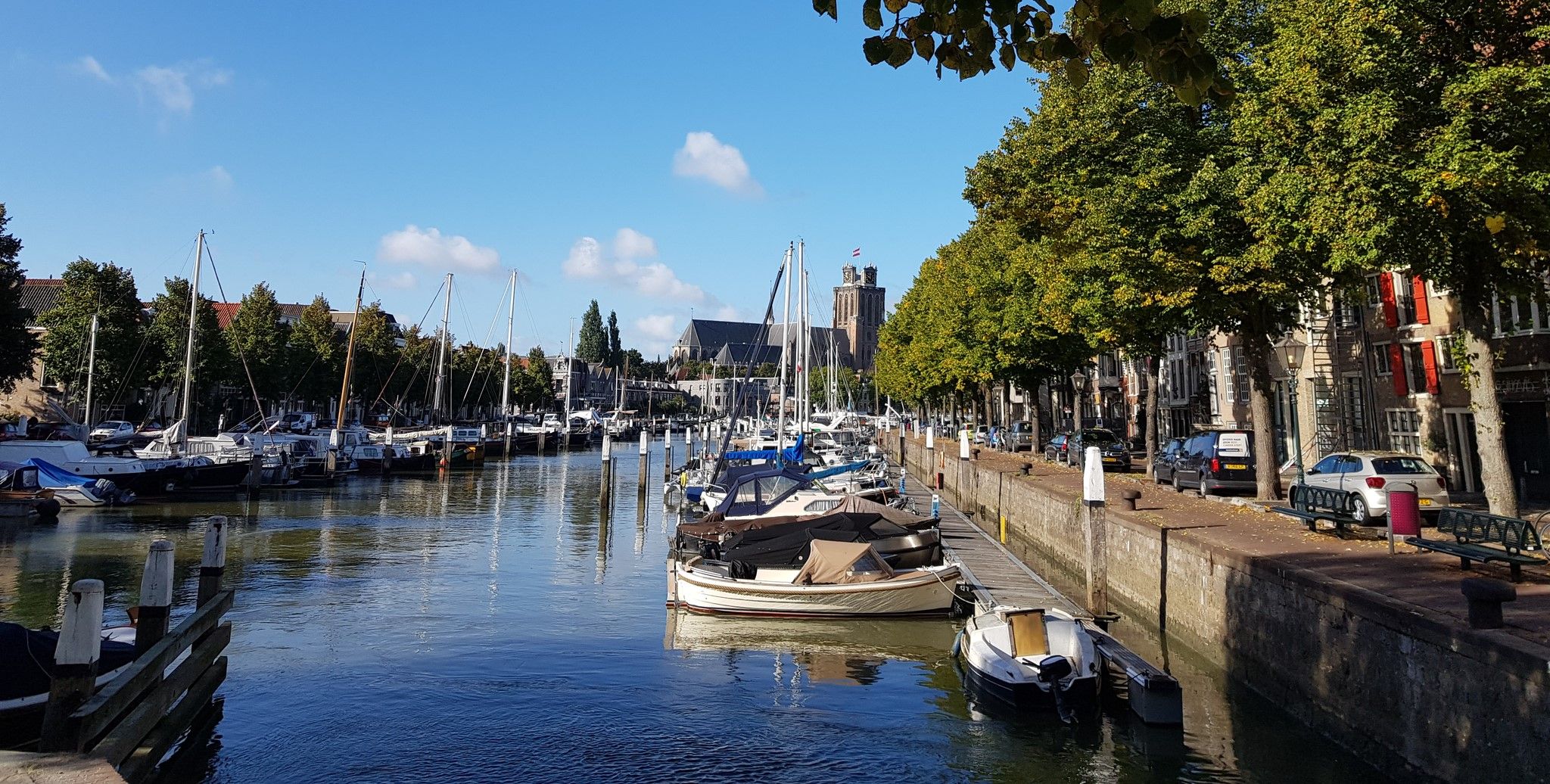
From canals to the Grote Markt – Stedenroute (City Route)
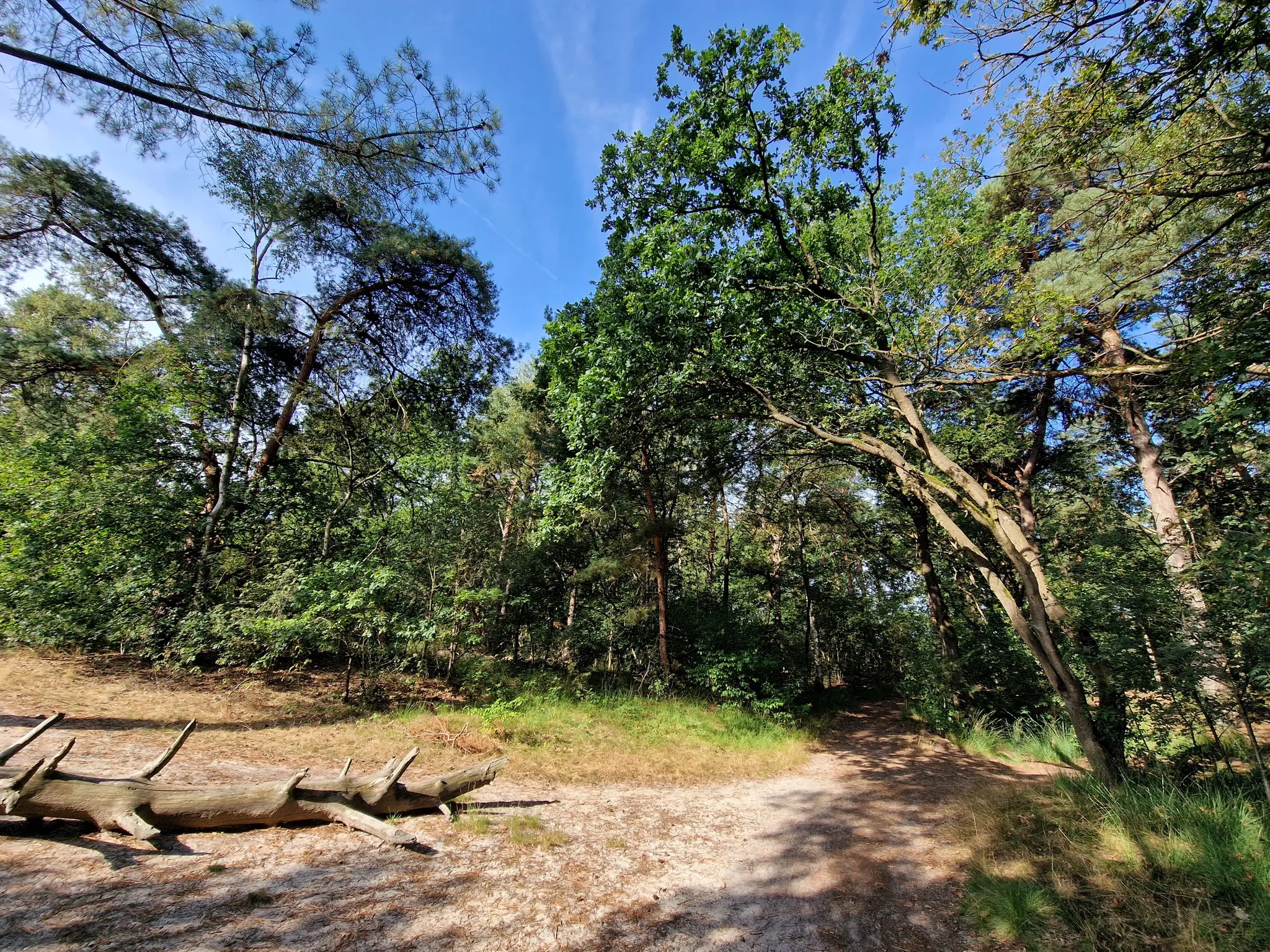
Along the border between the Netherlands and Belgium – the Grenslandpad
Hiking around Roosendaal
Road Cycling Routes around Roosendaal
Cycling around Roosendaal
Running Trails around Roosendaal
MTB Trails around Roosendaal

Gravel biking around Roosendaal
Other adventures around Roosendaal


Tips from the Community

After having to sprint through the berms and switchbacks, this section allows you to rest
0
0

Forest, fens and flowery meadows characterise the Pannenhoef, a beautiful nature reserve between Etten-Leur, Zundert, Rijsbergen and Sprundel, which is no less than 706 hectares in size. Originally, a kind of mini-Peel was located here. The entire peat package was dug away in a few centuries, between 1400 and 1750. In dried form - peat - it went to the cities via peat canals, as fuel for households and breweries. The most famous is the 'Turfvaart' that runs to Breda. What remained was a hilly heath with fens in the hollows. There was little to be gained there and so in the 19th century the area was developed into forest and agricultural land. Walking through varied forest and flowery meadow When Brabants Landschap bought this area in 1970, it was boring with few natural values: fertilised agricultural land, young uniform coniferous forest and no more fens. Little life to be seen. After 40 years, that image has changed completely: attractive mixed forest and no less than 11 fens have been dug up again. With that, rare plants came back, such as the heath serpent and marsh stag's-wort. And amphibians such as the pool and moor frog. The forests are home to mammals, such as the polecat and roe deer and birds such as the green woodpecker and buzzard.
5
0

The Zwaluwmeer is one of the striking features of the Kalmthoutse Heide Border Park. It is a large fen in the nature reserve, along heathlands and forests. This lake was created as a result of previous peat mining in the area. The Zwaluwmeer is an important part of the natural environment in the park and provides a habitat for various plant and animal species. The lake itself is submerged by reeds and aquatic plants, making it an attractive place for waterfowl, such as ducks, grebes and sometimes even rarer species. It is also a great location for birdwatchers to observe birds, especially during the migration seasons when migratory birds visit the area. Zwaluwmeer is often a peaceful and quiet place, ideal for nature lovers who want to enjoy the serene environment and the beauty of nature. It is a great place to walk, take photographs and relax while enjoying the serene nature in the Kalmthoutse Heide Border Park. #WandelTotaal
6
1

A nature reserve that is worth walking in every season.
5
0


The Putse Moer is a swampy area northeast of Putte and west of Kalmthout, which is partly on Dutch and partly on Belgian territory.
10
0
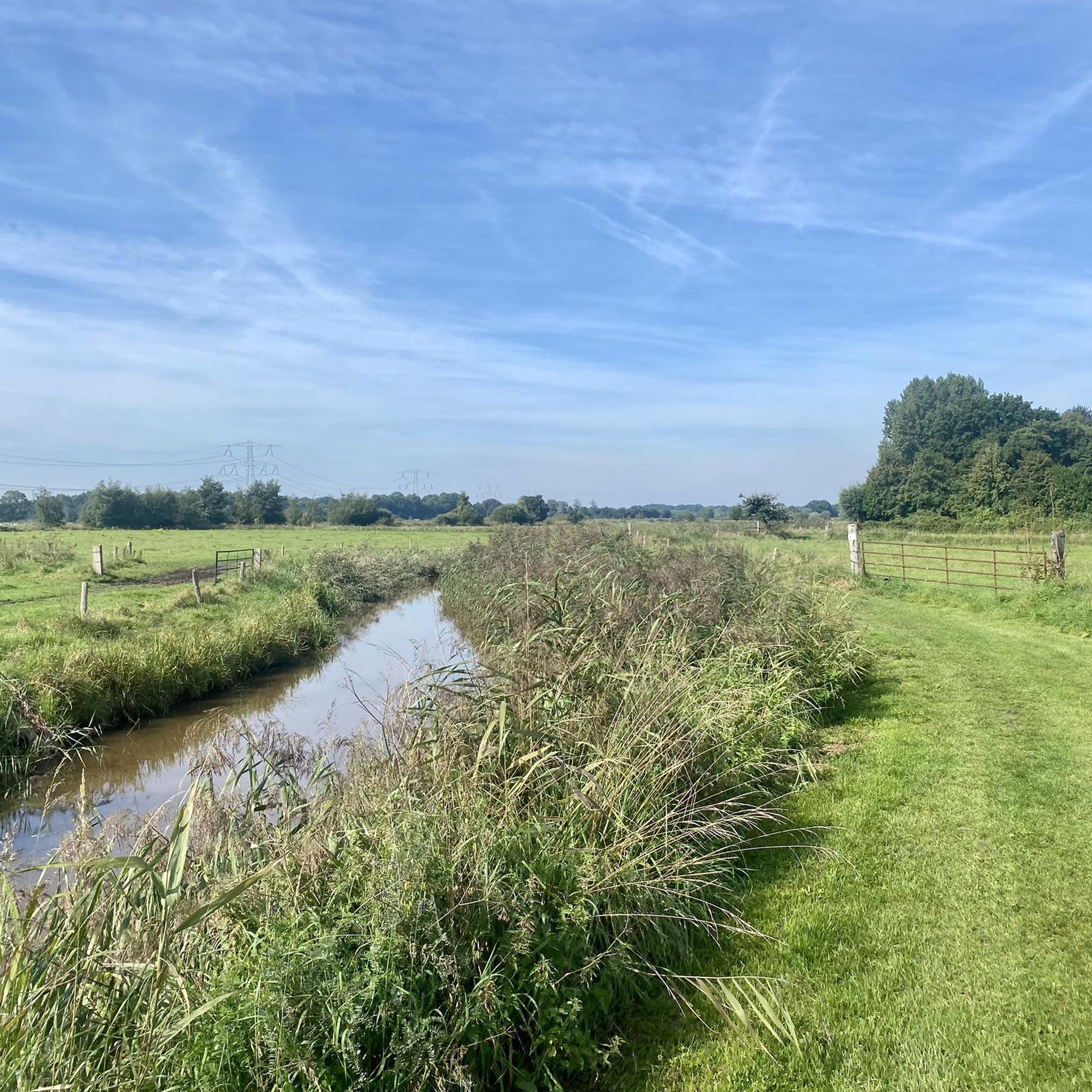
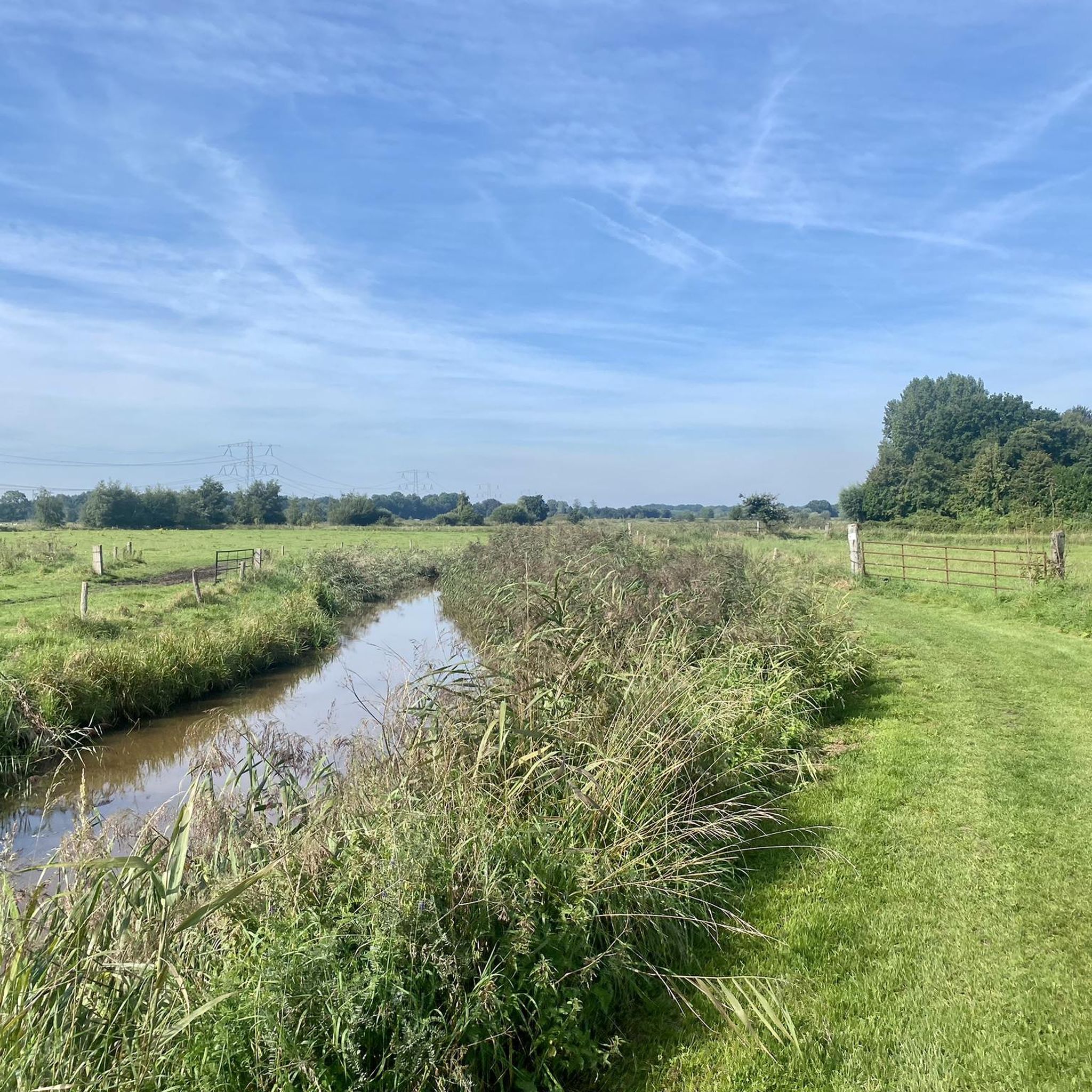
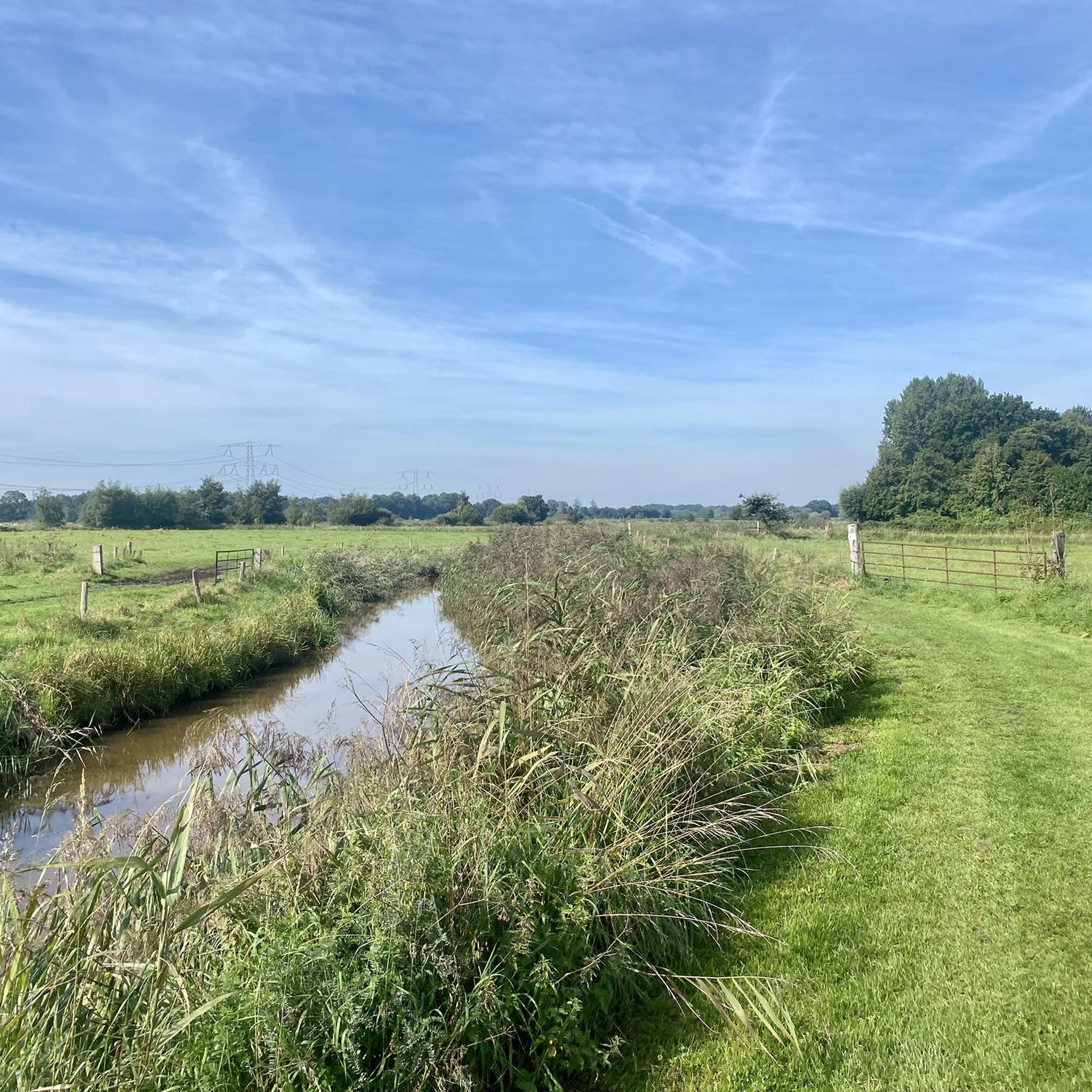
One of the many beautiful ponds on the heath...
18
0
Frequently Asked Questions
Where are the main lakes located near Roosendaal?
While Roosendaal itself doesn't have large natural lakes, the most significant natural water bodies are found in the nearby Grenspark Kalmthoutse Heide, a cross-border nature reserve. These include areas like Stappersven and Putse Moer.
What kind of natural features can I expect to see at the lakes near Roosendaal?
The region is characterized by diverse natural landscapes, including extensive heathlands, fens, marshy areas with multiple ponds, and surrounding forests and dunes. You can find open and semi-open landscapes, peat bogs, and structure-rich oak-birch forests.
Are there any family-friendly lake areas around Roosendaal?
Yes, several areas are considered family-friendly. Putse Moer offers accessible paths for paddling from a walk-in beach. The Swallow Lake area and the Stappersven Observation Platform are also suitable for families, providing opportunities for nature observation and easy walks.
What outdoor activities can I do near these lakes?
The areas around the lakes offer excellent opportunities for nature appreciation, hiking, and birdwatching. You can also find various cycling and mountain biking routes nearby. For example, there are many cycling routes and MTB trails that explore the wider region around Roosendaal.
What is special about Stappersven?
Stappersven is a beautiful and extensive heathland fen, considered one of the largest in Flanders. It's known for its wide-open landscapes, heath, fens, and surrounding forests. A new observation tower provides panoramic views and is excellent for spotting water birds.
What wildlife can I observe at the lakes?
The lakes and fens are vital habitats for various species. Stappersven is an important overwintering ground for birds like grey geese, barnacle geese, ducks, and Bewick's swans. Rare birds like the red-necked grebe can be spotted. The nutrient-poor fens also host dragonflies, damselflies, natterjack toads, and palmate newts. The Swallow Lake is particularly attractive for waterfowl and birdwatchers.
Is Putse Moer accessible for visitors?
Putse Moer is a marshy area with portions on both Dutch and Belgian territory. While a significant part is private, the section within the Kalmthoutse Heide is accessible for hiking, with paths leading to a walk-in beach suitable for paddling. Efforts are ongoing to enhance its biodiversity.
When is the best time to visit the lakes around Roosendaal?
The lakes and nature reserves are beautiful year-round. Spring and summer offer lush greenery and active wildlife, while autumn provides stunning colors. Winter can be peaceful, especially for birdwatching, as many species overwinter in the fens.
Are there any viewpoints to get a good overview of the lake areas?
Yes, the Stappersven Observation Platform offers excellent panoramic views of the Stappersven fen and the surrounding landscapes, making it ideal for birdwatching and photography.
What do visitors enjoy most about the lakes near Roosendaal?
Visitors appreciate the serene environment and the natural beauty of the fens, heathlands, and forests. Many enjoy the extensive hiking opportunities, the chance to observe diverse wildlife, and the peaceful atmosphere away from urban areas. The accessibility for activities like paddling at Putse Moer is also a highlight.
Are there any specific nature reserves associated with these lakes?
Yes, both Stappersven and Putse Moer are integral parts of the Grenspark Kalmthoutse Heide, which is recognized as an internationally valuable nature reserve within the Natura 2000 network. This network protects rare plants and animals across its diverse ecosystems.
Can I find information about the Pannenhoef Nature Reserve?
The Pannenhoef Nature Reserve is another beautiful and diverse area near Roosendaal, featuring fens, heather, and forests. It's easily accessible by car and bicycle, offering several beautiful walks throughout the year.
Most popular routes around Roosendaal
Most popular attractions around Roosendaal

Get inspired with the komoot mobile app


Explore more
Still not found your perfect lake around Roosendaal? Check out the guides of these regions to see even more beautiful places.
