The best walks and hikes around Zaanstad
4.3
(1080)
8,079
hikers
279
hikes
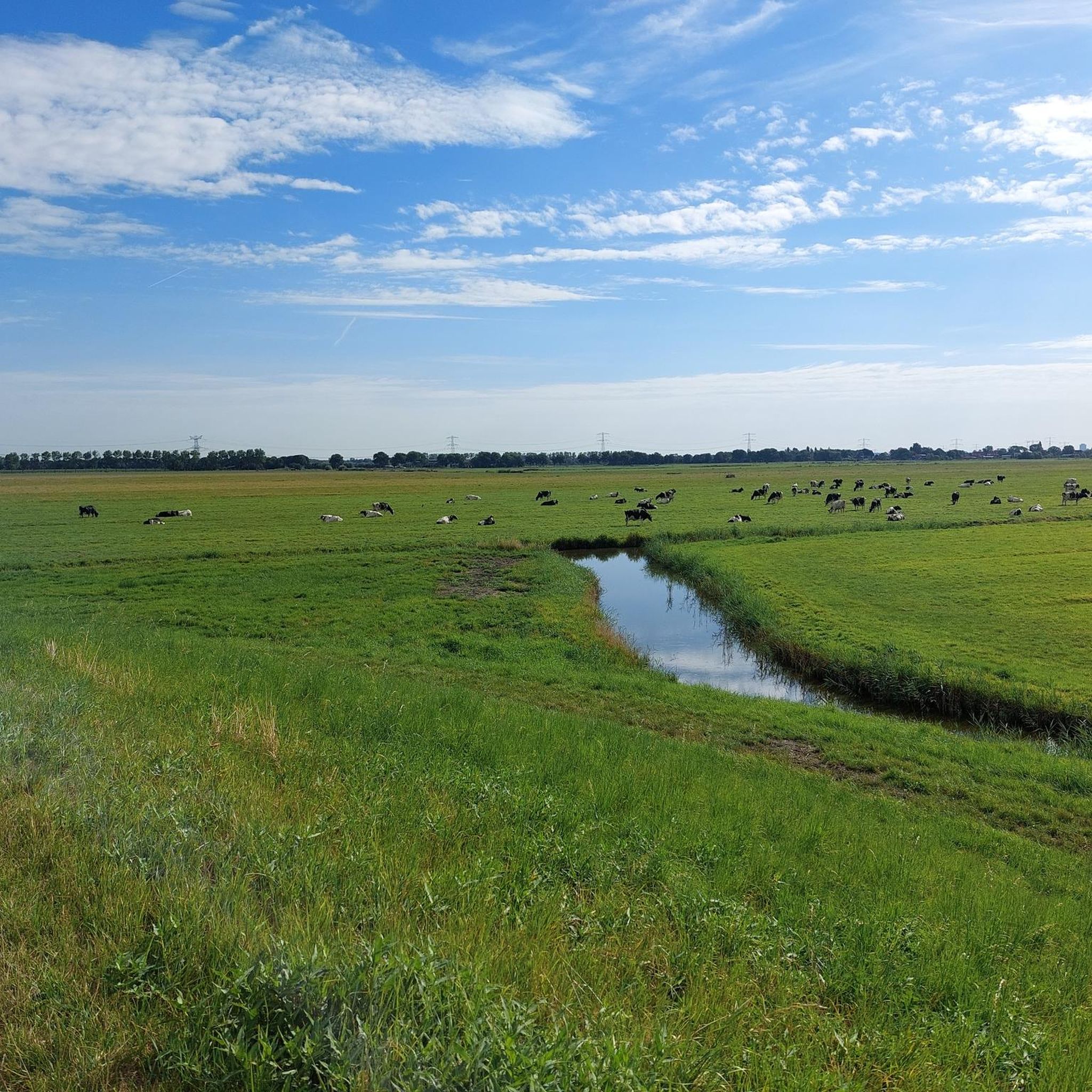
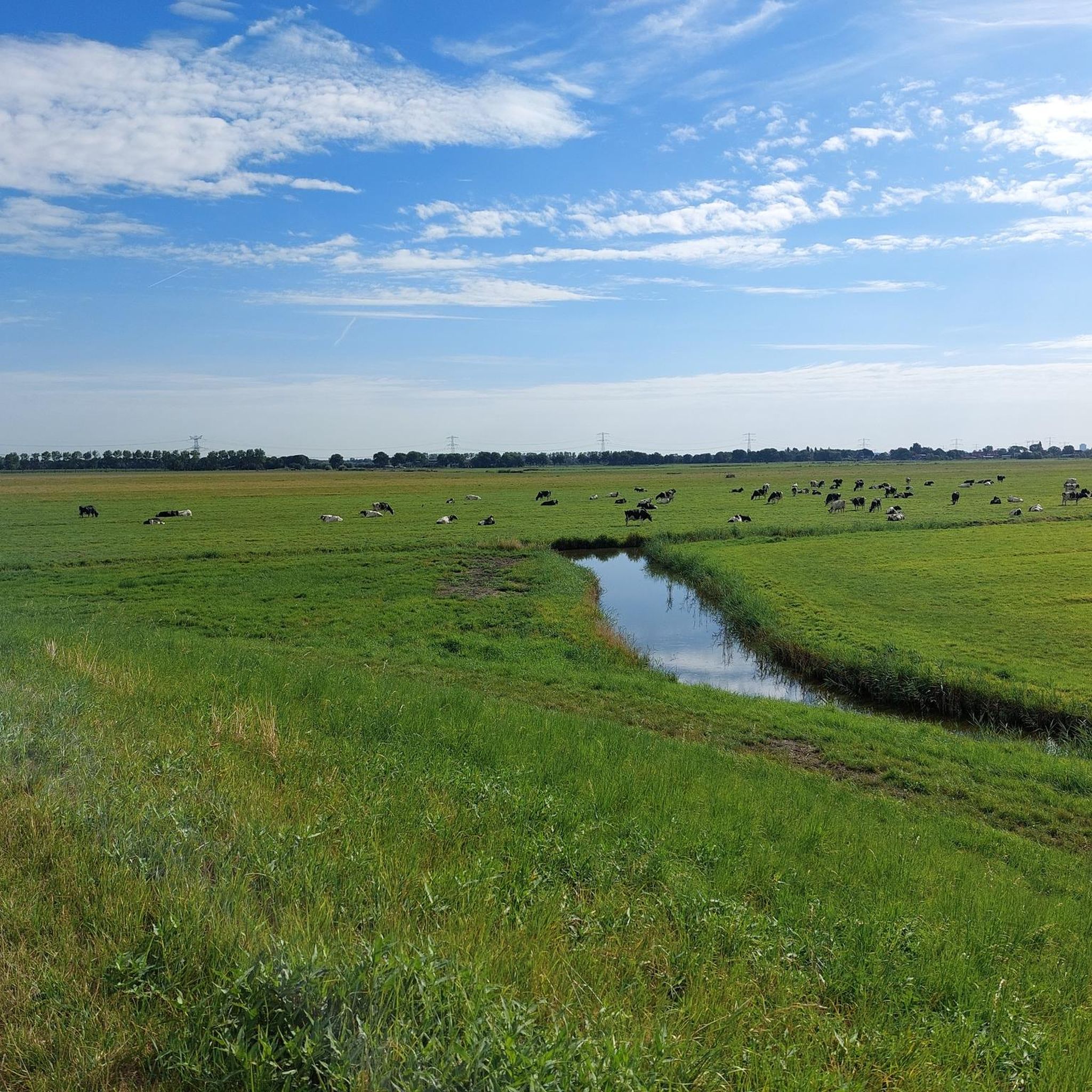
Hiking around Zaanstad offers routes through characteristic Dutch polder landscapes, featuring flat terrain, historic windmills, and a network of canals and rivers. The region is largely low-lying, with minimal elevation changes, making it accessible for various activity levels. Trails often follow waterways and dikes, providing views of traditional architecture and open fields.
Best hiking trails around Zaanstad
- The most popular hiking route is Krommeniedijk Church loop from Wormerveer, a 7.3 miles (11.8 km) trail that takes about 3 hours to complete. This moderate route explores the polder landscape and passes by historic churches.
- Another top favourite among local hikers is Zaanse Schans Windmills – De Bonte Hen Oil Mill loop from Wormer- en Jisperveld & Kalverpolder, a moderate 5.0 miles (8.1 km) path. This trail offers views of the iconic Zaanse Schans windmills and surrounding nature reserves.
- Local hikers also love the De Bonte Hen Oil Mill – Windmills of Zaanse Schans loop from Zaandijk Zaanse Schans, a 2.8 miles (4.5 km) trail leading through the Zaanse Schans area, often completed in about 1 hour 10 minutes.
- Hiking around Zaanstad is defined by flat polder landscapes, historic windmills, and a network of canals. The extensive network of routes offers options for different ability levels, from easy strolls to longer moderate hikes.
- The routes in Zaanstad are highly rated by the komoot community with an average score of 4.3 stars from almost 1000 reviews. More than 7000 hikers have used komoot to explore Zaanstad's varied terrain.
Last updated: August 19, 2026
4.7
(64)
617
hikers
Hard hike. Very good fitness required. Easily-accessible paths. Suitable for all skill levels.
4.6
(98)
332
hikers
Moderate hike. Good fitness required. Easily-accessible paths. Suitable for all skill levels.

Sign up for free
4.1
(73)
305
hikers
Moderate hike. Good fitness required. Easily-accessible paths. Suitable for all skill levels.
4.2
(29)
457
hikers
Easy hike. Great for any fitness level. Easily-accessible paths. Suitable for all skill levels.
4.3
(36)
146
hikers
Moderate hike. Good fitness required. Easily-accessible paths. Suitable for all skill levels.
Get access to more routes and recommendations from other explorers.
Sign up for free
Already have an account?
Our route recommendations are based on thousands of hikes, rides, and runs completed by other people on komoot.
Start today with a free account
Your next adventure awaits.
Login or Signup



Tips from the Community

Check in advance whether any ferries are closed. At ‘t Schouw (Landsmeer-Ilpendam) this was the case, meaning a considerable detour. As a result, we arrived much later at our destination Holysloot. But that is certainly recommended! What a great experience that was.
0
0


Truly a spectacle with lots of cyclists and hikers who, after arriving, are bustling their way through.
16
0

It's no wonder the windmills of Zaanse Schans are a must-see for anyone visiting the Netherlands, almost always at the top of the to-do list. Along with the windmills of Kindedijk, they are the only place where you can admire these mighty giants from bygone eras up close and in such variety. Unfortunately, this also has its downsides. Mass tourism has long since taken hold. The result? Overcrowded parking lots, high entrance fees, masses of people, crushes, and often long queues at the entrances to the various craft workshops and windmills. A harsh judgment? Perhaps. Especially since we, too, are part of the problem that has found its way here. Zaanse Schans is a mix of kitsch, commercialism, genuine craftsmanship, scenic beauty, and so on. But if you're interested in windmills and prefer a more relaxed experience, you're better off visiting Kinderdijk. It's overrun with tourists. 🏠 ... 🏠 🏠 We recommend that everyone... 1. Book your admission ticket for the windmill museums in advance online. This will save you from long queues. 2. Be sure to check the opening hours/days of the individual windmills online. They are not always all open and operating at the same time. 3. Choose your visit day carefully. Weekends are a nightmare. If the weather is nice, the trip will be a disaster. During the week, or in less than ideal weather, it's not nearly as crowded. 4. As is typical for such destinations, parking is scarce. It quickly becomes a chaotic mess of arriving cars searching for a parking spot. 5. Bringing your own food in a backpack is a good idea. Everything has its price, and there are no food stalls further along the windmill trail. Having enough to drink is invaluable. 6. At the end of the day, when everyone wants to go home, there's a long queue for the toilets near the entrance. Everyone has to go one last time before heading home! The barcode on the entry ticket has to be scanned before the barrier lets you into the restroom. Unfortunately, the system doesn't work perfectly, which can be frustrating, especially for parents with children. So it's best to plan your bathroom break a little earlier rather than right before closing time. By the way, as far as we know, there's only this one restroom facility near the entrance!
0
0

Even from the bridge, you have a fantastic view of the windmills. Even more wonderful is the delicious smell of chocolate in the air during your visit.
1
0

Attention: In 2025 the ferry will only run Thursday to Sunday in summer - according to the notice
0
0

The National Monument on the Dam is an unmistakable landmark of the square. This striking monument was erected in 1956 as a memorial to the fallen of World War II. Every year on May 4th – Remembrance Day – two minutes of silence are held on the Dam in honor of these victims. Source: https://explorial.com/de/sights/amsterdam-the-dam-de/
2
0
The National Monument is the most important national monument in the Netherlands. It is a memorial to the victims of the German occupation during World War II and a monument to liberation and peace. Located on Dam Square in the heart of Amsterdam, it consists of a 22-meter-high obelisk and a curved memorial wall, as well as several sculptures bearing the inscription "Never again!" Source: https://www.stadtrundfahrt.com/amsterdam/sehenswuerdigkeiten/nationaal-monument/
2
0
Frequently Asked Questions
How many hiking trails are available in Zaanstad?
There are over 280 hiking routes in the Zaanstad region, catering to various preferences. You'll find a wide selection, from short, easy strolls to longer, more challenging moderate hikes.
Are there easy hiking routes suitable for beginners in Zaanstad?
Yes, Zaanstad offers many easy routes perfect for beginners. Nearly 200 of the available trails are rated as easy, featuring flat terrain typical of the Dutch polder landscape. A good option is the De Bonte Hen Oil Mill – Windmills of Zaanse Schans loop from Zaandijk Zaanse Schans, which is 4.5 km and rated easy.
Can I find circular walks in Zaanstad?
Many of the hiking trails in Zaanstad are designed as circular routes, allowing you to start and end at the same point. This is ideal for exploring the polder landscapes, historic villages, and the iconic Zaanse Schans area without retracing your steps. For example, consider the Zaanse Schans Windmills – Zaanse Schans loop from Zaandijk Zaanse Schans.
What kind of attractions can I see along the hiking trails in Zaanstad?
Hiking in Zaanstad offers views of traditional Dutch architecture, historic windmills, and a network of canals and rivers. You can also explore nearby historical sites and castles. For instance, you might encounter highlights like the Ruins of Brederode Castle or the Duin en Kruidberg Estate, which are accessible from the wider region.
Are Zaanstad's hiking trails suitable for families with children?
Yes, Zaanstad's generally flat terrain and numerous easy routes make it very family-friendly. Many trails follow dikes and waterways, offering safe and scenic paths for all ages. The shorter, easy loops around areas like Zaanse Schans are particularly popular with families.
Is Zaanstad a good place for dog-friendly hiking?
Many trails in Zaanstad are suitable for hiking with dogs, especially those through the open polder landscapes and along dikes. However, it's always advisable to check local regulations for specific nature reserves or protected areas, as some may require dogs to be on a leash or restrict access. Always ensure your dog is under control.
What is the best time of year to hike in Zaanstad?
The best time to hike in Zaanstad is typically from spring through autumn (April to October). During these months, the weather is generally mild, and the polder landscapes are green and vibrant. Spring brings blooming flowers, while autumn offers beautiful colors. Winter hiking is possible, but trails can be wet or muddy, and daylight hours are shorter.
Are there hiking routes in Zaanstad accessible by public transport?
Yes, Zaanstad has good public transport connections, making many hiking routes accessible without a car. Train stations in Zaandam, Koog aan de Zaan, and Wormerveer provide excellent starting points for various trails. Local buses also serve smaller villages and areas, allowing you to reach trailheads conveniently.
Where can I find parking for hiking trails in Zaanstad?
Parking is generally available near popular trailheads and attractions in Zaanstad, such as the Zaanse Schans or in the centers of towns like Zaandam and Wormerveer. Many routes start from easily accessible locations with designated parking areas, though some may require a fee. Always check for specific parking information for your chosen starting point.
What do other hikers enjoy most about hiking in Zaanstad?
The area is highly rated by the komoot community, with an average score of 4.3 stars from almost 1000 reviews. Hikers frequently praise the unique polder landscapes, the charm of the historic windmills, and the peaceful atmosphere along the canals. The accessibility of the flat trails and the cultural insights gained from exploring traditional Dutch villages are also often highlighted.
Can I find hikes with cafes or refreshment stops along the way in Zaanstad?
Yes, many hiking routes in Zaanstad pass through or near villages and popular tourist areas like Zaanse Schans, where you'll find cafes, restaurants, and shops. This allows for convenient refreshment stops during your hike. Even on more rural routes, you might encounter charming local establishments.
Are there any hidden or less-known hiking trails in Zaanstad?
While Zaanstad is known for its iconic Zaanse Schans, the region also offers quieter, less-traveled paths through its extensive polder areas and nature reserves. Exploring routes slightly off the main tourist paths, such as those around the Wormer- en Jisperveld, can reveal serene landscapes and a more secluded hiking experience. The Zaanse Schans Windmills – De Bonte Hen Oil Mill loop from Wormer- en Jisperveld & Kalverpolder offers a blend of popular sights and natural quiet.
What is the longest hiking route available in Zaanstad?
Among the longer options, the Darwin Park – Hondsbossche Lock Zaandam loop from Zaandam Kogerveld is a notable choice, covering approximately 12.9 km. This moderate route offers an extended exploration of the area, combining natural and urban landscapes.
Most popular attractions around Zaanstad

Get inspired with the komoot mobile app


Explore more
Browse the best Hikes in other regions.
