Horwood, Lovacott And Newton Tracey
Horwood, Lovacott And Newton Tracey
Attractions and Places To See around Horwood, Lovacott And Newton Tracey - Top 20
Best attractions and places to see around Horwood, Lovacott And Newton Tracey include a blend of historical architecture, natural beauty, and community points of interest. These villages, nestled in North Devon, offer a tranquil setting with rolling hills, lush green fields, and picturesque countryside. The area provides opportunities for exploring historic churches, ancient lanes, and extensive walking and cycling trails. Visitors can discover a variety of sites, from Grade I listed buildings to significant natural features.
Best attractions and places…
Last updated: August 29, 2026
Tarka Trail: Fremington to Barnstaple
Highlight (Segment) • Trail
Tip by

Tarka Trail
Highlight • Cycleway
Tip by

Sign up now to discover places like this
Get recommendations on the best single tracks, peaks, & plenty of other exciting outdoor places.
Sign up for free
Beam Aqueduct
Highlight • Historical Site
Tip by

Tarka Trail: Instow to Fremington
Highlight • Trail
The trail follows a disused …
Tip by

Velator Quay
Highlight • Historical Site
Translated by Google •
Tip by

Sign up for free to discover even more attractions around Horwood, Lovacott And Newton Tracey.
Sign up for free
Already have an account?
Start today with a free account
Your next adventure awaits.
Login or Signup
Popular around Horwood, Lovacott And Newton Tracey
Tips from the Community

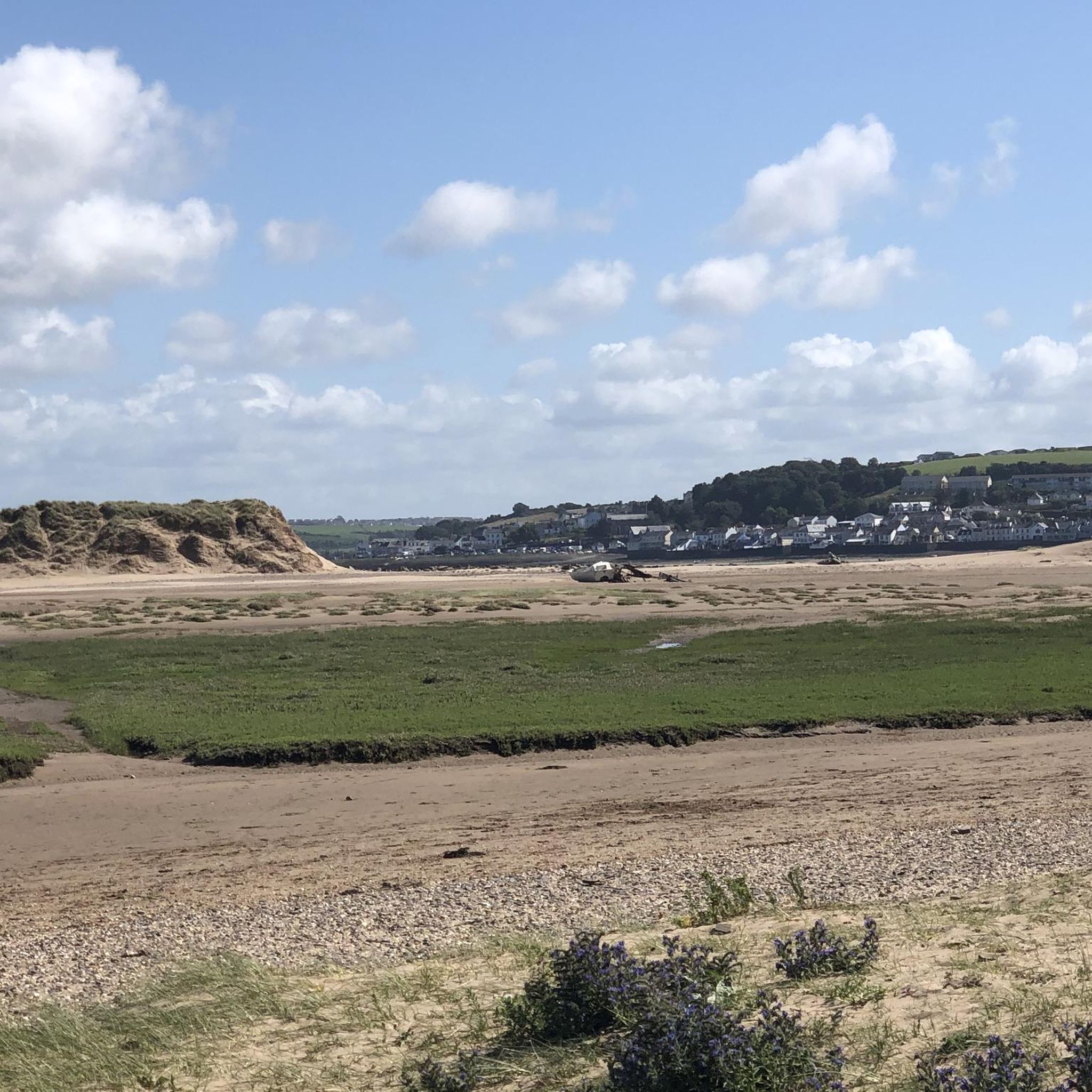
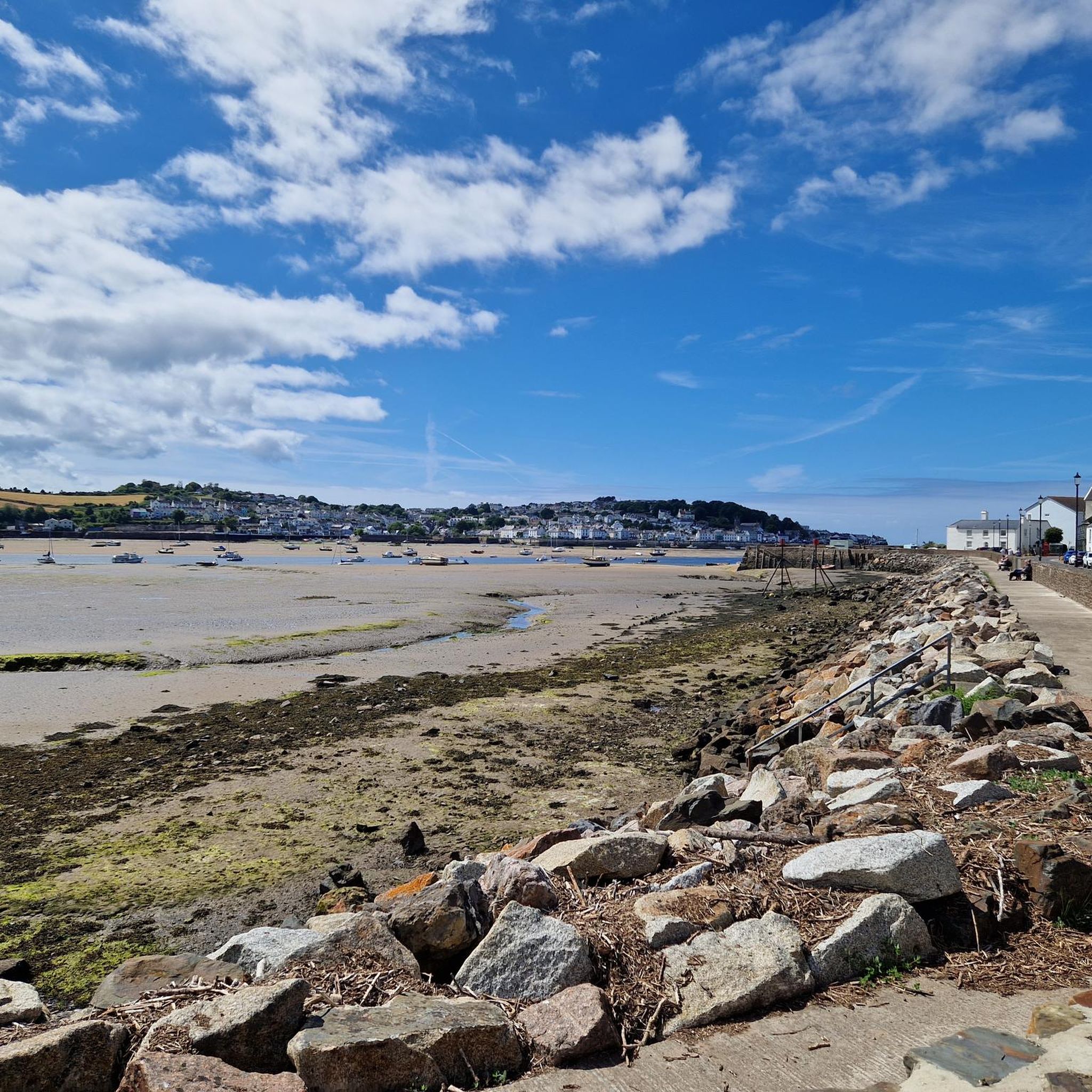
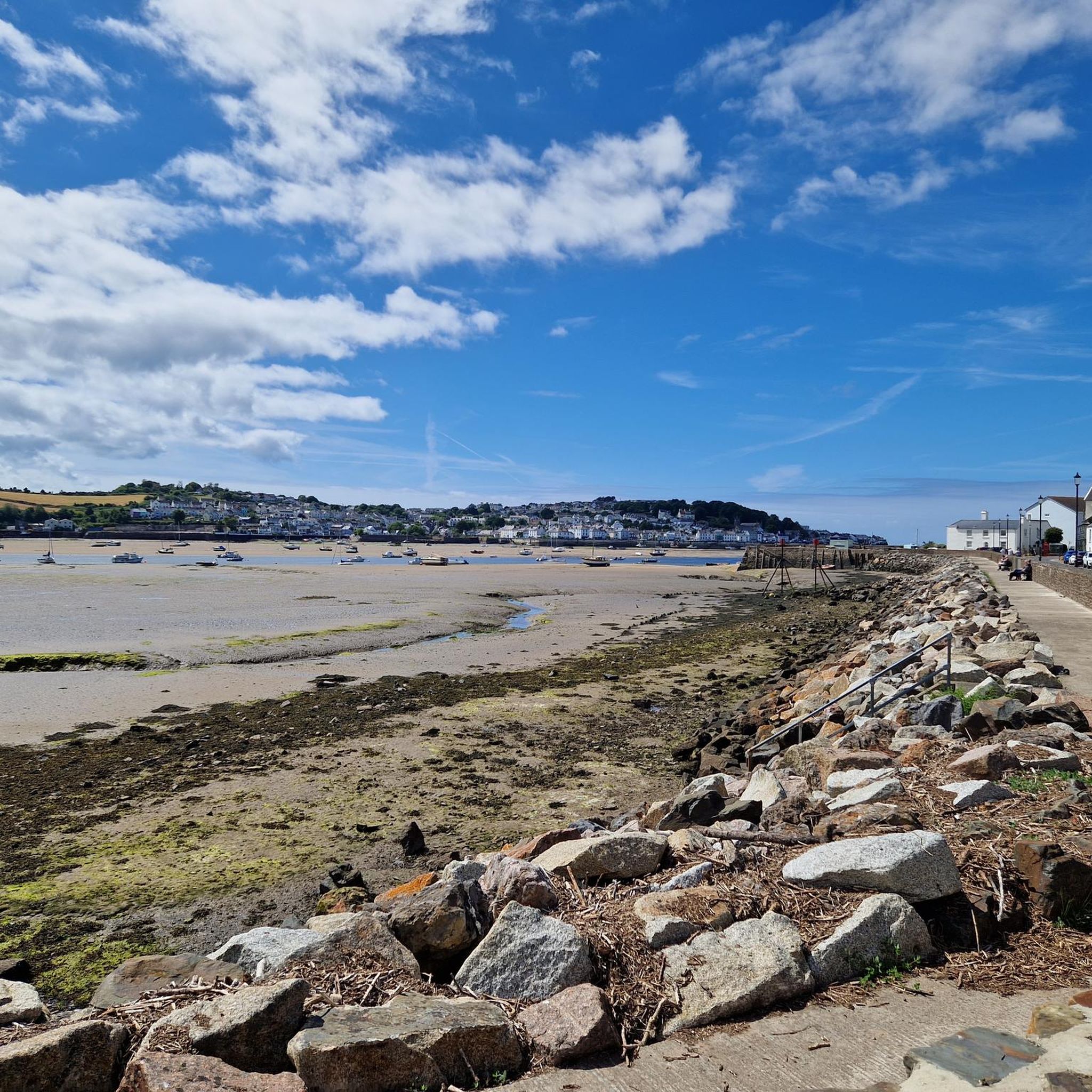
The history of Velator Quay in Braunton is closely linked to the economic development of the area. The port was established in the 19th century and served as a major transshipment point for goods transported via the River Taw. It played a central role in the agricultural community of Braunton, facilitating the export of grain, lime, coal and other goods. In its heyday, Velator Quay was a busy port with ships regularly docking to load goods for the regional market and further afield. However, the Quay's importance declined with the advent of the railway and modern transport in the late 19th and early 20th centuries, which eventually led to a decline in commercial activity. Today, Velator Quay is a tranquil spot and a popular destination for walkers and nature lovers.
2
0

Tarka is not safe. Loose dogs thanks to NDDC. A massive accident waiting to happen. I use my bell, but the utter lack of common sense of people: Hard of hearing walker,keep over to the left then, not rocket science. The bike hire companies will even hire to peole with dogs on leads or loose next to them. There is one hire place who's dog runs loose on the trail, when it's not begging at coffee table. I live right next to the trail, its a nightmare of arrogant stupid people who don't care a damn about safety. 90% of riders have a bell, makes no difference.
1
2

Use your bell loud and clear on the TarkaTrail as some walkers like me are deaf, we can all live together but remember us please
1
2

Easy ride on the path of the old railway line with refreshments at many of the stations that now house cafés for the tourist
0
1

The Tarka Trail is England's longest traffic free cycling and walking route. It stretches for just over 30 miles from Braunton to Meeth via Barnstaple. The trail follows a disused railway line and you will find many pubs and cafes to refuel, rehydrate and rest weary legs. It is named after Tarka the Otter, from the 1927 book of the same name by Henry Williamson. Keep an eye out for sculptures along the route as it is also one of Sustrans Art Trails.
3
0

Nice route by the river with a good surface, ideal for low impact bike touring
1
0

A flat easy ride with stunning scenery and plenty of wildlife to spot along the way
0
0

Frequently Asked Questions
What outdoor activities can I enjoy around Horwood, Lovacott, and Newton Tracey?
The area is ideal for outdoor enthusiasts, particularly for cycling and walking. The Tarka Trail is a major highlight, offering 180 miles (290 km) of traffic-free path through diverse scenery. Specific segments like Tarka Trail: Fremington to Barnstaple and Tarka Trail: Instow to Fremington are popular for their flat, well-surfaced routes. Beyond the Tarka Trail, you can explore numerous walking trails through the peaceful countryside, rolling hills, and lush green fields.
Are there any historical landmarks or cultural sites to visit in the villages?
Yes, the villages are rich in historical architecture. Notable sites include the Grade I listed Church of St Michael in Horwood and the Grade II* listed Church of St Thomas of Canterbury in Newton Tracey, with parts dating back to the 13th century. You can also find historic residences like Hoopers Cottage in Horwood (Grade II* listed) and the former manor houses of Newton Barton and South Barton in Newton Tracey.
What natural features can I explore in the region?
The area is characterized by its serene rural landscape. You can explore Darky Lane in Lovacott, an ancient holloway that was historically a drovers' road. Bailey Wood, also in Lovacott, is a 2.69-hectare Woodland Trust site predominantly featuring oak trees. The villages are also within reasonable proximity to the beautiful North Devon Coast, offering opportunities for coastal walks and enjoying the sea.
Is the Tarka Trail suitable for families or those seeking accessible routes?
Yes, the Tarka Trail is well-known for being family-friendly and largely accessible. It is a traffic-free path with a flat, well-surfaced route, making it ideal for all levels of riders and walkers, including those with strollers or wheelchairs. Many sections, such as Tarka Trail: Instow to Fremington, are specifically noted for their accessibility.
Can I find routes for mountain biking or road cycling near these attractions?
Absolutely. The region offers various cycling opportunities beyond the Tarka Trail. For mountain biking, you can find routes like the 'Fremington Quay Café – River Taw loop from Bideford' or 'Barnstaple Castle – Lankham Brake Bridleway loop from Barnstaple'. Road cyclists can explore routes such as 'River Taw – Instow loop from Roundswell'. You can discover more options on the dedicated cycling guides for the area: MTB Trails, Road Cycling Routes, and General Cycling.
What is the significance of the churches in Horwood and Newton Tracey?
The churches are significant historical and architectural landmarks. The Church of St Michael in Horwood is a Grade I listed building, indicating its exceptional importance. The Church of St Thomas of Canterbury in Newton Tracey is Grade II* listed, with its nave remodeled in the 15th century and parts dating back to the 13th century, showcasing centuries of local history and craftsmanship.
Are there any notable historic farmhouses or cottages in the area?
Yes, the parish boasts several historic buildings. Hoopers Cottage in Horwood is a Grade II* listed house from around 1600. Other examples include Horwood House with its early 18th-century remodelling, East Barton (a late medieval and 17th-century manor house), and Kennacott Farmhouse (17th-century with 19th-century alterations). These structures offer a glimpse into the region's rich architectural past.
What do visitors enjoy most about Horwood, Lovacott, and Newton Tracey?
Visitors appreciate the peaceful and tranquil atmosphere of the area, with its rolling hills, lush green fields, and picturesque countryside. The extensive traffic-free paths of the Tarka Trail are particularly popular for cycling and walking, offering stunning and diverse scenery. The blend of historical architecture and natural beauty provides a relaxing and engaging experience.
Is there a significant garden attraction nearby?
Yes, RHS Garden Rosemoor is located about 6.2 miles from Horwood. This renowned garden offers a magnificent horticultural experience and is a significant attraction in the wider North Devon area, perfect for a day trip.
What is Lovacott School Chapel?
The Lovacott School Chapel is a Grade II listed former Baptist chapel, built in 1827. It contributes to the hamlet's community architecture and history, reflecting the local heritage of the area.
How can I explore the North Devon Coast from these villages?
The villages are conveniently located within reasonable proximity to the beautiful North Devon Coast. While not directly on the coast, a short drive will take you to stunning beaches and coastal paths, offering opportunities for scenic walks and enjoying the sea. The Tarka Trail also provides routes that lead towards coastal areas.
What is Beam Aqueduct and where is it located?
The Beam Aqueduct is an impressive historical structure located nearby, carrying the Rolle Canal over the River Torridge. It is 270 feet (82 m) long with five stone arches, completed in 1827. It's a great spot for a snack stop and to appreciate historical engineering.
Are there any community facilities in the area?
Yes, Lovacott Village Hall, established in 1952, serves as a central community facility. It hosts social events, parish meetings, and is also utilized by the local primary school, playing an important role in the community life of Lovacott.
Most popular routes around Horwood, Lovacott And Newton Tracey
Most popular attractions around Horwood, Lovacott And Newton Tracey

Get inspired with the komoot mobile app


Explore more
Still not found the Highlight you’re looking for? See guides of the top attractions in other regions:
