Attractions and Places To See around Satterleigh And Warkleigh - Top 13
Best attractions and places to see around Satterleigh And Warkleigh. This civil parish in North Devon is characterized by its rural setting, offering a blend of historical sites and natural landscapes. The area provides opportunities to explore the Devon countryside and discover notable landmarks. Visitors can experience the region's heritage and scenic views.
Best attractions and places to see around Satterleigh And Warkleigh
- The most popular attractions is Codden Beacon Viewpoint, a historical site and viewpoint that provides amazing…
Last updated: August 17, 2026
Heywood Castle Motte and Bailey
Highlight • Historical Site
Tip by

Caroline Thorpe Memorial, Codden Hill
Highlight • Viewpoint
Tip by
Sign up now to discover places like this
Get recommendations on the best single tracks, peaks, & plenty of other exciting outdoor places.
Sign up for free
South Molton Market Square
Highlight • Settlement
Tip by

Codden Beacon Viewpoint
Highlight • Historical Site
Tip by

Castle Hill Estate
Highlight • Monument
Tip by
Sign up for free to discover even more attractions around Satterleigh And Warkleigh.
Sign up for free
Already have an account?
Start today with a free account
Your next adventure awaits.
Login or Signup


Tips from the Community


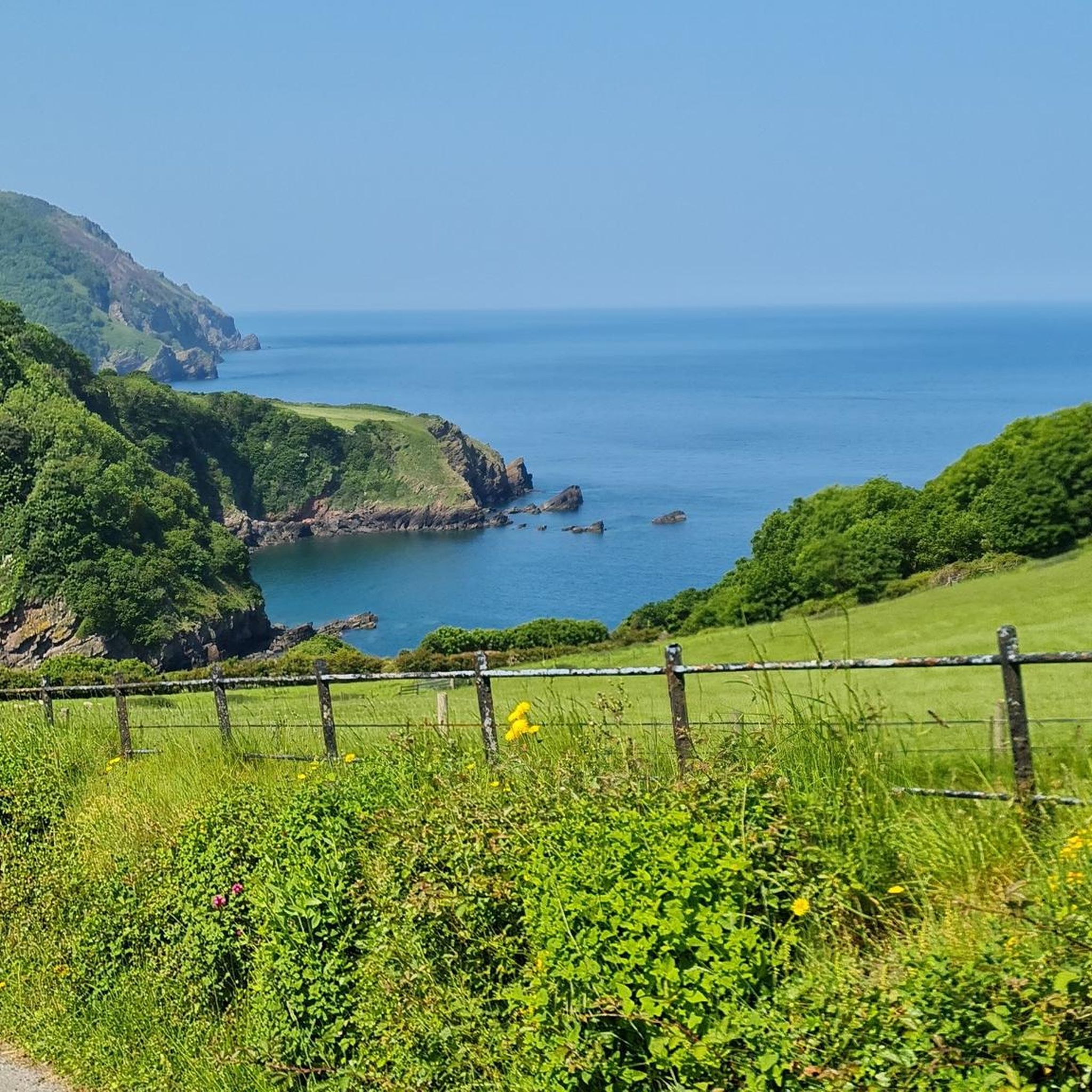
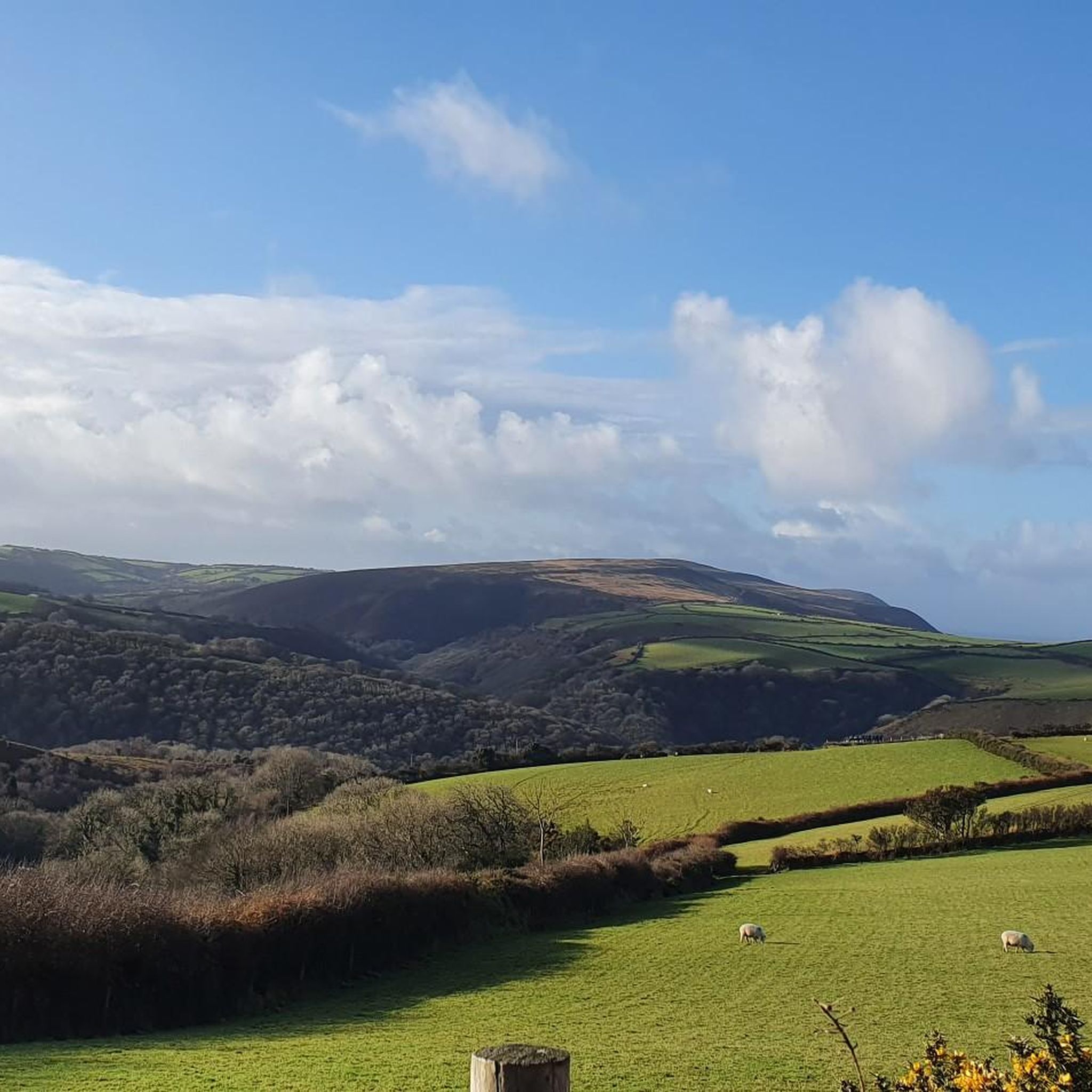
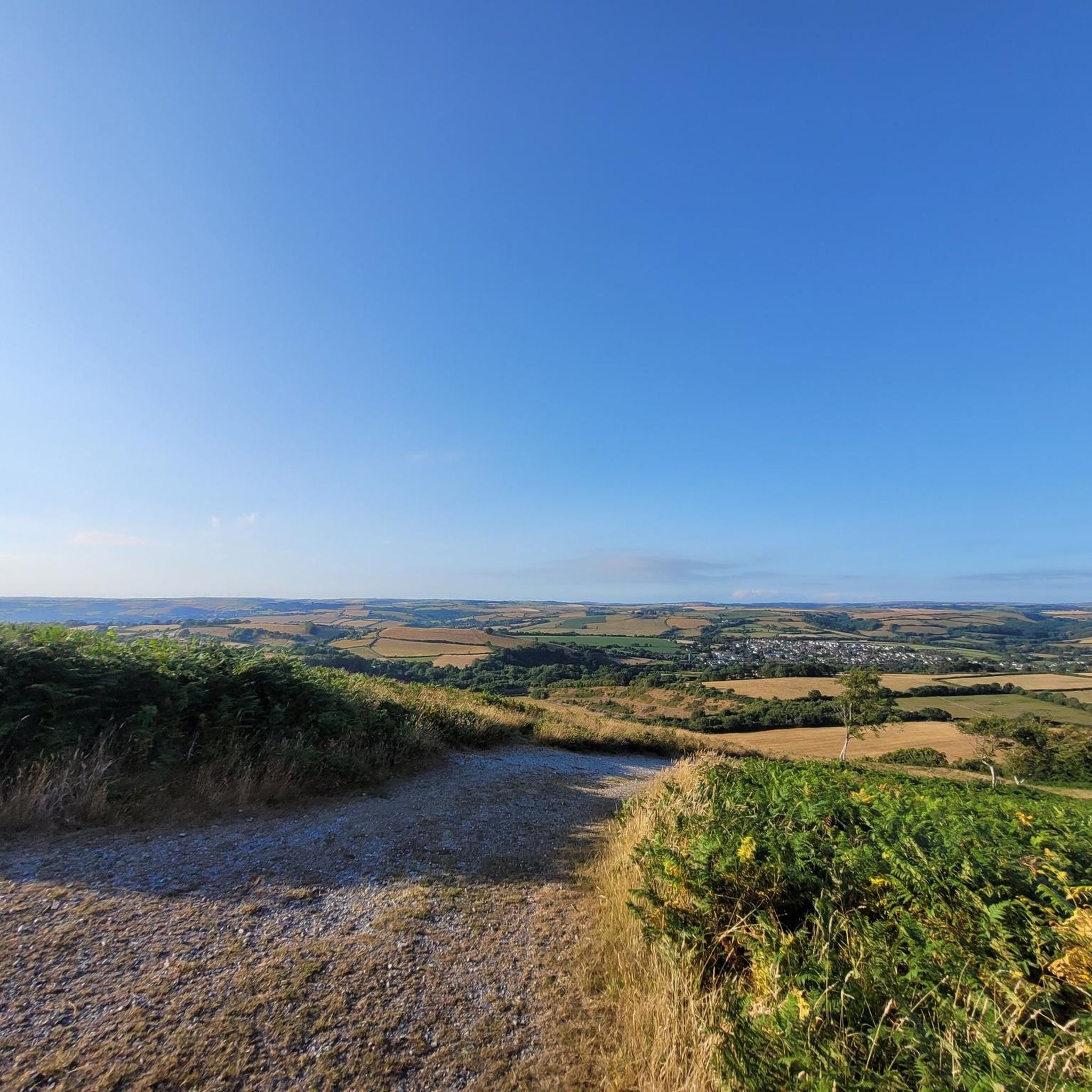
Codden Beacon is well-placed to provide amazing views south towards Dartmoor, northeast towards Exmoor and northwest across Barnstable Bay towards Lundy Island. The hill itself is one of a series of rounded hills caused by tectonic movement. There is a Bronze Age bowl barrow to the east.
2
0

South Molton is a market town centred round a market square. It was a major part of the UK's wool trade and markets still thrive twice a week, although no longer just the domain of wool. There are plenty of cafes in South Molton for mid-ride nourishment
0
0
Castle Hill was built in 1730 by the Fortescue family and reconstructed following a large fire in 1934. It was caused by the boiler for the newly installed central heating and tragically killed both the housekeeper and a maid. On top of the hill behind the house is Sham Castle. The family still live on the estate which is now also used as a wedding and conference venue and the gardens are open to the public. For more information visit their website https://www.castlehilldevon.co.uk/
0
0


Overlooking the TawValley, at the northern end of Heywood Wood, stand the remains of an early medieval motte and bailey castle. Motte and bailey castles are medieval fortifications introduced into Britain by the Normans. This type of castle was made up of an artificial mound, or motte, on which was built a wooden or stone structure known as a keep. Next to this at least one bailey, a fortified embanked enclosure containing additional buildings, would be built. Although many were occupied for only a short period of time, motte and bailey castles continued to be built and occupied from the 11th to the 13th centuries, after which they were superseded by other types of castle. Heywood CastleAt Heywood the circular motte is about 8 metres high and almost 50 metres in diameter, surrounded by a rock-cut ditch 4 metres wide and 2 metres deep. Around the top of the motte is a bank, up to 4 metres high in places. The crescent shaped bailey which lies to the north-east of the motte is 60 metres long and 40 metres wide and bounded on all sides by a bank 2 metres rising to about 4 metres on the eastern side, where there is an entrance with a causeway across the ditch which extends to the outer bank, which surrounds both the motte and bailey. From the bailey to the motte on the north east side there is the possibility of a bridgeway. On the north side of the bailey a more modern entrance has been formed. https://www.devon.gov.uk/historicenvironment/explore-devons-heritage/heywood-castle-eggesford/
4
0
This place is well worth a visit, it is a huge Norman castle mound. No structures are visible (Probably only a wooden keep now long gone) but really worth seeing, it is still quite imposing 1000 years on. "At Heywood the circular motte is about 8 metres high and almost 50 metres in diameter, surrounded by a rock-cut ditch 4 metres wide and 2 metres deep. Around the top of the motte is a bank, up to 4 metres high in places. The crescent shaped bailey which lies to the north-east of the motte is 60 metres long and 40 metres wide and bounded on all sides by a bank 2 metres rising to about 4 metres on the eastern side, where there is an entrance with a causeway across the ditch which extends to the outer bank, which surrounds both the motte and bailey. From the bailey to the motte on the north east side there is the possibility of a bridgeway. On the north side of the bailey a more modern entrance has been formed. The castle at Heywood possibly took the place of an earlier castle some 500 metres to the south in the grounds of Heywood House, on the steep valley side above the River Taw. An alternative theory is that both date to the 1130s and 1140s, and were built during the civil war between Matilda, daughter of Henry I, and his nephew Stephen." https://www.devon.gov.uk/historicenvironment/explore-devons-heritage/heywood-castle-eggesford/
1
0
Beautiful at night and sunset, fantastic point to run walk or bike too if you like a bit of the off-road stuff. Interestingly its also built on the site of a Cold War bunker that was destroyed prior to the monument to JTs wife being built.
0
0
Frequently Asked Questions
What historical sites can I visit in Satterleigh and Warkleigh?
The area is rich in history. You can explore Heywood Castle Motte and Bailey, an early medieval fortification with an imposing circular motte. Additionally, the Grade I listed St Peter's Church in Satterleigh and the Grade II* listed St John the Evangelist Church in Warkleigh offer insights into the region's ecclesiastical heritage, featuring medieval elements and unique artifacts like the Warkleigh Tabernacle.
Where can I find scenic viewpoints around Satterleigh and Warkleigh?
For expansive vistas, visit Codden Beacon Viewpoint, which offers amazing views towards Dartmoor, Exmoor, and across Barnstable Bay to Lundy Island. Another excellent spot is Caroline Thorpe Memorial, Codden Hill, providing great views out to sea and Exmoor.
What natural features characterize the Satterleigh and Warkleigh area?
The parish is set in the rural North Devon countryside, offering a peaceful environment and scenic views. The eastern boundary follows the course of the River Mole, providing opportunities for riverside walks and enjoying the natural scenery.
Are there opportunities for walking or hiking near these attractions?
Yes, the area provides various opportunities for walks and hikes. You can find easy routes like the 'Around the Mole loop from Chittlehamholt' or the 'Codden Beacon Viewpoint loop from Bishop's Tawton'. For more options, explore the easy hikes around Satterleigh And Warkleigh guide.
What kind of outdoor activities are available near Satterleigh and Warkleigh?
Beyond hiking, the region is suitable for road cycling and running. You can find various routes, such as the 'South Molton Market Square – Viewpoint Near North Hill loop from Chittlehamholt' for road cycling or running loops from South Molton. Check out the Road Cycling Routes and Running Trails guides for detailed options.
Are there family-friendly attractions or activities?
The rural setting and easy walking routes make the area suitable for families. The gardens at Castle Hill Estate are open to the public and can be a pleasant visit. Many of the viewpoints and historical sites are also accessible for family outings, though some terrain might be challenging for very young children.
Is the area accessible for visitors with mobility considerations?
While the general rural terrain can be varied, some areas offer better accessibility. South Molton Market Square, a nearby market town, is noted as wheelchair accessible and provides facilities. It's advisable to check specific trail conditions for walks.
What is the best time of year to visit Satterleigh and Warkleigh for outdoor activities?
The North Devon countryside is beautiful throughout the warmer months, typically from spring to early autumn (April to October). During this period, the weather is generally milder and more conducive for walking, cycling, and exploring the historical sites and natural features.
Are there any unique historical structures beyond churches?
Yes, the Heywood Castle Motte and Bailey is a significant historical structure, representing an early medieval Norman fortification. Additionally, the Warkleigh War Memorial, a Grade II listed monument from 1924, stands as an eloquent testament to local history.
Where can I find local amenities like cafes or pubs?
While Satterleigh and Warkleigh are small parishes, the nearby market town of South Molton offers amenities. South Molton Market Square is a good spot for coffee stops and has various cafes. You'll find pubs and other facilities in South Molton and other surrounding villages.
What do visitors particularly enjoy about the attractions here?
Visitors frequently highlight the stunning views from spots like Codden Beacon Viewpoint and Caroline Thorpe Memorial. The historical significance and imposing nature of sites like Heywood Castle Motte and Bailey are also highly appreciated, offering a glimpse into the past.
Can I find dog-friendly walks near Warkleigh?
Many of the walking routes and natural areas in the North Devon countryside are dog-friendly, including the general footpaths and trails. Codden Beacon Viewpoint is specifically noted as dog-friendly, making it a great option for walks with your canine companion.
Most popular routes around Satterleigh And Warkleigh

Get inspired with the komoot mobile app


Explore more
Still not found the Highlight you’re looking for? See guides of the top attractions in other regions:
