The best running trails around the Main
4.4
(10563)
206,108
runners
5,743
runs
Jogging routes around the Main river offer a diverse range of urban and natural landscapes, characterized by winding river paths, extensive parklands, and historic cityscapes. The region provides flat, accessible running paths along the riverbanks, complemented by green spaces like the Palmengarten and Stadtwald, which feature varied terrain. These running routes often incorporate bridges, offering views of the river and surrounding architecture, with minimal elevation changes. The terrain is generally suitable for all fitness levels.
Best jogging routes around the…
Last updated: November 24, 2026
4.6
(241)
7,292
runners
Moderate run. Good fitness required. Mostly paved surfaces.
4.6
(20)
2,244
runners
15.4km
01:35
40m
40m
Hard run. Very good fitness required. Mostly paved surfaces.

4.7
(20)
1,896
runners
Hard run. Very good fitness required. Mostly paved surfaces.
4.5
(60)
1,844
runners
Moderate run. Good fitness required. Mostly paved surfaces.
4.5
(14)
1,625
runners
Moderate run. Good fitness required. Mostly paved surfaces.
4.7
(3)
48
runners
10.2km
01:09
170m
180m
Moderate run. Good fitness required. Mostly runnable paths. Some sure-footedness required.
4.6
(63)
1,652
runners
Moderate run. Good fitness required. Mostly paved surfaces.
4.6
(33)
2,511
runners
8.66km
00:54
40m
40m
Moderate run. Good fitness required. Mostly paved surfaces.
3.9
(18)
1,096
runners
7.74km
00:49
20m
20m
Moderate run. Good fitness required. Mostly paved surfaces.
4.3
(16)
1,088
runners
5.64km
00:35
20m
20m
Moderate run. Good fitness required. Mostly paved surfaces.
Get access to more routes and recommendations from other explorers.
Already have an account?
Our route recommendations are based on thousands of hikes, rides, and runs completed by other people on komoot.
Start today with a free account
Your next adventure awaits.
Popular around Main
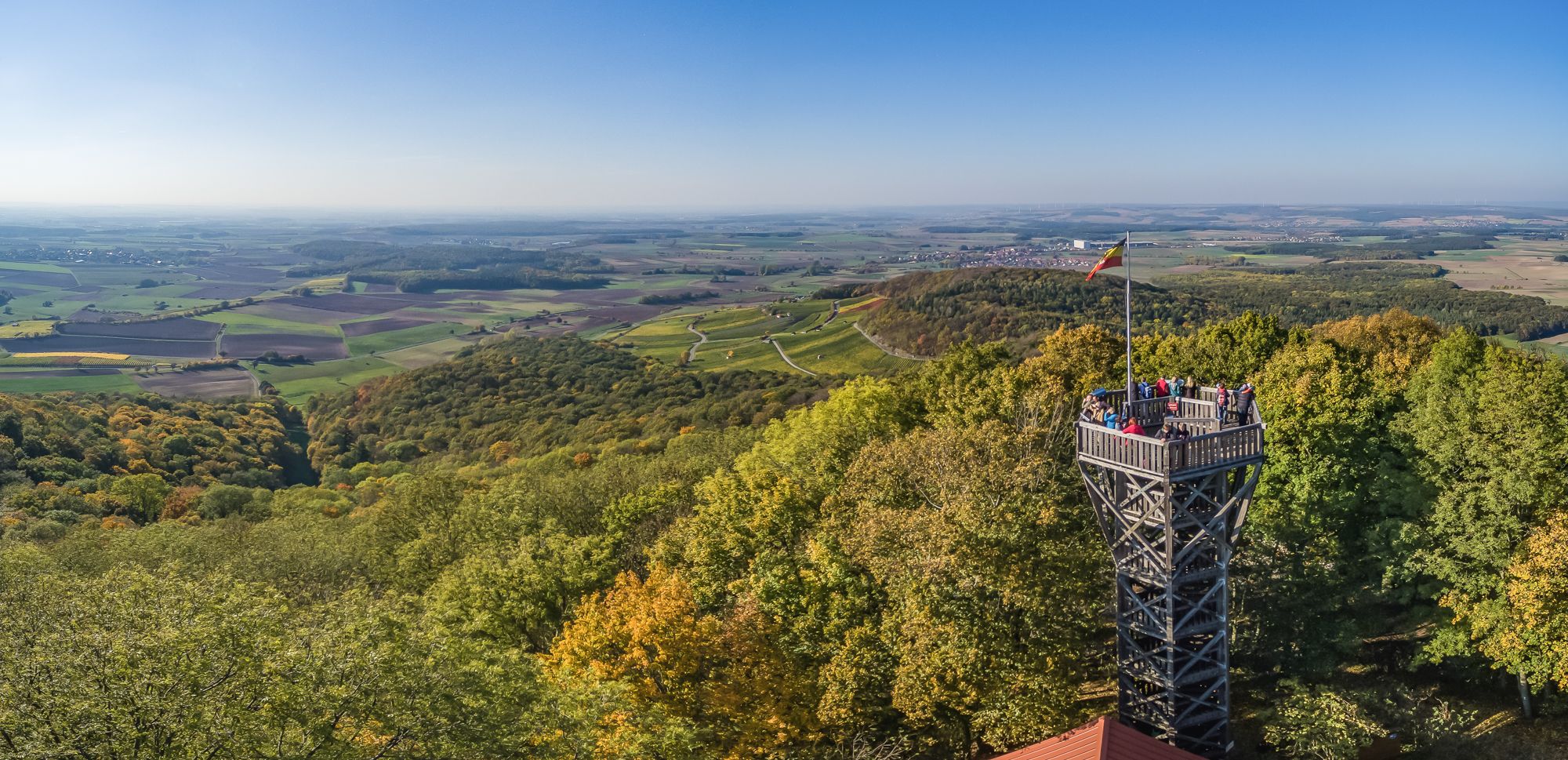
Steigerwald panorama trail — 9 days
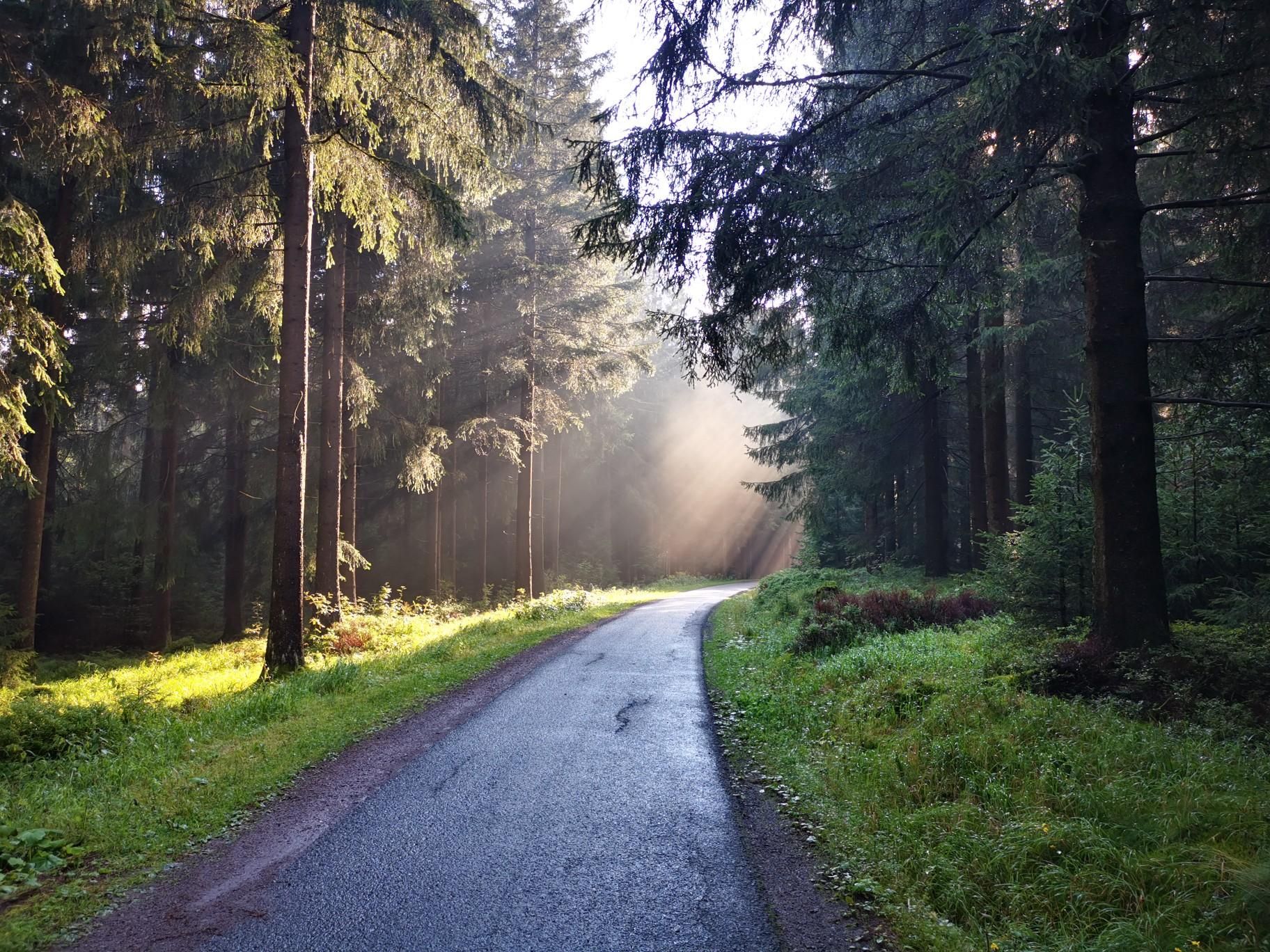
Nuremberg to Erfurt – Discover the German countryside by bike
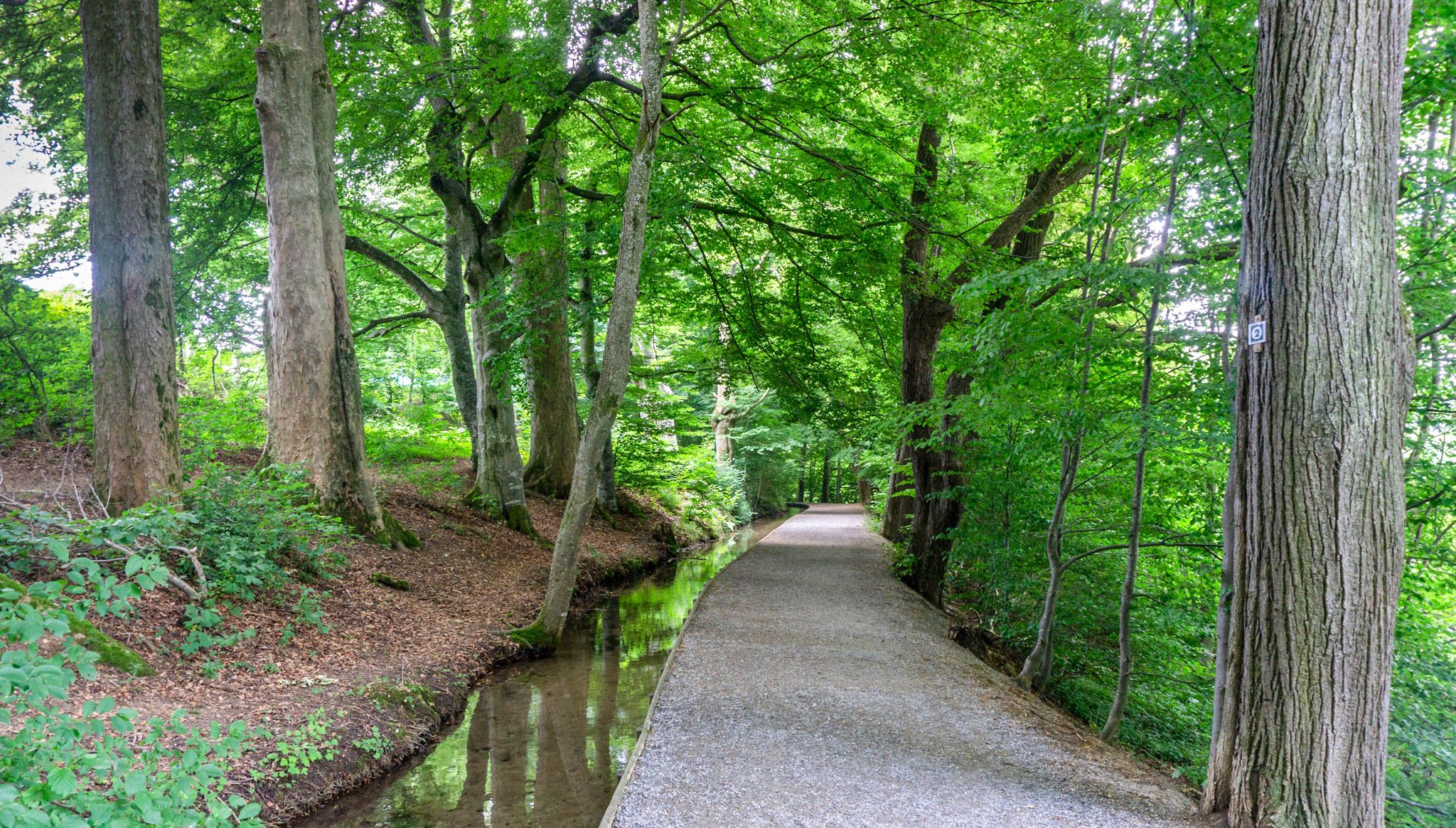
Main-Danube-Lake Constance Trail – Along iconic waters
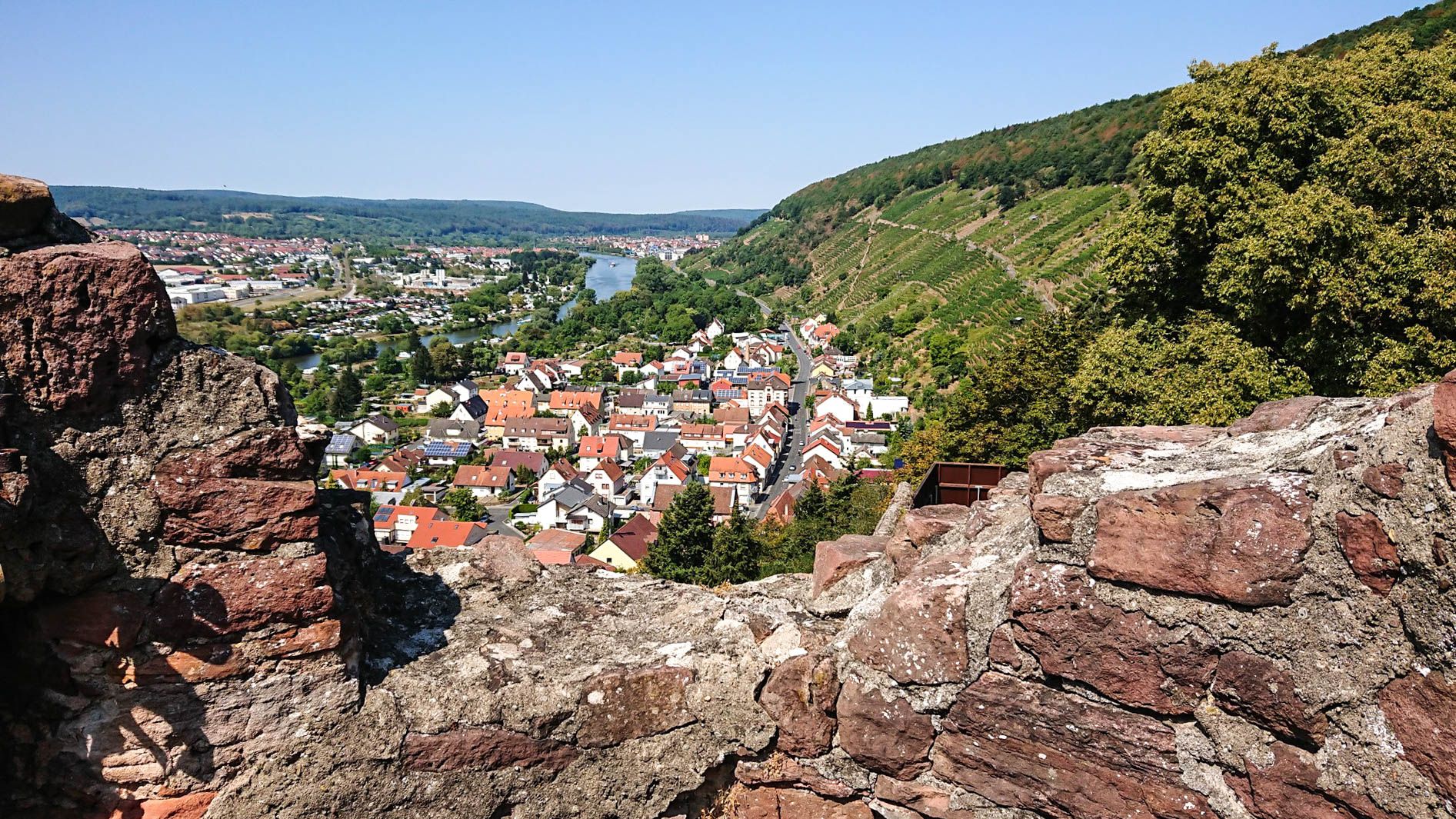
Franconian Red Wine Trail — From vineyards to the Main River
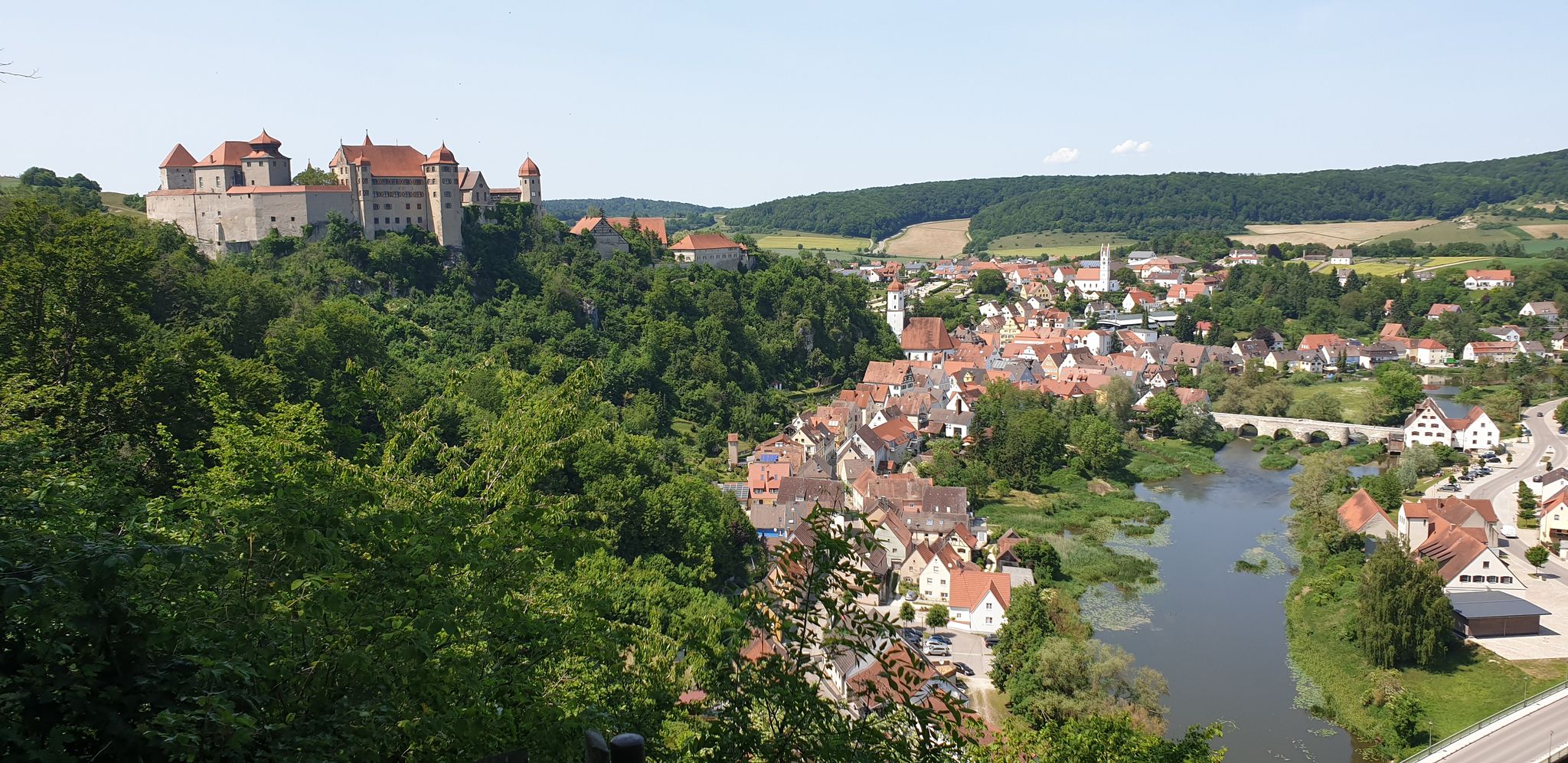
The Romantic Road – To the Pearls of Southern Germany
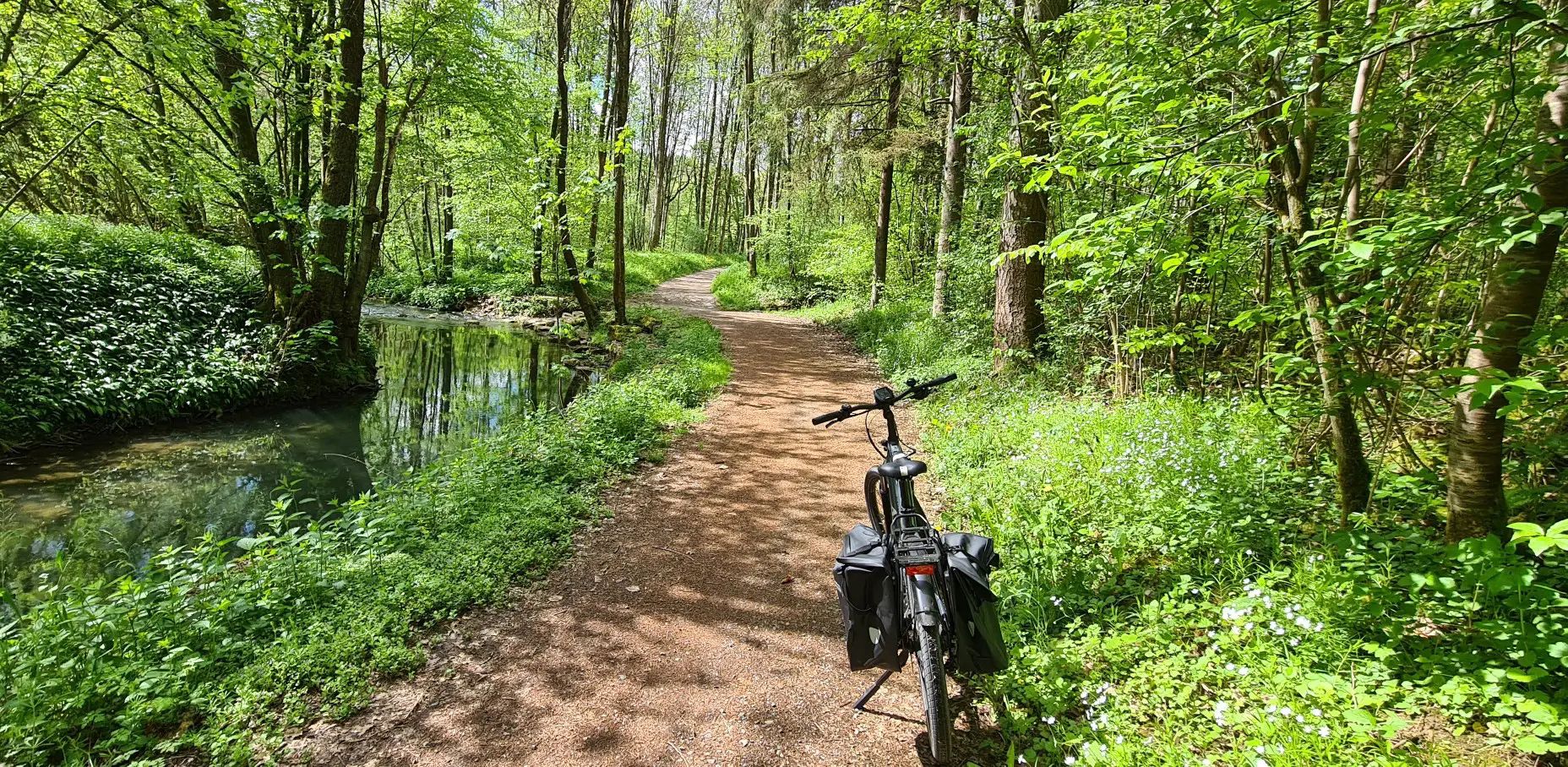
Germany's Main-Tauber-Franconian Radachter – two loops, one experience
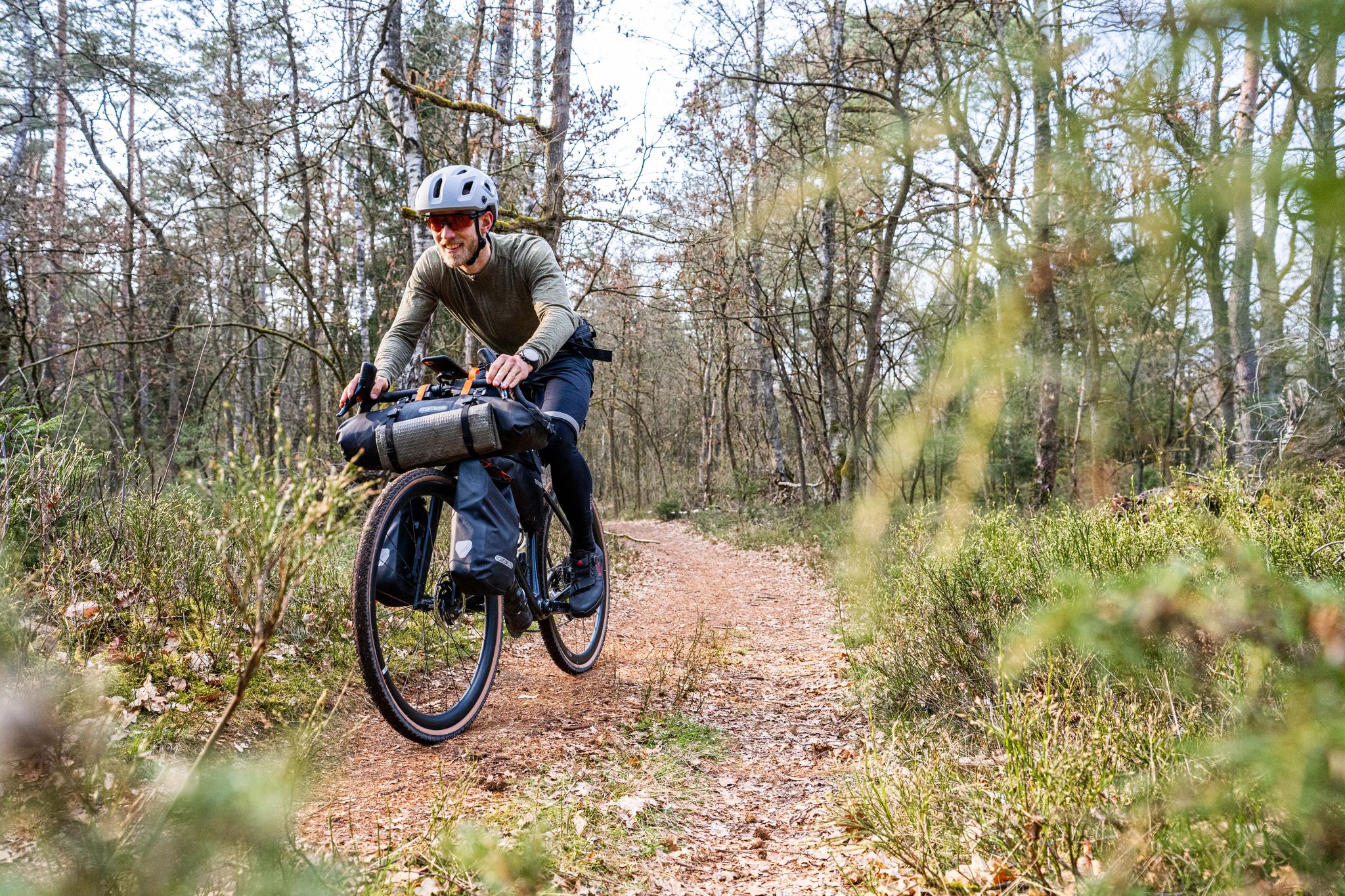
Gravel bikepacking from Hamburg to Munich
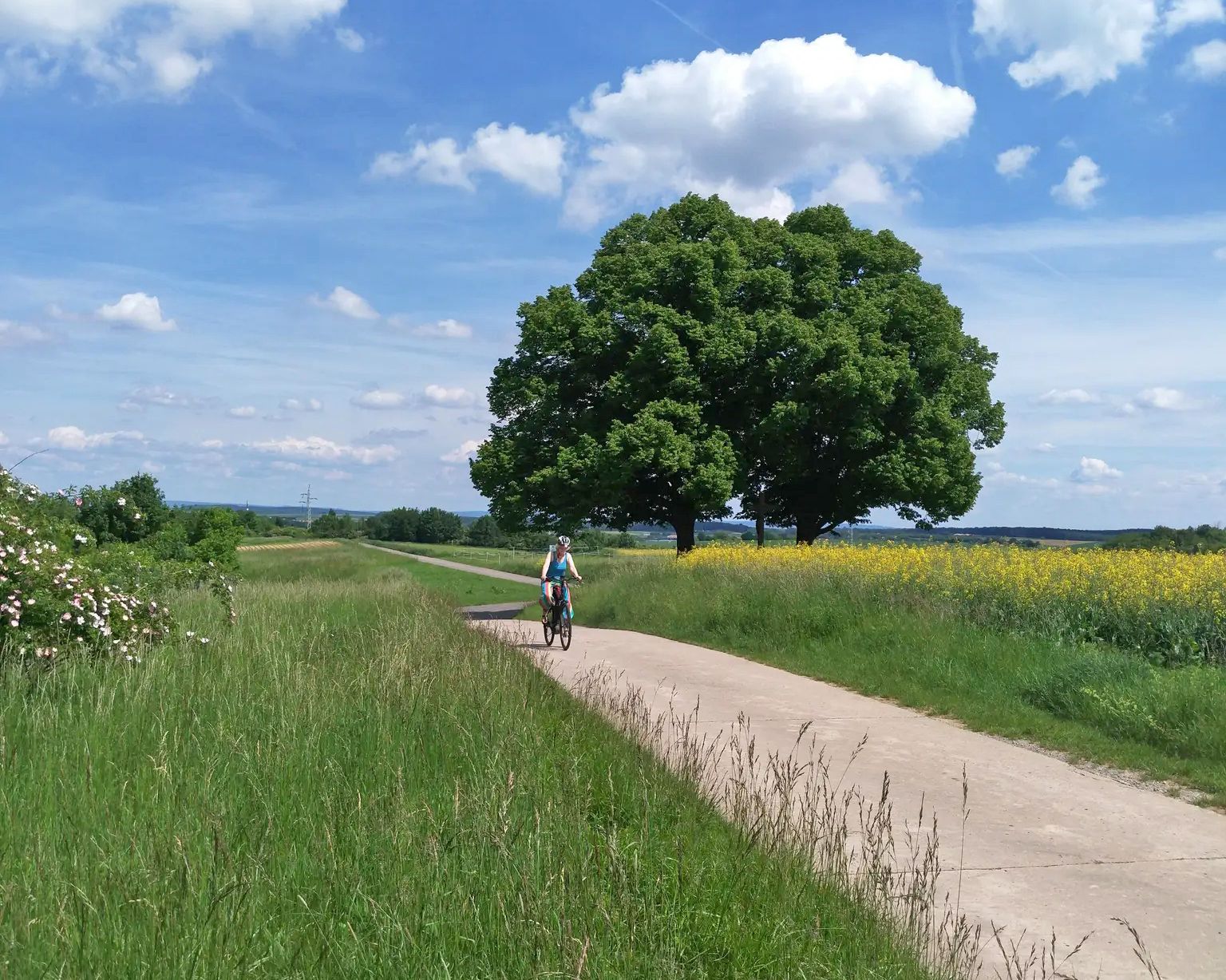
Main-Werra cycle path – From river to river
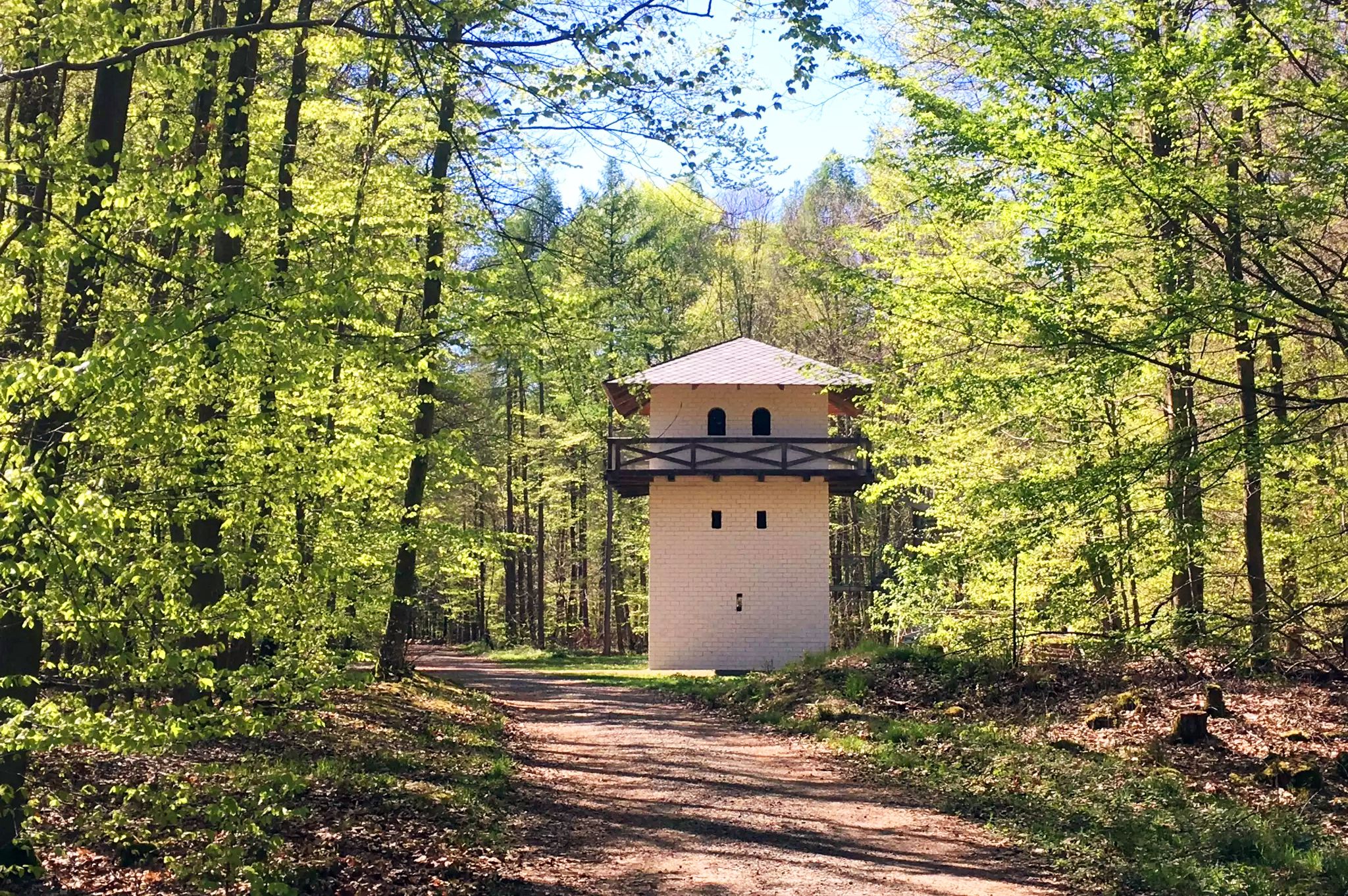
German Limes Cycle Path – Riding from the Rhine to the Danube
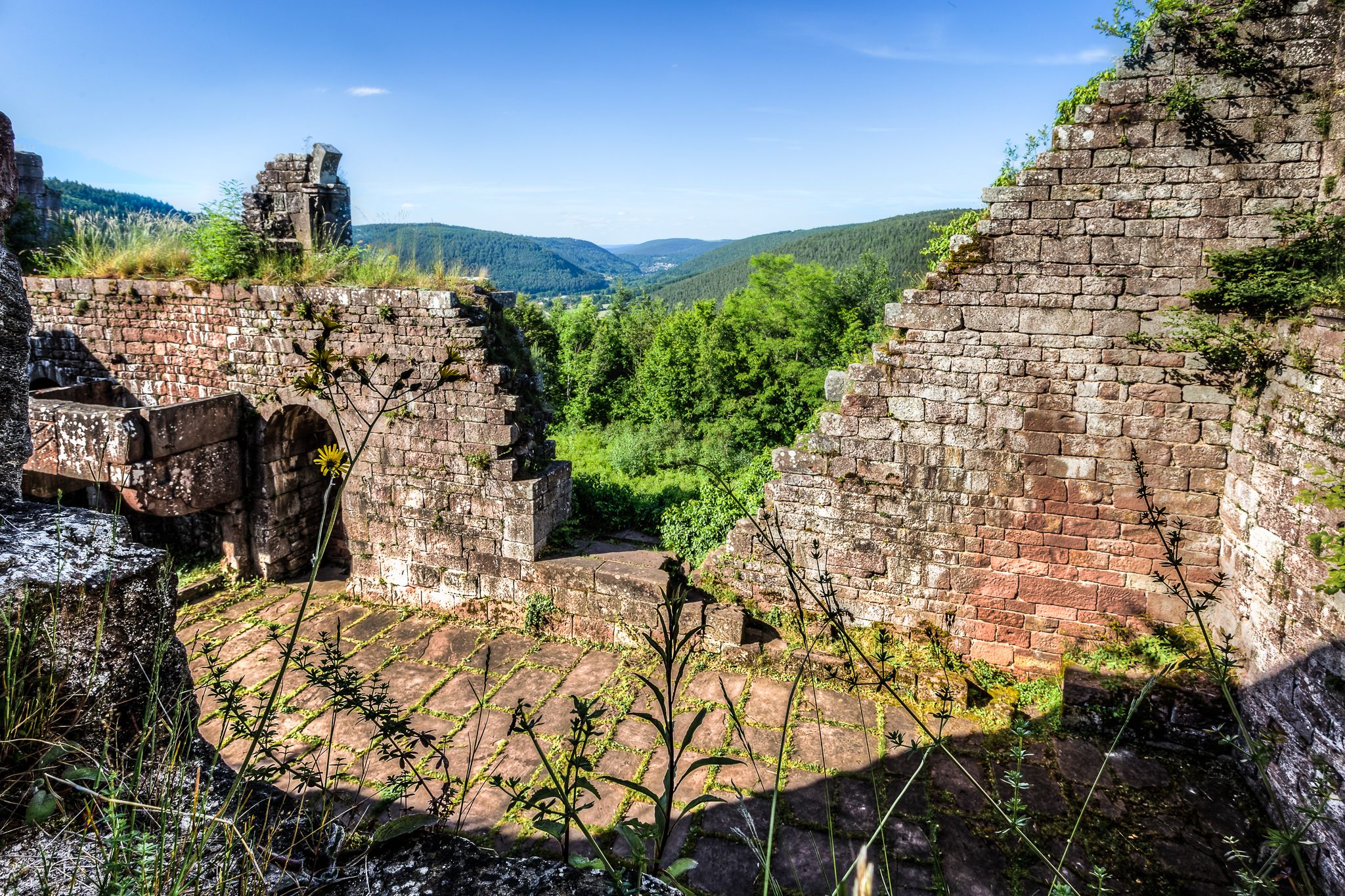
The Nibelungensteig in 7 stages – Simply legendary!
Other adventures around the Main


Tips from the Community

Oernplatz is a popular destination all year round.
1
0

This old harbor is clearly gentrifying, for the better, because it is a cool place to be.
1
0

The towers were once called 'Debit and Credit' (Soll und Haben). After a few scandals, there are other names for them as well. In the meantime, they have lost some of their luster due to many other impressive high-rise buildings.
3
0

From the Mainkai, you can enjoy a particularly beautiful view of the impressive Frankfurt skyline. The modern high-rises of the city center, together with the Main river, the historic buildings on the bank, and the numerous bridges, form a varied cityscape.
7
0
From the Main riverbank, there is a beautiful view of Frankfurt's distinctive skyline. The imposing skyscrapers tower over the city and, together with the Main river, the bridges, and the riverside promenade, form an impressive backdrop.
5
0

The high-rise revolution eats its own children“ Not everything that made up Frankfurt's skyline is still there When you think of Frankfurt, you inevitably think of the skyline. It's no coincidence that the city has the nickname Mainhattan, sometimes used with recognition, sometimes rather dismissively. But how did it all start with the high-rises and how did it happen? Anyone looking for answers to this question will find that a part of the once distinctive buildings no longer exists. Furthermore, it should be clarified, what actually is a high-rise? Aerial view of the Zürich-Haus and the Old Opera House from 1965, Photo: Kurt Weiner Aerial view of the Zürich-Haus and the Old Opera House from 1965 © Institut für Stadtgeschichte, Photo: Kurt Weiner The Hessian Building Code specifies a minimum height of 22 meters. That doesn't help, because the candidates are all above it. So, for some, the Mouson Tower, completed in 1926 and 33 meters high, is the city's first high-rise. For many, it doesn't count, as it owes its height solely to the staircase. Or is it rather the IG Farben-Haus, used today by the university, with construction starting in 1928, at least 35 meters high? For many, it's not that either, because it doesn't rise high enough. "It's rather not a classic high-rise with its disc-shaped design," says Martin Hunscher, head of the Urban Planning Office. For him, it's more like the Gewerkschaftshaus on Wilhelm-Leuschner-Straße, built in 1931 according to plans by Berlin architects Max Taut and Frank Hoffmann. It stands rather inconspicuously with its 31 meters between the bank towers. But after completion, it clearly rose above the Wilhelminian-era villas. Officially, the matter should be clear: in 1998, the city nominated the building for the Hessian Monument Protection Prize, justifying it by stating that it was the "first real office high-rise in Frankfurt". It is clearly evident from the steel-frame construction that it was built in the style of New Objectivity: clear straight lines, with steel, glass, and concrete dominating the materials. It was the era of New Frankfurt and the city building director Ernst May, during which Römerstadt, Höhenblick, or "Zickzackhausen" emerged as settlements in the style of classical modernism. AEG-Hochhaus with Theodor-Stern-Kai1960, Photo: Kurt Roehrig AEG-Hochhaus with Theodor-Stern-Kai 1960 © Institut für Stadtgeschichte, Photo: Kurt Roehrig What these three buildings have in common is that they still belong to the cityscape today. The situation is different with buildings that were constructed during the economic miracle of the 1950s and later. Built during the so-called post-war modern period, many have disappeared. For example, the AEG-Hochhaus. The first office high-rise after World War II was completed by 1951, stood 43 meters high, and housed the headquarters of the electrical group. When the company was dissolved after 1996, Allianz acquired the site, had the buildings demolished, and built a new office center on the property at Theodor-Stern-Kai in Sachsenhausen.
2
0

The Grafeneckart is the oldest part of the Würzburg town hall. It was originally the seat of a bishop's official and features a Romanesque tower and, with the 13th-century Wenzelsaal, the oldest secular room in the city.
1
0
The Löwenbrücke, actually Ludwigbrücke, is known to every Würzburg resident. It owes its colloquial name to the four mighty lions that guard the bridge entrances.
1
0
Frequently Asked Questions
What kind of terrain can I expect on running routes along the Main river?
Running routes along the Main river primarily feature flat, accessible paths, often paved or well-maintained, ideal for a smooth run. You'll find winding river paths, extensive parklands like the Palmengarten and Stadtwald, and historic cityscapes. While most routes have minimal elevation changes, some, like the Churfranken Trailrun Hill Climber, offer varied terrain with moderate inclines for a more challenging experience.
Are there any easy or beginner-friendly running paths in the Main region?
Yes, the Main river region offers many easy and beginner-friendly running paths. The riverside trails are generally flat and well-suited for those new to running or looking for a relaxed pace. With over 630 easy routes available, you'll find plenty of options to get started. Many routes, such as those along the riverbanks in Frankfurt or Mainz, provide gentle elevation changes and scenic views without being overly strenuous.
What are some scenic viewpoints or landmarks I can see while jogging along the Main?
Jogging along the Main river offers numerous scenic viewpoints and landmarks. In Frankfurt, you can enjoy views of the city skyline, pass by the historic Eschenheimer Tower, or cross the iconic Eiserner Steg (Iron Footbridge). Further along, routes near Würzburg offer views of the impressive Marienberg Fortress and the Old Main Bridge. The region is dotted with historic bridges and urban parks that provide picturesque backdrops for your run.
Are there circular running paths available in the Main river area?
Absolutely! Many popular running routes along the Main river are designed as circular paths, allowing you to start and finish at the same point. Examples include the Eschenheimer Tower – Opernplatz Frankfurt loop, the Gustavsburg Railway Bridge – Winterhafen Swing Bridge loop from Mainz, and the Peace Bridge – Ignaz-Bubis Bridge loop from Deutsche Bank Park. These loops are convenient for exploring different sections of the river and city.
What do other runners say about the jogging routes in the Main region?
The running routes in the Main region are highly regarded by the komoot community, boasting an average rating of 4.4 stars from over 7,800 reviews. Runners frequently praise the diverse urban and natural landscapes, the well-maintained riverside paths, and the opportunity to combine exercise with sightseeing. Many appreciate the accessibility and variety of routes suitable for all fitness levels.
Are there any running routes with nearby cafes or places to rest along the Main river?
Yes, especially in urban areas like Frankfurt, Mainz, and Würzburg, you'll find numerous cafes, restaurants, and rest areas conveniently located near the running paths. The riverside promenades are often lined with establishments where you can grab a coffee or a snack. For a more rustic stop, some routes might pass by facilities like the Obernburg Forest House or the Kolping Shelter, offering a chance to refuel.
Can I find running trails that are suitable for families or those with children?
Many of the flat, well-paved riverside paths along the Main are excellent for families, including those with strollers or younger children. These routes offer safe, accessible environments away from heavy traffic, allowing everyone to enjoy the outdoors. The minimal elevation changes make them less strenuous, and the scenic views keep things interesting for all ages.
Are there any dog-friendly running routes along the Main river?
Generally, many outdoor areas and paths along the Main river are dog-friendly, provided dogs are kept on a leash and owners clean up after them. The extensive network of riverside paths and parklands offers ample space for you and your canine companion to enjoy a run together. Always check local regulations for specific parks or nature reserves you plan to visit.
How long are the typical running routes in the Main river area?
The running routes in the Main river area vary significantly in length to suit different preferences. You can find shorter loops, such as the Peace Bridge – View of the Frankfurt Skyline loop at about 3.4 miles (5.4 km), or longer runs like the Peace Bridge – Ignaz-Bubis Bridge loop which is around 8.5 miles (13.7 km). With over 5,300 routes, you'll find options ranging from a quick jog to a longer endurance run.
Are there any specific natural features or gorges to explore near the running trails?
While the Main river region is known for its urban and riverside runs, there are natural features nearby that offer a different experience. You can explore areas like the Dietesheim Quarries or the Seltenbach Gorge, which are part of the 'Gorges around the Main' guide. These areas provide a contrast to the flat river paths with more rugged terrain and unique geological formations.
What are the options for parking and public transport access to running routes?
Access to running routes along the Main river is generally convenient. In major cities like Frankfurt, Mainz, and Würzburg, routes are often accessible via public transport, with many starting points near train stations or bus stops. For those driving, parking is usually available in designated areas near popular parks or riverside access points, though it may be limited in very central urban locations. It's advisable to check specific route details for parking recommendations.
Most popular routes around the Main
Most popular attractions around the Main

Get inspired with the komoot mobile app


Explore more
Browse the best Running Trails & Routes in other regions.
