The best running trails around Irndorf
4.5
(400)
3,816
runners
255
runs
Jogging around Irndorf offers diverse terrain on a hilly plateau overlooking the Danube Valley, within the Upper Danube Nature Park. The region is characterized by forests, river valleys, and significant limestone rock formations like Eichfelsen and Rauher Stein. Its elevated position provides routes with varied elevation changes and panoramic views of the Danube river and historic castles. The extensive network of trails includes paths through nature reserves like Irndorfer Hardt, offering a mix of meadows and more rugged surfaces.
Best jogging routes around Irndorf
- The most popular jogging route is Wildenstein Castle – View of the Danube Valley Cliffs loop from Beuron, a 14.2 miles (22.9 km) trail that takes 3 hours 2 minutes to complete. This route offers panoramic views of the Danube Valley and passes by historic Wildenstein Castle.
- Another top favourite among local runners is View of the Bära River – Trail to Felsenhöhle loop from Bärenthal, a difficult 13.8 miles (22.2 km) path. This trail winds through river valleys and past natural rock formations.
- Local runners also love the Korbfelsen near Langenbrunn – Peter's Cave loop from Beuron, a 11.0 miles (17.7 km) trail leading through forests and along cliffs, often completed in about 1 hour 57 minutes.
- Jogging around Irndorf is defined by dramatic river valleys, towering rock formations, and protected nature reserves. The network offers options for various ability levels, from challenging climbs to more gentle paths.
- The routes in Irndorf are highly rated by the komoot community with an average score of 4.3 stars from over 240 reviews. More than 2800 runners have used komoot to explore Irndorf's varied terrain.
Last updated: November 23, 2026
5.0
(5)
31
runners
7.71km
00:49
90m
90m
Moderate run. Good fitness required. Mostly paved surfaces.
5.0
(1)
19
runners
23.0km
03:03
820m
820m
Hard run. Very good fitness required. Sure-footedness, sturdy shoes and alpine experience required.

5.0
(1)
22
runners
22.2km
02:19
180m
180m
Hard run. Very good fitness required. Mostly paved surfaces.
5.0
(1)
18
runners
17.4km
01:54
270m
270m
Hard run. Very good fitness required. Mostly runnable paths. Some sure-footedness required.
5.0
(1)
8
runners
9.70km
01:14
270m
270m
Hard run. Good fitness required. Sure-footedness, sturdy shoes and alpine experience required.
Get access to more routes and recommendations from other explorers.
Already have an account?
Our route recommendations are based on thousands of hikes, rides, and runs completed by other people on komoot.
Start today with a free account
Your next adventure awaits.
Other adventures around Irndorf

Tips from the Community

For it was not Benedictines who founded the original monastery at this location in the Upper Danube Valley in the 11th century. It was clerics who lived according to the rule of Saint Augustine, known as Augustinian Canons. They built their monastery under the protection of local landed gentry. The monastery was first mentioned in documents in 1097. It took almost five hundred years until Pope Innocent XI finally elevated the monastery to the status of an abbey in 1687. A significant step for the canons. Thus, the canons were able to inaugurate the new building of their monastery in 1704. In 1738, the new monastery church was also consecrated. However, secularization brought the monastery's successful course to an abrupt end through expropriation. In 1802, the princely house of Hohenzollern-Sigmaringen took possession of all properties. The canons had to leave Beuron. In 1862, Benedictine monks moved into the monastery buildings. Since then, the monastic community has dedicated itself to a life according to the rule of Saint Benedict – for the glory of God and in service to humanity. From the beginning, the community dedicated itself to the care of the liturgy and Gregorian chant. This was followed by the construction of the Maurus Chapel and the redesign of the monastery church in the 1870s. This created a distinct religious art movement in Beuron that would shape churches and monasteries throughout Western Europe, but also as far as North and South America: the Beuron School. After twelve years of exile during the Kulturkampf, decisive expansions and new buildings took place from 1887 to 1926. Among them were the refectory and the art and guest wing. The Mary Garden with the library building was also created during this era. Furthermore, the monks laid the foundation for the impressive monastery library, which today houses around 445,000 volumes. Source: erzabtei-beuron.de/profil-geschichte
2
0
For it was not Benedictines who founded the original monastery at this location in the Upper Danube Valley in the 11th century. It was clerics who lived according to the rule of Saint Augustine, known as Augustinian Canons. They built their collegiate church under the protection of local landed gentry. The monastery was first mentioned in documents in 1097. It took almost five hundred years until Pope Innocent XI finally raised the monastery to the status of an abbey in 1687. A significant step for the canons. Thus, the canons were able to inaugurate the new building of their collegiate church in 1704. In 1738, the new monastery church was also consecrated. However, secularization brought the success of the collegiate church to an abrupt end through expropriation. In 1802, the Princely House of Hohenzollern-Sigmaringen took possession of all properties. The canons had to leave Beuron. In 1862, Benedictine monks moved into the monastery buildings. Since then, the monastic community has dedicated itself to a life according to the rule of Saint Benedict – for the glory of God and in service to humanity. From the beginning, the community dedicated itself to the cultivation of the liturgy and Gregorian chant. This was followed by the construction of the Maurus Chapel and the redesign of the monastery church in the 1870s. This gave rise to a distinct religious art movement in Beuron that would influence churches and monasteries throughout Western Europe, as well as in North and South America: the Beuron Art School. After twelve years of exile during the Kulturkampf, decisive expansions and new buildings took place from 1887 to 1926. Among them were the refectory and the art and guest wings. The Mary Garden with the library building was also created during this era. Furthermore, the monks laid the foundation for the impressive monastery library, which today houses around 445,000 volumes. Source: erzabtei-beuron.de/profil-geschichte
2
0
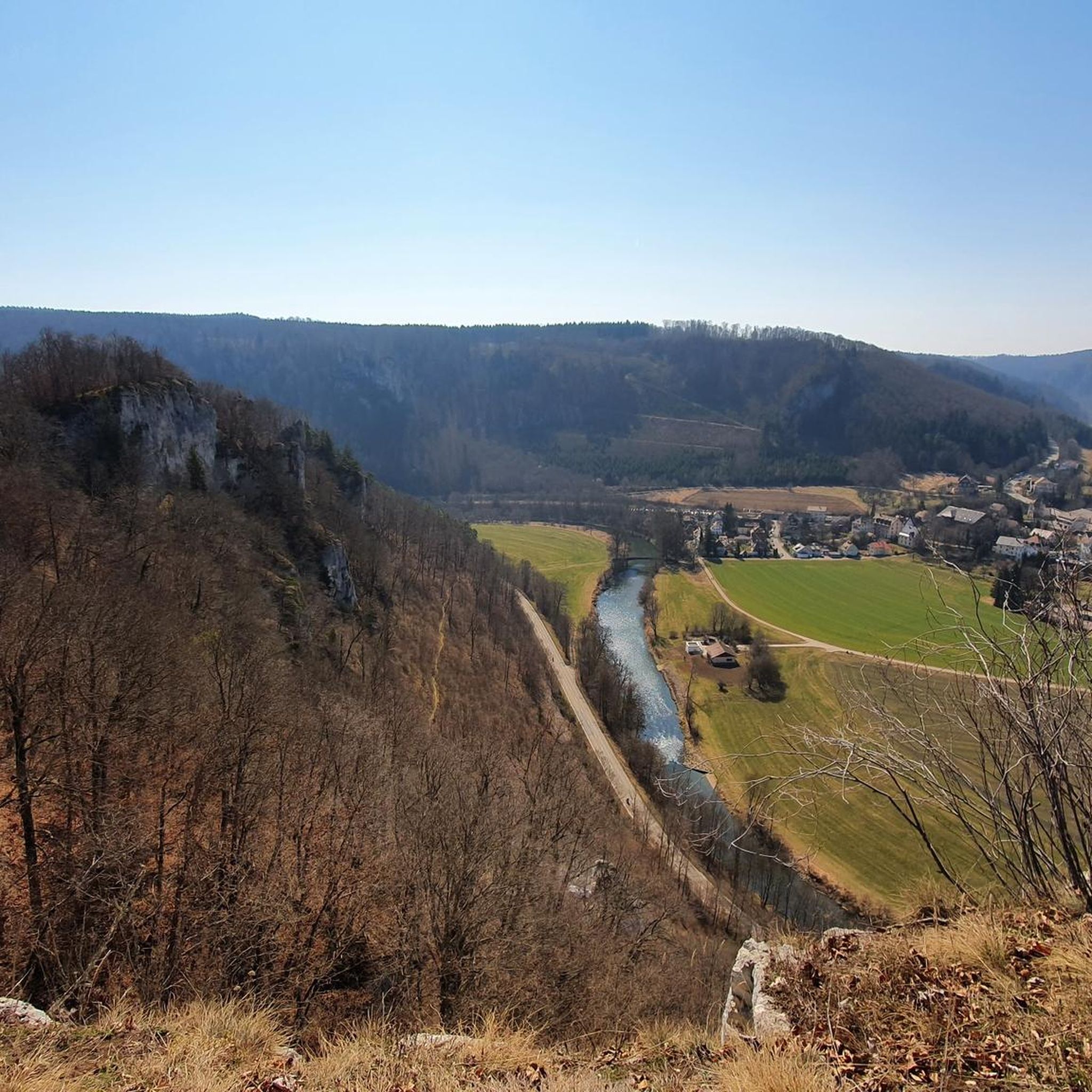
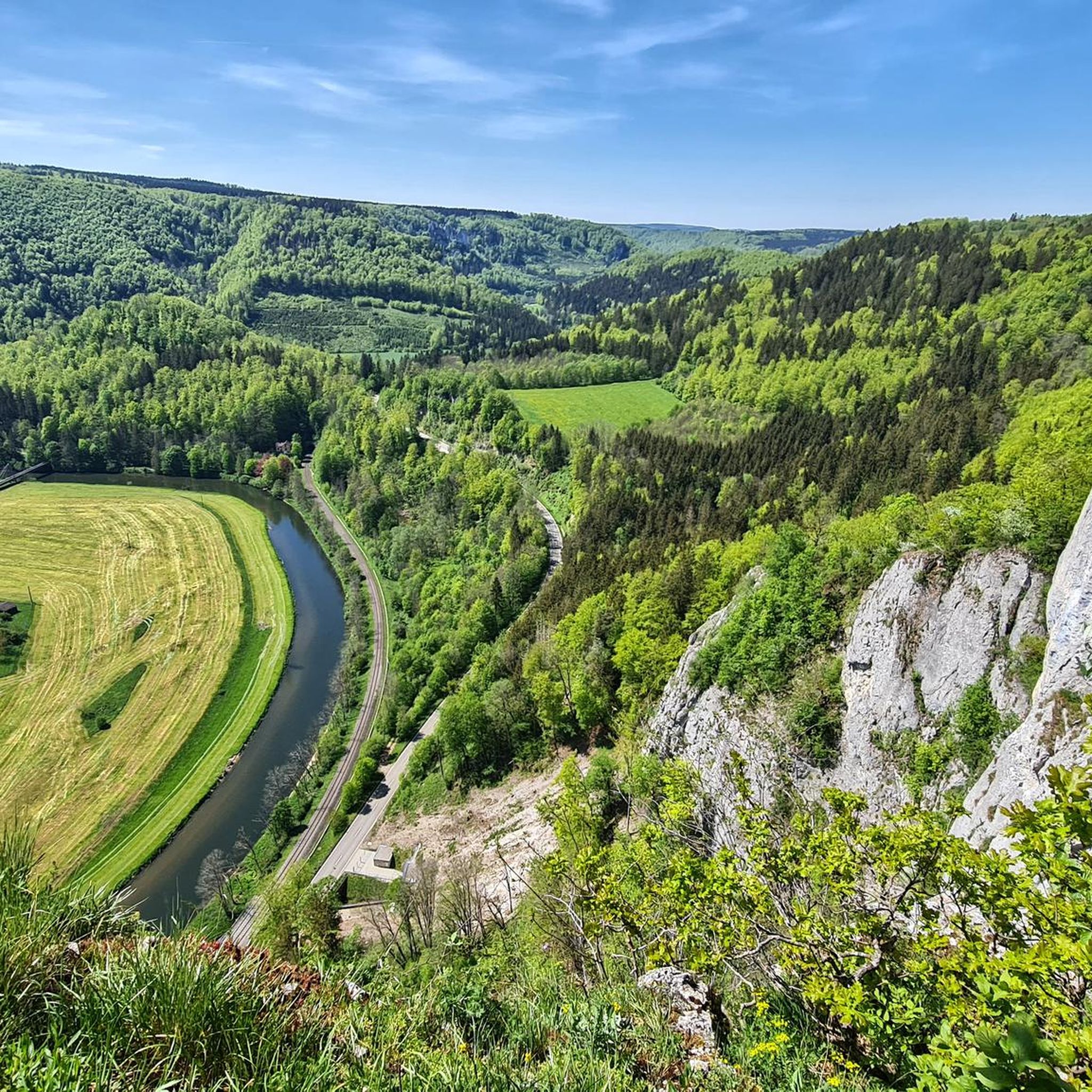
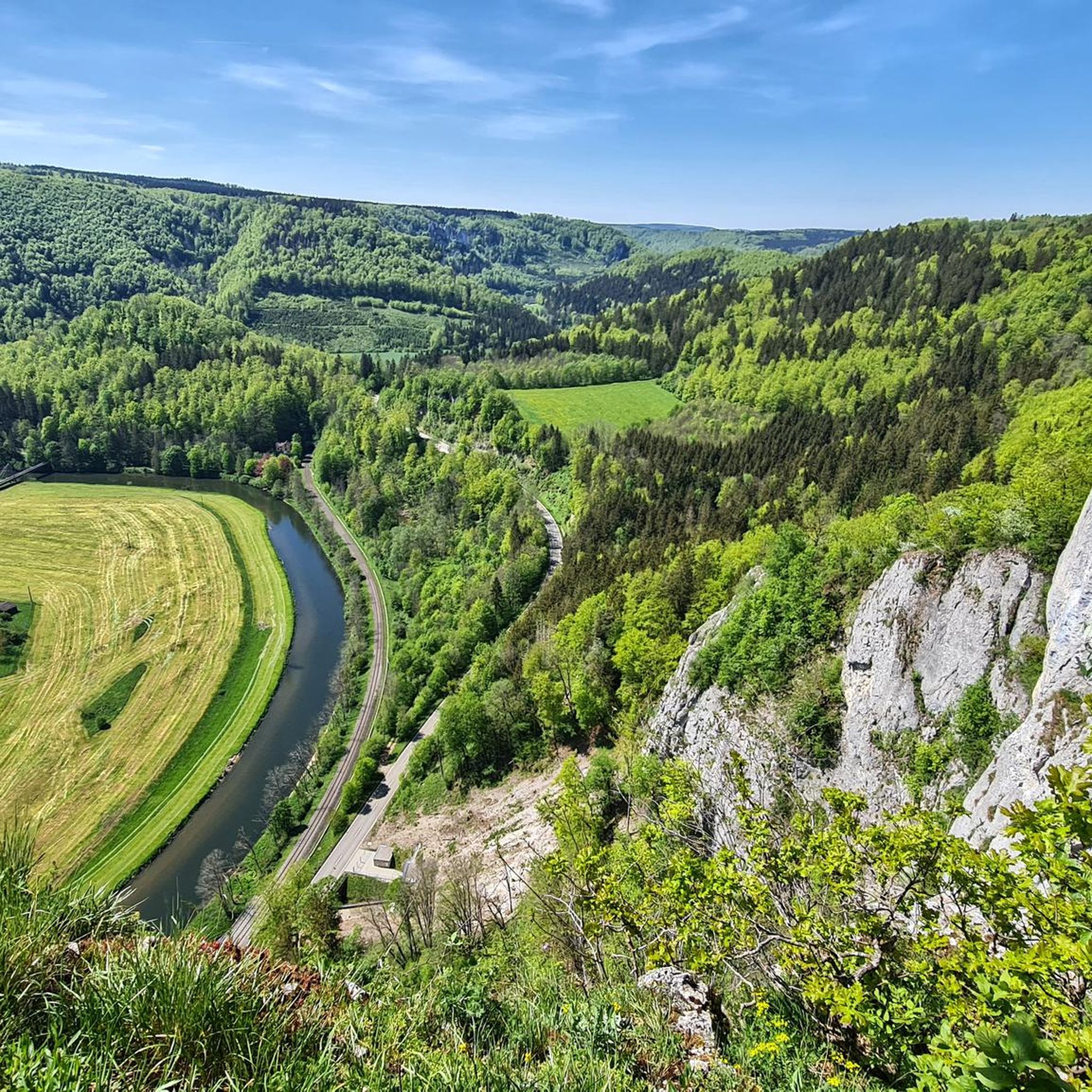
From the hillside path from Wildenstein Castle to Beuron, there are beautiful views into the Danube valley with Wildenstein Castle and Werenwang Castle up on the steep cliffs.
2
0

The rocky landscape of the Upper Danube Valley is a unique habitat for rare plants, some dating back to bygone eras or normally found in other regions such as the Alps. The rock garden serves to draw attention to this special flora and allows it to be observed without entering the area. It is beautifully landscaped and labeled with plant names.
0
0
Founded in the 11th century and a Benedictine monastery since the 19th century, the Beuron Archabbey complex is one of the most impressive buildings in the Upper Danube Valley. The late Baroque abbey church, with its organ and paintings, is also well worth a visit inside.
1
0

Great statue of St. Nepomuk
2
0

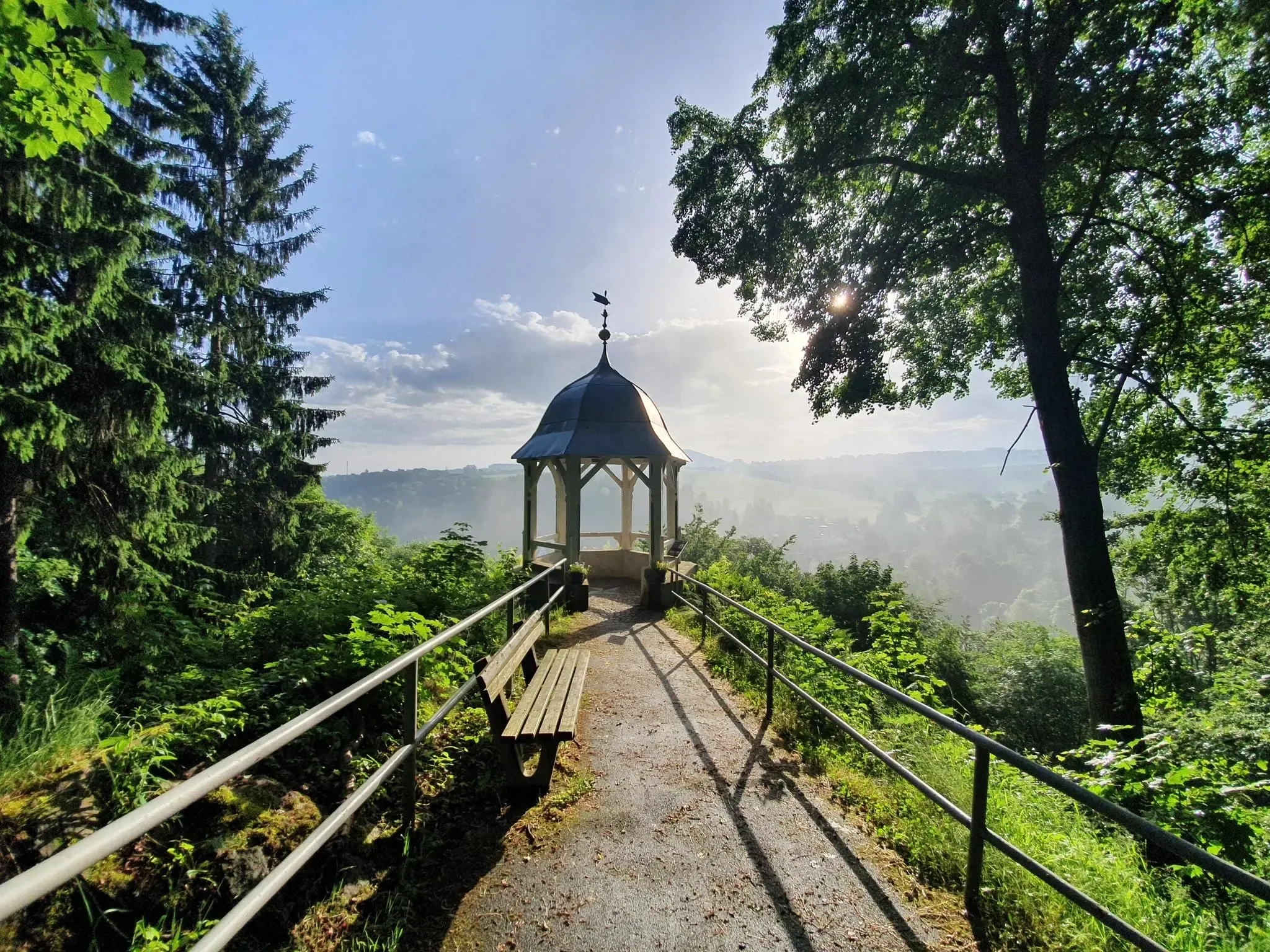
Perfect for a short break, with a view of the Danube Valley
3
0

... and suddenly the monastery is visible.
6
0
Frequently Asked Questions
How many running routes are available around Irndorf?
Irndorf offers an extensive network of over 200 running routes. These trails vary in length and difficulty, providing options for all fitness levels, from easy jogs to challenging long-distance runs.
What kind of terrain can I expect on the running trails near Irndorf?
The terrain around Irndorf is diverse, ranging from nearly flat, karstic high plains in areas like the Irndorfer Hardt nature reserve to hilly paths with significant elevation changes. You'll encounter routes through picturesque forests, along rugged cliffs, and through river valleys, often with stunning views of the Danube.
Are there any easy or beginner-friendly running routes in Irndorf?
Yes, Irndorf has 25 easy running routes suitable for beginners or those looking for a more relaxed jog. An example is the Running loop from Schwenningen, which is just over 4 km long with minimal elevation gain.
Can I find long-distance running trails around Irndorf?
Absolutely. Irndorf is situated within the Upper Danube Nature Park, offering numerous opportunities for longer runs. Trails like the Wildenstein Castle – View of the Danube Valley Cliffs loop from Beuron cover over 22 km, providing a challenging and extended running experience.
What scenic viewpoints or natural landmarks can I see while jogging in Irndorf?
Irndorf's elevated position provides breathtaking panoramic views. You can jog past the impressive Danube Valley in the Upper Danube Nature Park, catch glimpses of historic Wildenstein Castle, or experience the dramatic 'Grand Canyon-view' from the Eichfelsen. The View of Schloss Werenwag is another magnificent vista along some routes.
Are there any circular running routes available?
Yes, many of the trails around Irndorf are circular routes, perfect for starting and ending your run in the same location. The region boasts numerous marked hiking trails that are also suitable for jogging, including local circular loops varying in length and difficulty.
Are the running routes around Irndorf suitable for families?
While many routes feature varied terrain and elevation, there are easy and moderate trails that families can enjoy. Look for shorter, less strenuous options, particularly those that pass through meadows or offer interesting natural features like the Felsengarten near Eichfelsen, which can add an educational element to your outing.
Can I bring my dog on the running trails in Irndorf?
Generally, dogs are welcome on the extensive trail network around Irndorf, especially within the Upper Danube Nature Park. However, it's always advisable to keep your dog on a leash, especially in nature reserves like Irndorfer Hardt, to protect local wildlife and ensure a pleasant experience for all trail users.
What do other runners say about the trails in Irndorf?
The running routes in Irndorf are highly rated by the komoot community, with an average score of 4.3 stars from over 240 reviews. Runners often praise the stunning panoramic views, the diverse natural landscapes, and the well-maintained trails that offer a mix of challenging climbs and gentle paths.
What is the best time of year to go running in Irndorf?
Irndorf offers excellent running conditions throughout much of the year. Spring and autumn provide pleasant temperatures and vibrant scenery, while summer is ideal for early morning or late afternoon runs. Even in winter, the region can be beautiful, though some trails might be more challenging due to snow or ice.
Are there any places to stop for refreshments near the running routes?
While specific cafes directly on every route might be limited, the villages and towns surrounding Irndorf, such as Beuron or Bärenthal, offer options for refreshments. Some viewpoints, like Rauher Stein, have nearby hiking lodges that can serve as a resting point.
Is it possible to reach the running trails by public transport?
Access to trails by public transport can vary. While Irndorf itself has some public transport connections, reaching specific trailheads might require local bus services or a short walk from a stop. It's recommended to check local transport schedules for the most convenient access points to your chosen route.
Where can I park when accessing the running routes in Irndorf?
Many trailheads and popular starting points around Irndorf offer designated parking areas. For example, routes starting from Beuron or Bärenthal typically have parking available. It's advisable to check the specific route details on komoot for information on parking facilities near your chosen starting point.
Most popular attractions around Irndorf

Get inspired with the komoot mobile app


Explore more
Browse the best Running Trails & Routes in other regions.
