Attractions and Places To See around Flitton And Greenfield - Top 20
Attractions and places to see around Flitton And Greenfield offer a blend of historical landmarks, natural beauty, and local points of interest within a single civil parish. The area features significant historical sites like 15th-century churches and 17th-century manor houses. Natural features include extensive wetlands, moors, and the River Flit, providing diverse landscapes for exploration. These elements combine to create a region rich in both cultural heritage and ecological significance.
Best attractions and places to see around Flitton And Greenfield
…Last updated: May 4, 2026
Icknield Way Trail – Pegsdon Hills
Highlight (Segment) • Forest
Tip by

Houghton House Ruins
Highlight • Viewpoint
Tip by

Sign up now to discover places like this
Get recommendations on the best single tracks, peaks, & plenty of other exciting outdoor places.
Sign up for free
St Peter's Church, Lilley
Highlight • Historical Site
Tip by

Woburn Village
Highlight • Cafe
Tip by

Ampthill Market Square
Highlight • Cafe
Tip by

Sign up for free to discover even more attractions around Flitton And Greenfield.
Sign up for free
Already have an account?
Start today with a free account
Your next adventure awaits.
Login or Signup
Tips from the Community

In the accounts of the Evangelists, who describe the events in the life of Jesus and his disciples in the New Testament, we find a very nuanced picture of the Apostle Saint Peter, to whom the patronage of this church in Lilley is entrusted. On the one hand, we encounter the convinced and resolute disciple of Jesus, who, for example, attended the Transfiguration on Mount Tabor; but on the other hand, he is not free from human weakness. The latter becomes very clear in the events of Holy Week: In the Garden of Gethsemane, he falls asleep—as do the other disciples—when Jesus, after the Last Supper, addresses God the Father and asks the disciples to pray as well; and after Jesus' arrest, Peter, out of fear, even denies three times that he knows him at all. But he also weeps over his weakness and, upon encountering the risen Christ, professes his love and loyalty to him. His real name is Simon, but Jesus gives him the name Peter (the word means 'rock'), upon which the Church is to be built, and gives him – according to the Gospel of Matthew – the "keys to the Kingdom of Heaven." His feast day – together with that of Saint Paul – is celebrated on June 29th in all Christian denominations.
0
0


The village boasts a collection of well-preserved Georgian buildings, which gives it a charming atmosphere. Many good pubs but if you fancy a coffee or a lite bite try Flootes
0
0

On the climb, make sure to admire the amazing tree canopy as well. :)
0
0
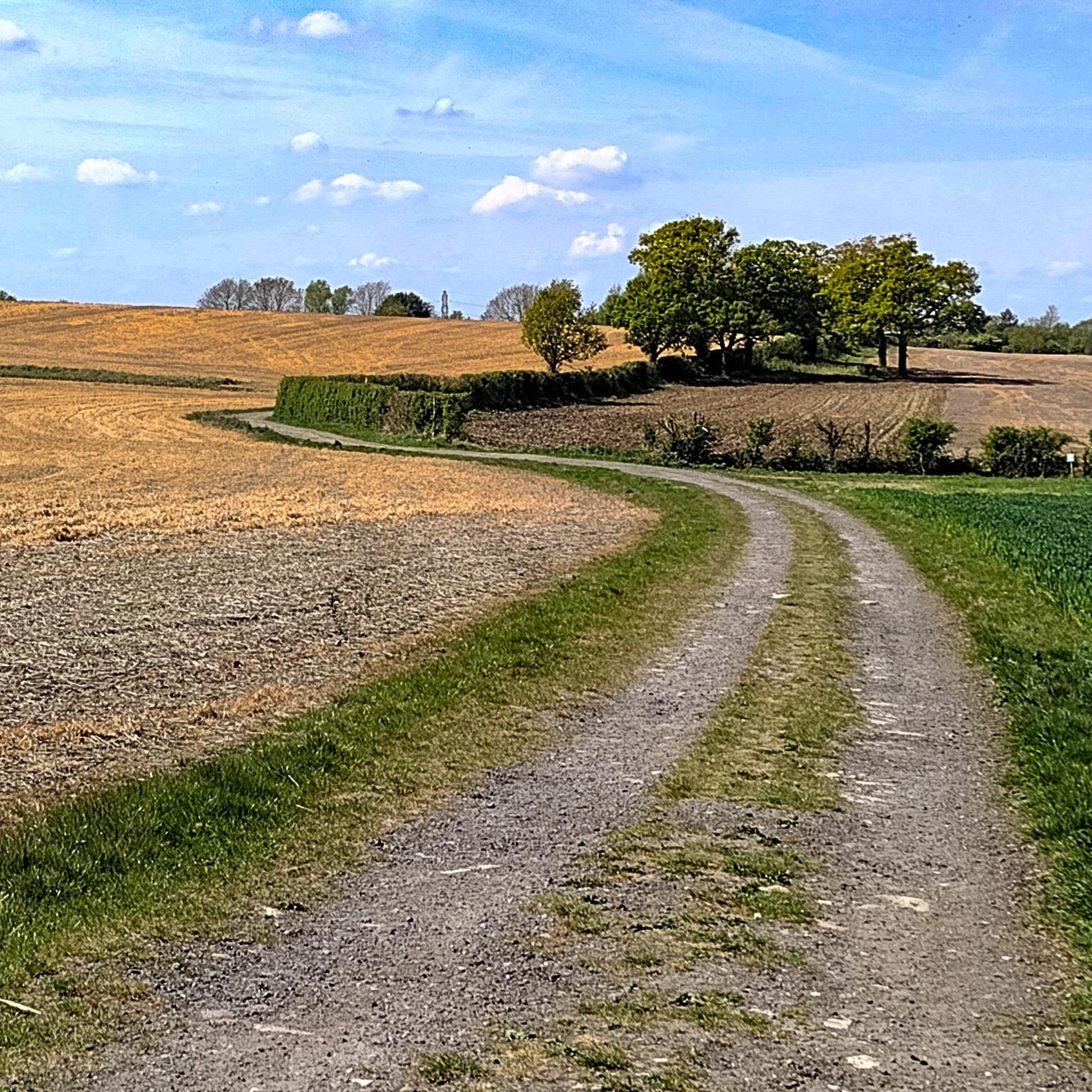
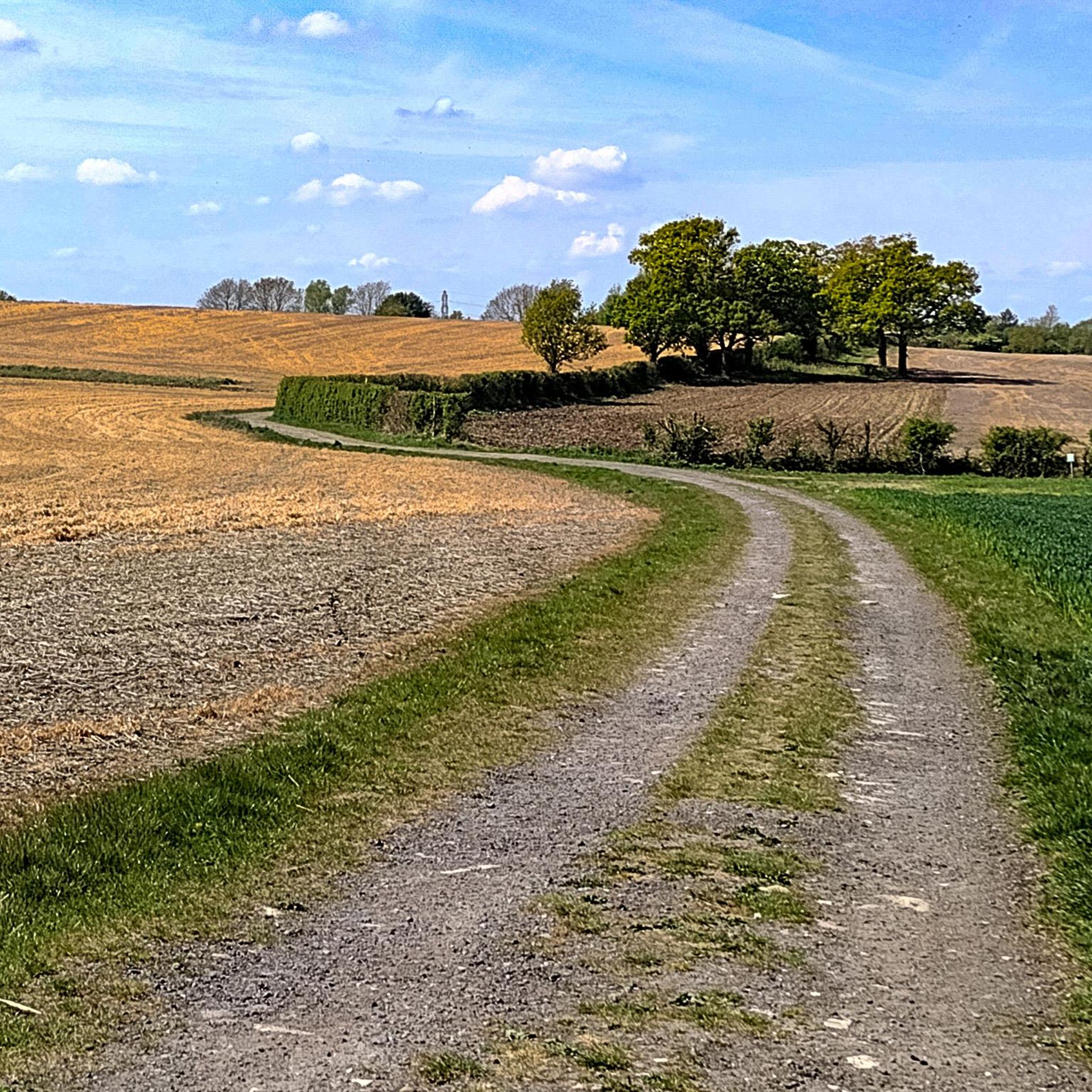
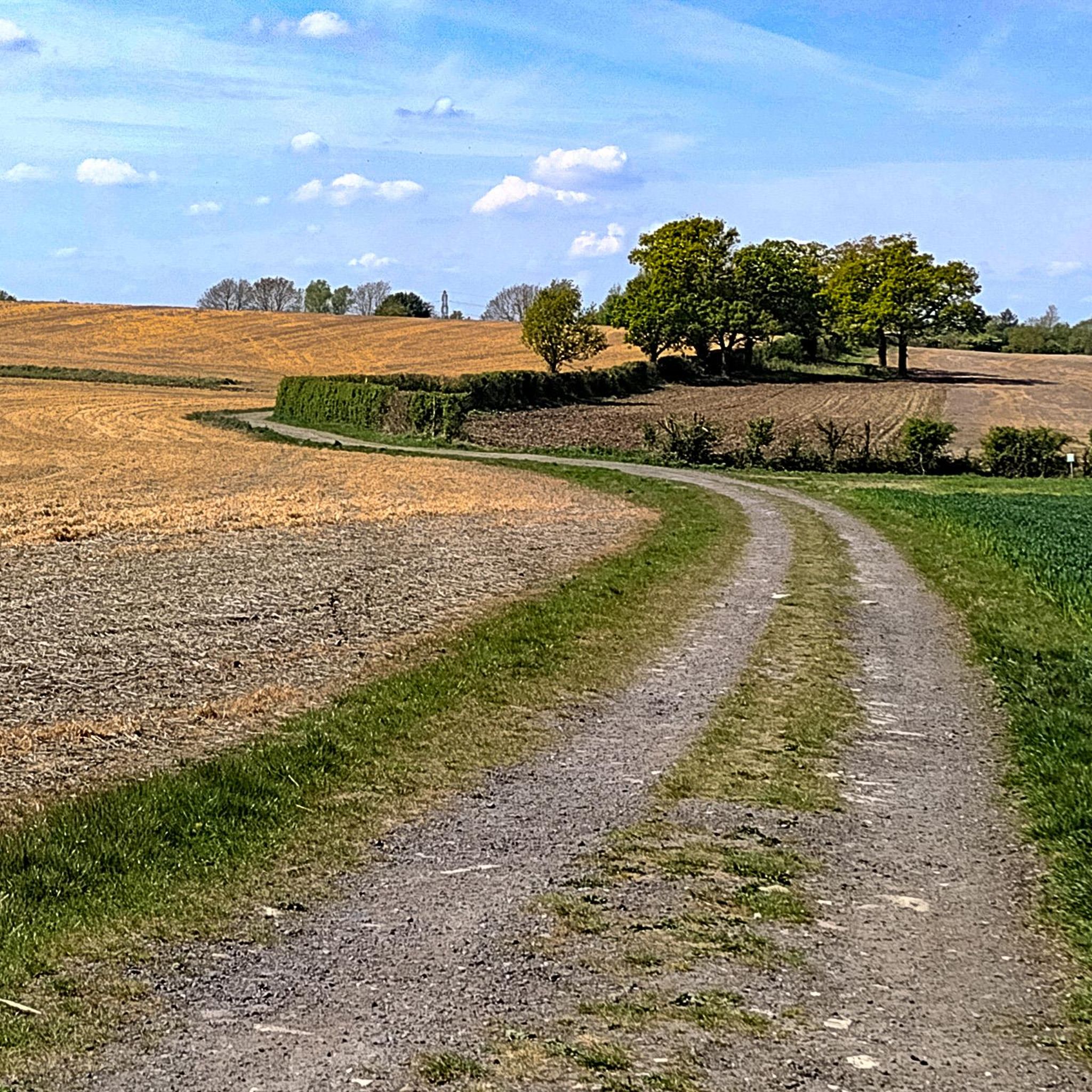
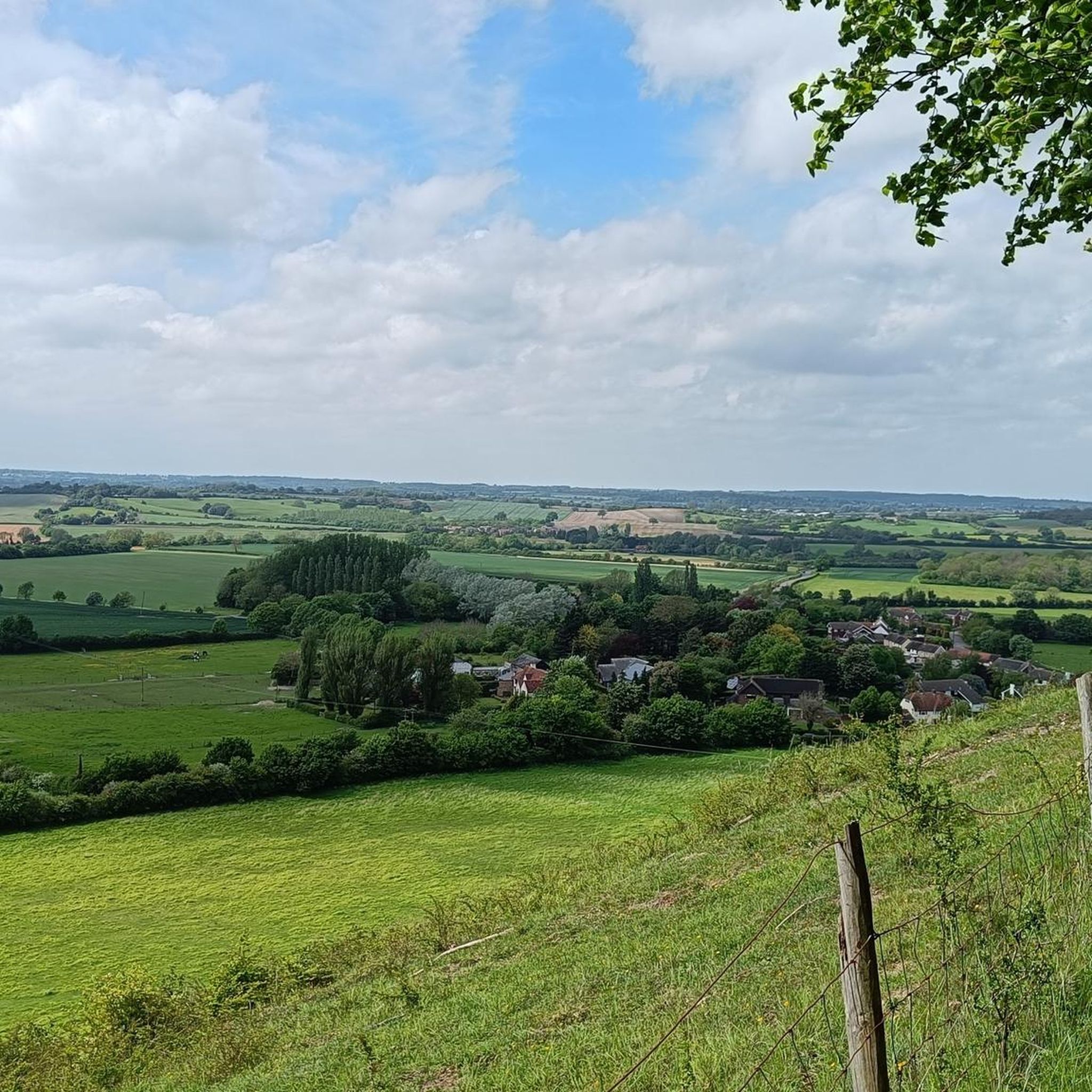
Beautiful woodland part of the Icknield Way in this area, with a climb & descent around Telegraph Hill
0
0

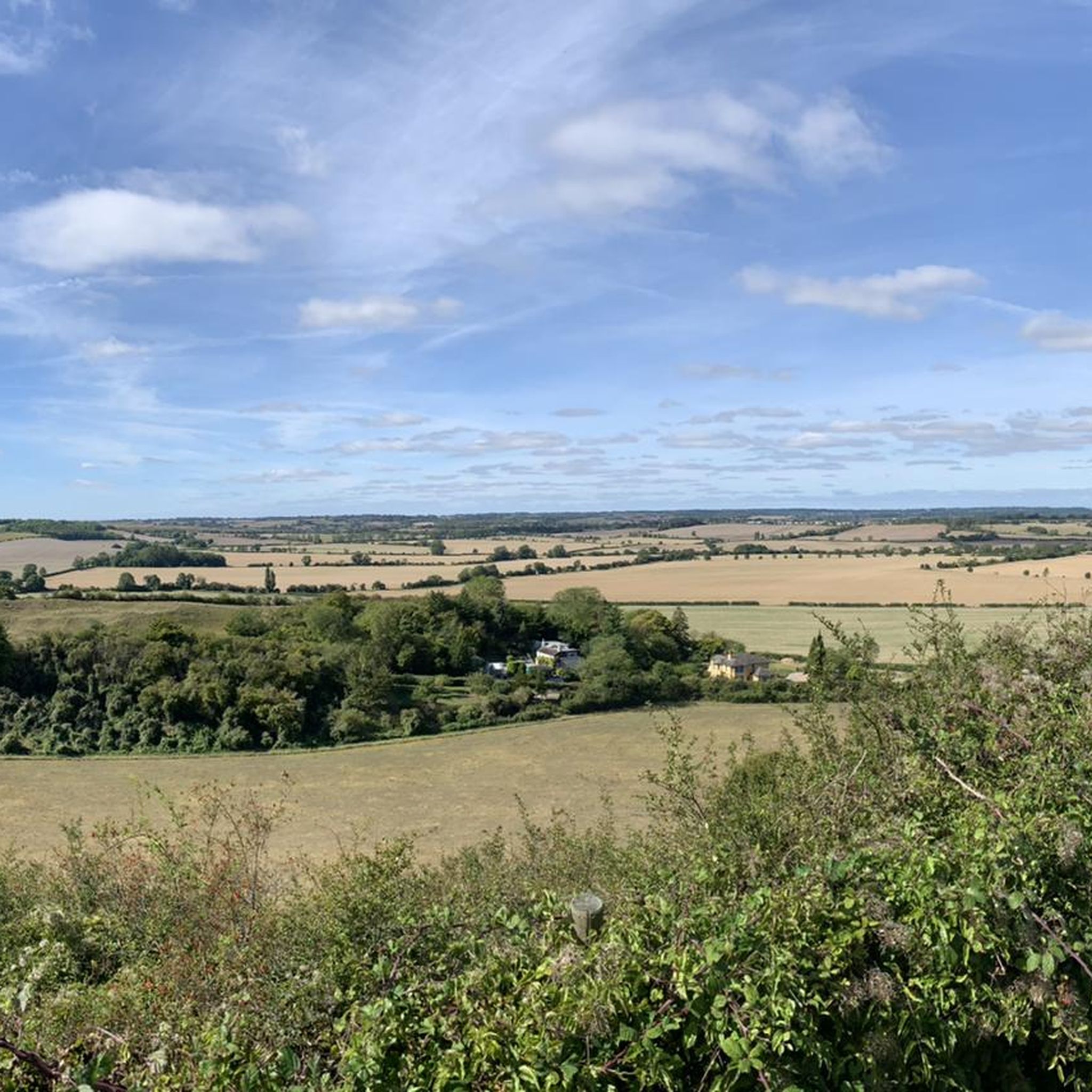
we love this stretch some great views over the plains
0
0
Free to visit. English heritage link https://www.english-heritage.org.uk/visit/places/houghton-house/
0
0
Frequently Asked Questions
What historical sites can I explore in Flitton and Greenfield?
Flitton and Greenfield are rich in history. You can visit the De Grey Mausoleum and St John the Baptist Church in Flitton, a 15th-century church with a remarkable mausoleum housing 17 sculpted memorials. Additionally, the Houghton House Ruins, a 17th-century mansion managed by English Heritage, offers a glimpse into the past and is thought to have inspired 'House Beautiful' in John Bunyan's Pilgrim's Progress.
Are there any natural reserves or moors to visit for wildlife spotting?
Yes, the area boasts significant natural features. Flitton Moor is a Local Nature Reserve known for its wet grassland, ponds, and tree belts, making it one of the best sites in the county for dragonflies and damselflies. Adjacent to Greenfield, Flitwick Moor is Bedfordshire's largest wetland area and a Site of Special Scientific Interest (SSSI), featuring diverse flora and fauna across fen, mire, wet woodland, and meadows.
What kind of outdoor activities can I do near Flitton and Greenfield?
The region offers various outdoor activities, particularly cycling. You can explore numerous routes for gravel biking, mountain biking, and road cycling. For instance, there are several gravel biking routes, including the 'Icknield Way Woodland Trail – Wood Lane Bridleway loop'. Mountain bikers can find trails like the 'Woodland Bridleway – Woburn Forest Circular Trail loop' among the MTB Trails around Flitton And Greenfield. Road cyclists can enjoy scenic rides such as the 'New Water End Lane – St Mary's Church, Woburn loop' from the Road Cycling Routes around Flitton And Greenfield.
Are there family-friendly attractions in the area?
Absolutely. Many attractions cater to families. Woburn Village is a charming settlement with picturesque cottages, cafes, and pubs, making it a pleasant stop for families. The Houghton House Ruins also offers an engaging historical experience for all ages, with its impressive 17th-century remains and scenic views.
Where can I find charming villages or market towns nearby with amenities?
You can visit Woburn Village, known for its picturesque cottages, well-preserved architecture, and a variety of cafés and pubs. Another excellent option is Ampthill Market Square, a historic Georgian market town offering numerous cafes, pubs, and restaurants, perfect for a stop to relax and enjoy local fare.
What are some notable architectural features in Flitton and Greenfield?
Beyond the De Grey Mausoleum, Flitton features the Flitton Manor House, a 17th-century building noted for its architecture and gardens. In Greenfield, the High Street is characterized by a charming mix of thatched cottages and traditional Bedfordshire brick dwellings, showcasing the area's historical building styles.
Are there any good trails for walking or cycling?
Yes, the area offers several trails. The Icknield Way Trail – Pegsdon Hills is a wide, hard-pack forest trail that includes a climb over Telegraph Hill, suitable for both walking and cycling. Greenfield's Mill Lane also provides access to footpaths and bridleways leading to natural areas like Flitwick Moor and Ruxox Farm, offering opportunities for exploring the local countryside.
What is the significance of the River Flit in the area?
The village of Flitton derives its name from the River Flit, which flows nearby. The river is an integral part of the local landscape, contributing to the area's natural beauty and wetland systems, including Flitton Moor and Flitwick Moor, which are part of the larger Flit Valley wetland system.
Are there any ancient settlements or archaeological findings in Flitton and Greenfield?
Archaeological evidence indicates ancient settlements in Greenfield dating back to pre-Roman times, with artifacts from the Mesolithic, Neolithic, and Iron Ages discovered. Roman-era fragments have also been found, particularly in areas near Flitwick Moor and Ruxox Farm, highlighting the long history of human presence in the region.
Where can I find a traditional pub in Greenfield?
In Greenfield, The Compasses stands as the last remaining public house in the village. It holds a significant place in the community's social history and offers a traditional pub experience.
What do visitors particularly enjoy about the attractions around Flitton and Greenfield?
Visitors appreciate the blend of historical sites and natural beauty. For instance, the Houghton House Ruins are loved for their historical significance and the terrific views they offer over the surrounding countryside. The Woburn Village is praised as a picturesque hub with great places to eat and drink, making it a popular stop for cyclists and sightseers alike.
Are there any religious buildings of historical interest?
Yes, the Church of St John the Baptist in Flitton, dating back to the 15th century, is a significant historical site. It features Green Man roof bosses and is adjacent to the impressive De Grey Mausoleum. Another notable religious building is St Peter's Church, Lilley, a 12th-century church rebuilt in 1871, which retains a 15th-century octagonal clunch font and stained-glass windows from 1891.
Most popular routes around Flitton And Greenfield
Most popular attractions around Flitton And Greenfield

Get inspired with the komoot mobile app


Explore more
Still not found the Highlight you’re looking for? See guides of the top attractions in other regions:
