Attractions and Places To See around Cloghtogle - Top 6
Best attractions and places to see around Cloghtogle are found in County Fermanagh, Northern Ireland. This region is characterized by ancient megalithic sites, including wedge-tombs and standing stones, and its proximity to significant natural landscapes. The area features a mix of historical castles, monastic sites, and natural wonders like the Marble Arch Caves Global Geopark and Lough Erne. Visitors can explore diverse environments, from mountain trails to extensive forest parks and island ruins.
Best attractions and places to see around…
Last updated: June 29, 2026
Enniskillen Castle
Highlight • Historical Site
In …
Tip by

Ancient Chestnut Tree
Highlight • Forest
Tip by

Sign up now to discover places like this
Get recommendations on the best single tracks, peaks, & plenty of other exciting outdoor places.
Sign up for free
Castle Coole
Highlight • Castle
Tip by
Devenish Monastic Site
Highlight • Monument
Tip by

Devenish Island Round Tower
Highlight • Monument
Tip by
Sign up for free to discover even more attractions around Cloghtogle.
Sign up for free
Already have an account?
Start today with a free account
Your next adventure awaits.
Login or Signup


Tips from the Community

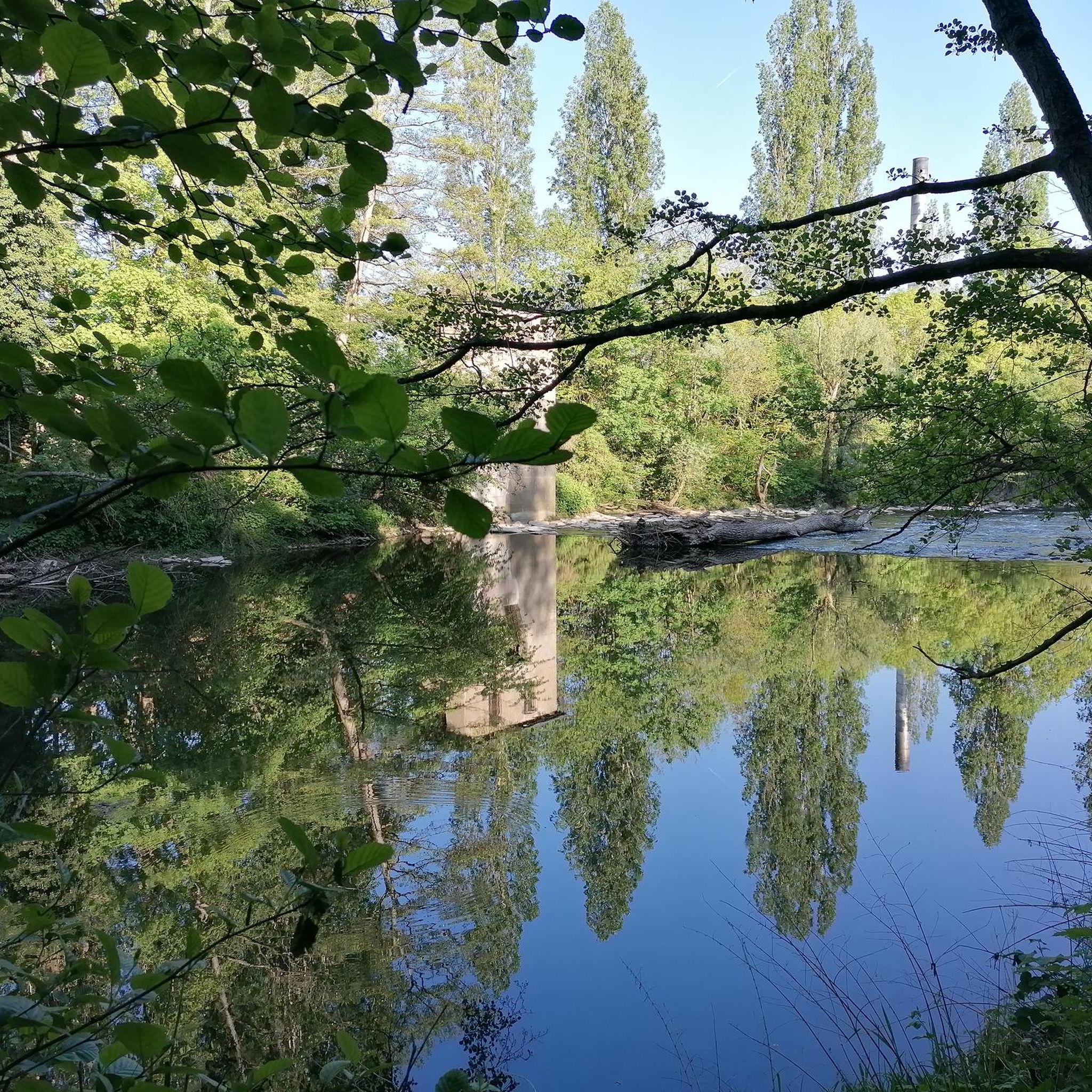
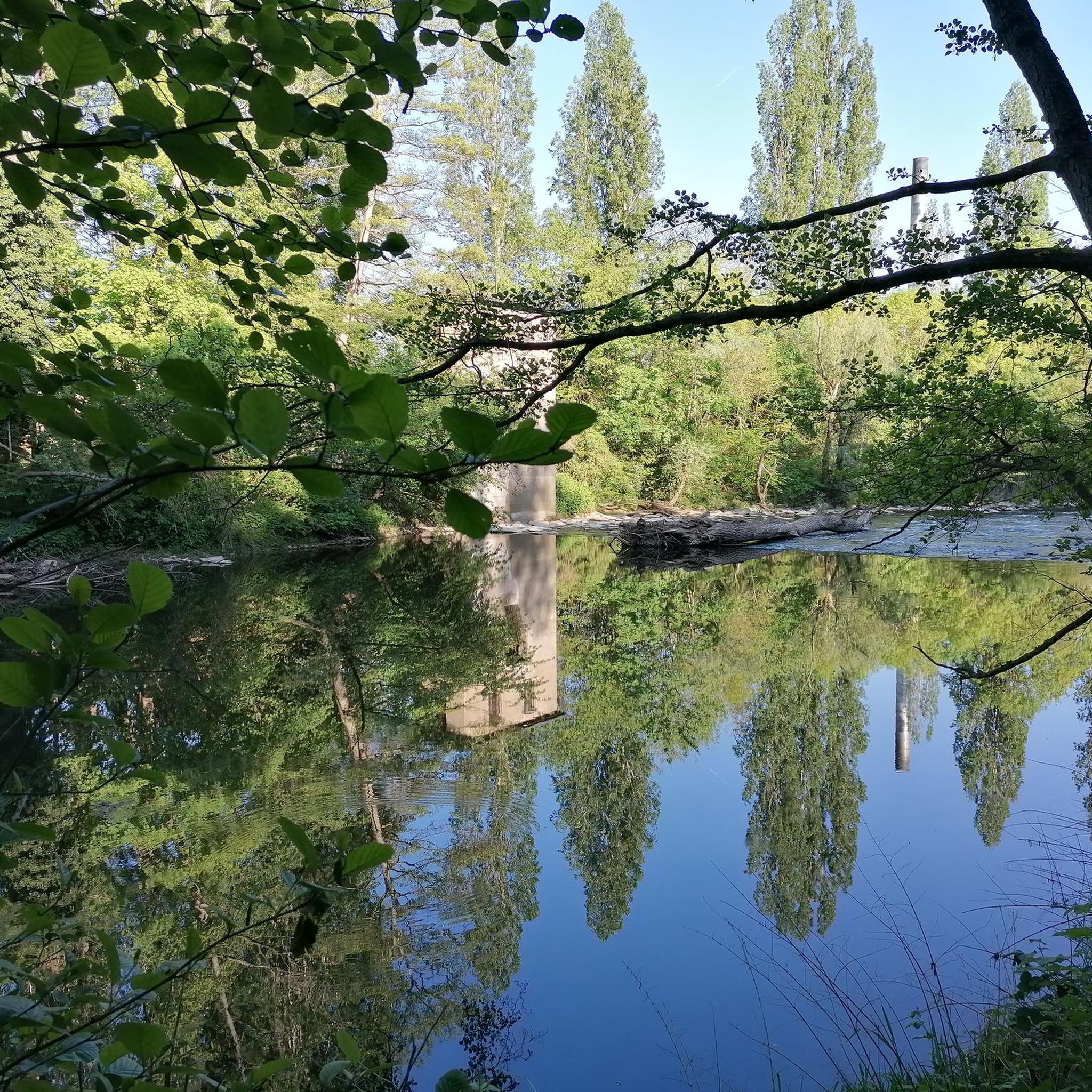
Along the Beech Trail, you'll discover some of the oldest trees on the estate, including Oak and the sprawling limbs of this Horse Chestnut, forming a natural arch over the path.
0
0


Devenish Monastic Site is generally considered to be the most important of Lough Erne's many island church settlements. Devenish was founded in the 6th century by St Molaise. It was raided by Vikings in 837 and burned in 1157, but in the Middle Ages flourished as the site of a parish church and St Mary's Augustinian Priory. There are extensive low earthworks on the hillside, but the earliest buildings are St Molaise's House (a very small church) and the fine round tower close by, both with striking Romanesque decorations from the 12th century. Teampull Mór, the lower church, dates from the early 13th century and has a beautifully moulded south window. It was extended to the east in about 1300, while later additions include a residential wing to the north and the Maguire Chapel to the south, with 17th century heraldic slabs. St Mary's Augustinian Priory on the hilltop dates from the middle 15th and early 16th centuries, with church, tower and small north cloister. In its graveyard stands an unusual, intricately-carved cross of the middle 15th century. - https://en.wikipedia.org/wiki/Devenish_Island - https://web.archive.org/web/20120224043140/http://www.culturenorthernireland.org/article.aspx?art_id=746
0
0
Founded by Saint Laisrén mac Nad Froích (aka St Molaise) in the 6th century, the monastic site was built on a pilgrimage route to Croagh Patrick. As you view the Island from Trory Pier you can see the 25 metre tall 12th century round tower standing majestically above the ruined buildings. The tower has wooden floors and can be climbed by the public via a series of ladders. The tower is decorated with 12th century romanesque features, the most unusual feature is a beaded cornice running around the top of tower with head sculpture featured above the bell-storey windows. - http://www.megalithicireland.com/Devenish%20Round%20Tower.html - https://archive.ph/20121224010315/http://www.ni-environment.gov.uk/places/monuments/devenish.shtml#selection-1091.0-1091.30
0
0

The magnificent Enniskillen Castle is situated in the heart of Enniskillen on the banks of the River Erne. The castle was founded in the 15th century by Hugh 'The Hospitable' Maguire and belonged to the Maguire family for centuries. Between 2007 and 2013 a massive refurbishment took place so that the castle could be opened to the public. Today you can explore the castle grounds and learn about this landmarks rich history.
1
0
Run past the beautiful Castle Coole, a magnificent 18th century manor house set in a gorgeous 1,200 acre wooded landscape park.
1
0

Castle Coole is one of the most magnificent Neo-classical houses in Ireland set in a 1,200 acre (490 ha) wooded estate. Built in the 18th century, the grand mansion was home to the Earls of Belmore. The 7th Earl Belmore gave the manion to the National Trust in 1951. The house was originally constructed as a summer retreat and cost £57,000, the equivalent of around £20 million today. It is set amongst beautiful parklands dotted with oak, ash and beech trees. Some of the land is given to local farmers to graze their cattle and sheep. You can visit the mansion and its grounds for an insight of how life would once have been for its wealthy inhabitants and their staff. Entrance to the grounds costs £5 per adult.
1
0
Built in the 16th century, Enniskillen Castle has many stories to tell – from Irish rebellions against English rule to sieges and protection from the threat of French invasion. In the 1950s, the castle was decommissioned as an army barracks and opened as a heritage centre. Today, you can visit the museum to learn about the region's history. The castle is open from 9.30am to 5pm (Monday to Friday) and from 11am - 5pm on weekends.
3
0
Frequently Asked Questions
What historical sites can I explore around Cloghtogle?
Cloghtogle is rich in history. You can visit Enniskillen Castle, a 16th-century fortress housing two museums. Another significant site is Castle Coole, an 18th-century Neo-classical mansion set in a vast wooded estate. Don't miss the ancient Devenish Monastic Site on Lough Erne, featuring well-preserved ruins and a round tower dating back to the 6th century.
Are there any ancient megalithic sites in the Cloghtogle area?
Yes, Cloghtogle is known for its ancient megalithic sites. On the slopes of Cloghtogle Mountain, you'll find a significant wedge-tomb with a long chamber, remnants of a stone circle, and several standing stones. In Cloghtogle townland itself, visitors can also locate "The Druid's Altar," another identified wedge tomb.
What natural attractions are there to see near Cloghtogle?
The region boasts impressive natural beauty. The Marble Arch Caves Global Geopark is a must-see, featuring subterranean rivers, waterfalls, and geological formations. You can also explore Cuilcagh Mountain, the highest point in County Fermanagh, or enjoy the vast Lough Erne, perfect for boating and island exploration. The Cladagh Glen Nature Reserve offers beautiful woodland walks with waterfalls and a natural archway.
What outdoor activities can I do around Cloghtogle?
The area around Cloghtogle offers various outdoor activities. You can enjoy hiking through ancient woodlands or along lake shores. For cycling enthusiasts, there are routes ranging from moderate to difficult. Explore options like the Kingfisher Cycle Trail or shorter loops around Enniskillen. Find more details on routes in the hiking guide and cycling guide.
Are there family-friendly attractions in Cloghtogle?
Absolutely. Many attractions are suitable for families. Enniskillen Castle offers engaging history for all ages. The estates of Castle Coole and Florence Court provide extensive parklands for walks and exploration, including the unique Ancient Chestnut Tree which forms a natural arch. The Marble Arch Caves Global Geopark also offers an exciting adventure for families.
Where can I find easy hiking trails near Cloghtogle?
For easy hikes, consider the trails around Castle Coole, such as the Ancient Chestnut Tree loop. There are also several easy loops around Enniskillen Castle and Lough Coole. These trails offer pleasant walks through scenic landscapes. You can find more details and specific routes in the Easy hikes around Cloghtogle guide.
What is the 'Stairway to Heaven' and where is it located?
The 'Stairway to Heaven' refers to the Legnabrocky trail on Cuilcagh Mountain. This challenging boardwalk trail leads through blanket bog to the summit, offering panoramic views. It's a popular and rewarding ascent for hikers.
What do visitors enjoy most about the attractions around Cloghtogle?
Visitors frequently praise the rich history and natural beauty of the area. They appreciate the well-preserved historical sites like Enniskillen Castle and the grandeur of Castle Coole. The serene walks through estates and the unique natural features like the Ancient Chestnut Tree are also highly rated. The blend of cultural heritage and stunning landscapes makes for a memorable experience.
Are there any unique natural features or viewpoints in the area?
Yes, Cloghtogle Mountain itself is a significant natural landmark. For breathtaking views, visit Lough Navar Forest, which offers panoramic vistas over Lower Lough Erne. The Marble Arch Caves Global Geopark also includes the dramatic Cliffs of Magho, providing stunning natural scenery.
Can I visit a working watermill or pottery near Cloghtogle?
Yes, Florence Court estate features historical elements including a working watermill and tilery, offering a glimpse into traditional crafts. Additionally, the world-famous Belleek Pottery, located a short drive from Cloghtogle, offers visitor experiences where you can see their renowned porcelain being made.
What is the best time to visit Cloghtogle attractions?
The best time to visit Cloghtogle attractions generally depends on your preferred activities. Spring and summer (April to September) offer milder weather, ideal for exploring outdoor sites, hiking, and enjoying the lakes. Many attractions, especially those with extensive gardens like Florence Court and Castle Coole, are at their most vibrant during these months. Autumn also brings beautiful foliage, while some indoor attractions remain open year-round.
Are there any dog-friendly walks around Cloghtogle?
Many of the outdoor areas and forest parks around Cloghtogle are suitable for dog walking, provided dogs are kept on a leash and owners clean up after them. Estates like Castle Coole often have designated areas or trails where dogs are permitted in the grounds. Always check specific venue policies before visiting.
Most popular routes around Cloghtogle

Get inspired with the komoot mobile app


Explore more
Still not found the Highlight you’re looking for? See guides of the top attractions in other regions:
