The best road cycling routes around Cloghtogle
3.8
(35)
355
riders
88
rides
Road cycling around Cloghtogle, situated within County Fermanagh, Northern Ireland, offers diverse terrain for cyclists. The region is characterized by serene waterways, rolling hills, and varied natural features, providing a backdrop for road cycling routes. The Fermanagh Lakelands, where Cloghtogle is located, feature a network of roads suitable for different cycling abilities. This area combines established routes with natural beauty, making it a destination for road cyclists.
Best road cycling routes around Cloghtogle
- The most popular road cycling route is…
Last updated: June 27, 2026
5
riders
55.3km
02:29
430m
430m
Moderate road ride. Good fitness required. Mostly well-paved surfaces and easy to ride.
5
riders
41.6km
01:52
390m
390m
Moderate road ride. Good fitness required. Mostly well-paved surfaces and easy to ride.

Sign up for free
6
riders
42.6km
01:43
230m
230m
Easy road ride. Great for any fitness level. Mostly well-paved surfaces and easy to ride.
6
riders
24.1km
00:57
120m
120m
Easy road ride. Great for any fitness level. Mostly well-paved surfaces and easy to ride.
4
riders
69.9km
03:06
530m
530m
Moderate road ride. Good fitness required. Mostly well-paved surfaces and easy to ride.
Get access to more routes and recommendations from other explorers.
Sign up for free
Already have an account?
Our route recommendations are based on thousands of hikes, rides, and runs completed by other people on komoot.
Start today with a free account
Your next adventure awaits.
Login or Signup
Popular around Cloghtogle

Tips from the Community

Known locally as the "Wee Abbey", Clones Abbey is a ruined monastery dating back to the 12th century. The original abbey was founded by St. Tigernach as early as the 6th century. However, the abbey was destroyed by fire not once, but four times during its history. In the 16th century, the abbey suffered once again during the suppression of monasteries and Protestant reformation under Henry VIII. Less than a hundred years later, it lay in ruin, although some solitary monks still lived here until the 18th century. Today, you can visit the crumbling walls and take a look at the interesting graveyard. The abbey is free to visit and you can access it any time.
1
0

In the graveyard are several interesting stones, probably the most noted one is known as the Bishops stone, this odd shaped stone has been altered and reused several times, originally thought to have been a carved figure similar to those on nearby White Island. Another stone with a lot of history is the large slab standing west of the bishops stone, one side of the stone bears at least twelve cup-shaped hollows, see image above right, which suggest this maybe a multiple bullaun stone/cup marked stone that has been reused as an early Christian cross slab, as on the obverse face is a Greek cross in a circle with a bifurcated stem. Situated south of the bullaun stone is a holed stone, as the image shows this stone is half embedded in the ground. Immediately to the West of the holed stone is a broken 1.2 metre high stone pillar. This stone may have been damaged. http://www.megalithicireland.com/Killadeas.htm
1
0
In the graveyard are several interesting stones, probably the most noted one is known as the Bishops stone, this odd shaped stone has been altered and reused several times, originally thought to have been a carved figure similar to those on nearby White Island. Another stone with a lot of history is the large slab standing west of the bishops stone, one side of the stone bears at least twelve cup-shaped hollows, see image above right, which suggest this maybe a multiple bullaun stone/cup marked stone that has been reused as an early Christian cross slab, as on the obverse face is a Greek cross in a circle with a bifurcated stem. Situated south of the bullaun stone is a holed stone, as the image shows this stone is half embedded in the ground. Immediately to the West of the holed stone is a broken 1.2 metre high stone pillar. This stone may have been damaged. http://www.megalithicireland.com/Killadeas.htm
0
0
In the graveyard are several interesting stones, probably the most noted one is known as the Bishop's stone, this odd shaped stone has been altered and reused several times, originally thought to have been a carved figure similar to those on nearby White Island. - http://www.megalithicireland.com/Killadeas.htm
0
0

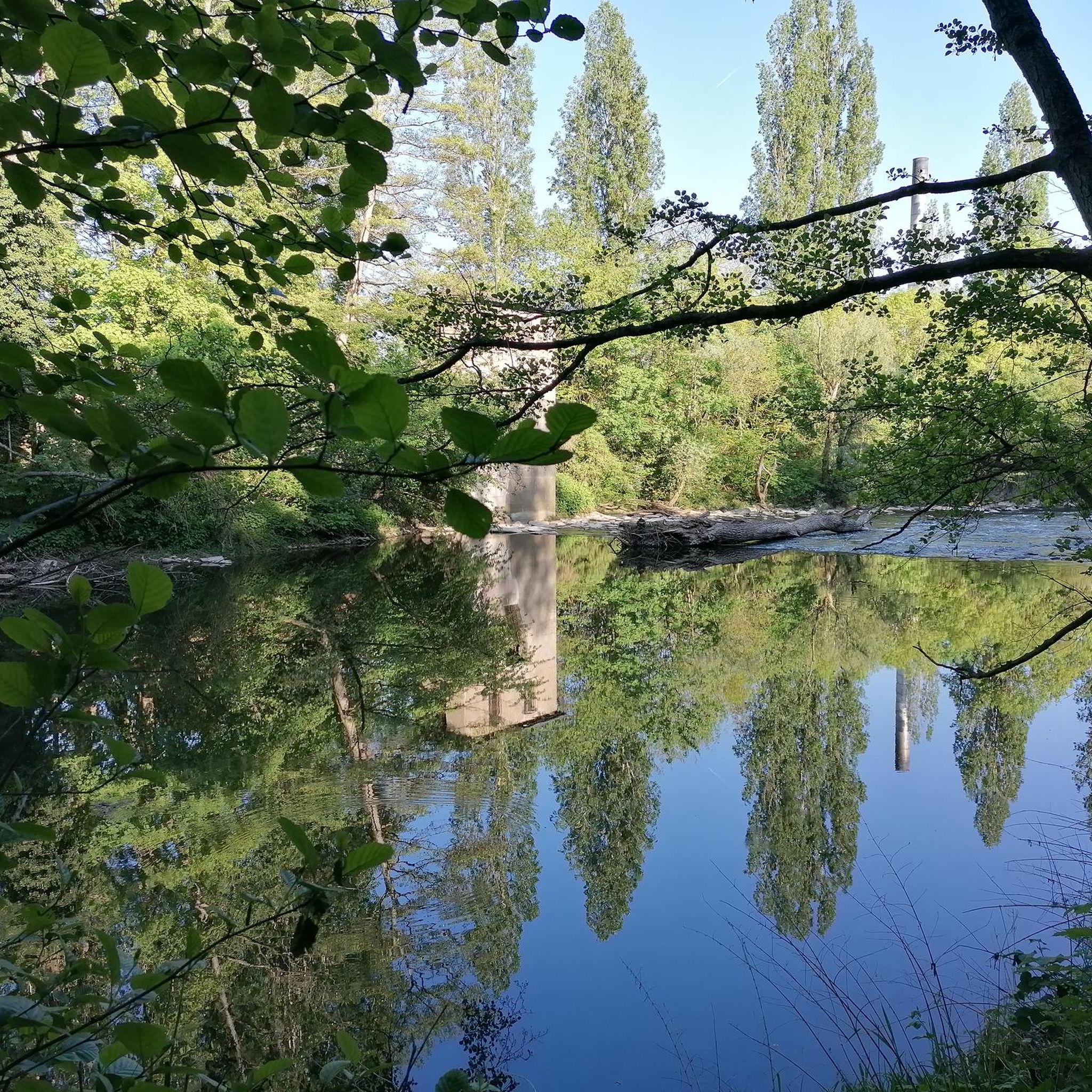
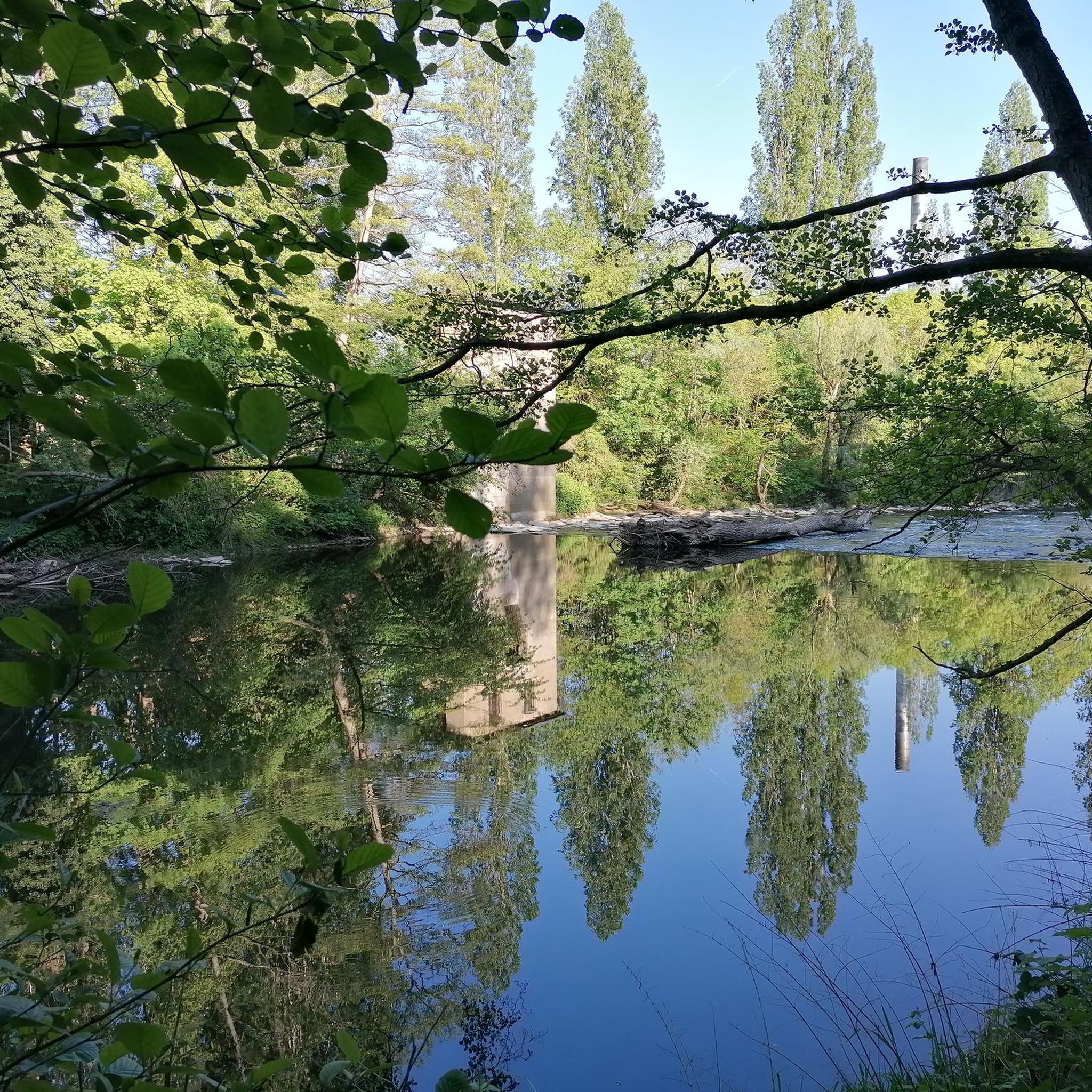
The road passed around the edge of Doon Forest. Mostly a conifer plantation, there is also a lot of deciduous planting around the outside. The quiet road through the trees feel particularly lush in May when the leaves are at their newest and greenest.
0
0

The round tower in Clones was originally built around the 10th century as part of the abbey. Although it would once have stood at 75 feet (23 m), the top part is now missing. Nonetheless, it is still a prominent feature on Clones' skyline. There would once have been four storeys, including a bell storey. St Tierney's graveyard, which surrounds the tower, is also an interesting place to explore with many 17th and 18th-century gravestones and the tomb shrine of St Tighernach.
1
0
Known locally as the "Wee Abbey", Clones Abbey is a ruined monastery dating back to the 12th century. The original abbey was founded by St. Tigernach as early as the 6th century. However, the abbey was destroyed by fire not once, but four times during its history. In the 16th century, the abbey suffered once again during the suppression of monasteries and Protestant reformation under Henry VIII. Less than a hundred years later, it lay in ruin, although some solitary monks still lived here until the 18th century. Today, you can visit the crumbling walls and take a look at the interesting graveyard. The abbey is free to visit and you can access it any time.
0
0
Frequently Asked Questions
What kind of terrain can I expect when road cycling around Cloghtogle?
The Cloghtogle area, nestled within the Fermanagh Lakelands, offers a diverse road cycling experience. You'll encounter serene waterways, rolling hills, and varied natural features. While many routes offer gentle gradients, there are also options with significant elevation gain for more challenging rides, providing a mix of road types through picturesque landscapes.
How many road cycling routes are available in the Cloghtogle region?
There are nearly 100 road cycling routes available in the Cloghtogle region, catering to various skill levels. This includes approximately 30 easy routes, 60 moderate routes, and 8 more difficult options for experienced cyclists.
Are there any family-friendly road cycling routes near Cloghtogle?
Yes, the wider Fermanagh Lakelands region offers family-friendly options. For instance, the Castle Archdale Family Cycle Trail provides a mostly flat 10-kilometer loop through woodlands and along the shores of Lough Erne, passing historical ruins, which is ideal for families and beginners.
What are some popular road cycling routes that offer a good overview of the area?
A popular route that provides a comprehensive loop around the area, passing by historic landmarks, is the Enniskillen Castle – Enniskillen Castle loop from Lisbellaw. This moderate 47-mile (75.6 km) trail takes approximately 3 hours 15 minutes to complete.
What are some notable landmarks or attractions I can see while cycling in the Cloghtogle area?
Road cycling routes around Cloghtogle often pass by significant historical and natural attractions. You might encounter Enniskillen Castle, the historic Castle Coole, or the ancient Ancient Chestnut Tree. The region is also home to the Devenish Monastic Site and its iconic Devenish Island Round Tower.
What do other road cyclists say about the routes in Cloghtogle?
The road cycling routes in Cloghtogle are highly rated by the komoot community, with an average score of 4.1 stars from over 25 reviews. More than 400 road cyclists have used komoot to explore the varied terrain, often praising the serene waterways and diverse natural features that define the area.
Are there any easier road cycling routes for beginners around Cloghtogle?
Yes, there are several easier routes suitable for beginners. The Lough Barry – Old Church loop from Lisbellaw is an easy 26.5-mile (42.6 km) trail that leads through the landscape surrounding Lough Barry. Another easy option is the Lough Corban loop from Lisbellaw, which is about 15.6 miles (25.1 km) long.
What are some challenging road cycling routes for experienced riders?
For experienced cyclists seeking a challenge, the Fermanagh Lakelands offer routes like the Scarplands Cycle Trail. While not exclusively a road cycling route, it provides options for 100km with loops and significant elevation changes (1,880m), offering panoramic views from Lough Navar Forest. Within the komoot selection, routes like the Enniskillen Castle – Enniskillen Castle loop from Lisbellaw offer moderate difficulty with notable elevation gain.
Are there any loop routes available for road cycling in Cloghtogle?
Yes, many of the road cycling routes around Cloghtogle are designed as loops. Examples include the Maguiresbridge Road loop from Lisbellaw, a moderate 25.9-mile (41.6 km) path, and the Maguiresbridge Road – Doon Forest loop from Lisbellaw, which covers nearly 31 miles (49.8 km).
What is the best time of year for road cycling in the Cloghtogle region?
The Fermanagh Lakelands, including the Cloghtogle area, are generally best for road cycling during the warmer and drier months, typically from late spring to early autumn (May to September). During this period, you can expect more favorable weather conditions, making for a more enjoyable experience amidst the picturesque scenery.
Are there any specific routes that offer scenic views of Lough Erne?
While specific road cycling routes directly along Lough Erne are not detailed in the provided data, the Fermanagh Lakelands region is characterized by its interconnected lakes, particularly Lough Erne. Many routes in the area will offer glimpses or panoramic views of the lough, especially those that traverse higher ground or pass through areas like Lough Navar Forest, which provides stunning vistas.
What are the typical distances and durations for road cycling routes around Cloghtogle?
Routes vary significantly in distance and duration. For example, an easy route like the Lough Corban loop from Lisbellaw is about 15.6 miles (25.1 km) and takes around 1 hour 4 minutes. More moderate routes, such as the Maguiresbridge Road loop from Lisbellaw, cover about 25.9 miles (41.6 km) and typically last around 1 hour 52 minutes.
Most popular routes around Cloghtogle
Most popular attractions around Cloghtogle

Get inspired with the komoot mobile app


Explore more
Browse the best Road cycling routes in other regions.
