Attractions and Places To See around Combe - Top 20
Best attractions and places to see around Combe encompass a landscape characterized by rolling hills and historical landmarks. This region offers a blend of natural beauty and significant cultural sites, providing diverse exploration opportunities. Visitors can discover ancient monuments, scenic waterways, and challenging trails. The area is ideal for those seeking outdoor activities and historical insights.
Best attractions and places to see around Combe
- The most popular attractions is Combe Gibbet, a man-made monument on the top of Gallows…
Last updated: October 5, 2026
Combe Gibbet
Highlight • Monument
Tip by

Crofton Locks and Pumping Station
Highlight • Rest Area
Tip by

Sign up now to discover places like this
Get recommendations on the best single tracks, peaks, & plenty of other exciting outdoor places.
Watership Down Climb
Highlight (Segment) • Trail
Tip by

Ladle Hill Iron Age Hillfort
Highlight • Historical Site
Tip by
Kennet and Avon Canal Path
Highlight • Cycleway
Tip by

Sign up for free to discover even more attractions around Combe.
Already have an account?
Start today with a free account
Your next adventure awaits.

Tips from the Community


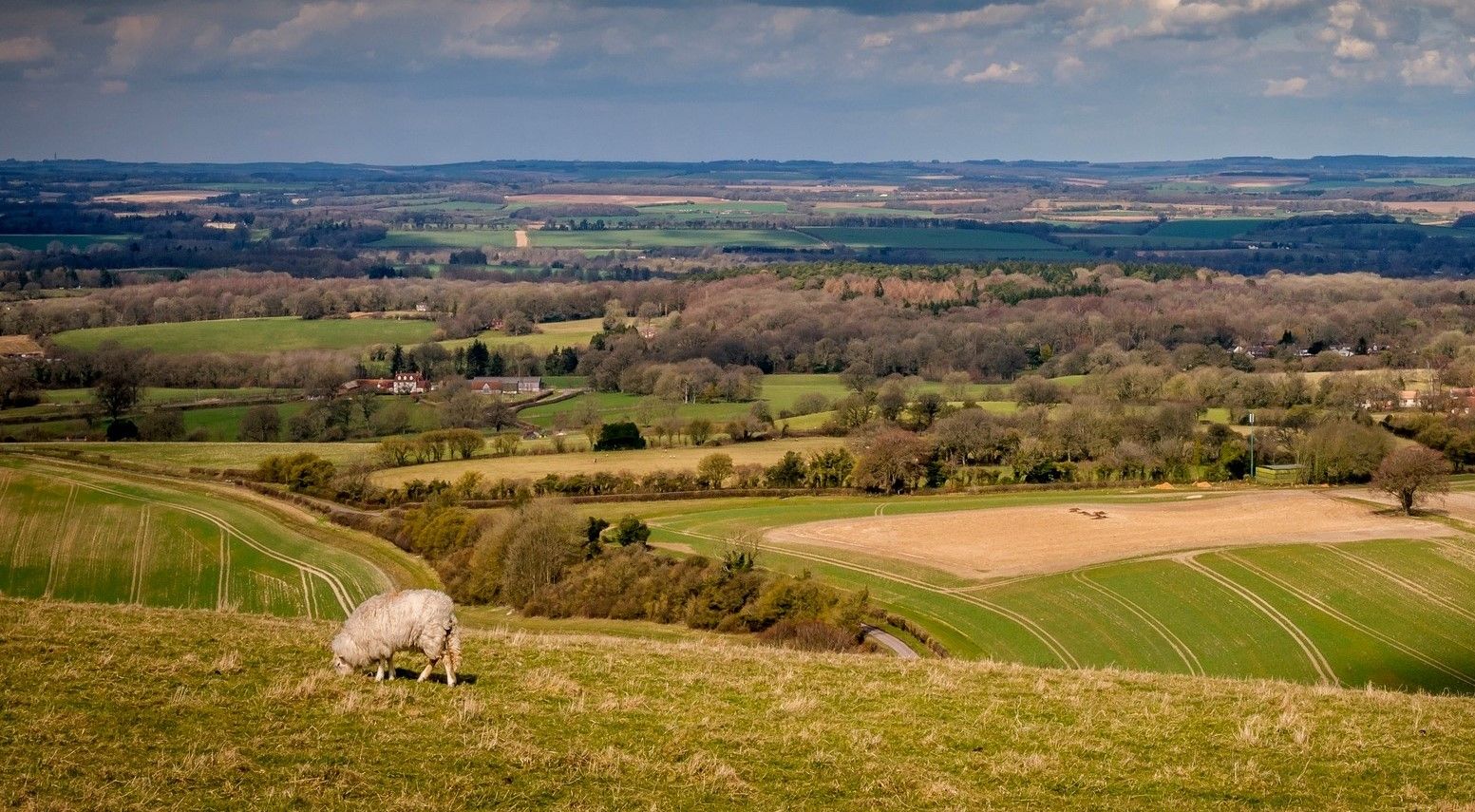
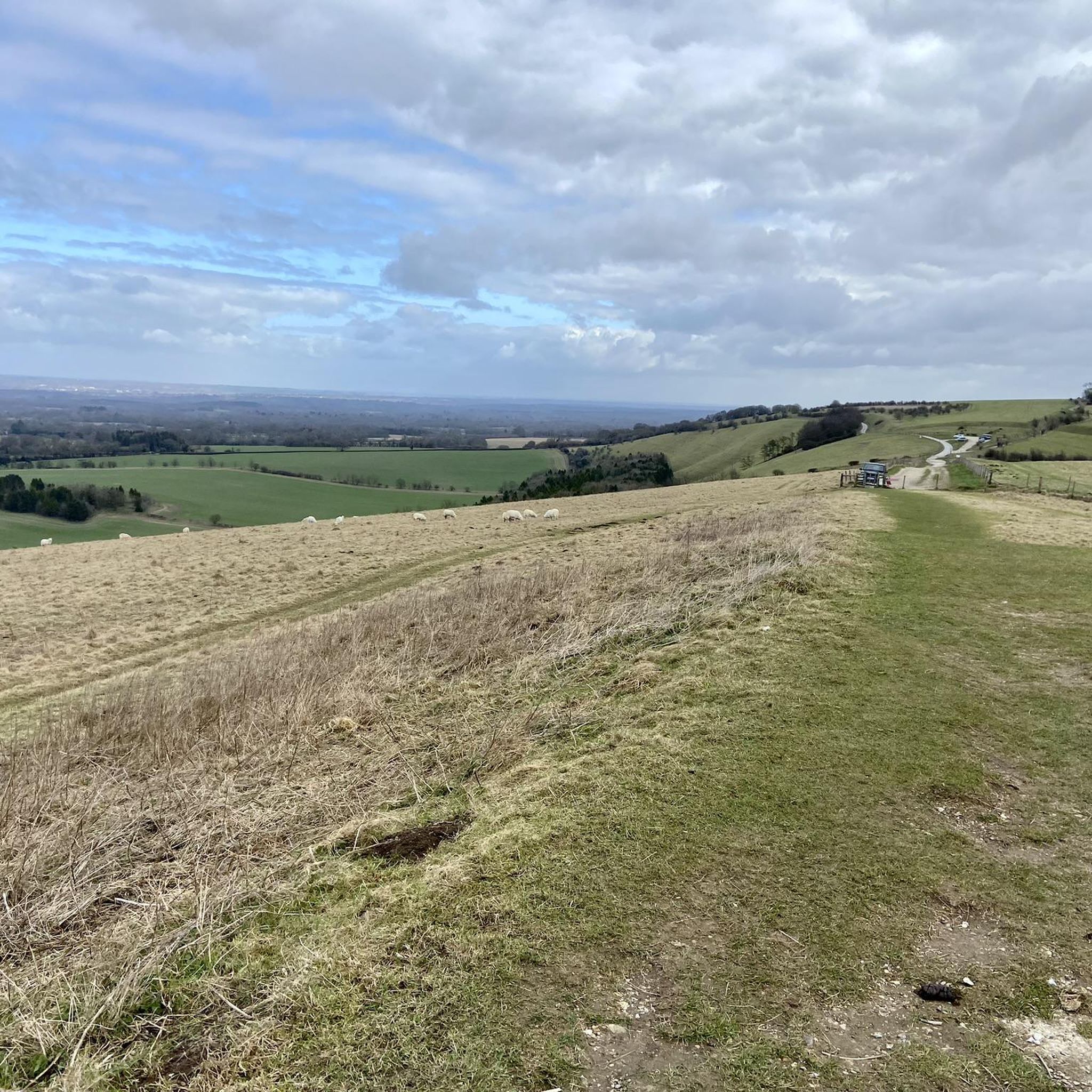
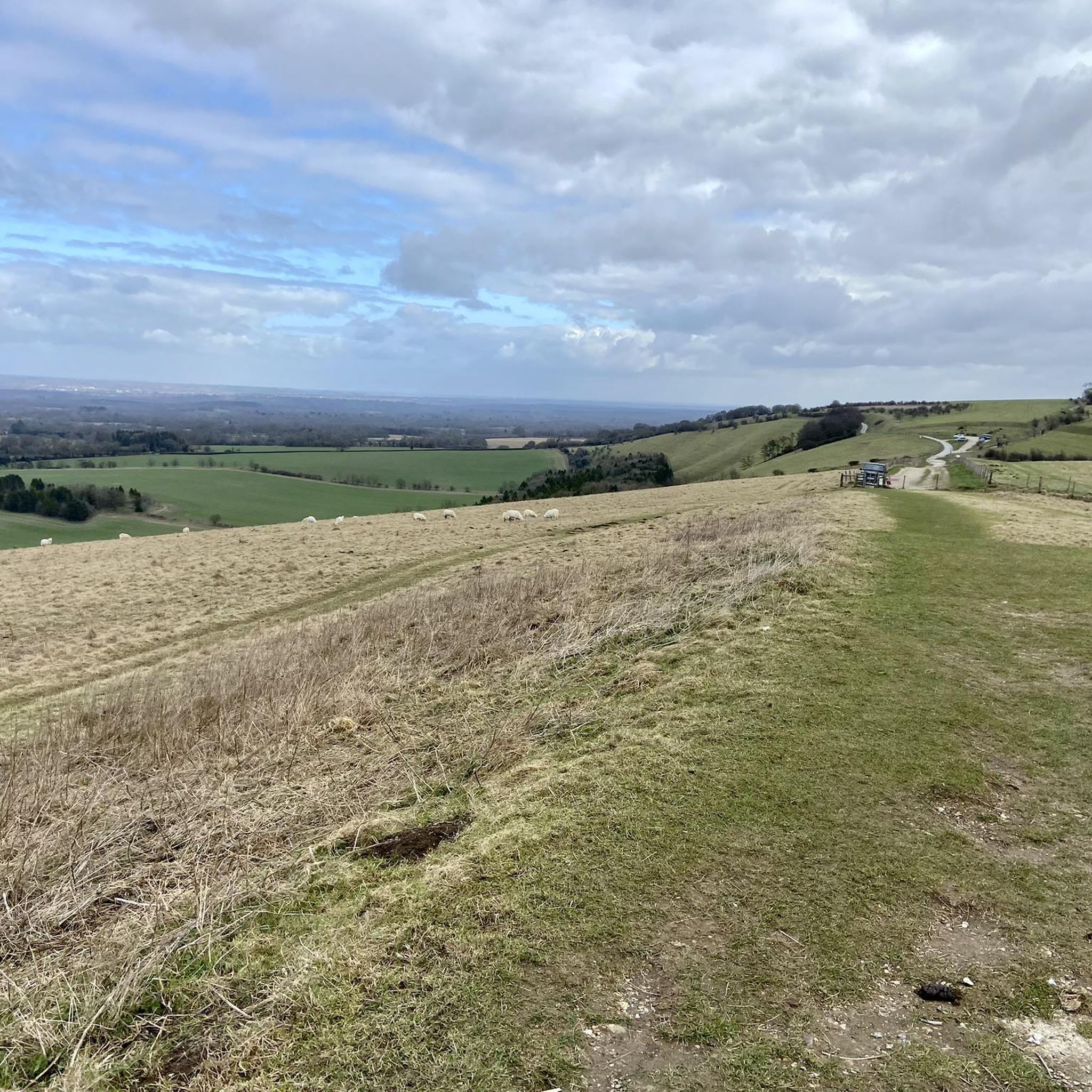
Replacements and Legacy: The original gibbet from 1676 eventually deteriorated. The current gibbet is actually the seventh to stand on the site. Previous versions were replaced due to rotting, being struck by lightning, vandalism, or being blown down by strong winds. The current replica was erected in 1992. While the gibbet was only ever used for the display of George Bromham and Dorothy Newman, its grim history has made it a local landmark and a popular spot for walkers, hang-gliders, and paragliders, offering expansive views across Berkshire, Hampshire, and Wiltshire. The story of the murders even inspired a 1948 silent film called "The Black Legend," made by a young John Schlesinger.
2
0
The Gibbet's Purpose: After their execution, their bodies were brought back to Inkpen and prepared for public display. A large, double gibbet was hastily erected on the long barrow. The bodies of George and Dorothy, bound in chains, were then displayed on either side of the gibbet on March 6, 1676, as a stark and gruesome warning to the local community to deter similar crimes. The location was chosen due to its prominence and being on the border of the two parishes, as there was a dispute over which parish should bear the cost of the gibbet.
2
0
The Murders and Gibbeting: The Crime: George Bromham, a married farm labourer from Combe, and Dorothy Newman, a widow from Inkpen, were having an illicit affair. To be together, they murdered George's wife, Martha Bromham, and their son, Robert. Accounts vary, but it's believed they waylaid Martha and Robert and beat them to death with staves near where the gibbet now stands. One dramatic, though likely far-fetched, version suggests George killed his wife by thrusting her head into a hornet's nest. The Witness: The crime was reportedly witnessed by a villager known as "Mad Thomas," who alerted the authorities. Trial and Execution: George Bromham and Dorothy Newman were tried at Winchester Assizes. They were found guilty and hanged in Winchester on March 3, 1676.
2
0
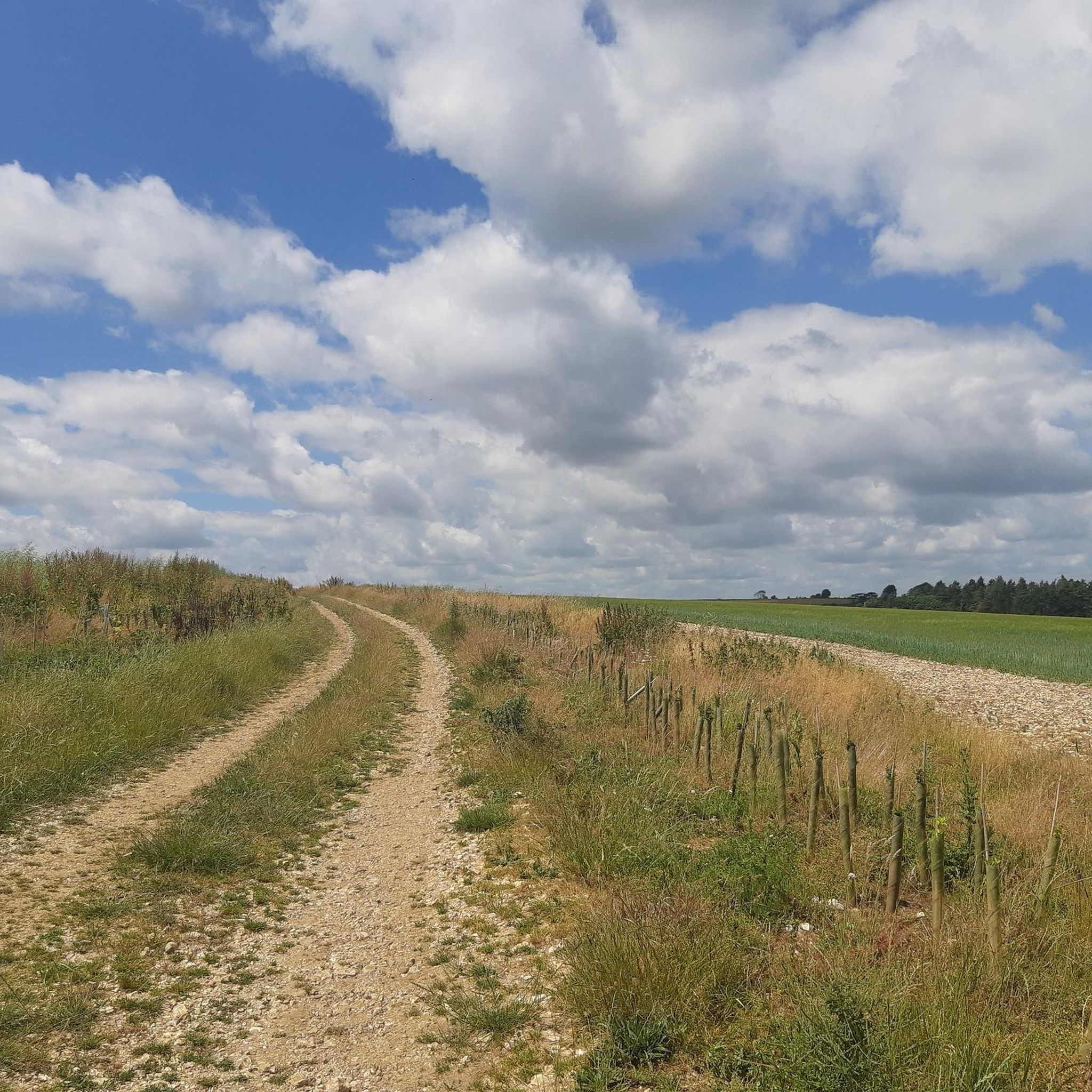
The hillfort on the top of the hill has never been excavated, but the land and ditch are sharply defined and well preserved. This Iron Age fort is roughly rectangular and enclosed seven acres within an embankment and ditch. There are two probable entrances to the east and west. The work seems to have been undertaken by several different labour forces, each working on a section of the defences, but for some reason the task was abandoned and the fort left unfinished. Great to walk along the unfinished ramparts, it's windy and flipping huge!!!
0
0


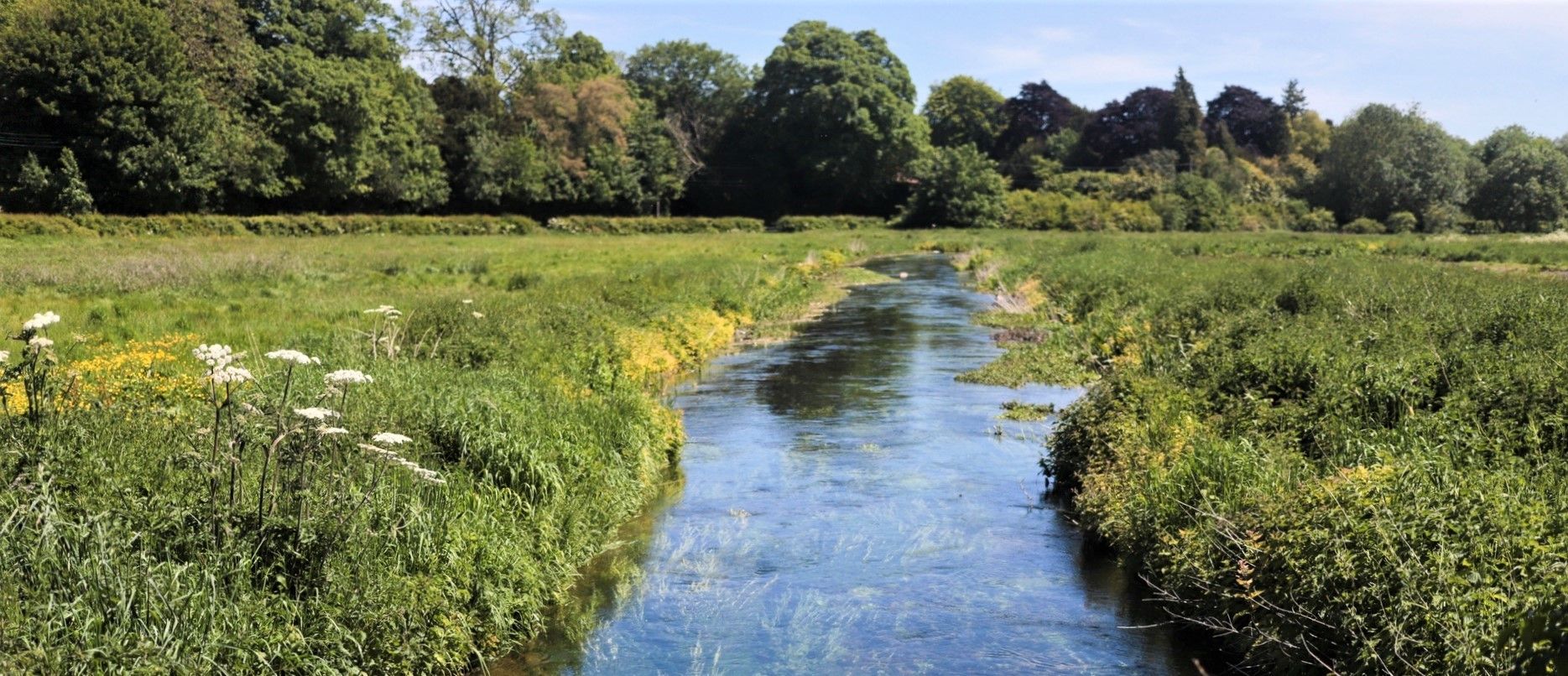
Kennet and Avon Canal path is a lovely section with plenty of room to pass walkers, be respectful and use a bell
0
0

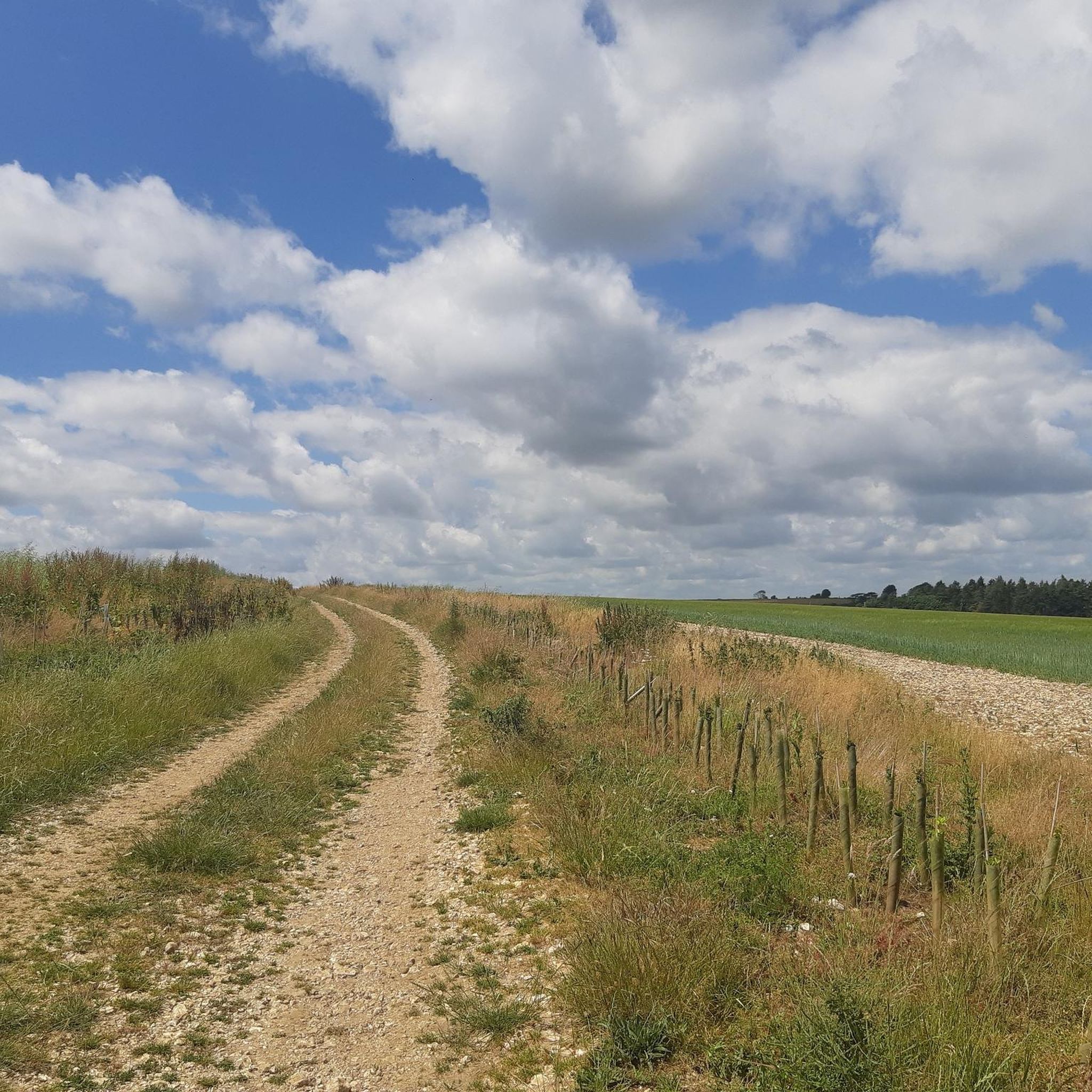
This is a wonderful spot with a lovely display of seasonal wildflowers that bloom within the spring and summer months.
1
0
Frequently Asked Questions
What historical sites can I visit around Combe?
The area around Combe is rich in history. You can explore Combe Gibbet, a historic monument on Gallows Down with a macabre past dating back to 1676. Another significant site is Ladle Hill Iron Age Hillfort, an unfinished Iron Age fort offering insights into ancient settlements. Don't miss Crofton Locks and Pumping Station, featuring a set of nine locks on the Kennet and Avon Canal and the oldest working steam engine in the world.
Are there any family-friendly attractions near Combe?
Yes, Crofton Locks and Pumping Station is a great family-friendly option. Here, you can observe the historic canal locks, learn about the steam engine, and enjoy the surrounding habitat which is home to swans, ducks, and other wildlife. There's also a cafe, gift shop, and picnic area.
Where can I find scenic viewpoints around Combe?
For breathtaking views, head to Combe Gibbet on Gallows Down, which offers panoramic vistas of the surrounding landscape. Ladle Hill Iron Age Hillfort also provides sublime views, especially with seasonal wildflowers. Additionally, the Watership Down Climb culminates in a high viewpoint with stunning scenery.
What outdoor activities can I do near these attractions?
The area around Combe is excellent for outdoor activities. You can explore numerous hiking, running, and mountain biking trails. For specific routes, check out the Hiking around Combe guide, the Running Trails around Combe guide, or the MTB Trails around Combe guide for detailed routes and difficulty levels.
Are there hiking trails near Combe Gibbet?
Yes, Combe Gibbet is a popular starting point and destination for hiking. You can find several routes, including an easy 6.2 km loop from Combe, or more moderate and difficult options ranging up to 11.8 km, all detailed in the Hiking around Combe guide.
Can I cycle along the Kennet and Avon Canal near Combe?
Absolutely. The Kennet and Avon Canal Path offers a scenic route for cycling. It's an 87-mile (140km) path linking Bristol to Reading, with sections near Combe that are generally well-maintained. Be mindful that some parts can be narrow, so respect other users.
What is special about the Crofton Pumping Station?
The Crofton Pumping Station is notable for housing the oldest working steam engine in the world. It was originally built to supply water to the highest points of the Kennet and Avon Canal, a solution implemented when a more expensive tunnel project was deemed unfeasible.
What kind of natural features can I expect to see?
The region features rolling hills and chalk downland habitats. You'll find the Kennet and Avon Canal, which provides important wetland habitats for wildlife. Ladle Hill Iron Age Hillfort is situated on a calcareous grassland, a scarce habitat in Britain, known for its seasonal wildflowers.
Is the Watership Down Climb suitable for all fitness levels?
The Watership Down Climb is described as challenging, with steep inclines reaching up to 16%. While the initial part is the steepest, there are sections with gentler gradients. It's best suited for those looking for a more strenuous activity, but the views from the top are rewarding.
What do visitors enjoy most about the attractions around Combe?
Visitors particularly appreciate the blend of natural beauty and historical significance. The panoramic views from sites like Combe Gibbet and Ladle Hill Iron Age Hillfort are highly rated, as is the unique experience of seeing the historic steam engine at Crofton Pumping Station. The diverse trails for hiking and cycling also receive positive feedback.
Are there any long-distance trails or paths in the area?
Yes, the Kennet and Avon Canal Path is an 87-mile (140km) long-distance route that connects Bristol to Reading. Sections of this path are accessible near Combe, offering opportunities for longer walks or cycle rides along the canal.
What is the history behind Ladle Hill Iron Age Hillfort?
Ladle Hill Iron Age Hillfort is an unfinished Iron Age fort. Although never excavated, its earthworks are sharply defined. It's believed the construction was abandoned, leaving the ramparts and ditches well-preserved but incomplete, offering a unique glimpse into ancient building practices.
Most popular attractions around Combe

Get inspired with the komoot mobile app


Explore more
Still not found the Highlight you’re looking for? See guides of the top attractions in other regions:
