The best cycling routes around Combe
4.5
(42)
479
riders
99
rides
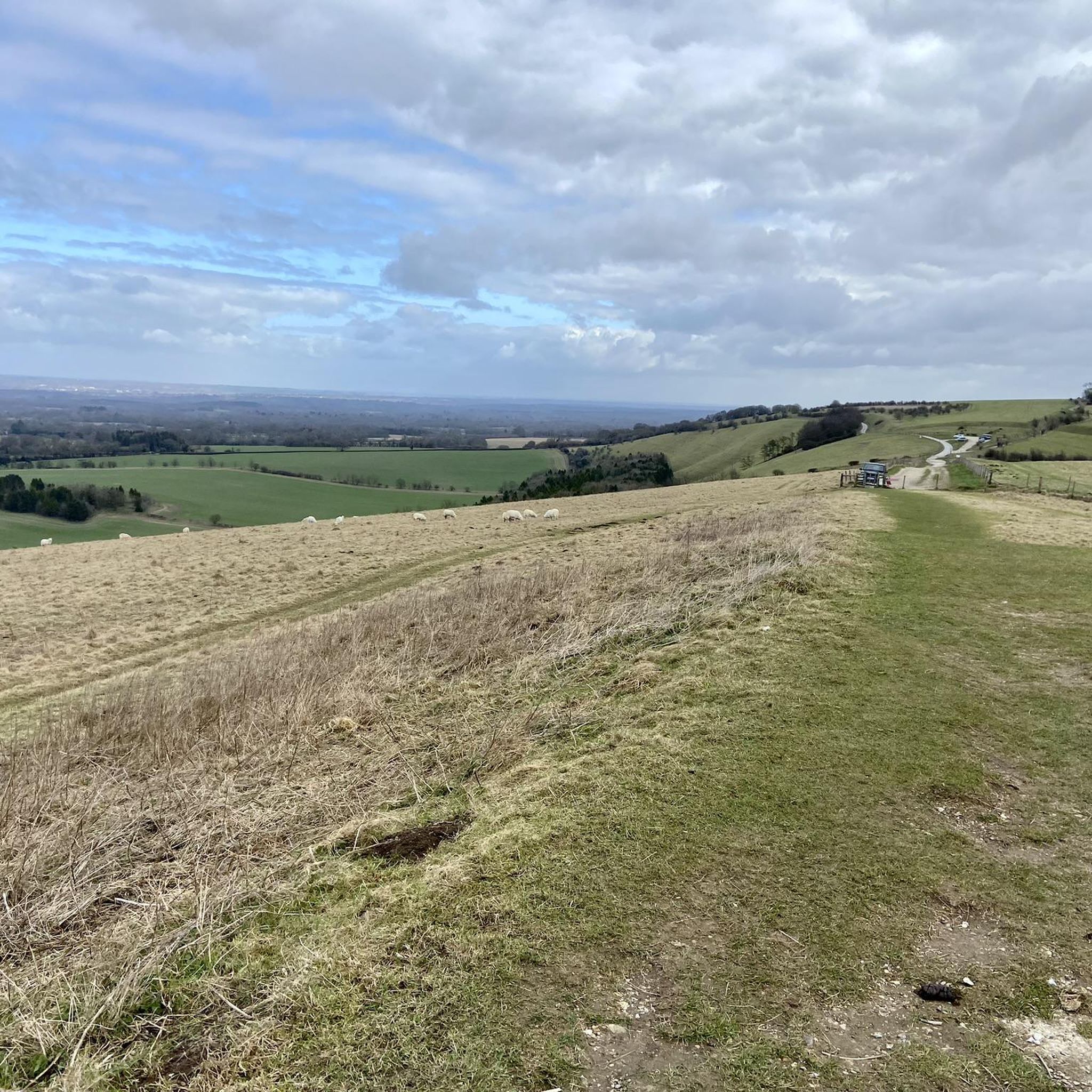
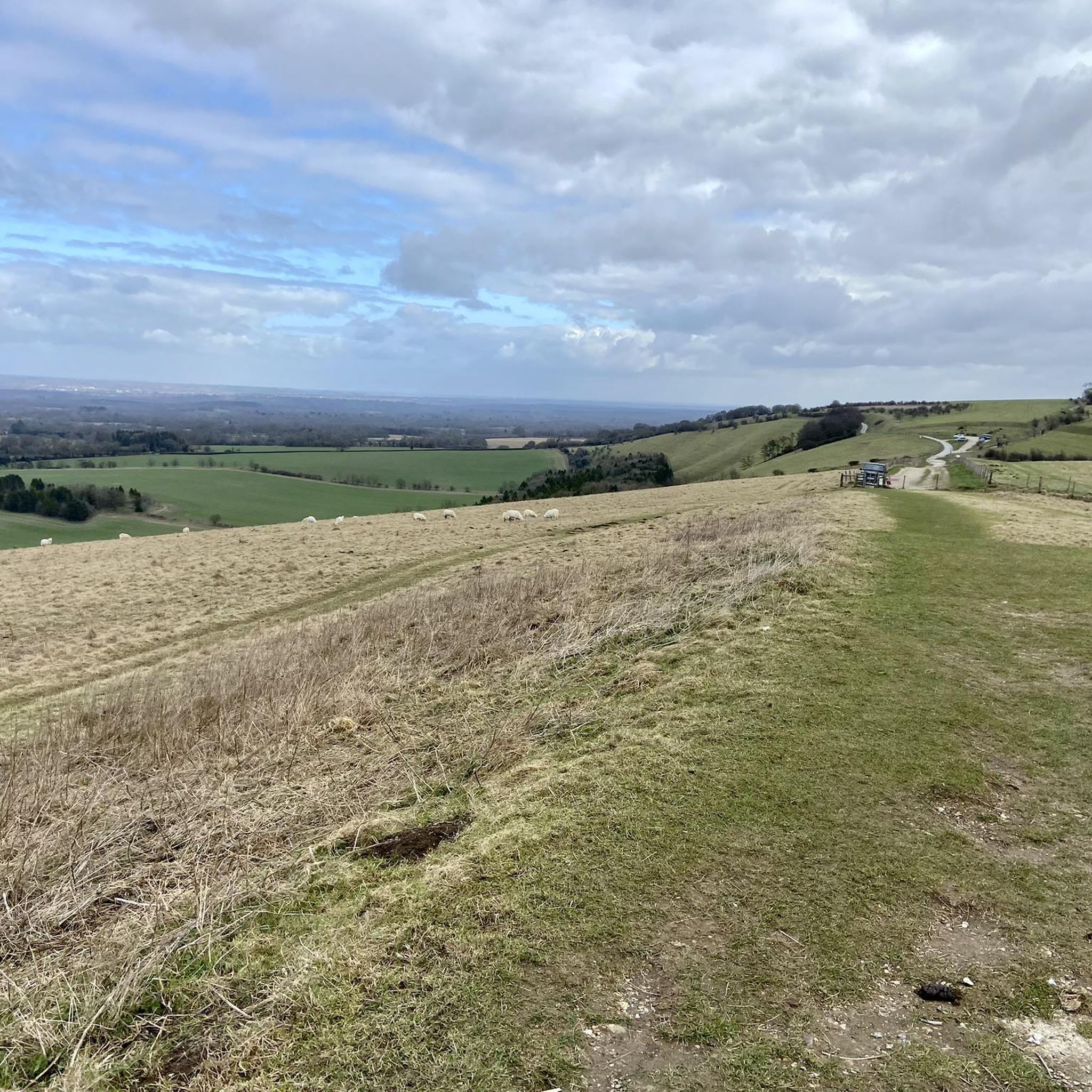
Touring cycling routes around Combe are situated within the North Hampshire Downs, characterized by dramatic elevated landscapes and extensive views. The region is part of the North Wessex Downs Area of Outstanding Natural Beauty, offering a mix of rolling hills, quiet country roads, and picturesque farmlands. Walbury Hill, the highest natural point in South East England, provides panoramic vistas across four counties. This terrain offers diverse road cycling experiences.
Best touring cycling routes around Combe
- The most popular touring cycling route is Honesty Café – View from Sandpits Down loop from Inkpen, a 29.1 miles (46.8 km) trail that takes 3 hours 3 minutes to complete. This route features challenging gradients through rolling hills and quiet country roads.
- Another top favourite among local touring cyclists is Bartlettsdown Copse – Kydd's Copse loop from Woolton Hill, a moderate 11.1 miles (17.9 km) path. This trail winds through picturesque farmlands and elevated landscapes.
- Local touring cyclists also love the View from Sandpits Down loop from Woolton Hill, a 14.1 miles (22.7 km) trail leading through the North Wessex Downs, offering panoramic views, often completed in about 1 hour 30 minutes.
- Touring cycling around Combe is defined by rolling hills, quiet country roads, and elevated landscapes. The network offers options for different ability levels, from moderate rides to more challenging experiences with significant ascents.
- The routes in Combe are highly rated by the komoot community with an average score of 4.5 stars from over 37 reviews. More than 531 touring cyclists have used komoot to explore Combe's varied terrain.
Last updated: October 13, 2026
5.0
(1)
11
riders
46.0km
03:01
490m
490m
Hard bike ride. Very good fitness required. Mostly paved surfaces. Suitable for all skill levels.
5.0
(1)
4
riders
Moderate bike ride. Good fitness required. Mostly paved surfaces. Suitable for all skill levels.

5
riders
22.8km
01:31
340m
340m
Moderate bike ride. Good fitness required. Mostly paved surfaces. Suitable for all skill levels.
3
riders
22.7km
01:30
320m
320m
Moderate bike ride. Good fitness required. Mostly paved surfaces. Suitable for all skill levels.
2.2
(5)
4
riders
9.90km
00:36
80m
80m
Easy bike ride. Great for any fitness level. Mostly paved surfaces. Suitable for all skill levels.
Get access to more routes and recommendations from other explorers.
Already have an account?
Our route recommendations are based on thousands of hikes, rides, and runs completed by other people on komoot.
Start today with a free account
Your next adventure awaits.
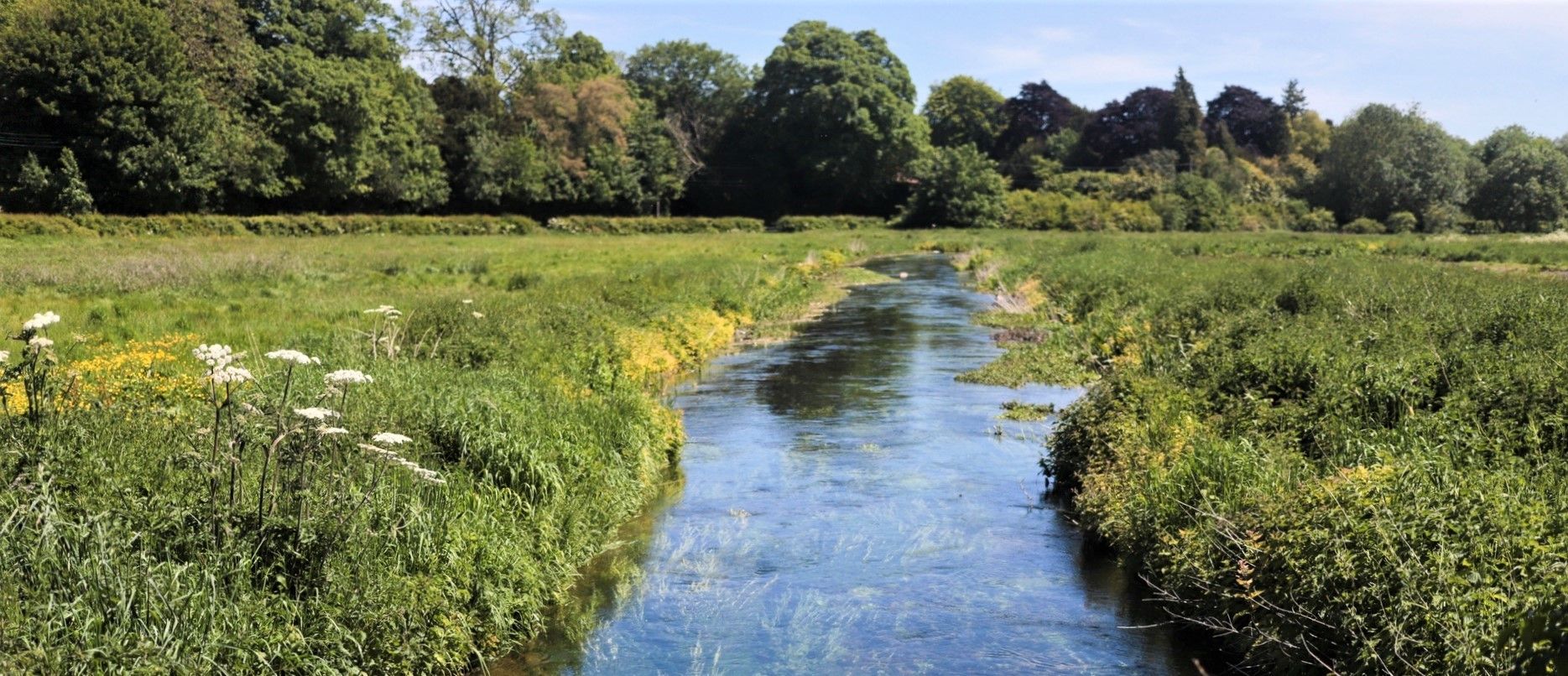
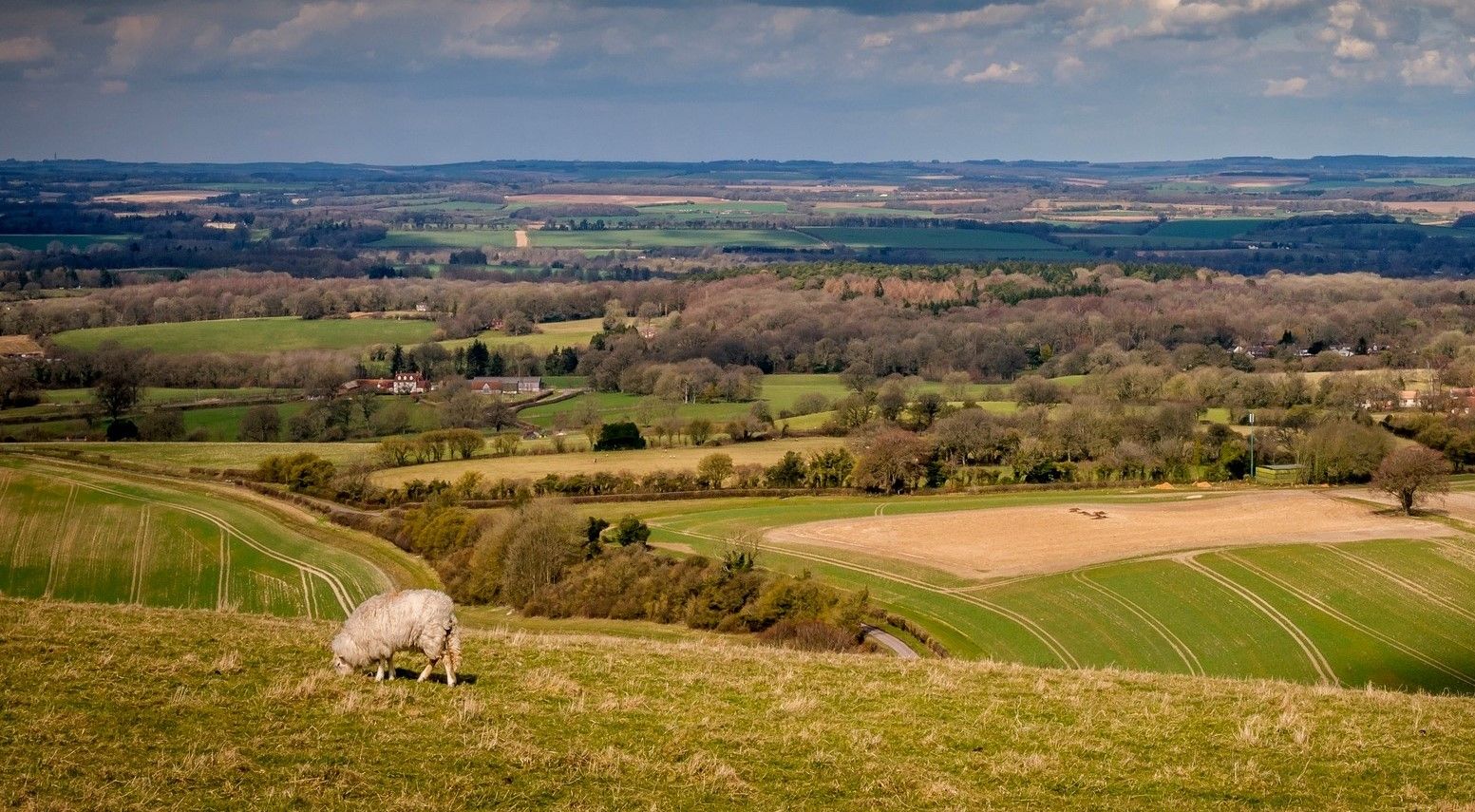
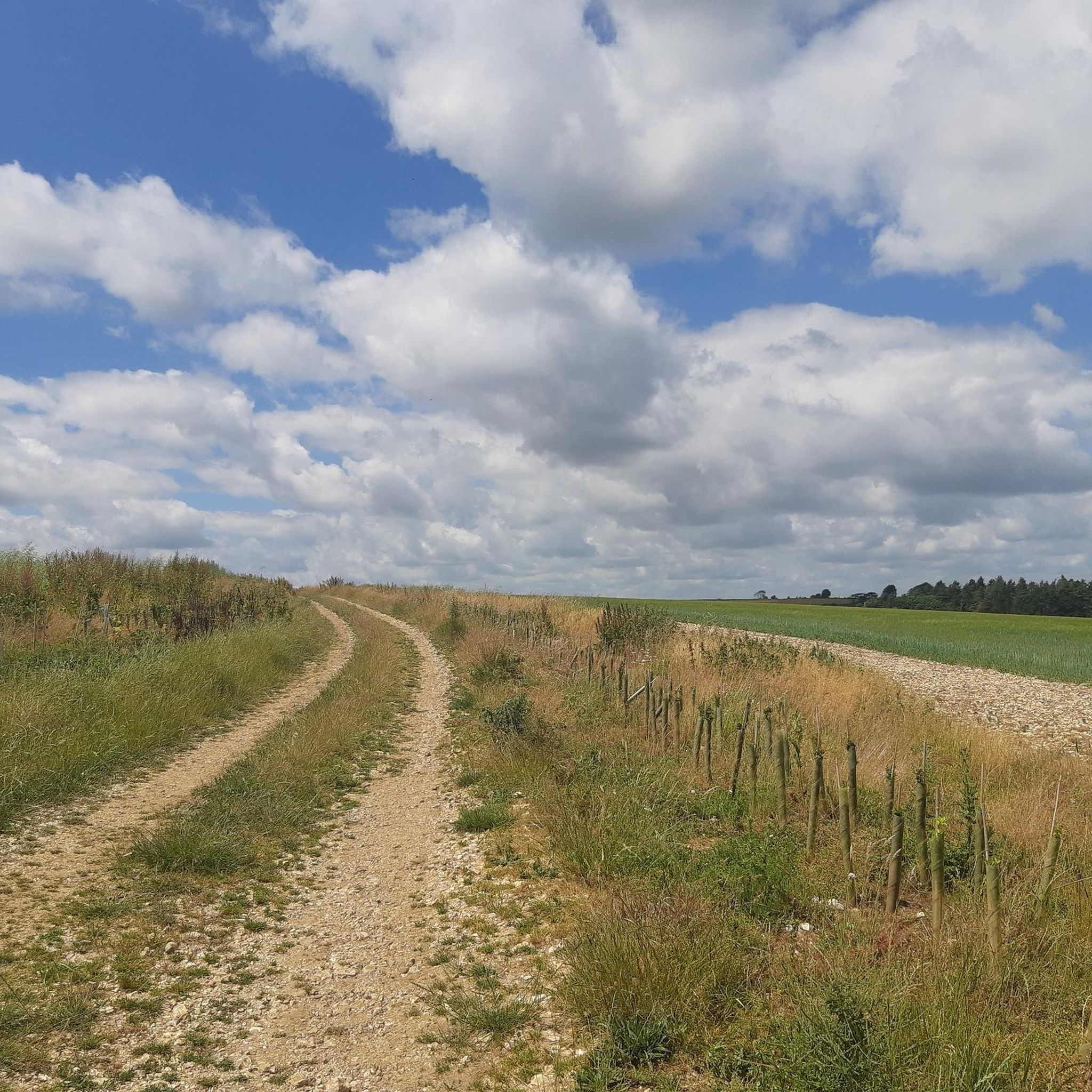
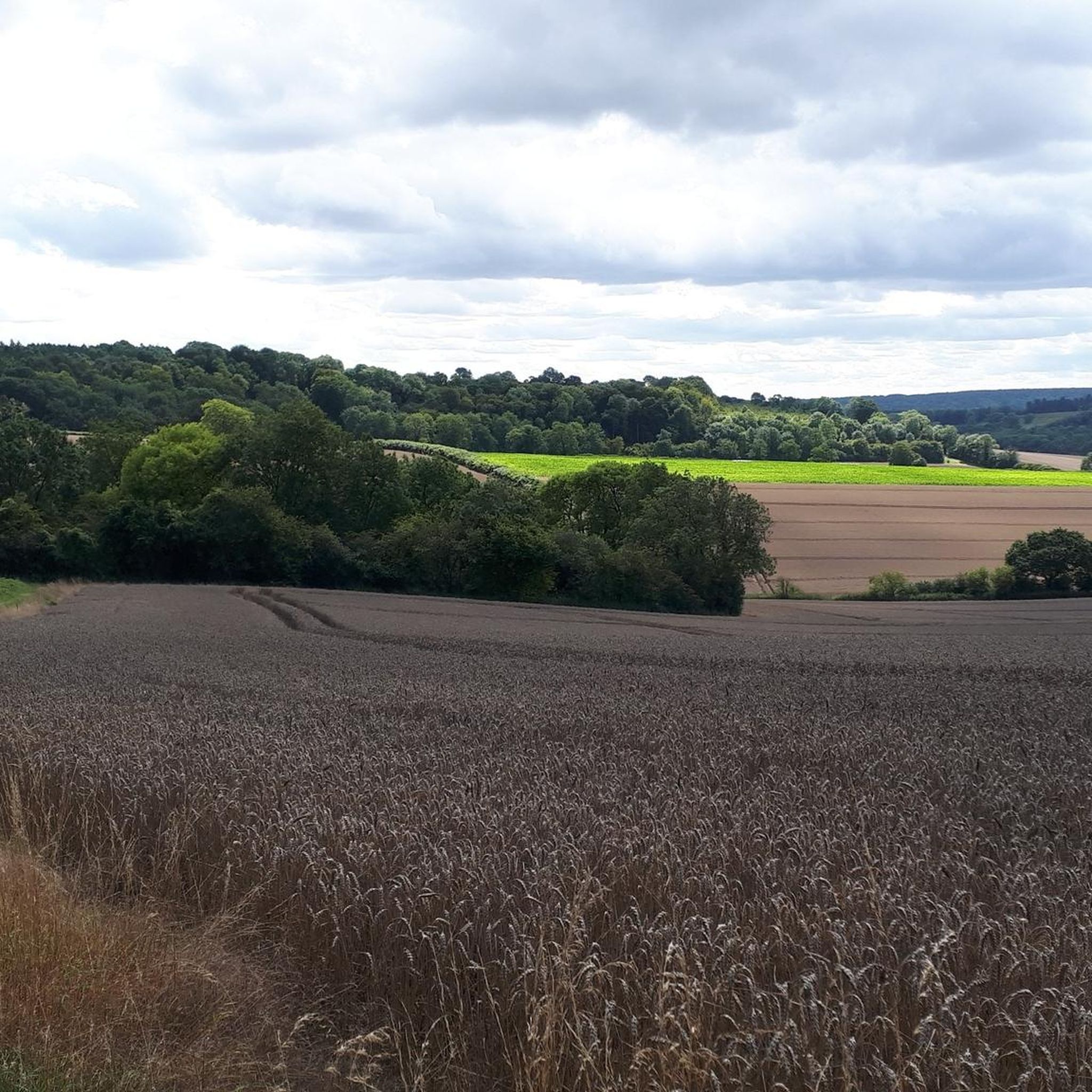


Tips from the Community

super trail recommend bomb
0
0

Lovely gentle slope down through green water medows
0
0

Any climb is generally worth it for the views at the top, this is in the top few for a far reaching vista.
0
0

Inkpen Common is an area of wildnerness filled with towering trees, wildflowers, and ancient heathland. There are a number of entrances to the common area and a network of walking trails that will lead you around. It's a true gem and definitely worth an explore if you're in the area.
2
0
The Jack Russel Inn is nestled in a little hamlet in Hampshire and serves up a daily dose of delicious food and drink. It has a lovely outdoor seating area where you can watch the local deers grazing on the green. A wonderful place to start or finish a walk.
1
0

I stopped here in the middle of my hike for lunch on the 28th Sept 2022, excellent meal, good service, popular pub!
0
0
A quintessential English village with chocolate box thatched cottages, a small chalk stream and traditional village pubs.
1
0

The Church was constructed by Wyatt and Brandon, a London based architectural practice that operated between 1838 and 1851.
0
0
Frequently Asked Questions
How many touring cycling routes are available in Combe?
There are over 110 touring cycling routes around Combe, offering a wide variety of experiences through the North Hampshire Downs and the North Wessex Downs Area of Outstanding Natural Beauty.
What is the general terrain like for touring cyclists in Combe?
The terrain in Combe is characterized by rolling hills, quiet country roads, and elevated landscapes. You can expect diverse road cycling experiences, from gentle gradients through picturesque farmlands to more challenging routes with significant ascents, especially around areas like Walbury Hill, the highest natural point in South East England.
What are the difficulty levels of touring cycling routes in Combe?
Combe offers a range of routes suitable for different abilities. You'll find approximately 27 easy routes, 59 moderate routes, and 27 difficult routes. This variety ensures options for both casual riders and those seeking a more challenging experience.
Are there any notable landmarks or viewpoints along the cycling routes in Combe?
Yes, the Combe area is rich with landmarks and scenic viewpoints. You can cycle past the historic Combe Gibbet, offering extensive views across four counties. Other points of interest include the View of North Wessex Downs and the Watership Down Climb.
What historical sites can I explore while cycling in the Combe area?
The region features several historical sites accessible by bike. You might encounter the Ladle Hill Iron Age Hillfort, Fosbury Hill Fort, or the intriguing Devil’s Waistcoat (Kenward Stone). The Lady Well at Speen also offers a glimpse into local history.
Are there circular touring cycling routes available in Combe?
Many touring cycling routes in Combe are designed as loops, allowing you to start and finish in the same location. For example, the challenging Honesty Café – View from Sandpits Down loop from Inkpen and the moderate View from Sandpits Down loop from Woolton Hill are popular circular options.
What kind of amenities (cafes, pubs) are available along the touring cycling routes?
Some routes, like the Inkpen Common – Honesty Café at Crown & Carter loop from Inkpen, specifically mention cafes, indicating that you can find places to refuel. The region's quiet country roads often pass through villages where local pubs and cafes may be available, particularly in areas like Inkpen and Woolton Hill.
Is Combe suitable for family-friendly touring cycling?
Yes, Combe offers several easy touring cycling routes, with approximately 27 options available. These routes typically feature gentler gradients and shorter distances, making them suitable for families or beginners. The picturesque farmlands and quiet roads provide a pleasant environment for a family outing.
What is the best time of year for touring cycling in Combe?
The North Wessex Downs, where Combe is located, offers beautiful scenery year-round. Spring and autumn provide pleasant temperatures and vibrant landscapes. Summer is also excellent, though some climbs can be more strenuous in warmer weather. Winter cycling is possible, but be prepared for potentially colder conditions and shorter daylight hours.
Are there options for parking when cycling in Combe?
While specific parking facilities for cyclists are not detailed, many touring routes start from villages like Inkpen and Woolton Hill. These villages typically offer local parking options, often near community centers or village greens, which can serve as convenient starting points for your ride.
How do other touring cyclists rate the routes in Combe?
The touring cycling routes in Combe are highly rated by the komoot community, with an average score of 4.5 stars from over 37 reviews. Cyclists often praise the panoramic views, the challenge of the rolling hills, and the tranquility of the quiet country roads.
Can I combine cycling with exploring waterways in Combe?
Yes, the region offers opportunities to combine cycling with exploring waterways. The Kennet and Avon Canal Path is a notable feature, and you can also visit Crofton Locks and Pumping Station, which are interesting historical sites related to the canal system.
Most popular attractions around Combe

Get inspired with the komoot mobile app


Explore more
Browse the best Cycling routes in other regions.
