The 20 Most Amazing Peaks around Throwleigh
Best mountain peaks around Throwleigh are characterized by granite tors and hills within Dartmoor National Park. This region offers distinctive geological formations and expansive moorland. The area provides unique natural beauty and historical intrigue. These features make the "peaks" around Throwleigh notable for exploration.
Best mountain peaks around Throwleigh
- The most popular mountain peaks is Yes Tor summit, a summit that offers extensive vistas of North Devon and Cornwall. It is the second highest point in Dartmoor National Park. …
Last updated: June 22, 2026
Yes Tor summit
Highlight • Summit
Tip by

High Willhays summit
Highlight • Natural Monument
Tip by

Sign up now to discover places like this
Get recommendations on the best single tracks, peaks, & plenty of other exciting outdoor places.
Sign up for free
Hunter’s Tor
Highlight • Natural Monument
Tip by

Widgery Cross at Brat Tor
Highlight • Natural Monument
Tip by

Hookney Tor
Highlight • Viewpoint
Tip by
Sign up for free to discover even more peaks around Throwleigh.
Sign up for free
Already have an account?
Start today with a free account
Your next adventure awaits.
Login or Signup
Tips from the Community

Hunters Tor on Dartmoor – overview and practical guide Notes on the feature Name variants: Hunters Tor (also found in some guides as “Hunters’ Tor” or “Hunters Tor” with occasional apostrophe usage). It is one of the granite tors you’ll encounter on the eastern Dartmoor plateau. Location context: Situated on the eastern Dartmoor moor, in the general area between Widecombe-in-the-Moor and the higher moorland to the north and east. It’s often visited as part of longer routes from classic eastern Dartmoor starting points. What to expect Elevation and geology: A granite tor typical of Dartmoor—weathered outcrops with rough boulder features and exposed granite. Provides a vantage point to survey surrounding moorland. Scenery: Wide moorland views with horizon lines; potential for good visibility across East Dartmoor on clear days. Getting there Access points: Likely starting points include car parks and laybys near the eastern moor, with access from roads serving Widecombe-in-the-Moor, Ashburton, or Two Bridges. Public transport: Buses to nearby villages with a short walk onto the moor; check current timetables. Parking: Local parking areas around the eastern moorland; follow local signage and
0
0
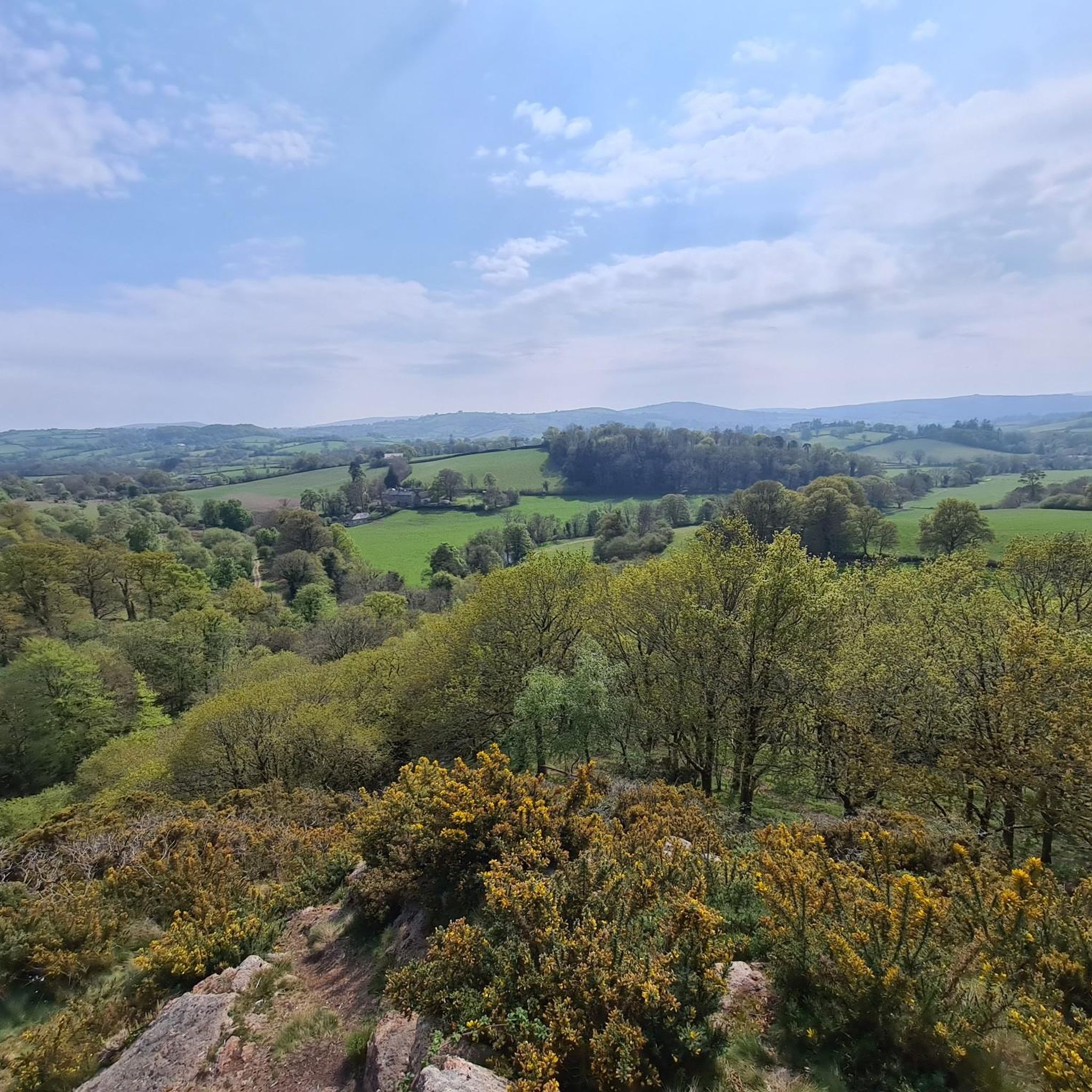
Hookney Tor on Dartmoor (Devon, England) Overview Location: Dartmoor National Park, Devon, England Elevation: Hookney Tor stands at roughly 460–480 meters (about 1,510–1,570 feet) above sea level, depending on measurement source. Geography: A prominent granite tor on the northeastern side of Dartmoor, near the higher moorland areas. It forms part of the rugged Dartmoor landscape with expansive views on clear days. Getting there Access points: Common starting points include Princetown (via the Dartmoor National Park boundary road) or the village of Postbridge to the southwest, with routes also starting from Two Bridges or Sourton to the west. Public transport: Bus services connect Tavistock, Princetown, and surrounding villages; check current timetables as services vary seasonally. Parking: There are several car parks around Dartmoor; parking near Princetown or near the Two Bridges Hotel area is convenient for Hookney Tor access.
0
0

The views from both Great Links and Brat Tor are incredible. On a clear day you can see both the North Coast and South Coast as well as Bodmin Moor. The River Lyd stepping stone crossing is nice but there is still a wooden bridge crossing if you are a little unsteady on your feet.
0
0

The first impression of this simple but solidly crafted small sacred monument from 1887 is powerful and imposing. The lonely stone cross can be seen from afar thanks to its exposed location. The ancient, venerable cross is a natural part of this environment and one could almost think that it is literally growing out of the rock from which it rises to a proud height.
2
0

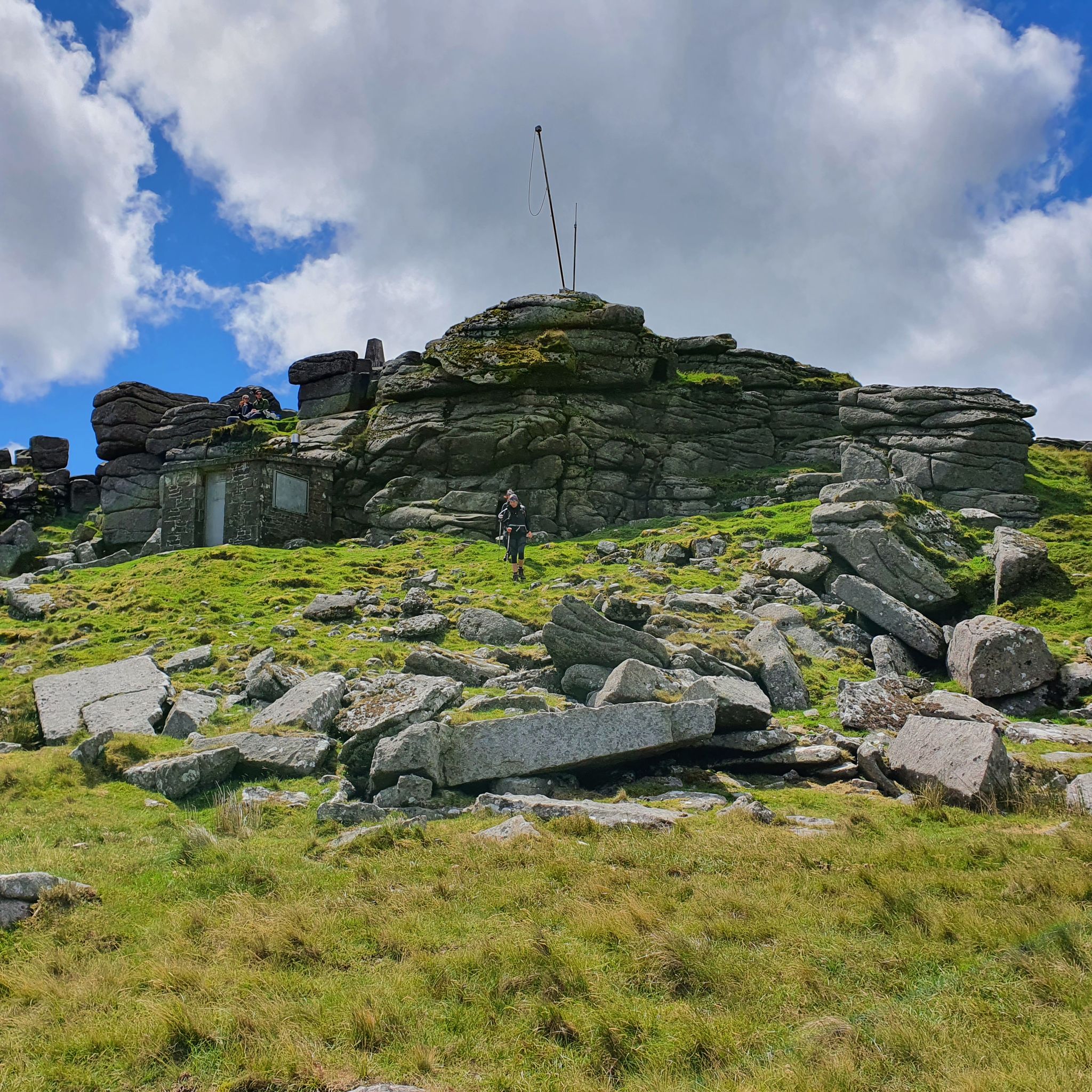
The ever so slightly smaller summit of High Willhays, Yes Tor feels grander due to the large granite outcrop. Standing beside the triangulation point atop of Yes Tor offers beautiful views in all directions. A must climb if hiking with the Meldon area.
0
0
Highest point of Devon and Southern England at 621m, accesible form various routes within the area. Although not as grand or striking as other Tors in the area such as Yes, Great Links or West Mills it offers beautiful 360 degree views in all directions.
0
0

High Willhays is the highest point but it’s neighbour yes tor always feels somewhat grander, for a steep descent and climb head down past fordsland ledge into the okemont valley and back up to kitty tor
1
0
For those looking to clarify camping regulations following the high court ruling on wild camping, there is a link in this video's description https://youtu.be/kRD59PI9jZI
2
0
Frequently Asked Questions
What are some of the most notable tors and hills to explore around Throwleigh?
Around Throwleigh, you'll find distinctive granite tors and hills within Dartmoor National Park. Key spots include Cosdon Hill (Cosdon Beacon), known for its panoramic views and prehistoric sites; Shilstone Tor, offering magnificent views and proximity to ancient stone rows; and Kennon Hill, which provides extensive vistas and is part of a Premier Archaeological Landscape. Other significant tors include Kes Tor, often part of popular hiking routes, and Buttern Hill, notable for its archaeological features like hut circles and a stone circle.
Which peaks offer the best panoramic views in the Throwleigh area?
For breathtaking panoramic views, Cosdon Hill (Cosdon Beacon) is a top choice, allowing you to see Exmoor National Park to the north and even the highest points of Dartmoor, Yes Tor summit and High Willhays summit, to the west on a clear day. Widgery Cross at Brat Tor also offers expansive vistas, as does Shilstone Tor, from where you can see Castle Drogo and the Teign Gorge.
Are there any historical or archaeological sites to discover on the peaks near Throwleigh?
Yes, the peaks around Throwleigh are rich in history and archaeology. Cosdon Hill features important prehistoric sites like Cosdon Stone Row. Kennon Hill is part of Throwleigh Common, recognized as a Premier Archaeological Landscape with well-preserved prehistoric remains. Buttern Hill is significant for its archaeological features, including hut circles, cairns, and a chambered cairn, as well as the Buttern Hill Stone Circle. Additionally, Widgery Cross at Brat Tor is a notable historical monument erected in 1887.
What are the highest points in Dartmoor National Park accessible from the Throwleigh area?
The highest point on Dartmoor, and in southern England, is High Willhays summit. Nearby, Yes Tor summit is the second highest point. Both offer extensive vistas and are accessible for hiking, though it's important to check for military firing times as they are close to a military range.
Are there family-friendly walks to the tors and hills around Throwleigh?
Many of the walks to the tors and hills around Throwleigh can be adapted for families, especially those with older children. While specific 'family_friendly' tags aren't always present for individual tors, the general area offers a mix of open moorland and riverside paths. For easier hikes, consider routes like the 'Walla Brook Clapper Bridge – Kes Tor and Rock Basin loop from Gidleigh' or the 'Meldon Hill Summit loop from Chagford', which are listed as easy hikes in the area. You can find more options in the Easy hikes around Throwleigh guide.
What outdoor activities can I do near the mountain peaks around Throwleigh?
Beyond hiking to the tors, the Throwleigh area offers a variety of outdoor activities. You can explore numerous hiking trails, including easy options like the 'Walla Brook Clapper Bridge – Kes Tor and Rock Basin loop' or more challenging routes like the 'Cosdon Beacon – South Zeal Church loop'. Road cycling is also popular, with routes like the 'Dartmoor Way Cycle Route' passing through the region. For runners, there are trails such as the 'Fingle Bridge – River Teign Path loop'. You can find detailed routes in the Easy hikes around Throwleigh, Road Cycling Routes around Throwleigh, and Running Trails around Throwleigh guides.
What is the best time of year to visit the peaks around Throwleigh for hiking?
The best time to visit the peaks around Throwleigh for hiking is generally during the spring, summer, and early autumn months (April to October). During these periods, the weather is typically milder, and the moorland is vibrant. Clear days offer the best panoramic views. Winter conditions can be challenging, with colder temperatures, potential for snow, and reduced visibility, requiring appropriate gear and experience.
Are there any quieter tors or viewpoints near Throwleigh for a more peaceful experience?
Yes, if you're looking for a quieter spot, Hookney Tor is often less crowded than some other tors and offers far-reaching views, making it a great choice for a peaceful picnic or a moment of reflection. Similarly, Hunter’s Tor, while smaller, provides equally stunning views over the Teign Gorge but is visited by fewer people than its more famous neighbour, Sharp Tor.
Where can I park when visiting Shilstone Tor?
Shilstone Tor is conveniently located above a narrow moorland road and offers parking for a few vehicles directly nearby. This makes it a good starting point for exploring Throwleigh Common and the higher ground of Cosdon Hill.
What should I know about bringing dogs to the trails around Throwleigh's peaks?
Dartmoor National Park is generally dog-friendly, but it's crucial to keep dogs under close control, especially during lambing season (spring) and when livestock are present. On open moorland, dogs should be kept on a lead to protect ground-nesting birds and livestock. Always follow the Countryside Code and clean up after your dog.
Are there any cafes or pubs near Throwleigh for refreshments after a hike?
While Throwleigh itself is a small village, there are options for refreshments in nearby towns and villages. Chagford, for example, offers cafes and pubs. When planning your hike, consider routes that pass through or end near these villages to enjoy a well-deserved break and a meal or drink.
What kind of wildlife might I encounter on the peaks around Throwleigh?
The moorland environment around Throwleigh's peaks is home to diverse wildlife. You might spot Dartmoor ponies, sheep, and various bird species, including ground-nesting birds like skylarks and curlews. The area around Kennon Hill is also noted for its rich butterfly population. Keep an eye out for birds of prey soaring overhead and listen for the distinct calls of moorland birds.
Most popular attractions around Throwleigh

Get inspired with the komoot mobile app


Explore more
See even more amazing summits around Throwleigh with these guides:
