Attractions and Places To See around Little Somborne - Top 20
Best attractions and places to see around Little Somborne include a blend of historical sites, natural beauty, and cultural points of interest within the picturesque Test Valley of Hampshire, England. The village is surrounded by expansive fields and farmland, offering a peaceful and scenic environment. Visitors can explore ancient landmarks and enjoy the tranquil English countryside. The area provides opportunities to discover historical estates and significant natural features.
Best attractions and places to see around Little Somborne
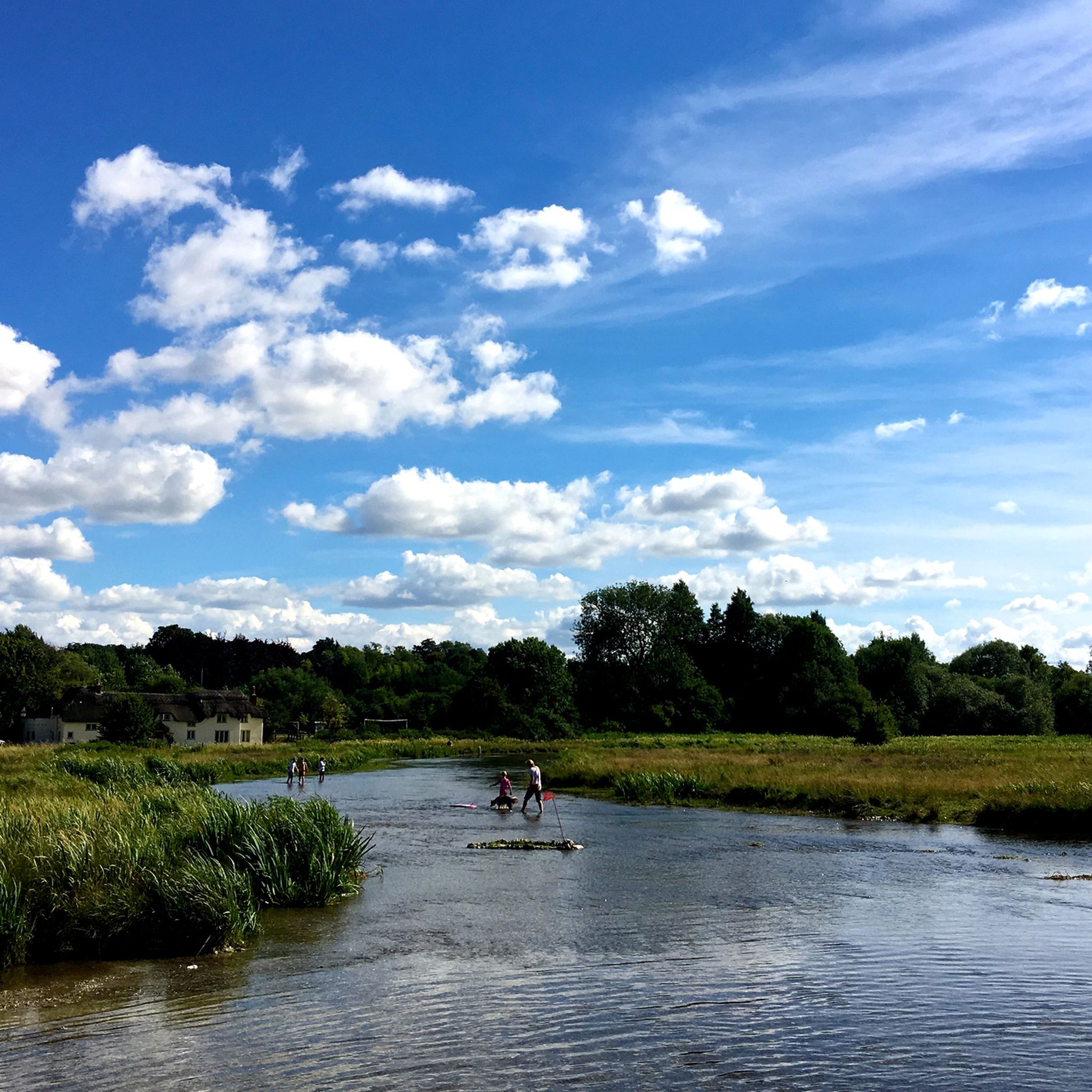
- The most popular attractions is The Weirs, Winchester, a viewpoint that offers a serene walkway along the Itchen, an important chalk stream. This stretch is known for its wildlife and serves as a starting point for walks along the Itchen Way.
- Another must-see spot is Wolvesey Castle (Old Bishop's Palace), a historical site featuring the ruins of a medieval bishop's palace. The site offers insight into the region's history and is free to enter during opening hours.
- Visitors also love Westgate, Winchester, a historical site that contains a small museum and offers views down the High Street from its top. This gatehouse dates back to the 13th century with 14th-century alterations.
- Little Somborne is known for its historical sites, natural features, and viewpoints. The region offers a variety of attractions to see and explore, from ancient churches to scenic river paths.
- The attractions around Little Somborne are appreciated by the komoot community, with more than 170 upvotes and 50 photos shared.
Last updated: May 25, 2026
The Weirs, Winchester
Highlight • Viewpoint
The Weirs is a good starting point for walks along the Itchen, an important chalk stream and abundant in fish and wildlife. The Itchen Way, a long-distance footpath, also runs along this lane.
Tip by

Winchester Cathedral
Highlight • Monument
Tip by

Sign up now to discover places like this
Get recommendations on the best single tracks, peaks, & plenty of other exciting outdoor places.
Sign up for free
Wolvesey Castle (Old Bishop's Palace)
Highlight • Historical Site
Tip by
Worthy Down Singletrack
Highlight (Segment) • MTB Park
Tip by

Westgate, Winchester
Highlight • Historical Site
Tip by

Sign up for free to discover even more attractions around Little Somborne.
Sign up for free
Already have an account?
Start today with a free account
Your next adventure awaits.
Login or Signup
Tips from the Community

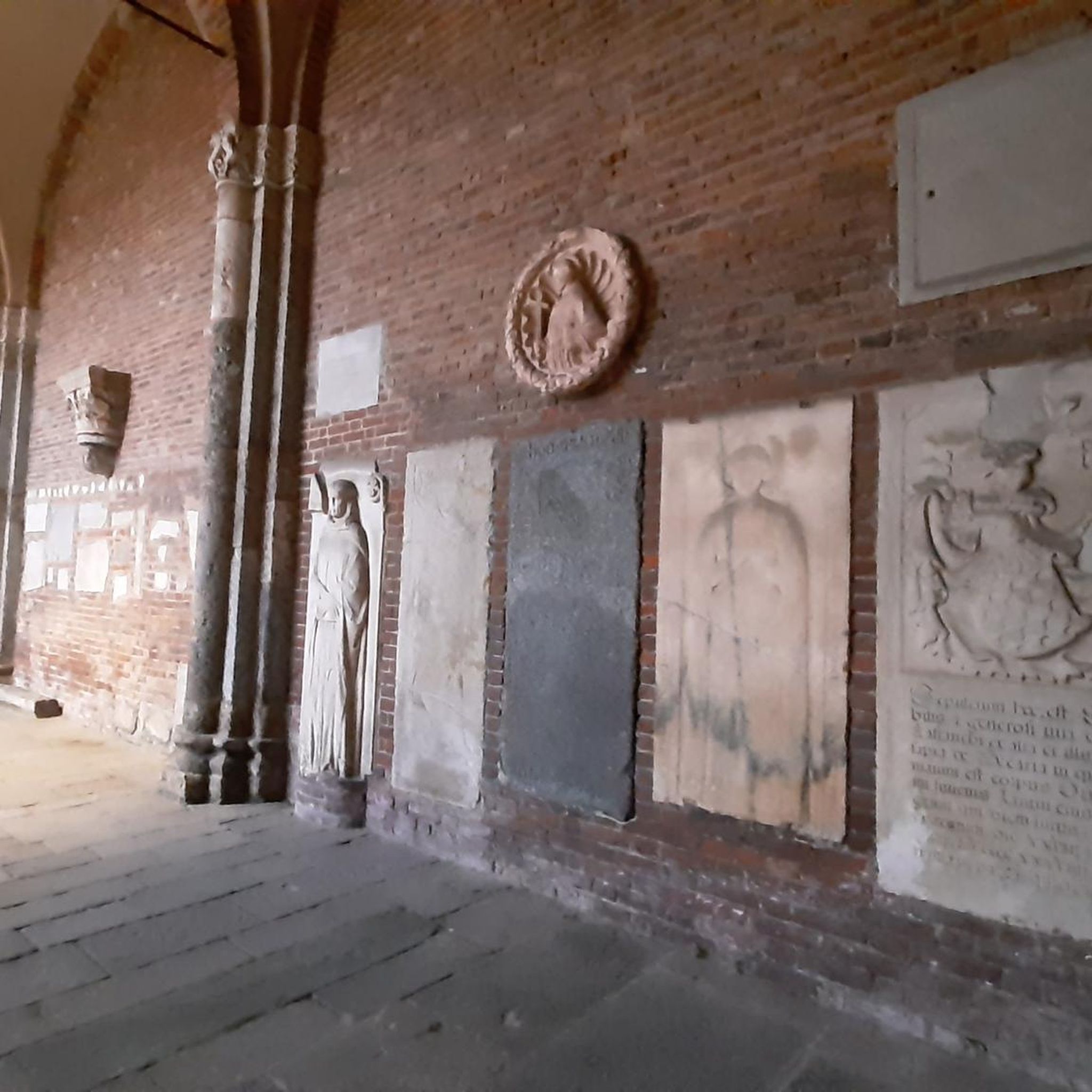
Wolvesey Castle (also known as the Old Bishop's Palace) was the medieval residence of the extremely wealthy and powerful Bishops of Winchester.
0
0
Features: The medieval complex included two great halls (East and West), a huge kitchen block, a keep, and one of the earliest known piped water supply systems in medieval Britain. Royal Connections: Due to the decline of Winchester Castle, Wolvesey became the favoured lodging for royalty visiting the city. The most famous event was the wedding banquet of Queen Mary I and Philip II of Spain in 1554, which took place in the East Hall before their marriage ceremony in Winchester Cathedral. Destruction: Wolvesey Castle was significantly damaged and largely stripped of its fortifications by the Parliamentarians (Roundheads) in 1646 during the English Civil War. Replacement Palace: The medieval palace was eventually abandoned in the 17th century. The site's fortunes changed with the Restoration of the Monarchy: Bishop George Morley (1662–1684) commissioned the construction of a new, smaller Baroque palace right next to the ruins. This palace was later partially demolished but its surviving West Wing remains the current private residence of the Bishop of Winchester today.
0
0
It was the principal residence of the immensely wealthy and powerful Bishops of Winchester throughout the Middle Ages, and is now a spectacular ruin managed by English Heritage. The extensive ruins visible today are largely the work of Bishop Henry of Blois (1129–1171), the brother of King Stephen. Henry was a dominant political and religious figure who built a magnificent, fortified palace to reflect his status. Although often referred to as a castle, it was primarily a lavish palace built in the style of a castle (fortified) due to the turbulent political period of the 12th century known as The Anarchy.
0
0
The Weirs is one of the most picturesque and historically significant areas in Winchester, primarily known for its beautiful riverside walk and its close association with the River Itchen and the city's medieval and Roman past.
1
0
Ancient Origins: The earliest surviving structure of the gate is of Anglo-Saxon character, though it was rebuilt in the 12th century and later modified in the 13th and 14th centuries. Military Features: The 14th-century modifications included a portcullis in the western façade and two inverted-keyhole gunports (for hand-held cannon), which are considered some of the earliest in the country. Today, the structure houses the Westgate Museum, which is operated by the Hampshire Cultural Trust.
0
0
The Westgate in Winchester is one of the city's most significant and iconic historical landmarks. It is a fortified medieval gateway that stands prominently at the upper end of the High Street, close to the Great Hall of Winchester Castle. Key Facts and History Surviving Gate: It is one of only two fortified medieval gateways that survive in Winchester (the other being Kingsgate), the rest having been demolished in the 18th century.
0
0

A very beautiful and interesting path along the river; there's always something to see and it's never boring. Plus, there's usually a fresh breeze, so it's very pleasant even in warmer temperatures.
3
0

Wolvesey Castle in southern England is a fascinating ruin that offers insight into the region's medieval history. The remains of the castle are well-preserved and invite you to explore the historic site. Its location near Winchester makes the visit particularly enjoyable, allowing you to experience the atmosphere of bygone times in a tranquil setting. The atmosphere is serene and contemplative, ideal for history buffs and those who want to explore the past. Overall, Wolvesey Castle is an interesting place that impressively reflects the region's history.
1
0
Frequently Asked Questions
What natural features can I explore around Little Somborne?
Little Somborne is nestled in the picturesque Test Valley, known for its idyllic countryside. You can explore the nearby River Test, renowned for trout fishing, and the John O'Gaunt Lakes. The historic Somborne Park also features a 200-acre parkland with specimen trees. For a serene walk, visit The Weirs, Winchester, which offers a walkway along the Itchen, an important chalk stream, known for its wildlife.
Are there historical sites to visit in Little Somborne and the surrounding area?
Yes, the area is rich in history. In Little Somborne itself, you can visit All Saints Church, an Anglo-Saxon church largely untouched for seven centuries, cared for by the Churches Conservation Trust. The historic Somborne Park (Little Somborne House) has elements dating back to the 17th century and was once home to Guglielmo Marconi. Nearby, explore the ruins of Wolvesey Castle (Old Bishop's Palace), a significant medieval site, and Westgate, Winchester, a 13th-century gatehouse with a small museum. Don't miss The Buttercross, Winchester, a magnificent 15th-century market cross.
What outdoor activities can I do near Little Somborne?
The tranquil English countryside around Little Somborne provides ample opportunities for outdoor pursuits. You can enjoy walking, cycling, and fishing. The Test Way, a long-distance footpath, offers excellent walking alongside the River Test. For specific routes, explore the cycling guides like Cycling around Little Somborne or hiking guides such as Easy hikes around Little Somborne, which include routes like 'The River Test at Stockbridge' loop.
Are there family-friendly attractions or activities in the area?
Several attractions are suitable for families. The Weirs, Winchester, offers a pleasant and safe walkway along the river where children can spot swans and other wildlife. Wolvesey Castle (Old Bishop's Palace) is free to enter and provides an engaging historical experience for all ages. Westgate, Winchester, also offers a small museum that can be interesting for families.
What are some popular walking trails near Little Somborne?
The area offers a variety of walking trails. The Test Way provides a long-distance option along the River Test. For easier walks, you can find routes like the 'West Down Nature Trail – Chilbolton Cow Common loop' or 'The River Test at Stockbridge – Stockbridge High Street loop' in the Easy hikes around Little Somborne guide. These trails allow you to immerse yourself in the tranquil English countryside.
Are there cycling routes suitable for different skill levels?
Yes, there are cycling opportunities for various abilities. The Cycling around Little Somborne guide features routes ranging from moderate, like the 'Crawley Pond – Westgate loop from Stockbridge', to more challenging options. For mountain biking enthusiasts, the MTB Trails around Little Somborne guide offers easy routes such as the 'Stockbridge High Street – Broughton Chalk Climb loop'.
Where can I experience local culture or find a historic pub?
For a taste of local hospitality and history, visit The Cromwell Arms. This historic pub has served the community for over 200 years and is a great spot to experience the local atmosphere.
What kind of wildlife can I expect to see on walks around Little Somborne?
The River Test and River Itchen are important chalk streams, abundant in fish and wildlife. On walks along these rivers, particularly near The Weirs, Winchester, you can often spot swans, ducks, and moorhens. The surrounding countryside also supports various bird species and other local fauna.
What do visitors particularly enjoy about the attractions around Little Somborne?
Visitors appreciate the blend of historical significance and natural beauty. For instance, Wolvesey Castle is praised for its grand sense despite being in ruins and its informative boards. The Weirs is loved for its serene atmosphere, wildlife, and pleasant footpaths. The historical depth of sites like Westgate and The Buttercross also captivates those interested in the region's past.
Is there a specific time of year that is best to visit Little Somborne for nature walks?
The Test Valley, where Little Somborne is located, offers beautiful scenery year-round. Spring and summer are ideal for enjoying the lush greenery and spotting wildlife along the rivers. Autumn brings vibrant colors to the parklands and fields, while winter walks can offer a peaceful, crisp experience of the countryside. The natural trails evolve with the seasons, providing different experiences throughout the year.
Are there any specific churches of historical significance in the area?
Yes, All Saints Church in Little Somborne is a significant historical landmark. This Anglo-Saxon church has remained largely untouched for seven centuries and features remarkable architectural details, including Saxon pilaster strips and a double-splayed window. It is cared for by the Churches Conservation Trust. You can find more detailed information about its history and features in this guidebook: All Saints Church Guidebook.
Are there any wheelchair-accessible paths or attractions?
While specific accessible paths are not widely detailed, The Buttercross, Winchester, is noted as wheelchair accessible, being a prominent feature in the city center. For other attractions, it's advisable to check individual site information for accessibility details, as the natural terrain of the Test Valley can vary.
Most popular attractions around Little Somborne

Get inspired with the komoot mobile app


Explore more
Still not found the Highlight you’re looking for? See guides of the top attractions in other regions:
