The best walks and hikes around Bishops Itchington
4.6
(471)
3,837
hikers
322
hikes
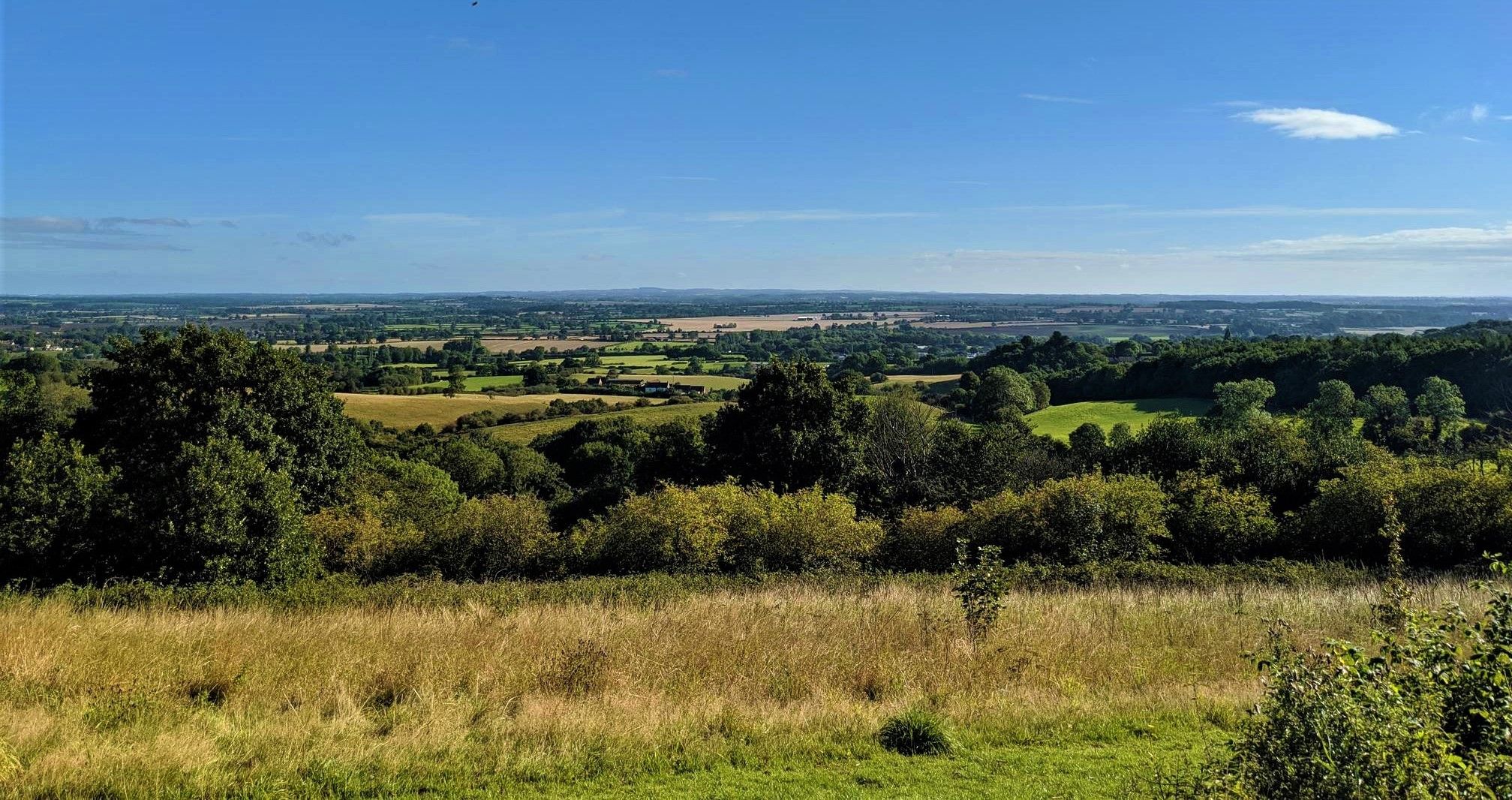
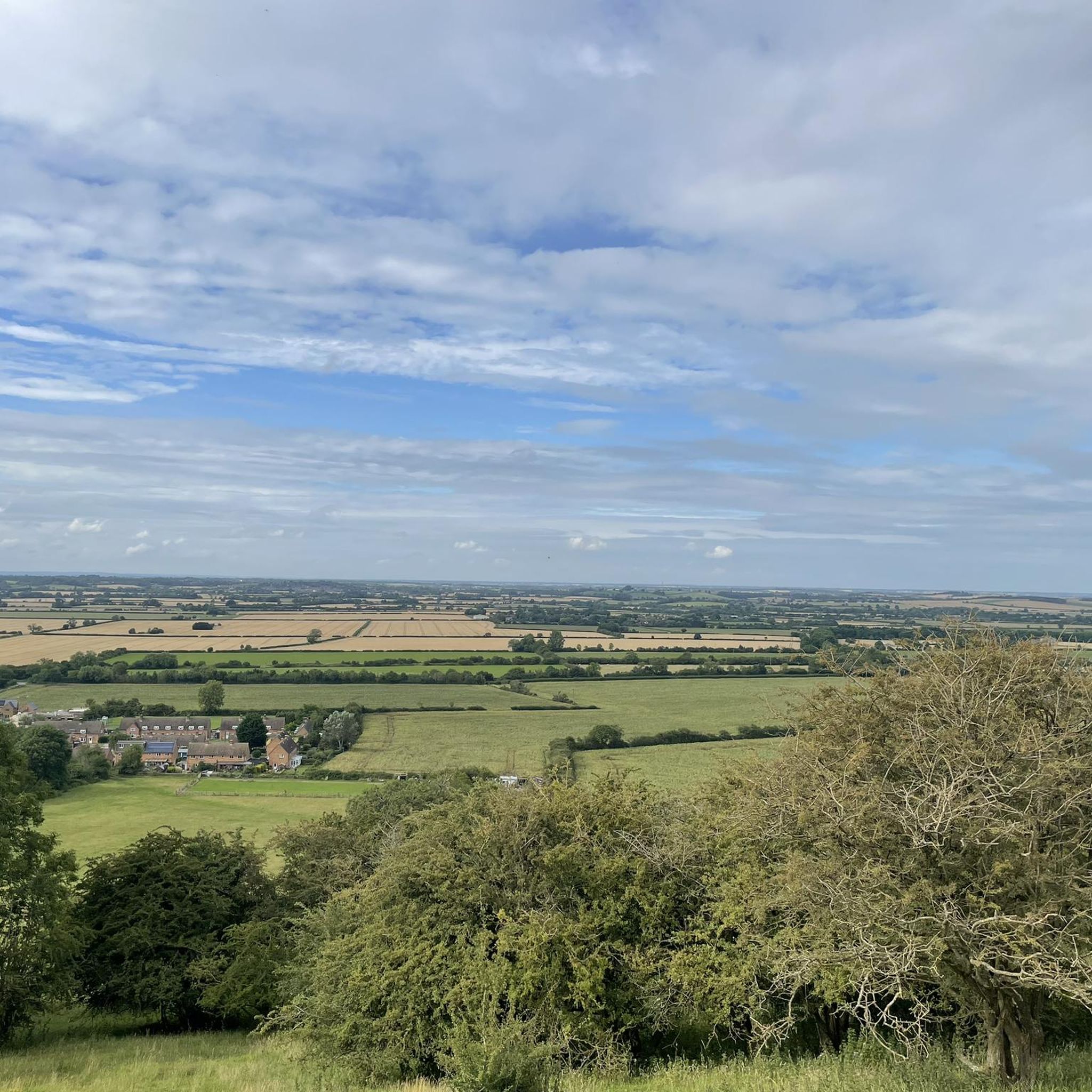
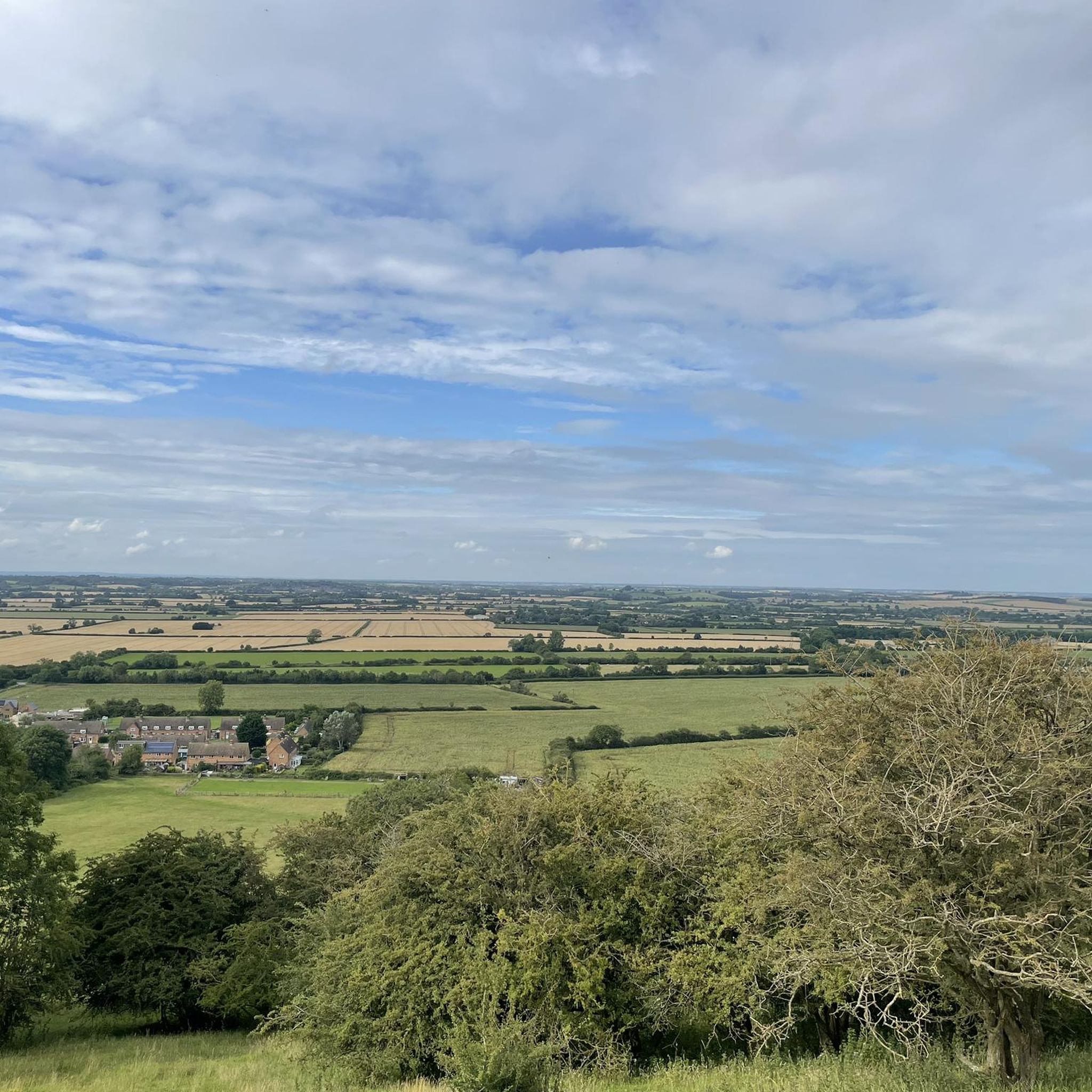
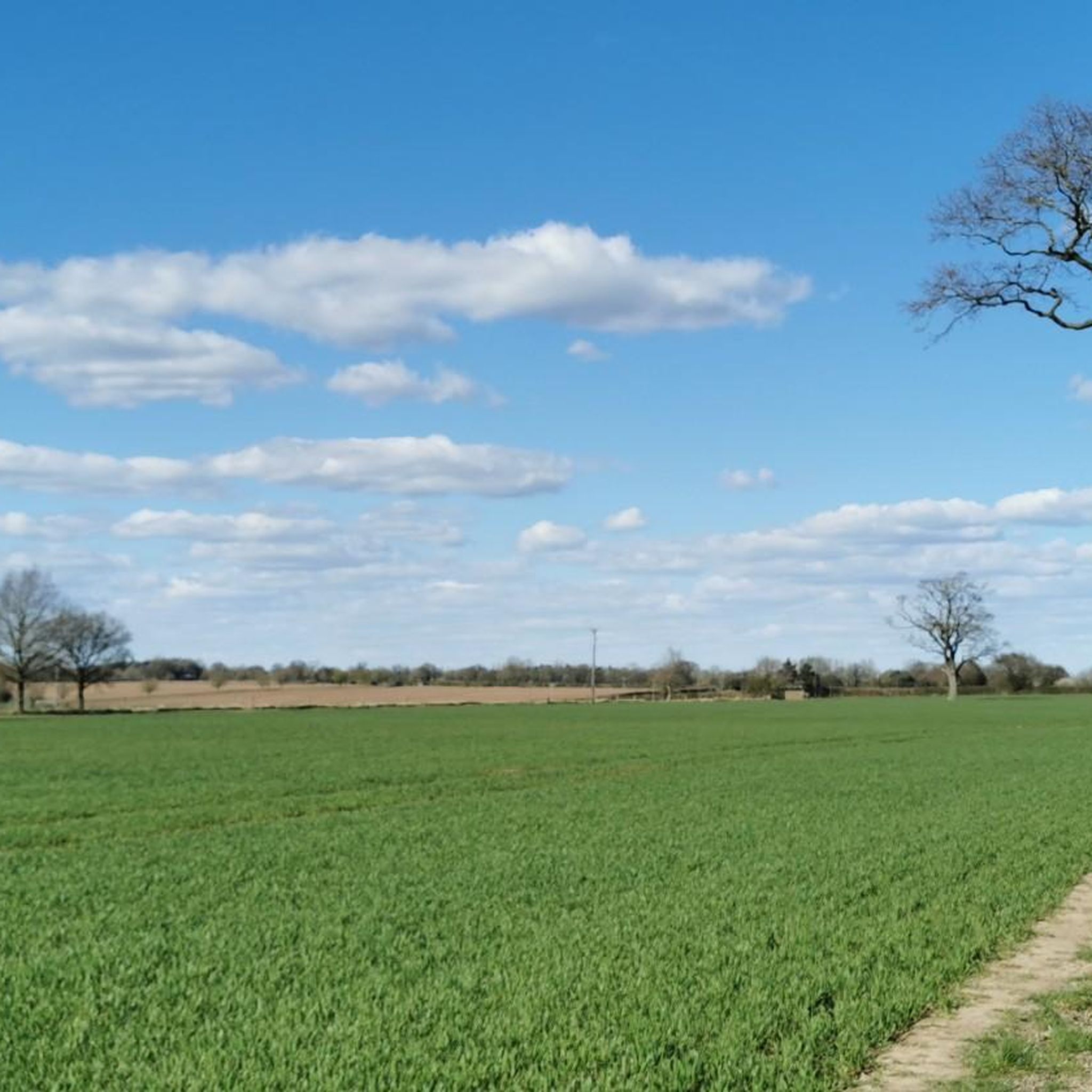
Hiking around Bishops Itchington offers a variety of outdoor activities within South Warwickshire's countryside. The region features diverse natural landscapes, including former quarry sites transformed into nature reserves, river valleys, and sections of the Grand Union Canal. Notable features include Bishop's Hill Nature Reserve, the Yellow Land, Leam Valley Local Nature Reserve, and views towards the Burton Dassett Hills. These areas provide a network of footpaths and bridleways for exploration.
Best hiking trails around Bishops Itchington
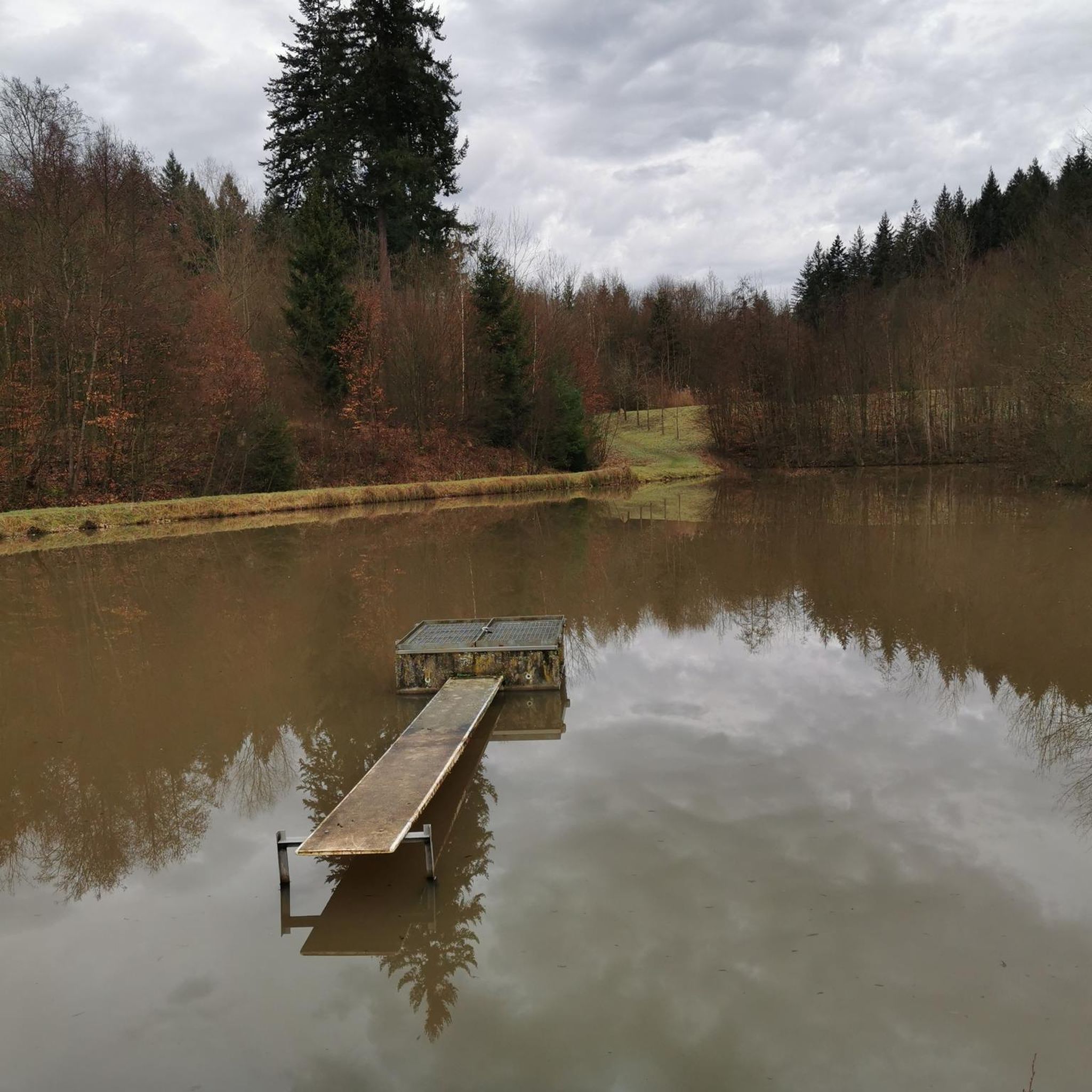
- The most popular hiking route is Bishops Bowl Lakes – St. Giles Church, Chesterton loop from Bishops Itchington, a 6.1 miles (9.9 km) trail that takes 2 hours 35 minutes to complete. This moderate route passes by the tranquil Bishops Bowl Lakes and offers views of the countryside.
- Another top favourite among local hikers is Bishops Bowl Lakes – Harbury Windmill loop from Bishops Itchington, a moderate 4.8 miles (7.7 km) path. This trail features the Bishops Bowl Lakes and views towards Harbury Windmill, traversing open fields.
- Local hikers also love the Yellow Land loop from Bishops Itchington, a 2.1 miles (3.5 km) trail leading through the Yellow Land nature reserve, often completed in about 55 minutes. This easy route explores lime-rich grasslands known for diverse plant and insect life.
- Hiking around Bishops Itchington is defined by nature reserves, canal towpaths, river valleys, and rolling hills. The network of trails offers options for various ability levels, from easy walks to moderate excursions.
- The routes in Bishops Itchington are highly rated by the komoot community with an average score of 4.6 stars from over 400 reviews. More than 3,900 hikers have used komoot to explore Bishops Itchington's varied terrain.
Last updated: June 21, 2026
5.0
(1)
6
hikers
Moderate hike. Good fitness required. Easily-accessible paths. Suitable for all skill levels.
5.0
(2)
11
hikers
Moderate hike. Good fitness required. Easily-accessible paths. Suitable for all skill levels.

Sign up for free
5.0
(1)
2
hikers
12.9km
03:20
80m
70m
Moderate hike. Good fitness required. Easily-accessible paths. Suitable for all skill levels.
8
hikers
3.45km
00:55
40m
40m
Easy hike. Great for any fitness level. Easily-accessible paths. Suitable for all skill levels.
3
hikers
3.71km
00:58
20m
20m
Easy hike. Great for any fitness level. Easily-accessible paths. Suitable for all skill levels.
Get access to more routes and recommendations from other explorers.
Sign up for free
Already have an account?
Our route recommendations are based on thousands of hikes, rides, and runs completed by other people on komoot.
Start today with a free account
Your next adventure awaits.
Login or Signup
Other adventures around Bishops Itchington

Tips from the Community

Nearby dog friendly beer garden at The Shakespeare pub
0
0
We had to double back on ourselves slightly to see the lakes, as they were hidden behind a hedge
0
1

Two wheatfields to cycle through, no problem. The final bit to the M40 crossing more overgrown so a bit of Hike A Bike. one point appeard closed off by barbed wire but overgrown willow on path leading to B'way gate to bridge over the Mway
0
0

The Peyto Gateway on the north side of St Giles Church, Chesterton, Warwickshire, England, used by the Peyto Family when their manor house was there. Gateway. Probably 1630's. For Sir Edward Peyto and copy of a design by Inigo Jones. English bond red brick with moulded, cut and rubbed brick. Classical style. Round arch with keyblock, pilasters, entablature and pediment. Pilasters, wall, and arch have intermittent rustication. It is likely that this gateway was built at about the same time as Chesterton Windmill (q.v.). It is a close copy, at about three-quarters scale, of one of the two churchyard gateways flanking Jones' St Paul, Covent Garden, of 1631, see Vitruvius Britannicus (ii, 1717, pl 21-2).
0
0
Kingston Pools has closed its doors to angling following the sale of the 360-acre arable farm for development. A fishery for more than 40 years, it is planned that the four pools will form part of a green amenity space once housing development has been completed on the site.
0
0
The parish church of All Saints, Harbury. It was first built in the Medieval period, but rebuilt and much altered in more recent times (Imperial period). The church is situated to the south east of Harbury Hall. Church. C13. Tower later C13, with top part possibly 1811. Restored and enlarged 1873: nave largely rebuilt, south aisle widened, north aisle and organ chamber/vestry added. Chancel, south aisle and tower of squared coursed limestone rubble. Chancel has some sandstone and sandstone dressings. South aisle has ironstone dressings. Upper part of tower of Flemish bond brick. Nave, north aisle and chapel of regular coursed limestone with ironstone dressings. Tile roofs have coped stone gable parapets with weatherings and kneelers and remains of cross finials. Stone stack. Aisled nave, chancel, north chapel and south-west tower. 2-bay chancel, 5-bay nave. Buttresses of 2 offsets throughout. Chancel has splayed plinth. Diagonal buttresses. C19 geometrical and bar tracery and hood moulds with block stops throughout. 3-light east window. Small studded plank south door in chamfered surround. 2 straight-headed 2-light traceried windows. Small C13 low-side chamfered lancet. C13 north lancet. South aisle has diagonal and south buttresses. 3-light east window. C19 Early English style double-leaf south door in angle abutting tower has inner continuous roll moulding and roll moulded arch on nook shafts. Two 3-light windows. Nave has shallow south-west and large north-west buttress. 4-light west window. Organ chamber/vestry has 3-light east window. Chamfered north doorway. Lateral stack with offsets. North aisle has east angle, west diagonal and north buttresses. Doorway in fourth bay, similar to south side, has moulded arch with nailhead. 3-light windows; second bay has reticulated tracery. 3-light west window. Tower of 3 stages has massive west setback buttresses of 4 offsets. South buttress has painted sundial. South east clasping buttress. South and west lancets. Second stage, partly of 1811, has south clock face of c.1835 set in lozenge panel. Small round-arched window, largely of brick, above. Small blocked west window. Moulded string course. Third stage has clasping buttresses. Small round-arched bell openings with wooden louvres and cut-out quatrefoils. Plain cornice. Crenellated parapet. Interior: chancel has C19 hammerbeam roof. Wide segmental-pointed arch of 2 chamfered orders to organ chamber and vestry. Wide chancel arch of 2 continuous chamfered orders. 3-bay south arcade of c.1300, of 2 chamfered orders with bar stops, and octagonal piers with moulded capitals. Similar 5-bay north arcade of 1873. Wide south tower arch of 3 chamfered orders, the outer segmental-pointed and the inner with moulded imposts. Nave, aisles and chapel have arched braced queen strut roofs of 1873, with wind braces to nave. Organ chamber has arch to aisle of 2 chamfered orders, the outer segmental-pointed. South aisle has timber internal porch. Renewed west arch to tower of 3 chamfered orders, the inner with moulded imposts, the outer segmental pointed. Fittings: mostly of c.1873. Carved stone reredos. Chancel has encaustic tiled floor. Octagonal font. Timber octagonal pulpit, north aisle screen and benches. Chancel and south aisle have mid C18 communion rails with column-on-vase balusters, those in aisle possibly imported from elsewhere. Early C17 carved chest. Stained glass: east and chancel north windows c.1873. Chancel south east 1890, centre 1899, south-west 1897. Tower south c.1873. Monuments: tower east: early C18. Wall monument with Corinthian pilasters. The work carried out in 1873 cost £4,000.
0
0
The windmill is a tower type built between 1802 and 1812, using derelict stone from Chesterton Manor. When built, the windmill had a stone lower part, while the upper part was a red brick tower with batter. It had an Iron sheeted boat shaped cap with wheel and lulling gear, windshaft with poll end and brake wheel, four sails with staging, three pairs of stones and machinery. It is a six storey building with a total height of 70 feet. 20th century history The windmill ceased working by sail in 1912 and was powered firstly by a steam engine, then by an oil engine and from the 1930s. Finally, it was powered by electricity until 1952 when it ceased milling. The stocks were removed in 1934. The boat shaped cap was removed in 1982 and replaced with a larger looking pitched roof. It became a Grade II listed building on 7th January 1952, and in 1988 the lower floors became part of a house.
0
0
The Church was founded by Richard the Forester in the 11th Century and presented in Richard II’s time to the Barons of Kenilworth, by William Croc. It later came under the Abbots of Worcester, but by 1693 was under the Cathedral Church of Lichfield. It is built of Limestone and Northampton stone, in the perpendicular style, but has been altered by successive generations. It was generally restored in 1862. The walls are three foot thick and have been buttressed up, externally. The most notable feature is the length of the embattlemented parapet, which runs the whole length of the Chancel. The square tower was built of old material in the 17th Century. The history of Chesterton Church is closely linked to that of the Peyto family who are said to have come over with William the Conqueror. Although they had previously owned land at Chesterton, it was not until the middle of the 14th Century that they came to live in the village. They built their big house to the north west of the church and established the fish ponds, over which they had to cross on their way to worship. Their later and more stylish Manor House built on the hill to the north of the church was pulled down in 1802. The Peyto’s were prominent men of their time. They included lawyers, soldiers and Members of Parliament. In the Civil War, Sir Edward Peyto supported Cromwell’s Parliamentarians, successfully leading the defence of Warwick Castle against the Royalists. The Peyto line ended in 1746 and the Manor and the Estate passed to the Verney family to whom they were linked by an earlier marriage. The Verneys are still the Patrons of Chesterton Church, through Lord Willoughby de Broke, 21st. Baron. In Victorian times heating was from three open fires in the central aisle with an under floor flue leading to a chimney within the Tower. For many years Chesterton was the Mother Church of the district, with coffins being carried from as far away as Bishop’s Itchington for burial. The registers date from 1538 and are now held in the County Archives.
0
0
Frequently Asked Questions
How many hiking trails are available around Bishops Itchington?
There are over 330 hiking routes around Bishops Itchington, offering a wide variety of options for different skill levels and interests. You'll find everything from easy strolls to more moderate excursions through the Warwickshire countryside.
What kind of terrain can I expect on hikes in Bishops Itchington?
The terrain around Bishops Itchington is diverse, featuring picturesque countryside, former quarry sites transformed into nature reserves, tranquil river valleys, and sections of the Grand Union Canal. You can expect a mix of country lanes, field paths, and bridleways, with some routes offering elevated views over South Warwickshire.
Are there any easy hiking trails suitable for beginners or a relaxed walk?
Yes, Bishops Itchington offers many easy trails. For example, the Yellow Land loop from Bishops Itchington is an easy 2.1-mile (3.5 km) route that takes you through the unique lime-rich grasslands of the Yellow Land nature reserve, known for its diverse plant and insect life.
What natural features or landmarks can I see along the hiking routes?
Hikers can explore several notable natural features and landmarks. These include the unique Yellow Land and Bishop's Hill Nature Reserve, both former quarry sites now rich in wildlife. You can also walk alongside the Grand Union Canal and the River Leam, or enjoy views towards the Bishops Bowl Lakes and the distant Burton Dassett Hills.
Are there any circular walks available in the area?
Yes, many routes around Bishops Itchington are circular. Popular options include the Bishops Bowl Lakes – St. Giles Church, Chesterton loop and the Bishops Bowl Lakes – Harbury Windmill loop, both offering scenic views and returning to your starting point.
What do other hikers enjoy most about hiking in Bishops Itchington?
The area is highly rated by the komoot community, with an average score of 4.6 stars from over 400 reviews. Hikers often praise the diverse natural landscapes, the tranquility of the canal and river paths, and the well-maintained network of trails that cater to various abilities.
Are the hiking trails around Bishops Itchington suitable for families with children?
Yes, many of the trails are suitable for families. The abundance of easy routes, such as the Yellow Land loop, provides accessible options for walks with children. The diverse landscapes, including nature reserves and canal paths, offer engaging environments for younger explorers.
Can I bring my dog on the hiking trails?
Generally, dogs are welcome on most public footpaths and bridleways around Bishops Itchington. However, please ensure dogs are kept under control, especially near livestock, and always clean up after your pet to help preserve the natural environment for everyone.
What is the best time of year to go hiking in Bishops Itchington?
Bishops Itchington offers enjoyable hiking opportunities throughout the year. Spring brings wildflowers to the nature reserves, while summer provides pleasant conditions for longer walks. Autumn showcases beautiful foliage, and even winter can be rewarding with crisp, clear days, though some paths may be muddy.
Are there any historical sites to visit while hiking?
Yes, hikers can combine their outdoor pursuits with visits to historical sites. For instance, the 12th-century All Saints' Church in Burton Dassett is situated in a picturesque setting on the Burton Dassett Hills, offering a historical point of interest during your walk.
Where can I find viewpoints with scenic vistas?
From Bishop's Hill Nature Reserve, you can enjoy fantastic views stretching into Leicestershire and Northamptonshire. Additionally, the playing fields at the southern end of Bishops Itchington offer fine views over open countryside towards the Burton Dassett Hills, and some field paths provide elevated perspectives over South Warwickshire.
Are there any routes that follow waterways?
Absolutely. Several walking routes incorporate sections of the Grand Union Canal, offering tranquil settings and a glimpse into England's canal history. The Leam Valley Local Nature Reserve also provides paths directly adjacent to the River Leam, a haven for wildlife.
Most popular routes around Bishops Itchington
Most popular attractions around Bishops Itchington

Get inspired with the komoot mobile app


Explore more
Browse the best Hikes in other regions.
