The best walks and hikes around Quendon And Rickling
4.6
(321)
2,520
hikers
10
hikes
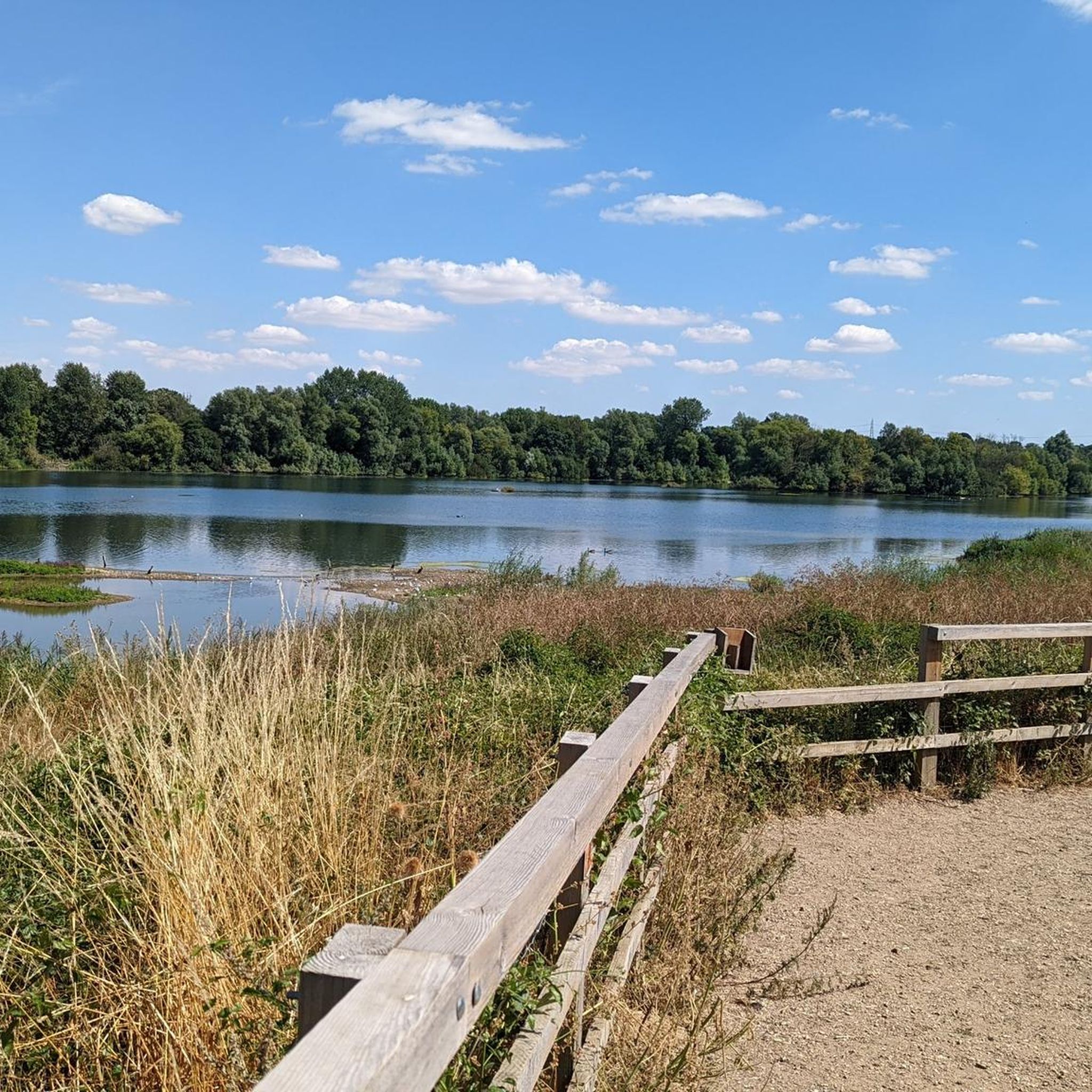
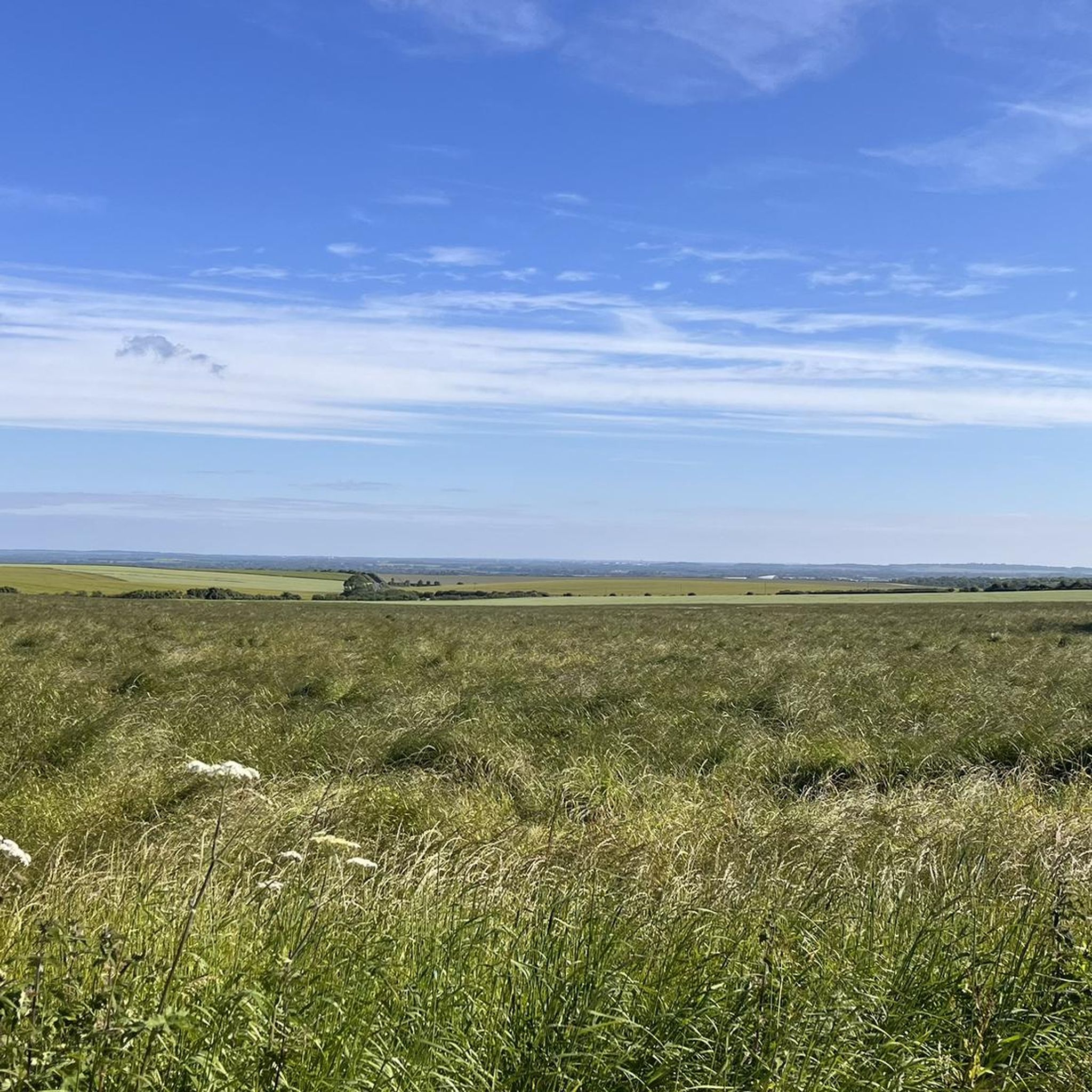
Hiking around Quendon And Rickling offers a blend of verdant woodlands and expansive open countryside in rural Essex. The area features generally gentle terrain, with some modest elevation gains like Fireball Hill, providing views of the surrounding landscape. It acts as a watershed for the nascent Rivers Cam and Stort, characterized by "North West Essex chalk farmland" and irregular fields. Tranquil elements such as the River Granta and Dell Pond also contribute to the natural charm.
Best hiking trails around Quendon And Rickling
- The most popular hiking route is Historic Buildings of Newport loop from Newport, a 2.9 miles (4.6 km) trail that takes 1 hour 14 minutes to complete. This easy route explores the historic architecture of Newport.
- Another top favourite among local hikers is The Cricketers Arms – Quagmire in Wet Weather loop from Quendon and Rickling, a moderate 6.1 miles (9.8 km) path. This trail passes by the local landmark "The Cricketers Arms" and through the immediate area's countryside.
- Local hikers also love the Hidden Ruts in Long Grass loop from Wicken Bonhunt, a 5.2 miles (8.4 km) trail leading through open countryside and woodlands, often completed in about 2 hours 12 minutes.
- Hiking around Quendon And Rickling is defined by verdant woodlands, open countryside, and historic architecture. The network offers options for easy, moderate, and difficult trails, catering to various ability levels.
- The routes in Quendon And Rickling are highly rated by the komoot community with an average score of 4.6 stars from over 300 reviews. More than 2000 hikers have used komoot to explore Quendon And Rickling's varied terrain.
Last updated: July 2, 2026
4.3
(3)
10
hikers
Moderate hike. Good fitness required. Easily-accessible paths. Suitable for all skill levels.
4
hikers
10.6km
02:46
80m
80m
Moderate hike. Good fitness required. Easily-accessible paths. Suitable for all skill levels.

Sign up for free
3
hikers
10.9km
02:52
90m
90m
Moderate hike. Good fitness required. Easily-accessible paths. Suitable for all skill levels.
5.0
(1)
3
hikers
Moderate hike. Good fitness required. Easily-accessible paths. Suitable for all skill levels.
4.0
(1)
4
hikers
Moderate hike. Good fitness required. Easily-accessible paths. Suitable for all skill levels.
Get access to more routes and recommendations from other explorers.
Sign up for free
Already have an account?
Our route recommendations are based on thousands of hikes, rides, and runs completed by other people on komoot.
Start today with a free account
Your next adventure awaits.
Login or Signup
Tips from the Community

Also really good for overnight stay. Great healthy options for dinner.
0
0

Toilet is now usually locked but ask a staff member who will unlock it. Still lovely staff and food especially bacon baguette which I had this morning. Seat out front in the sun and plenty of space for bikes.
0
0

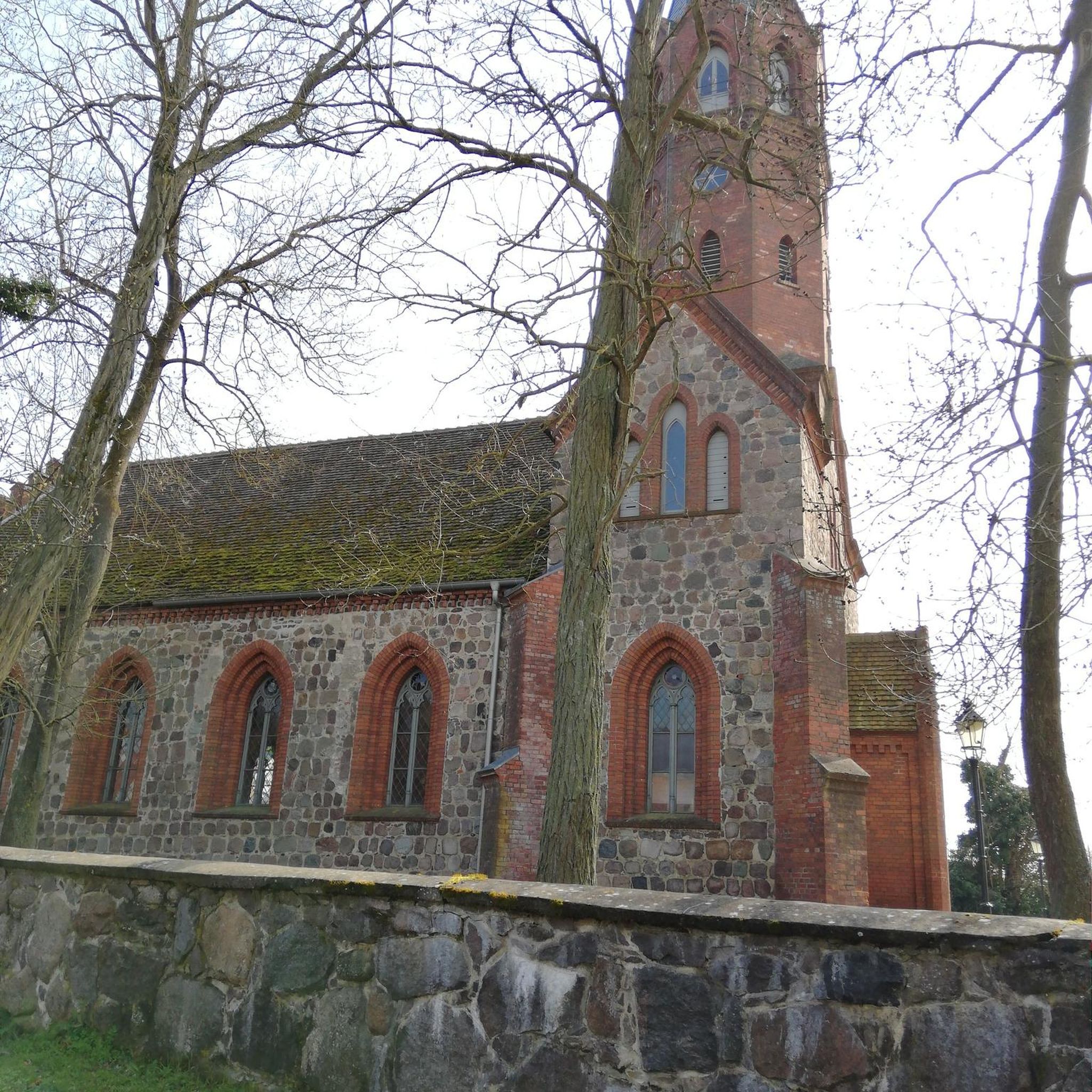
Parish Church of St. Mary the Virgin stands N. of the village. The walls are of flint and pebble rubble with dressings of limestone; the roofs are covered with tiles and slate. The plan of the church is probably that of the early 12th-century building, but the only remaining detail of that date is a window in the N. wall of the Chancel. The Nave was possibly rebuilt in the 15th century, and the North Vestry was added during the same period. The church was completely restored in 1872, when the West Tower was rebuilt and the South Porch added. ¶Architectural Description—The Chancel (25 ft. by 14½ ft.) with the axis inclined slightly to the S., has a late 13th or early 14th-century E. window, partly restored and of three cinquefoiled lights with intersecting tracery in a two-centred head, under a plain external label; the splays and rear arch are hollow-chamfered and have broach-stops. In the N. wall are two windows, both towards the W. end of the wall; the eastern is of early 12th-century date and of a single light with a flattened round head; the western window is of the 15th century, and of two cinquefoiled lights under a segmental head with a moulded external label, which has grotesque beast-stops now defaced, and a foliated finial; the jambs are moulded and the mullion has an attached shaft with moulded capital and base; the moulded rear arch projects and forms a label with a foliated finial not in situ; E. of the eastern window, opening into the vestry, is a 15th-century doorway with chamfered jambs, two-centred arch and a segmental-pointed rear arch facing the vestry. In the S. wall are two windows; the eastern is of the 14th century and much restored, and of two trefoiled ogee lights with tracery under a two-centred head; the splays are of c. 1280 and have attached shafts with moulded bases and carved capitals set between two lines of dog-tooth ornament; the junctions of the bases and splays are carved with small grotesque heads, and the E. capital has foliage and fruit, with a bird eating fruit partly on the adjoining splay; on the splay adjoining the W. capital is a grotesque head with foliage issuing from the mouth; the western window is of the 15th century, and of two trefoiled ogee lights with modern tracery under a segmental-pointed head. The chancel-arch is modern. The North Vestry has a window in the E. wall and a doorway in the W. wall, both modern. The Nave (40½ ft. by 21 ft.) has one window in the N. wall, all modern, except the splays and chamfered, two-centred rear arch, which are of the 15th century. Further W. is a blocked doorway with a two-centred arch and a chamfered segmental-pointed rear arch, probably also of the 15th century. In the S. wall are two windows; both are modern except the 15th-century moulded splays and pointed rear arch of the western window. W. of the windows is the 15th-century S. doorway, partly restored, with moulded jambs, two-centred arch, plain label, and chamfered segmental rear arch. Fittings—Brass: In nave—on N. wall, of a civilian, c. 1460, in loose belted cloak, feet missing. Door: In S. doorway—of oak, in two leaves, each leaf having three V-shaped battens with hollow-chamfered fillets between them, plain strap-hinges, circular scutcheon and trefoiled handle, back of each leaf with fillets in cross-pattern, probably 15th-century. Glass: In chancel—in N.W. window, hanging inside, two shields of old France and England quarterly, 14th-century, and one medallion with a sundial, hour-glass and crown, dated 1664. Niche: In chancel—in E. wall N. of window, shallow, with moulded jambs and the springing of a four-centred arch, rest of head mutilated, but probably canopied, 15th-century. Piscina: In chancel—with chamfered jambs, moulded stops, moulded and trefoiled head flanked by quatrefoiled panels, circular quatrefoiled basin, late 13th-century. Plate: includes cup of 1562, with two bands of ornament round the bowl; cover-paten, probably late 17th-century, with Elizabethan rim; and alms-dish, probably late 17th-century. Source: british-history.ac.uk
0
0
Widdington is a village and a civil parish near Saffron Walden, in the Uttlesford district.
0
0

Nice location with plenty of outdoor tables overlooking the village green.
0
0

Great bakers with seats inside for tea coffee cakes and bacon rolls. not open Sunday though.
0
0

Look to your right (Bury Water Lane), there's a trigpoint
0
0
Frequently Asked Questions
How many hiking trails are available in Quendon And Rickling?
There are over 300 hiking routes recorded in Quendon And Rickling, offering a wide variety of options for different preferences and fitness levels. These include 165 easy routes, 142 moderate routes, and 11 more challenging trails.
Are there any easy, family-friendly walks in Quendon And Rickling?
Yes, Quendon And Rickling offers many easy routes suitable for families. The terrain is generally gentle, with numerous public footpaths and quiet country lanes. An example is the Historic Buildings of Newport loop, which is an easy 2.9-mile trail exploring local architecture.
Can I find circular walks in the Quendon And Rickling area?
Yes, many of the hiking trails in Quendon And Rickling are circular, allowing you to start and end at the same point. A popular moderate option is The Cricketers Arms – Quagmire in Wet Weather loop, which passes by the historic pub and through the local countryside.
What kind of landscapes can I expect to see while hiking here?
Hikers in Quendon And Rickling will experience a serene blend of verdant woodlands and expansive open countryside. The area is characterized by 'North West Essex chalk farmland' with irregular fields, and features tranquil elements like the small River Granta and Dell Pond. In springtime, several woods are carpeted with vibrant bluebells.
Are there any notable historical sites or attractions along the trails?
Yes, the region is rich in history. You can encounter many 17th and 18th-century houses, and ancient churches like Quendon Church and Rickling Church, both over 800 years old. Nearby, you might also visit Audley End House, a significant historical site.
What do other hikers say about the trails in Quendon And Rickling?
The routes in Quendon And Rickling are highly rated by the komoot community, with an average score of 4.6 stars from over 300 reviews. Nearly 2500 hikers have used komoot to explore the varied terrain, often praising the quiet woodlands, open countryside, and historical points of interest.
Are there any trails that offer good views?
While the terrain is generally gentle, Fireball Hill provides a modest elevation gain and offers panoramic views of the surrounding countryside. The area itself stands at 300 feet above sea level, acting as a watershed for the nascent Rivers Cam and Stort, contributing to scenic vistas.
When is the best time of year to go hiking in Quendon And Rickling?
Spring is particularly beautiful, as several woods like Coney Acre, Broom Wood, and Quendon Wood are carpeted with vibrant bluebells. The generally gentle terrain makes it suitable for hiking throughout much of the year, with autumn also offering lovely colours in the woodlands.
Are there any trails that pass by pubs or places to eat?
Yes, the picturesque Rickling Green features 'The Cricketers Arms' pub, a local landmark since 1850. You can find routes that incorporate this, such as The Cricketers Arms – Quagmire in Wet Weather loop. For a cafe, Waffle (Formerly Bicicletta) is also nearby.
Are there any specific trails that go through woodlands?
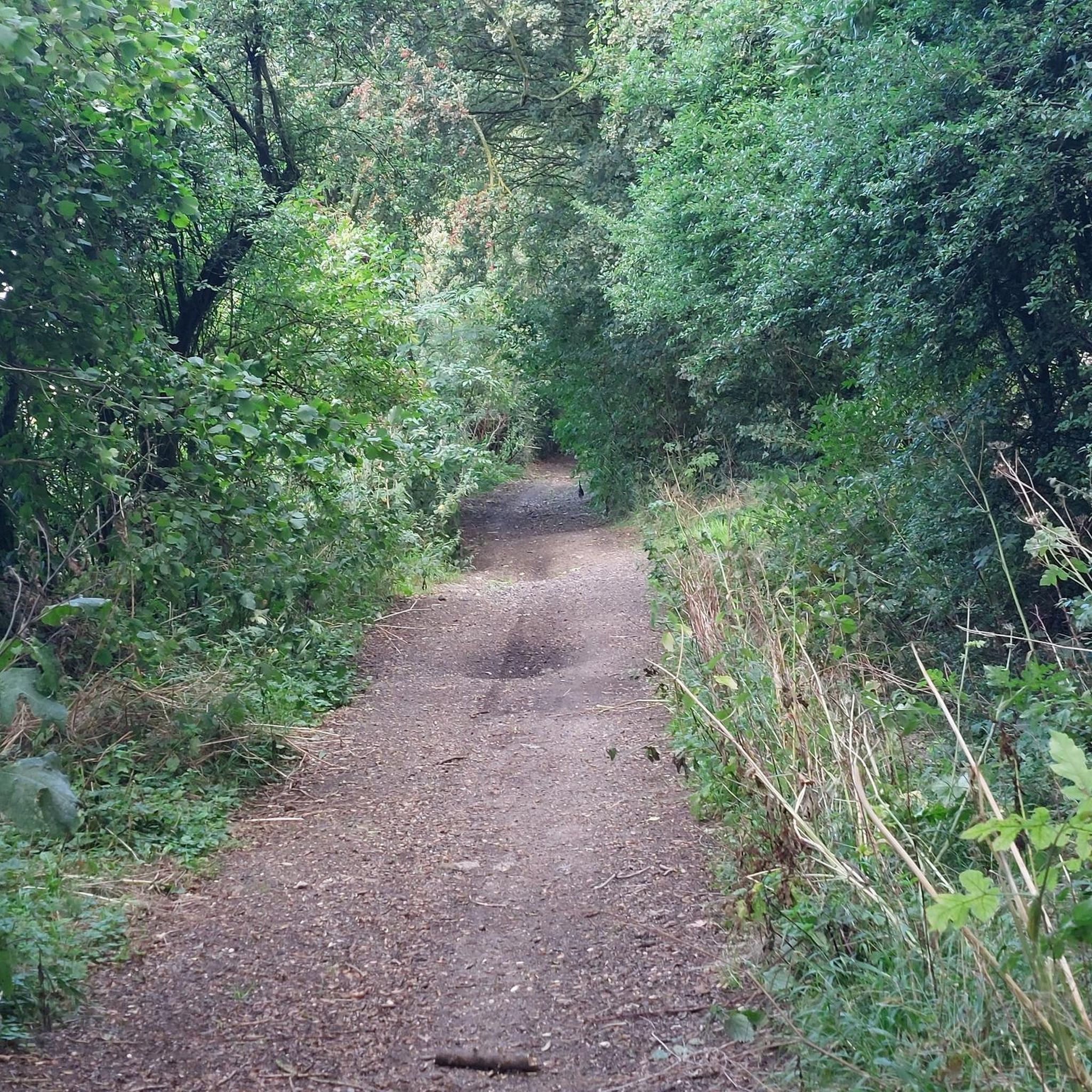
Over half of the region is covered by forests, providing shaded environments for walkers. The Hidden Ruts in Long Grass loop from Wicken Bonhunt is an example of a trail that leads through open countryside and woodlands, offering a good mix of scenery.
What kind of wildlife can I expect to see?
The diverse landscapes of woodlands, open countryside, and areas around rivers and ponds provide habitats for various wildlife. While specific sightings depend on the season and luck, you can expect to see common woodland birds, small mammals, and insects, especially in the bluebell woods during spring.
Are there any trails suitable for beginners?
Absolutely. Many of the 165 easy routes are perfect for beginners. They typically feature gentle terrain and well-defined paths. The Prior's Hall Barn – Widdington Village Sign loop is an easy 4.6-mile route that offers a pleasant introduction to hiking in the area.
Most popular routes around Quendon And Rickling
Most popular attractions around Quendon And Rickling

Get inspired with the komoot mobile app


Explore more
Browse the best Hikes in other regions.
