The best road cycling routes around Cann
4.7
(64)
2,144
riders
264
rides
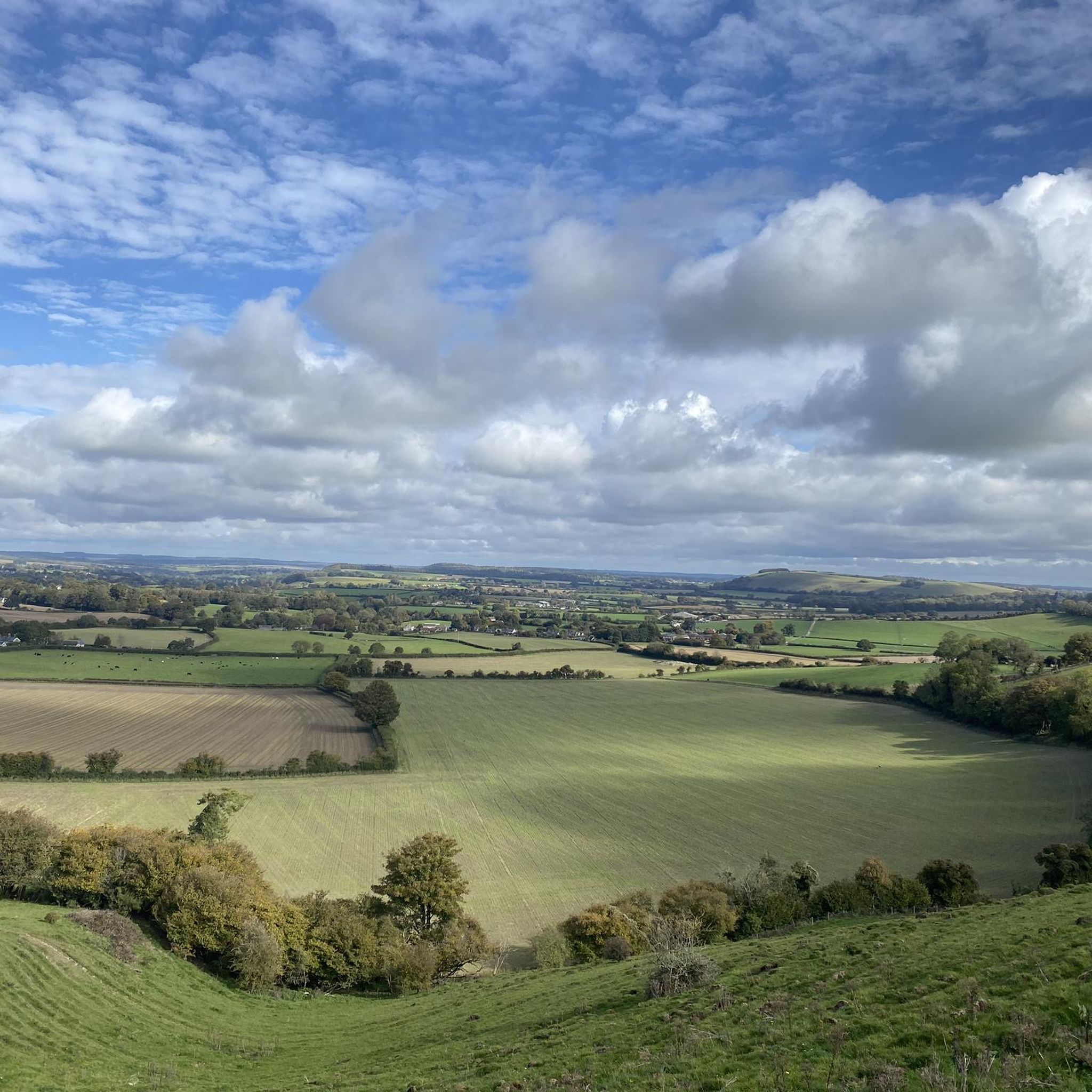
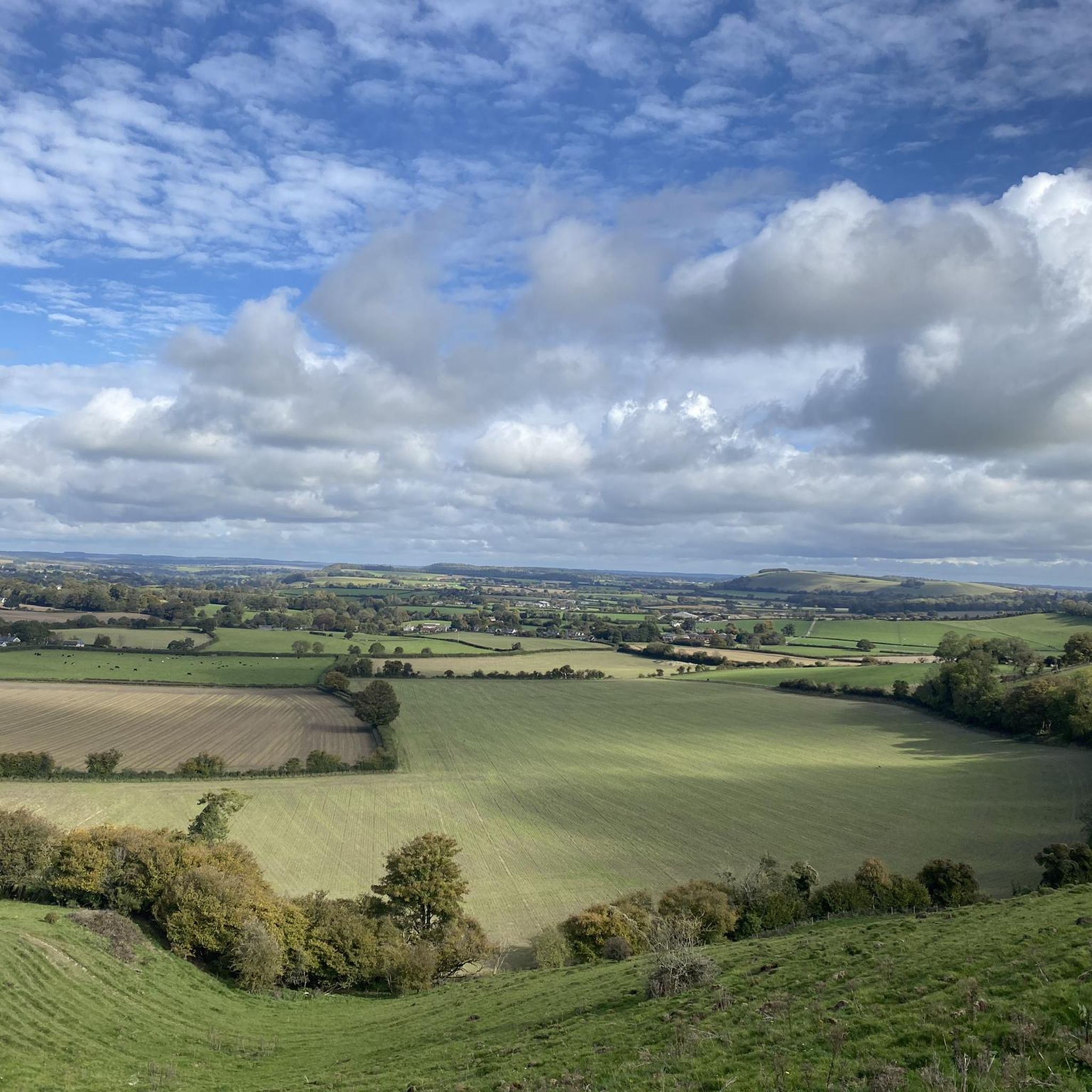
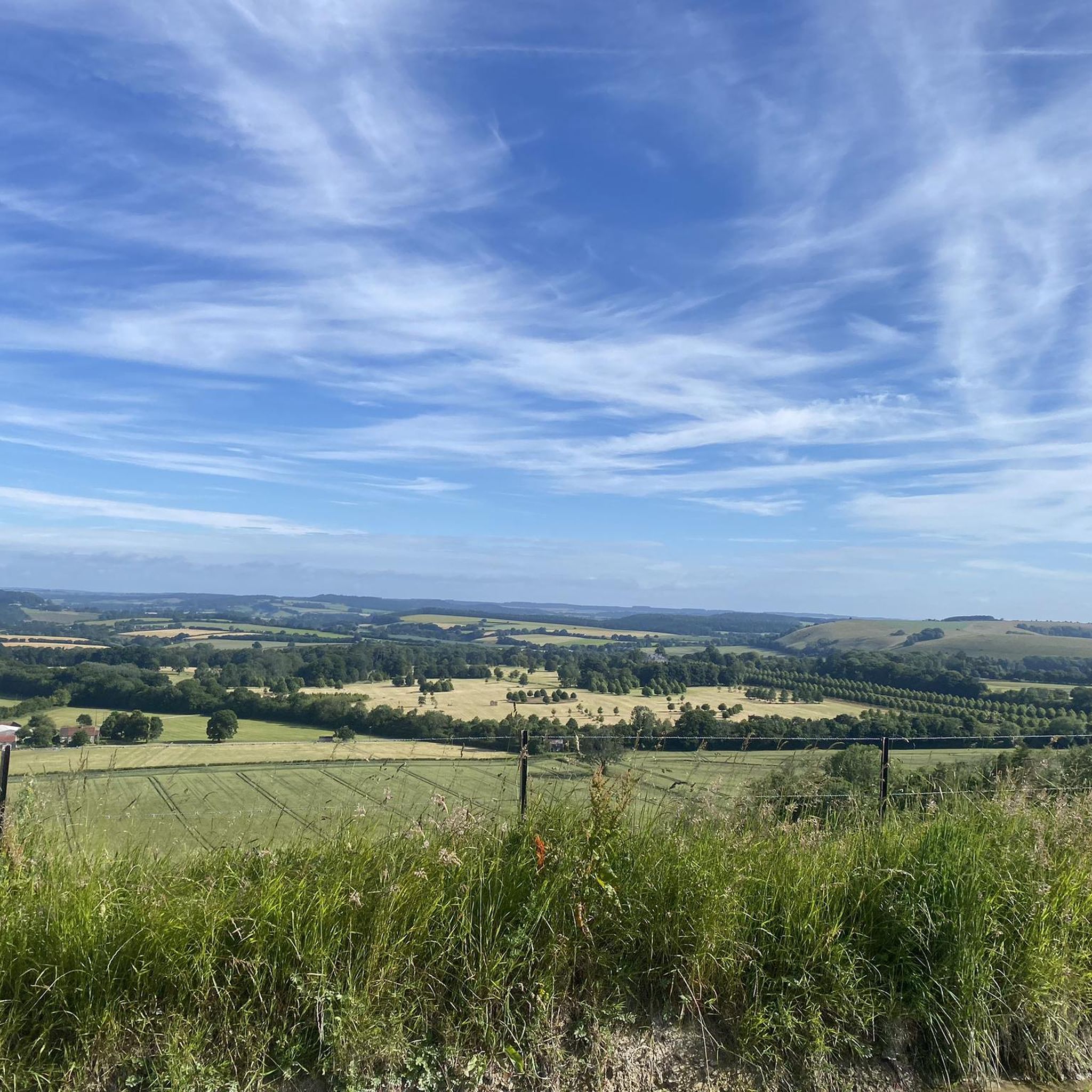
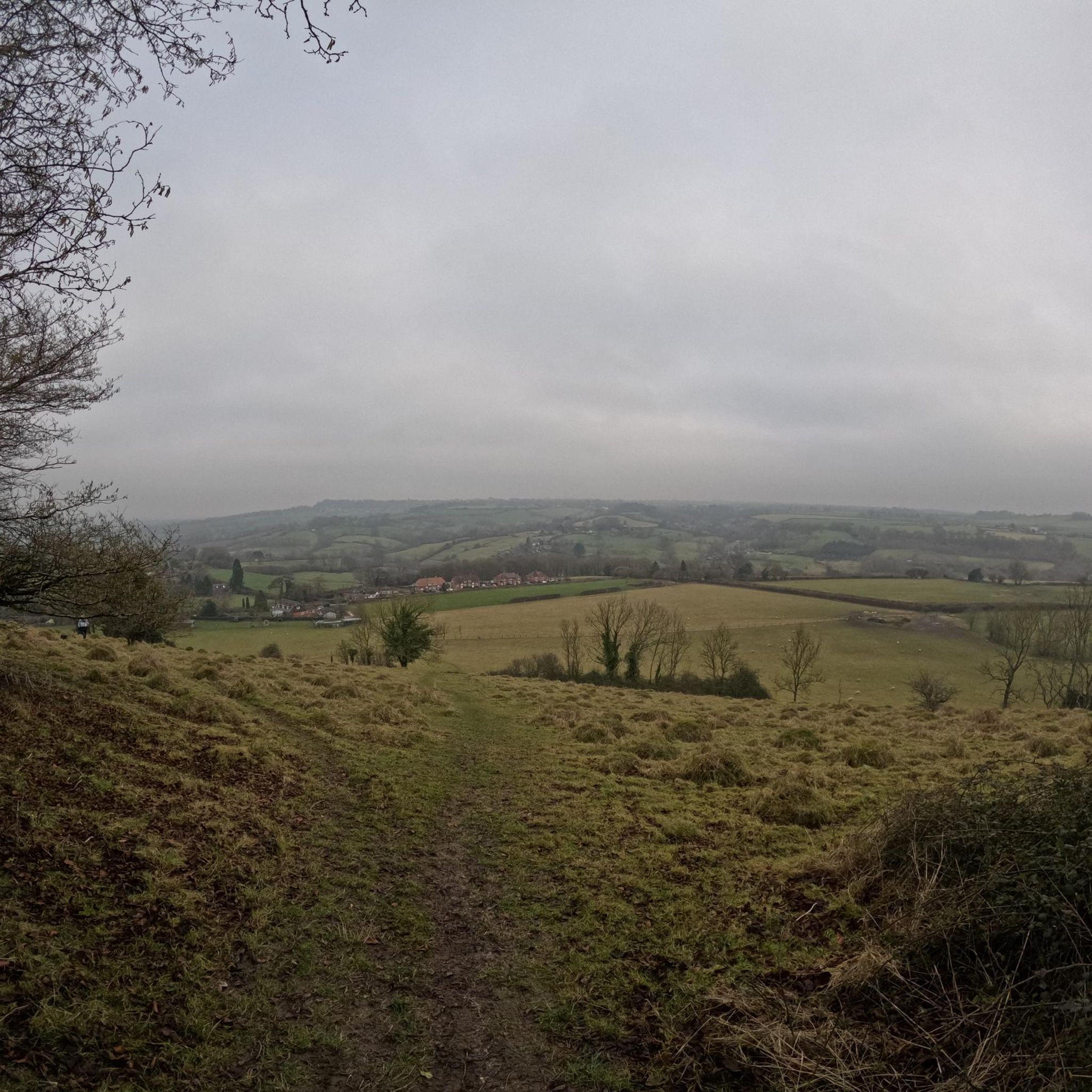
Road cycling routes around Cann traverse a landscape characterized by rolling hills and rural roads, offering varied terrain for cyclists. The region features open countryside, including areas like Cranbourne Chase, and follows river valleys such as the Ebble Valley. Elevations are moderate, with several routes incorporating notable climbs. The network of roads provides options for different skill levels, from gentle gradients to more challenging ascents.
Best road cycling routes around Cann
- The most popular road cycling route is Cranbourne Chase…
Last updated: July 1, 2026
5.0
(4)
37
riders
47.3km
02:38
570m
570m
Moderate road ride. Good fitness required. Some segments of this route may be unpaved and difficult to ride.
59
riders
82.1km
03:52
700m
700m
Moderate road ride. Good fitness required. Mostly well-paved surfaces and easy to ride.

Sign up for free
40
riders
44.4km
02:16
530m
530m
Moderate road ride. Good fitness required. Mostly well-paved surfaces and easy to ride.
5.0
(3)
33
riders
73.4km
03:30
590m
590m
Moderate road ride. Good fitness required. Mostly well-paved surfaces and easy to ride.
4.0
(1)
25
riders
Easy road ride. Great for any fitness level. Mostly well-paved surfaces and easy to ride.
Get access to more routes and recommendations from other explorers.
Sign up for free
Already have an account?
Our route recommendations are based on thousands of hikes, rides, and runs completed by other people on komoot.
Start today with a free account
Your next adventure awaits.
Login or Signup
Tips from the Community

The Poultry Cross, often referred to as Salisbury Market Cross, is a medieval 14th-century market cross in the heart of Salisbury. It was originally part of the town's market facilities and marked the area of the poultry market. It is the only one of the city's four historic market crosses to have survived to this day.
1
0

St Peter's Church is the oldest church in Shaftesbury, located at the top of the famous Gold Hill, right next to the ruins of Shaftesbury Abbey. It is a key historic building and a prominent part of the town's landscape. St Peter's Church was originally built in the 14th century to serve pilgrims visiting the nearby Shaftesbury Abbey. Due to economic hardships, such as the Black Death, its construction was prolonged, resulting in a mix of architectural styles, including Decorated and Perpendicular Gothic. The lower part of the tower is the oldest section of the current building. The nave and its arcades are from the 14th century, while the clerestory and the panelled oak roofs were added in the 15th and 16th centuries. The church also features a crypt under its south aisle. Decline and Restoration: By the late 19th century, St Peter's fell into disuse and disrepair. It was even used as a grain store during World War II. In 1971, it was officially declared redundant. However, a major restoration effort was launched by local groups, and in 1977, it was rededicated and became the parish church of Shaftesbury once again. It was the first church in the country to be re-established as a full-time parish church after being declared redundant.
0
0
Holy Trinity Church in Shaftesbury is a Grade II listed building with a rich history, but it is no longer a consecrated place of worship. Today, it is known as the Trinity Centre, a vibrant community hub. The current building, designed in the Early English Gothic Revival style by the famous architect Sir George Gilbert Scott, was largely built between 1841 and 1842 on the site of an even older medieval church. The new building featured a 100-foot-tall western tower and a chancel that was added in 1908. It was the principal Anglican parish church in Shaftesbury for over a century, even as the nearby St Peter's Church fell into disuse. However, with declining congregation numbers, Holy Trinity was made redundant as a parish church in 1977. Its congregation was transferred back to the newly restored St Peter's Church, and the Holy Trinity building was sold. I find it weird how a church can be sold off to become a selection of business's, while still keeping its graveyard.
0
0

Pro Tip: Salisbury Navigation — Start Smart, Finish Smarter Salisbury is a natural waypoint on the King Alfred’s Way — a scenic and historic city, but also a maze for a tired bikepacker. Here’s how to avoid the common pitfalls: 🧭 Navigation Hazards: The city layout can be disorienting after a long day in the saddle, especially with phone fatigue, low battery, or GPS signal issues. Preload your route offline and drop a pin at your parking location or train station before rolling out. 📱 Backup Nav: Bring a secondary form of navigation — a small power bank, a basic GPS unit, or even a paper map. If you’re relying on your phone, make sure screen timeouts and lockouts won’t leave you stranded (ask me how I know…). 📦 Start/End Point Logistics: If parking in Salisbury, choose a well-marked car park close to a landmark or note the street name. Trusting “Find My Parked Car” or memory alone can lead to a post-ride goose chase. A hidden hero? An AirTag stashed in your car. 🚴♂️ Ride Timing: Salisbury is a great place to begin or end a leg — just be aware of city traffic and tourist footfall, especially near the cathedral. Early starts and twilight returns can ease your flow through town.
1
0


"The story of this great Cathedral is a tale of defiance and ingenuity that begins back in 1218, when the Bishop of Salisbury abandoned the original cathedral at Old Sarum, and moved down to the banks of the Avon, where the Cathedral stands today. You can learn the reasons for this move and about the people who made it happen by following the new family-friendly trail inside the Cathedral." (Text from https://www.visitwiltshire.co.uk/salisbury/things-to-do/salisbury-cathedral-and-magna-carta-p130493 )
6
0
Frequently Asked Questions
How many road cycling routes are available in Cann?
There are over 280 road cycling routes around Cann, offering a wide variety of options for different skill levels and preferences. The komoot community has explored these routes extensively, with over 2,200 road cyclists using komoot to discover the area.
Are there easy road cycling routes for beginners in Cann?
Yes, Cann offers a good selection of routes suitable for beginners. There are approximately 65 easy road cycling routes. An example of an easy route is the Gold Hill, Shaftesbury – St Peter's Church, Shaftesbury loop from Shaftesbury, which is 16.8 miles (27 km) long and features moderate elevation gain.
What are some of the longer road cycling routes available in Cann?
For those seeking longer rides, Cann has several options. The Ebble Valley Country Road – Wylye Valley Quiet Road loop from Shaftesbury is a notable moderate route, spanning 50.9 miles (82.1 km) and exploring extensive rural views through the Ebble and Wylye Valleys.
Are there challenging road cycling routes in Cann?
Yes, for experienced cyclists looking for a challenge, Cann features routes with significant climbs. There are 18 difficult routes in the region. The Gold Hill, Shaftesbury – Zig Zag Hill Climb loop from Shaftesbury is a moderate 27.6 miles (44.4 km) trail that includes a notable climb, offering a good test of endurance.
What is the best time of year for road cycling in Cann?
Road cycling in Cann is generally enjoyable from spring through autumn, when the weather is milder and the countryside is at its most vibrant. The rolling hills and open roads are particularly pleasant during these seasons. While possible, winter cycling may present colder temperatures and potentially wet conditions.
Are most road cycling routes in Cann circular loops?
Many of the popular road cycling routes in Cann are designed as circular loops, allowing you to start and finish at the same point. Examples include the Cranbourne Chase loop from Shaftsbury and the Gold Hill, Shaftesbury – Fifehead Magdalen Church loop from Shaftesbury.
What kind of scenery can I expect on road cycling routes around Cann?
The road cycling routes around Cann traverse a landscape of rolling hills and rural roads. You can expect open countryside, including areas like Cranbourne Chase, and picturesque river valleys such as the Ebble Valley. Many routes offer extensive rural views and scenic vistas.
What do other road cyclists enjoy most about road cycling in Cann?
The area is highly rated by the komoot community, with an average score of 4.7 stars from over 60 reviews. Reviewers often praise the varied terrain, the quiet country roads, and the beautiful rolling hills that characterize the region, making for a rewarding cycling experience.
Are there any interesting landmarks or viewpoints along the road cycling routes in Cann?
Yes, several routes pass by or offer views of interesting landmarks. You might encounter historical sites like Win Green Summit or the Hambledon Hill Iron Age hill fort. The famous Gold Hill, Shaftesbury and the challenging Zig Zag Hill Climb are also notable points of interest.
Where can I find parking for road cycling routes in Cann?
Many routes start from Shaftesbury, which serves as a convenient base for exploring the region. You can typically find parking in or around towns like Shaftesbury, allowing easy access to the various road cycling loops.
Are there any routes that feature significant climbs or descents?
Yes, the region is characterized by rolling hills, so many routes include moderate to significant climbs and descents. The Gold Hill, Shaftesbury – Zig Zag Hill Climb loop from Shaftesbury is specifically known for its notable climb, providing a good workout for cyclists.
What is the typical elevation gain on road cycling routes in Cann?
Elevations are generally moderate across the region. For example, a route like the Cranbourne Chase loop from Shaftsbury involves an elevation gain of approximately 567 meters over its 29.4 miles (47.3 km) distance, offering a good balance of challenge and scenic riding.
Most popular attractions around Cann

Get inspired with the komoot mobile app


Explore more
Browse the best Road cycling routes in other regions.
