The best walks and hikes around Cann
4.6
(477)
2,701
hikers
239
hikes
Hiking trails around Cann offer a diverse landscape, characterized by rolling hills, open countryside, and historic villages. The region features varied terrain, including paths through woodlands and across elevated areas, providing views of the surrounding Dorset and Wiltshire countryside. Elevations are generally moderate, with some routes reaching notable summits like Win Green, which is considered a hill.
Best hiking trails around Cann
- The most popular hiking route is St Peter's Church, Shaftesbury – Gold Hill, Shaftesbury loop from Shaftesbury,…
Last updated: October 13, 2026
4.6
(13)
30
hikers
Moderate hike. Good fitness required. Easily-accessible paths. Suitable for all skill levels.
5.0
(3)
34
hikers
10.8km
03:20
390m
390m
Moderate hike. Good fitness required. Easily-accessible paths. Suitable for all skill levels.

4.7
(3)
9
hikers
22.6km
06:24
480m
480m
Hard hike. Very good fitness required. Easily-accessible paths. Suitable for all skill levels.
5.0
(1)
18
hikers
5.32km
01:37
170m
170m
Easy hike. Great for any fitness level. Easily-accessible paths. Suitable for all skill levels.
4.8
(4)
9
hikers
10.9km
03:10
280m
280m
Moderate hike. Good fitness required. Easily-accessible paths. Suitable for all skill levels.
Get access to more routes and recommendations from other explorers.
Already have an account?
Our route recommendations are based on thousands of hikes, rides, and runs completed by other people on komoot.
Start today with a free account
Your next adventure awaits.
Tips from the Community

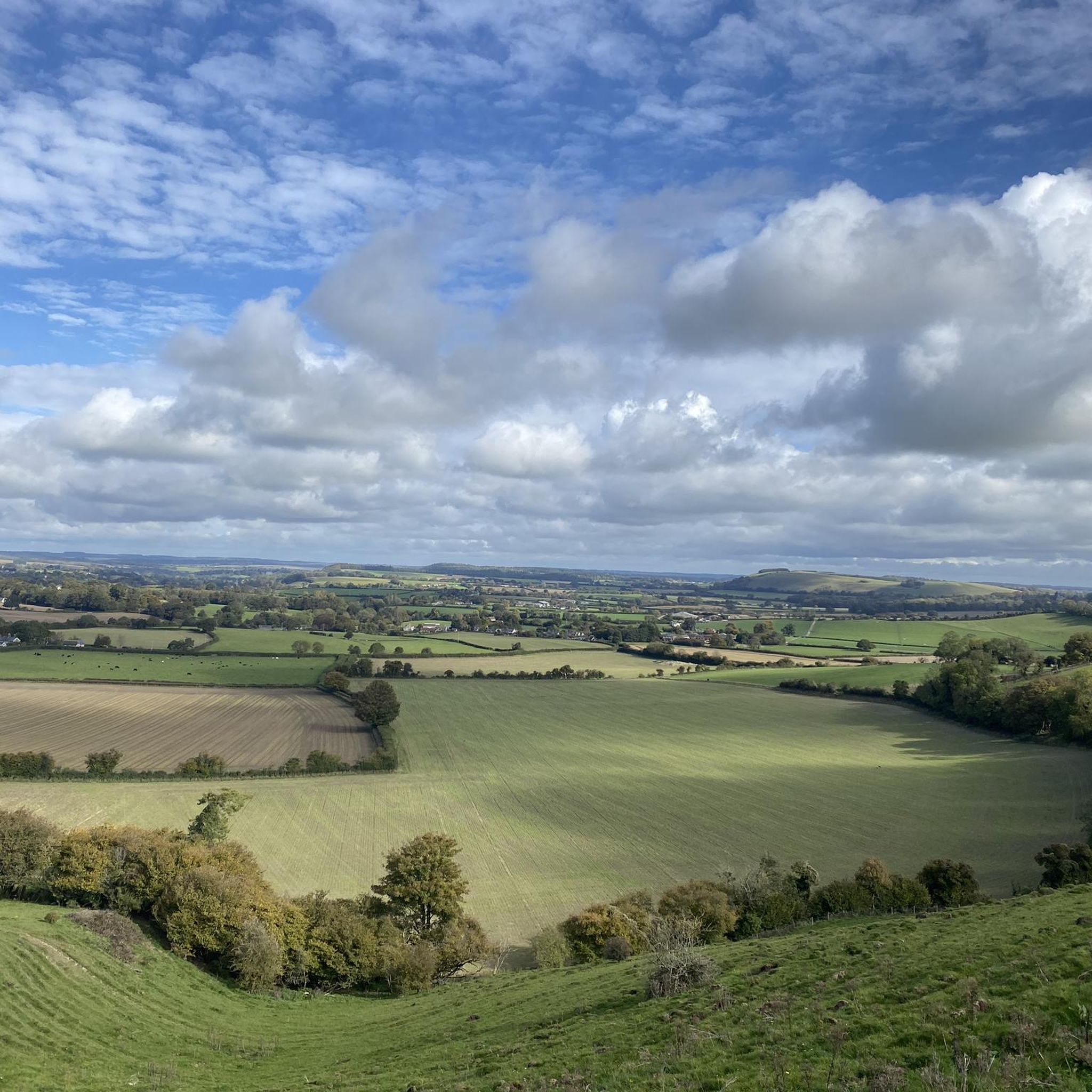
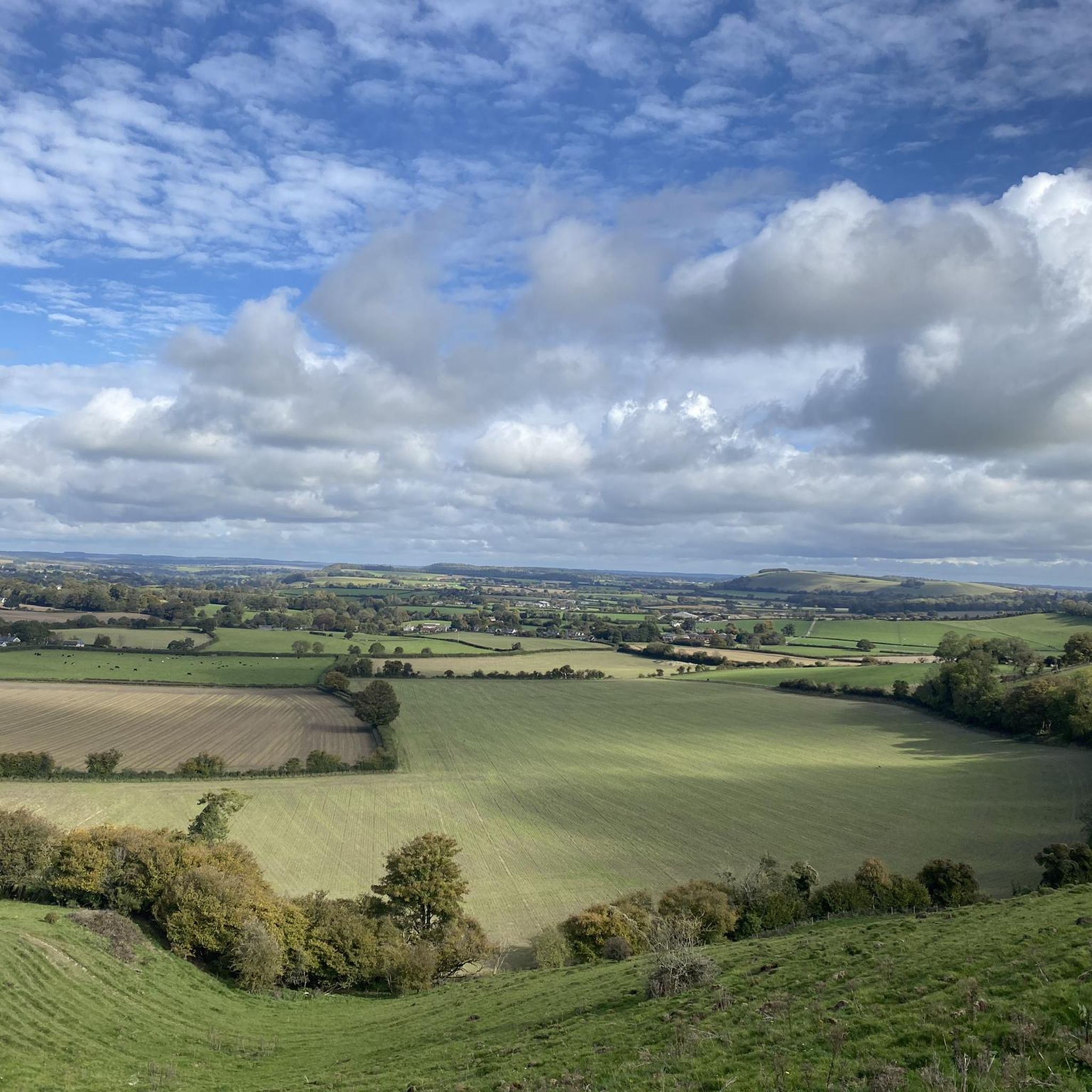
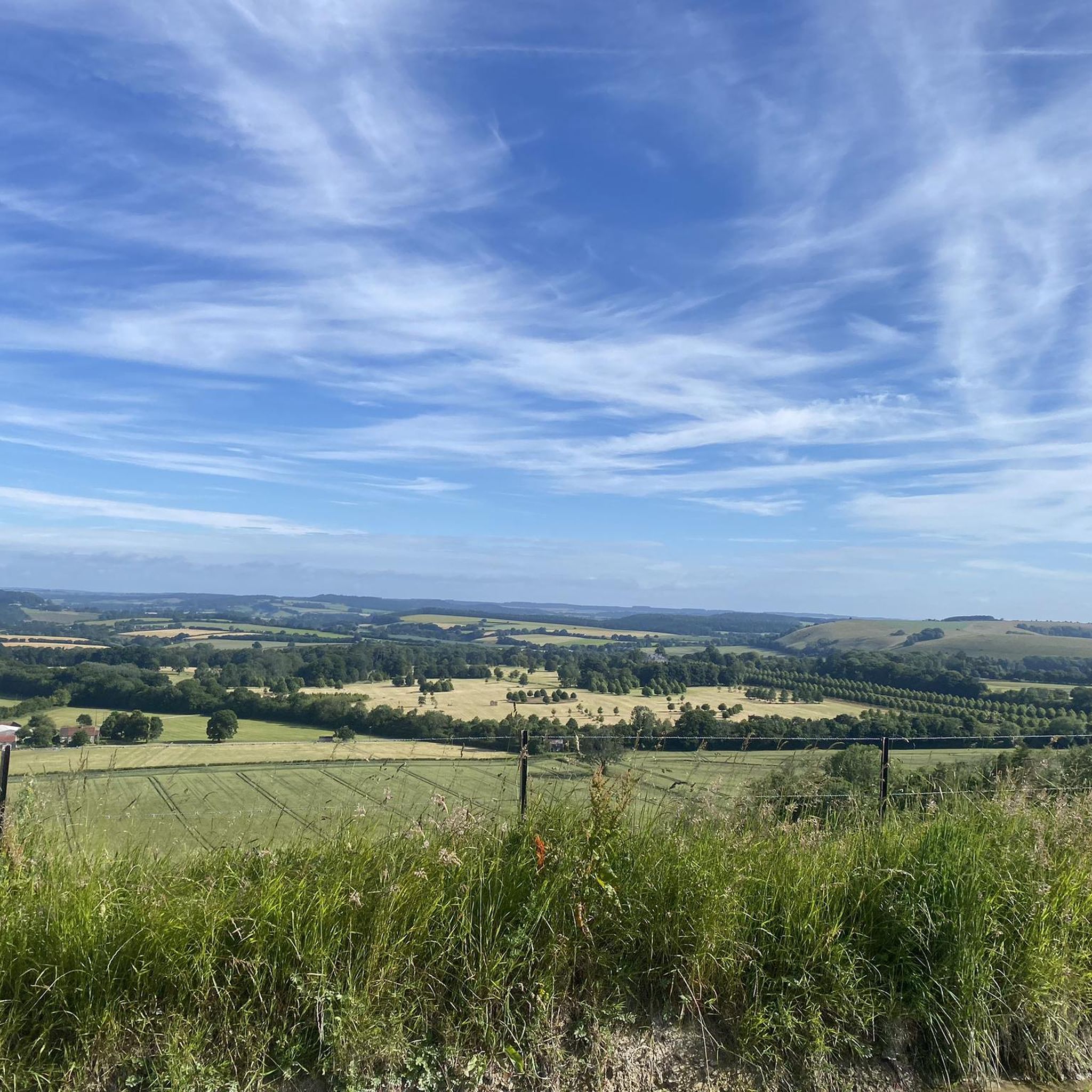
Perched 800 feet above sea level in the Cranborne Chase, the view from Compton Abbas offers a breathtaking 30-mile panorama. From the hilltop airfield, you can look north toward the historic town of Shaftesbury and west across the patchwork fields of the Blackmore Vale. The vista captures rolling Dorset hills, dense woodland, and ancient chalk downland, famously immortalized in the novels of Thomas Hardy.
0
0
Was so fortunate to stay here the night and catch the beautiful sunset. Roll on next year. I'll be back
0
0

The town hall was the headquarters of Shaftesbury Borough Council for much of the 20th century but ceased to be local seat of government when the enlarged North Dorset District Council was formed in 1974. It then became the home of Shaftesbury Town Council.
1
0
In a sustainable move for the time, Wyatt reused much of the fabric from the older church. The old chancel's east window was reinstalled in the new building, and 15th-century stone parapets from the original church were incorporated into the walls of the new north and south aisles. The building is constructed of local green sandstone with Bath stone dressings. It features a western tower with pinnacles The Norman font is the oldest item in the church. It was originally in another church in Cann, Shaftesbury, and was moved to St James's after that church was deconsecrated. It bears an inscription from 1664, likely added by a churchwarden who may have hidden the font during the Commonwealth period.
0
0
St. James's Church in Shaftesbury is a historic church with a long-standing connection to the town, particularly the area at the bottom of the hill known as St James, which is considered the oldest part of Shaftesbury. There has been a church dedicated to St. James on this site for nearly 900 years, with the first recorded rector appointed in 1327. The original church was believed to have been built around 1138.The current St. James's Church was almost entirely rebuilt in the Gothic Revival style between 1866 and 1867. The architect was Thomas Henry Wyatt. The rebuilding was necessary because the previous church had become too small and was in a state of disrepair. The Marquis of Westminster, whose family owned a significant amount of land in Shaftesbury, was a major benefactor of the project.
0
0
St Peter's Church is the oldest church in Shaftesbury, located at the top of the famous Gold Hill, right next to the ruins of Shaftesbury Abbey. It is a key historic building and a prominent part of the town's landscape. St Peter's Church was originally built in the 14th century to serve pilgrims visiting the nearby Shaftesbury Abbey. Due to economic hardships, such as the Black Death, its construction was prolonged, resulting in a mix of architectural styles, including Decorated and Perpendicular Gothic. The lower part of the tower is the oldest section of the current building. The nave and its arcades are from the 14th century, while the clerestory and the panelled oak roofs were added in the 15th and 16th centuries. The church also features a crypt under its south aisle. Decline and Restoration: By the late 19th century, St Peter's fell into disuse and disrepair. It was even used as a grain store during World War II. In 1971, it was officially declared redundant. However, a major restoration effort was launched by local groups, and in 1977, it was rededicated and became the parish church of Shaftesbury once again. It was the first church in the country to be re-established as a full-time parish church after being declared redundant.
0
0
By the time of the Dissolution of the Monasteries under King Henry VIII in 1539, Shaftesbury Abbey was the second wealthiest nunnery in the country. It was the last abbey to be dissolved, and its buildings were systematically destroyed, with locals taking the stone for their own buildings. The ruins we see today are the excavated foundations of the church and other parts of the abbey complex. The current Town Hall was commissioned by Earl Grosvenor and was built in the Neoclassical style between 1826 and 1837. It is a Grade II listed building, recognized for its architectural and historical significance. I came on a thursday and it was a market day. It's wonderful to see these beautiful rural places having such attractive markets.
1
0
Frequently Asked Questions
How many hiking trails are available around Cann?
There are over 240 hiking routes available around Cann, offering a diverse range of experiences from easy strolls to more challenging long-distance paths.
Are there easy hiking trails suitable for beginners or casual walkers in Cann?
Yes, Cann offers over 100 easy hiking trails. For a pleasant, shorter walk, consider the Gold Hill, Shaftesbury – St Peter's Church, Shaftesbury loop from Shaftesbury, which is an easy 7.3 km path.
What kind of landscapes can I expect to see while hiking around Cann?
Hiking around Cann will take you through rolling hills, expansive open countryside, and charming historic villages. You'll find paths winding through woodlands and across elevated areas, providing scenic views of the surrounding Dorset and Wiltshire landscape.
Are there any circular walks around Cann?
Yes, many of the trails around Cann are circular, allowing you to start and finish in the same location. Examples include the popular St Peter's Church, Shaftesbury – Gold Hill, Shaftesbury loop from Shaftesbury and the scenic Melbury Beacon – Sunset Viewpoint loop from Melbury Abbas.
What do other hikers enjoy the most about hiking in Cann?
The area is highly rated by the komoot community, with an average score of 4.7 stars from over 400 reviews. Hikers often praise the varied terrain, the expansive vistas from elevated points like Win Green Summit, and the well-maintained paths through the countryside.
Are there any challenging hikes for experienced hikers in Cann?
Yes, for those seeking a more strenuous adventure, there are 20 difficult routes. The Win Green Summit – Gold Hill, Shaftesbury loop from Shaftesbury is a challenging 22.6 km trail that includes significant elevation changes and offers expansive vistas, typically taking over 6 hours to complete.
What are some interesting landmarks or attractions to see near the hiking trails?
Near the hiking trails, you can explore historical sites and viewpoints. Notable attractions include the Win Green Summit, the ancient Hambledon Hill Iron Age hill fort, and the iconic Gold Hill in Shaftesbury. You might also find interest in Shillingstone Railway Station & Museum.
Are there any castles or historical sites to visit around Cann?
Yes, the region around Cann is rich in history. You can visit the ruins of Old Wardour Castle or explore the grand architecture of New Wardour Castle. Additionally, Castle Hill and View of Mere offers historical context and scenic views.
Are there any family-friendly walks around Cann?
While specific 'family-friendly' routes aren't explicitly categorized, many of the over 100 easy trails are suitable for families. Shorter, less strenuous options like the Fast and Fun Singletrack – Duncliffe Trig Point loop from Stour Row, which is 5.3 km, could be a good choice for a family outing.
What is the best time of year to go hiking around Cann?
The rolling hills and open countryside of Cann are enjoyable throughout much of the year. Spring and summer offer lush greenery and warmer temperatures, while autumn brings beautiful foliage. Winter hikes are also possible, though conditions can be muddier, especially in wooded areas.
Are there opportunities for wildlife spotting on the trails?
Given the region's mix of woodlands, open fields, and countryside, there are opportunities to spot local wildlife. Keep an eye out for various bird species, deer, and other small mammals, particularly in quieter, less frequented areas and during dawn or dusk.
Most popular attractions around Cann

Get inspired with the komoot mobile app


Explore more
Browse the best Hikes in other regions.
