Attractions and Places To See around Earl'S Croome - Top 20
Best attractions and places to see around Earl'S Croome include a blend of historical sites and natural landscapes in Worcestershire. The area is characterized by its rural setting and proximity to significant estates like Croome Court. Visitors can explore prominent natural features such as the Malvern Hills and Bredon Hill, which offer extensive views and historical significance. These locations provide opportunities for outdoor activities and discovery of ancient landmarks.
Best attractions and places to see around Earl'S Croome
- The most…
Last updated: October 5, 2026
Worcestershire Beacon Summit and Toposcope
Highlight • Natural Monument
Tip by

Herefordshire Beacon (British Camp)
Highlight • Summit
Tip by

Sign up now to discover places like this
Get recommendations on the best single tracks, peaks, & plenty of other exciting outdoor places.
Parsons Folly on Bredon Hill
Highlight • Monument
Tip by
Summer Hill
Highlight • Lake
Tip by

Millennium Hill
Highlight • Viewpoint
Tip by

Sign up for free to discover even more attractions around Earl'S Croome.
Already have an account?
Start today with a free account
Your next adventure awaits.


Tips from the Community

Pleasant views of Malvern and the surrounding areas from up there. The folly is ugly as sin but then it IS a folly so... yeah. Not a particularly difficult climb to get up there from either direction.
0
0

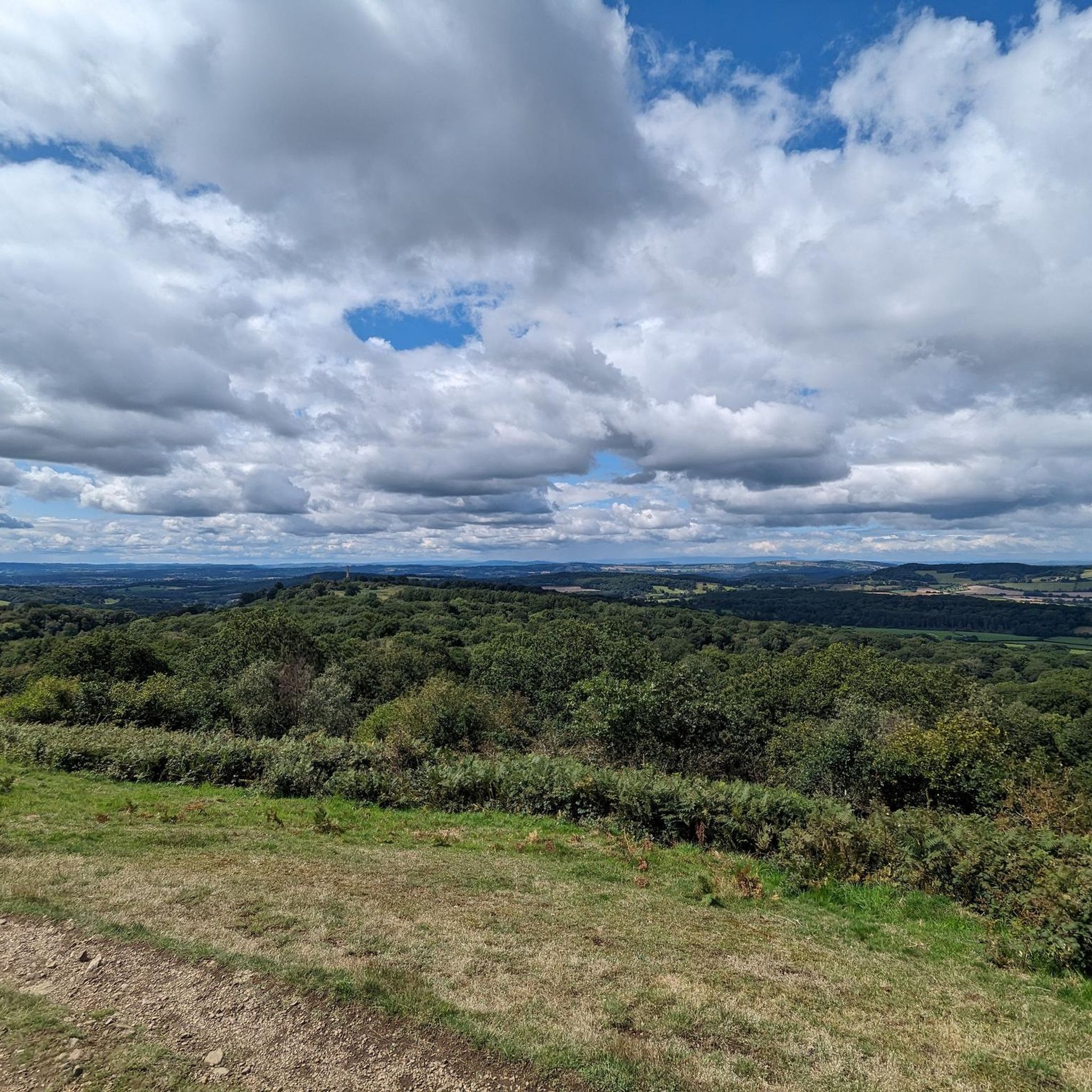
The other end of Hereford beacon, with good views of the Eastnor Estate with it's obelisk.
0
0
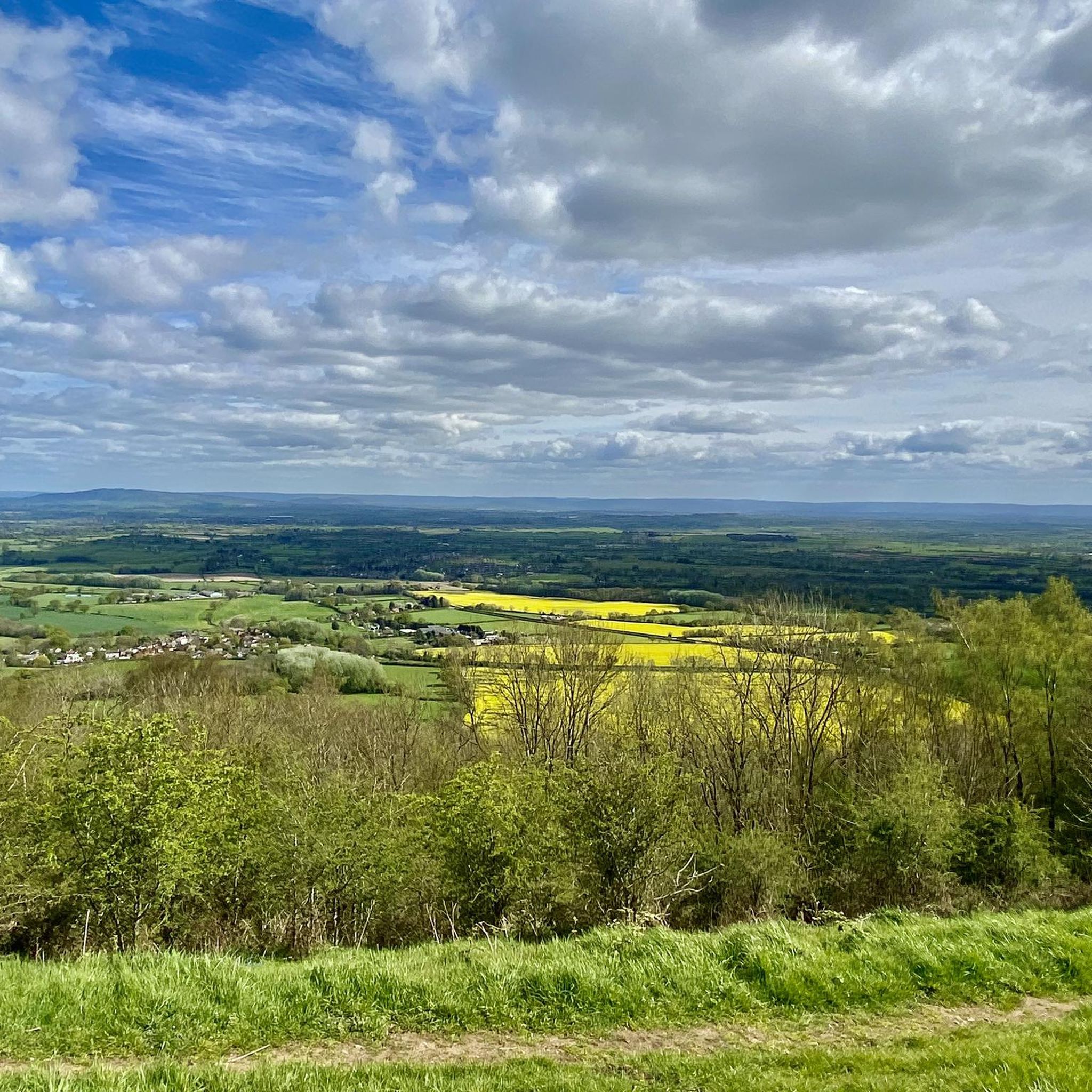
Summer Hill is a bit of a bump in between the Beacon and the Wyche Cutting, however it's steep southern aspect does afford some of the best views along the Malvern Hills ridge, particularly when there is an Inversion happening.
0
0
The folly itself actually looks like it really is an industrial tower housing mobile phone equipment, but the views are very good. Nearby is the Elephant Stone - it looks like an Elephant kneeing down. Not far from the Cotswold Stone drystone wall is the circular stone that marks the very top of Bredon Hill.
0
0

Good parking, half a dozen spaces on Woollas Hill, near Deer Park centre. Views on way up to Folly are spectacular. Good to get the climb out the way early with gentle, long descent in to Broadway.
0
2

The hill lies to the south of the Worcestershire Beacon, which is Worcestershire's (and the Malvern Hills') highest hill, and Summer Hill's summit, though often overlooked given the grandeur of its neighbour, is a most respectable 1,253 feet above sea level. Source: Wikishire
0
0
The Herefordshire Beacon is one of the highest peaks of the Malvern Hills. It is surrounded by a British Iron Age hill fort earthwork known as British Camp. The fort subsequently had a ringwork and bailey castle built inside its boundary and there is evidence of 120 huts in the area. British Camp has been a scheduled monument since 1923. On the eastern slope of Herefordshire Beacon, there is a disused reservoir, British Camp Reservoir, which holds approximately 213,000 cubic metres (7,500,000 cu ft) of water. Herefordshire Beacon represents one of the Malvern Hills, 1,109 feet (338 m) high, and is the second highest summit in the hills. It is within the county of Herefordshire, but is directly adjacent to the border with Worcestershire to the east. Atop Herefordshire Beacon, there is an Iron Age hill fort, known as British Camp, and would have held a settlement between 4th century BCE and 1st century CE. A ringwork and bailey castle was built within the site of the hill fort, and there is evidence of 120 huts having been built within the boundaries of the fort. The hill fort received scheduled monument status on 10 August 1923. Nearby to British Camp, on the eastern slope of Herefordshire Beacon, there is a reservoir called British Camp Reservoir. It has a capacity of 213,000 cubic metres (7,500,000 cu ft), although it has not been used for many years. In 2017, Severn Trent proposed to dismantle the treatment plant associated with the reservoir and drain it, leaving an 8,000 cubic metres (280,000 cu ft) pond. source: Wikipedia
0
0

go during the week to miss the many people that walk these hills
0
0
Frequently Asked Questions
What are the most prominent natural viewpoints around Earl's Croome?
The region offers several impressive natural viewpoints. The highest point in the county is Worcestershire Beacon Summit and Toposcope, offering grand views as far as the Black Mountains in South Wales on a clear day. Another excellent spot is Parsons Folly on Bredon Hill, which provides scenic vistas across Worcestershire to the Malverns and into the Cotswolds. You can also climb Herefordshire Beacon (British Camp) for splendid views of the surroundings.
What historical sites can I explore near Earl's Croome?
Beyond the natural beauty, the area is rich in history. Croome Court is a significant mid-18th-century Neo-Palladian mansion with extensive landscaped parkland designed by Capability Brown. Within Croome Park, you'll also find the historic St Mary Magdalene Church and various architectural follies like Dunstall Castle and Panorama Tower. Further afield, consider visiting Odda's Chapel, one of England's most complete surviving Saxon churches, or Leigh Court Barn, a remarkable example of medieval carpentry.
Are there good walking trails near Earl's Croome?
Yes, the area around Earl's Croome is excellent for walking. Croome Park itself offers miles of paths through its 700-acre landscaped parkland. For more structured routes, you can explore various hiking trails around Earl's Croome, including an easy 6 km loop within Croome Park or shorter routes like the Croome Court to Walled Gardens loop. The Malvern Hills, including Worcestershire Beacon and Herefordshire Beacon, also provide numerous walking opportunities.
What is Croome Court, and what can I see there?
Croome Court is a historic estate featuring a grand 18th-century mansion and a vast landscaped park, famously designed by Capability Brown. Visitors can explore the mansion's historic rooms, which sometimes feature exhibitions, and wander through the extensive parkland dotted with follies, a man-made lake, and specimen trees. It's a significant example of English landscape design and architecture.
Are there family-friendly attractions suitable for children?
For families, Croome Park offers plenty of space for children to explore and enjoy the outdoors. A popular attraction a bit further afield is the West Midlands Safari Park, which provides a drive-through safari experience and other activities that are generally a hit with kids.
Can I find easy walks suitable for all abilities?
Yes, Croome Park offers several easy walking paths suitable for various abilities, including a 6 km loop. The park's well-maintained grounds make it accessible. While specific wheelchair-accessible trails might vary, many paths within the main park area are generally flat and well-surfaced. Always check local conditions for the most up-to-date accessibility information.
Are there any dog-friendly walking options?
Many of the outdoor areas around Earl's Croome are dog-friendly, particularly the extensive parkland at Croome. While specific rules may apply within certain buildings or sensitive areas, the general landscape and many walking trails welcome dogs, often on leads. It's always best to check the specific venue's policy before visiting.
What kind of wildlife can I spot in the area?
The natural landscapes around Earl's Croome, especially Croome Park and the Malvern Hills, are home to various wildlife. You can often spot a range of bird species, deer, and other small mammals. The park's lake and diverse habitats provide excellent opportunities for birdwatching and observing local fauna in their natural environment.
What outdoor activities can I do near these attractions besides hiking?
Beyond hiking, the region offers opportunities for cycling and running. You can find various cycling routes around Earl's Croome, ranging from easy to moderate, exploring the local villages and countryside. There are also several running trails, including loops around Croome Court and nearby villages like Eckington and Upton-upon-Severn.
What is the best time of year to visit the attractions around Earl's Croome?
The best time to visit largely depends on your interests. Spring and summer (April to September) offer pleasant weather for exploring the outdoor parklands and walking trails, with gardens in full bloom. Autumn (October to November) provides beautiful foliage, especially in the parklands and hills. Winter can be quieter, offering crisp views from the hilltops, though some facilities might have reduced hours. Always check opening times for specific attractions.
Are there any ancient 'hidden gems' or lesser-known historical sites nearby?
Yes, for those interested in deeper history, consider visiting Belas Knap Long Barrow, a well-preserved Neolithic burial mound dating back to approximately 3800 BC. Another fascinating site is St Mary's Church in Kempley, which houses one of England's most outstanding sets of medieval wall paintings. These offer a glimpse into ancient and medieval history beyond the more prominent estates.
Most popular attractions around Earl'S Croome

Get inspired with the komoot mobile app


Explore more
Still not found the Highlight you’re looking for? See guides of the top attractions in other regions:
