The best walks and hikes around Earl'S Croome
4.6
(1923)
14,713
hikers
262
hikes
Hiking around Earl'S Croome is centered on the parkland of a large country estate in Worcestershire. The terrain consists of gently rolling ground, featuring a man-made serpentine river and lake. The landscape, designed by Lancelot 'Capability' Brown, offers wide-open spaces with views toward the Malvern Hills and Bredon Hill. A network of accessible paths connects these features, providing varied hiking experiences.
Best hiking trails around Earl'S Croome
- The most popular hiking route is Croome Park loop, a 3.8 miles (6.1 km) trail that takes 1 hour 35 minutes to complete. This easy walk follows paths through the main sections of the historic parkland.
- Another top favourite among local hikers is Croome Court – Croome Walled Gardens loop from Croome D'Abitot, an easy 1.6 miles (2.6 km) path. This route connects the main house with the estate's historic walled gardens.
- Local hikers also love the Orchard – Upton-upon-Severn Castle loop from Upton-upon-Severn, a 5.7 miles (9.2 km) trail leading through riverside areas, often completed in about 2 hours 22 minutes.
- Hiking around Earl'S Croome is defined by its landscaped parkland, riverside paths, and gentle hills. The network of public footpaths and estate trails offers options suitable for different ability levels.
- The routes in Earl'S Croome are highly rated by the komoot community with an average score of 4.6 stars from over 1,400 reviews. More than 12,000 hikers have used komoot to explore Earl'S Croome's varied terrain.
Last updated: October 12, 2026
4.5
(4)
20
hikers
Moderate hike. Good fitness required. Easily-accessible paths. Suitable for all skill levels.
4.5
(2)
15
hikers
10.7km
02:46
50m
50m
Moderate hike. Good fitness required. Easily-accessible paths. Suitable for all skill levels.

5.0
(2)
19
hikers
Moderate hike. Good fitness required. Easily-accessible paths. Suitable for all skill levels.
4.5
(2)
10
hikers
7.10km
01:49
30m
30m
Easy hike. Great for any fitness level. Easily-accessible paths. Suitable for all skill levels.
4.5
(2)
8
hikers
7.66km
01:59
40m
40m
Easy hike. Great for any fitness level. Easily-accessible paths. Suitable for all skill levels.
Get access to more routes and recommendations from other explorers.
Already have an account?
Our route recommendations are based on thousands of hikes, rides, and runs completed by other people on komoot.
Start today with a free account
Your next adventure awaits.

Tips from the Community

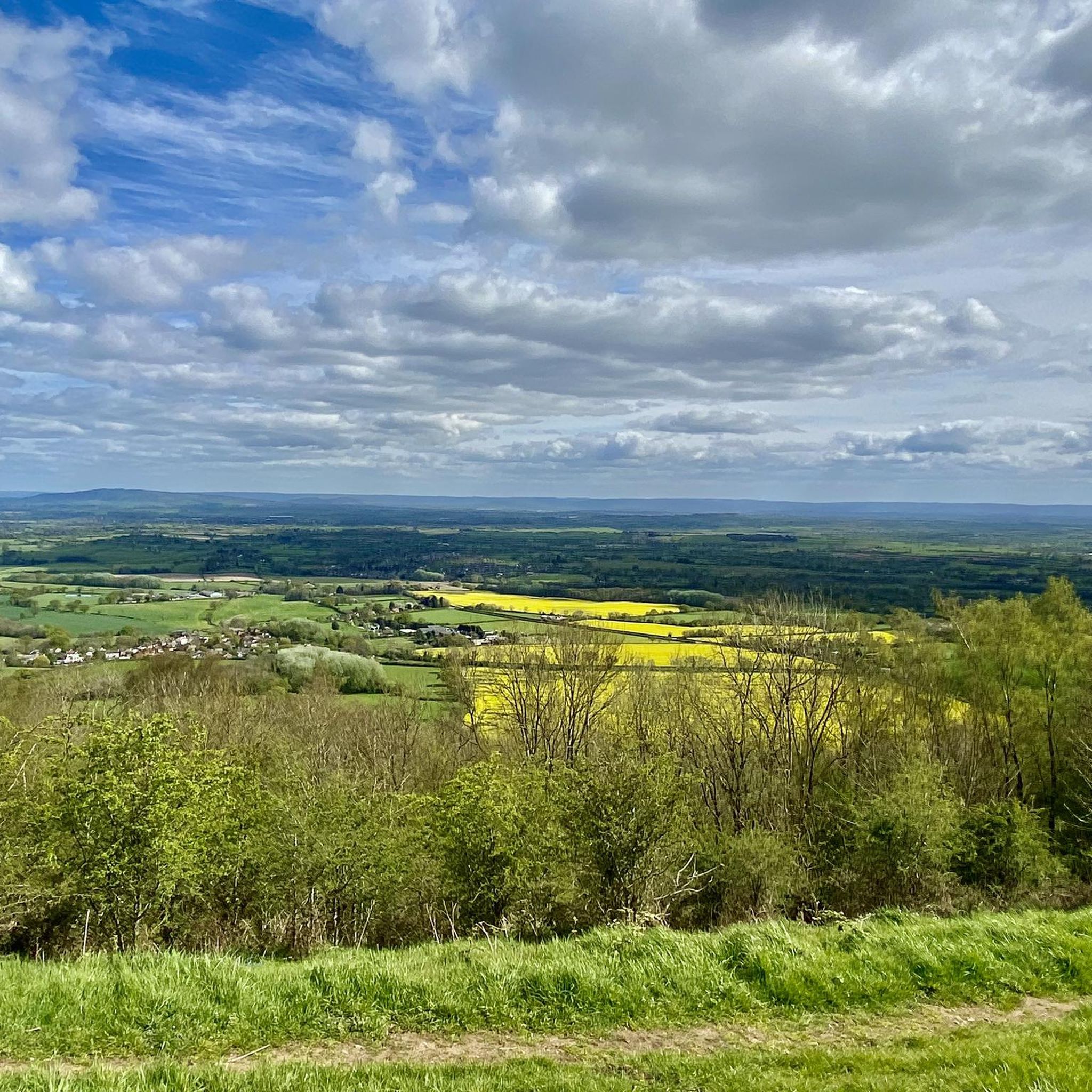
Capability Brown designed this as a viewpoint across the park, and it is still a grand place to sit and look.
0
0
This beautiful and noble tree has seen better days, but hopefully it will survive for a few more years yet. Unfortunately parts of it got broken off during a particularly violent storm a few years ago, and as a result it is not as stable as it used to be, hence the fence around it.
0
0
Down by the end of the River you can get a superb view of the Park Seat, a beautifully built feature of the park. This picture, taken on a stormy day. has featured on the BBC weather programme!
0
0
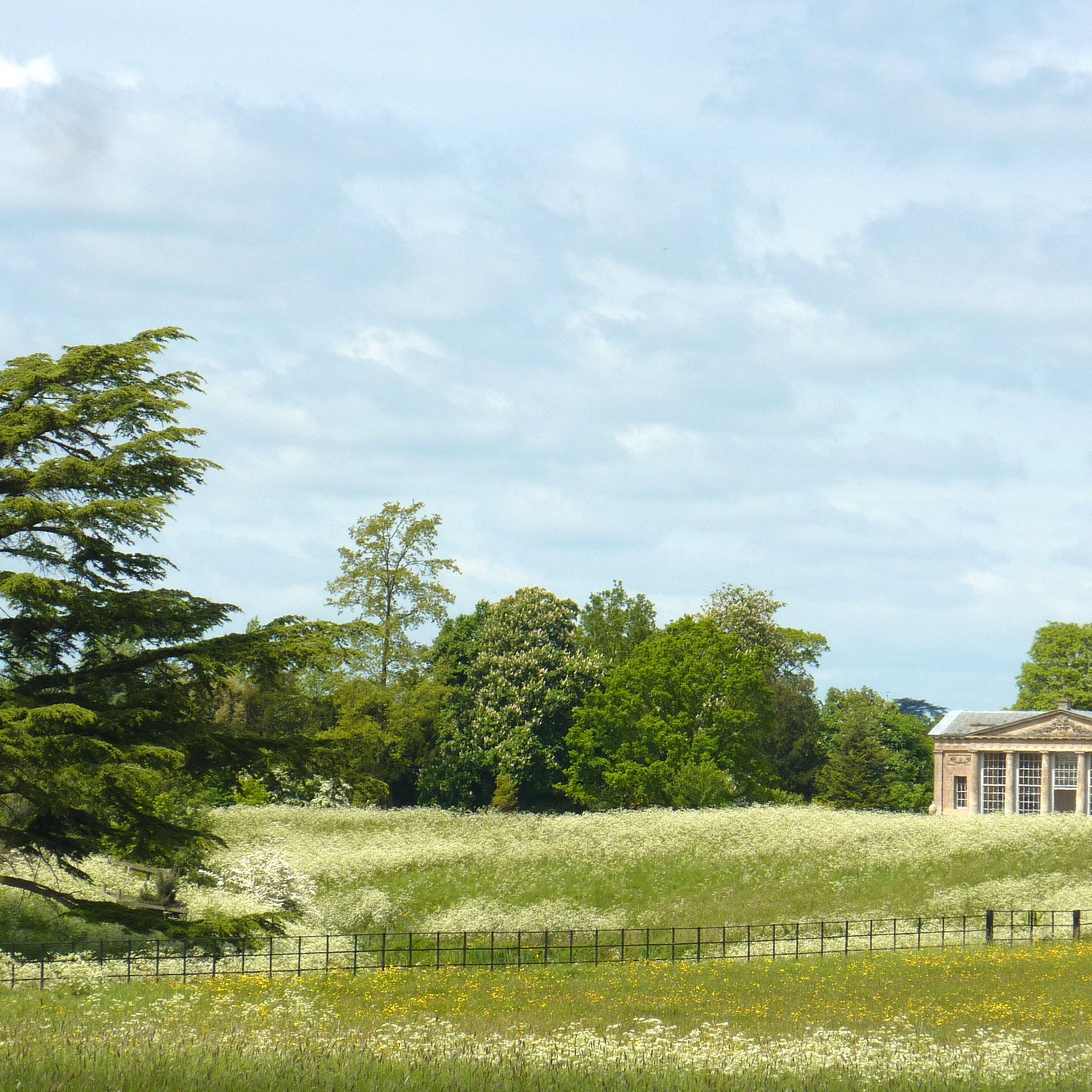
A picturesque feature of the park, with exceptional views of the lake and house.
1
0
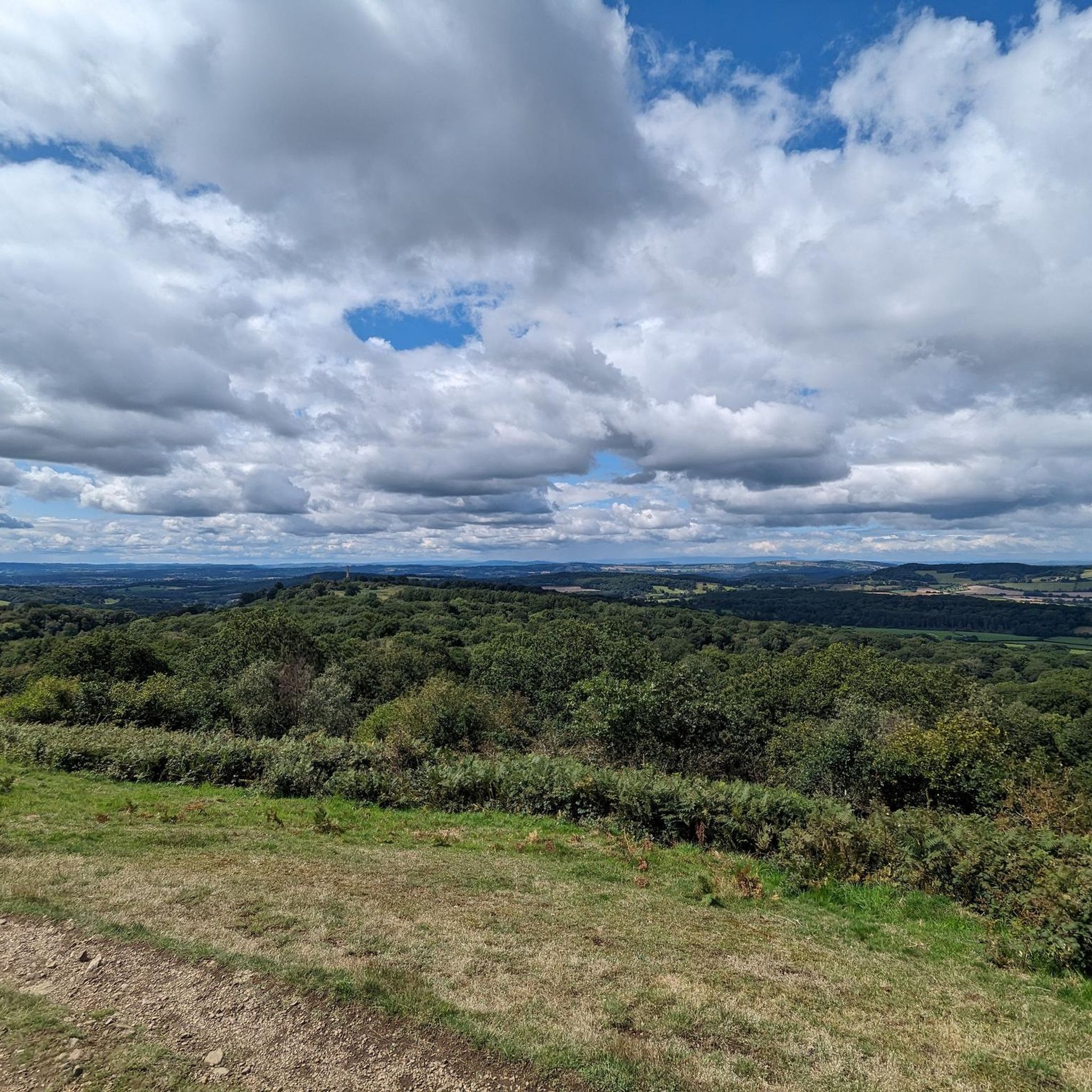
The walk along the main ridge gives an elevated view across the park with its river. In the distance the Malvern Hills dominate the horizon. There are number magnificent trees along the ridge, as well as some very shapely dead ones.
0
0

After the Mother of God, "MARY MAGDALENE" is the most frequently mentioned woman in the writings of the New Testament. Originally called "Mary of Magdala"—after her place of origin on the Sea of Galilee—the name "Mary Magdalene" has evolved over time. According to the testimony of the evangelists, she is one of the women and men who followed Jesus Christ. According to the biblical accounts, Mary Magdalene is also one of the three who, after the crucifixion and burial of Jesus on Easter morning, wished to anoint the body of Jesus, and the very first person to ever meet the resurrected Christ. Pope Francis therefore honored her as 'Apostle of the Apostles', saying at a general audience: + "She shows us the God who knows us human beings, who cares for us, and who cares for our lives. Every person is a story of love that God is writing on earth. As with Mary Magdalene, the life of every Christian is immersed in this overflowing joy: We have a God at our side who calls us by name and raises us up, who, through his resurrection, transforms us and the world." The feast day of Saint Mary Magdalene in the calendar of saints is, in all major Christian denominations, July 22nd.
0
0


Until the 20th century, it was the only bridge across River Severn from Tewkesbury to Worcester. Now, it's a well-surfaced bridge with Severn Way going perpendicular to it.
0
0
Frequently Asked Questions
Are the walks around Earl's Croome suitable for families and children?
Yes, the area is very family-friendly. The landscape at Croome Park consists of gently rolling ground with many accessible paths suitable for all ages. Beyond the walks, there is a wild play area with a giant bird's nest and mud kitchens, as well as an RAF-themed playground near the visitor centre.
Can I bring my dog on hikes in Earl's Croome?
Dogs are welcome in the parkland at Croome, but they must be kept on a lead at all times to protect the landscape and wildlife, which includes livestock. Please note that dogs are not permitted inside Croome Court, the RAF Defford Museum, or the children's play areas.
What is the landscape like on the trails?
The hiking experience is defined by the man-made landscape designed by Lancelot 'Capability' Brown. Expect wide-open spaces with commanding views towards the Malvern Hills and Bredon Hill. The trails follow a man-made serpentine river and a large lake, passing strategically placed groves of trees and historic garden buildings.
Are there any circular walks available?
Yes, many of the routes are circular. A good option if you're looking for a slightly longer walk is the Croome Walled Gardens – Croome Court loop from Kinnersley. This easy 5.3 km walk connects some of the estate's key features on well-maintained paths.
What kind of wildlife might I see while hiking?
Croome is a sanctuary for wildlife. A visit to the bird hide offers the chance to spot woodpeckers, pheasants, nuthatches, and various finches. Throughout the parkland, you may also encounter squirrels, rabbits, and sometimes deer. The man-made lake and river also attract various waterfowl.
Is there a good place for a coffee or lunch after a walk?
Yes, the National Trust property at Croome has a popular tearoom located in the visitor centre. It's a great spot to relax after exploring the parkland and offers a selection of drinks, cakes, and light lunches.
What are the parking facilities like for the walks?
The main starting point for most walks is the National Trust visitor centre at Croome, which has a large car park. Parking is free for National Trust members, but there is a charge for non-members which contributes to the upkeep of the estate. It's best to check the National Trust Croome website for the latest admission and parking information.
Are there any longer, more challenging hikes in the area?
While most trails within the park are gentle, there are more demanding options nearby. The Ecklington, Ashton under Hill & Great Comberton loop is a difficult 25.8 km hike that takes you further into the surrounding countryside and offers a more strenuous day out.
What do other hikers say about the trails around Earl's Croome?
The area is highly regarded by the komoot community, with an average rating of 4.6 stars. Hikers often praise the stunning, wide-open views across the 'Capability' Brown landscape and the excellent condition of the paths that make for relaxing and accessible walks.
Are there any walks that feature the River Avon?
Yes, for a change of scenery from the landscaped park, you can try the River Avon – Eckington Bridge loop from Eckington. This easy 5.6 km trail takes you through pleasant riverside meadows, offering a different perspective of the local countryside.
What are the 'follies' I might see on a walk?
The parkland is dotted with picturesque garden buildings and structures known as follies, designed to be viewed from a distance. As you walk, you'll encounter landmarks like the Rotunda and the Park Seat, which were designed by Robert Adam and add to the historic charm of the landscape.
How many hiking trails are there to choose from?
There is a wide variety of options for all abilities. You can discover over 200 hiking routes around Earl's Croome, ranging from short, easy strolls through the main parkland to longer, more challenging treks in the wider Worcestershire countryside.
Most popular attractions around Earl'S Croome

Get inspired with the komoot mobile app


Explore more
Browse the best Hikes in other regions.
