Saughall and Shotwick Park
Saughall and Shotwick Park
Attractions and Places To See around Saughall and Shotwick Park - Top 20
Best attractions and places to see around Saughall and Shotwick Park include a mix of historical sites, natural landscapes, and recreational opportunities near the Welsh border. The area is characterized by the former floodplain of the River Dee, offering scenic views across the Dee Estuary towards the Clwydian Hills. Visitors can explore ancient landmarks and enjoy scenic trails, making it popular for walking and cycling. The region provides a blend of cultural significance and natural beauty.
Best attractions and places to see around Saughall and Shotwick Park
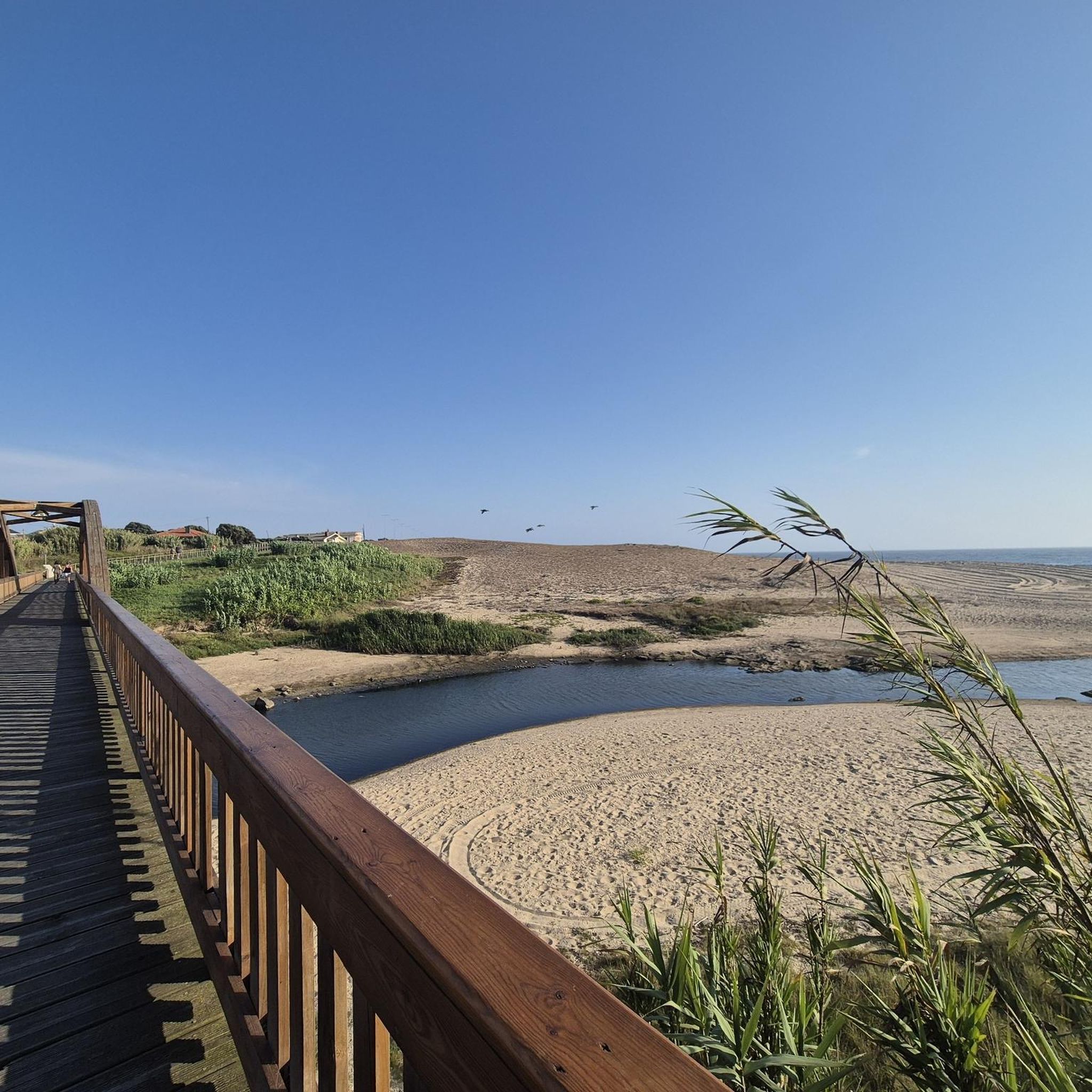
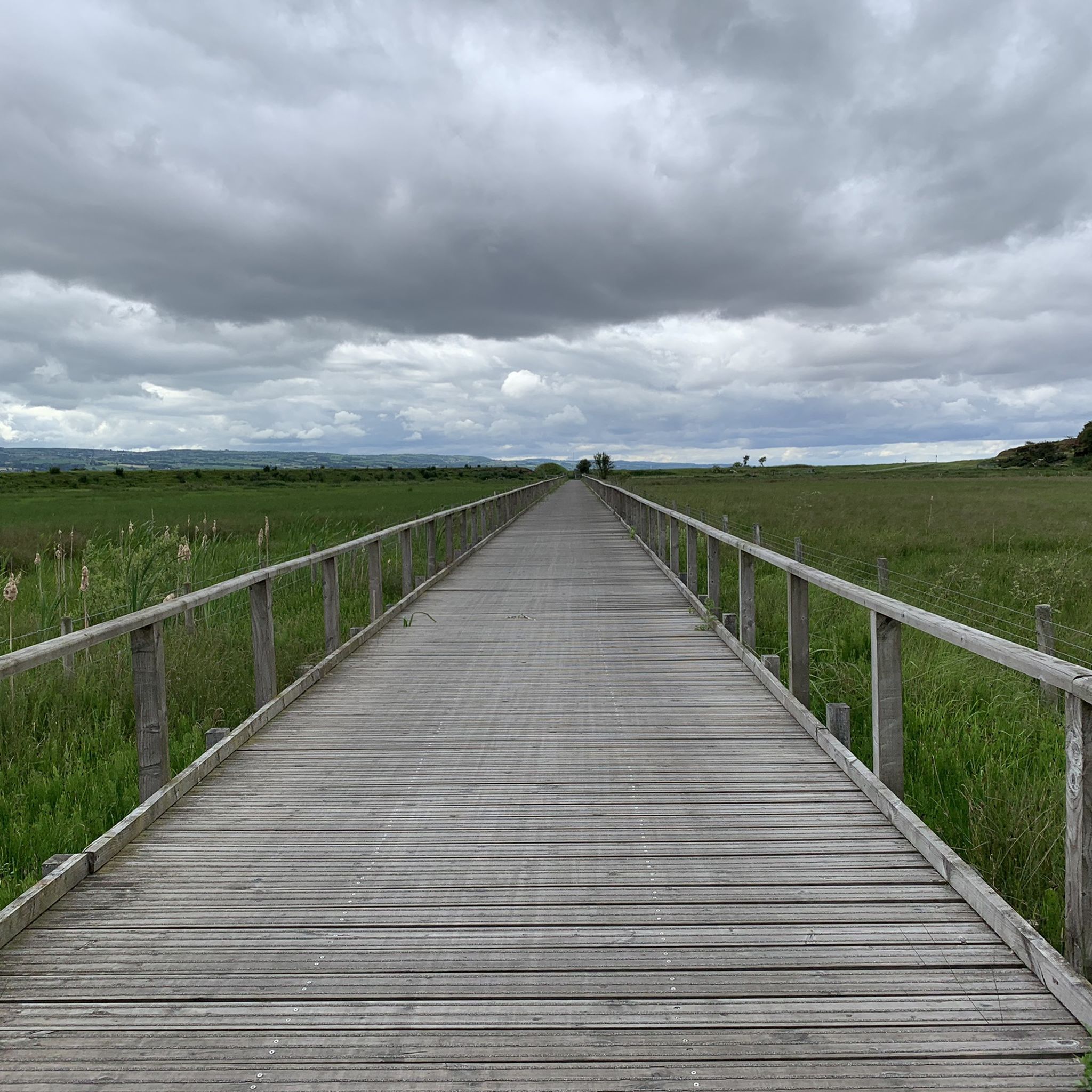
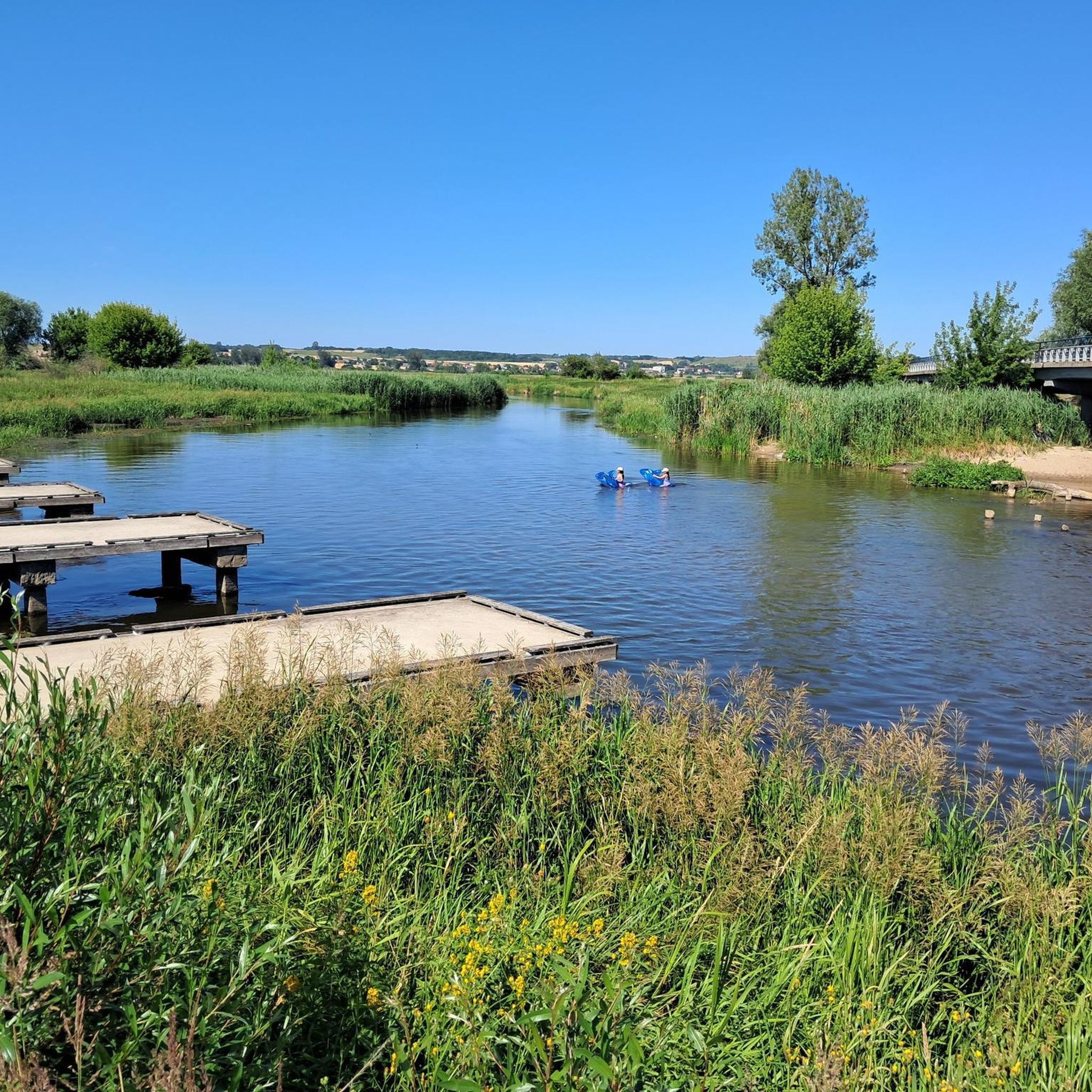
- The most popular attractions is Burton Marsh Boardwalk, a viewpoint that offers a 7.5 km return path along the Cheshire side of the Dee Estuary. It follows National Cycle Network route 568 and provides views across the marshes and estuary towards North Wales.
- Another must-see spot is Chester Greenway, a cycle way that provides a well-maintained, traffic-free route. This path offers good signage and connects to other trails, serving as an east/west route across the north of Chester.
- Visitors also love River Dee Riverside Trail, a traffic-free stretch of path between Hawarden Bridge and Chester. This trail can be linked with the Chester Greenway for a full River Dee Round, offering a safe and exposed path above the river.
- Saughall and Shotwick Park is known for its cycle ways, trails, and viewpoints. The area offers a variety of attractions to see and explore, including family-friendly routes and historical points of interest.
- The attractions around Saughall and Shotwick Park are appreciated by the komoot community, with more than 240 upvotes and 50 photos shared.
Last updated: July 6, 2026
Burton Marsh Boardwalk
Highlight (Segment) • Viewpoint
On a clear day the views across the marshes and estuary towards North Wales are beautiful.
Once upon a time the River Dee ran right up alongside the shores of Burton up to Parkgate. As shipping access to the city of Chester became impossible because of the silting of its port, quays were built in the early seventeenth century (although it’s suspected that quays existed here since medieval times) at Burton and Neston to serve as outports for the city. As they became victims of silting themselves, a further port was built at Parkgate. Between them they functioned as trading ports.
Tip by

River Dee Riverside Trail
Highlight • Trail
Tip by

Sign up now to discover places like this
Get recommendations on the best single tracks, peaks, & plenty of other exciting outdoor places.
Sign up for free
Chester Greenway
Highlight (Segment) • Cycleway
Tip by

Eastgate Clock
Highlight • Monument
Translated by Google •
Tip by

Chester Millennium Greenway
Highlight • Cycleway
Tip by

Sign up for free to discover even more attractions around Saughall and Shotwick Park.
Sign up for free
Already have an account?
Start today with a free account
Your next adventure awaits.
Login or Signup
Popular around Saughall and Shotwick Park

Tips from the Community

Eastgate Street in Chester is one of the city's most iconic and historic thoroughfares. It's part of the renowned Chester Rows and features a mix of medieval and Tudor-style buildings with unique double-level shopping galleries. The street is home to the famous Eastgate Clock, an ornate timepiece mounted on the historic city walls, and is often considered the second most photographed clock in England after Big Ben.
1
0

The Millenium Greenway runs along an old railway line from Mickle Trafford, located east of Chester, through the historic city of Chester to the Wharf at Connah's Quay. This cycling or walking route is short, traffic-free and fairly flat. It makes for the perfect day out for families or less experienced cyclists.
0
1


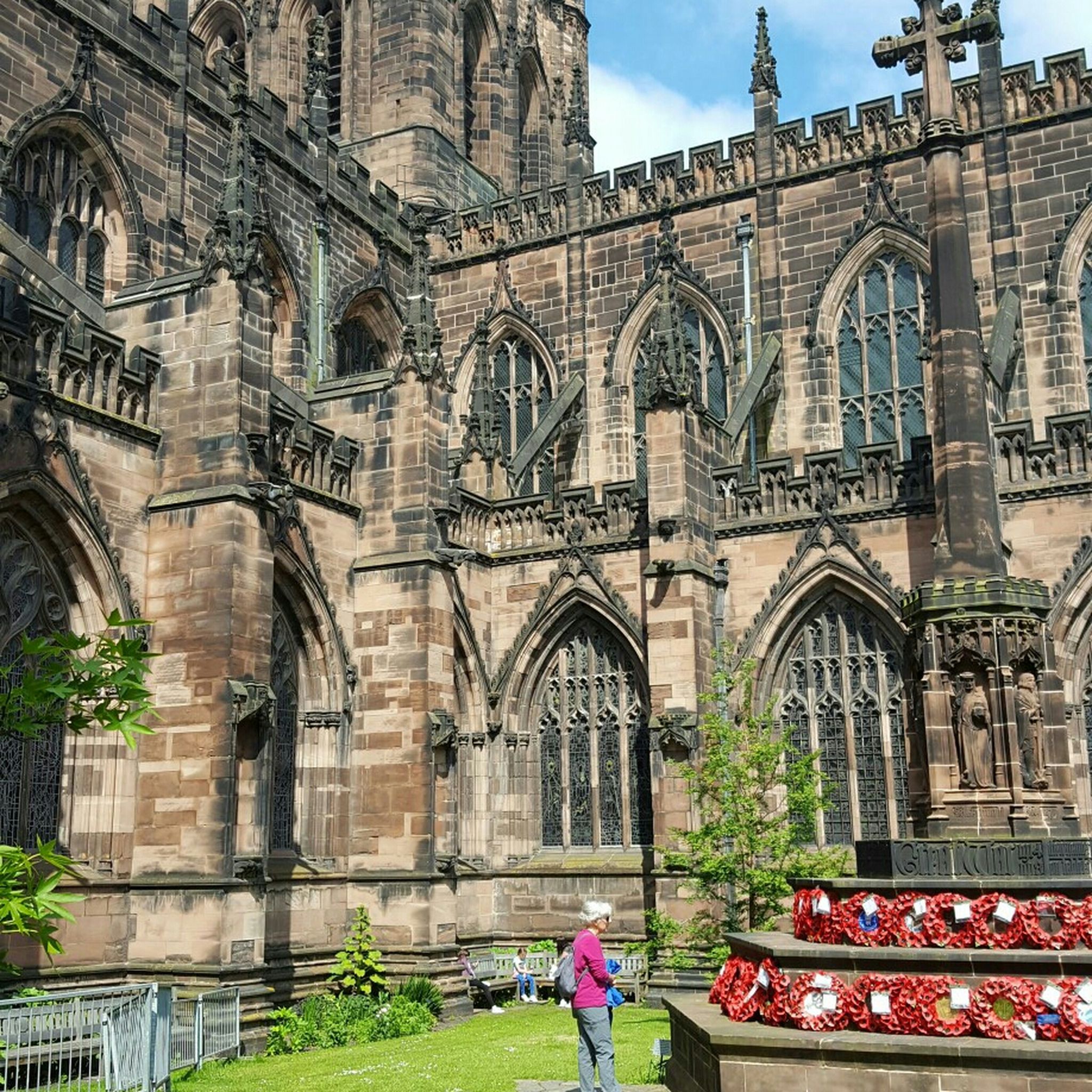
Chester is a historical city with many older, well preserved buildings.
0
0

The River Dee round is a safe, completely traffic-free loop of 24 kms (15 miles). It follows the National Cycle Network Route 5 to the west of the city as far as Hawarden Bridge, returning via the riverside cycle path along the River Dee. Chester Cycling Campaign’s seven Family Cycle Rides have been planned with all members of the family in mind. The routes use quiet lanes, established cycle routes and canal tow paths wherever possible, except for some occasional short sections on busier roads. All rides are between 15 and 20 miles in length, and are suitable for families with children, either riding their own bikes or riding on a trailer bike. Some rides include short off-road sections. The directions for these rides also include a description of a minor road alternative. Route Grading: (A) Quiet Route – This is a route with long stretches of off-road cycleway.
7
2
This is a fantastic 7.5km return bike ride along the Cheshire side of the Dee Estuary. It follows the National Cycle Network route number 568, running from Hawarden Bridge near the Deeside Industrial Estate all the way to Neston, Cheshire, on the Wirral peninsula. It’s not just for cyclists though, the cycle path is for pedestrians too and would be fantastic for prams, so I’ll include this post in the walks section too. On a clear day the views across the marshes and estuary towards North Wales are beautiful. Once upon a time the River Dee ran right up alongside the shores of Burton up to Parkgate. As shipping access to the city of Chester became impossible because of the silting of its port, quays were built in the early seventeenth century (although it’s suspected that quays existed here since medieval times) at Burton and Neston to serve as outports for the city. As they became victims of silting themselves, a further port was built at Parkgate. Between them they functioned as trading ports.
9
1
Frequently Asked Questions
What are some popular outdoor attractions for walking and cycling around Saughall and Shotwick Park?
The area is well-known for its scenic trails and cycle ways. Popular choices include the Burton Marsh Boardwalk, which offers a 7.5 km return path with beautiful views across the Dee Estuary. Another excellent option is the Chester Greenway, a well-maintained, traffic-free route connecting to other trails. You can also explore the River Dee Riverside Trail, a traffic-free stretch between Hawarden Bridge and Chester, which can be linked with the Chester Greenway for a full River Dee Round.
What historical sites can I explore in the Saughall and Shotwick Park area?
The region is rich in history. You can visit the earthworks of Shotwick Castle, a Norman motte-and-bailey fortification with a strategic past. St. Michael's Church in Shotwick village is another significant site, featuring a Norman arch doorway and unique historical elements. Other notable historical buildings include Shotwick House, a Grade II listed Neo-Jacobean style house, and Shotwick Hall, a 17th-century hall.
Are there any significant natural features to see around Saughall and Shotwick Park?
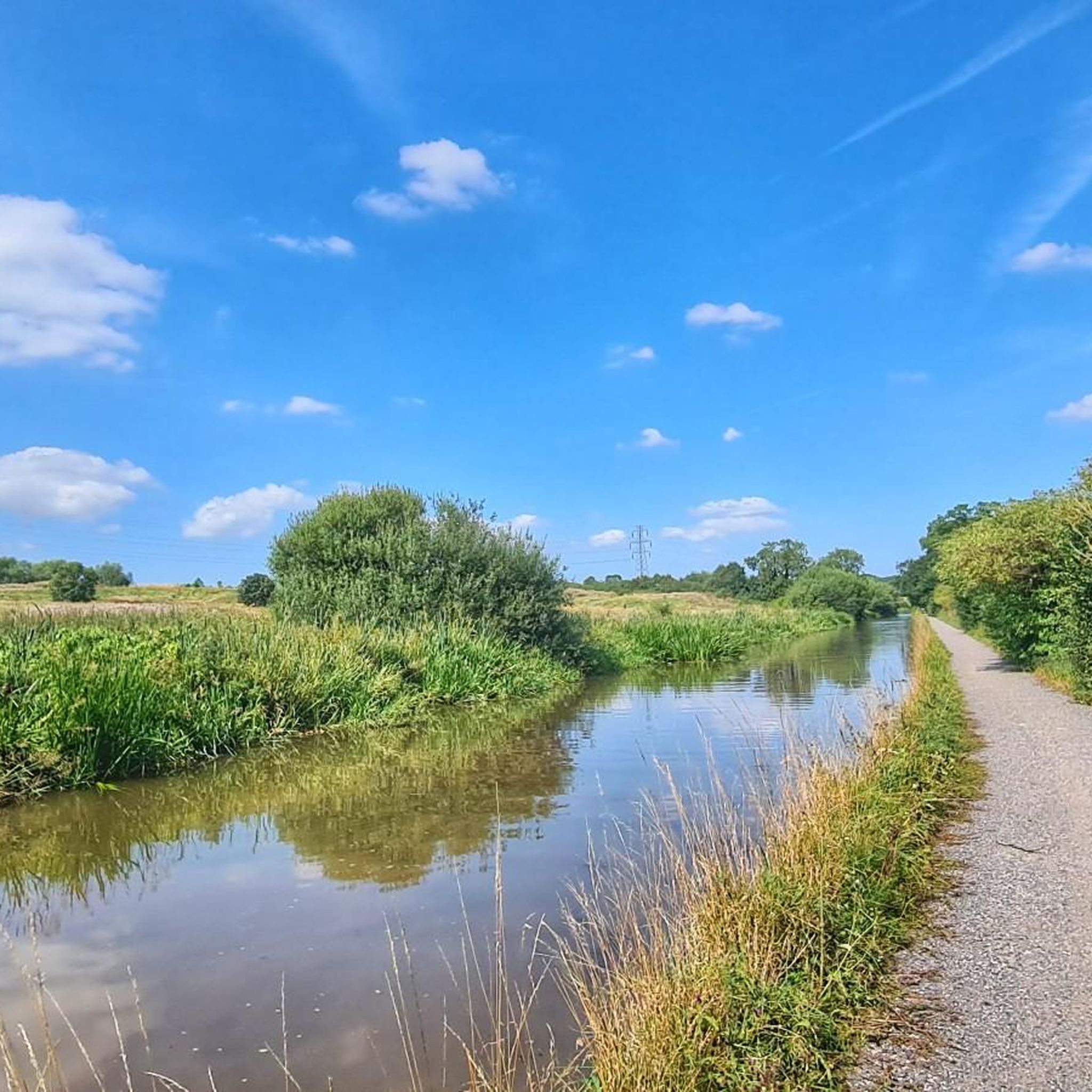
Yes, the area is shaped by the former floodplain of the River Dee and offers scenic views across the Dee Estuary towards the Clwydian Hills. The Burton Marsh Boardwalk provides excellent vantage points for these views. You can also find sections along the towpath of the Shropshire Union Canal, which are popular for walking.
What do visitors particularly enjoy about the attractions in Saughall and Shotwick Park?
Visitors appreciate the well-maintained, traffic-free paths like the Chester Greenway for its ease of use and good signage. The Burton Marsh Boardwalk is highly praised for its beautiful views across the marshes and estuary. Many enjoy the safe and exposed nature of the River Dee Riverside Trail, especially on sunny days, and its potential to form a larger loop with the Chester Greenway.
Are there family-friendly routes or activities available?
Yes, several routes are suitable for families. The River Dee Riverside Trail and the Chester Greenway are both categorized as family-friendly cycle ways and trails. The Burton Marsh Boardwalk is also great for prams and children, offering a smooth surface and engaging views.
Are there any wheelchair-accessible paths or attractions?
The Burton Marsh Boardwalk is noted as wheelchair-accessible, making it a great option for those seeking smooth, traffic-free paths with scenic views. Additionally, the Eastgate Clock in Chester is also wheelchair accessible.
What is the best time of year to visit Saughall and Shotwick Park for outdoor activities?
The area is generally popular for walking and cycling due to its flat terrain. While specific seasonal advice isn't provided, the trails along the River Dee and estuary can be exposed and windy, so clear, sunny days are often recommended for the best experience. Spring and summer offer pleasant weather for exploring, while autumn brings scenic changes to the natural landscapes.
Can I find routes for hiking in the area?
Yes, there are several hiking opportunities. You can find routes along the Shropshire Union Canal or explore trails like the Hawarden Bridge – River Dee Riverside Trail loop. For more detailed hiking options, you can explore the Hiking around Saughall and Shotwick Park guide, which includes routes like the Shropshire Union Canal loop from Chester and the Hawarden Bridge – River Dee Riverside Trail loop from Sealand.
Are there options for road cycling around Saughall and Shotwick Park?
Absolutely. The area is well-suited for cycling, with routes like the Chester Millennium Greenway providing excellent, traffic-free sections. For more extensive road cycling, you can check the Road Cycling Routes around Saughall and Shotwick Park guide, which features routes such as the Chester Millennium Greenway loop and the River Dee Riverside Trail – Dee Banks Path loop.
What are some lesser-known historical places to discover?
Beyond the more prominent sites, you might enjoy discovering The Vernon Institute, founded in 1809, which served as a village hub and military hospital, notable for its unique clock tower. Also, Kingswood Lane, an ancient path that was part of the 'Salters' Way' and a military road to Shotwick Castle, offers historical significance and fine views of the Clwydian Hills.
Are there easy walking trails suitable for beginners?
Yes, many of the paths are relatively flat and well-maintained, making them ideal for beginners. The Burton Marsh Boardwalk and sections of the River Dee Riverside Trail are considered easy. For more options, refer to the Easy hikes around Saughall and Shotwick Park guide, which includes routes like the Shropshire Union Canal loop from Bache.
Where can I find information about the future development of Shotwick Park Land?
Cheshire West and Chester Council has plans to transform 150 hectares of land in Shotwick Park into a mosaic of native woodland, wildflower meadows, and wetland habitats. This initiative aims to enhance ecological resilience and provide greener communities with public access, while also protecting archaeological features. More details on this development would typically be found through local council resources.
Most popular routes around Saughall and Shotwick Park

Get inspired with the komoot mobile app


Explore more
Still not found the Highlight you’re looking for? See guides of the top attractions in other regions:
