Attractions and Places To See around Fring - Top 20
Best attractions and places to see around Fring include a mix of historical landmarks, royal estates, and significant natural reserves in Norfolk, UK. This region, located where The Wash meets the North Sea, offers diverse landscapes from coastal dunes to ancient burial sites. Visitors can explore areas rich in British history and observe varied wildlife. The area provides opportunities to discover both cultural heritage and natural beauty.
Best attractions and places to see around Fring
- The most popular attractions is…
Last updated: October 5, 2026
Sandringham House and Gardens
Highlight • Settlement
Tip by

Old Hunstanton Lighthouse
Highlight • Monument
Tip by

Sign up now to discover places like this
Get recommendations on the best single tracks, peaks, & plenty of other exciting outdoor places.
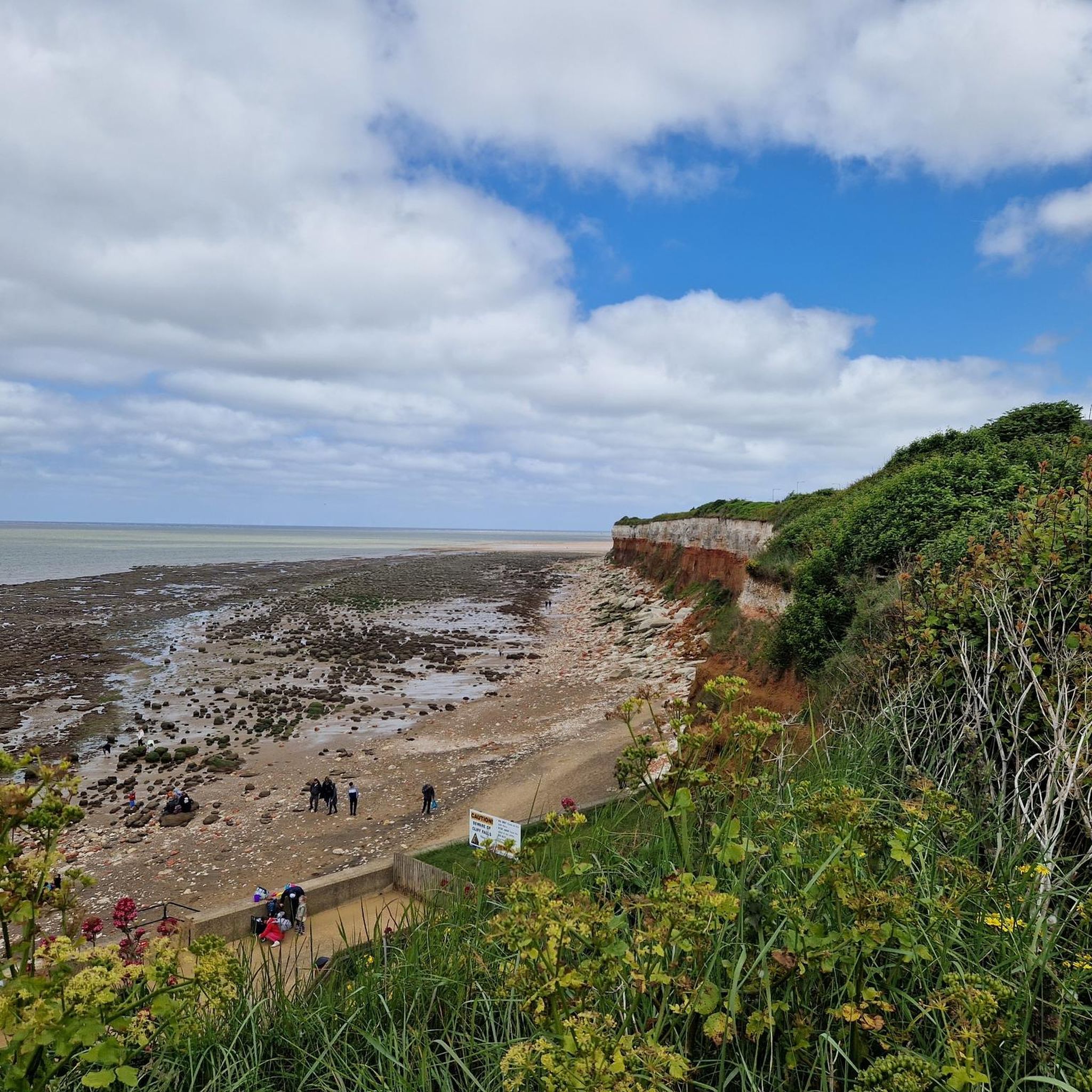
Hunstanton Striped Cliffs
Highlight • Viewpoint
Tip by

St Edmund's Chapel Ruins
Highlight • Religious Site
Tip by

Sandringham House
Highlight • Historical Site
Tip by
Sign up for free to discover even more attractions around Fring.
Already have an account?
Start today with a free account
Your next adventure awaits.


Tips from the Community

22.80 pounds per adult, plus 5 pounds for parking. This needs careful consideration!
0
0

Graet views of the setting sun especially from the Golden LIon hotel bar on top of the cliff.
0
0


Impressive landmark on the northern approach to Hunstanton.
0
0
The beach isn't visible from the cliff road but you do get some great views out across the Wash, with the westering sun if you're here later in the day.
0
0

Stopped for a round of crazy golf whilst doing the rebellion way. Guy put our bikes tucked away nice and safe.
0
1

Now self catering accommodation, the lighthouse at Old Hunstanton sits atop the highest point of Hunstanton Cliffs and was used to guide ships into The Wash. Built in 1840 to replace a previous structure from the 17th century. Before the lighthouses, it is thought that a light was displayed in St Edmund's Chapel, the ruins of which are next door.
0
0

The Old Hunstanton Lighthouse is a truly iconic building on the cliffs between Hunstanton and Old Hunstanton. The current lighthouse was built in 1840, however, there has been a lighthouse on the site since 1665. The lighthouse isn't open to the public but makes for a rather memorable holiday let accommodation. More details: norfolkcoastholidaycottages.co.uk/the-lighthouse-old-hunstanton
1
0
Frequently Asked Questions
What natural attractions can I explore around Fring?
The primary natural attraction is Holme Dunes National Nature Reserve, located where The Wash meets the North Sea. It's a significant spot for birdwatching and diverse wildlife, including natterjack toads and dragonflies. The reserve also features historical sites like WWII military remains and was the discovery site of 'Seahenge', a Bronze Age timber circle.
Are there historical sites to visit near Fring?
Yes, the area is rich in history. You can visit Sandringham House and Gardens, a royal retreat since 1862. Other historical sites include the iconic Old Hunstanton Lighthouse, which has stood since 1665, the ruins of St Edmund's Chapel, and the ancient Bronze Age Barrows on Harpley Common.
What activities are available for families around Fring?
Many attractions are family-friendly. Sandringham House and Gardens offers extensive grounds to explore. The Old Hunstanton Lighthouse and St Edmund's Chapel Ruins provide interesting historical insights. Holme Dunes National Nature Reserve is excellent for nature walks and birdwatching, suitable for all ages.
Can I go hiking or cycling near Fring's attractions?
Absolutely. The Fring area offers various routes for outdoor activities. For cycling, you can find routes like the 'Sandringham Cafe – Sandringham House and Gardens loop' or the 'Bircham Windmill – Bronze Age Barrow loop'. If you prefer hiking, there are easy trails such as the 'Bronze Age Barrow – View of Houghton Hall loop' or the 'Tree Swing Picnic Spot – Ken Hill Nature Reserve loop'. You can find more details on these and other routes in the cycling guide and easy hikes guide for Fring.
Where can I find good viewpoints in the Fring area?
The Old Hunstanton Lighthouse offers fantastic views over the sea, especially at sunrise or sunset. Holme Dunes National Nature Reserve also provides scenic vistas of the coast and diverse landscapes.
Is the area around Fring suitable for birdwatching?
Yes, the area is excellent for birdwatching, particularly at Holme Dunes National Nature Reserve. This reserve attracts thousands of migrating birds and diverse wildlife, where you might spot avocets, barn owls, warblers, and wheatears.
What is the significance of Sandringham House?
Sandringham House is a famous royal retreat that has been a private home for the British royals since 1862. It was a favorite country residence of Queen Elizabeth II and is surrounded by 20,000 acres of gardens, parks, and woodlands. The estate has been open to the public since 1977, offering a glimpse into royal life.
Are there any ancient archaeological sites to see?
Yes, you can visit the Bronze Age Barrows on Harpley Common, a cluster of burial mounds, some reaching around 3 meters high. These are significant archaeological sites where pottery, bone, and charcoal fragments have been discovered. Additionally, the 'Seahenge' Bronze Age timber circle was uncovered at Holme Dunes National Nature Reserve, though it is now housed in the King's Lynn Museum.
Can I bring my dog to attractions around Fring?
While specific dog policies vary, natural areas like Holme Dunes National Nature Reserve often allow dogs on leads in designated areas. For other sites like Sandringham House and Gardens, it's best to check their official website for current dog-friendly policies, especially for indoor areas or formal gardens.
What is the best time of year to visit Fring's attractions?
The area's attractions can be enjoyed year-round, but the best time often depends on your interests. Spring and autumn are ideal for birdwatching at Holme Dunes due to migration. Summer offers pleasant weather for exploring gardens and coastal areas. Historical sites like Sandringham House are typically open from April to mid-October.
Are there facilities like cafes or visitor centers at the attractions?
Yes, Sandringham House and Gardens has a visitor center and cafe. At Holme Dunes National Nature Reserve, you'll find facilities to support your visit, including information points. For other sites, it's advisable to check their individual websites for specific amenities.
How can I reach attractions around Fring using public transport?
Public transport options to reach attractions around Fring can be limited, as many sites are in rural locations. It's recommended to research local bus services connecting to nearby towns like Hunstanton or King's Lynn, and then plan for shorter connections or consider taxi services to reach specific attractions. Driving is often the most flexible option for exploring the region.
What kind of wildlife can I expect to see at Holme Dunes?
At Holme Dunes National Nature Reserve, you can expect to see a diverse range of wildlife. It's particularly known for thousands of migrating birds, including avocets, barn owls, warblers, and wheatears. You might also spot natterjack toads and various dragonflies.
Most popular attractions around Fring

Get inspired with the komoot mobile app


Explore more
Still not found the Highlight you’re looking for? See guides of the top attractions in other regions:
