Attractions and Places To See around Stamford Bridge - Top 20
Attractions and places to see around Stamford Bridge offer a blend of historical sites and natural landscapes in the East Riding of Yorkshire. The area is notable for its connection to the Battle of Stamford Bridge (1066 AD) and its setting along the River Derwent. Visitors can explore ancient ruins, historical infrastructure, and scenic waterways. This region provides diverse points of interest for those seeking outdoor activities and historical exploration.
Best attractions and places to see around Stamford Bridge
- The most popular attractions is Kirkham Priory Ruins, a historical site that consists of the incredible ruins of an Augustinian priory founded in 1120. The site is maintained by English Heritage and offers a glimpse into medieval history.
- Another must-see spot is Stamford Bridge Railway Viaduct, an impressive red-brick railway bridge with 15 arches spanning the River Derwent. This historical site, dating back to 1847, now forms part of the Sustrans National Cycle Network, offering picturesque views.
- Visitors also love Pocklington Canal, a historical site and rural canal stretching 15 km. It features un-restored locks, tree-lined towpaths, and humpbacked bridges, providing a rich habitat for wildlife and a scenic route for walks.
- Stamford Bridge is known for its historical sites, bridges, and waterways. The area offers a variety of attractions to see and explore, from ancient battle memorials to restored mills and scenic canal paths.
- The attractions around Stamford Bridge are appreciated by the komoot community, with more than 85 upvotes and over 100 photos shared by visitors.
Last updated: July 2, 2026
Kirkham Priory Ruins
Highlight • Historical Site
The site is maintained by English Heritage and you will need to pay to get in, it's definitely worth the entry fee though. An unmissable experience, particularly if you are into history like I am.
Tip by

Pocklington Canal
Highlight (Segment) • Historical Site
Lots of history on wikipedia: en.wikipedia.org/wiki/Pocklington_Canal
Maps (and other useful pages) on the Pocklington Canal Amenity Society website: pocklingtoncanalsociety.org/maps
Tip by

Sign up now to discover places like this
Get recommendations on the best single tracks, peaks, & plenty of other exciting outdoor places.
Sign up for free
Stamford Bridge Railway Viaduct
Highlight • Bridge
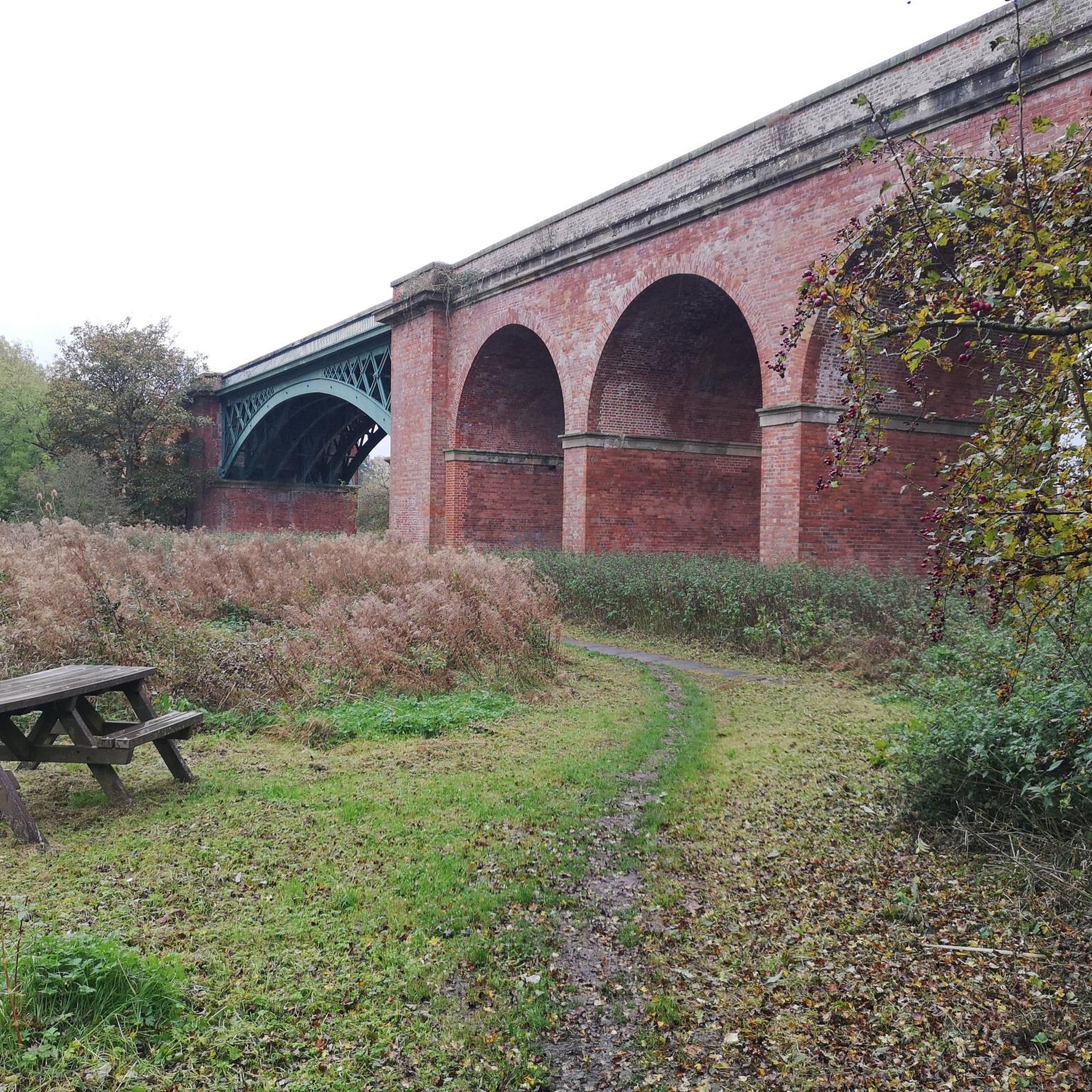
Once a vital link for the railway connecting York and Market Weighton, this structure stands as the largest remaining remnant of that historic railway line. Today, it has transformed into a tranquil and traffic-free crossing, offering a picturesque vantage point to admire the waterway below.
Tip by

Howsham Mill and Weir
Highlight • River
The mill fell into ruins in the mid 1900s before being picked up by the Renewable Heritage Trust and restored to all its glory in 2006. Today, the mill is an events space, environmental education centre and produces energy in the form of hydroelectricity.
Tip by
Battle of Stamford Bridge Memorial
Highlight • Historical Site
Though from here, King Harold and his men had to march to Hastings on the south coast of England to meet William of Normandy who was challenging Harold's ascension to the throne. Harold's exhausted and much depleted men were defeated at the Battle of Hastings and Harold killed. This lead to the Norman Conquest of England.
The Battle of Stamford Bridge is depicted in the Bayeux Tapestry.
There are monuments to the Battle of Stamford Bridge in the village and on the site of battle at the end of Whiterose Drive.
Tip by

Sign up for free to discover even more attractions around Stamford Bridge.
Sign up for free
Already have an account?
Start today with a free account
Your next adventure awaits.
Login or Signup

Other adventures around Stamford Bridge

Tips from the Community

The oldest surviving cast-iron railway bridge of its kind in Britain, dating back to 1847. - The last train crossed the viaduct on 27 November 1965, after which the line was closed and the structure fell into disuse. By 1991, its condition had deteriorated so badly that East Yorkshire Borough Council planned to demolish it, estimating costs at £60,000. Thanks to local protests and rail heritage campaigners, the demolition was halted. The viaduct was restored and now forms part of the Sustrans National Cycle Network, preserving its legacy for public enjoyment.
0
0
Howsham Mill, attributed to John Carr of York, is a well-preserved example of an 18th-century watermill. The mill uses both a restored waterwheel and Archimedes screw to generate electricity, providing a sustainable energy solution for the local area, and the site is part of a larger effort to promote environmental awareness and education, showcasing how renewable energy can be implemented in a historical setting.
0
0
The remains of this Augustinian priory include a gatehouse adorned with the De Roos family heraldry. You can also learn about the priory's role in World War II, including Winston Churchill's secret visit and its use in training and testing for D-Day.
0
0
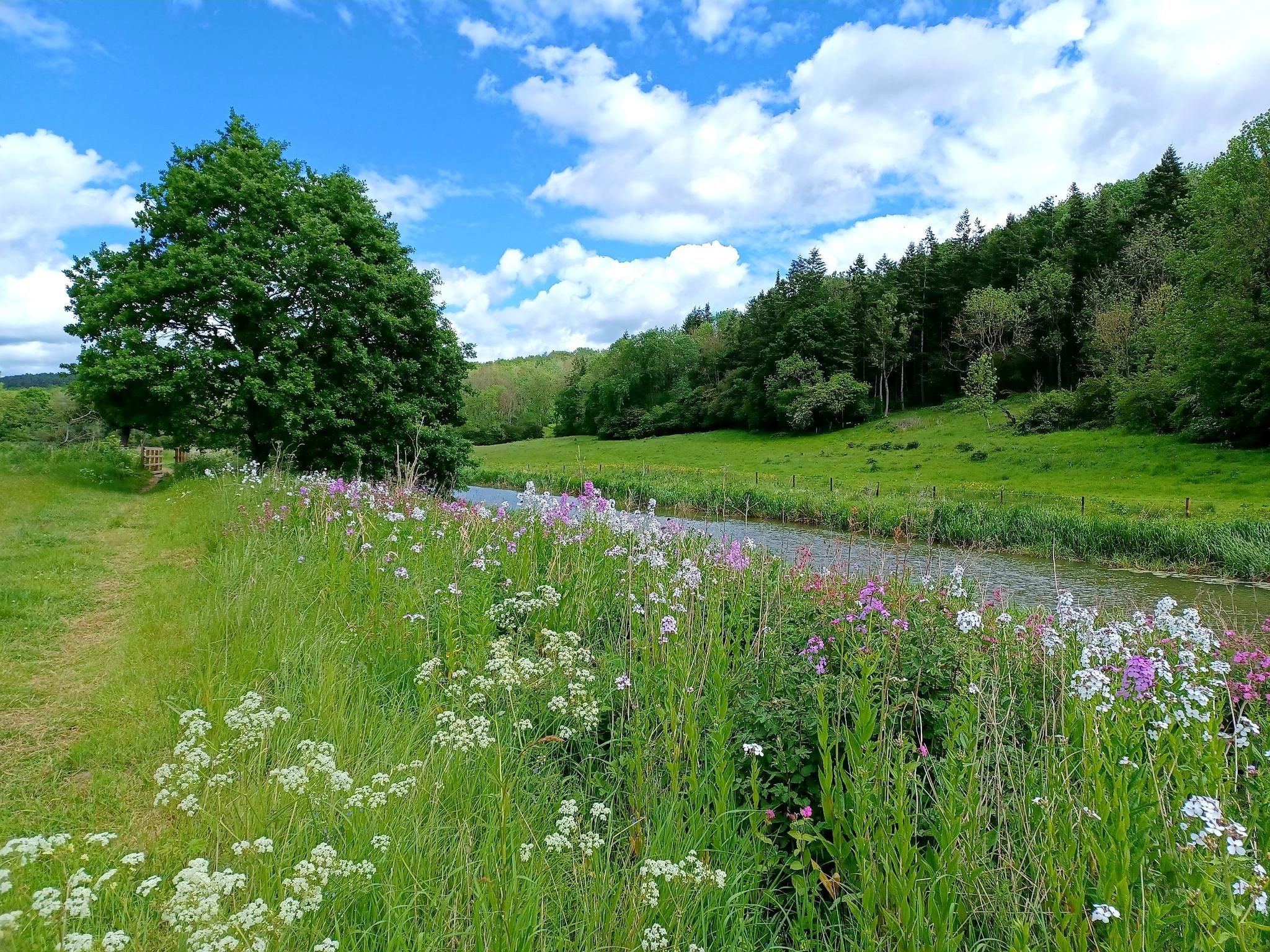
A beautiful rural canal of two halves, the upper reaches of the Pocklington Canal between Canal Head and Melbourne is characterised by un-restored locks, tree lined towpaths, and classic humpbacked bridges. Only the lower reaches of the canal is open to boats, lying in an open landscape of floodplains and meadows, rich in wildlife, and identifiable by its distinctive swing bridges. Once threatened, the canal was saved by the work of local volunteers and campaigners, and is now home to three Sites of Special Scientific Interest. Look out for Church Bridge and Swing Bridge No. 7 on the Pocklington Canal – both recently restored. Lots of history on wikipedia: https://en.wikipedia.org/wiki/Pocklington_Canal Maps (and other useful pages) on the Pocklington Canal Amenity Society website: https://www.pocklingtoncanalsociety.org/maps
2
0

This is a beautiful rural canal that stretches 9.5 miles (15 km) between East Cottingwith and Canal Head. The canal path is lined with trees and passes by numerous original locks and elegant humpbacked bridges. It's a delightful stretch of walking – truly.
1
0
The current Howsham Mill is on the site of an earlier mill built in 1755 that milled flour for the Howsham Estate for almost 200 years. The mill fell into ruins in the mid 1900s before being picked up by the Renewable Heritage Trust and restored to all its glory in 2006. Today, the mill is an events space, environmental education centre and produces energy in the form of hydroelectricity.
2
0
This impressive old railway viaduct that spans over the River Derwent is built from beautiful red brick and consists of 15 arches. Once a vital link for the railway connecting York and Market Weighton, this structure stands as the largest remaining remnant of that historic railway line. Today, it has transformed into a tranquil and traffic-free crossing, offering a picturesque vantage point to admire the waterway below.
1
0

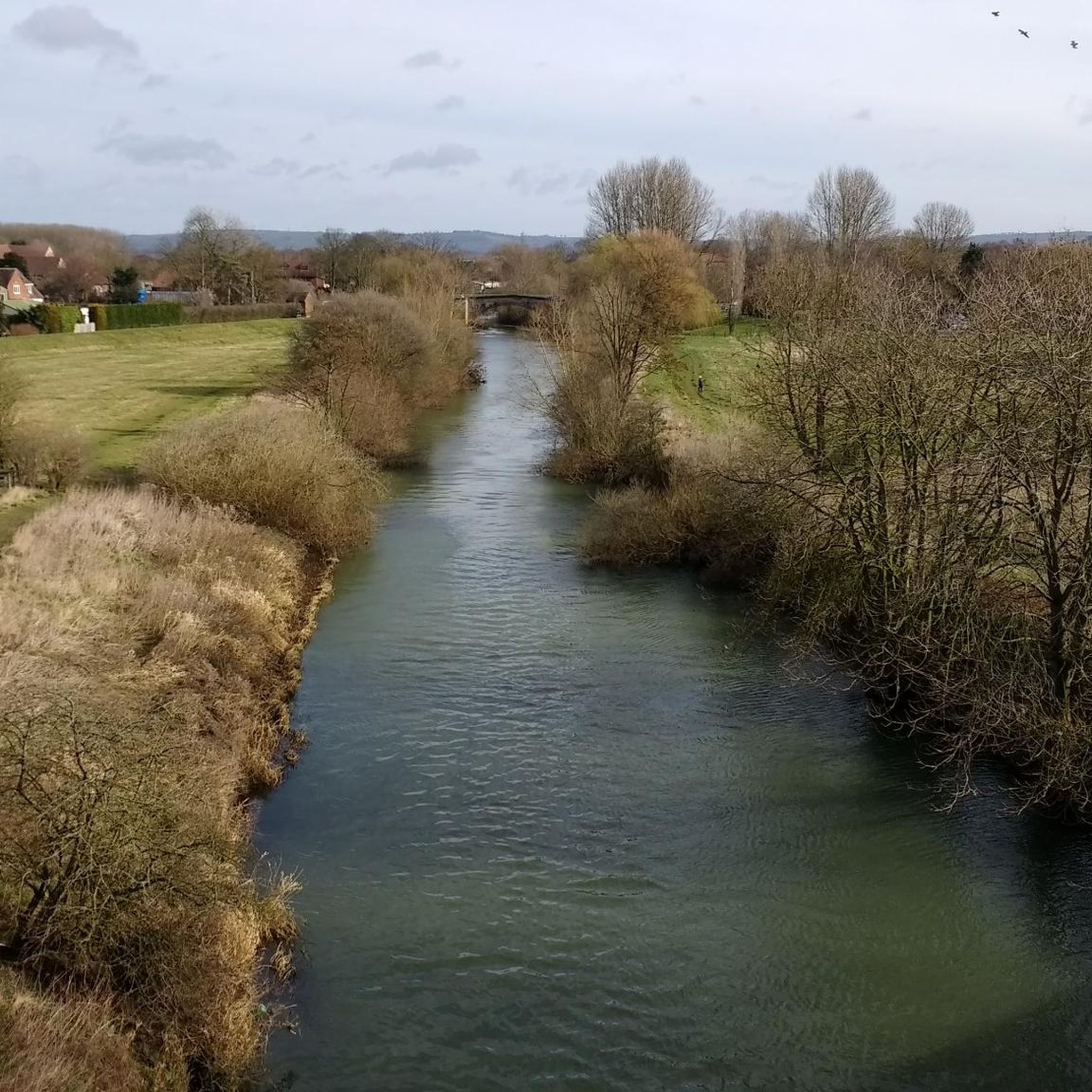
An interesting spot here: a weir on the River Derwent, with Howsham Mill on the opposite bank of the river. The 18th century Howsham Mill had previously fallen into disrepair, but has now been restored.
2
1
Frequently Asked Questions
What historical sites can I visit around Stamford Bridge?
The area is rich in history. You can explore the incredible ruins of Kirkham Priory Ruins, an Augustinian priory founded in 1120. Another significant site is the Battle of Stamford Bridge Memorial, commemorating the pivotal 1066 AD battle. Don't miss the historic Stamford Bridge Railway Viaduct, an impressive 1847 structure now part of a cycle network.
Are there family-friendly attractions near Stamford Bridge?
Yes, several attractions are suitable for families. The Kirkham Priory Ruins offer an engaging historical experience. The Stamford Bridge Railway Viaduct is great for a walk or cycle with scenic views. Additionally, the Pocklington Canal provides a beautiful, wildlife-rich setting for family walks.
What outdoor activities can I do near Stamford Bridge?
You can enjoy various outdoor activities. The Stamford Bridge Railway Viaduct is part of the Sustrans National Cycle Network, perfect for cycling. The Pocklington Canal offers scenic towpaths for walking and enjoying nature. For more structured activities, you can find numerous running, cycling, and hiking routes in the area. Explore running trails, cycling routes, and easy hikes around Stamford Bridge.
Where can I find scenic walking routes around Stamford Bridge?
The village is set along the River Derwent, offering lovely walks. A circular walk along the River Derwent links the village's two historic bridges and passes through a Special Area of Conservation. The Pocklington Canal also features tree-lined towpaths and humpbacked bridges, providing a delightful stretch for walking. You can also find several easy hiking loops from Stamford Bridge.
What natural features and wildlife can I expect to see?
The River Derwent is a central natural feature, and a walk along its banks can reveal diverse plant and animal life. The area is a Special Area of Conservation and a Site of Special Scientific Interest. You might spot wildflowers, roe deer, foxes, hares, mink, otters, various fish species, and bats. The Pocklington Canal is also rich in wildlife, with visitors often spotting swans.
Are there any unique historical structures or engineering marvels?
Absolutely. The Stamford Bridge Railway Viaduct is an impressive red-brick structure with 15 arches, built in 1847, and is the oldest surviving cast-iron railway bridge of its kind in Britain. Another interesting site is Howsham Mill and Weir, an 18th-century mill that has been restored and now functions as an environmental education center and produces hydroelectricity.
What is the significance of the Battle of Stamford Bridge?
The Battle of Stamford Bridge, fought on September 25, 1066 AD, was a pivotal moment in English history. It was here that King Harold of England defeated the Viking King Harald Hardrada and Harold's own brother Tostig, effectively ending the Viking era in England. A memorial and a Viking longship planter commemorate this event in the village.
Can I find places to eat or drink in Stamford Bridge?
Yes, the village has several options. The historic Bay Horse Inn, dating from the late 18th to early 19th century, is one of the public houses in the village. You can also find cafes and pubs in the surrounding area.
What do visitors enjoy most about the attractions around Stamford Bridge?
Visitors particularly appreciate the blend of historical significance and natural beauty. The Kirkham Priory Ruins are highly rated for their historical depth, while the Stamford Bridge Railway Viaduct is loved for its picturesque views and role in the cycle network. The peaceful, wildlife-rich environment of the Pocklington Canal is also a community favorite for walks.
Are there any Roman historical connections in Stamford Bridge?
Yes, the area has Roman roots. The Romans established a fort here around 70 AD, known as Derventio. A large civilian settlement later developed around a bridge a mile south of the current village, highlighting its long history as a crossing point.
Where can I go for cycling near Stamford Bridge?
The Stamford Bridge Railway Viaduct is a key part of the Sustrans National Cycle Network, offering a traffic-free route with scenic views. For more extensive cycling, you can explore various cycling routes around Stamford Bridge, ranging from easy to difficult, such as the loop to Kirkham Priory or the Balloon Tree Café.
Most popular routes around Stamford Bridge

Get inspired with the komoot mobile app


Explore more
Still not found the Highlight you’re looking for? See guides of the top attractions in other regions:
