The best walks and hikes around Stamford Bridge
4.6
(248)
1,655
hikers
70
hikes
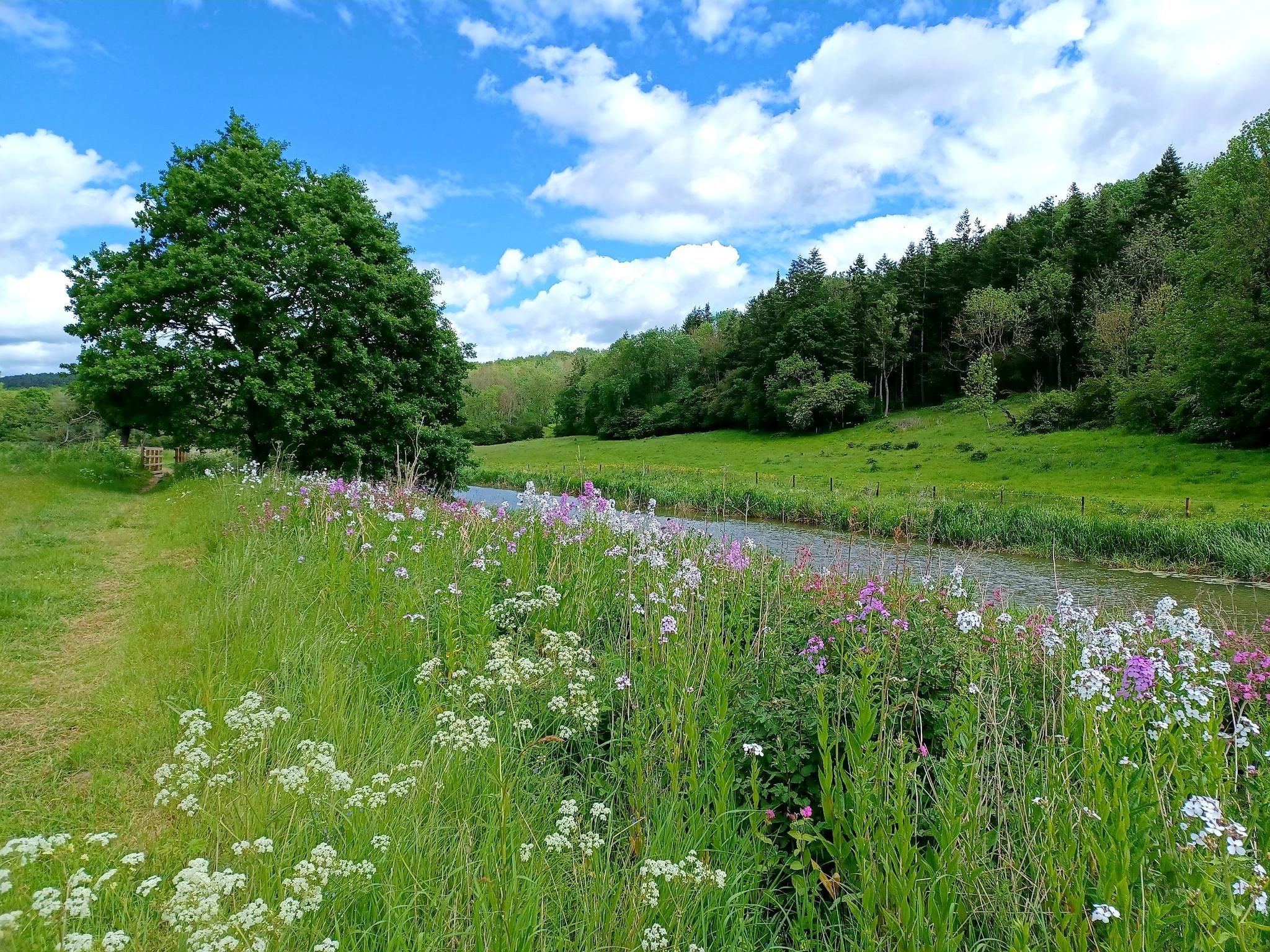
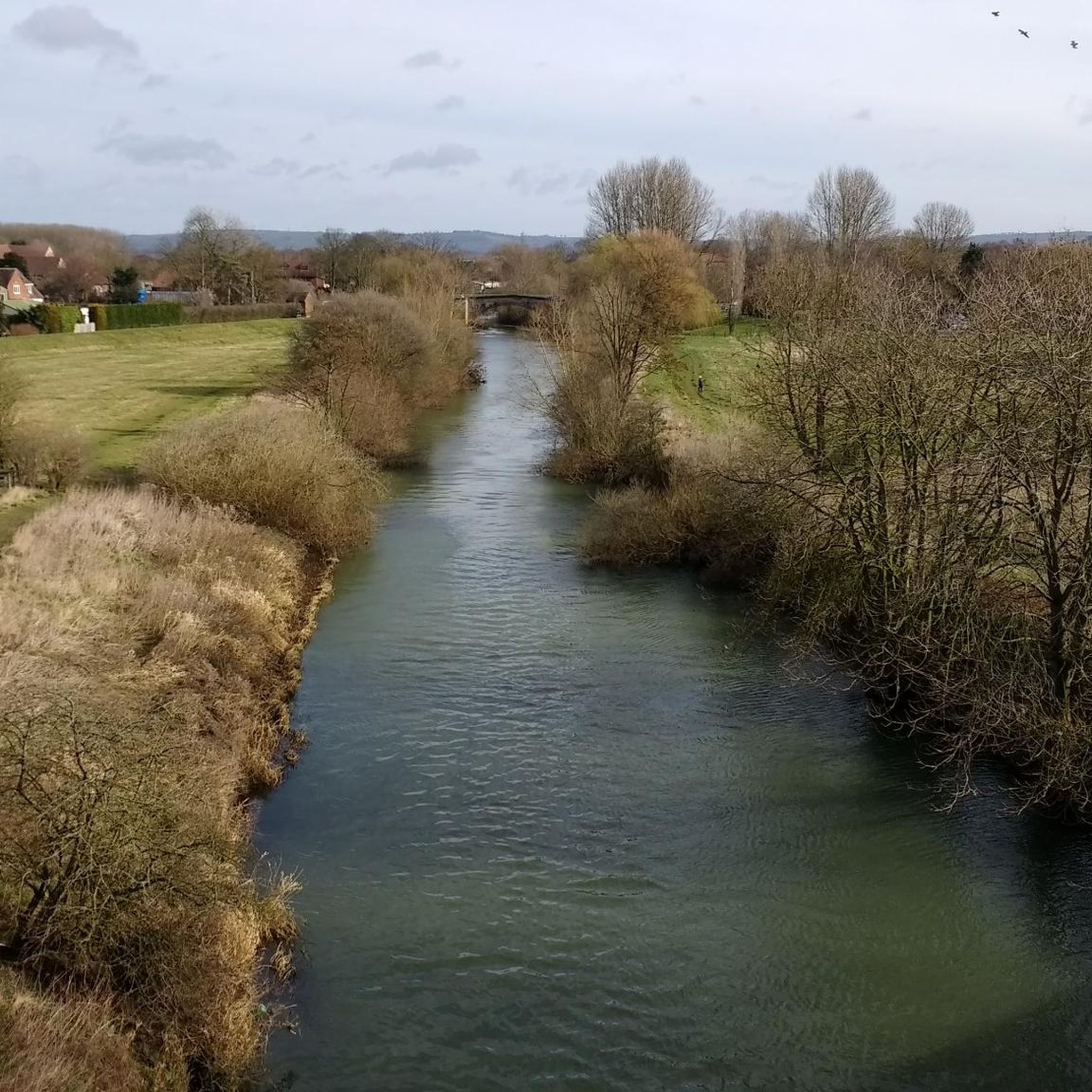
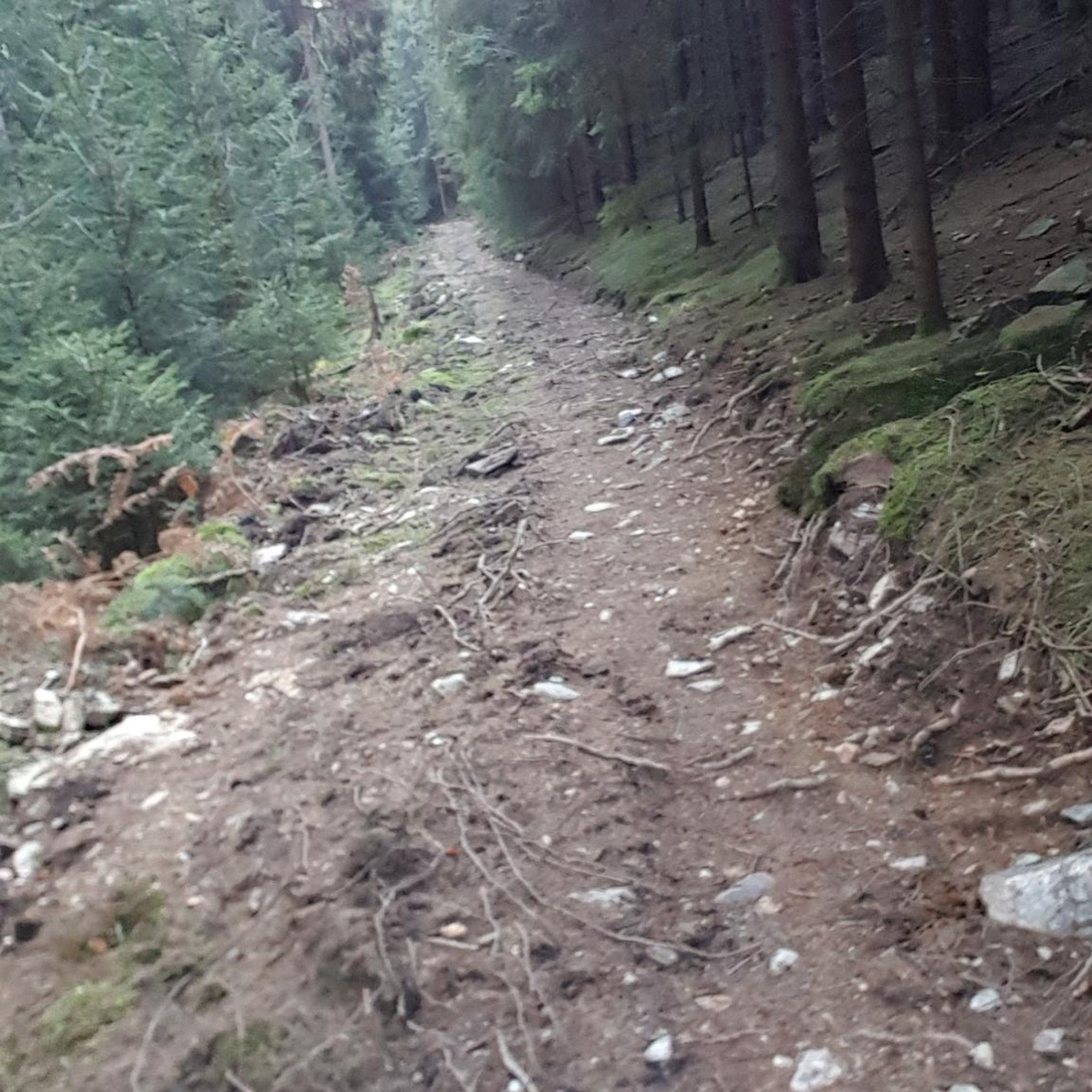
Hiking around Stamford Bridge, a historic village in the East Riding of Yorkshire, offers varied terrain for outdoor enthusiasts. The area is characterized by the River Derwent, which provides waterside paths, and features open fields and woodlands such as Hagg Wood and Millfield Wood. Gentle elevation changes, including those leading to High Catton Hill Summit, contribute to the diverse landscape.
Best hiking trails around Stamford Bridge
- The most popular hiking route is Hiking loop from Stamford Bridge, a 3.4…
Last updated: July 2, 2026
4.5
(11)
51
hikers
5.50km
01:24
20m
20m
Easy hike. Great for any fitness level. Easily-accessible paths. Suitable for all skill levels.
4.7
(9)
33
hikers
Moderate hike. Good fitness required. Easily-accessible paths. Suitable for all skill levels.

Sign up for free
4.7
(3)
31
hikers
11.0km
02:47
20m
20m
Moderate hike. Good fitness required. Easily-accessible paths. Suitable for all skill levels.
3.0
(5)
14
hikers
10.7km
02:44
40m
40m
Moderate hike. Good fitness required. Easily-accessible paths. Suitable for all skill levels.
5
hikers
Moderate hike. Good fitness required. Easily-accessible paths. Suitable for all skill levels.
Get access to more routes and recommendations from other explorers.
Sign up for free
Already have an account?
Our route recommendations are based on thousands of hikes, rides, and runs completed by other people on komoot.
Start today with a free account
Your next adventure awaits.
Login or Signup

Other adventures around Stamford Bridge

Tips from the Community

The oldest surviving cast-iron railway bridge of its kind in Britain, dating back to 1847. - The last train crossed the viaduct on 27 November 1965, after which the line was closed and the structure fell into disuse. By 1991, its condition had deteriorated so badly that East Yorkshire Borough Council planned to demolish it, estimating costs at £60,000. Thanks to local protests and rail heritage campaigners, the demolition was halted. The viaduct was restored and now forms part of the Sustrans National Cycle Network, preserving its legacy for public enjoyment.
0
0

Go into the village and visit the whiskyshop.
0
0

Rough track that would be suitable for MTB, touring, and gravel bikes
0
0

This impressive old railway viaduct that spans over the River Derwent is built from beautiful red brick and consists of 15 arches. Once a vital link for the railway connecting York and Market Weighton, this structure stands as the largest remaining remnant of that historic railway line. Today, it has transformed into a tranquil and traffic-free crossing, offering a picturesque vantage point to admire the waterway below.
1
0

High Catton Hill 37.1m P21.6 (122ft) County of Yorkshire Definitive List Summit
0
0

The field to the north east of the road is the site of the Battle of Stamford Bridge on 25/09/1066, a turning point in English history. It was here that King Harold of England defeated the Viking King Harald Harada and Harold's own brother Tostig. This resulted in the end of the Viking era in England, such was the loss of life. Though from here, King Harold and his men had to march to Hastings on the south coast of England to meet William of Normandy who was challenging Harold's ascension to the throne. Harold's exhausted and much depleted men were defeated at the Battle of Hastings and Harold killed. This lead to the Norman Conquest of England. The Battle of Stamford Bridge is depicted in the Bayeux Tapestry. There are monuments to the Battle of Stamford Bridge in the village and on the site of battle at the end of Whiterose Drive.
0
0


Great cafe, worth a stop for breakfast, lunch, or dinner
0
0
Frequently Asked Questions
What kind of hiking trails can I expect around Stamford Bridge?
Stamford Bridge offers a diverse range of hiking trails, from easy riverside paths along the River Derwent to moderate loops through woodlands like Hagg Wood and Millfield Wood, and expansive open fields. You'll find options suitable for various fitness levels, with some gentle elevation changes, such as those leading to High Catton Hill Summit.
Are there any easy walks suitable for beginners or a relaxed stroll?
Yes, there are several easy options. A popular choice is the Hiking loop from Stamford Bridge, which is 3.4 miles (5.5 km) and takes about 1 hour 24 minutes. This route offers a pleasant walk through the local countryside, perfect for a relaxed outing.
What are the options for family-friendly walks in the area?
Many of the trails around Stamford Bridge are suitable for families, especially those along the River Derwent or through woodlands. The Hiking loop from Stamford Bridge is an easy, shorter option. Additionally, the Stamford Bridge Parish Council provides maps for local walks, including a family-friendly Jubilee Walk as part of the 'Stamford Bridge to Kexby trail'.
Can I bring my dog on the hiking trails around Stamford Bridge?
Yes, Stamford Bridge is generally dog-friendly, with many trails passing through open fields and woodlands. Always ensure your dog is under control, especially near livestock, and check for any specific signage regarding lead requirements in certain areas like nature reserves or private land. The riverside paths are particularly popular for dog walks.
Are there any circular hiking routes available?
Absolutely. Many of the trails around Stamford Bridge are designed as circular loops. For example, the The Balloon Tree Café – Hagg Wood Community Woodland loop from Stamford Bridge and the Skirpenbeck Motte – Buttercrambe Bridge loop from Stamford Bridge are both popular moderate circular routes. The Stamford Bridge Parish Council also offers a '5 Parishes Circular Walk Map'.
What historical landmarks or attractions can I see while hiking?
Stamford Bridge is rich in history. You can visit the Battle of Stamford Bridge Memorial, commemorating the 1066 battle. The impressive Stamford Bridge Railway Viaduct, an historic red-brick structure, is often part of walking routes. Nearby, you can also explore the Kirkham Priory Ruins.
What natural features or scenic views can I expect on the trails?
The area is characterized by the picturesque River Derwent, offering charming waterside views and opportunities to spot local wildlife. You'll also encounter tranquil woodlands like Hagg Wood and Millfield Wood, the latter known for its beautiful bluebells in spring. Open fields and gentle hills, such as those leading to High Catton Hill Summit, provide varied and scenic landscapes.
Is there parking available for hikers in Stamford Bridge?
Yes, parking is generally available in and around Stamford Bridge. Specific parking locations will depend on your chosen starting point for a hike. Many local routes start from the village center, where public parking is usually accessible, or near popular trailheads. Always check local signage for any parking restrictions or fees.
What do other hikers say about the trails in Stamford Bridge?
The hiking routes in Stamford Bridge are highly regarded by the komoot community, with an average score of 4.6 stars from over 200 reviews. Hikers often praise the varied terrain, the peaceful riverside paths, and the well-maintained woodland trails, highlighting the area's blend of natural beauty and historical interest.
Are there any longer or more challenging hikes for experienced walkers?
While many local trails are moderate, Stamford Bridge is connected to longer-distance routes for those seeking more challenge. The Minster Way and the White Rose Way, a 104-mile trail, both pass through the area, offering opportunities for extended and more demanding hikes. Within the immediate vicinity, routes like the The Balloon Tree Café – Hagg Wood Community Woodland loop (9.7 miles) provide a good moderate challenge.
When is the best time of year to go hiking in Stamford Bridge?
Stamford Bridge offers enjoyable hiking year-round. Spring is particularly beautiful with bluebells in Millfield Wood. Summer provides pleasant conditions for longer walks along the river. Autumn brings vibrant foliage to the woodlands, and even winter walks can be charming, especially along the River Derwent, though paths may be muddy. Always check weather conditions before heading out.
Most popular routes around Stamford Bridge
Most popular attractions around Stamford Bridge

Get inspired with the komoot mobile app


Explore more
Browse the best Hikes in other regions.
