The best walks and hikes around Purbeck
4.6
(3259)
33,571
hikers
671
hikes
Hikes around Purbeck explore a peninsula on England's southern coastline, part of the Jurassic Coast. The landscape is defined by clifftop paths along ancient, fossil-rich cliffs, a line of chalk hills that extends across the region, and large areas of lowland heath. Routes vary from flat strolls through nature reserves to more demanding hikes along the coast.
Best hiking trails around Purbeck
- The most popular hiking route is the Old Harry Rocks Loop, a 4.0 mile (6.4 km) trail that takes about 1 hour 45 minutes to complete. This route follows the coastline to the well-known chalk sea stacks.
- Another top favourite among local hiking enthusiasts is the Durdle Door, White Nothe & Hambury Tout loop from Lulworth Cove Heritage Centre, a moderate 7.6 mile (12.2 km) path. The trail involves several ascents and descents along the coastal path, passing the limestone arch of Durdle Door.
- Local hiking enthusiasts also love the Lulworth Cove & Durdle Door loop — Dorset, a 4.9 mile (7.9 km) trail leading through coastal scenery, often completed in about 1 hour 50 minutes.
- Hiking around Purbeck is defined by its coastal paths, chalk hills, and expansive heathlands. The network of trails offers options for various fitness levels, from short, accessible walks to longer, more challenging routes.
- The routes in Purbeck are highly rated by the komoot community with an average score of 4.6 stars from over 2,600 reviews. More than 27,000 hikers have used komoot to explore Purbeck's varied terrain.
Last updated: August 17, 2026
4.9
(116)
1,079
hikers
6.36km
01:46
120m
120m
Easy hike. Great for any fitness level. Easily-accessible paths. Suitable for all skill levels.
4.7
(95)
428
hikers
Moderate hike. Good fitness required. Mostly accessible paths. Sure-footedness required.

Sign up for free
4.7
(60)
323
hikers
7.91km
01:51
210m
210m
Easy hike. Great for any fitness level. Easily-accessible paths. Suitable for all skill levels.
4.9
(73)
447
hikers
15.3km
04:16
280m
280m
Moderate hike. Good fitness required. Mostly accessible paths. Sure-footedness required.
4.5
(62)
311
hikers
12.7km
03:31
220m
220m
Moderate hike. Good fitness required. Mostly accessible paths. Sure-footedness required.
4.8
(57)
344
hikers
15.3km
04:18
310m
310m
Moderate hike. Good fitness required. Mostly accessible paths. Sure-footedness required.
4.6
(41)
350
hikers
10.5km
02:56
200m
210m
Moderate hike. Good fitness required. Mostly accessible paths. Sure-footedness required.
4.6
(40)
335
hikers
9.44km
02:38
180m
180m
Moderate hike. Good fitness required. Easily-accessible paths. Suitable for all skill levels.
4.8
(40)
308
hikers
21.3km
05:59
400m
400m
Hard hike. Very good fitness required. Mostly accessible paths. Sure-footedness required.
4.6
(31)
297
hikers
14.3km
03:56
220m
220m
Moderate hike. Good fitness required. Mostly accessible paths. Sure-footedness required.
Get access to more routes and recommendations from other explorers.
Sign up for free
Already have an account?
Our route recommendations are based on thousands of hikes, rides, and runs completed by other people on komoot.
Start today with a free account
Your next adventure awaits.
Login or Signup
Popular around Purbeck
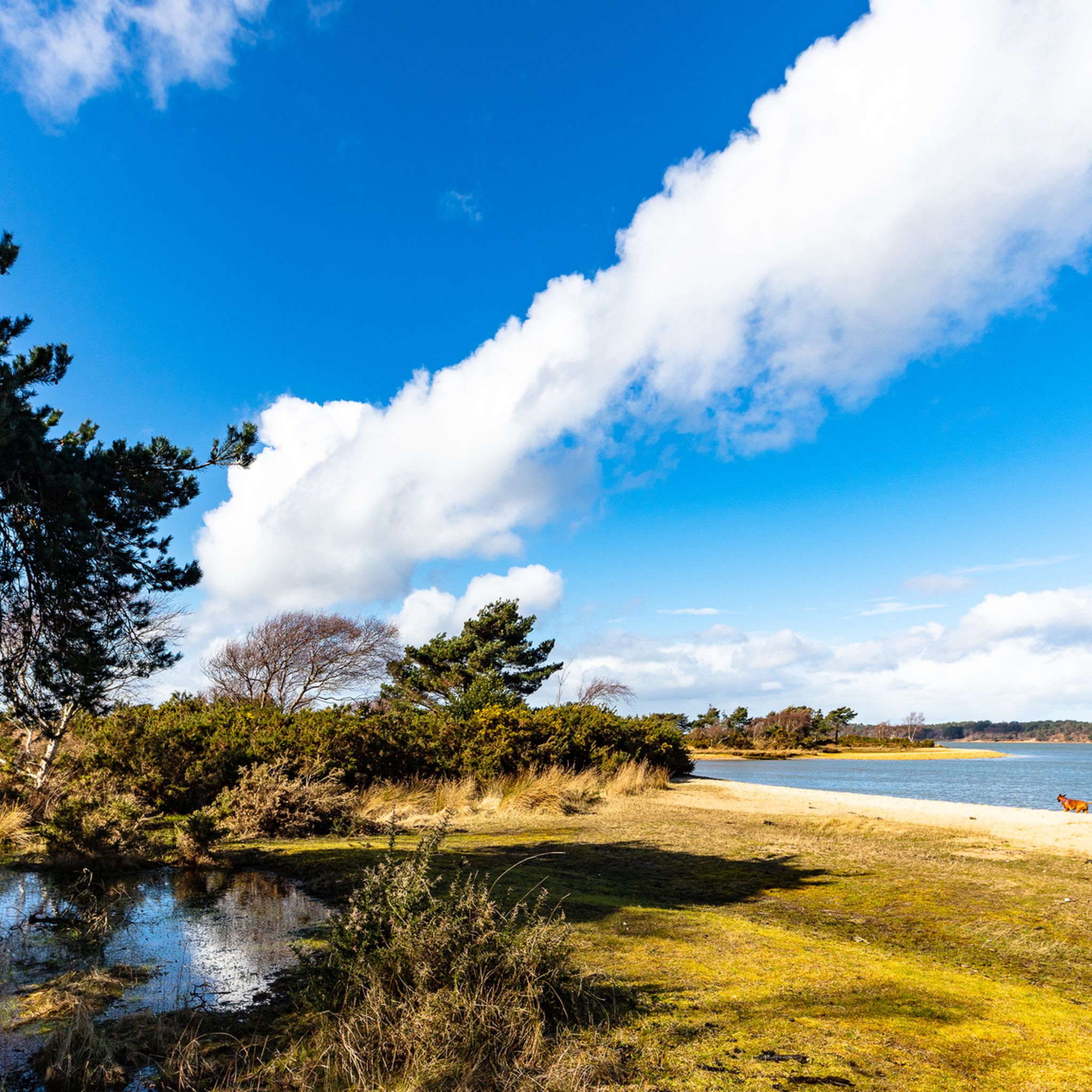
Hiking around Studland
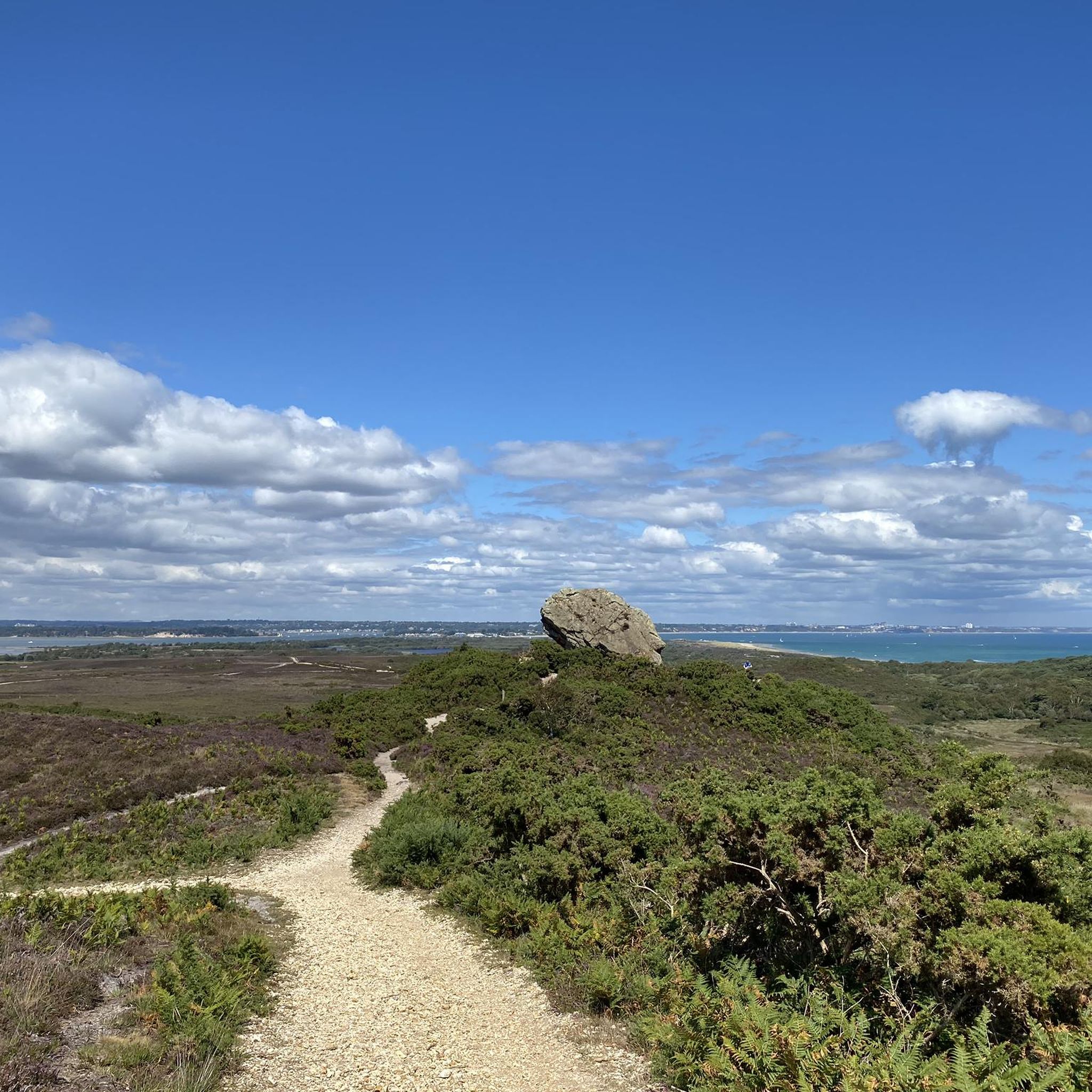
Hiking in Studland And Godlingston Heath National Nature Reserve
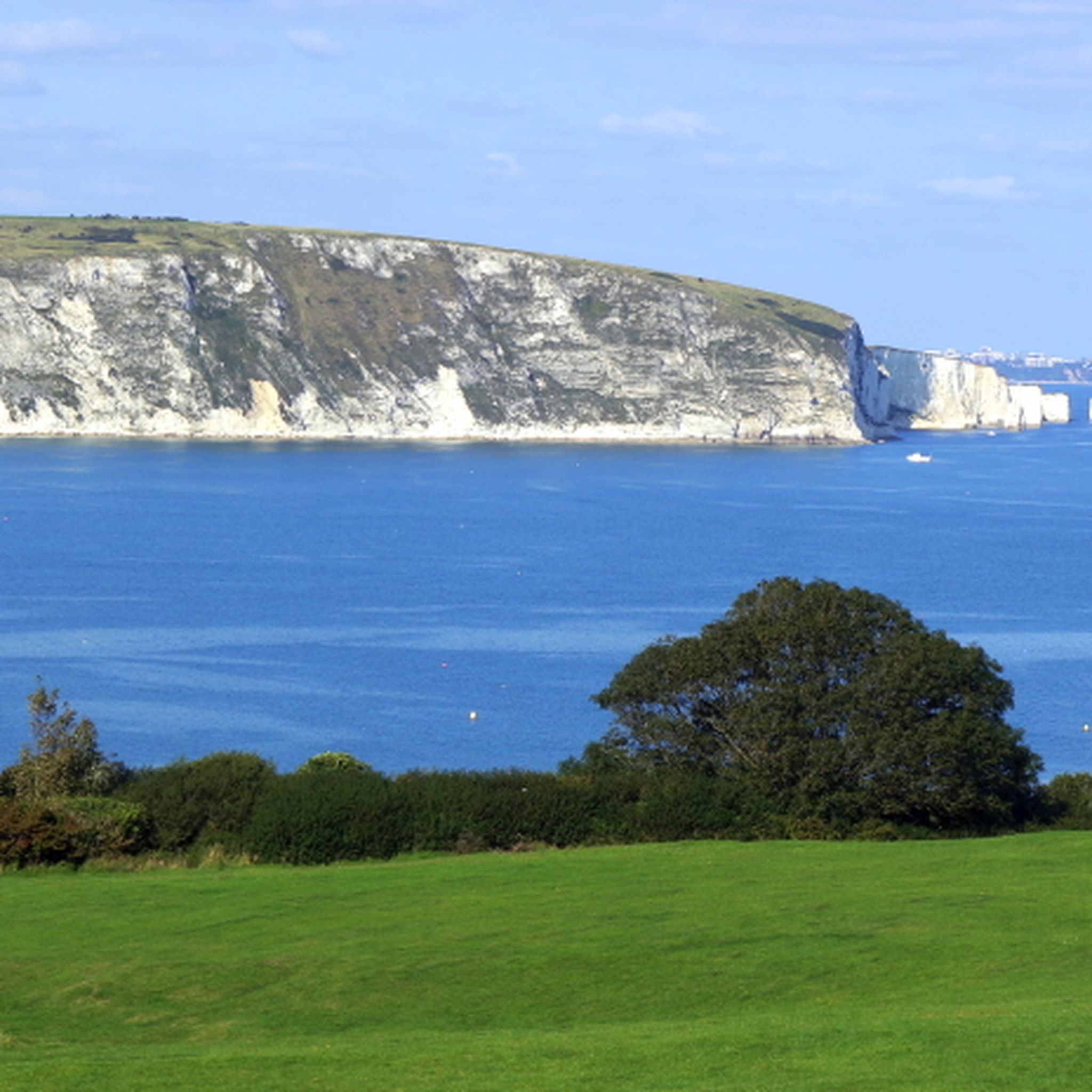
Hiking around Swanage
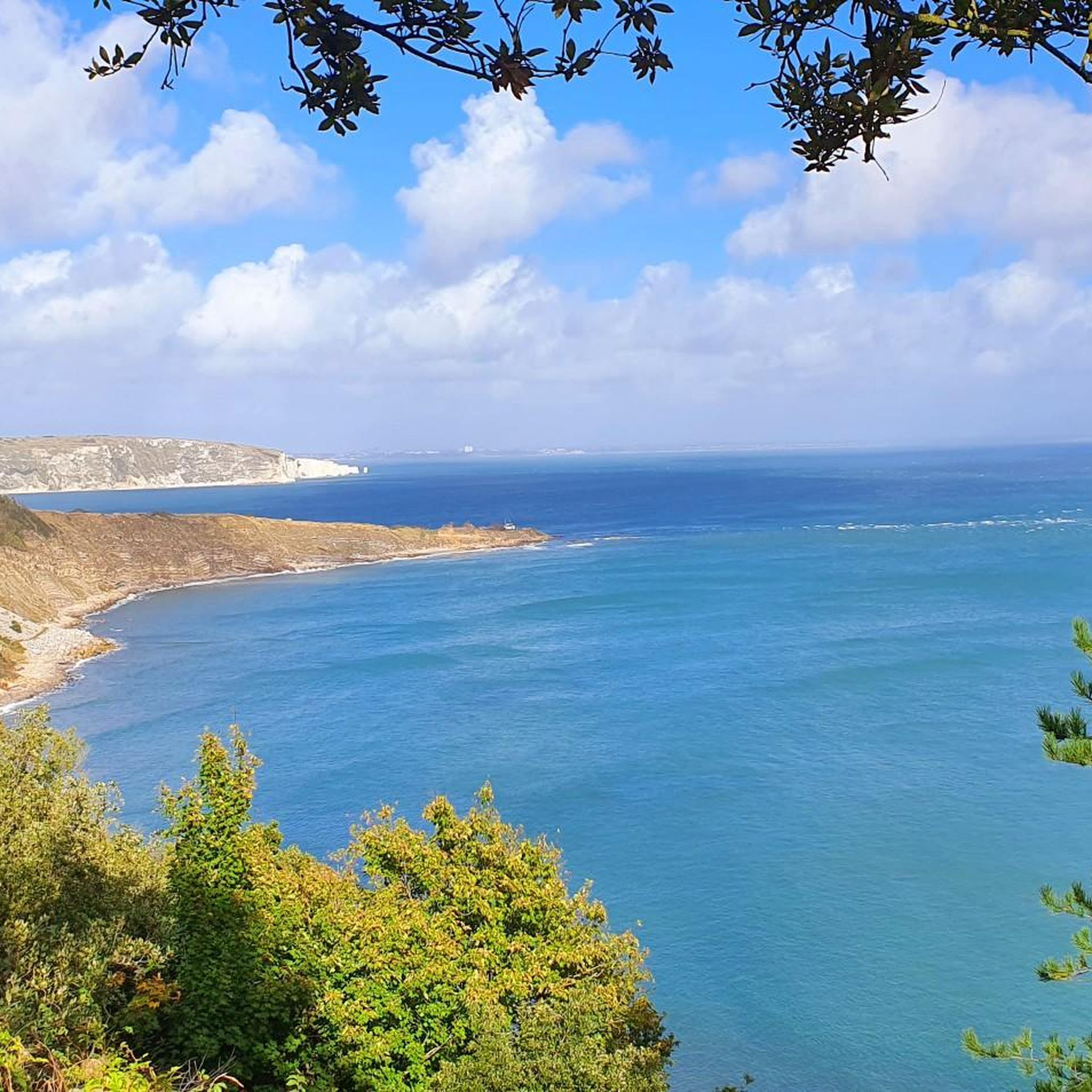
Hiking in Durlston National Nature Reserve
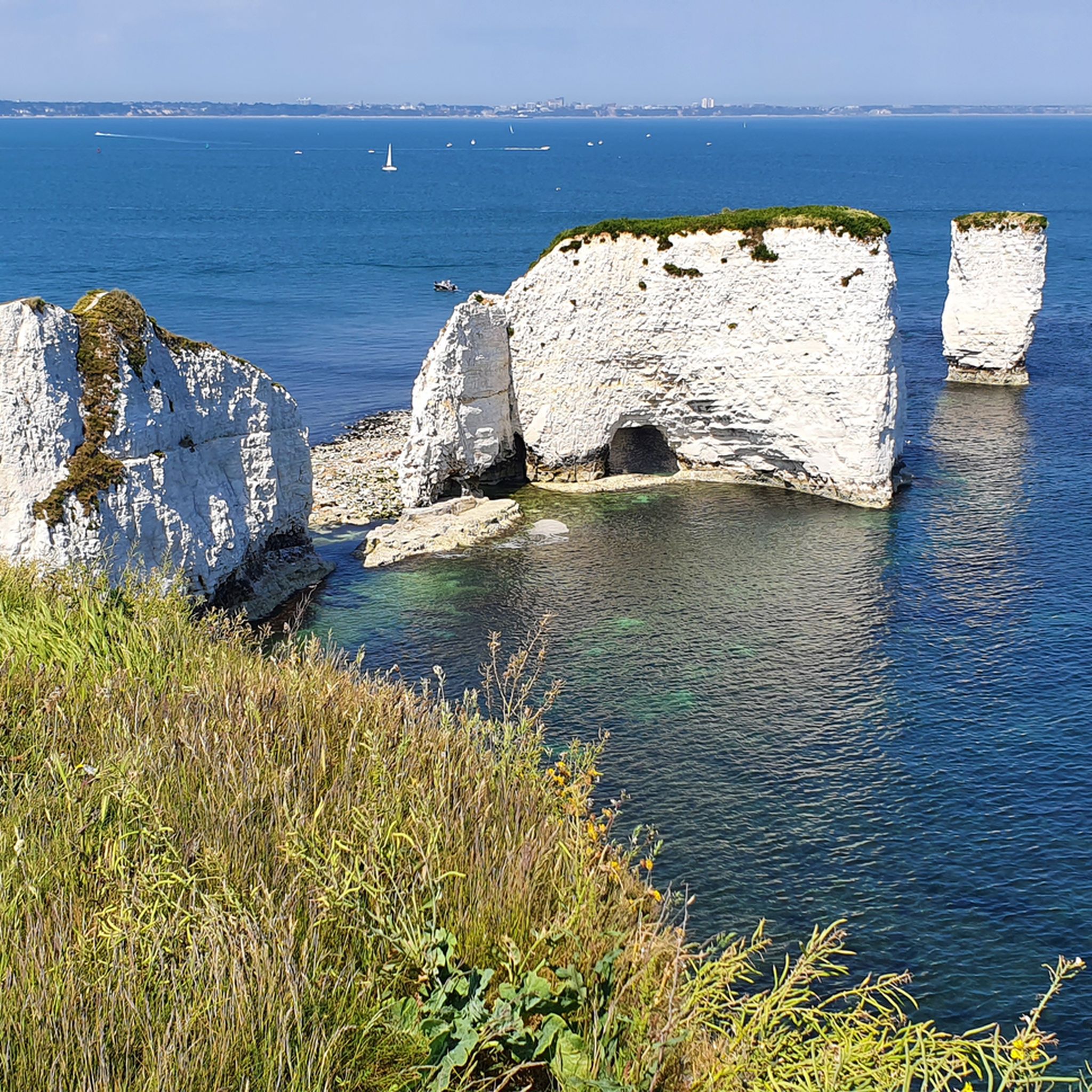
Hiking around Corfe Castle
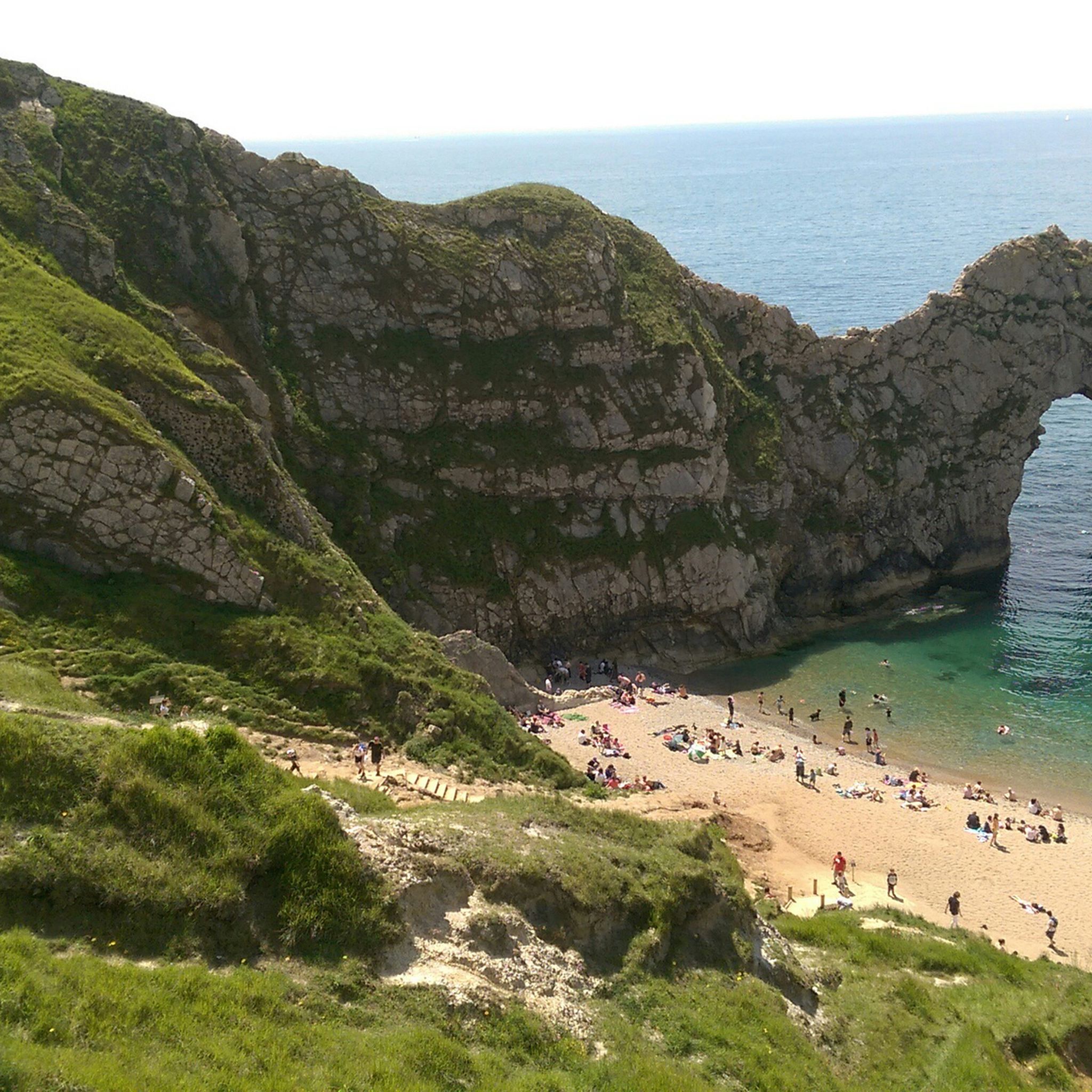
Hiking around West Lulworth
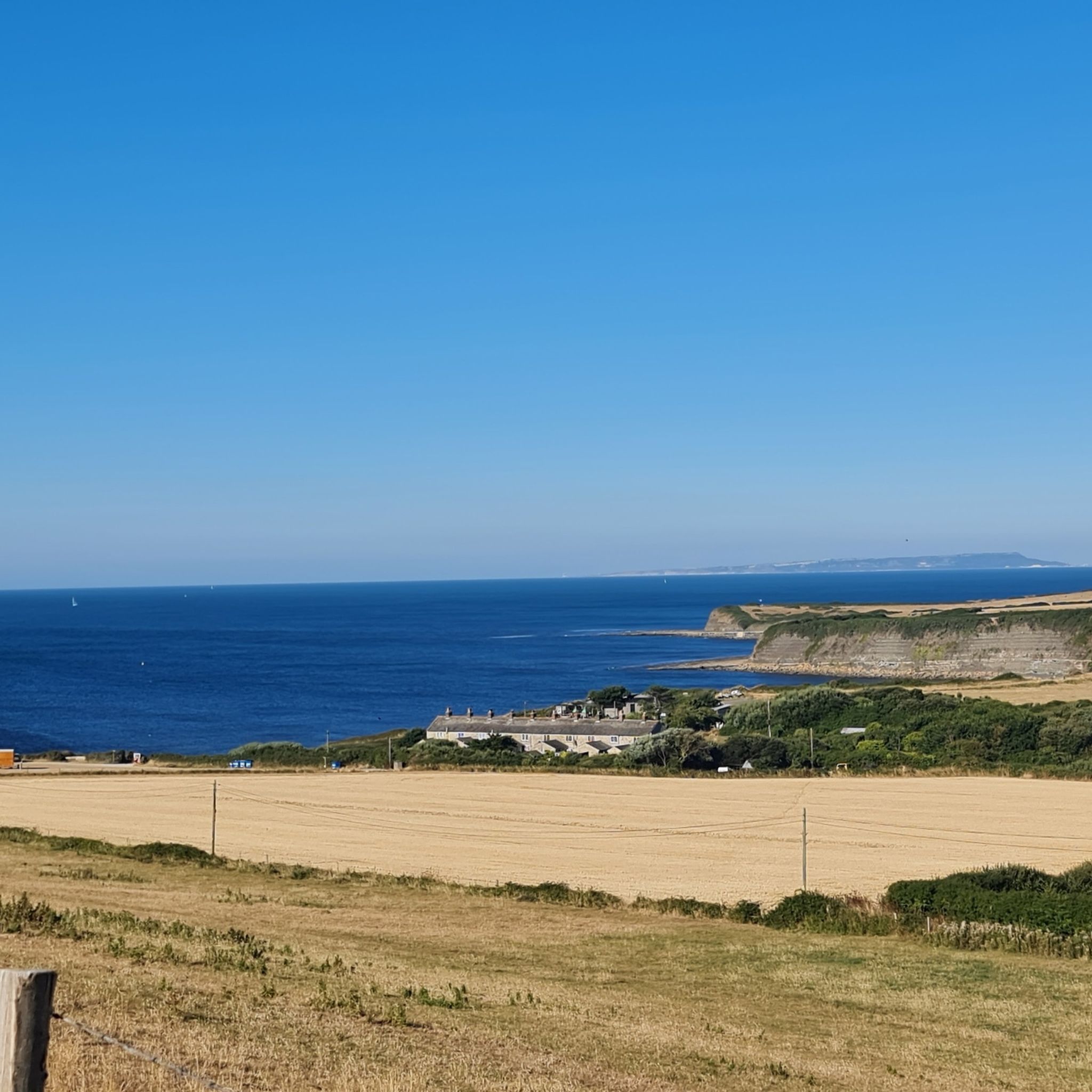
Hiking around Steeple With Tyneham
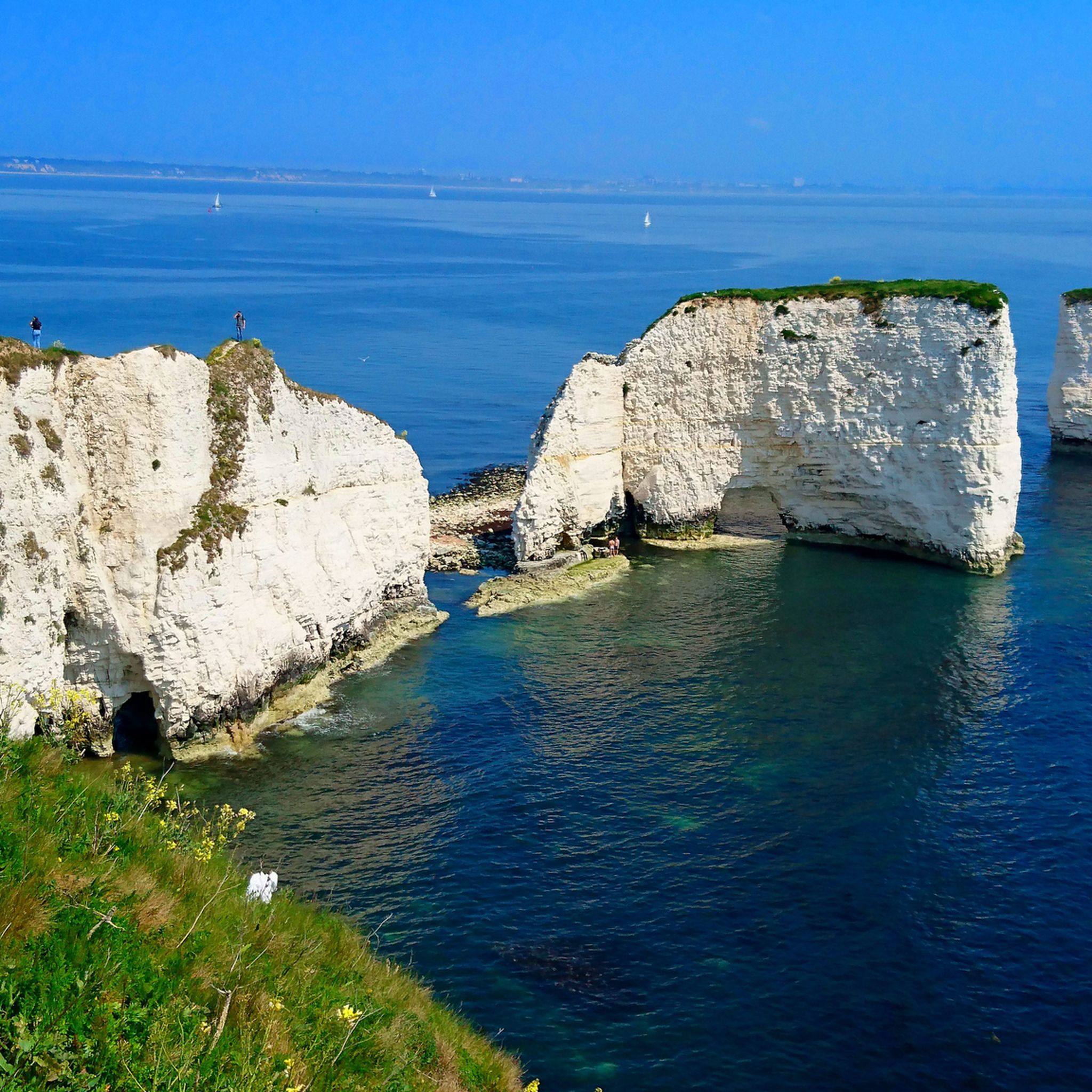
Hiking around Worth Matravers
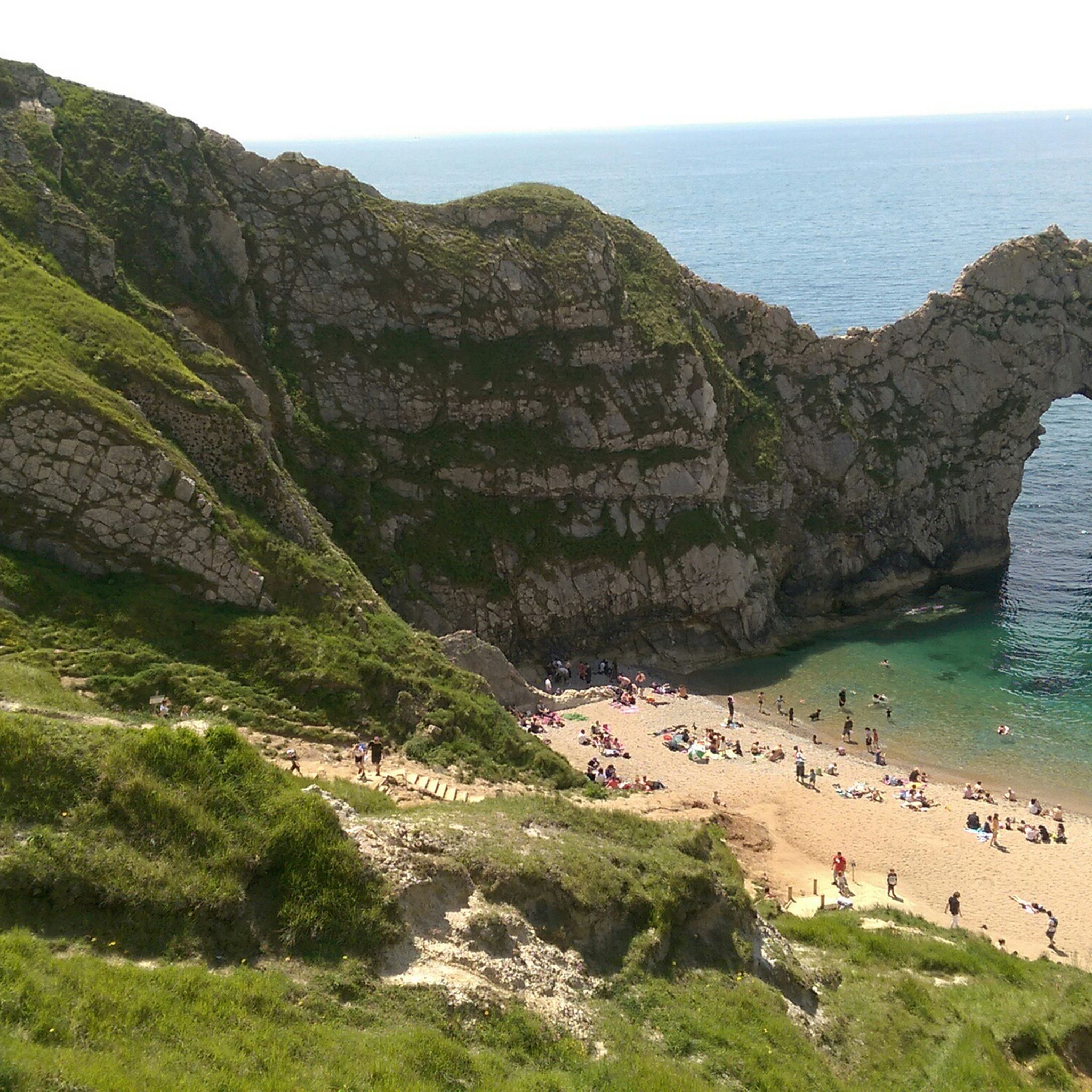
Hiking around Winfrith Newburgh
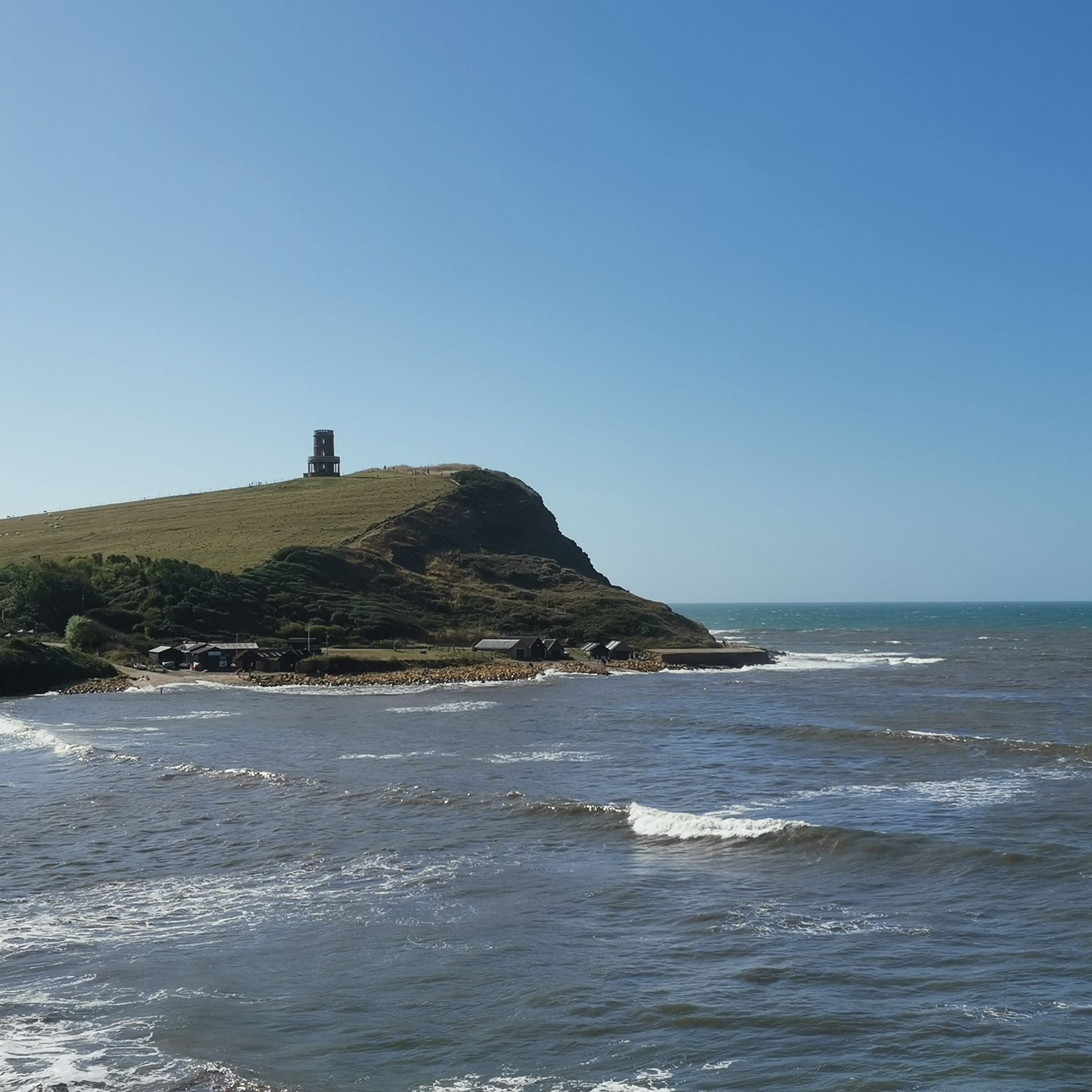
Hiking around Kimmeridge
Other adventures around Purbeck


Tips from the Community

Hambury Tout is the distinctive green hill between Lulworth Cove and Durdle Door on the Jurassic Coast in Dorset. With a height of around 134–138 m, it offers one of the most beautiful panoramic views in the region. On the summit, there are several prehistoric burial mounds (Barrows), which probably date back to the Bronze Age. One of the mounds was archaeologically investigated as early as the 18th century.
2
0
From the coastal path, there are beautiful views of Man O’ War Beach. The small bay, framed by cliffs, is located right next to Durdle Door and impresses with its clear water and striking rock formations. Particularly from the higher sections of the path, there are impressive panoramic views of the coastal landscape.
2
0
A short detour to Stair Hole is worthwhile. The bizarrely shaped rock blocks and the limestone formation eroded by the sea offer a fascinating insight into the forces of erosion. The viewpoints also offer beautiful photo opportunities of the rugged coast and the turquoise water.
2
0
The coastal path from Lulworth Cove to Durdle Door is one of the most beautiful sections of the Jurassic Coast. Again and again, impressive views of the sea, the white cliffs, and the spectacular coastal landscape open up. However, the path is not level: it goes uphill and downhill several times, so some fitness is required. The effort, however, is richly rewarded – with magnificent panoramic views of the picturesque bay of Lulworth Cove and the famous rock arch of Durdle Door. This way, every climb is quickly forgotten.
1
0

A great space for lunch and to explore for heading back up onto the coast path
0
0

The "Why" Behind the Hill Burt didn't just put it there because it looked nice. He dedicated it to his uncle and mentor, John Mowlem (another massive figure in Swanage history). But there was a practical side, too: A Landmark: It served as a waypoint for ships navigating the tricky waters around Old Harry Rocks. The View: Burt was obsessed with showing off the beauty of his hometown. By placing it on the ridge, he essentially gave people a reason to climb the hill and look down at the town he was helping to build. The Great Disappearing Act (WWII) If you look closely at the obelisk today, it looks remarkably "clean." That’s because the one you see now is a reconstruction. During World War II, the original stone obelisk was considered a "navigational hazard." The British military was worried that German pilots would use the tall, white stone pillar as a landmark to help them find their bearings for bombing raids on nearby Bournemouth or Poole. So, in 1941, they knocked it down. For decades, it lay in pieces in the grass. It wasn't until 1973 that the Encombe Estate and local residents gathered the resources to rebuild it (using a mix of the original stone and some fresh Purbeck masonry) to celebrate "Plant a Tree in '73"—though ironic, as there isn't a tree in sight on that windy ridge!
0
0
More Information
Exploring Purbeck’s phenomenal coastline
Purbeck has a lot of impressive landscape but perhaps none better than its coastline. As a peninsula, its coastal profile differs depending on where you find yourself. In the west, the best hiking trails Purbeck are found around Lulworth. The breathtaking natural limestone arch of Durdle Door can be found here as well as the picturesque Lulworth Cove and Man-O-War Bay.
As you travel east, the cliffs continue to provide epic views as you explore the beautiful coastal town of Swanage with its high switchback roads and pretty beach on the Purbeck Heritage Coast. Purbeck’s walks on this south eastern section often include a trip to see the Old Harry Rocks, chalk stacks that have been separated from the mainland by natural erosion.
The magic of Purbeck doesn’t end with Old Harry either as you continue around the coast to Poole Harbour. This natural, shallow estuary is only open to the English Channel via a narrow gap and the harbour contains little, unique islands. Hikes on Purbeck’s side of the harbour take you through low-lying nature reserves and marshlands fantastic for bird-watching.
Wildlife on the Isle of Purbeck
Aside from astounding hiking trails across the region, one reason why Purbeck is such a popular area for walkers is its abundant wildlife. Purbeck Heaths is a region of special importance lying alongside Poole Harbour. It’s a vital habitat for rare and protected species such as sand lizards and the southern damselfly. Osprey and merlin can be seen with a keen eye and Dartford warblers reside here all year round.
Sika deer are easy to spot on the Arne heathland next to Poole Harbour and seals play in the water around the Purbeck coastline. You might also come across slow worms and adders if you’re lucky and in summer you can hardly see the flowers for the butterflies.
Ancient history all around
Walks around Purbeck’s extraordinary geology are also littered with evidence of times gone by. Corfe Castle is a prime example. Built by William the Conqueror in the 11th century, the castle ruins are both imposing and beautiful.
Stone Age burial grounds can be found on Nine Barrow Down and an Iron age hill fort sits above Worbarrow Bay. The area has been inhabited since the Mesolithic era so wherever you walk, it’s safe to say you’ll be following in some fairly ancient footsteps.
Frequently Asked Questions
Are there many circular walks in the Purbeck area?
Yes, many trails in Purbeck are loops. A great example is the Chapmans Pool & St Aldhelm's Chapel loop from Worth Matravers. This moderate route takes you along the rugged coastline to a secluded cove before heading inland, offering a fantastic mix of coastal and countryside scenery.
What are the parking options for hikes around Purbeck?
Many popular trailheads, especially near towns like Swanage, Studland, and Lulworth, have pay-and-display car parks. Some larger sites are managed by the National Trust. For quieter routes, you might find limited free on-street parking in villages, but be sure to check for any local restrictions, especially during peak season.
Can I bring my dog on hikes in Purbeck?
Purbeck is generally very dog-friendly. However, you'll be walking through areas with livestock and sensitive wildlife, particularly in the Purbeck Heaths nature reserves. Always keep your dog on a lead where indicated by signs and be mindful of cliff edges along the coastal path.
Are there any easy, family-friendly walks in the region?
Absolutely. For a shorter, accessible walk with fantastic views, consider the trail through Durlston Country Park and National Nature Reserve near Swanage. The paths are well-maintained, and the visitor centre at Durlston Castle is a great stop for families.
How difficult are the coastal paths in Purbeck?
The difficulty varies. Some sections, like the walk to Old Harry Rocks from Studland, are relatively flat and easy. However, much of the South West Coast Path in this area involves steep climbs and descents, such as the trail between Lulworth Cove and Durdle Door. Always check the elevation profile of a route before you set out.
What historical or geological sites can I see while hiking?
The region is rich in history and geology. You can walk trails that offer views of the iconic ruins of Corfe Castle, see the famous chalk stacks of Old Harry Rocks, and explore former quarrying sites like Winspit Quarry. The entire coastline is part of the Jurassic Coast UNESCO World Heritage Site, known for its fossils and dramatic cliffs.
Is there a good hike that combines views of Corfe Castle with the coast?
Yes, the Kimmeridge Bay and Clavell Tower loop from Kingston is an excellent choice. It starts from a village with classic views towards Corfe Castle and takes you down to the fossil-rich shores of Kimmeridge Bay, combining historical landscapes with dramatic coastal scenery.
Can I get to the trails using public transport?
Yes, it's possible to reach many trails without a car. The Purbeck Breezer bus routes connect Bournemouth and Poole with key towns like Swanage, Corfe Castle, and Wareham, with stops near popular trailheads. This is a great way to do linear walks along the coast.
When is the best time of year to hike in Purbeck?
Late spring and summer offer the best weather, with warmer temperatures and longer daylight hours for hiking. Autumn is also beautiful, with fewer crowds and rich colours across the heathlands. Winter can be dramatic and bracing, but be prepared for muddy paths and check weather conditions, especially on exposed coastal routes.
Is wild camping permitted in the Isle of Purbeck?
No, wild camping is generally not permitted in the Isle of Purbeck, as most of the land is privately owned or part of protected nature reserves. It is best to use official campsites in the area to avoid trespassing and to protect the sensitive local environment.
What do other hikers enjoy most about the trails in Purbeck?
The area is highly rated by the komoot community, with an average score of 4.6 stars. Reviewers frequently praise the stunning and dramatic views along the Jurassic Coast, the variety of walks available, and the mix of iconic landmarks like Durdle Door with charming villages and pubs.
How many hiking trails are available around Purbeck?
There are over 650 hiking routes to explore around Purbeck on komoot. They range from easy, short strolls of just a few miles to challenging all-day treks along the coast and through the hills, so there's a trail for every fitness level.
Most popular routes around Purbeck
Most popular attractions around Purbeck

Get inspired with the komoot mobile app


Didn’t find what you were looking for?
Check out more Hikes throughout Purbeck below and find the perfect route in your destination.
Explore more
Browse the best Hikes in other regions.
