Attractions and Places To See around Kortrijk - Top 20
Best attractions and places to see around Kortrijk include a blend of historical landmarks, cultural sites, and natural features. The city, situated in the Flemish province of West Flanders, Belgium, is characterized by its medieval heritage and the presence of the Leie River. Visitors can explore a diverse landscape that combines urban history with accessible green spaces and waterways. The region offers opportunities to engage with local history and enjoy outdoor activities along its rivers and in its parks.
Best attractions and places to see around Kortrijk
- The most popular attractions is Broel Towers, a man-made monument that are iconic symbols of Kortrijk. These two medieval towers once controlled traffic on the River Lys and were part of the city's medieval fortifications.
- Another must-see spot is Tiegemberg Ascent via Back Side, a climb that offers views over the surrounding landscape. This climb is known for its moderate incline and passage through orchards and meadows.
- Visitors also love Scheldt River Path at Outrijve, a cycle way that follows the Scheldt River. This path provides a developed route along the river, suitable for cycling and offering views of the water.
- Kortrijk is known for its historical sites, natural parks, and extensive canal systems. The area provides a variety of attractions, from medieval architecture to modern green spaces and waterways for exploration.
- The attractions around Kortrijk are appreciated by the komoot community, with more than 320 upvotes and 70 photos shared across over 530 highlights.
Last updated: October 10, 2026
IJzerweg Bridge
Highlight • Bridge
Where the bicycle bridge over the Scheldt is today, the Kortrijk-Ronse railway line connected both banks. Therefore it was obvious to name the bridge "IJzerwegbrug".
Translated by Google •
Tip by

College Bridge
Highlight • Bridge
Our tip: Budo Beach - who needs Bali or the Bahamas anymore?
Translated by Google •
Tip by
Sign up now to discover places like this
Get recommendations on the best single tracks, peaks, & plenty of other exciting outdoor places.
Sint-Pietersbrugje
Highlight • Bridge
Translated by Google •
Tip by

Tiegemberg Ascent via Back Side
Highlight (Segment) • Climb
Translated by Google •
Tip by

Scheldt River Path at Outrijve
Highlight (Segment) • Cycleway
The Scheldt can be divided into three zones. From its source to the tidal lock of Merelbeke, near Ghent, it is called the Upper Scheldt.
In several places the Upper Scheldt forms the border between Wallonia and Flanders. Over the centuries, weirs and locks were built to improve the navigability of the Upper Scheldt. On the banks of the Upper Scheldt you will discover the typical lakes, industrial areas and many cut-off Scheldt arms. Despite all the adjustments, the Scheldt Valley has still retained much of its original character.
Translated by Google •
Tip by

Espierres Canal
Highlight (Segment) • River
Translated by Google •
Tip by

Kortrijk–Bossuit Canal
Highlight • River
(Wikipedia)
Showing Translation
Tip by

Broel Towers
Highlight • Monument
Here you can sit comfortably on one of the terraces and people watch or you can get a coffee to go and sit comfortably on the quay with a view of the beautiful Broeltorens, some of the few remains of the old city fortifications.
Translated by Google •
Tip by
Orveyt Forest
Highlight • Forest
Translated by Google •
Tip by

Harelbeke Windmill
Highlight • Monument
The Province of West Flanders purchased it in 1978 for the symbolic sum of one franc with the aim of restoring it and transferring it to the De Gavers Provincial Estate. It was fully restored according to the building plan of the old Koutermolen. The restored Koutermolen was inaugurated on September 19, 1987. Thirty years later, a thorough renovation of the outer shell was again necessary.
The mill was fully restored in 2021. The mill was officially opened in April 2022 and stands proudly on its 7-meter-high mound, a guardian of the estate.
Source: westvlaanderen.be
Translated by Google •
Tip by

Sign up for free to discover even more attractions around Kortrijk.
Already have an account?
Start today with a free account
Your next adventure awaits.
Popular around Kortrijk
Trappist abbeys cycle route – Between beers and heritage
The Hilly Route from Brussels to Poperinge – bikepacking in Flanders
Seven-day Cycling tour through the South-Flemish hills – Hilly Route
Three days of pure cycling pleasure from Spiere to Zandvliet – Schelderoute
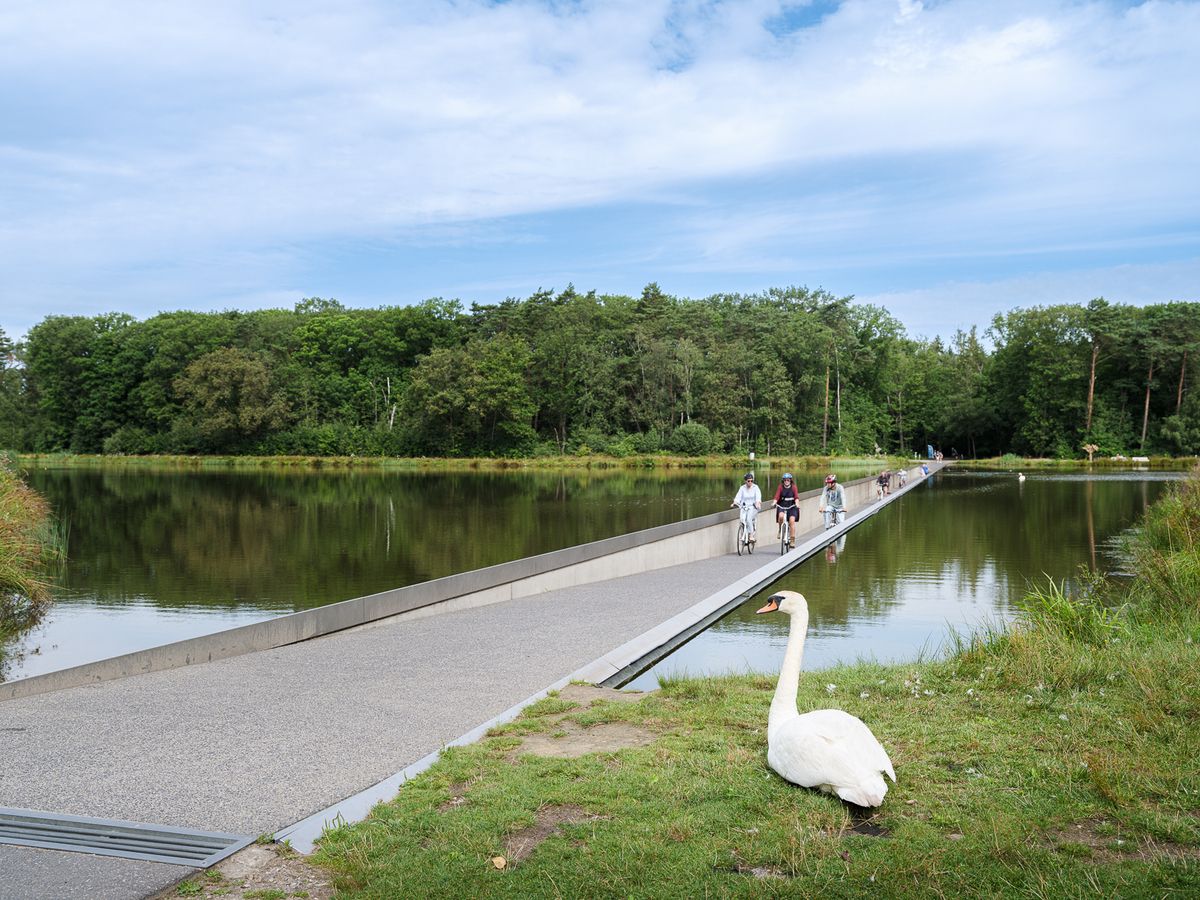
Flanders' Finest Cycle Routes: routes to discover Flemish nature and heritage
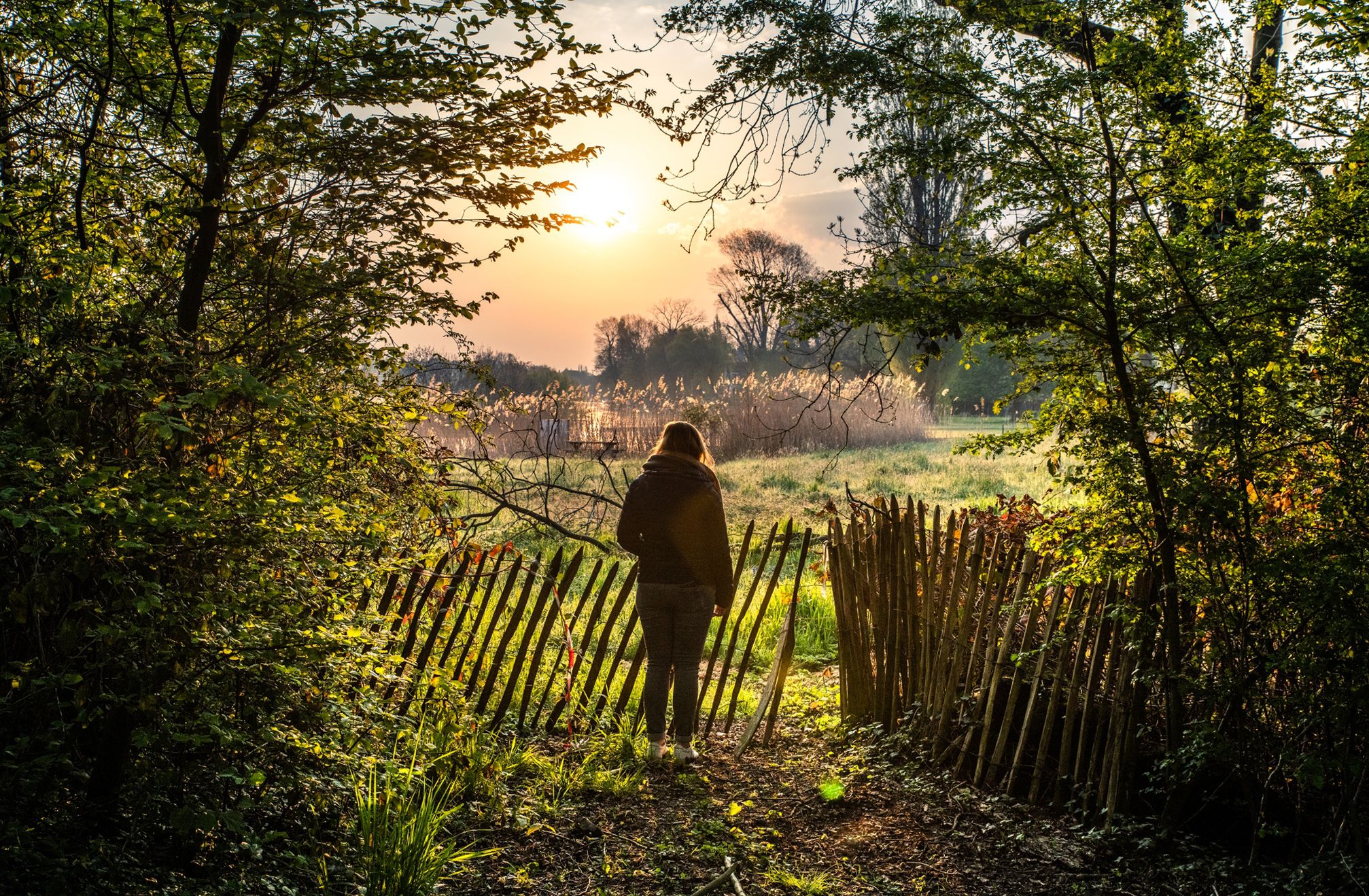
Waterside walks in Flanders
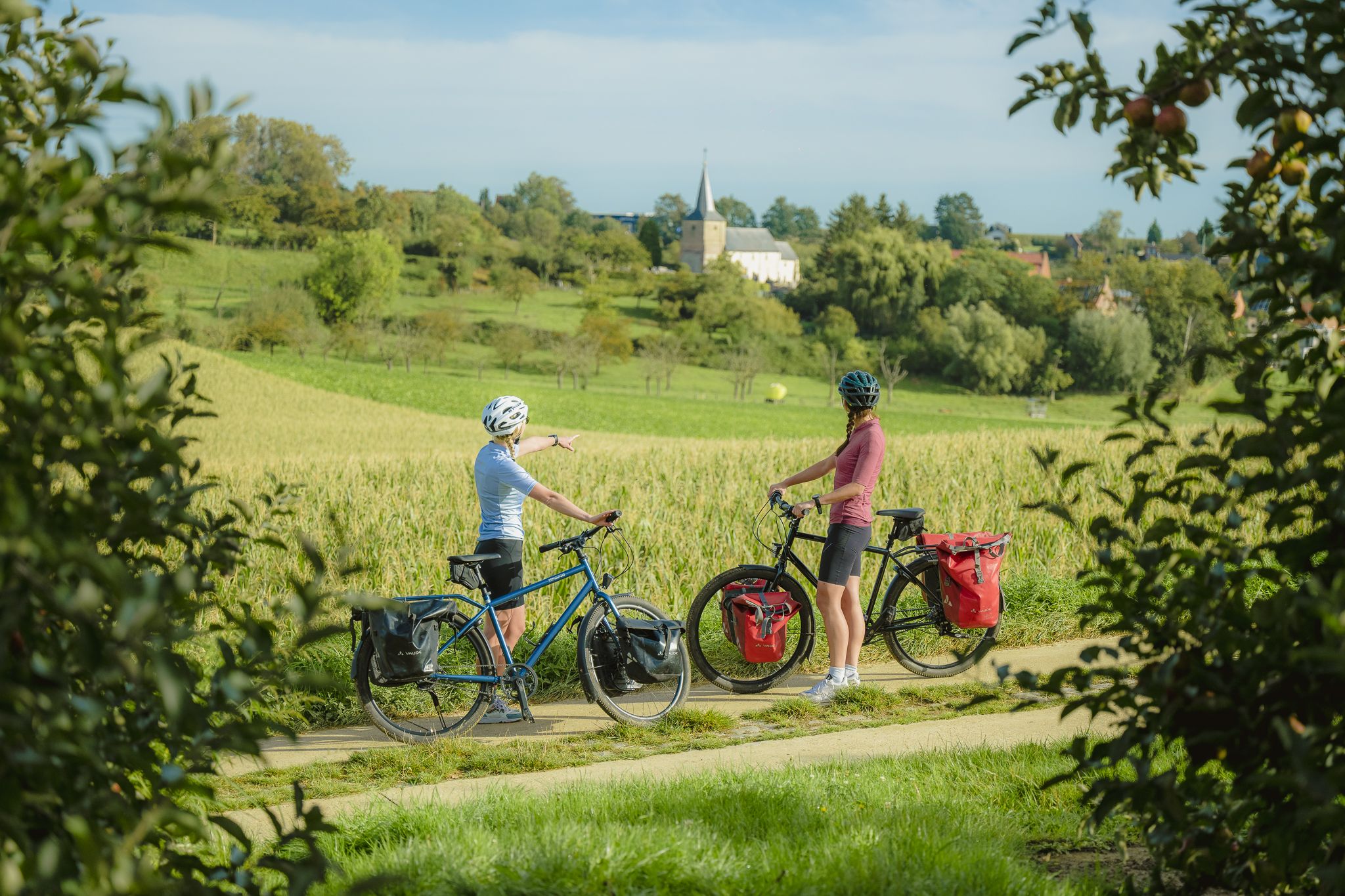
The best of Flanders — the Flanders Route
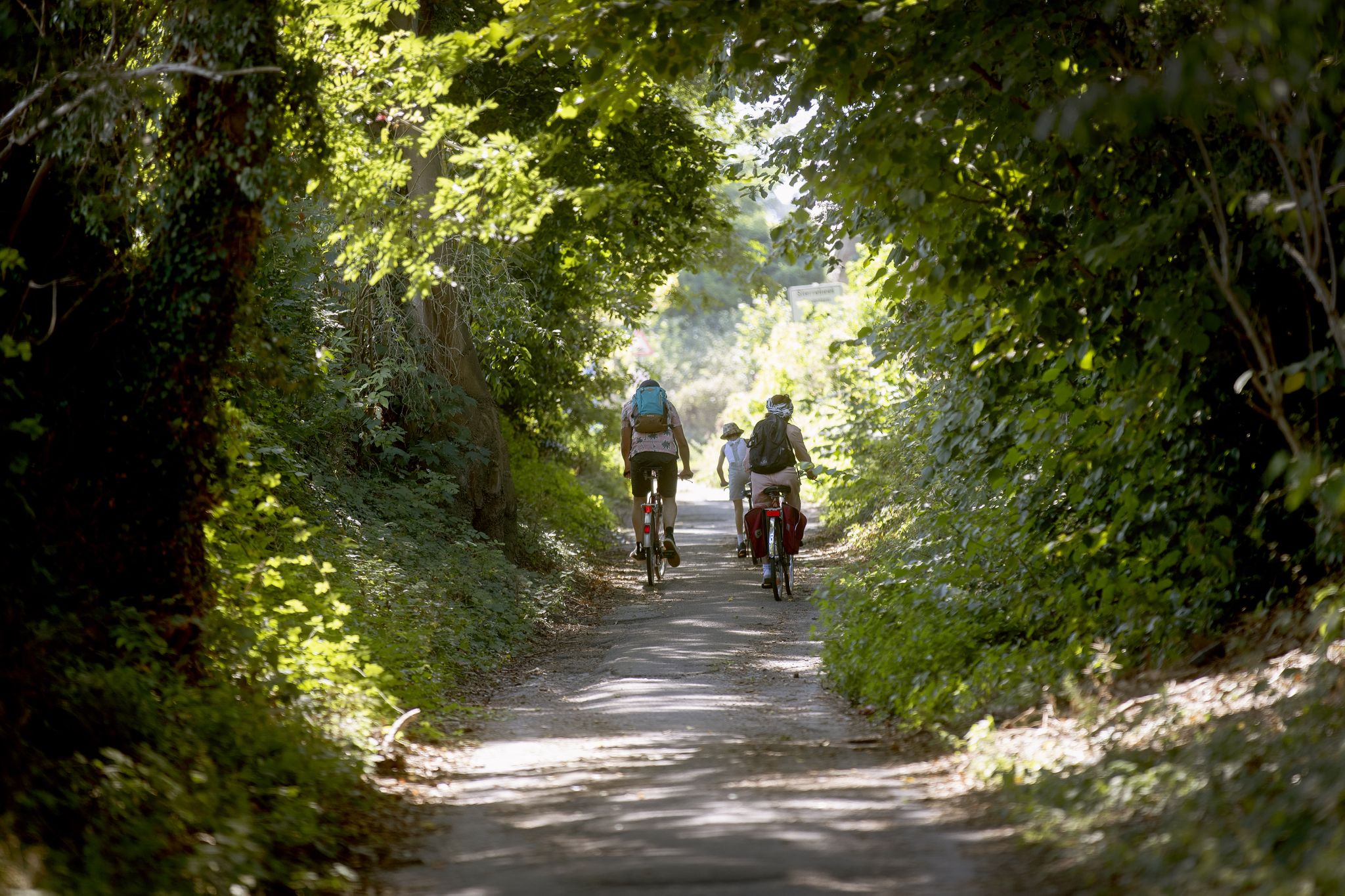
Flanders by bike: Cycling through nature
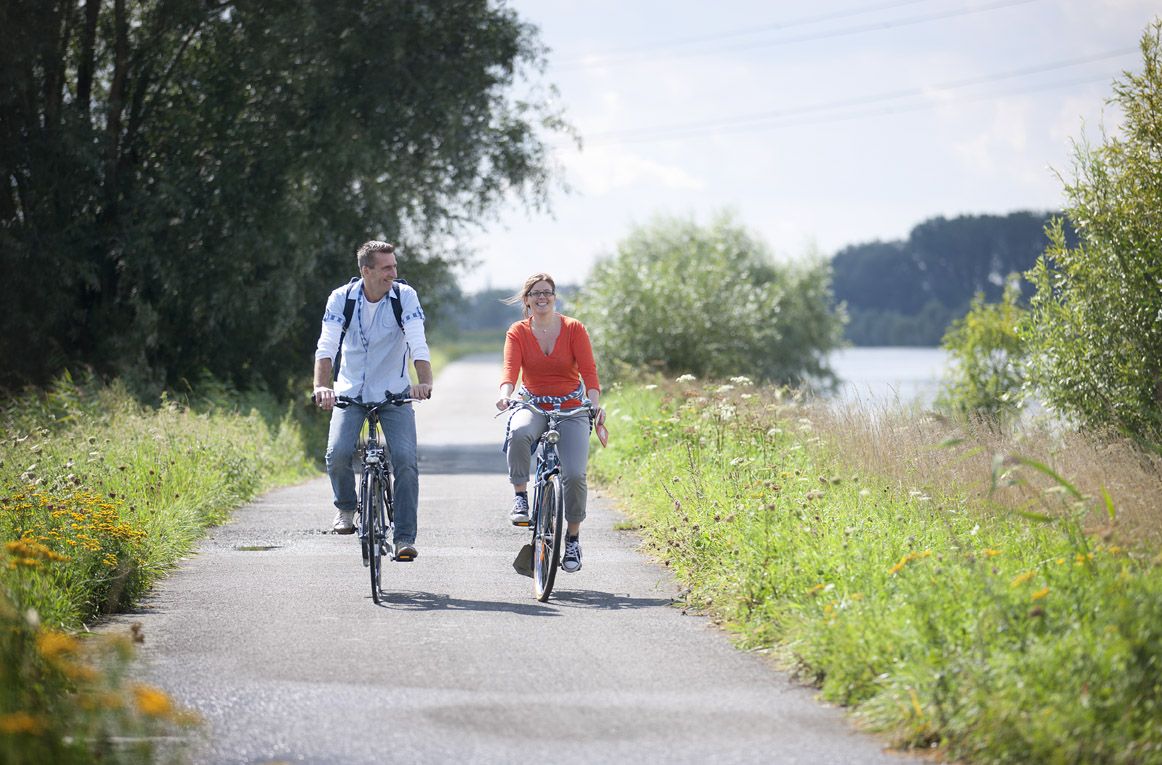
Flanders by bike: cycling along the water
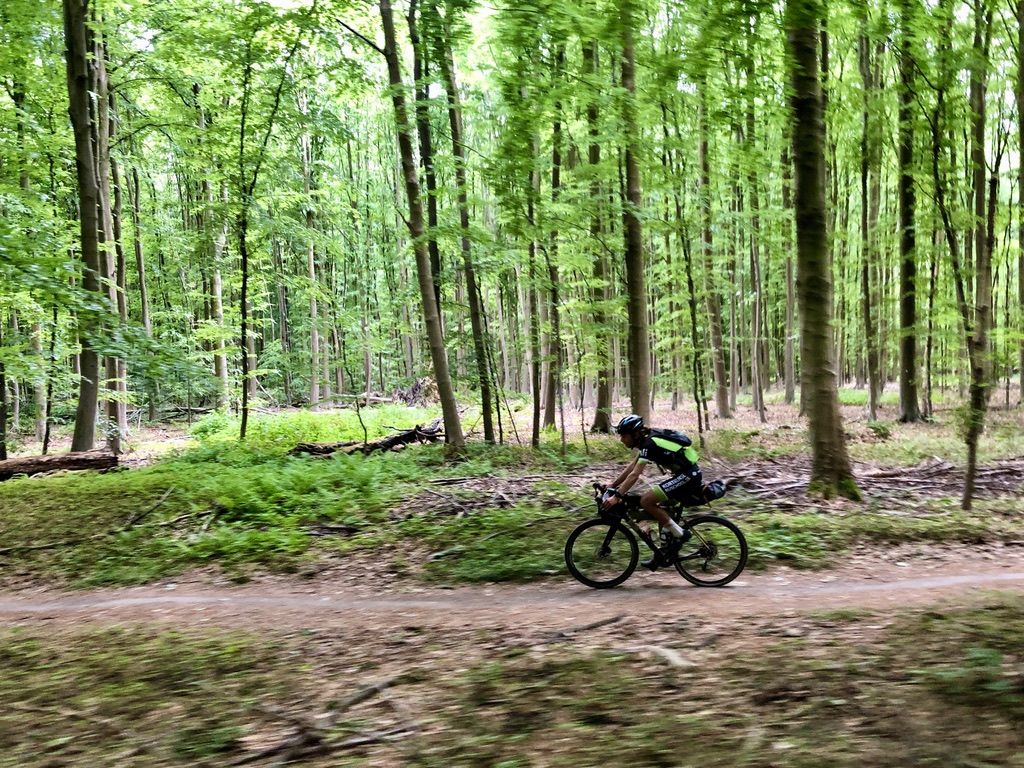
Transbelgica – Crossing Belgium on the language border
Other adventures around Kortrijk


Tips from the Community

quiet and beautiful surroundings
0
0

Smooth tarmac, but be carefull as nothing will stop you to fall into the canal, particularly for new skateboarders. One part of the track is halas closed for some months now.
0
0

Due to a breach in the wall near Ellestraat (approximately halfway along the canal), the canal completely emptied in 1959. The damage was later linked to the digging work of muskrats. (Wikipedia)
7
0
A practical and smooth connection for cyclists and pedestrians between Flanders and Wallonia.
6
0

Between 1857 and 1860, the old Bossuit-Kortrijk canal was dug using spades and wheelbarrows, as well as horse and cart. After the construction of the new canal in the early 1970s, this old section of the canal remained in place. As a result, an ideal spawning ground was created here. Fish find few suitable opportunities to spawn and lay their eggs. They do this on aquatic and riparian plants, which are present in limited numbers in the canal. Species such as rudd and pike require plants to complete their reproduction. The creation of fish spawning grounds gives the fish population a "natural" boost. However, it is not only fish that benefit from this nature development zone. Dragonflies, amphibians, waterfowl, and breeding birds also find an ideal habitat there. Source: information board on site
4
0
The Kortrijk-Bossuit Canal was built between 1858 and 1860 to connect the Leie and Scheldt rivers, primarily to transport coal from the Borinage to Flanders.
4
0
The Sint-Pietersbrugje dates back to 1892. In 2019-2020, it underwent a very thorough restoration, during which it had to be dismantled and taken to the workshop, where it was carefully cleaned and sandblasted. Furthermore, some parts were replaced and manually riveted. The entire structure incorporates no fewer than 1,000 rivets. Finally, the bridge also received a protective coat of paint in striking Brunswick green, the original colour of the bridge. Source: vlaamsewaterweg.be
3
0
This forest was created in the late 1980s on a former clay dump. Over the past 40 years, the approximately 30-hectare area has grown into a natural gem. Together with the Vaarttaluds (a little further towards Bossuit) and the Oude Spoorweg (a little further towards Kortrijk), it forms a beautiful walking area.
3
0
Frequently Asked Questions
What historical landmarks can I explore in Kortrijk?
Kortrijk is rich in history. You can visit the iconic Broel Towers, which once controlled traffic on the River Lys. Other significant sites include the UNESCO World Heritage listed Belfry of Kortrijk, the impressive Kortrijk City Hall on the Grote Markt, and the Groeninge Monument commemorating the Battle of the Golden Spurs. The Saint Elisabeth Béguinage, also a UNESCO site, offers a peaceful glimpse into a unique historical community.
Are there any UNESCO World Heritage sites in Kortrijk?
Yes, Kortrijk is home to two UNESCO World Heritage sites. The Belfry of Kortrijk, located in the Grote Markt, is a medieval bell tower with a rich history. Additionally, the Saint Elisabeth Béguinage, founded in 1238, is a tranquil complex of whitewashed houses offering insight into a unique historical community.
Where can I learn about Kortrijk's textile history?
To delve into Kortrijk's textile heritage, visit the Texture Museum. This modern museum explores the significant history of flax and linen production in the region, highlighting its economic and cultural importance.
What natural attractions are there in and around Kortrijk?
Kortrijk offers several natural attractions. The Leie River flows through the city, with lowered banks near the Broel Towers perfect for strolls. You can also enjoy the serene Astridpark, the spacious Koning Albertpark along the Leie, or the Orveyt Forest, a beautiful walking area created on a former clay dump.
Are there opportunities for cycling along waterways in Kortrijk?
Absolutely. You can cycle along the Scheldt River Path at Outrijve, a well-developed route offering scenic views. Other options include cycling along the Espierres Canal and the Kortrijk–Bossuit Canal, both known for their pleasant surroundings and dedicated cycle paths. For more cycling routes, explore the Cycling around Kortrijk guide.
Where can I find hiking trails near Kortrijk?
Kortrijk and its surroundings offer various hiking opportunities. You can find trails along the Leie River and in local parks. For specific routes, check out the Hiking around Kortrijk guide, which includes routes like the 'Broel Towers – Groeninge Gate loop from Kortrijk' and trails near Zwevegem.
Are there any good viewpoints in the Kortrijk area?
Yes, for panoramic views, consider the Tiegemberg Ascent via Back Side, which offers views over orchards and meadows. The Our Lady of the Tonte Chapel is also situated at the highest point in Kooigem, providing distant views. Additionally, Saint Arnoldus Park offers viewpoints within its natural setting.
What family-friendly activities are available in Kortrijk?
Kortrijk offers several family-friendly options. Astridpark features a playground for children, and many of the canal paths, like the Scheldt River Path at Outrijve and Espierres Canal, are suitable for family walks or bike rides. The Orveyt Forest is also a great spot for a family outing.
What cultural experiences does Buda Island offer?
Buda Island, nestled between two arms of the Leie River, is a vibrant cultural hub. It features an art center, various innovative shops, cafes, and bars. During summer, you can also enjoy Buda Beach, a popular summer bar, making it a lively spot for cultural and social experiences.
What is the best time to visit Kortrijk attractions?
The best time to visit Kortrijk depends on your interests. Spring (especially May) is popular for the Tonte Chapel pilgrimage and the blooming International Rose Garden at Kasteelpark 't Hooge. Summer offers the lively Buda Beach and pleasant weather for exploring parks and riverbanks. The city's historical sites and museums are accessible year-round.
Are there any wheelchair-accessible places to visit in Kortrijk?
Yes, several attractions in Kortrijk are wheelchair accessible. The IJzerweg Bridge and College Bridge are accessible. You can also enjoy the Scheldt River Path at Outrijve and the Kortrijk–Bossuit Canal, which feature developed paths suitable for wheelchairs.
What unique churches can I visit in Kortrijk?
Kortrijk boasts several historically significant churches. The Church of Our Lady, a 14th-century church, houses important artworks like 'The Erection of the Cross' by Anthony Van Dyck and the Chapel of the Counts. Saint Martin's Church, dating back to the 12th century, showcases a blend of Gothic and Romanesque styles and features Kortrijk's first 19th-century carillon.
Most popular routes around Kortrijk
Most popular attractions around Kortrijk

Get inspired with the komoot mobile app


Didn’t find what you were looking for?
Are you keen on exploring more awesome places nearby? Browse our guides:
Explore more
Still not found the Highlight you’re looking for? See guides of the top attractions in other regions:
