Attractions and Places To See around Sint-Niklaas - Top 20
Attractions and places to see around Sint-Niklaas, a city in the East Flanders province of Belgium, offer a diverse range of experiences. The region features historical landmarks, cultural institutions, and expansive natural spaces. Visitors can explore the Waasland region, known for its flat landscapes ideal for cycling and walking routes. Sint-Niklaas provides a blend of historical depth, cultural sites, and natural escapes.
Best attractions and places to see around Sint-Niklaas
- The most popular attractions is Polders of Kruibeke, an…
Last updated: August 16, 2026
Polders of Kruibeke
Highlight • Natural
Translated by Google •
Tip by

Mira Bridge
Highlight • Bridge
(Waasland.be)
Translated by Google •
Tip by

Sign up now to discover places like this
Get recommendations on the best single tracks, peaks, & plenty of other exciting outdoor places.
Sign up for free
Heather Stropersbos
Highlight • Natural
Translated by Google •
Tip by
Stekense Canal
Highlight • River
Translated by Google •
Tip by
Ferry Basel - Hemiksem
Highlight • Rest Area
Open every day from 5 a.m. to 11 p.m. (Saturdays, Sundays and legal holidays until 10:45 p.m.).
Exception: the …
Translated by Google •
Tip by

Spanish Line in Stropersbos
Highlight • Historical Site
Translated by Google •
Tip by
Fort Steendorp
Highlight • Historical Site
Translated by Google •
Tip by
Spletteren Bridge over the Moervaart
Highlight • Bridge
Translated by Google •
Tip by

Graventoren - Rupelmonde
Highlight • Monument
Translated by Google •
Tip by
Wissekerke Castle
Highlight • Castle
Translated by Google •
Tip by
Sign up for free to discover even more attractions around Sint-Niklaas.
Sign up for free
Already have an account?
Start today with a free account
Your next adventure awaits.
Login or Signup
Popular around Sint-Niklaas
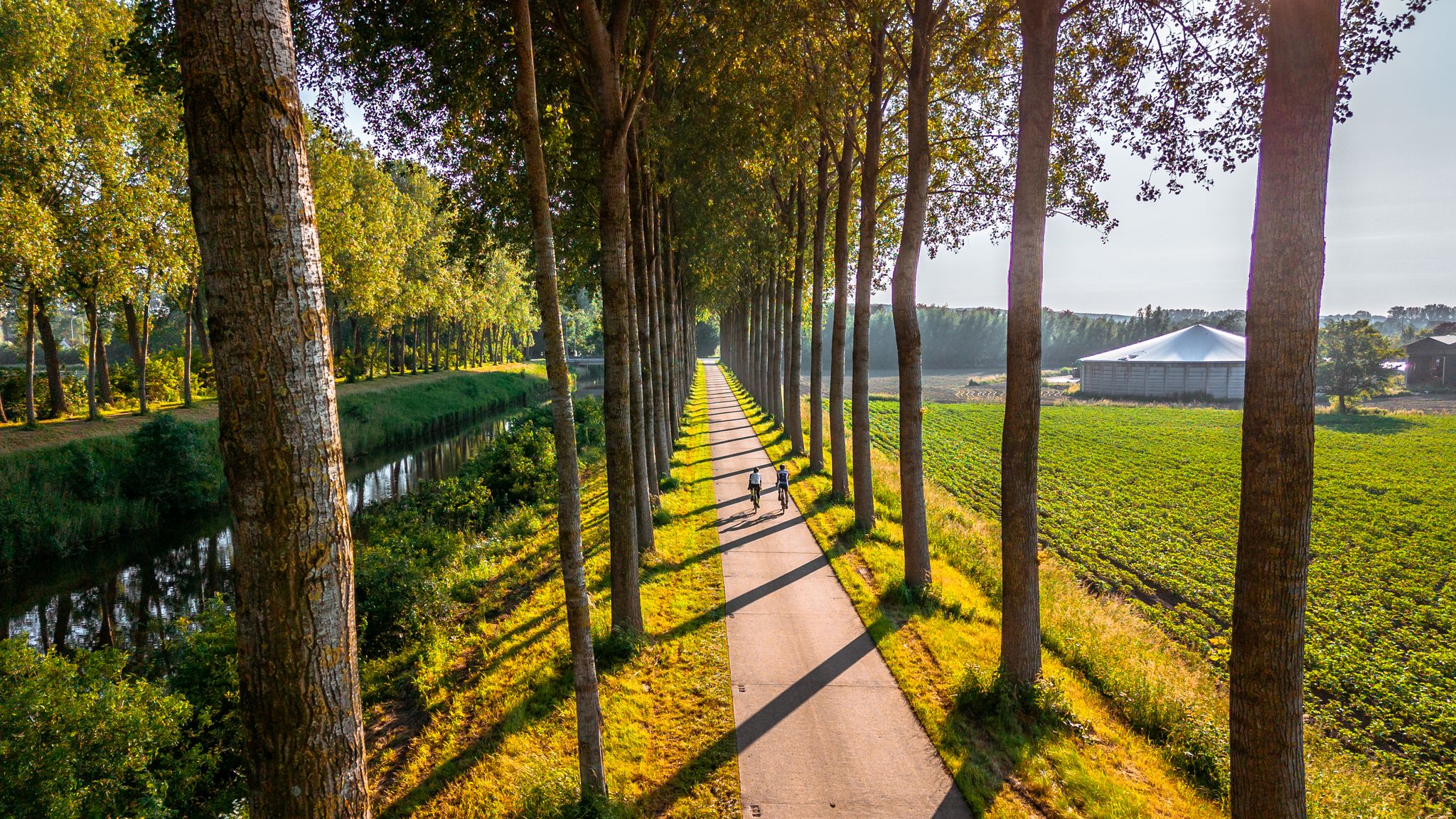
The six most beautiful cycling routes in East Flanders
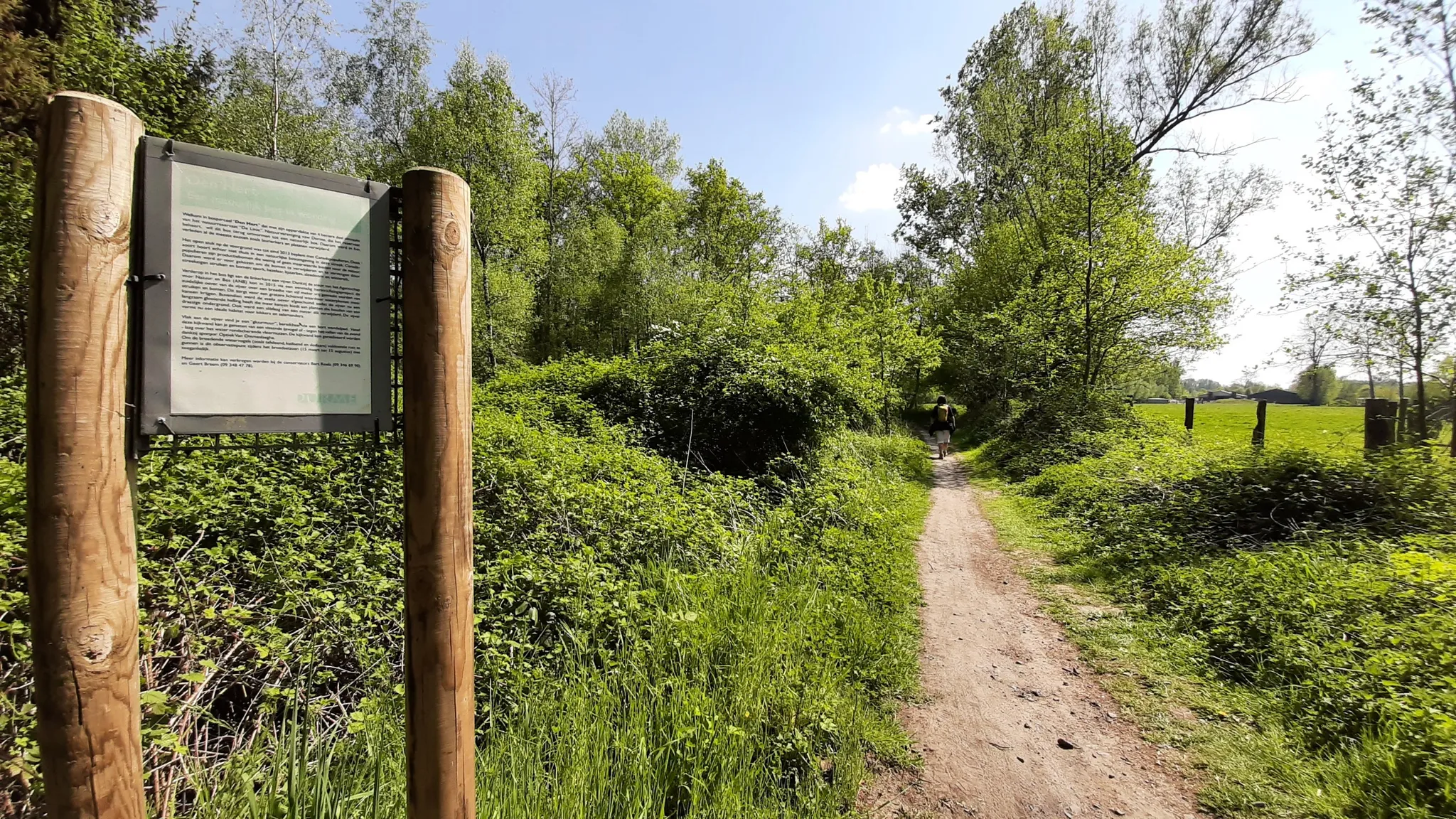
In the footsteps of den vos Reynaerde – Streek-GR Waas- en Reynaertland
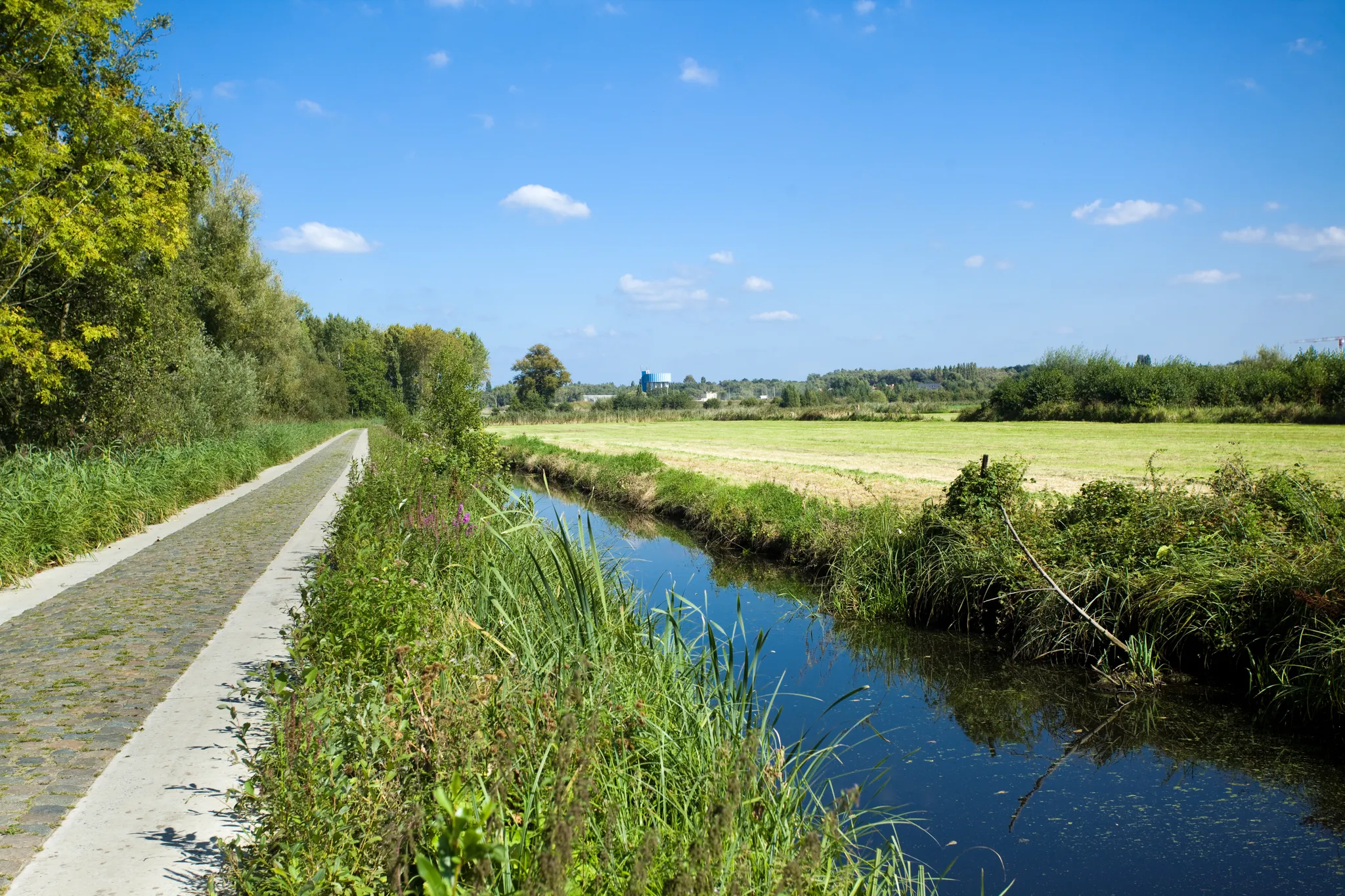
Two days Cycling in the border region – Between de Schelde and Zeeland
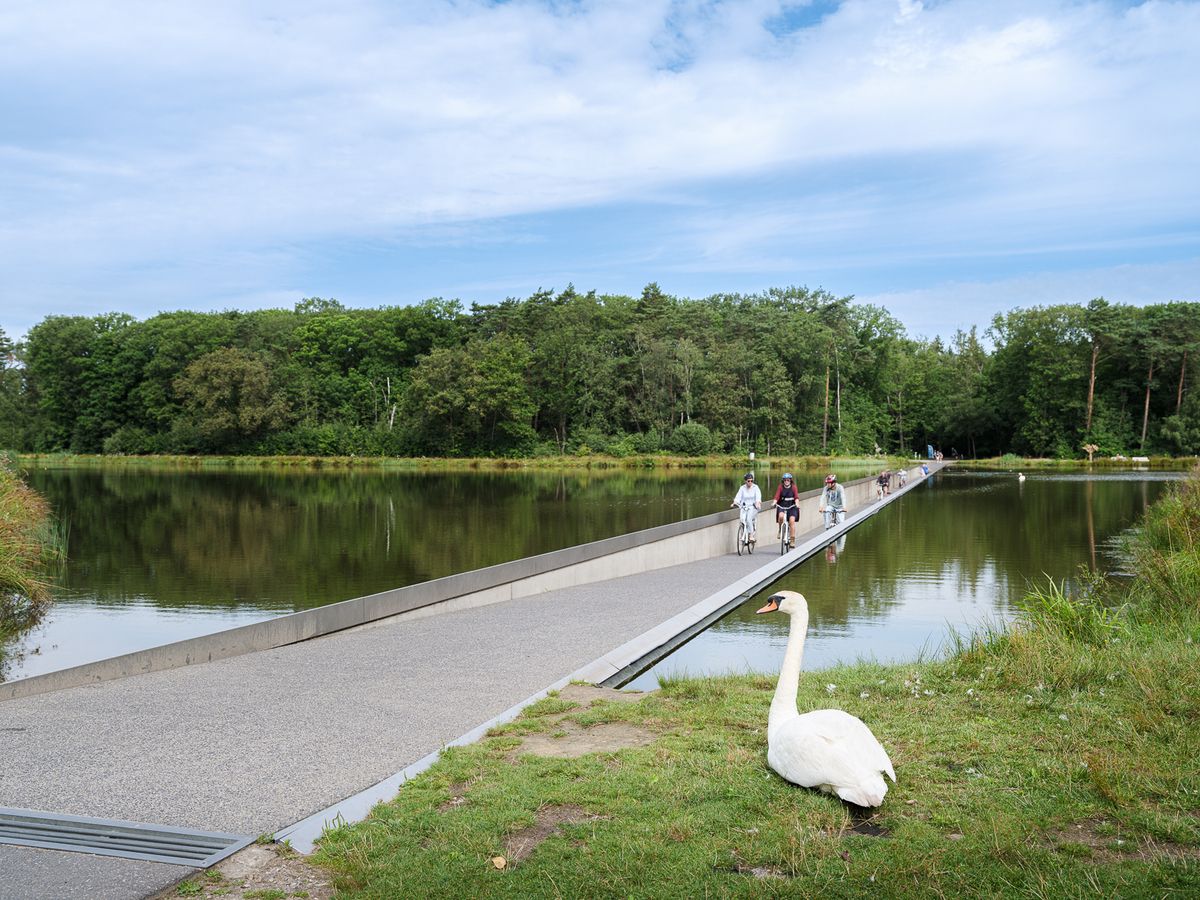
Flanders' Finest Cycle Routes: routes to discover Flemish nature and heritage
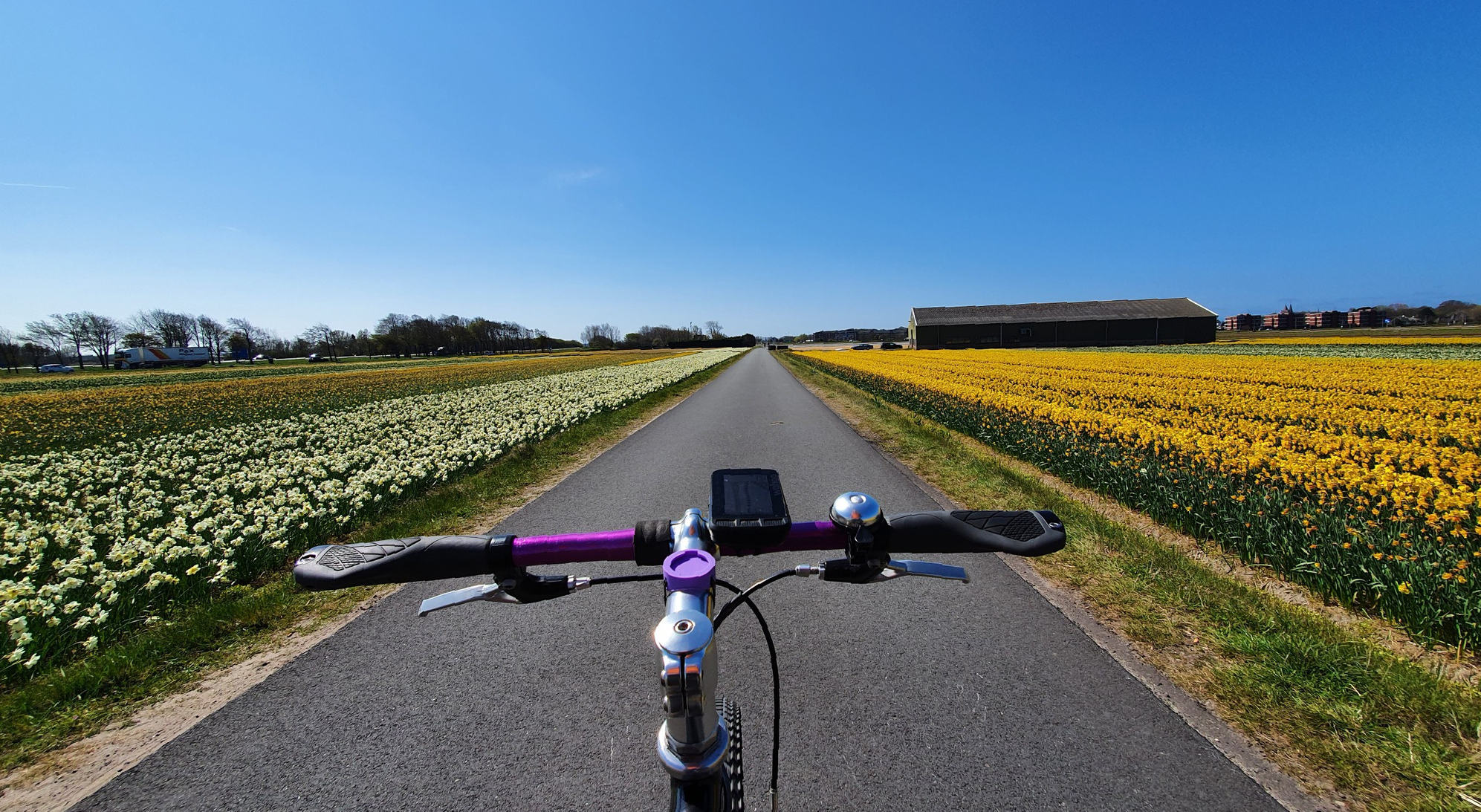
Cycling among flowers – unknown tulip routes in the Netherlands
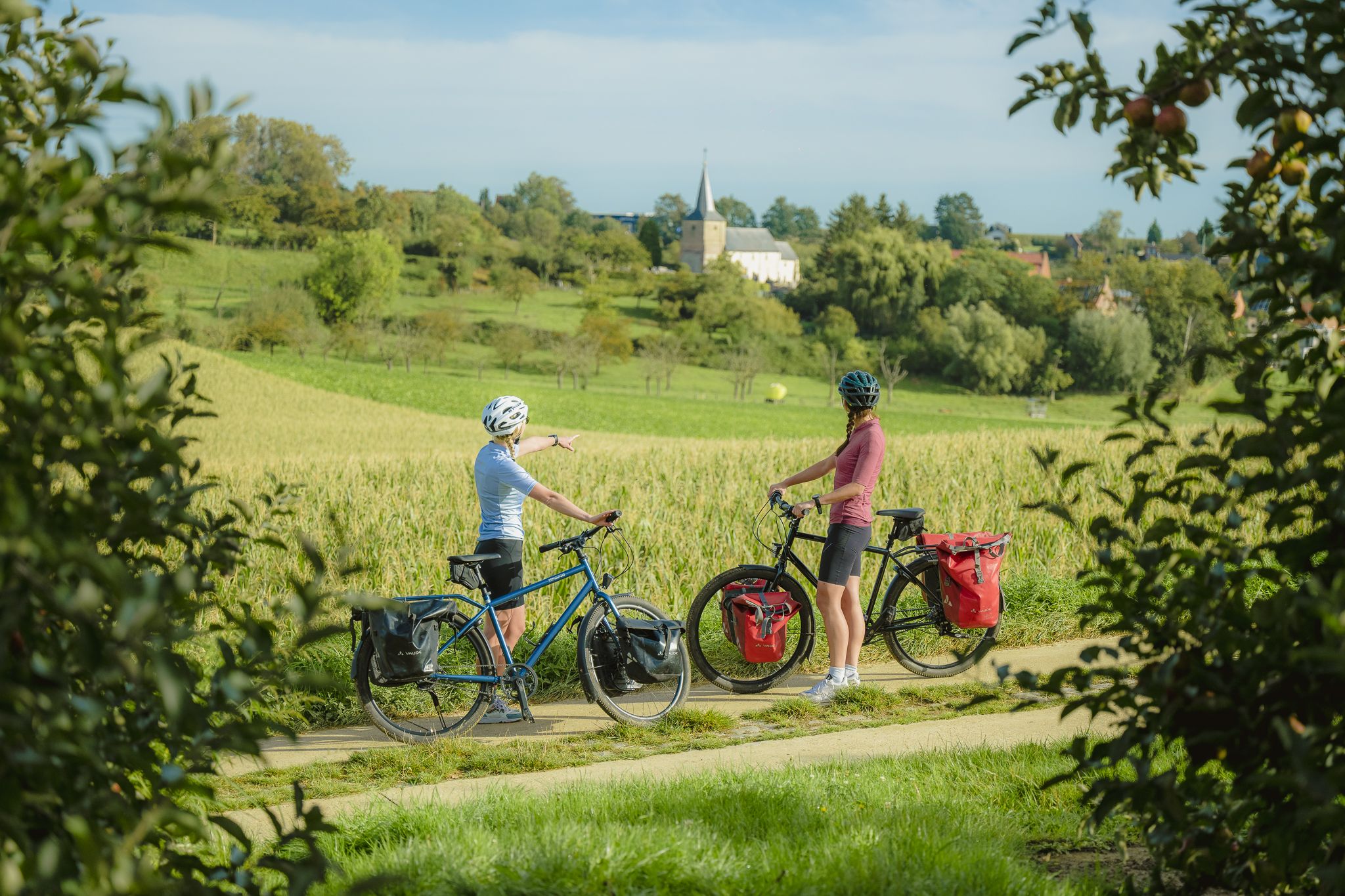
The best of Flanders — the Flanders Route
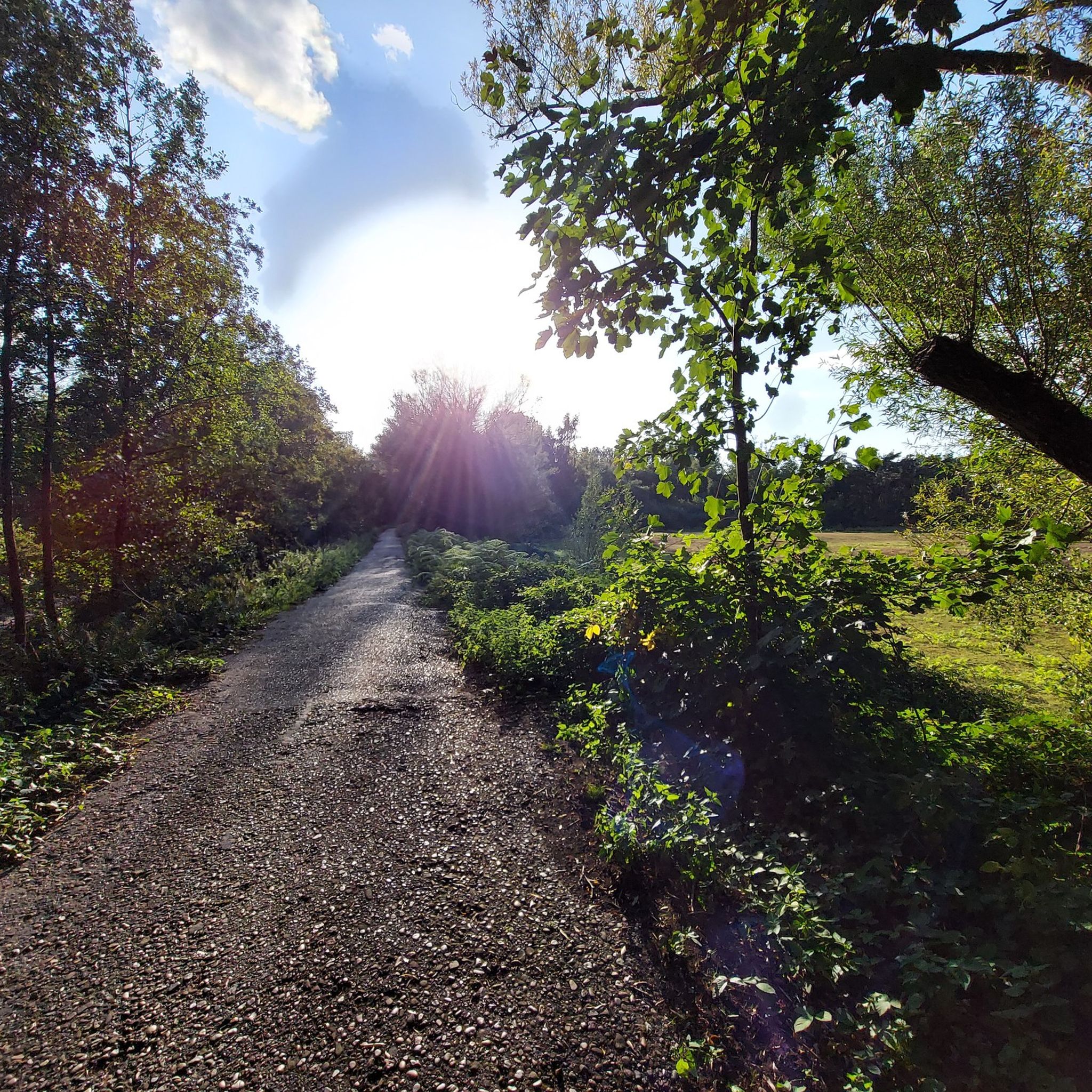
Hiking around Sint-Niklaas
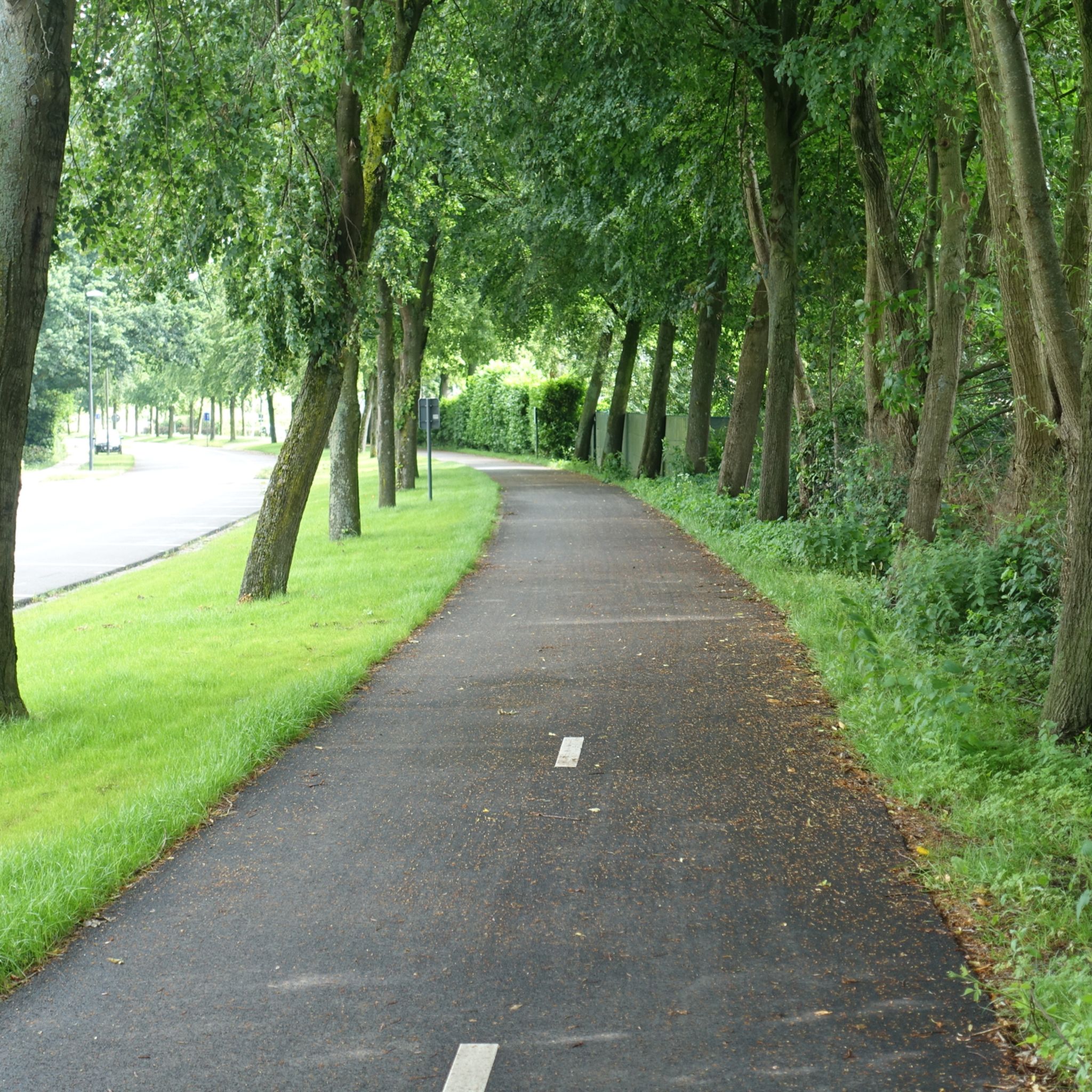
Cycling around Sint-Niklaas
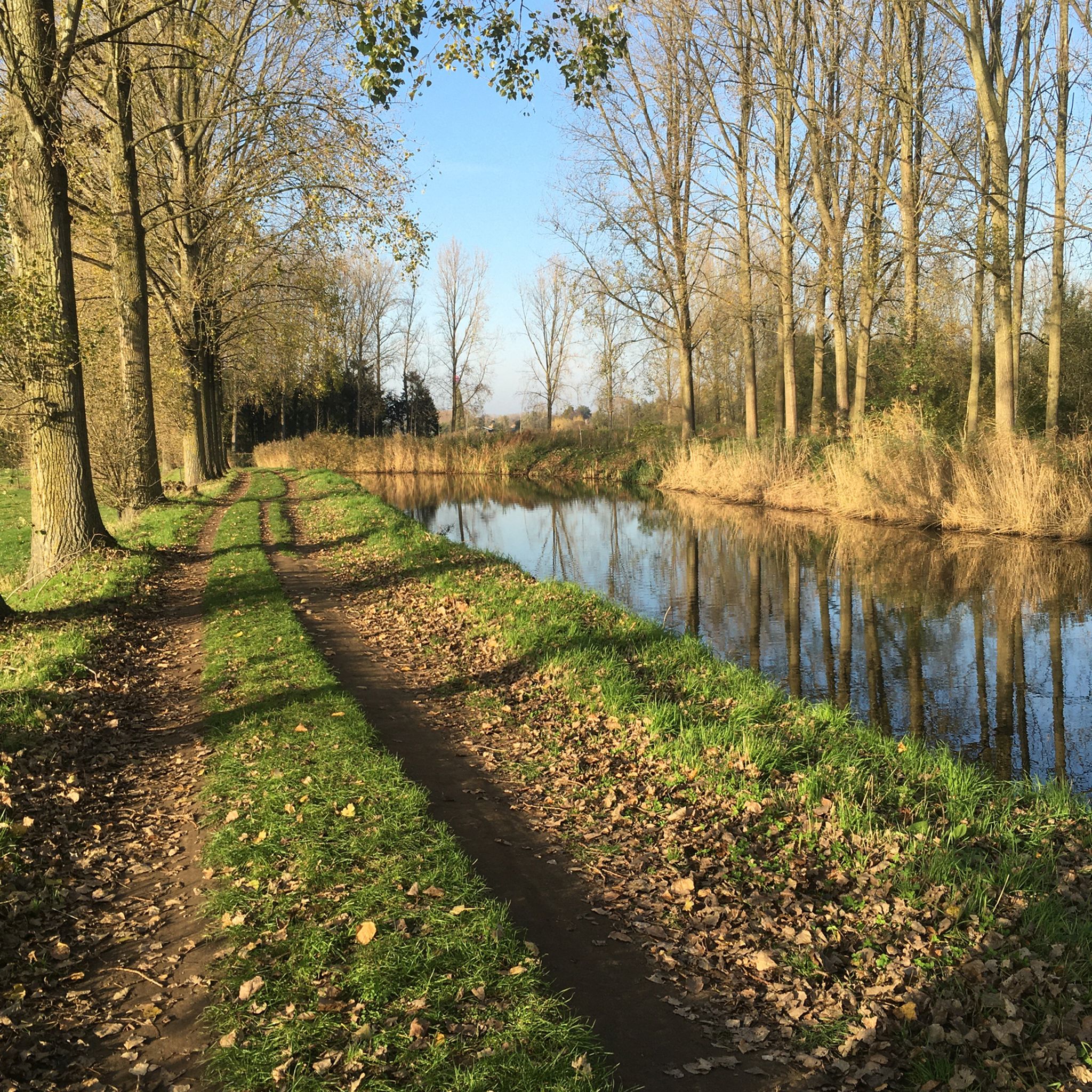
MTB Trails around Sint-Niklaas
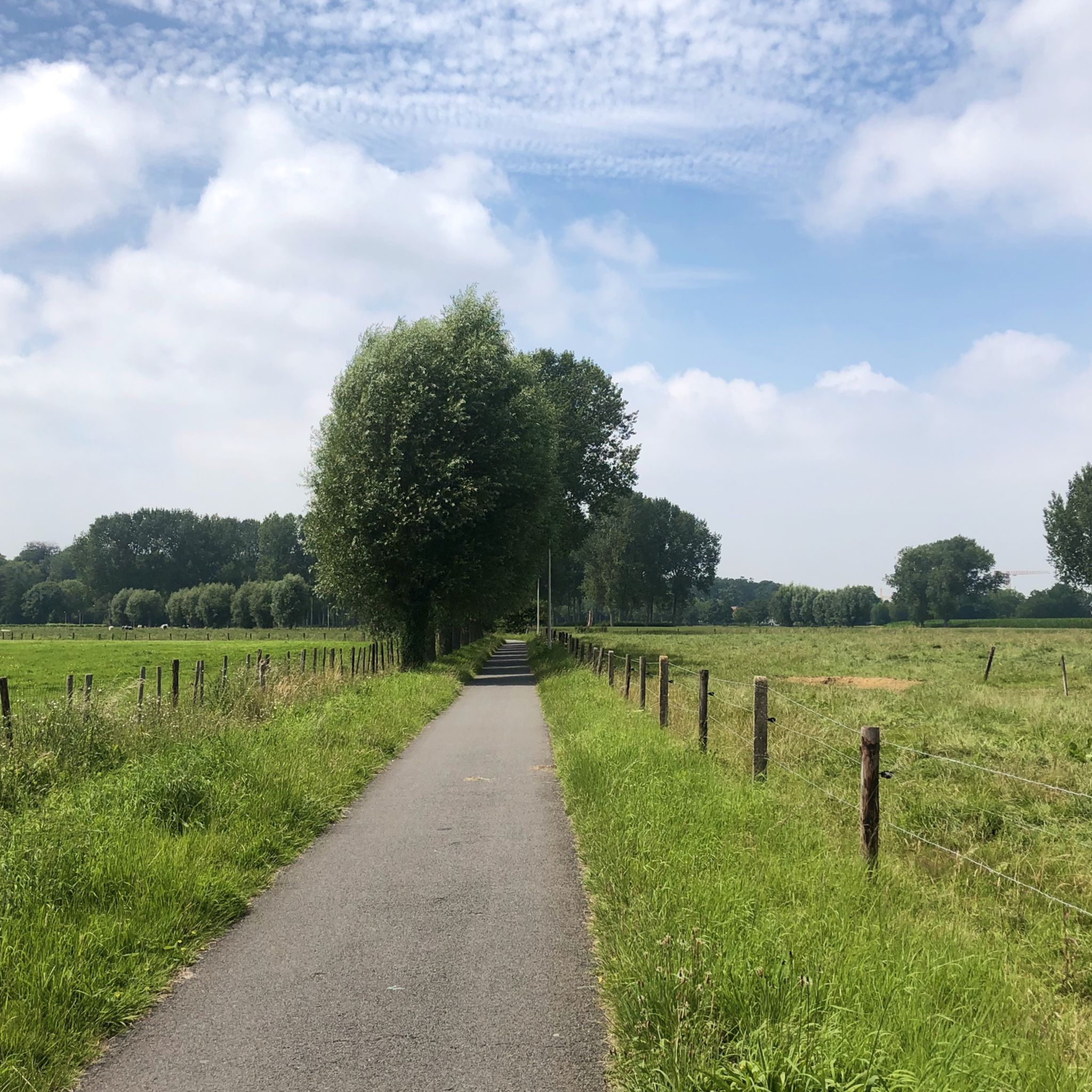
Road Cycling Routes around Sint-Niklaas
Other adventures around Sint-Niklaas


Tips from the Community

On Friday, April 5, 1867, the Spletterenbrug was officially opened. Between Moerbeke and Lokeren, trains stopped in Daknam and Eksaarde. In Moerbeke, travelers could transfer to railway line 77 towards Zelzate or towards Sint-Gillis-Waas. That the intention was to one day double the 9-kilometer railway line to two tracks is still visible on the Spletterenbrug. Both bridge abutments are indeed twice as wide as the bridge deck itself. It never came to that. On the contrary. The railway line suffered during both world wars, causing traffic to be suspended for months. For example, retreating German soldiers blew up the bridge at the end of World War I. Less than a year after the armistice, in September 1919, the line was already restored and trains could run on the route again. In 1940, the Belgian army, in turn, tried to slow down the German advance by destroying the bridge. The bridge was repaired again. In 1971, the last train chugged along the route. After more than a century of train traffic, the tracks were dismantled and the route was redeveloped as a cycling and walking path from Lokeren to Moerbeke. The Spletterenbrug itself was preserved and restored in 2017. The seven layers of paint were removed, and the bridge regained its original, dark gray color. Source: industriecultuur.be
4
0

Come down from your attic and walk through the polder...
7
2

Few buildings in the Waasland region hold such a mythical allure as the Graventoren (Counts' Tower) in Rupelmonde. The names associated with it certainly contribute to that. This tower, for example, is the remnant of a moated castle with no fewer than 17 towers, once owned by the Counts of Flanders. This colossal fortress protected the Scheldt River from attackers and conquerors. Mercator's Dungeon Mercator also plays a key role in this story. When he shared his revolutionary insights with the world, he was promptly sent to the dungeon by the church authorities. Guess where that dungeon was located? Exactly, in the cellars of the Graventoren. Here he was imprisoned for seven months, accused of heresy. A Bloody History Mercator, however, was not the only one to enter the cellars of the moated castle. Many dissidents suffered the same fate, and often worse. A stay in the dungeons of the Graventoren (Counts' Tower) often ended with a bloody decapitation. While the Counts of Flanders may have enjoyed legendary status in history, they were certainly not gentlemen. Count Robert of Bethune once even threw his own son in jail here, accused of high treason. A kind of chamber arrest before its time, you might say. At the end of the 17th century, the moated castle came to an end. The fortress was drastically destroyed, and the rubble was reused for other buildings. For example, the church of Rupelmonde was built with materials from the castle ruins.
9
0

Unfortunately the tower was not open, but it is still a beautiful site to walk past. A nice surprise and definitely worth taking a detour from your route.
4
1

Remains of the 12th century moated castle built by the Counts of Flanders to defend the Scheldt and the Rupel.
4
0

Beautiful and quiet forest (if in high season). The hiking trails are almost in order, sometimes it can be a bit muddy during heavy rain. If you are lucky you might spot some deer 😊
1
0

Very scenic, with great little villages in the background for variety for the eye.
8
1
Frequently Asked Questions
What natural attractions can I explore around Sint-Niklaas?
The region offers several beautiful natural areas. The Polders of Kruibeke, Flanders' largest flood plain, features mudflats, salt marshes, and alder forests, providing a habitat for diverse wildlife like deer and beavers. You can also visit Heather Stropersbos, where heathland has been regenerated, attracting species like field crickets and woodlarks. For water-based activities, the Stekene Canal offers quiet cycling and walking paths through scenic landscapes.
Are there historical sites or cultural landmarks to visit in Sint-Niklaas?
Sint-Niklaas is rich in history. The city's central
Grote Markt
is one of Belgium's largest market squares, surrounded by 17th and 18th-century architecture, including the impressive Gothic RevivalStadhuis
(City Hall) and the historicSint-Nicolaaskerk
(Saint Nicholas Church). Outside the city center, you can visit Wissekerke Castle, a neo-Gothic castle with preserved Empire-style interiors and one of Europe's oldest suspension bridges. The Fort Steendorp, a 19th-century brick fort, now serves as a bat sanctuary with a unique walking trail.What family-friendly activities are available in the Sint-Niklaas area?
Families can enjoy a variety of activities. The Polders of Kruibeke offer easy trails for walking and wildlife spotting. Wissekerke Castle has a beautiful park perfect for a stroll. The
Recreatiedomein De Ster
is a large recreation area with a lake for swimming and boating, a beach, pool, playgrounds, mini-golf, and a petting zoo. Cycling along the Stekene Canal is also a pleasant activity for all ages.Can I go cycling or hiking near Sint-Niklaas attractions?
Absolutely! The flat landscapes of the Waasland region are ideal for cycling and walking. You can find numerous routes, including those along the Stekene Canal. For more structured outdoor adventures, explore the gravel biking routes or easy hiking trails around Sint-Niklaas. Popular hiking spots include the Polders of Kruibeke and Heather Stropersbos.
What museums or art galleries are there in Sint-Niklaas?
Sint-Niklaas offers several cultural institutions. The
Mercatormuseum
is dedicated to the famous 16th-century cartographer Gerardus Mercator, displaying globes and atlases. TheStedelijk Museum (SteM)
, housed in a former weaving mill, provides interactive displays on the region's history. For art enthusiasts, theSalons voor Schone Kunsten
is a neoclassical mansion showcasing a comprehensive art collection from the 16th to the 20th century, including works by Peter Paul Rubens. TheVerbeke Foundation
is also a notable art park and museum focusing on contemporary art and sculpture.Are there any unique architectural styles to see in Sint-Niklaas?
Yes, Sint-Niklaas is particularly known for its significant collection of
Art Deco buildings
from the 1920s and 1930s, reflecting the city's textile industry boom. The tourism office offers a self-guided walking tour to explore these architectural gems, with the lobby of theBroederschool
being a notable example. Additionally, theStadhuis
on the Grote Markt is an exuberant Gothic Revival masterpiece.What is the best time of year to visit Sint-Niklaas for outdoor activities?
The spring and summer months are generally ideal for outdoor activities in Sint-Niklaas, with pleasant weather for cycling and hiking. September is also a great time, as the city hosts the renowned
Vredesfeesten (Peace Festival)
, known for its hot-air balloon launches, which adds a unique spectacle to your visit.Are there any historical bridges or mills worth visiting?
Yes, you can visit the Mira Bridge over the Durme river, famous for its appearance in a 1971 film. Another historical gem is
De Witte Molen (The White Mill)
, a working flour mill built in 1696. It operates roughly every other Sunday afternoon, run by volunteers, offering a glimpse into traditional milling.What are some of the most popular outdoor routes for running around Sint-Niklaas?
For runners, Sint-Niklaas offers several engaging routes. Popular options include trails around the
Molsbroek Nature Reserve
and theFitness trail – De Ster Lake loop
from Bosmanshoeckbos. You can find more detailed information and routes on the Running Trails around Sint-Niklaas guide.What is the Grote Markt in Sint-Niklaas known for?
The
Grote Markt
in Sint-Niklaas is renowned as Belgium's largest market square, with a history spanning over 750 years. It's a vibrant hub surrounded by beautiful 17th and 18th-century architecture, including the impressive City Hall. The square regularly hosts farmers' markets, concerts, and festivals, most notably theVredesfeesten (Peace Festival)
in September, famous for its hot-air balloon launches.Are there any unique natural areas for wildlife spotting?
The Polders of Kruibeke is an excellent spot for wildlife spotting. As the largest flood plain in Flanders, it's home to diverse birdlife, deer, beavers, and occasionally otters. The area's mudflats, salt marshes, and alder forests create a rich ecosystem. The Heather Stropersbos also provides habitat for specific species like field crickets and woodlarks.
What do visitors enjoy most about the attractions around Sint-Niklaas?
Visitors particularly appreciate the diverse natural beauty and historical richness of the area. The Polders of Kruibeke are praised for their natural beauty and the opportunity to see unique landscapes and wildlife. The quiet cycling and walking paths along the Stekene Canal are also highly valued for their relaxing atmosphere and scenic views. Many enjoy the blend of historical landmarks and accessible outdoor activities.
Most popular routes around Sint-Niklaas
Most popular attractions around Sint-Niklaas

Get inspired with the komoot mobile app


Didn’t find what you were looking for?
Are you keen on exploring more awesome places nearby? Browse our guides:
Explore more
Still not found the Highlight you’re looking for? See guides of the top attractions in other regions:
