The best cycling routes around Rumes
4.3
(14)
123
riders
25
rides
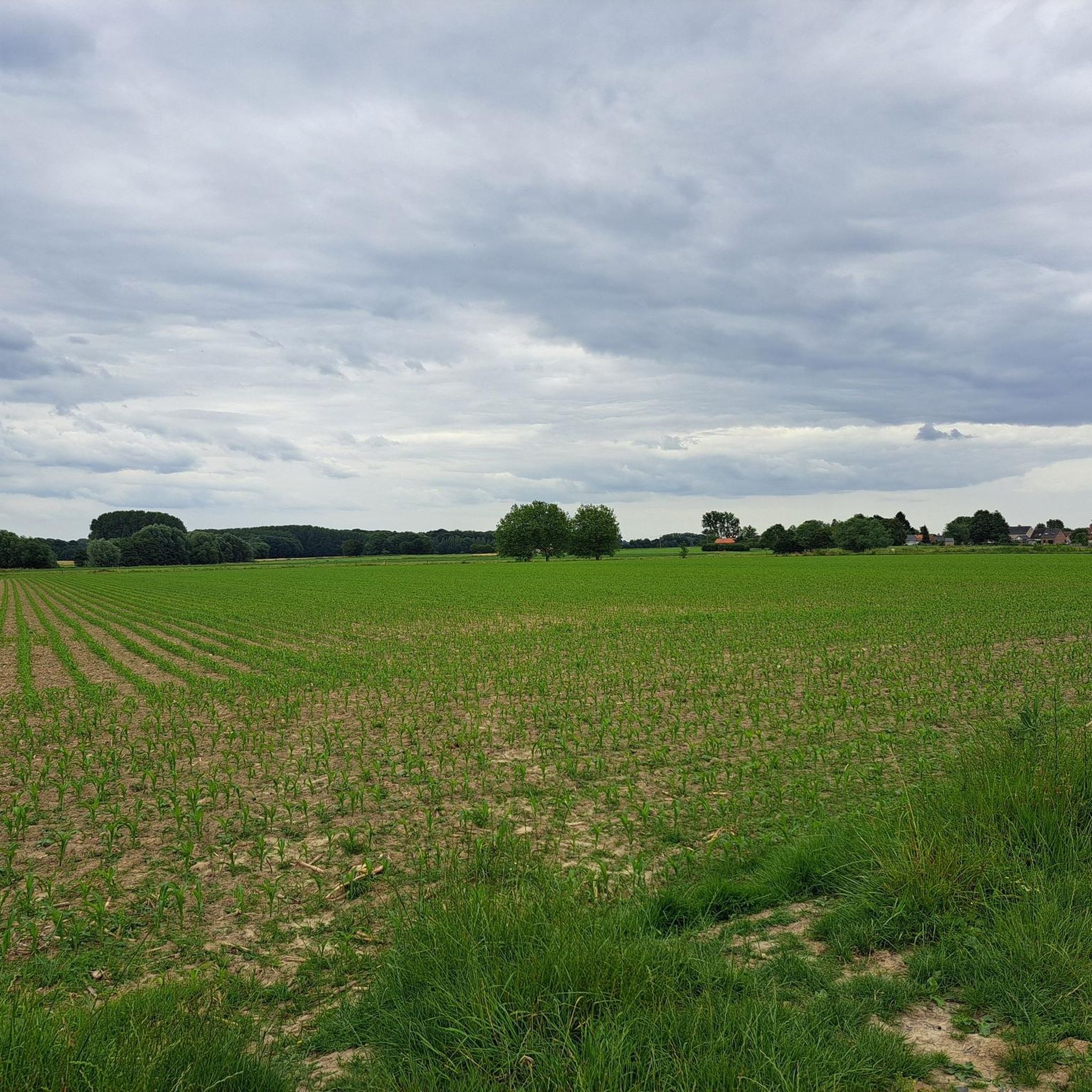
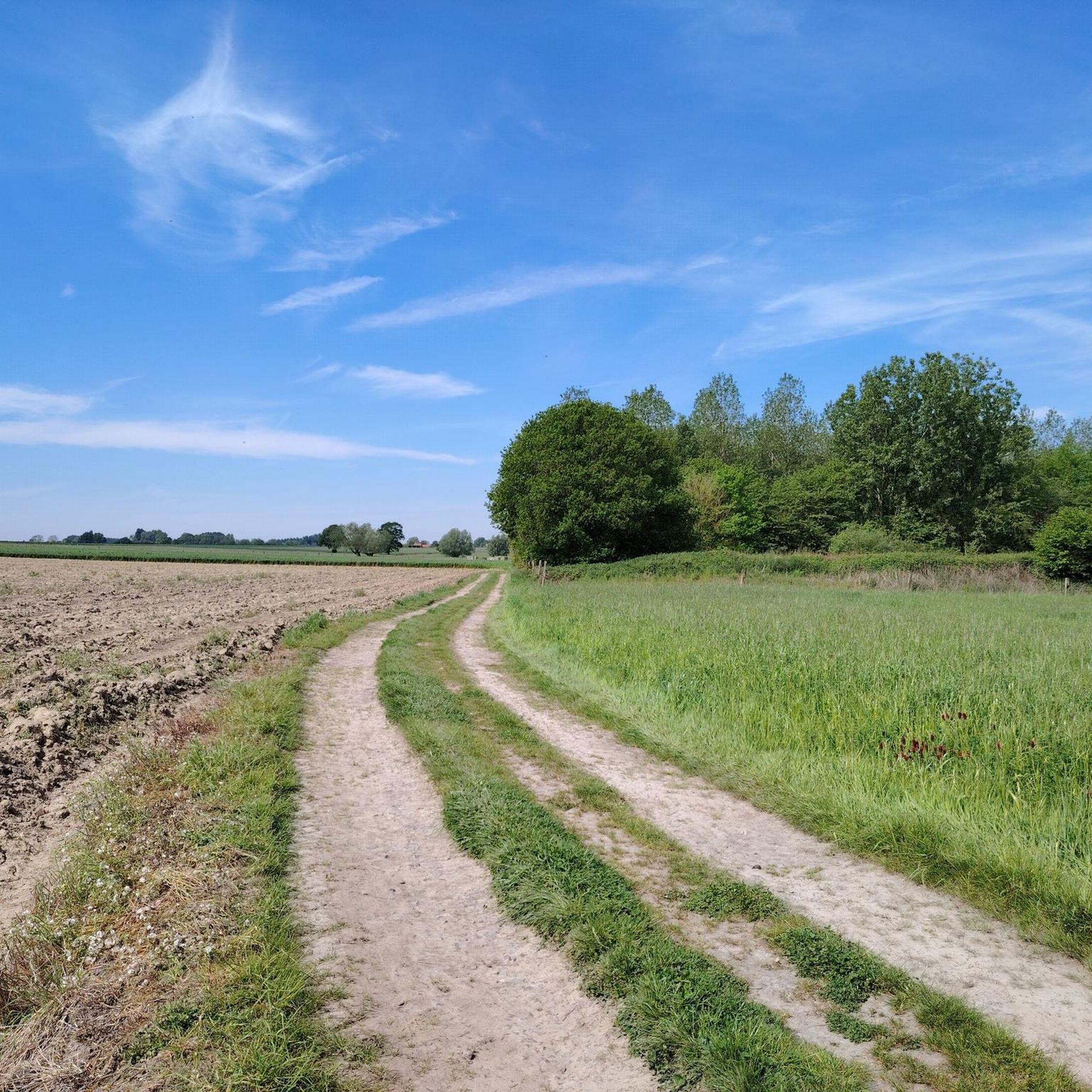
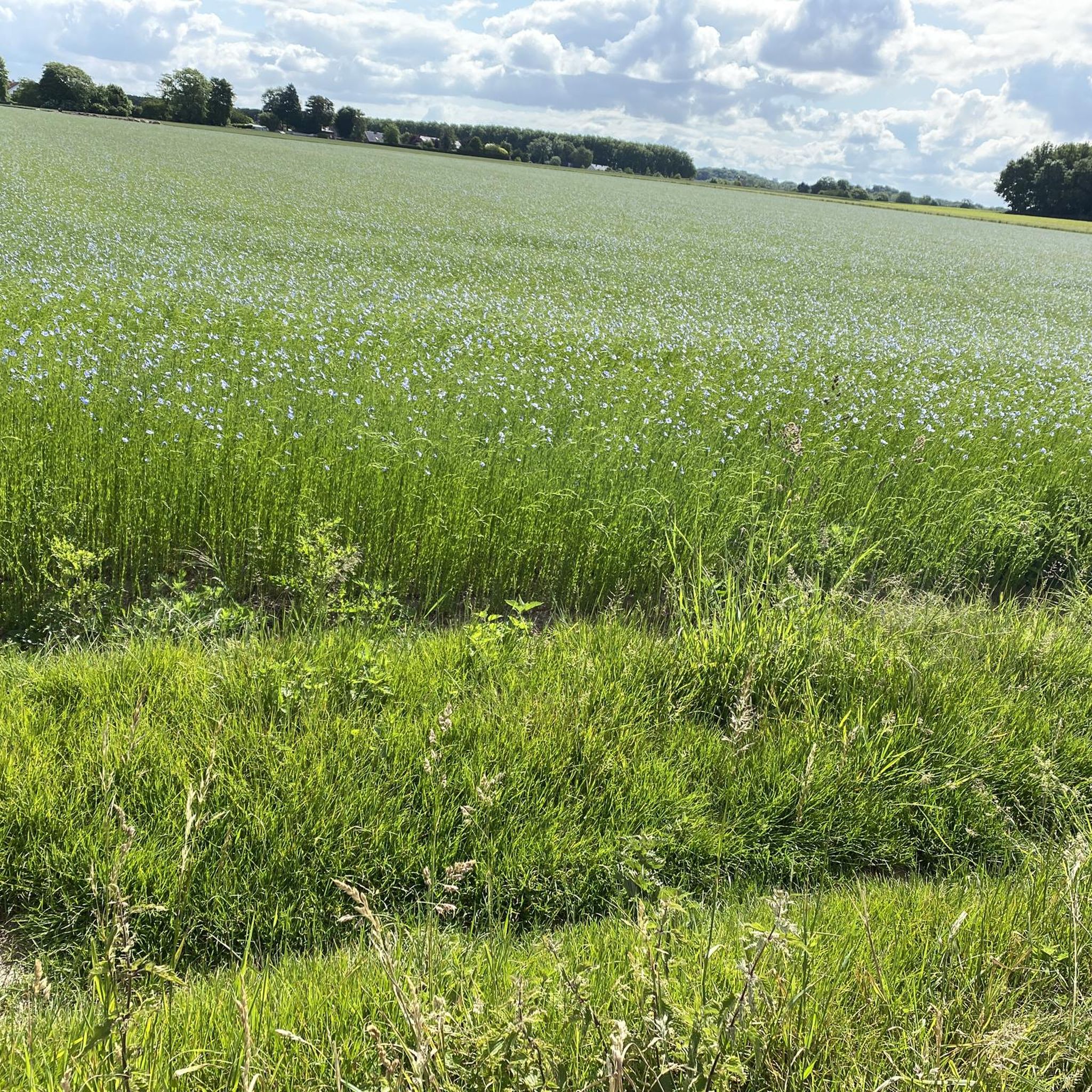
Touring cycling around Rumes, a municipality in Hainaut, Wallonia, Belgium, offers a diverse landscape for cyclists. The region is characterized by an agricultural landscape with gentle, southern-orientated hills, providing a scenic backdrop for rides. Cyclists can find a blend of paved and unpaved surfaces, including challenging cobbled sectors near iconic Paris-Roubaix routes. Its proximity to the French-Belgium border also allows for cross-border cycling experiences through authentic countryside.
Best touring cycling routes around Rumes
- The most popular touring cycling route is…
Last updated: July 3, 2026
3.7
(3)
16
riders
34.3km
02:31
140m
140m
Moderate bike ride. Good fitness required. Mostly paved surfaces. Suitable for all skill levels.
13
riders
49.8km
03:40
250m
250m
Moderate bike ride. Good fitness required. Mostly paved surfaces. Suitable for all skill levels.

Sign up for free
9
riders
51.4km
03:47
180m
180m
Hard bike ride. Good fitness required. You may need to push your bike for some segments of this route.
5.0
(1)
7
riders
Easy bike ride. Great for any fitness level. Mostly paved surfaces. Suitable for all skill levels.
5.0
(2)
7
riders
23.6km
01:21
60m
60m
Easy bike ride. Great for any fitness level. Mostly paved surfaces. Suitable for all skill levels.
Get access to more routes and recommendations from other explorers.
Sign up for free
Already have an account?
Our route recommendations are based on thousands of hikes, rides, and runs completed by other people on komoot.
Start today with a free account
Your next adventure awaits.
Login or Signup

Tips from the Community

Beautifully maintained chapel. Next to the chapel is a cemetery. There is also a parking lot here, so this could potentially be a good starting point for a tour. From here you can easily walk into the fields.
1
0

This is not the Vertain mill. It's on the Templeuve side.
0
0


0
0

just a coke after this heavy streak of 5 stars
0
0
For this you will cycle that tough tour 170 km 30 lanes
1
0
Frequently Asked Questions
What kind of terrain can I expect when touring cycling around Rumes?
Rumes offers a diverse landscape for touring cyclists. You'll find a mix of agricultural areas with gentle, southern-orientated hills, as well as both paved and unpaved surfaces. For those seeking a challenge, the region is notably close to legendary cobbled sectors of the Paris-Roubaix race, such as the Carrefour de l'Arbre cobbled sector and The cobbles at Vertain Mill.
What natural features or landmarks can I see while cycling in Rumes?
The Rumes area is characterized by its agricultural landscape and gentle hills, providing scenic views. You can also explore routes that pass by local landmarks like the Menhir of Pierre Brunehault. The broader Hainaut province, where Rumes is located, features diverse habitats including wetlands, woodlands, and open fields, particularly within the Parc Naturel des Plaines de l'Escaut.
Where can I park my car when cycling in Rumes?
While specific parking facilities for each route are not detailed, Rumes, as a municipality, generally offers public parking options. It's advisable to check local signage or municipal websites for designated parking areas, especially near popular starting points for cycling routes.
Is it possible to reach the cycling routes in Rumes by public transport with my bike?
Public transport options in rural areas like Rumes can be limited, especially for carrying bikes. While some regional buses or trains might accommodate bicycles, it's best to verify with local public transport providers in Hainaut province for their specific policies and schedules before planning your trip.
Do I need any special permits to cycle in Rumes?
Generally, no special permits are required for touring cycling on public roads and designated cycling paths in Rumes or the surrounding Wallonia region. However, always respect private property and any local regulations, especially when cycling through agricultural lands or natural reserves.
When is the best time of year to go touring cycling in Rumes?
The best time for touring cycling in Rumes is typically during the spring (April to June) and autumn (September to October) months. During these periods, the weather is generally milder and more pleasant, with less extreme heat or cold, making for comfortable riding conditions through the agricultural landscapes.
Are there family-friendly touring cycling routes in Rumes?
Yes, Rumes offers routes suitable for families. For instance, the Brunehaut Brewery – Taintignies Church loop from Rumes is an easy 14.8-mile (23.8 km) trail that leads through agricultural landscapes, making it a good option for a leisurely family ride. There are 11 easy routes in total around Rumes.
Can I bring my dog on the touring cycling routes in Rumes?
Many outdoor areas in Rumes and the surrounding region are dog-friendly, especially on public paths and trails. However, it's crucial to keep your dog on a leash, especially when cycling through agricultural fields or near livestock, and to always clean up after your pet. Check specific route guidelines if available, as some protected natural areas might have restrictions.
Are there places to eat or stay along the cycling routes in Rumes?
Rumes and its neighboring villages offer various local establishments where cyclists can find refreshments or accommodation. The Brunehaut Brewery – Taintignies Church loop from Rumes, for example, passes by the Brunehaut Brewery, which could be a stop for a break. It's recommended to plan your route and check for cafes, pubs, or guesthouses in advance, especially in smaller villages.
Are there circular touring cycling routes available in Rumes?
Yes, many of the touring cycling routes around Rumes are designed as loops, offering convenient starting and ending points. Examples include the Les 4 chemins paved sector – Pavé Gilbert Duclos-Lassalle loop from Rumes and the Gravel track – Path Through the Field loop from Rumes, allowing you to return to your starting point without retracing your steps.
Can I cycle across the border into France from Rumes?
Yes, Rumes is located very close to the French-Belgium border, approximately 1.6 km to the west. This proximity allows for easy cross-border cycling experiences. The 'In Monique's footsteps' commemorative circuit, starting from Rumes, is an example of a cross-border route that takes you through authentic countryside.
What do other touring cyclists enjoy the most about touring cycling in Rumes?
The touring cycling routes in Rumes are highly rated by the komoot community, with an average score of 4.4 stars from over 10 reviews. Cyclists often praise the varied terrain, from gentle agricultural landscapes to challenging cobbled sectors, and the opportunity to experience both rural tranquility and a taste of cycling history.
Most popular attractions around Rumes

Get inspired with the komoot mobile app


Explore more
Browse the best Cycling routes in other regions.
