The best road cycling routes around Rumes
4.2
(411)
10,460
riders
612
rides
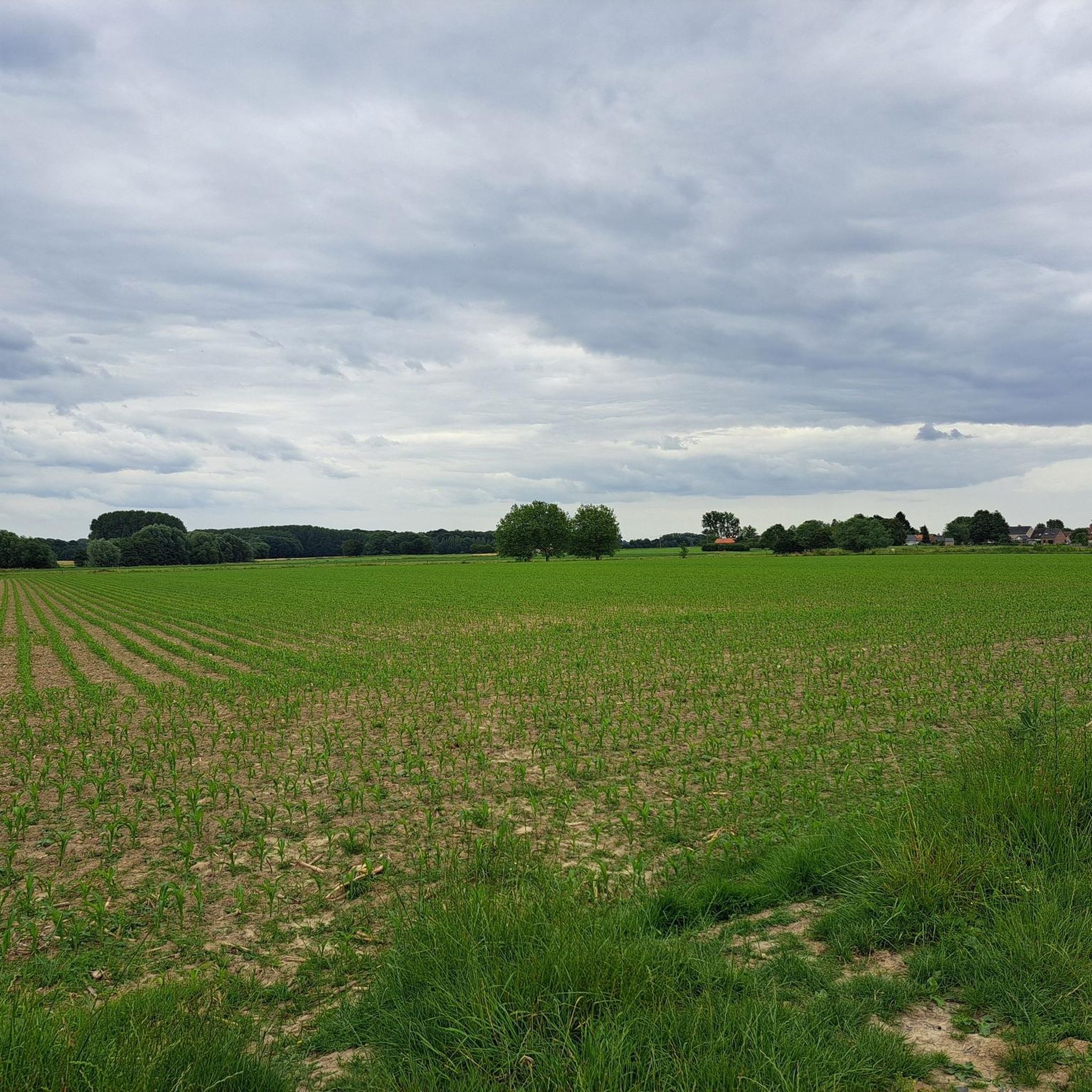
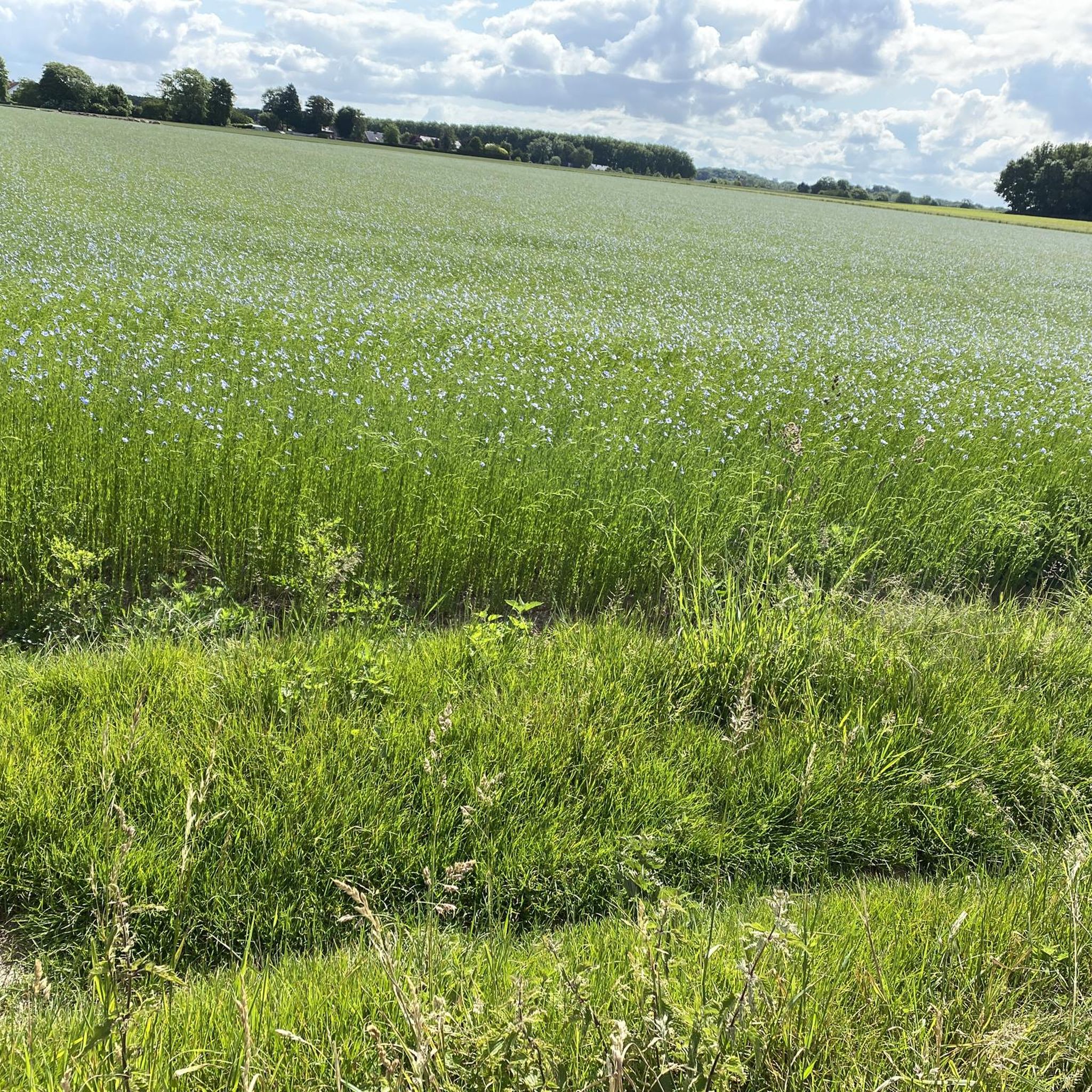
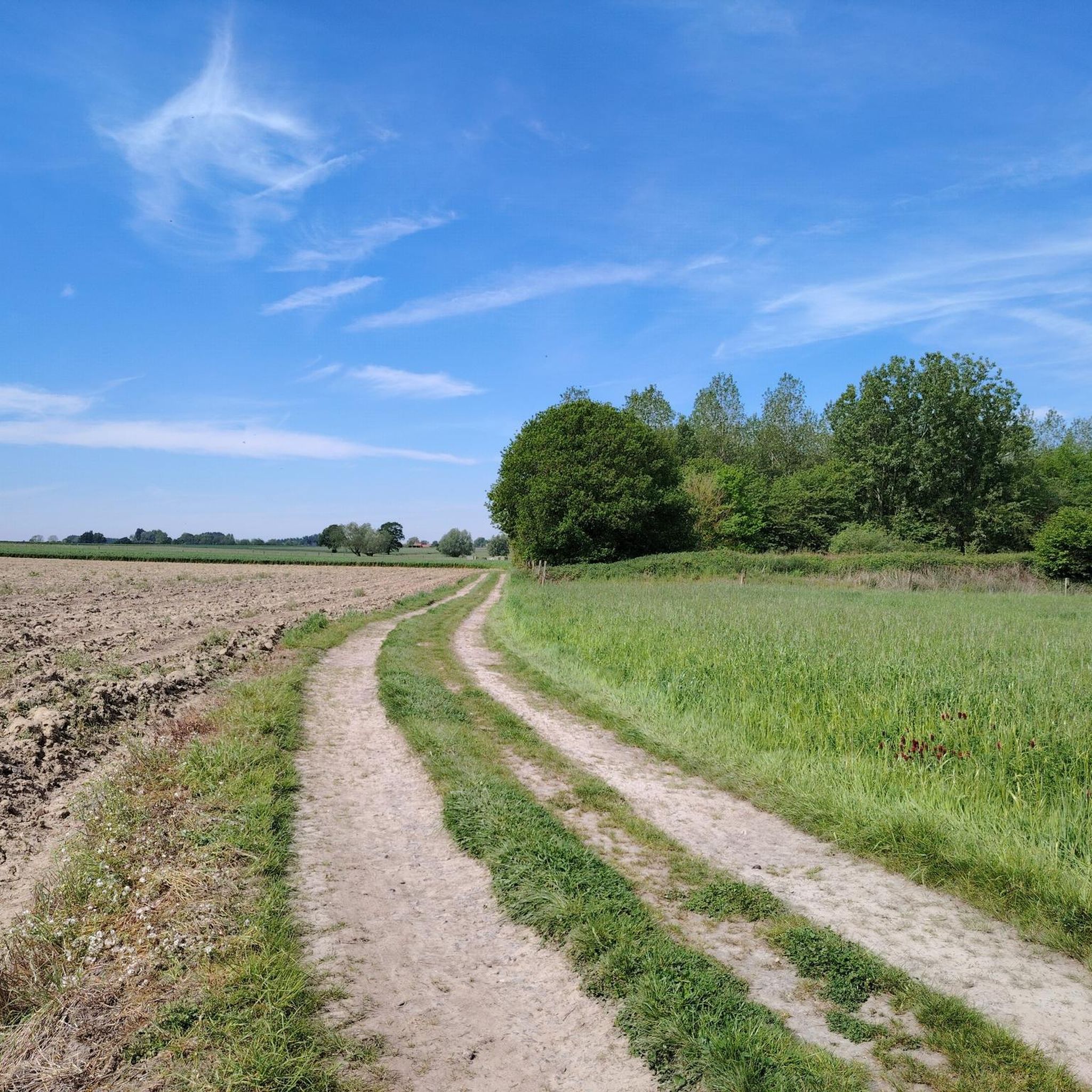
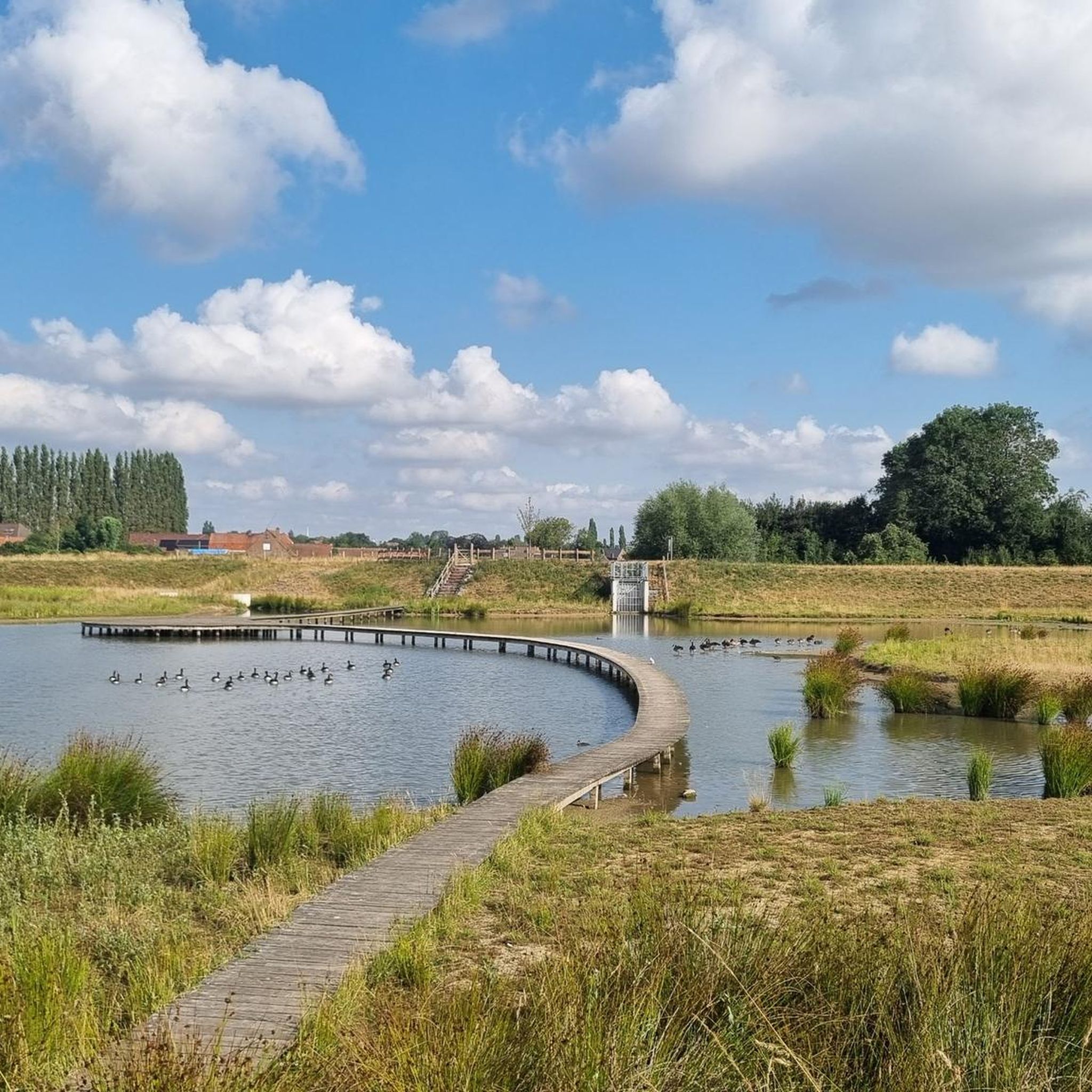
Road cycling routes around Rumes traverse a landscape characterized by rolling hills, extensive farmland, and lowlands within the Belgian province of Hainaut. The region offers varied terrain, from well-paved roads to challenging cobbled sectors known from professional cycling events. Cyclists can expect a mix of gentle gradients and more demanding segments, providing diverse experiences across the area's natural features.
Best road cycling routes around Rumes
- The most popular road cycling route is Grand Large de Péronnes – Avenue du Domaine…
Last updated: May 12, 2026
5.0
(2)
62
riders
67.1km
02:57
230m
230m
Moderate road ride. Good fitness required. Mostly well-paved surfaces and easy to ride.
4.0
(2)
39
riders
63.4km
02:48
260m
260m
Moderate road ride. Good fitness required. Some segments of this route may be unpaved and difficult to ride.

Sign up for free
4.7
(3)
17
riders
Easy road ride. Great for any fitness level. Mostly well-paved surfaces and easy to ride.
36
riders
45.9km
02:00
180m
180m
Moderate road ride. Good fitness required. Some segments of this route may be unpaved and difficult to ride.
17
riders
50.4km
02:18
350m
350m
Moderate road ride. Good fitness required. Mostly well-paved surfaces and easy to ride.
Get access to more routes and recommendations from other explorers.
Sign up for free
Already have an account?
Our route recommendations are based on thousands of hikes, rides, and runs completed by other people on komoot.
Start today with a free account
Your next adventure awaits.
Login or Signup

Tips from the Community

The belfry of Tournai is the oldest in Belgium (12th century). The building, which is part of UNESCO World Heritage, is 72 meters high and dominates the Grand-Place. During the ascent of the tower with its 257 steps, one discovers various didactic exhibitions, the prison, the carillonneur's room, and finally the bells which ring every Sunday during the summer (around 3:30 PM). The belfry of Tournai, built in 1192, symbolizes municipal freedoms. Its bell (the “Bancloque”) was used to warn the population of trials, executions, invasions, fires, etc. The belfry served as a watchtower, prison, bell tower, and town hall. You have access to the first terrace, which offers a breathtaking view of Tournai and its surroundings. source: visitwapi.be
1
0

The church of Froidmont is dedicated to Saint Piatus. According to legend, Saint Piatus was active in the Christianization of the region of Tournai, in the third century. The church was built in 1854 in neo-Gothic style by architect Louis Dethuin, replacing the old 17th-century church. The church has a three-bay nave, side aisles, a tower in the facade and a choir with a semi-hexagonal apse. The building was restored between 1969 and 1973 by architect Louis Dethuin from Tournai. Source: paysdepevele.com
5
0

The Moulin de Barbissart is a historic windmill located in Obigies, a village in the municipality of Pecq, in the Hainaut province of Belgium https://www.mymileestonecard.com
0
0
The Pont des Trous, or "Bridge of Holes," is a historic Gothic bridge spanning the Scheldt River in Tournai, Belgium. It's considered one of the most significant vestiges of medieval military architecture in Belgium and a symbolic monument of Tournai https://www-crediblebh.com
4
0

Beautiful ballad
1
0

Listed as a UNESCO World Heritage Site, the Gothic-style belfry of Tournai is the oldest in Belgium. A powerful symbol of urban liberties, it was likely built following the granting of a charter of freedoms in 1188 by Philip II Augustus, King of France. The lower belfry dates back to the city's founding, although it was remodeled at the end of the 14th century during the construction of the upper belfry. The upper belfry houses the bells and the clock and exhibits remarkable architectural unity. Restorations in the 19th century and, to a lesser extent, those in the 20th century, gave the belfry its current appearance. Reopened to the public in 2002 after ten years of work, visitors can discover a multimedia show about its history, panels explaining its functions, the carillonneur's room and the carillon itself, and, from its summit, a breathtaking panoramic view of Tournai.
4
0
The Pont des Trous (Bridge of Holes) is one of Tournai's most famous landmarks. It is a fortified water gate of the second city wall, dating for the most part from the 14th century. This bridge spanning the Scheldt River connected the sections of the rampart on the left and right banks. The Pont des Trous consists of two towers, actually gates that provided access to the medieval city, linked by a gallery. Circular in plan, the towers present one convex face facing outwards from the city and another straight face facing inwards. This design is a strategic adaptation intended to present enemies with a facade offering no easy points of attack and fewer blind spots. Some arrow slits are also augmented with a stirrup, a bottle-shaped opening designed to improve the defense of the rampart's base, as well as a circular orifice, evidence of the fortification's adaptation to firearms. Severely damaged during the Second World War, the central arch was destroyed. The bridge was restored and its entire height raised by 2.40 meters, and its central arch widened during a highly technical operation. This modification was intended to improve and facilitate river navigation, which was constantly evolving.
4
0
Frequently Asked Questions
What types of road cycling routes can I find around Rumes?
The Rumes area, located in the Belgian province of Hainaut, offers a diverse range of road cycling routes. You'll find everything from well-paved roads winding through extensive farmland and lowlands to more challenging segments that include rolling hills and even iconic cobbled sectors. The terrain provides a mix of gentle gradients and more demanding climbs, catering to various fitness levels.
How challenging are the road cycling routes around Rumes?
Road cycling routes around Rumes range from easy to moderate difficulty. Approximately half of the routes are classified as easy, while the other half are moderate. This means you can find comfortable rides for a relaxed day out, such as the Grand Large de Péronnes – Avenue du Domaine de Chercq loop from La Glanerie, as well as more demanding routes like the Grand Large de Péronnes – Pont des Trous loop from Rumes, which features more elevation gain.
Are there any famous cycling landmarks or challenging sections near Rumes?
Yes, Rumes is strategically located near some of the most iconic and challenging cobbled sectors in professional cycling. You can experience sections like the demanding Carrefour de l'Arbre cobbled sector, famous from the Paris-Roubaix race, or the notable cobbles at Vertain Mill. These offer a unique and challenging experience for road cyclists.
What natural features or landscapes will I encounter on road cycling routes in Rumes?
The region around Rumes is characterized by picturesque rolling hills, vast farmlands, and charming lowlands. You'll cycle through scenic backdrops of the broader Hainaut province, with opportunities to explore diverse habitats within the nearby Parc Naturel des Plaines de l'Escaut, which includes wetlands, woodlands, and open fields. The 'Pays des Collines' (Hill Country) also offers distinct natural beauty.
What historical sites or points of interest can I explore while cycling around Rumes?
While cycling around Rumes, you can encounter several historical points of interest. The Pont des Trous – Climb to the Froidmont Antenna loop from Rumes, for instance, features the historic Pont des Trous in nearby Tournai, a significant medieval bridge. You might also pass by sites like the Memorial September 2, 1944, offering a glimpse into the region's past.
Is there convenient parking available for cyclists in Rumes?
While specific designated cyclist parking areas are not widely advertised, Rumes is a smaller municipality, and you can typically find parking in village centers or near trailheads. It's advisable to check local signage for parking regulations upon arrival, especially if you're bringing a vehicle with a bike rack.
Can I reach Rumes by public transport with my bike?
Public transport options to Rumes with bikes can be limited. While some regional train services in Belgium allow bikes, it's best to check the specific policies and schedules of local bus and train operators in the Hainaut province before planning your trip. Often, a small fee or specific time restrictions may apply for carrying bicycles.
Do I need any special permits to road cycle in the Rumes area?
Generally, no special permits are required for road cycling on public roads and designated cycling paths in the Rumes area or the broader Hainaut province. However, if you plan to cycle through private estates or specific nature reserves, it's always wise to check for any local regulations or access restrictions.
What is the best time of year for road cycling in Rumes?
The best time for road cycling in Rumes is typically during the spring (April to June) and autumn (September to October) months. During these periods, the weather is generally milder, and the landscapes are particularly beautiful. Summer can also be pleasant, but be prepared for potentially warmer temperatures. Winter cycling is possible but may involve colder, wetter conditions.
Are there any family-friendly road cycling routes in Rumes?
Yes, Rumes offers several easy road cycling routes that are suitable for families. These routes often feature well-paved surfaces and gentler gradients, making them enjoyable for riders of all ages. For example, the Memorial September 2, 1944 – Bridge on Greenway loop from Rumes is an easy option that provides a pleasant ride through the local scenery.
What do other road cyclists enjoy the most about road cycling in Rumes?
The road cycling experience in Rumes is highly rated by the komoot community, with an average score of 4.1 stars from over 300 reviews. Cyclists often praise the varied terrain, which includes both scenic farmland and challenging cobbled sections, as well as the opportunity to explore historical landmarks like the Pont des Trous. The diverse routes cater to different skill levels, making it appealing to a wide range of riders.
Most popular attractions around Rumes

Get inspired with the komoot mobile app


Explore more
Browse the best Road cycling routes in other regions.
