The 20 Most Amazing Peaks around Plombières
Best mountain peaks around Plombières are found within a region characterized by rolling landscapes, forests, and valleys, offering elevated areas and hills. While not featuring traditional alpine peaks, the area is notable for its proximity to the Three Borders region where Belgium, the Netherlands, and Germany meet. This geographical setting provides diverse natural beauty and recreational opportunities for outdoor enthusiasts. The local terrain includes crests between valleys like the Gulp and Gueule, which are integrated into the Natura 2000 network.
…Last updated: May 20, 2026
Vaalserberg Three-Country Point
Highlight • Monument
Translated by Google •
Tip by

Translated by Google •
Tip by

Sign up now to discover places like this
Get recommendations on the best single tracks, peaks, & plenty of other exciting outdoor places.
Sign up for free
Keutenberg Climb
Highlight (Segment) • Climb
Steepest 300 m: 13.5%
Foot: 84 m
Summit: 167 m
Average slope: 5.3%
Length: 1560 m
From: Schin op Geul
Streets: Engwegen, Keutenberg
Source: heuvelsfietsen.nl/Gulpen-Voerendaal/Keutenberg.php
Translated by Google •
Tip by

Vaalserberg Climb via Route des Trois Bornes
Highlight (Segment) • Climb
Translated by Google •
Tip by

Gulperberg Climb from Partij
Highlight (Segment) • Climb
Translated by Google •
Tip by

Sign up for free to discover even more peaks around Plombières.
Sign up for free
Already have an account?
Start today with a free account
Your next adventure awaits.
Login or Signup
Popular around Plombières
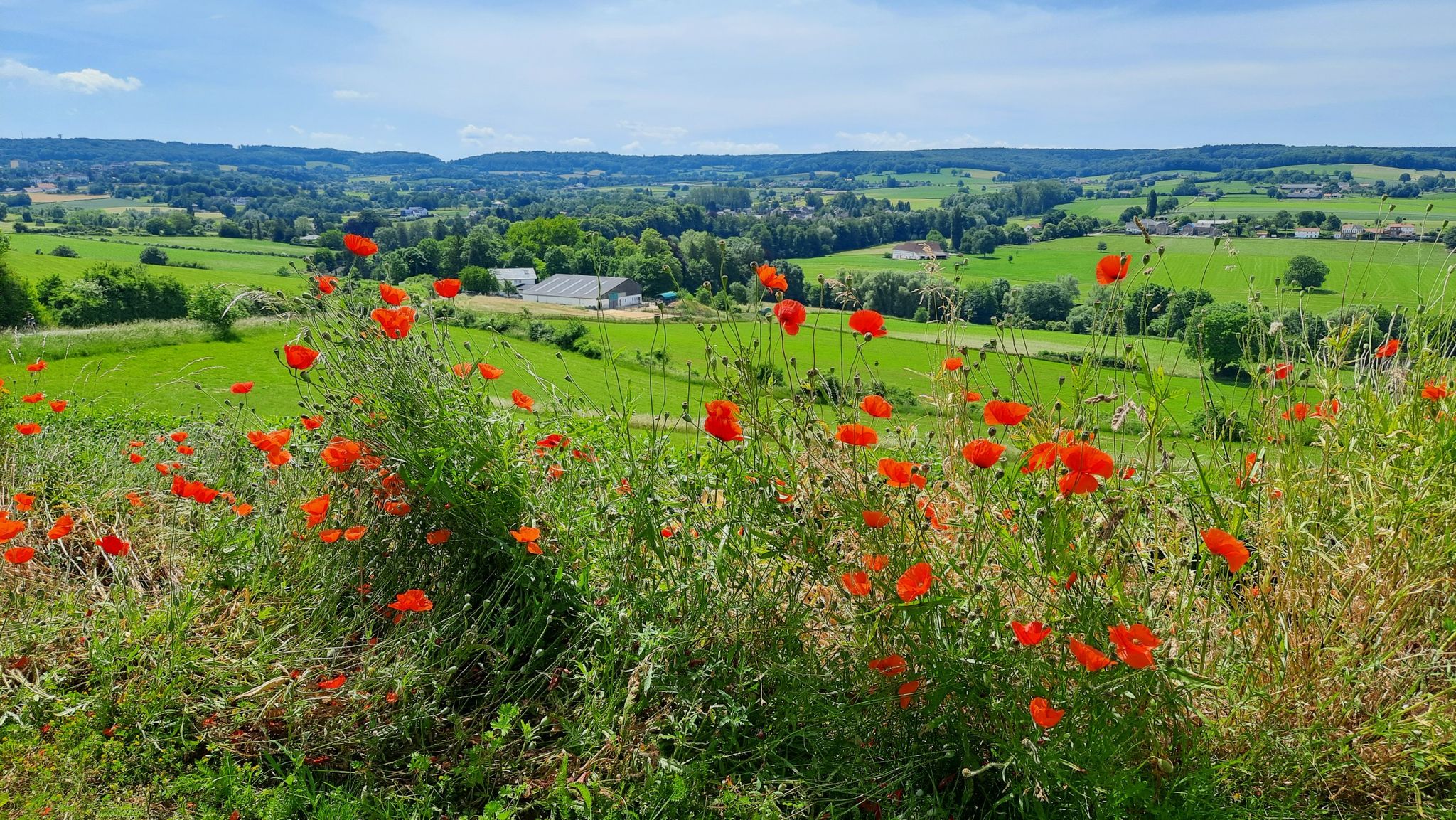
Hiking in the border triangle – GrenzRouten Aachen
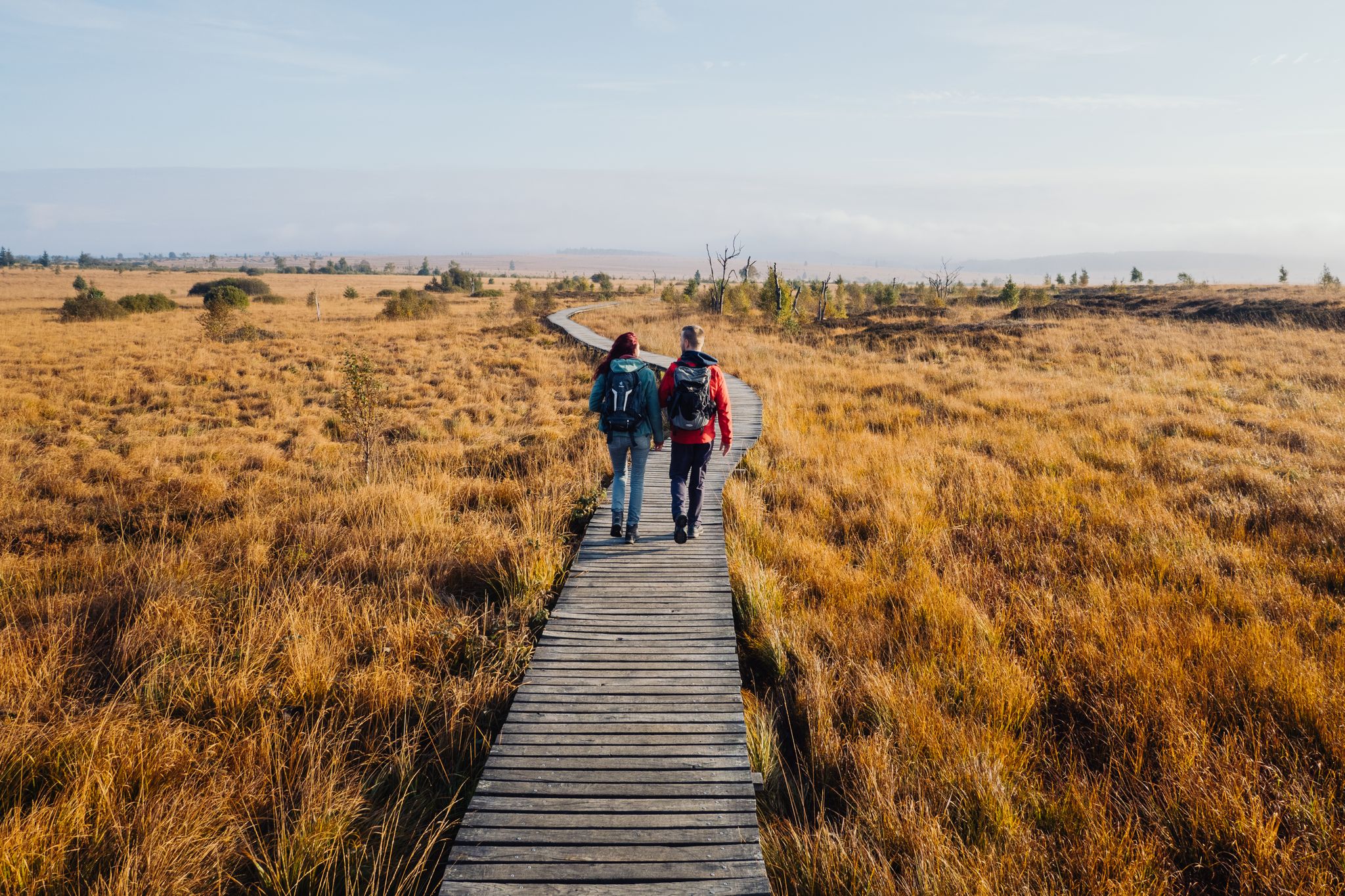
Venntrilogie – the premium hiking experience in East Belgium
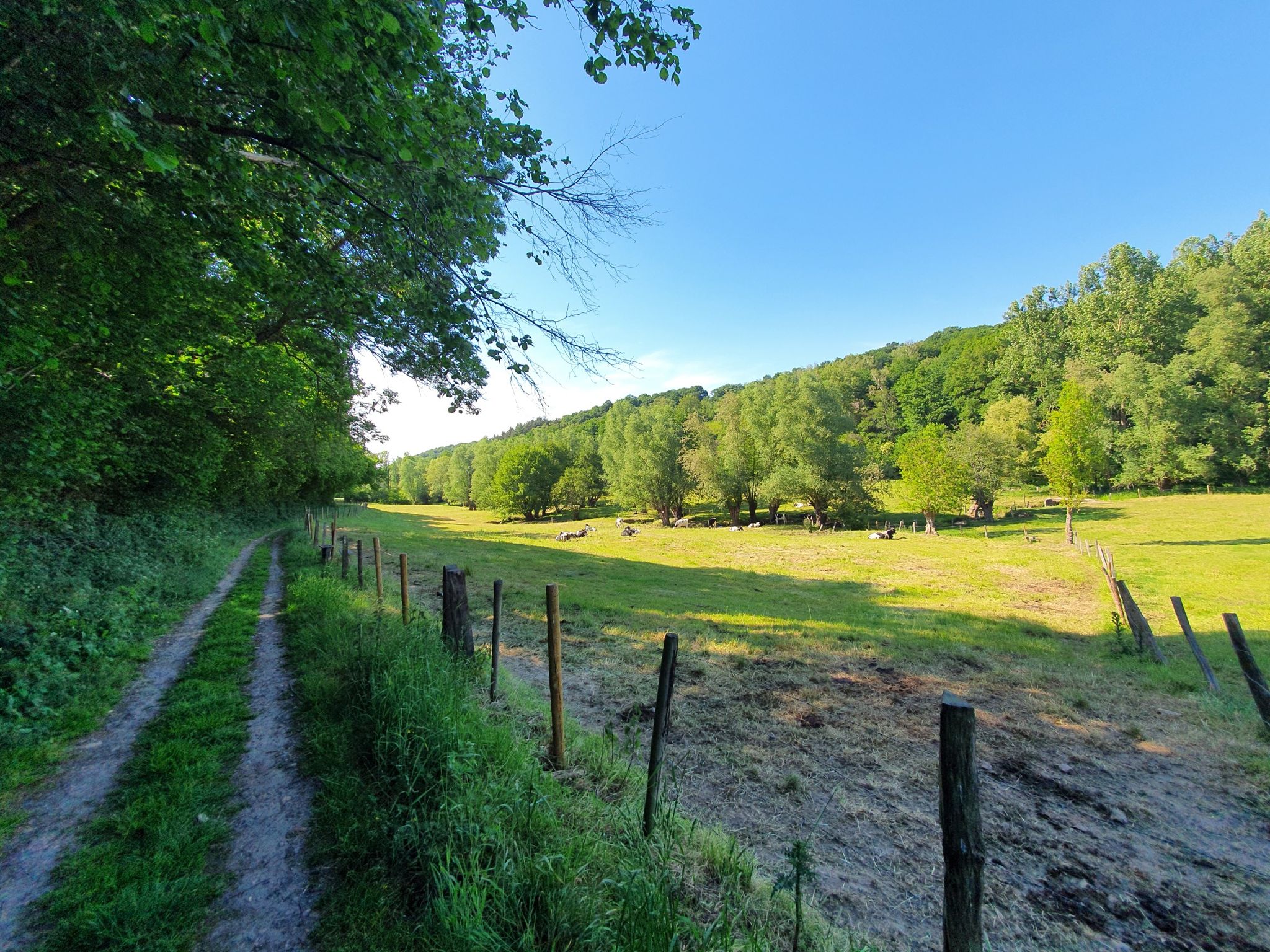
Hike between orchards and hedgerows – Belgium’s Tour du Pays de Herve
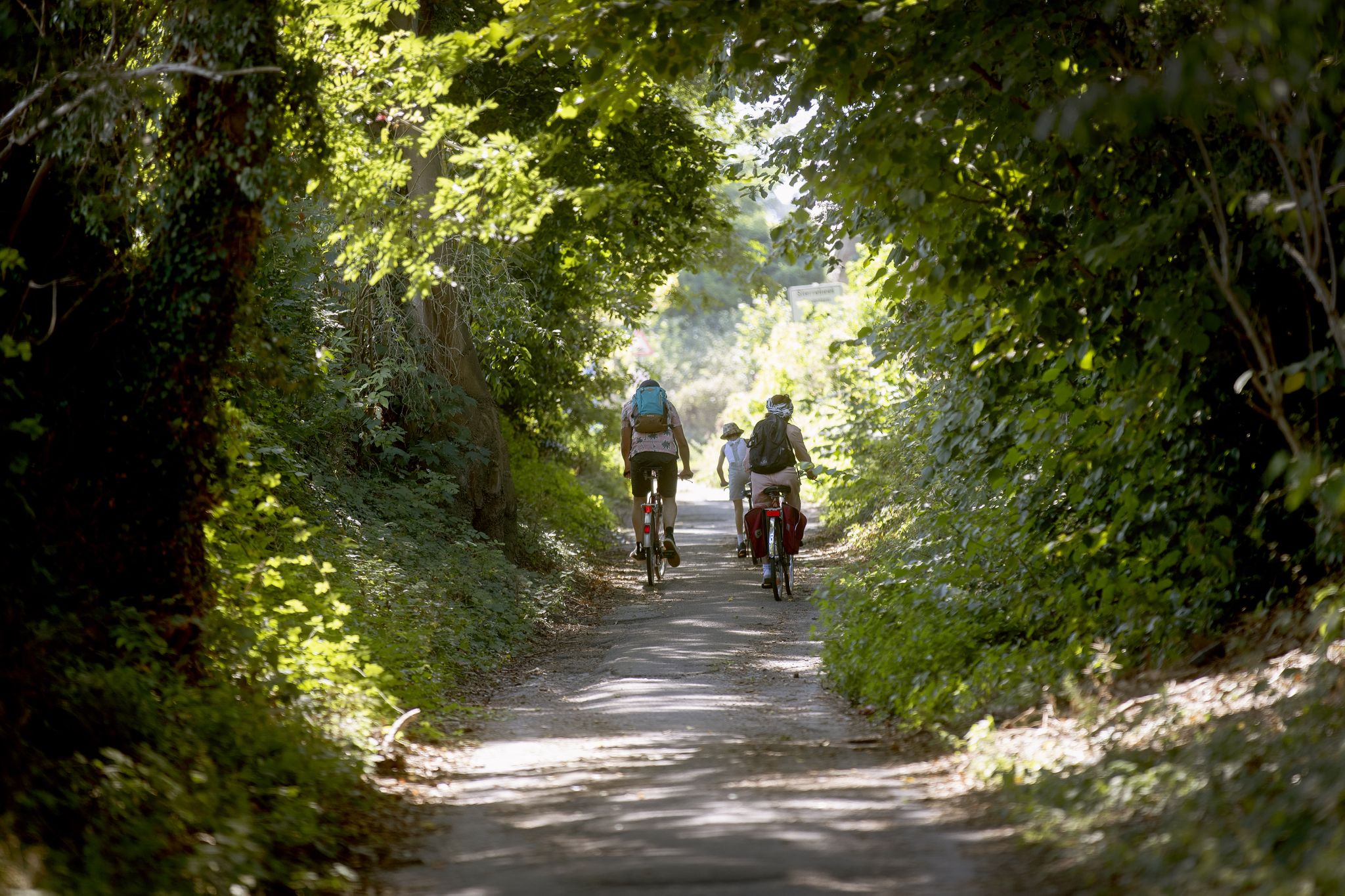
Flanders by bike: Cycling through nature
Hiking around Plombières
Running Trails around Plombières
Cycling around Plombières
MTB Trails around Plombières
Road Cycling Routes around Plombières
Gravel biking around Plombières
Other adventures around Plombières


Tips from the Community

Very tough, the first part 22% then another 400 meters at 15%
3
0

Driving down is also possible, but you have to brake quite hard.
3
1

The Vaalserberg has been included in the cycling classic Amstel Gold Race several times. The climb is then conquered once via the Dutch side (east side), as the eleventh climb after the Camerig and before the Gemmenicherweg. In the Amstel Gold Race the slope is referred to as Drielandenpunt. (Wikipedia)
19
0
The highest point in the Netherlands coincides with the three-country point and is an important tourist attraction.
21
0

As early as the late Middle Ages, the border of the former Aachen Empire, fortified with the Aachen Moat, ran from south to north across the ridge of the Vaalserberg. From 1839 to 1919, the Vaalserberg, with the disputed area of Neutral Moresnet as the fourth country, was even a four-country corner (Vierlandenpunt), which is still remembered in the name of the access road on the Dutch side - Viergrenzenweg. During the First World War, from 1915 to 1918, the high-voltage border barrier stretched along the Belgian-Dutch border for a length of 300 kilometers from the then four-country corner on the Vaalserberg to the Belgian North Sea coast near Knokke. The German invasion of Belgium in 1914 via Gemmenich to Diksmuide, which brought much suffering to the Belgian population, is commemorated by a memorial made of compressed war material at the southern tip of the Vaalserberg, called Via Dolorosa.
23
0

With a height of no less than 322.4 meters above NAP, the Vaalserberg is the highest mountain in the Netherlands (with the exception of the mountains in the Caribbean). So you are standing on the roof of the Low Countries! The mountain is not only known for its height, but also for the three country point you will find here; here the borders of the Netherlands, Belgium and Germany meet. In addition, there are plenty of activities for young and old on and around the top, so hang out here for a while.
14
1


Literally our highlight in the Netherlands. Very touristy, of course, but remains a classic trip.
15
0
Frequently Asked Questions
What are the most prominent elevated points around Plombières?
The most prominent elevated point near Plombières is the Vaalserberg Three-Country Point, which is also the highest point in the Netherlands. This unique location marks the meeting point of Belgium, Germany, and the Netherlands, offering panoramic views from an observation tower. Other notable elevated areas include the hills and crests within the Gulp and Gueule valleys, which provide picturesque landscapes for exploration.
Are there family-friendly options for exploring the elevated areas near Plombières?
Yes, the Three-Country Point and the Highest Point of the Netherlands (Vaalserberg) is considered family-friendly. Beyond the unique experience of standing in three countries at once, the area offers various activities for all ages, including a labyrinth and extensive walking trails through surrounding forests. The observation tower also provides an accessible way to enjoy the views.
What kind of views can I expect from the elevated points around Plombières?
From the Vaalserberg Three-Country Point, you can expect stunning panoramic views across Belgium, the Netherlands, and Germany, especially from the Boudewijn Tower. Throughout the region's hills and valleys, you'll find picturesque landscapes characterized by rolling countryside, dense forests (primarily beech and oak), and charming 'bocages' of meadows and orchards.
Are there historical or cultural sites to discover while exploring the hills near Plombières?
Yes, the region is rich in history. The Three-Country Point itself has historical significance, once being a four-country point with Neutral Moresnet. Additionally, hiking trails in the Gulp and Gueule valleys offer opportunities to discover sites like the Moresnet Viaduct and the former Plombières lead and zinc mine site, which is now a nature reserve.
What are some challenging climbs for experienced hikers or cyclists in the Plombières region?
For those seeking a challenge, the Keutenberg Climb is a significant ascent with an average slope of 5.3% over 1560 meters, known for its steep sections. Another demanding option is the Vaalserberg Climb via Route des Trois Bornes, offering beautiful vistas and a challenging finish. The Gulperberg Climb from Partij is also known as one of the steepest climbs in the area.
Can I find hiking trails near the elevated areas of Plombières?
Absolutely. The region around Plombières offers extensive networks of walking trails. The Vaalserberg area features trails through surrounding forests like Preuss, Beusdael, Hees, and Schimper woods. Within Plombières, the Gulp and Gueule valleys, part of the Natura 2000 network, have trails like the Via Gulia Route. For more options, explore the Running Trails around Plombières guide, which includes routes like the 'Forest Trail in the Eifel' and 'Forest Trail Along the Railway'.
Are there cycling routes available around the Plombières peaks?
Yes, the area is popular for cycling. You can find various routes, including challenging climbs like the Keutenberg and Vaalserberg. For detailed cycling options, refer to the Cycling around Plombières guide, which features routes such as 'Laschet Tunnel cutting – View over the wide countryside loop' and 'Moresnet Viaduct – Saint Rochus Chapel (Kelmis) loop'. If you prefer off-road adventures, the Gravel biking around Plombières guide offers routes like 'View of the Dreilägerbach Dam – Eupen Reservoir loop'.
What is the best time of year to visit Plombières for outdoor activities in the hills?
The region's rolling landscapes and forests are beautiful year-round. Spring and autumn offer pleasant temperatures and vibrant natural colors, ideal for hiking and cycling. Summer is also suitable, though it can be warmer. Winter can provide a different, serene experience, especially if there's snow, but some trails might be less accessible.
What natural features are particularly noteworthy in the Plombières region?
The region is characterized by its unique 'bocage' landscape, featuring meadows, orchards, and fields surrounded by hedges, especially in the Land of Herve. The Gulp and Gueule valleys are ecologically significant, integrated into the Natura 2000 network. The former Plombières mining site has transformed into a nature reserve with species-rich calcareous grasslands, offering a blend of natural beauty and historical interest.
What do visitors enjoy most about the elevated areas around Plombières?
Visitors particularly enjoy the unique geopolitical aspect of the Three-Country Point, where they can stand in three countries simultaneously. The panoramic views from the Boudewijn Tower are a major draw. Many appreciate the diverse recreational activities available, including extensive hiking and cycling trails, and the serene beauty of the undulating countryside and forests.
Are there options for easy mountain hikes or beginner routes near Plombières?
While some climbs are challenging, the general landscape of rolling hills and valleys offers many accessible walking paths suitable for beginners. The extensive networks of walking trails around the Vaalserberg and within the Gulp and Gueule valleys include easier sections. Look for routes described as 'easy' in the Running Trails around Plombières guide, such as the 'Moresnet Viaduct – Saint Rochus Chapel (Kelmis) loop' for cycling, which can often be adapted for walking.
Is public transport available to reach hiking trailheads around Plombières?
Public transport options exist to reach various points in the region, though direct access to every trailhead might vary. It's advisable to check local bus schedules for connections to towns like Vaals or Gemmenich, which serve as starting points for many routes, including those leading to the Vaalserberg and other elevated areas.
Most popular routes around Plombières
Most popular attractions around Plombières

Get inspired with the komoot mobile app


Explore more
See even more amazing summits around Plombières with these guides:
